Nitrile Gloves vs. Latex, Vinyl & Cloth: A Decision-Making Comparison for Global Buyers
Nitrile Gloves vs. Latex, Vinyl & Cloth: A Decision-Making Comparison for Global Buyers

When procuring hand protection for medical, industrial, or food applications, buyers face a critical decision: which glove material delivers the right balance of safety, cost, and performance? Among disposable options, nitrile gloves have become the dominant choice globally, driven by their superior barrier properties and allergen-free composition. Huizhou Anboson Technology Co., Ltd. (ANBOSON) is a premier global manufacturer of mid-to-high-end medical consumables and personal protective equipment, specializing in premium disposable nitrile gloves, powder free nitrile gloves, and customized OEM/ODM solutions. This article compares nitrile gloves against three traditional alternatives—latex, vinyl, and cloth—to help buyers make an informed, data-backed procurement decision.
Problem Definition: Choosing the Right Glove Material
Global buyers sourcing industrial grade nitrile gloves, medical exam nitrile gloves, or food grade nitrile gloves must weigh multiple factors: barrier integrity, allergy risks, durability, cost per use, and regulatory compliance. Traditional materials—latex, vinyl, and cloth—each have inherent limitations: latex triggers Type I allergies in 1–6% of healthcare workers, vinyl offers low tensile strength (1,000–2,000 psi), and cloth absorbs fluids, creating contamination risks. Nitrile gloves address these pain points with a latex-free, hypoallergenic formulation, three times the puncture resistance of latex, and 100% waterproof performance.
Industry Background
The global nitrile gloves market was valued at USD 6.5 billion in 2025 and is projected to reach USD 13.2 billion by 2033 (Grand View Research). Powder-free nitrile gloves accounted for 74.8% of global revenue in 2025, reflecting the shift toward allergy-safe, residue-free protection. The medical and healthcare segment holds the largest share at 80.1%, underscoring the demand for medical exam nitrile gloves that meet ASTM D6319 (US) or EN 455 (EU) standards, typically requiring an AQL of 1.5. For industrial applications, industrial grade nitrile gloves are tested under EN 388 (mechanical risks) and EN 374 (chemical protection). Food grade nitrile gloves must comply with FDA 21 CFR 177.2600 in the US and EU Regulation 10/2011 (EN 1186).
Detailed Solution: Why ANBOSON Nitrile Gloves Stand Out
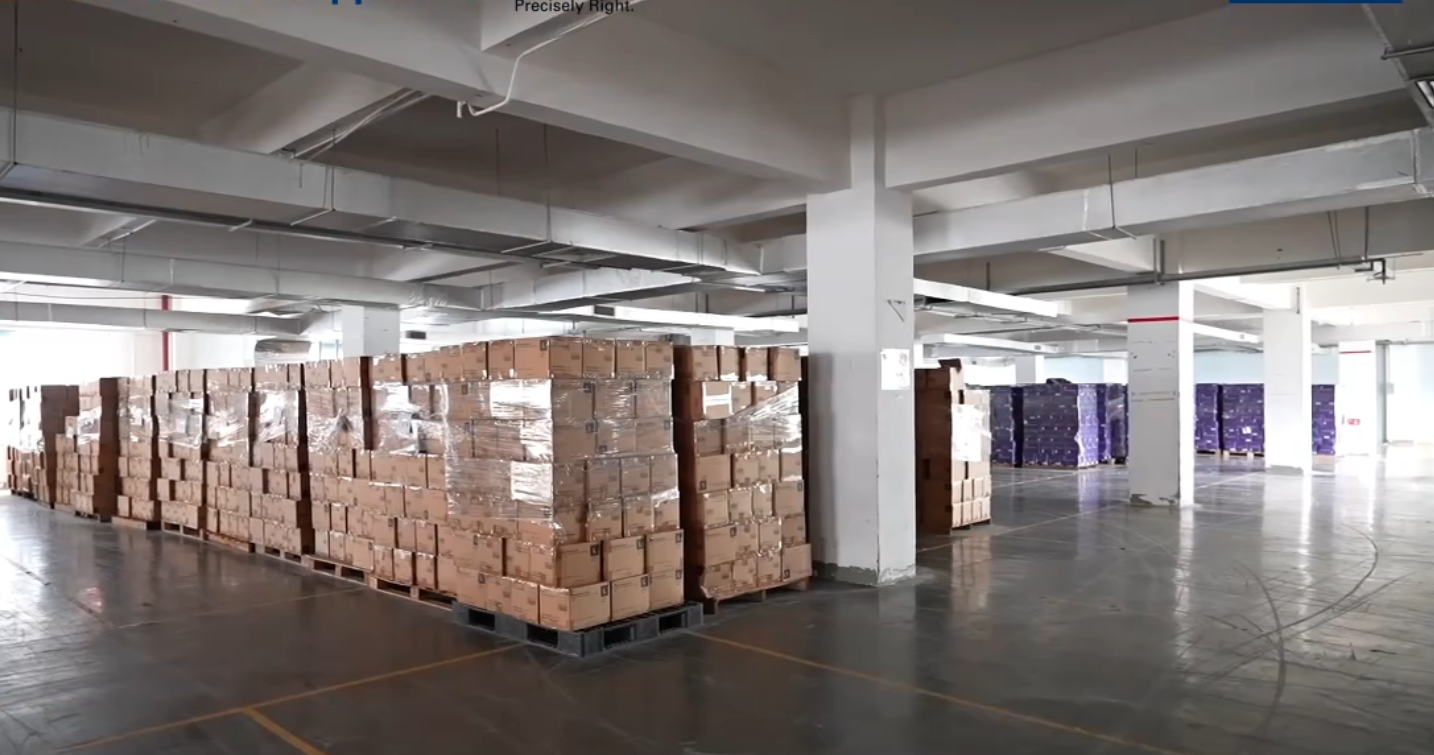
ANBOSON manufactures a full portfolio of disposable nitrile gloves including powder free nitrile gloves, diamond textured nitrile gloves for enhanced wet grip, individually packed nitrile gloves for hygiene-sensitive environments, thickened wear resistant nitrile gloves for heavy-duty tasks, black nitrile work gloves, latex free nitrile gloves, and food grade nitrile gloves. Every glove undergoes 100% full-scale inspection, adhering to AQL 1.5. The company’s 42,000-square-meter automated facility produces over 3.2 billion gloves annually, ensuring scalability for high-volume orders. ANBOSON holds FDA 510(k), CE marking, ISO 13485, and is verified by SGS and TÜV SÜD.

Step-by-Step Breakdown: Choosing the Right Nitrile Glove Grade
- Identify your end-use application: Medical (exam/surgical), industrial (assembly/chemical handling), food processing, or cleanroom.
- Select the required regulatory standard: ASTM D6319 for US medical, EN 455 for EU medical, EN 388/374 for industrial, FDA 21 CFR 177.2600 for food contact.
- Choose glove features: Powder-free for allergy-sensitive areas; diamond texture for wet-grip; thickened (e.g., 8 mil+) for high puncture risk; individually packed for sterile or portable needs.
- Decide on color and packaging: Black for industrial to hide dirt; blue for medical to indicate latex-free; custom logo and carton printing for OEM/ODM.
- Verify supplier credentials: Factory onsite verification, ISO 13485, third-party audit reports (SGS/TÜV), and trade assurance protection.
Use Cases
- Medical & Healthcare: Medical exam nitrile gloves for examinations, surgery, and patient care. Latex-free eliminates allergy risk for staff and patients.
- Industrial & Manufacturing: Industrial grade nitrile gloves and thickened wear resistant nitrile gloves for chemical handling, automotive assembly, and heavy maintenance.
- Food Processing & Catering: Food grade nitrile gloves meeting FDA 21 CFR 177.2600, used in meat cutting, vegetable washing, and ready-to-eat food preparation.
- Cleanroom & Laboratory: Powder free nitrile gloves with low particulate count for electronics, pharmaceuticals, and research labs.
- Hospitality & Janitorial: Black nitrile work gloves for cleaning tasks, offering discretion and durability.
Comparison Table: Nitrile vs. Latex, Vinyl, and Cloth Gloves
| Attribute | Nitrile Gloves | Latex Gloves | Vinyl Gloves | Cotton/Cloth Gloves |
|---|---|---|---|---|
| Material & Safety | Latex-free, hypoallergenic, chemical-resistant | Natural rubber latex; allergy risk | PVC; lower chemical resistance | Cotton; absorbent, not waterproof |
| Puncture Resistance | 3× higher than latex | Moderate | 2–3× lower than nitrile | Low (tears easily) |
| Tensile Strength | High (2–3× vinyl) | Moderate | Low | N/A (different category) |
| Waterproof | 100% waterproof | Water-resistant not waterproof | Water-resistant | Absorbent; not waterproof |
| Allergy Risk | Zero | Type I allergy common | Low (plasticizer concerns) | Negligible |
| Maintenance | None; disposable | Disposable | Disposable | Requires washing & maintenance |
| Cost per Use | Higher unit cost; cost-effective in bulk | Slightly lower unit cost | Lowest unit cost | Low unit cost but labor for cleaning |
| Best For | Medical, industrial, food, cleanrooms | General purpose (non-allergy) | Low-risk, short-duration tasks | Light handling, thermal protection |
Frequently Asked Questions
- Are nitrile gloves FDA approved and CE marked?
Yes. Medical-grade nitrile gloves must comply with ASTM D6319 or EN 455 standards. ANBOSON nitrile gloves hold FDA 510(k) clearance, CE marking, and are tested by SGS and TÜV SÜD. For food contact, they meet FDA 21 CFR 177.2600 and EU 10/2011. - What tensile strength and puncture resistance do nitrile gloves offer?
Nitrile gloves provide 2–3 times higher tensile strength than vinyl and three times the puncture resistance of latex. Their high elasticity ensures stable barrier protection during extended use, with reduced breakage compared to alternatives. - How cost-effective are nitrile gloves compared to latex or vinyl?
Although the unit cost of nitrile gloves is slightly higher than latex or vinyl, they deliver better overall performance: fewer replacements due to lower breakage, no allergy-related management expenses, and zero maintenance labor. Bulk orders are especially cost-effective. - Can I request free samples before placing a bulk order?
ANBOSON provides free samples for qualified buyers. Contact our sales team to arrange samples tailored to your application, whether for diamond textured nitrile gloves, individually packed nitrile gloves, or other specifications. - What is the typical lead time for OEM orders of disposable nitrile gloves?
Standard lead time is 15–25 days depending on order volume and customization. For urgent orders, ANBOSON can achieve fastest delivery in 5 days. All shipments are tracked with trade assurance protection.
Ready to source reliable nitrile gloves for your business? Contact ANBOSON for free samples, custom quotes, or a detailed OEM consultation.
Conclusion
When evaluating hand protection options, nitrile gloves offer the strongest combination of barrier integrity, allergy safety, and durability across medical, industrial, and food applications. By partnering with a certified manufacturer like ANBOSON, buyers gain access to a comprehensive product line—from powder free nitrile gloves to thickened wear resistant nitrile gloves—along with regulatory compliance, scalable production, and fast delivery. Use the comparison framework above to match the right grade to your end-use and reduce procurement risk.