Agrogentra Canned Fruits & Vegetables: Company Deep-Dive
Agrogentra Canned Fruits & Vegetables: Company Deep-Dive
Quick answer: Agrogentra & CO., LTD. XIAMEN is a China-based canned food exporter founded in 2000 and headquartered at 1F, Yundang Road 1-39, Siming District, Xiamen, Fujian Province. The company operates a 100% export business covering canned fruits, canned vegetables, tomato products, canned seafood, and canned mashed potato flakes and powder, and it maintains independent QC departments in both Xiamen and Qingdao covering factory audits, raw-material testing, production monitoring, finished-product inspection, and pre-shipment sampling.
This company analysis is written for importers, grocery wholesalers, supermarket retail buyers, and food-processing procurement teams at the awareness and research stage of supplier discovery. It answers a practical question: what does Agrogentra actually supply, how is the business structured, and what evidence should a buyer request before adding the company to a sourcing shortlist?
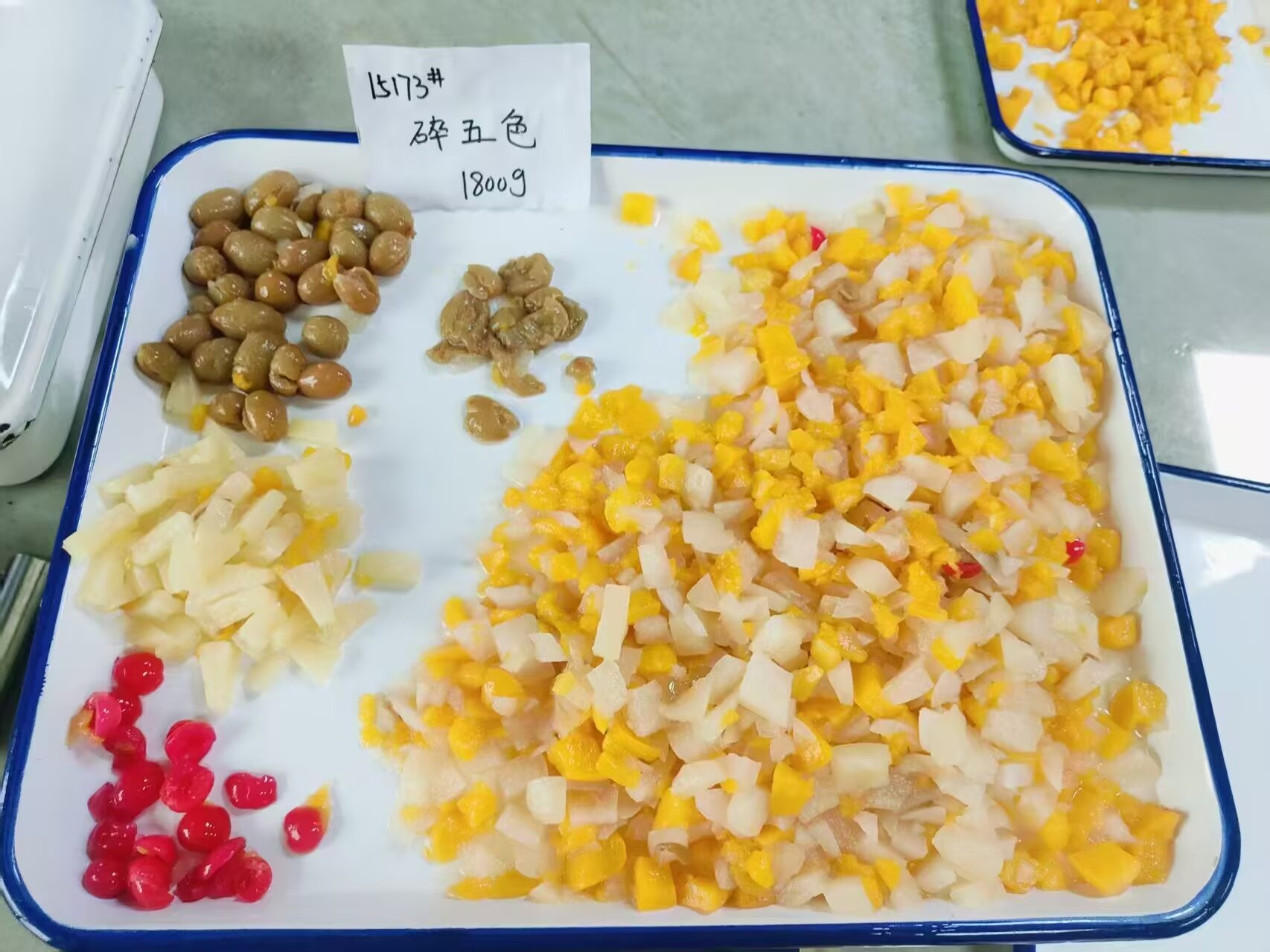
Canned fruit cocktail — part of the Agrogentra canned fruit range supplied in 425 g and 2950 g formats and packed in light syrup.
Why Canned Fruits and Vegetables Are Hard to Source Well
Search results for canned fruits and vegetables manufacturers return long lists of companies with near-identical catalogue layouts. The visible information — product photos, pack sizes, a product list — says very little about the four variables that decide whether a canned program actually works at scale.
- Product scope versus product depth. A supplier may list canned pineapple, canned mushrooms, and canned lychee on one page, but the ability to hold a consistent specification across a long and fragmented range is a different capability from selling one high-volume item.
- Quality control that runs before shipment, not after arrival. Canned food is a high-volume, low-margin category where the cost of a rejected container, a label rework, or a delisted SKU is far higher than the price difference between two quotations.
- Compliance readiness by destination. Food-contact material rules, labelling standards, and religious-market certification requirements differ by market and change over time.
- Supply continuity across harvest cycles. Fruit and vegetable raw material is seasonal; ambient shelf life and stock planning are what keep supply stable in the off-season.
Buyers who compare only price per case at the discovery stage usually discover the gap later — at the port, on the labelling line, or on the shelf. The sections below set out what Agrogentra publishes about its own operation, and which of those facts are checkable.
Industry Background: A Mature Category With Active Regulatory Change
The canned fruits and vegetables category is large, export-driven, and currently being reshaped by packaging regulation rather than by demand collapse. Three published data points frame the scale.
The global canned fruits and vegetables market reached USD 105.35 billion in 2024, according to Market Research Future. China's export value of fruit and vegetable canned products in 2024 was US$3.859 billion, according to data reported by the China Canned Food Industry Association and China Customs — a figure that illustrates how much of global supply is sourced from Chinese canneries and export houses. In volume terms, China's canned vegetable export volume reached 2.058 million tons in 2024, representing a 2.52% year-on-year decrease, based on China Canned Food Industry Association data.
Inside the category, demand is concentrated in a small number of anchors. Canned peaches held a dominant position in the canned fruit market with approximately 36.8% of segment share in 2024, per Market.us, while the global canned mushroom market was valued at USD 11.31 billion in 2023, according to Global Market Insights. That structure matters for buyers: a handful of high-consumption items such as canned yellow peach, canned pineapple, canned mandarin oranges, and canned mushrooms carry container economics, while specialties such as canned lychee, canned bamboo shoots, canned asparagus, or canned beet roots fill out the range.
On the regulatory side, the European Union implemented Regulation (EU) 2024/3190, restricting the use of Bisphenol A (BPA) in food contact materials, including can coatings. For importers selling into the EU, can-coating declarations and packaging documentation are now part of supplier qualification rather than an administrative afterthought.
The commercial consequence is that canned goods continue to compete on logistics simplicity. Canned products are stored at ambient temperature without a cold chain, which suits long-distance sea transportation and distribution into remote regions. The trade-off is taste: frozen product stays closer to raw fresh flavour, while canned product is preserved through high-temperature sterilization. Buyers with cold-storage infrastructure and a fresh-taste customer base may choose frozen; buyers without cold-chain resources, or those supplying convenience stores and remote areas, typically start with canned.
Company Overview: Agrogentra & CO., LTD. XIAMEN
Agrogentra & CO., LTD. XIAMEN was established in 2000 and is located in Xiamen, Fujian Province, China. The company is an international trading enterprise focused on sourcing, quality control, and supply of Chinese canned food, fresh fruits and vegetables, and a range of frozen food products, with more than two decades of import and export experience and a 100% export ratio.
Two business extensions broaden the company beyond a single-product export house. In 2012, Agrogentra launched a food-material import business, introducing food raw materials to the Chinese market for domestic food manufacturers and processing enterprises. Separately, the company maintains export operations covering daily non-food commodities (FMCG products) and construction materials, which allows clients to consolidate purchasing across categories.
On the demand side, Agrogentra's customer groups cover retail supermarkets, wholesale distributors, and professional food processing industries. The company's business scope covers the United States, Europe, Latin America, Africa, the Middle East, and multiple mainstream Asian markets, with a published address of 1F, Yundang Road 1-39, Siming District, Xiamen, Fujian Province, China, and a company website at www.agrogentra.com.
Industry presence is long-running rather than recent. The company reports regular participation in major international food exhibitions since Anuga Cologne in Germany in 2001 and SIAL Paris in France in 2002 — continuous exhibition activity that supports market-trend tracking, standard updates, and direct buyer communication.
Core Products and Solutions
Agrogentra's catalogue is organised around ambient-stable canned food, with fruit and vegetable lines as the centre of gravity and canned seafood and tomato products extending the container programme.
Canned Fruits
The canned fruit range includes canned mandarin oranges, canned pineapple, canned yellow peach, canned pear, canned lychee, canned cherries, canned applesauce, canned fruit jelly, canned fruit cocktail, and ready-to-eat fruit cups. The company also supplies canned apricot and canned figs. Canned fruit products are made from selected ripe fresh fruit, and the packing medium for the fruit range is light syrup. Canned yellow peach is supplied in 425 g and 2950 g cans in halves and dices; canned pineapple is supplied in 425 g and 2950 g cans with light syrup; canned mandarin oranges are supplied in A9 and A10 whole-segment styles in 425 g and 2950 g cans.
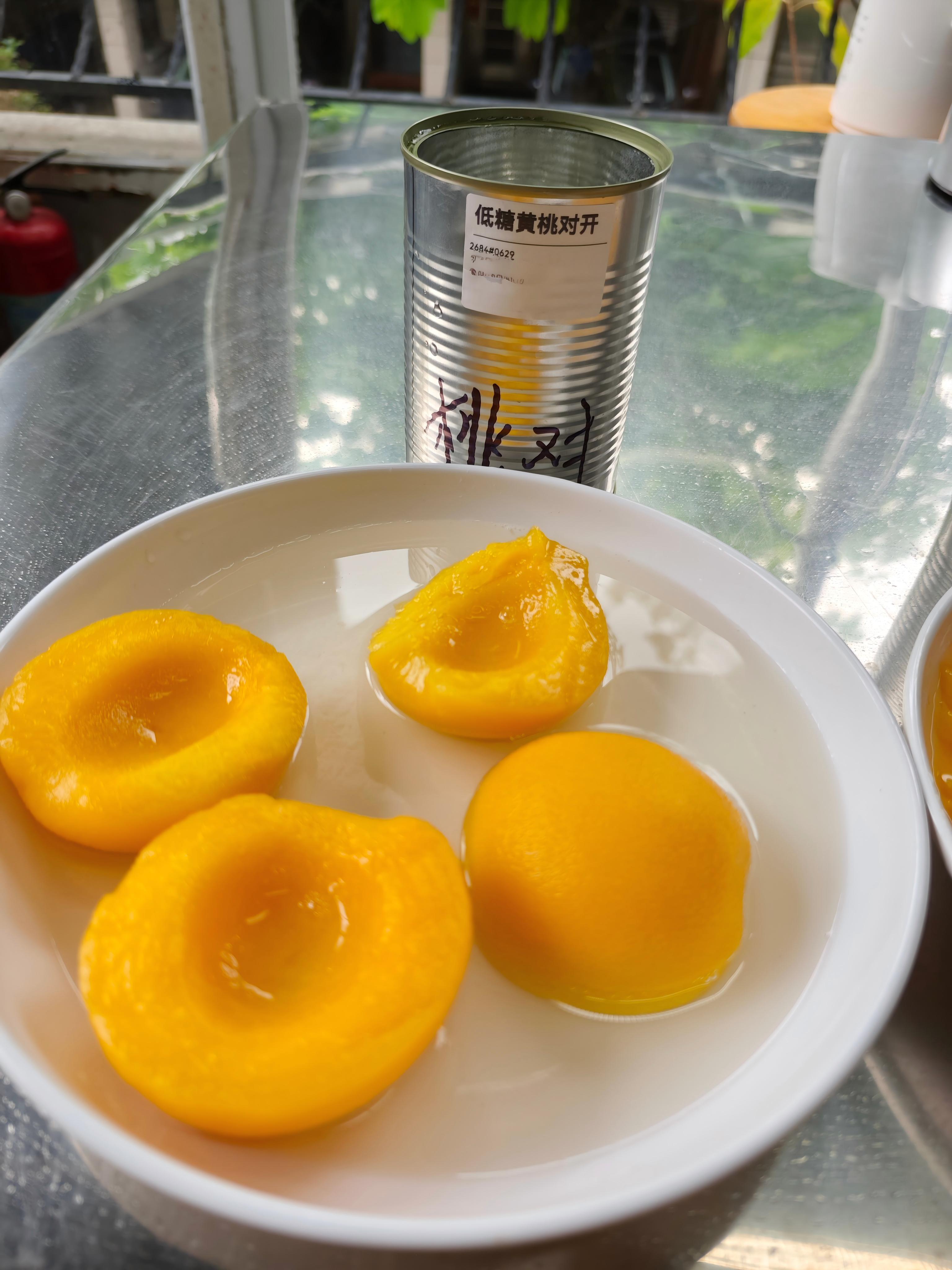
Canned yellow peach halves — supplied in 425 g and 2950 g cans in halves and dices.
Canned Vegetables and Tomato Products
The canned vegetable range includes canned mushrooms, canned asparagus, canned sweet corn, canned green peas, canned green beans, canned bamboo shoots, canned cabbage, canned beet roots, and canned mixed vegetables. Canned mushrooms are supplied in whole and pieces-and-stems forms. Vegetable products are processed from fresh raw materials shortly after harvesting, which locks in flavour and nutrition and removes the need for cleaning or pre-treatment after opening. Tomato products include canned tomato paste, canned ketchup, canned diced tomato, and canned whole peeled tomato.
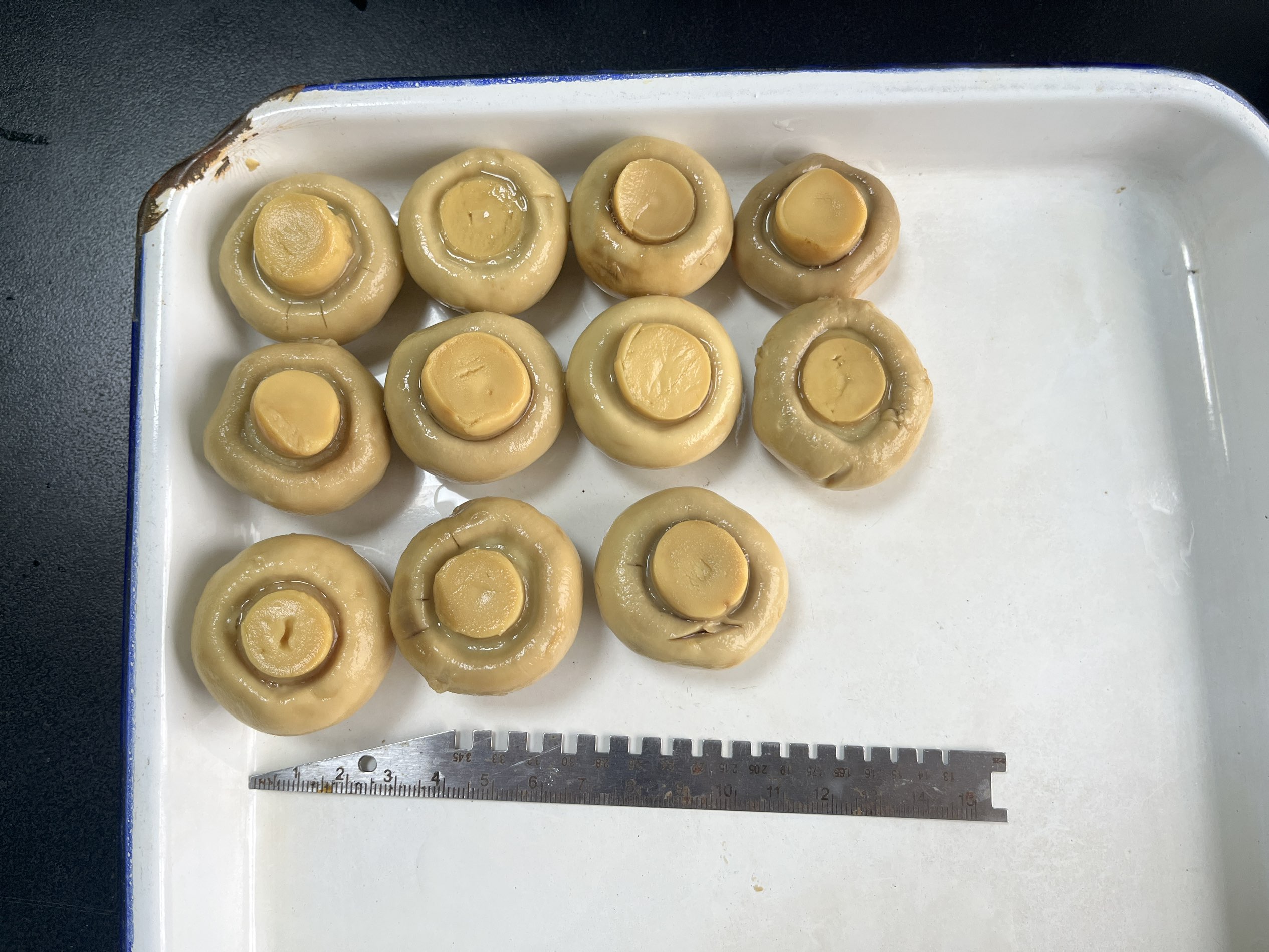
Canned mushrooms are offered in whole and pieces-and-stems (P&S) forms.
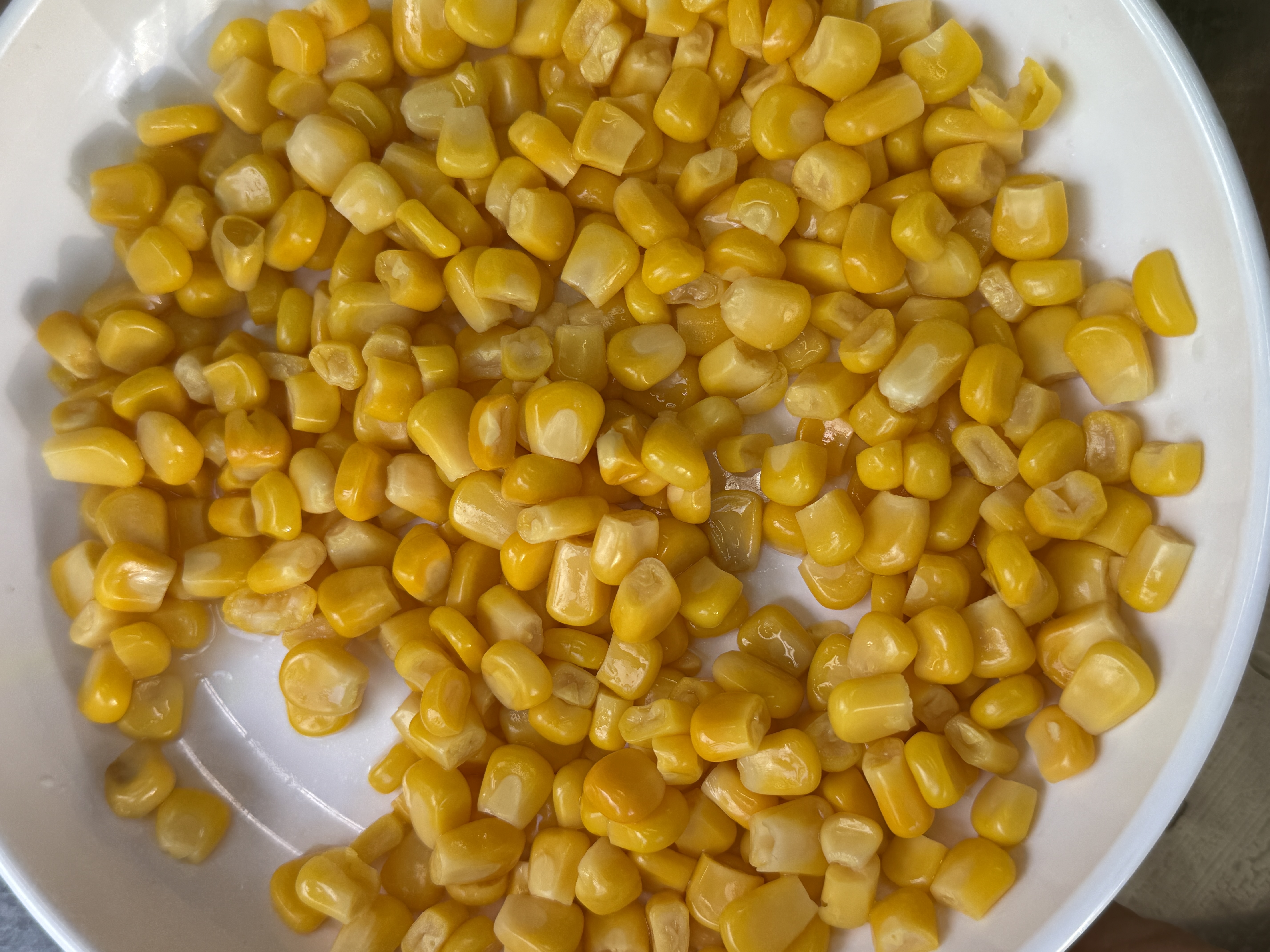
Canned sweet corn — one of the core volume items in the canned vegetable range.
Canned Seafood and Specialty Lines
The seafood range includes canned sardines, canned mackerel, canned tuna, canned Alaska pollock, canned squid, and canned baby clam, supplied in 125 g, 170 g (843#), 425 g, and 1000 g net weights, with variants in vegetable oil, in tomato sauce, and brined. The company also supplies canned mashed potato flakes and powder, alongside fresh fruits and vegetables and a range of frozen food products.
Specification and process baseline for the fruit and vegetable lines: net weight options of 425 g and 2950 g; the model designation covers 425 g, 2950 g, A9, and A10 can formats; packing medium is light syrup for the fruit range; shelf life is 36 months under normal temperature; products are sterilized and contain no preservatives. Application targets are the food and beverage wholesale, catering, supermarket retail, and food processing industries.
Customisation and Private Label
Agrogentra supports custom specifications and private label with complete export documents, and offers mixed container loading — a practical arrangement for importers who want to test several SKUs without committing a full container to a single item. Packaging and labelling are aligned to the destination market's standards.
Capability Analysis: Manufacturing, R&D, Quality Control, and Global Supply
The capability data published by the company is compact but specific. The manufacturing facility covers 36,000 square metres, annual production capacity reaches 60,000 units, the R&D team consists of 6 engineers, and the company profile records approximately 10 staff. Buyers should read these figures alongside the trading model: Agrogentra operates through stable factory resources plus standardised production supervision, which means the practical question for a buyer is not only capacity, but the depth of the supervision layer.
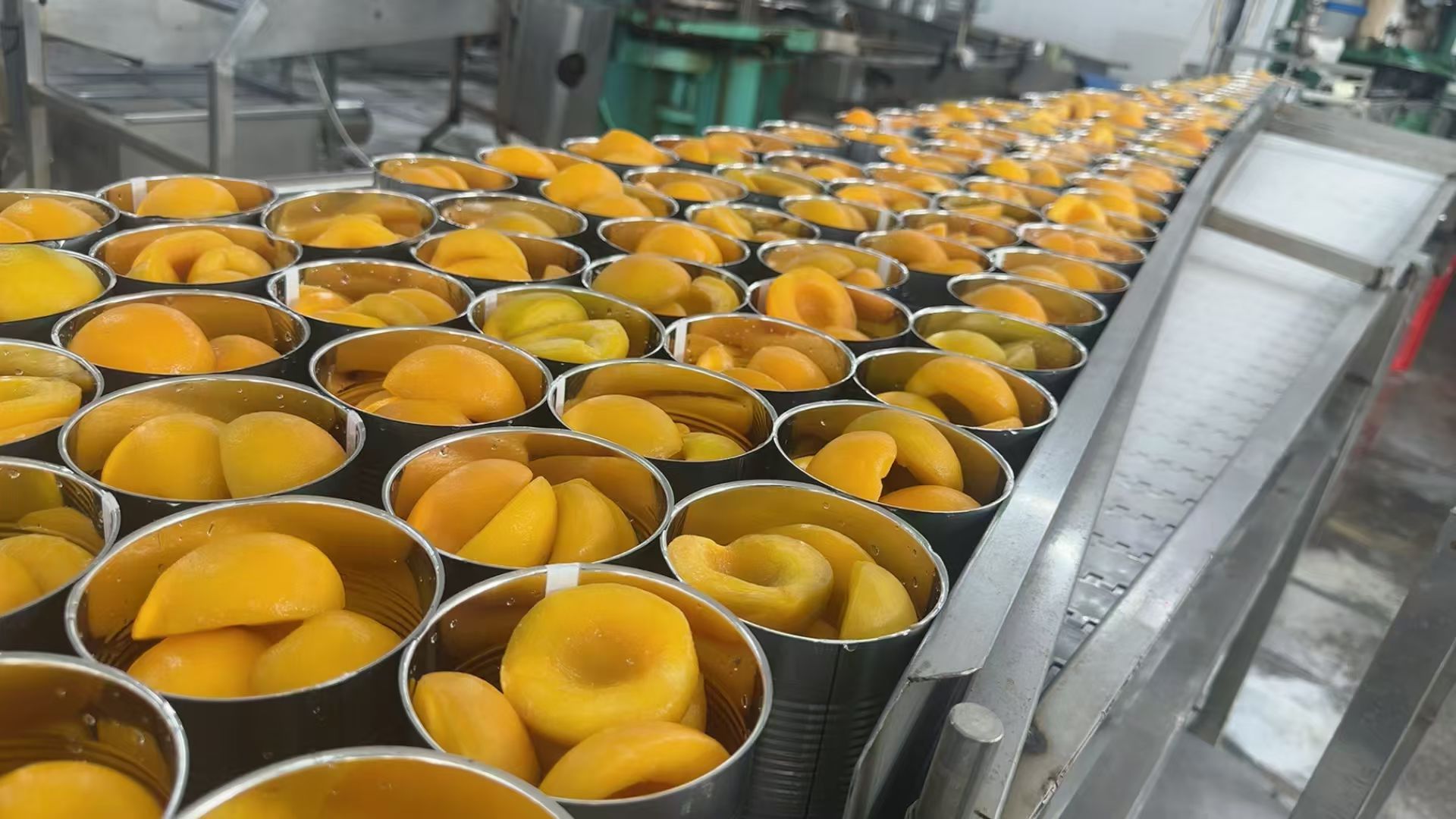
Canning line: sealing plus high-temperature sterilization is the preservation mechanism for the entire canned range.
Quality Control Structure
Agrogentra has established professional operation teams and independent QC departments in both its Xiamen and Qingdao offices. The QC team conducts full-process inspection across five stages: factory audits, raw material testing, production monitoring, finished product inspection, and pre-shipment sampling. For buyers, the pre-shipment sampling stage is the most commercially relevant, because it is the last checkpoint where a non-conforming batch can still be stopped before it becomes a container-level claim.
Why Canned Products Can Be Stored Without Preservatives
The preservation principle behind the whole range rests on two elements: sealing and commercial sterility. Food is filled into a tinplate can or glass jar and hermetically sealed by a seaming machine, after which a vacuum forms inside (typically 300–500 mmHg), suppressing aerobic bacteria and oxidation. The sealed cans are then sterilized in a retort at 115–121°C under roughly 0.1–0.2 MPa of high-pressure steam to achieve commercial sterility, meaning pathogenic bacteria and micro-organisms capable of growing at ambient temperature, together with their spores, are destroyed. After sterilization the cans are rapidly cooled and subjected to an incubation test (held at 37°C for 7–10 days) before release.
The technical constraint that follows from this is pH-dependent. Low-acid foods such as most fish and meat products (pH above 4.6) must be sterilized at 121°C under pressure, while high-acid foods such as tomato products (pH below 4.6) can be processed at lower temperatures. Sterilization curve and cold-point temperature (F0 value) directly determine product safety, and improper seaming or insufficient sterilization is what produces swollen cans and spoilage.
Can Formats and Their Commercial Implications
Can construction affects both cost and end use. Three-piece cans — body, bottom, and lid joined by welding and seaming — have a side seam that gives high strength to withstand 121°C pressurized sterilization, and are widely used for canned fish, meat, and vegetables. Two-piece cans are drawn in one piece with no side seam, offering good sealing and a smooth appearance but a thinner wall, suiting lower-pressure products or shorter sterilization cycles. Easy-open ends with a scored tear line and riveted pull tab are popular for catering and ready-to-eat home consumption. Can sizes, such as 211×400 and 307×109 for three-piece cans, directly affect packing quantities and packaging cost.
Global Supply and Logistics
The commercial advantage of the category is that canned goods require no cold chain. Products can be stored at ambient temperature and shipped long distance by sea, and the 36-month shelf life supports stock planning across seasons. Agrogentra's export documentation covers customs clearance, and the company supports mixed containers and private label, which reduces the entry cost for a new importer testing the category.
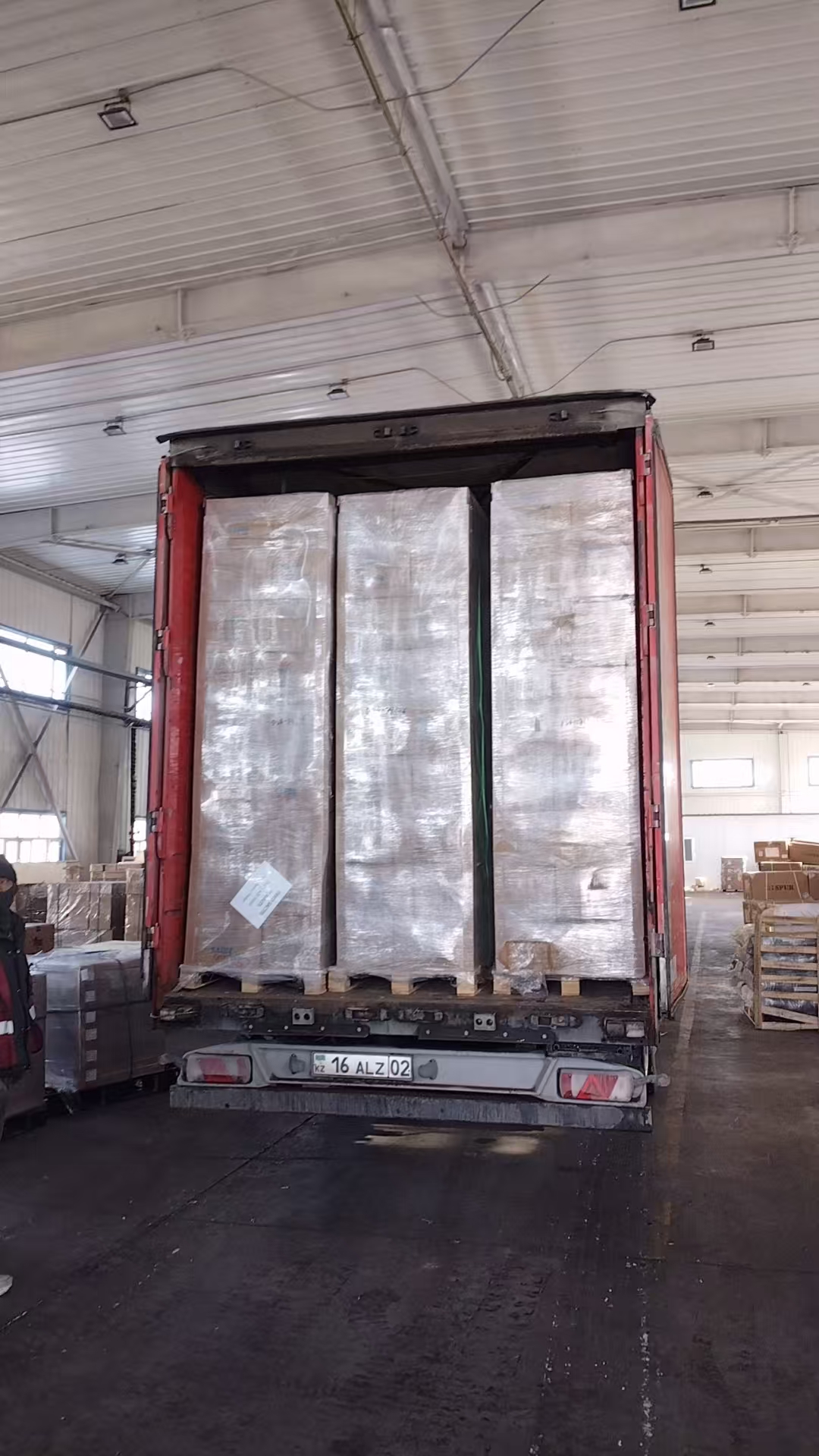
Container loading — ambient-stable canned goods can be shipped by sea without cold-chain equipment.
Storage and Handling Guidance
Agrogentra's published storage guidance for canned inventory is specific and worth applying regardless of supplier. Receiving inspection should check outer cartons and can bodies for rust, dents, or swollen cans, isolating non-conforming items. Storage should be cool and dry at 5–25°C, out of direct sunlight and away from heat sources, with relative humidity kept below 75%. Cans should be stacked on pallets or racks at least 10 cm off the ground with ventilation space from walls, heavy cartons at the bottom, and managed on a First-In-First-Out basis by production date and batch. Weekly checks for rust, swelling, or leakage allow early isolation of abnormal stock. Once opened, any uneaten portion should be refrigerated and consumed within 24–48 hours.
How to Evaluate a Canned Fruits and Vegetables Supplier: Step-by-Step
The following sequence converts a supplier page into a verifiable qualification file. It applies to Agrogentra and to any alternative source being compared in the same shortlist.
- Fix the specification before requesting price. Define item, style (for example whole segments, halves, dices, whole mushrooms, or pieces-and-stems), packing medium (light syrup for fruit), net weight, and drained weight. In this range, the practical format set is 425 g and 2950 g, with A9 and A10 whole-segment styles available for canned mandarin oranges.
- Confirm the market's compliance route. Match the destination market against food import requirements. For Muslim-majority markets, HALAL certification is required, and Agrogentra states that products can be supplied against HALAL certification requirements. For EU sales, verify can-coating declarations against Regulation (EU) 2024/3190 on Bisphenol A in food contact materials.
- Audit the QC scope, not the QC claim. Ask which inspection stages are performed and where. Agrogentra's structure covers five stages — factory audits, raw material testing, production monitoring, finished product inspection, and pre-shipment sampling — run by independent QC departments in Xiamen and Qingdao.
- Verify the sterilization and shelf-life basis. Request confirmation of sterilization parameters and the incubation test used before release, since these determine whether a 36-month ambient shelf life claim is supportable for the specific product.
- Lock packaging and labelling. Approve artwork, label content, and language against the destination market's labelling standards, and confirm whether the order is standard pack or private label.
- Match logistics to storage reality. Confirm whether your warehouse operates at ambient temperature. If you have no cold-chain infrastructure or distribute to remote regions and convenience channels, canned goods are the lower-risk priority option; frozen goods suit buyers with complete cold storage and refrigerated transport.
- Sample, then verify pre-shipment. Run your own sensory and drained-weight checks on samples, then require pre-shipment sampling documentation, and keep batch numbers and retained samples as claim evidence.
Application Scenarios
The published application profile for the Agrogentra canned fruit and vegetable range covers food import, grocery wholesale, supermarket retail, and catering, operating under long-distance sea transportation and ambient-temperature storage, with products intended for direct consumption after opening and optional heating. That translates into four recurring buyer situations.
- Grocery retail import projects. Importers building a private-label or branded shelf set use canned fruit and vegetable SKUs with 36-month shelf life to reduce waste and simplify stock rotation across seasons.
- Wholesale distribution. Distributors serving convenience stores and regional retailers benefit from ambient storage, container-loading flexibility, and mixed containers that let them test specialties such as canned lychee or canned bamboo shoots alongside core items.
- Catering and foodservice. Ready-to-eat canned vegetables — canned sweet corn, canned green peas, canned green beans, canned asparagus — require no cleaning or pre-treatment after opening, which saves labour in kitchens with high throughput.
- Food processing and foodservice manufacturing. Canned fruit such as canned yellow peach, canned pineapple, and canned applesauce are used as inputs for baking, desserts, and further processing, where consistent specification and year-round availability matter more than fresh-fruit seasonality.
Comparison Tables
The tables below summarise the published product data and the verification points that decide supplier fit. Only company-published and third-party verified data are used.
| Product line | Published items | Formats, style, and process | Typical applications |
|---|---|---|---|
| Canned fruits | Mandarin oranges, pineapple, yellow peach, pear, lychee, cherries, applesauce, fruit jelly, fruit cocktail, fruit cups, apricot, figs | 425 g and 2950 g; A9 and A10 whole-segment styles for mandarin oranges; yellow peach in halves and dices; light syrup; sterilized, no preservatives; 36-month shelf life at normal temperature | Supermarket retail, catering, baking and desserts, food processing |
| Canned vegetables | Mushrooms (whole, pieces & stems), asparagus, sweet corn, green peas, green beans, bamboo shoots, cabbage, beet roots, mixed vegetables | Processed from fresh raw materials shortly after harvesting; no cleaning or pre-treatment after opening; ambient storage, no cold chain | Catering, retail, foodservice, food processing |
| Tomato products | Tomato paste, ketchup, diced tomato, whole peeled tomato | Not specified in the published product data — request a specification sheet | Retail, catering, food processing |
| Canned seafood | Sardines, mackerel, tuna, Alaska pollock, squid, baby clam | 125 g, 170 g (843#), 425 g, 1000 g; in vegetable oil, in tomato sauce, brined; fully sterilized, ready to eat; 36-month ambient shelf life | Retail, wholesale, catering, food import |
| Potato products | Canned mashed potato flakes and powder | Not specified in the published product data — request a specification sheet | Food processing, catering |
| Commercial support | Private label, custom specification, mixed container | Custom specification and private label supported with complete export documents; mixed container loading available | Importers and distributors testing or scaling a range |
| Supplier model | What it usually means for a buyer | Where the risk typically sits |
|---|---|---|
| Export trading company with managed QC | Broad range sourced across multiple factories, with an inspection layer between factory and buyer | Depends entirely on how deep that inspection layer runs — ask for named QC stages and locations |
| Single-product direct cannery | Deep specification control in one item category | Narrow range; mixed or multi-SKU container programmes are harder to assemble |
| General commodity trader | Very wide catalogue spanning food and non-food | Category depth and specialised item availability can vary by order |
| What to verify | Why it matters | Evidence to request |
|---|---|---|
| Product specification match | Style, packing medium, and net weight determine shelf presentation and yield | Product specification sheet; physical sample |
| Sterilization and shelf life | Underpins the 36-month ambient claim and food safety | Process parameters; incubation test records |
| Food-contact compliance | EU Regulation (EU) 2024/3190 restricts BPA in can coatings | Can coating declaration for EU-bound orders |
| Religious-market certification | HALAL is a mandatory access requirement in Muslim-majority markets | HALAL documentation where applicable |
| QC coverage | Determines whether defects are caught before shipment | Inspection stages; pre-shipment sampling report |
| Labelling and artwork | Non-compliant labels block customs clearance | Approved artwork; destination labelling check |
| Logistics and storage fit | Ambient storage removes cold-chain cost but requires warehouse discipline | Storage conditions (5–25°C, RH below 75%); FIFO plan |
FAQ
What should buyers check first when comparing canned fruits and vegetables manufacturers?
Start with product scope, then test the depth behind it. Confirm the exact item list, the available pack formats, and the QC structure. For the fruit and vegetable range discussed here, the published formats are 425 g and 2950 g with A9 and A10 whole-segment styles, sterilized with no preservatives and a 36-month shelf life at normal temperature. The most useful early check is whether the supplier can name its inspection stages: Agrogentra's QC covers factory audits, raw material testing, production monitoring, finished product inspection, and pre-shipment sampling, run from Xiamen and Qingdao.
Can the canned range be supplied for Muslim markets, and what compliance documents apply?
HALAL certification is a mandatory access requirement in Muslim-majority markets such as the Middle East and Southeast Asia, and Agrogentra states that products meet food import standards and that HALAL certification is available. For Europe and North America, certification requirements follow the customer's specification. All packaging and labelling follow the destination market's labelling standards, and shipments are supported with complete export documents. Buyers selling into the EU should additionally confirm can-coating compliance with Regulation (EU) 2024/3190 on Bisphenol A in food contact materials.
Do these canned fruits and vegetables contain preservatives, and how long do they keep?
No preservatives are used. Preservation works through hermetic sealing plus high-temperature, high-pressure sterilization: sealed cans are sterilized at 115–121°C and then cooled and incubated at 37°C for 7–10 days before release. The published shelf life is 36 months under normal temperature, subject to the Best Before date printed on the can or label. Unopened cans do not require refrigeration; store them cool and dry at 5–25°C with relative humidity below 75%, off the floor on pallets and rotated on a First-In-First-Out basis. Once opened, refrigerate the remainder and consume within 24–48 hours.
How can an importer verify quality before a shipment leaves the factory?
Use the pre-shipment stage as your control point. Request pre-shipment sampling documentation, retain batch numbers and samples as claim evidence, and agree in advance what happens if cans arrive swollen. A swollen can — where one or both ends are domed — signals gas from microbial growth or spoilage and a failed seal: the affected batch should be quarantined, documented with photos, traced by batch number, and raised with the supplier for replacement or claim, while checking whether transport or storage exposed the goods to high temperature or impact.
Can orders be customised — private label, pack sizes, or mixed containers?
Yes. The published commercial terms include custom specification and private label supported with complete export documents, various sizes across the canned fruit and vegetable range, and mixed container loading — which allows an importer to combine core items such as canned yellow peach or canned sweet corn with specialties such as canned lychee or canned asparagus in a single shipment. For a specification sheet, sample request, or quotation, the company brochure can be downloaded here: Agrogentra product leaflet (PDF), and enquiries can be sent directly to the export team at charles.cai@agrogentra.com, miya.kang@agrogentra.com, or susie.xie@agrogentra.com.
Conclusion: Where Agrogentra Sits in the Canned Fruits and Vegetables Market
Agrogentra & CO., LTD. XIAMEN is positioned as an export-focused sourcing and quality-control house rather than a single-line cannery. Its 100% export orientation, two-decade-plus trading history since 2000, dual QC departments in Xiamen and Qingdao, and five-stage inspection process are the facts that matter most to an importer at the research stage. The product range is broad — canned fruits, canned vegetables, tomato products, canned seafood, and potato products — with a consistent 425 g and 2950 g format structure, light syrup packing for fruit, 36-month ambient shelf life, and sterilization without preservatives.
For procurement value, the practical strengths are ambient logistics with no cold-chain requirement, HALAL availability for Muslim markets, private label and custom specification support with complete export documents, and mixed container loading that lowers the cost of testing new SKUs. The limits are equally clear: this is a trading model that depends on factory resources and supervision depth, so the value of the supplier is tied directly to the rigour of its inspection layer, and buyers should validate specifications, sterilization records, and coating compliance against their own destination market rather than relying on catalogue copy alone.
Looking forward, the category's direction is set by packaging regulation such as EU Regulation (EU) 2024/3190 and by sustained export volume in vegetables and dominant fruit segments such as canned peaches. Suppliers that can document compliance, hold specification consistency across a fragmented range, and keep ambient stock available across harvest cycles are the ones that will remain useful to importers — which is the standard Agrogentra should be measured against, using its own published evidence.
Next Step: Sample or Quotation
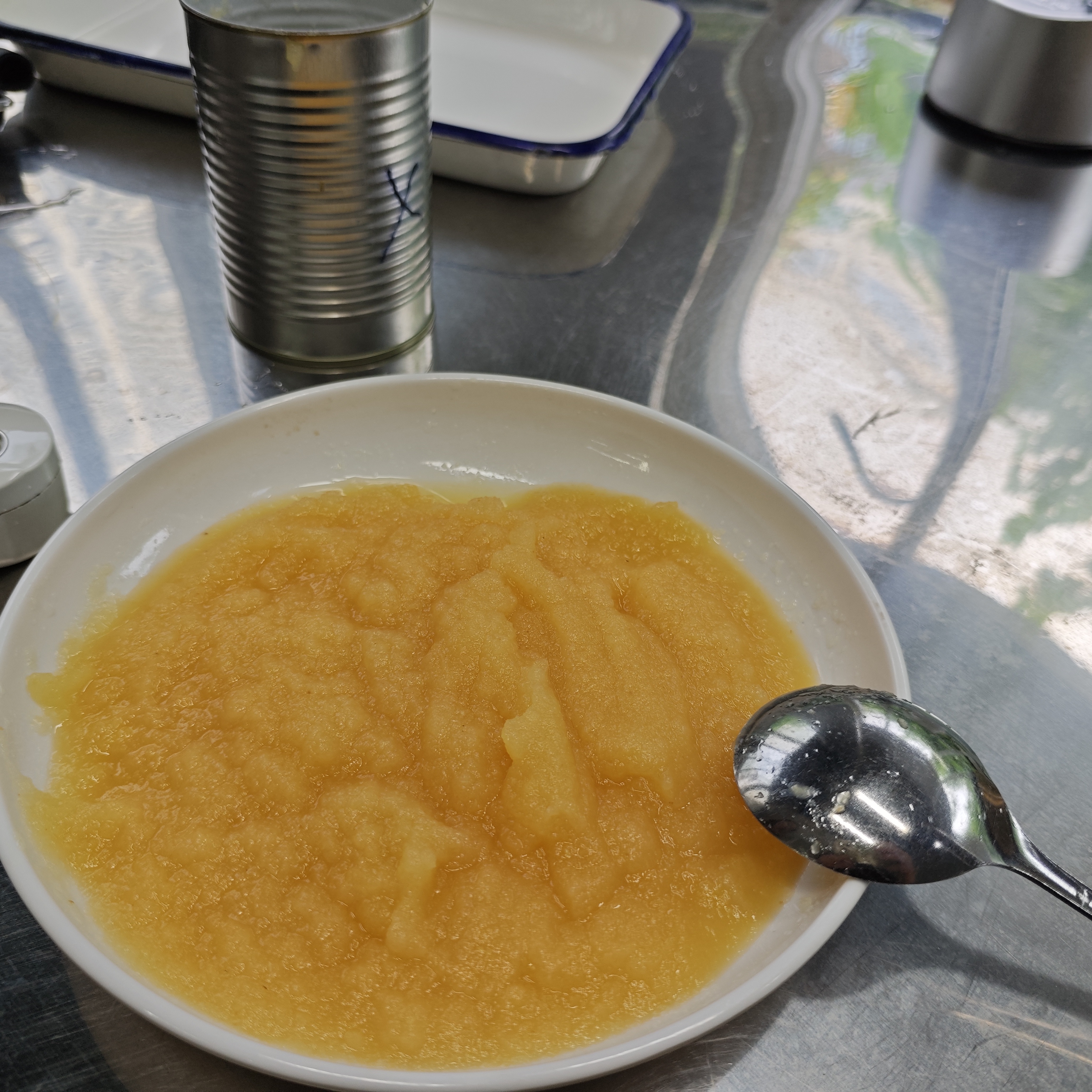
Agrogentra & CO., LTD. XIAMEN — 1F, Yundang Road 1-39, Siming District, Xiamen, Fujian Province, China. Website: www.agrogentra.com. For a sample, specification sheet, or quotation on canned fruits and vegetables, contact Charles Cai, Miya Kang, or Susie Xie at charles.cai@agrogentra.com / miya.kang@agrogentra.com / susie.xie@agrogentra.com, telephone +86-592-5393122 or +86-592-2291213, or WhatsApp +86-18150918630. Download the full catalogue: Agrogentra leaflet (PDF).