Canned Fish Certification and Specification Guide for Importers
For a canned fish importer, the decisive question is not which supplier offers the lowest can price — it is which supplier can hand over a certificate scope, a specification sheet and a shipment document set that match the purchase order exactly. Three constraint layers decide whether an order ships, clears customs and stays sellable: food-safety management certification, market-access and regulator registration, and commercial specifications such as net weight, sauce base, shelf life, MOQ and delivery lead time.
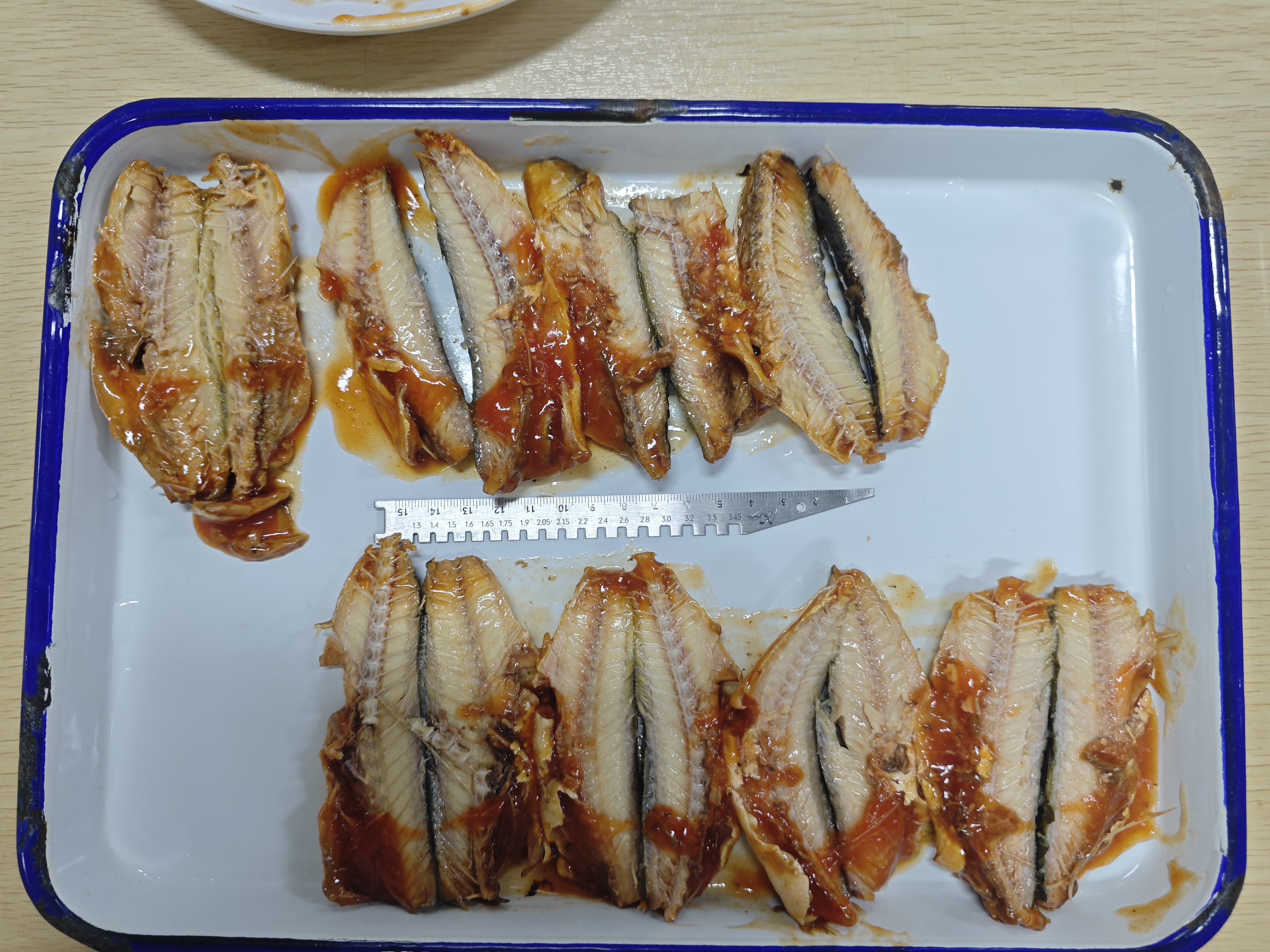
Canned mackerel in tomato sauce: 125 g, 170 g (843#), 425 g and 1000 g net weight, 36-month ambient shelf life.
Agrogentra & Co., Ltd. (Xiamen Agrogentra Co., Ltd.) is a Xiamen-based international trading company established in 2000 that sources, quality-controls and exports Chinese canned seafood, canned fruits and vegetables, and frozen food products to importers, wholesale distributors, retail chains and food processing companies worldwide. Its official site is www.agrogentra.com. The company runs dedicated QC teams in both Xiamen and Qingdao and has supplied export markets for more than 25 years, with a 100% export ratio across the United States, Latin America, Europe, Africa, the Middle East and Asian markets.
Problem Definition: Where Canned Fish Orders Actually Break Down
Canned fish compliance failures are rarely dramatic. They surface as a customs hold, a rejected label proof, a retail audit finding, or a container that arrives with rusted seams because a warehouse ran hot for three weeks. In practice, most of these failures trace back to one of six constraint mismatches — and each of them is checkable before the order is placed.
- Certificate scope mismatch. A certificate can be valid and still not cover the SKU you ordered. A BRCGS certificate may be issued for the manufacturing of canned mackerel, sardine and canned tuna, while a HALAL certificate for the same supplier may list only specific sauce bases — canned mackerel in tomato sauce, in oil and in brine, and canned sardines in tomato sauce, in oil and in brine. A brine-packed squid line sits outside both documented scopes.
- Regulator registration gaps. The destination market may require registration that is separate from product certification. Processors shipping low-acid canned foods to the United States must register under the FDA Food Canning Establishment (FCE) system and file their Scheduled Processes (SID).
- Regulatory change lag. Regulation (EU) 2024/3115, effective January 2025, tightened plant health and traceability requirements for imported preserved foods entering the European Union. Suppliers still operating on pre-2025 paperwork workflows create avoidable delays.
- Specification drift. Net weight, drained weight, sauce base, can format and label artwork are frequently quoted verbally and confirmed incorrectly by email. The result is a shipment that is technically compliant but commercially unsellable for your channel.
- Shipment-level document gaps. Certificates cover the factory; a Certificate of Analysis, health certificate, pre-shipment inspection report and traceability report cover each batch. A buyer who receives only the factory certificate has no batch-level evidence to fall back on if a problem appears later.
- Post-arrival storage failure. Canned fish is ambient-stable, not storage-proof. Storage above 30°C or relative humidity above 85% accelerates rusting of the tinplate and quality deterioration, and the damage typically appears after the goods have left the port.
Industry Background: A USD 57.69 Billion Category Under Stricter Rules
The commercial context explains why certification has moved from a formality to a selection criterion. According to Fortune Business Insights, the global canned seafood market was valued at USD 57.69 billion in 2025. It is worth noting that valuation figures in this category diverge significantly by research house — one alternative estimate places the market at roughly USD 37.20 billion — because firms define the boundary between "hermetically sealed cans" and broader "processed and packaged seafood" differently. For buyers, the practical takeaway is that any single market-size figure should be read as a definition, not a universal truth.
Within the category, the structure is clearer than the total:
- Canned fish dominates canned seafood with a 75.3% share of the segment (Grand View Research).
- Global imports of canned and prepared fish under HS 1604 totalled 3.2 million tonnes worth USD 17.54 billion in 2023 (UN Comtrade, FAO-derived).
- Canned tuna accounts for 43% of global canned fish import volume under HS 1604 (UN Comtrade), which is why tuna specifications and tuna-specific certifications are usually the first thing a new importer is asked to provide.
- The adjacent canned fruits and vegetables market is projected at USD 127.7 billion in 2026 (Business Research Insights), and canned tomato paste demand in North America remains concentrated — the U.S. held an 83.7% revenue share of that regional segment in 2024 (Grand View Research).
On the regulatory side, two shifts matter most for 2026 procurement planning. The first is the EU's stricter plant health and traceability regime under Regulation (EU) 2024/3115. The second is the continued enforcement of FDA FCE registration and SID filing for foreign processors of low-acid canned foods. Both shifts move documentation from an administrative afterthought to a prerequisite — which favours suppliers with in-house QC structures over intermediaries that only forward paperwork.
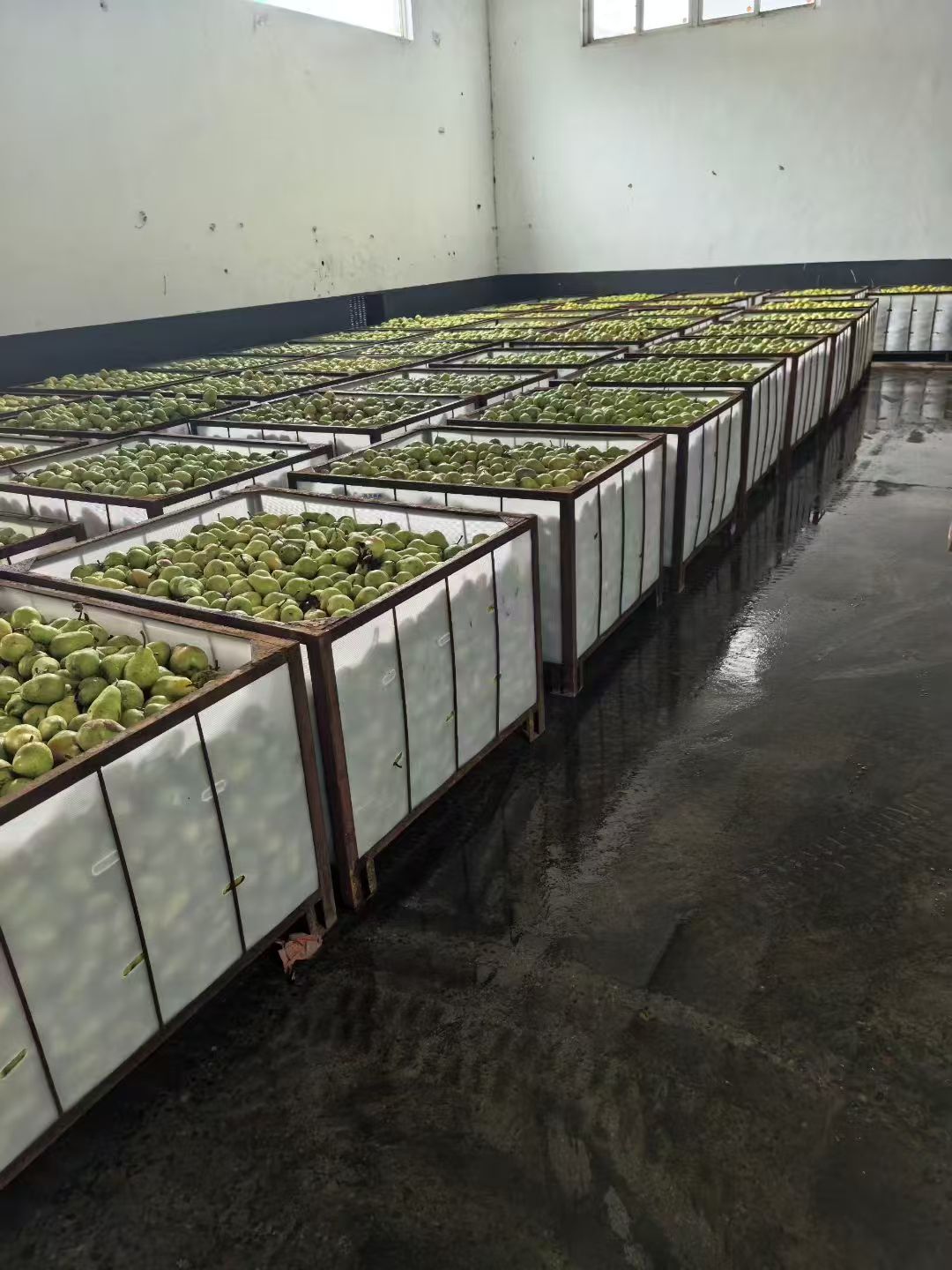
Incoming raw material storage — the first control point in a documented canned-fish supply chain.
What a Compliant Canned Fish Supply Package Must Contain
1. Food-safety management certification with a verifiable scope
The baseline evidence a GFSI-recognized certification provides is a scope statement, not a logo. Agrogentra's canned sardine, canned mackerel and canned tuna products are certified to the BRCGS Global Standard for Food Safety, under certificate 051A1312001 issued by Intertek Certification Ltd (UKAS Accredited Body No. 014). The certification follows BRCGS Global Standard for Food Safety, Issue 9 (August 2022), covers the manufacturing of canned mackerel, sardine and canned tuna, applies to the global market as a GFSI-recognized scheme, and is valid from 27 January 2026 to 13 February 2027.
Four fields are worth checking on any certificate of this type: the certificate number, the issuing body and its accreditation, the certified scope (which products and which process), and the validity window. A certificate that is valid but whose scope names a different product line does not protect your shipment.
2. Market-access certification for Muslim markets
HALAL is not a quality badge in Indonesia and Malaysia; it is an access requirement. Agrogentra holds HALAL certification number 8998250000 issued by SHC (Shandong Halal Certification Service Co., Ltd.), valid from 1 July 2025 to 30 June 2028, under Indonesia Halal Law Regulations as recognized by BPJPH and MS1500:2019 as recognized by JAKIM.
The certified scope is specific, which is exactly what a buyer should want: canned mackerel in tomato sauce, canned mackerel in oil, canned mackerel in brine, canned sardines in tomato sauce, canned sardines in oil, canned sardines in brine, plus selected frozen fish products including frozen sardine, frozen mackerel and frozen tuna. A Halal certificate is also available for the broader product line on request.
3. Regulator registration for the destination market
Certification and registration are different layers, and buyers frequently conflate them. For the United States, foreign processors of low-acid canned foods must register under the FDA Food Canning Establishment system and file Scheduled Processes. For the European Union, Regulation (EU) 2024/3115 has applied since 1 January 2025 and requires tighter plant health and traceability documentation for imported preserved foods. When you request a supplier's documents, ask separately for: (a) food safety certification, (b) market-access certification, and (c) destination-market registration status.
4. Specification constraints: sizes, sauce bases and shelf life
Canned fish specifications are narrower than most first-time importers expect. The export line covers net weights of 125 g, 170 g (843#), 425 g and 1000 g, with variants in vegetable oil, in tomato sauce and brined. Shelf life is 36 months at ambient temperature; the product is fully sterilized and ready to eat, with no cold chain required in transit or storage. The pack uses tinplate cans, and the applicable buyer profile is food wholesale, retail, catering and food importing.
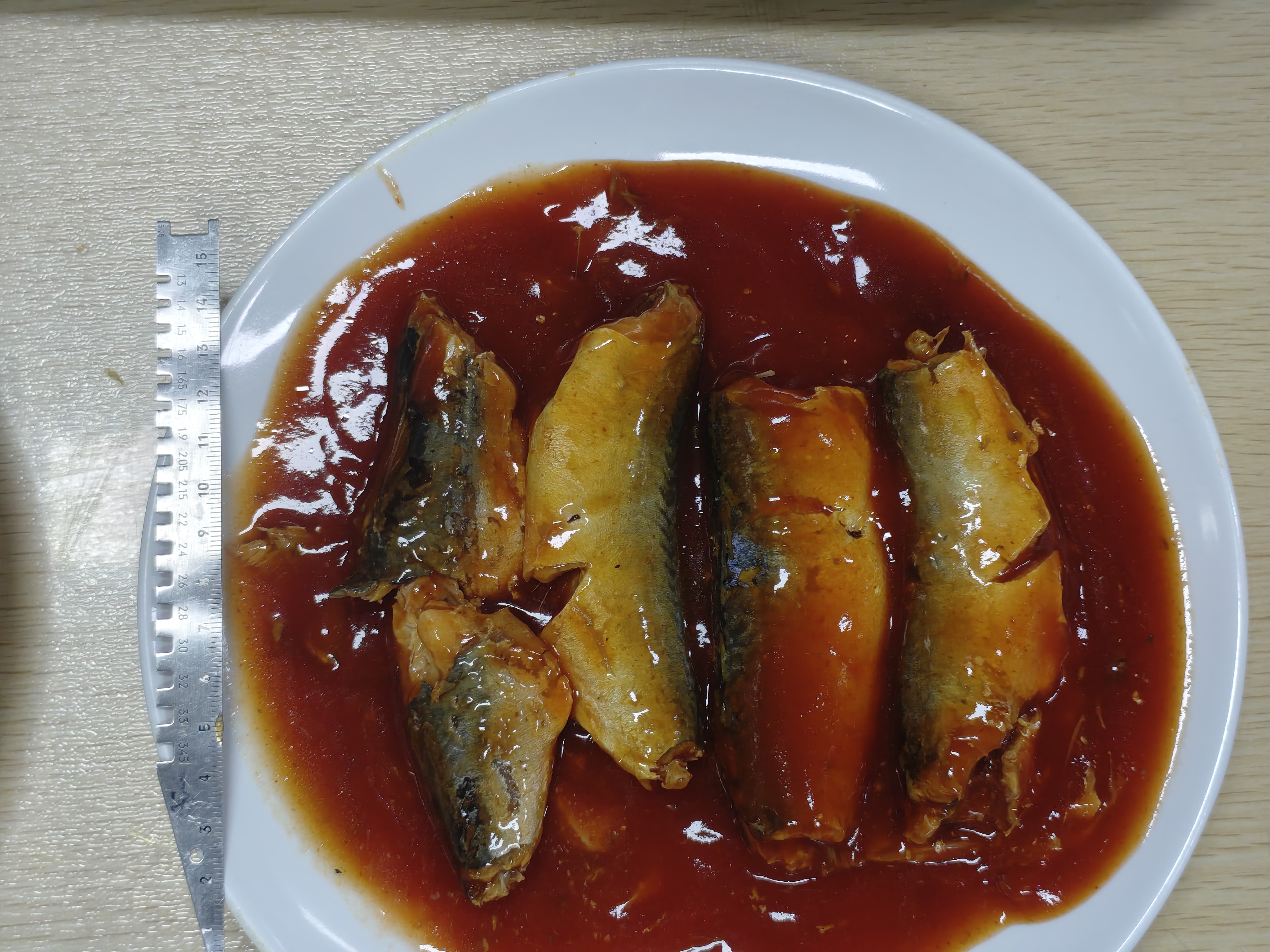
Sauce-base verification matters: tomato sauce, vegetable oil and brine are separate certified scopes, not interchangeable variants.
The same logic applies one step over in the canned vegetable and fruit lines, where net weights are 425 g and 2950 g, formats include A9 and A10 whole segments, and the packing medium is light syrup or brine depending on the item. Vegetables in cups and fruit cups use a different packaging format again. Confirming the format — can, cup, A9/A10, drained weight — is part of the constraint check, not a cosmetic detail.
5. Commercial constraints: MOQ, lead time and private label
On the commercial side, the standard production mode is OEM with logo customization, the minimum order quantity is 1 FCL, and lead time for production is 4–6 weeks. Custom sizes and private label are supported across the canned fish line. These three constraints — MOQ, lead time and customization depth — are the usual reason a first order slips past a buyer's seasonal window, so they should be validated against your retail calendar before samples are approved.
6. Batch documentation and quality-control evidence
Quality control operates as full-process control: incoming raw-material inspection, on-line production patrol, and laboratory physical, chemical and microbiological testing for each batch with a COA report, alongside batch sample retention. Third-party inspection by SGS or Intertek is acceptable on request.
The export document set provided per order includes the COA, health certificate, pre-shipment inspection report and traceability report, plus OEM formula and label design support and factory certification copies for buyer audits. Consignments are handled as mixed FCL and LCL shipments, which is relevant if you are testing a market before committing to full-container volumes.
7. What actually drives the quotation
There is no single reliable public price band for canned fish, and any supplier that publishes one is usually quoting a single reference SKU with unstated parameters. The quotation moves with the species and grade of raw material, the sauce base, the net weight and can format, the drained-weight guarantee, the certification set required by your destination market, the label and packaging specification, and the logistics structure (FCL versus LCL, ambient versus consolidated). This is why the shortest path to a usable price is a fully specified request: SKU, net weight, sauce base, label language, destination port, certification requirements and annual volume.
Step-by-Step: How to Qualify a Canned Fish Supplier in Eight Steps
- Request the certificate scope statement first. Ask for the food safety certificate number, issuing body, certified scope and validity dates. Confirm that the products you intend to order appear inside the scope.
- Separate market-access certification from food safety certification. If you sell into Indonesia or Malaysia, request the HALAL certificate and confirm the specific sauce bases listed. If your specification requires it, confirm in writing whether a standalone HACCP certificate is issued alongside the GFSI-recognized scheme.
- Verify destination-market registration. For the U.S., confirm FDA FCE registration and SID filing. For the EU, confirm readiness for the traceability documentation required under Regulation (EU) 2024/3115.
- Lock the specification sheet. Net weight, drained weight, sauce base, can format, shelf life, sterilization status and packaging configuration should all be written, not assumed.
- Validate with samples before volume. Check texture, sauce coverage, seam quality and label printing. Samples are supplied on the customer's courier cost, and OEM formula and label design support can run in parallel.
- Confirm batch-level testing and inspection rights. Ask for the COA format, the microbiological test scope and whether third-party inspection by SGS or Intertek can be arranged before shipment.
- Check MOQ, lead time and capacity against your launch plan. With a 1 FCL minimum and a 4–6 week production lead time, add your ocean transit and customs clearance time before promising a shelf date to retail buyers.
- Plan storage before the container arrives. Keep canned stock in a cool, dry place between 5–25°C with relative humidity below 75%, stack on pallets at least 10 cm off the floor and away from walls, apply First-In-First-Out rotation, and inspect weekly for rust, swelling or leakage. Opened product should be refrigerated and consumed within 24–48 hours.
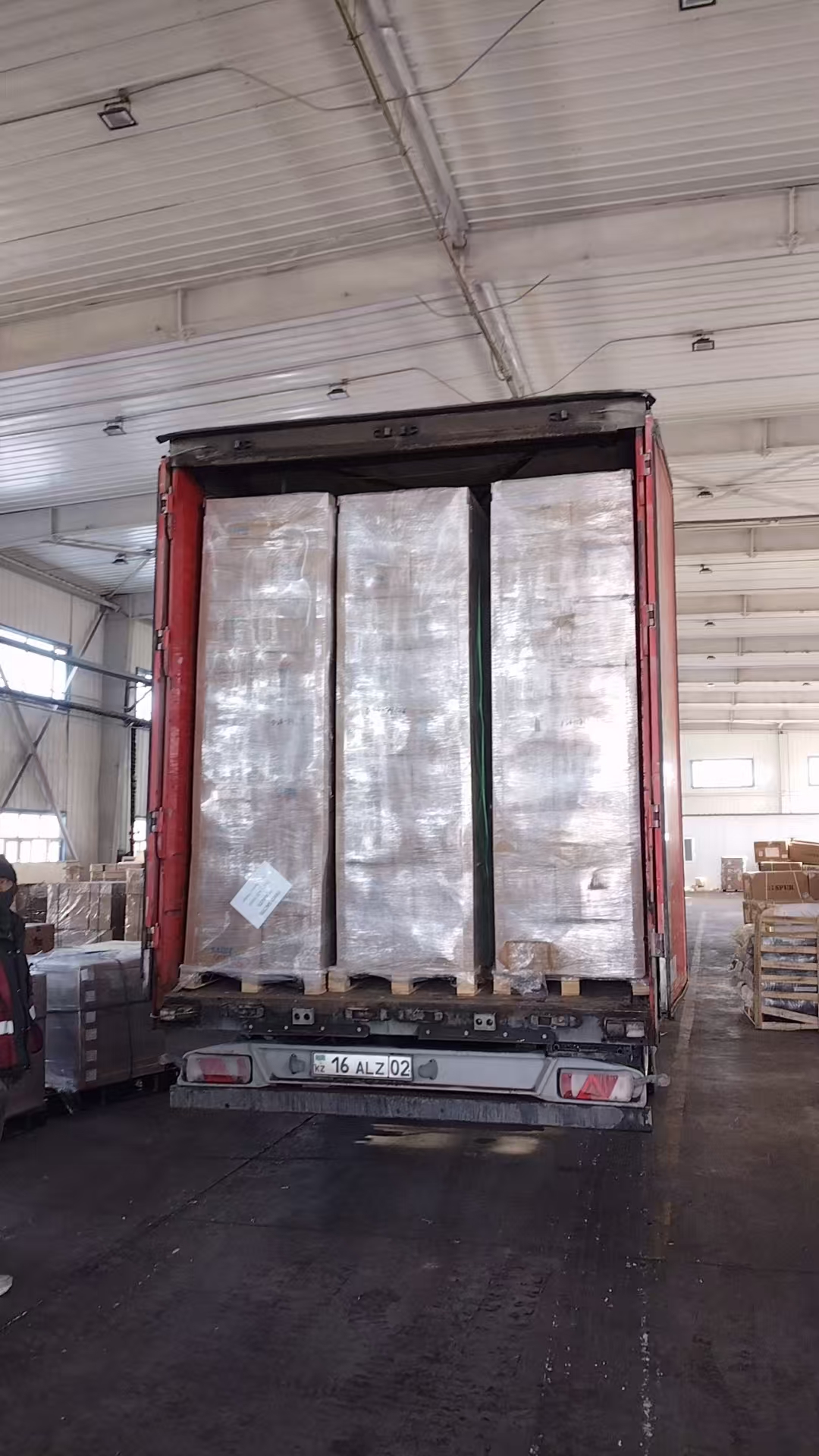
Container loading for long-distance sea shipment: canned product requires no cold chain, but stacking and ventilation still affect arrival condition.
Use Cases: Which Buyer Profile Fits Which Format
The constraint set that fits your business depends less on product preference than on your storage, channel and destination market. Four buyer profiles cover most canned fish import decisions.
- Supermarket and grocery retail importers. Ambient storage, no cold chain, 36-month shelf life and ready-to-eat format reduce inventory loss and allow long-distance sea shipment. The natural fit is 125 g and 170 g (843#) cans in vegetable oil or tomato sauce for shelf-ready retail.
- Wholesale distributors serving convenience stores and remote regions. Long shelf life and ambient distribution matter more than packaging refinement. Mixed FCL and LCL shipment structures allow a distributor to test several SKUs before committing to full-container volumes.
- Catering and foodservice supply. Larger formats — 425 g and 1000 g — reduce kitchen handling time, and the ready-to-eat, fully sterilized format means no cleaning or pre-processing before use.
- Food processors and re-packing operations. Bulk formats and consistent specifications support industrial use. Agrogentra has supplied pear dices and seedless grapes in 4.25 kg cans to European and Greek fruit processors for re-packing of canned fruit cocktails since 2005, which is the same logic applied to fish: specification stability across repeated shipments matters more than unit price.
- Buyers selling into Indonesia, Malaysia and other Muslim markets. Here the HALAL scope, not the flavour profile, is the gating requirement, and the certified range should be confirmed against the certificate before sampling.
Comparison Tables: Certification Coverage and Canned vs Frozen
The first table maps the documentation layers a canned fish importer typically needs to verify, and what each one actually covers.
| Document / scheme | What it covers | Standard, authority and reference | Validity |
|---|---|---|---|
| BRCGS Global Standard for Food Safety | Manufacturing of canned mackerel, sardine and canned tuna | Issue 9 (August 2022); Intertek Certification Ltd (UKAS Accredited Body No. 014); certificate 051A1312001; GFSI-recognized, global market | 27 Jan 2026 – 13 Feb 2027 |
| HALAL certification | Canned mackerel in tomato sauce, oil and brine; canned sardines in tomato sauce, oil and brine; selected frozen fish products | SHC (Shandong Halal Certification Service Co., Ltd.); certificate 8998250000; Indonesia Halal Law Regulations (BPJPH) and MS1500:2019 (JAKIM) | 1 Jul 2025 – 30 Jun 2028 |
| FDA FCE registration and SID filing | Foreign processors of low-acid canned foods shipping to the United States | U.S. Food and Drug Administration | Ongoing registration requirement |
| EU Regulation (EU) 2024/3115 | Plant health and traceability requirements for imported preserved foods | European Commission | Effective 1 Jan 2025 |
| Batch documents: COA, health certificate, pre-shipment inspection report, traceability report | Each production batch; third-party inspection by SGS or Intertek acceptable | Supplier QC department plus third-party inspection bodies | Per shipment |
The second table addresses the structural choice that sits underneath the certification question: whether canned or frozen product fits your logistics reality. The comparison below reflects the two formats as they are normally positioned for import and retail distribution.
| Decision factor | Canned fish | Frozen fish |
|---|---|---|
| Storage and transport | Ambient temperature, no cold chain required; suitable for long-distance sea shipment | Requires continuous cold-chain transport and cold storage warehousing |
| Shelf life | Up to 36 months | Typically 6–18 months |
| Cost structure | Lower storage and transport overhead | Higher cold-chain freight and refrigeration electricity cost |
| Taste profile | Undergoes high-temperature sterilization | Closer to raw fresh flavour |
| Best-fit buyer | No cold storage, distribution to remote regions or convenience stores, new importers with limited cold-chain resources | Buyers with complete cold-chain facilities targeting customers who want original fresh taste |
| Common risk | Choosing frozen without cold chain, or choosing canned for a market that demands ultra-fresh raw material | Same mismatch in reverse; both raise logistics cost, inventory loss and slow turnover |
A mixed supply strategy is workable for importers with partial cold-chain coverage: canned fish carries the ambient, long-shelf-life volume while frozen covers fresh-taste demand, with the purchasing mix adjusted against market feedback.
FAQ: Canned Fish Certification, Specification and Ordering Questions
How do I verify a HACCP-certified canned sardines manufacturer in China?
HACCP-based systems are the underlying food-safety framework, but the certificate you can independently verify is usually the GFSI-recognized scheme built on top of it. Ask for four fields: certificate number, issuing body and its accreditation, certified scope, and validity window. For Agrogentra, canned sardine, canned mackerel and canned tuna products are certified to the BRCGS Global Standard for Food Safety under certificate 051A1312001, issued by Intertek Certification Ltd (UKAS Accredited Body No. 014), with scope covering the manufacturing of canned mackerel, sardine and canned tuna, valid from 27 January 2026 to 13 February 2027. If your specification explicitly requires a standalone HACCP certificate in addition, request confirmation in writing before ordering rather than assuming it is included.
Which markets require HALAL certification for canned fish, and what does the certificate cover?
HALAL is a mandatory market-access requirement in Muslim-majority markets such as Indonesia and Malaysia. The applicable standards are Indonesia Halal Law Regulations, recognized by BPJPH, and MS1500:2019, recognized by JAKIM in Malaysia. Agrogentra holds HALAL certificate 8998250000 issued by SHC (Shandong Halal Certification Service Co., Ltd.), valid from 1 July 2025 to 30 June 2028, covering canned mackerel in tomato sauce, in oil and in brine, canned sardines in tomato sauce, in oil and in brine, plus selected frozen fish products. Note that the certified scope is defined by product and sauce base, so confirm that your exact SKU appears in the list.
What net weights, sauce bases and shelf life are available for canned fish?
Canned fish on this export line is offered in net weights of 125 g, 170 g (843#), 425 g and 1000 g, with variants in vegetable oil, in tomato sauce and brined. Shelf life is 36 months at ambient temperature, the product is fully sterilized and ready to eat, and the pack uses tinplate cans. No cold chain is required for transit or storage. Separately, the canned vegetable and fruit lines use 425 g and 2950 g net weights with A9 and A10 whole-segment formats, light syrup packing media, and a 36-month shelf life under normal temperature. Custom sizes and private label are supported across these lines.
What is the MOQ and lead time, and how does that affect cost planning?
The minimum order quantity is 1 FCL, the standard production mode is OEM with logo customization, and production lead time is 4–6 weeks. Because there is no universal public price band for canned fish, quotations move with species and grade of raw material, sauce base, net weight and can format, drained-weight guarantee, required certification set, label specification, and logistics structure. That means the fastest route to an accurate price is a fully specified enquiry: SKU, net weight, sauce base, label language, destination port, certification requirements and planned annual volume. Batch documentation — COA, health certificate, pre-shipment inspection report and traceability report — is provided per shipment, and third-party inspection by SGS or Intertek is acceptable.
Can I evaluate samples and the document pack before committing to a container?
Yes. Samples are supplied on the customer's courier cost, and OEM formula and label design support, factory certification copies for buyer audit, and the full export document set are available during evaluation. Mixed FCL and LCL shipment structures allow a first order to be tested without committing to full-container volumes across every SKU. To move to the next step, send your specification and destination market to the export team — Charles Cai (charles.cai@agrogentra.com), Miya Kang (miya.kang@agrogentra.com) or Susie Xie (susie.xie@agrogentra.com) — or message the team directly on WhatsApp.
Conclusion: The Document Set Is the Real Specification
Canned fish procurement rewards buyers who treat documentation as part of the product. A 36-month ambient shelf life, a fully sterilized ready-to-eat format and a 4–6 week lead time only create commercial value when the certificate scope, the specification sheet and the batch documents line up with the SKU on the purchase order. Verify the certification scope by product and sauce base, confirm the destination-market registration layer separately, lock net weight and packaging format in writing, and plan storage before the container arrives. Suppliers that can produce all three layers on request are the ones that keep reorder cycles predictable.
Next Step: Sample, Specification and Document Pack
Request the current product catalogue and certification copies, or send your target SKU and destination market for a specification-matched quotation. Samples are provided on the customer's courier cost, and OEM formula and label design support can start in parallel.
Brochure download: Agrogentra product leaflet
Website: www.agrogentra.com
Email: charles.cai@agrogentra.com | miya.kang@agrogentra.com | susie.xie@agrogentra.com
Tel: +86-592-5393122 | WhatsApp: +1-408-599-4831
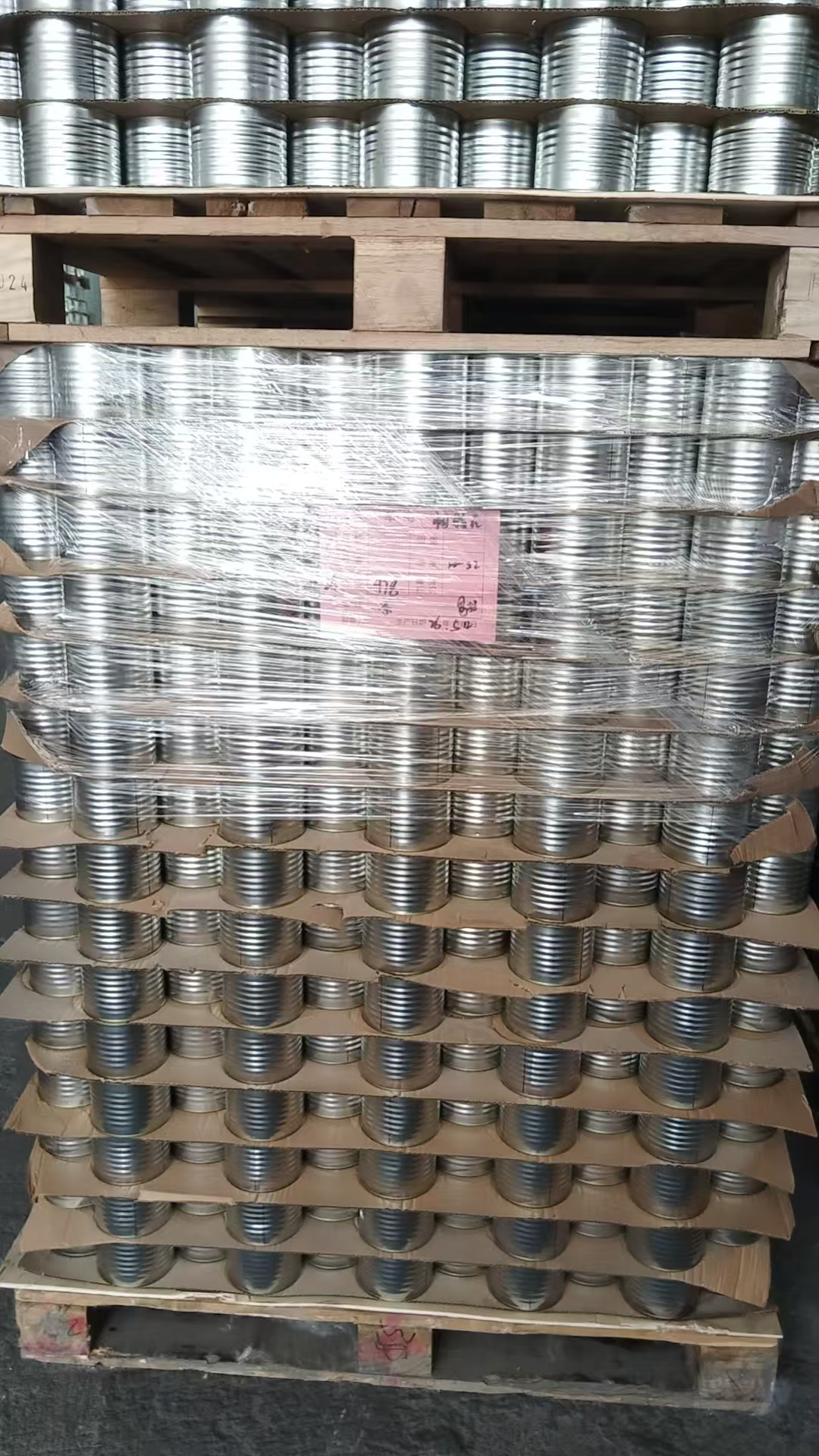
Palletized export stock — ambient storage, FIFO rotation, ready for container loading.
Have Questions or Need More Details?
Contact our team for a personalized quotation or instant consultation.
Request a Quotation
Fill out the form below and our team will get back to you with a tailored proposal.
WhatsApp Direct Chat
Prefer to chat in real-time? Message us on WhatsApp for instant assistance & quick answers.
- Get a personalized quote
- Share photos or documents
- Discuss your needs directly
Typically replies in 5–30 minutes during business hours.