Canned Fish Shelf Life, Packaging and Ambient Logistics: Technical Parameters Buyers Should Specify
Short answer: ambient-stable canned fish is defined by four parameter groups a buyer should fix in writing before the first container — packaging format, shelf life, ambient storage conditions, and logistics handling. Specified correctly, canned sardines, mackerel, tuna and Alaska pollock hold for 24–36 months at ambient temperature, require no refrigerated transport and no temperature-controlled warehouse, and can be accepted at a loss rate below 1%. Specified loosely, the same products generate swelling claims, warehouse write-offs and contract disputes.
This technical guide is written for importers, distributors and food-service buyers who are moving from trial orders to annual supply contracts. It sets out the parameters to write into a canned fish specification, the process evidence that makes those parameters verifiable, and the points where ambient canned product and frozen product require completely different contract language.
Problem Definition: Why Canned Fish Specifications Fail
Most specification failures in canned fish come from applying frozen-food logic to an ambient product. Frozen programmes are written around temperature: −18 °C continuous refrigeration, 12–18 months of shelf life, and a loss tolerance of 5%–10% to absorb cold-chain breakage. Those parameters are legitimate for frozen fish, but they are the wrong control system for a hermetically sealed tinplate can that is commercially sterile at the point of manufacture.
The second common failure is treating shelf life as a label entry rather than a process outcome. A 36-month best-before date is only meaningful when it is supported by seam integrity, a validated sterilization curve, and a post-sterilization incubation check. When a specification lists the date but not the evidence behind it, the buyer has no contractual basis for rejecting a batch that fails early.
The third failure is silent: packaging format left undefined. Can type, can dimensions, net weight, drained weight, packing medium and end style (standard or easy-open) all affect filling lines, retail shelf fit, freight efficiency and cost. A generic line item such as “canned sardines in oil” does not describe a shippable product.
Industry Background: What the Ambient Canned Fish Market Looks Like
Canned seafood is a large and structurally stable category. The global canned seafood market was valued at USD 57.69 billion in 2025 according to Fortune Business Insights, and canned fish accounts for 75.3% of that market by segment share, based on Grand View Research data. Trade volumes confirm the scale: global imports of canned and prepared fish under HS 1604 reached 3.2 million tonnes, worth USD 17.54 billion, in 2023, with canned tuna alone representing about 43% of global canned fish import volume, according to UN Comtrade figures.
Regulatory pressure on preserved-food imports is increasing in parallel. EU Regulation 2024/3115, effective January 2025, applies stricter plant health and traceability requirements to imported preserved foods, and in the United States foreign canned food processors are required to register under the FDA Food Canning Establishment (FCE) system and file Scheduled Processes (SID). Shelf life and packaging parameters therefore sit inside a compliance framework, not outside it.
Agrogentra & CO.,LTD.XIAMEN is a China-based exporter of canned seafood, canned vegetables and canned fruit, established in 2000 and headquartered in Xiamen, Fujian Province. The company operates a 36,000 ㎡ facility, exports 100% of its output, and serves markets in the United States, Latin America, Europe and Africa through dedicated QC teams in both Xiamen and Qingdao.
Detailed Solution: The Four Parameter Groups to Specify
1. Shelf life parameters
Ambient-stable canned fish is specified at 24–36 months of shelf life without refrigeration. Agrogentra’s canned fish line — including canned sardines, canned mackerel, canned tuna and canned Alaska pollock — is specified at 36 months at ambient temperature, fully sterilized and ready to eat. For comparison, frozen fish is normally specified at 12–18 months at −18 °C.
The technical basis is sealing plus commercial sterility, not preservatives. Product is filled into a tinplate can and hermetically sealed, after which a vacuum of typically 300–500 mmHg forms inside the can, suppressing aerobic bacteria and oxidation. Sealed cans then pass through a retort at 115–121 °C under roughly 0.1–0.2 MPa of high-pressure steam, destroying pathogens and their spores. After sterilization, cans are rapidly cooled and released only after an incubation test held at 37 °C for 7–10 days confirms no swelling or microbial growth. Low-acid products (pH above 4.6, which covers most fish) require pressurized sterilization at 121 °C; high-acid products such as tomato-based items can be processed at lower temperatures.
What to write into the specification: minimum guaranteed shelf life counted from production date; the sterilization regime applied to the product type; batch and production-date coding format; and the incubation test result required for release.
2. Packaging format parameters
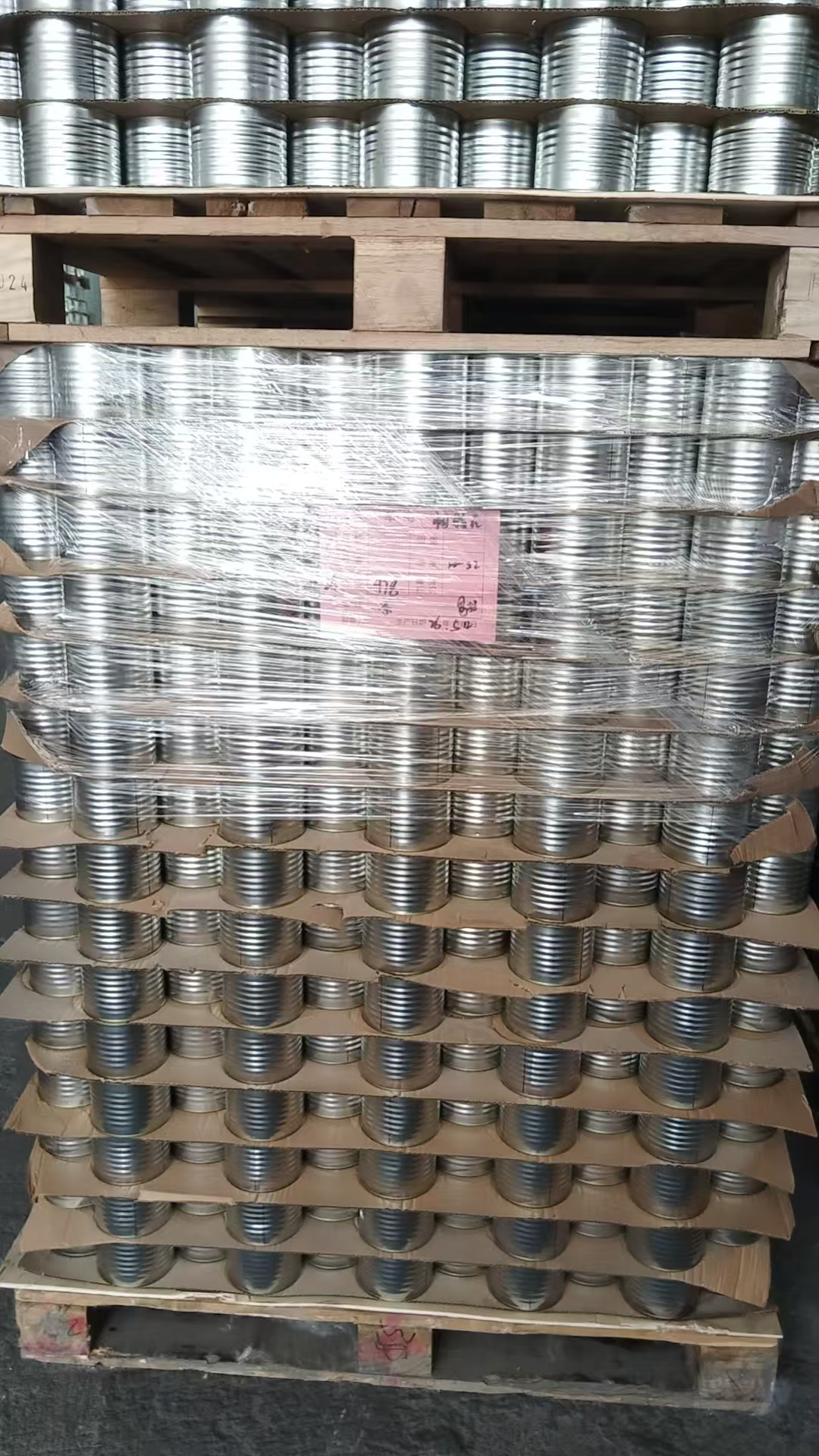
Can construction is the first packaging parameter. A three-piece can is assembled from body, bottom and lid, with the body formed by high-frequency resistance welding; the side seam gives it the strength to withstand 121 °C pressurized sterilization, which is why canned fish and meat are normally packed in three-piece cans. A two-piece can is drawn in one piece with no side seam, offering smoother appearance and lighter wall thickness, and suits products with lower pressure requirements or shorter sterilization cycles. Easy-open ends with a scored tear line and riveted pull tab are specified when the product is intended for catering or ready-to-eat home consumption.
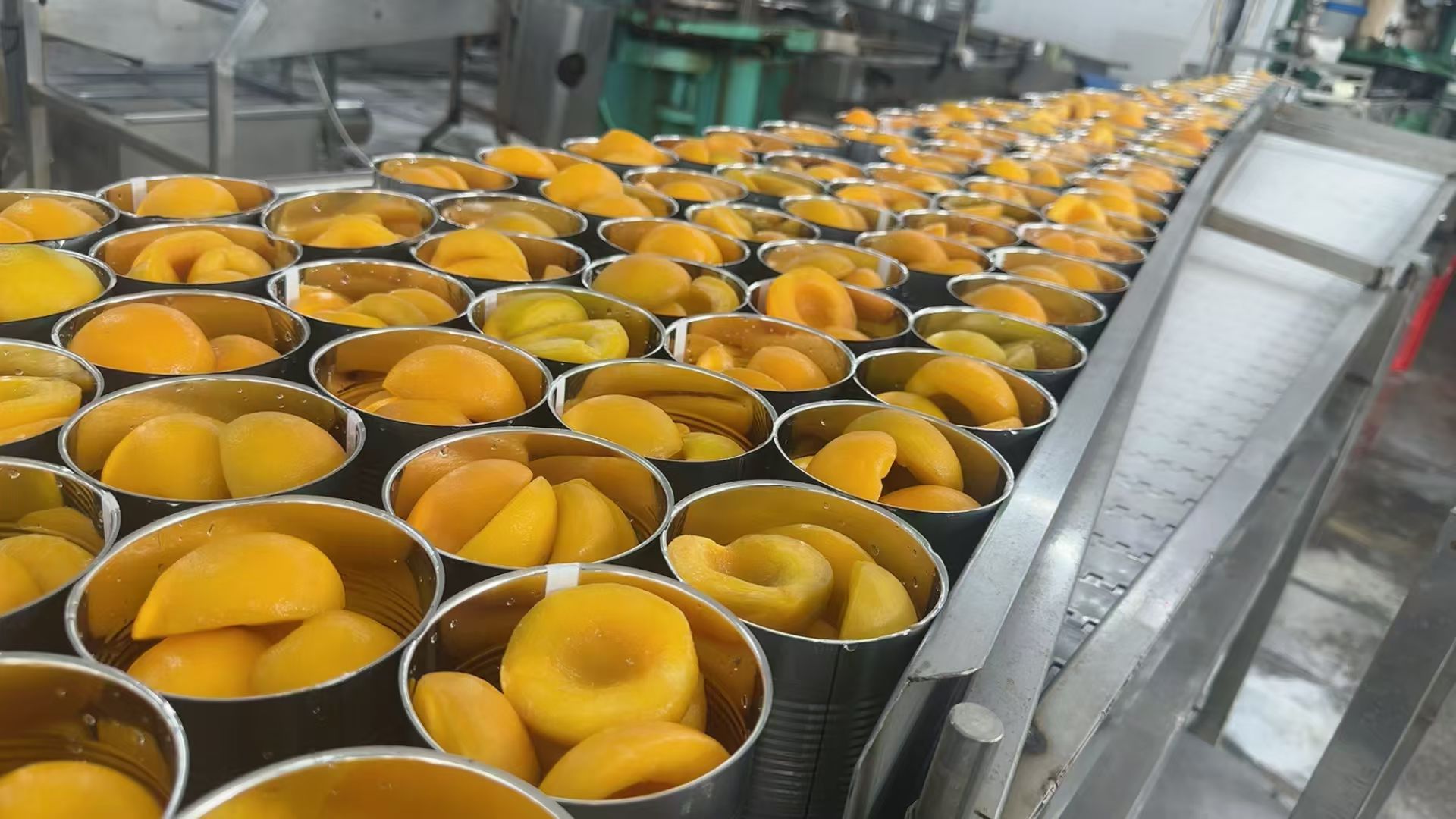
Dimensions and fill weights follow the same logic. Common three-piece can sizes include 211×400 and 307×109. Agrogentra’s canned fish range is offered in net weights of 125 g, 170 g (843#), 425 g and 1000 g, in packing media covering vegetable oil, tomato sauce and brine / salt-seasoned variants. The canned fruit and vegetable lines are offered at 425 g and 2950 g, in A9 and A10 whole-segment formats packed in light syrup, alongside alternative formats such as vegetables in cups. Both lines are sterilized with no preservatives.
What to write into the specification: can type (three-piece or two-piece), end style (standard or easy-open), can dimensions, net weight and drained weight, packing medium, and the labelling standard of the destination market.
3. Ambient storage parameters
Unopened cans do not require refrigeration. The storage specification that buyers should hold their own warehouses to is a cool, dry environment at 5–25 °C, away from direct sunlight and heat sources, with relative humidity kept below 75%. Cans should be stacked on pallets or racks at least 10 cm off the floor with clearance from walls for ventilation, and stacked according to the weight limits of the packaging with heavy cartons at the bottom. First-In-First-Out rotation by production date and batch, plus a weekly visual check for rust, swelling or leakage, completes the routine.
Environments above 30 °C or above 85% humidity accelerate rusting and quality deterioration, and violent impact or dropping of cans can damage seals. Once a can is opened, any unused portion must be refrigerated and consumed within 24–48 hours, ideally transferred to a non-metallic container. The commercial consequence of ambient storage is energy: cold storage energy consumption runs roughly 8–10 times that of an ambient warehouse.
4. Logistics, loss rate and commercial parameters
Because there is no cold chain to protect, canned fish moves in standard dry containers. Reefer freight is 30%–50% higher than dry container freight, and this is the single largest structural difference in the landed-cost profile of the two product types. Canned goods carry a higher packaging cost but zero cold-chain premium; frozen goods carry lower packaging cost but reefer transport and cold storage add 25%–40% to landed cost.
The second difference is loss. Frozen product is specified with a loss rate tolerance of 5%–10%, because any break in the chain becomes product loss; canned product is specified at a loss rate below 1%. For an annual contract moving multiple containers, that gap is the difference between a manageable allowance and a recurring write-off.
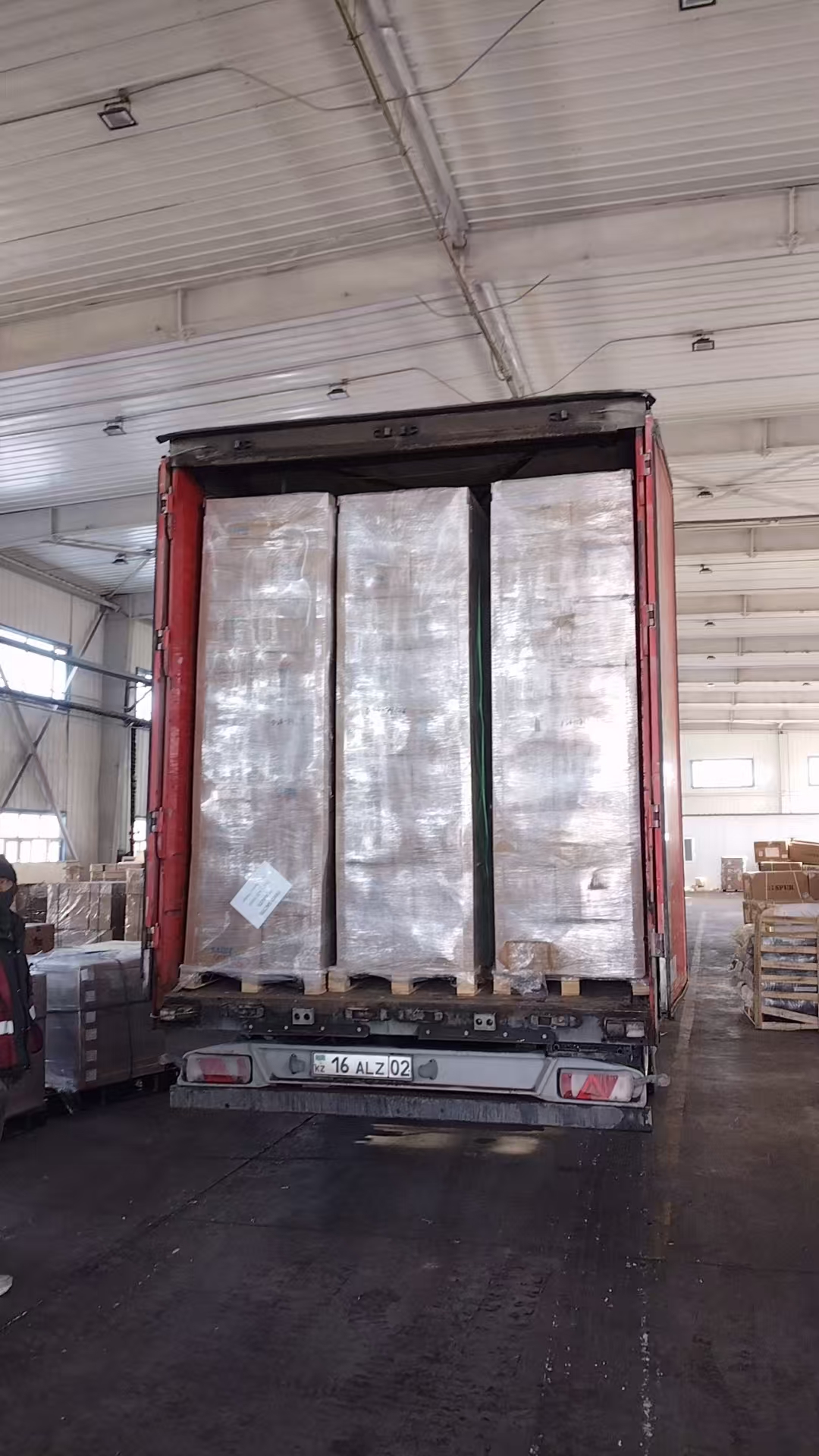
What to write into the specification: dry container loading, palletised presentation, pre-shipment inspection scope, an explicit loss-rate tolerance, and the Incoterm and payment terms under which the risk transfers. Agrogentra supplies on FOB terms, with a minimum order quantity of mixed FCL and LCL available upon negotiation; payment is T/T with a 30% deposit and the balance against copy of B/L; acceptance is based on pre-shipment inspection covering cargo quantity, packaging and appearance.
Step-by-Step Breakdown: Building and Verifying the Specification
- Confirm market access first. Establish which documents the destination market requires before fixing product parameters — food safety certificate, HALAL certificate for Muslim-majority markets, and certificate of origin are the baseline set. For the United States, confirm FCE registration and SID filing; for the EU, confirm traceability against Regulation (EU) 2024/3115.
- Fix the shelf life and the sterilization evidence. State the guaranteed ambient shelf life, the sterilization regime applicable to the product type, and the incubation test required before release.
- Define the packaging format. Specify can type, end style, can dimensions, net and drained weight, and packing medium. Confirm that the format matches the retail or food-service channel it is destined for.
- Set the ambient storage clause. Write the 5–25 °C and below-75%-humidity conditions, the 10 cm floor clearance, stack weight limits and FIFO rotation into the receiving procedure, not only into the supplier contract.
- Define loading and acceptance. Dry container, palletised load, pre-shipment inspection of quantity, packaging and appearance, plus a written loss-rate tolerance.
- Validate before scaling. Use sample and pre-shipment validation to confirm seal integrity and shelf-life claims before committing annual volumes. If swelling appears at any stage, quarantine the whole batch, record batch number, production date and arrival date, photograph the evidence, and trace the cause through transport temperature records and warehouse conditions.
- Convert the specification into contract language. Transfer the agreed parameters into the annual supply agreement together with MOQ, Incoterm, payment terms and inspection scope, so that acceptance is measured against a written standard rather than a verbal understanding.
Use Cases: Where Ambient Parameters Change the Buying Decision
- Markets without reliable cold chain. Distribution into remote regions, emerging markets in Africa and Latin America, and inland destinations where refrigerated transport cannot be guaranteed. Ambient parameters remove chain-breakage risk entirely.
- Convenience store and general retail distribution. Long shelf life and no temperature control at store level simplify planogram management and reduce waste at the shelf.
- Strategic and emergency stock. Low inventory turnover pressure and long-term stockpiling feasibility make canned fish a practical reserve category, which frozen product cannot support.
- Distributors running mixed containers. Consolidated shipments covering canned seafood, canned vegetables and canned fruit for mixed container loads allow a single order to cover sardines, mackerel, tuna, Alaska pollock, squid, tomato paste, mushrooms and fruit lines.
- Food-service and HORECA where cold chain exists. Where refrigerated logistics is fully available and texture is the deciding factor, frozen product remains the appropriate choice — the parameters are complementary, not competing.
Comparison Table: Canned Fish vs Frozen Fish Parameters
| Parameter | Ambient-stable canned fish | Frozen fish |
|---|---|---|
| Shelf life | 24–36 months at ambient temperature | 12–18 months at −18 °C |
| Storage condition | Ambient warehouse, 5–25 °C, humidity below 75%, no special handling | Dedicated cold storage plus reefer trucks plus temperature monitoring |
| Freight | Dry container; zero cold-chain premium; higher packaging cost | Reefer freight 30%–50% higher; lower packaging cost |
| Landed cost effect | No reefer or cold-storage surcharge | Reefer and cold storage add 25%–40% to landed cost |
| Energy profile | High energy use at production (sterilization), zero energy in storage and transport | Blast freezing plus continuous refrigeration; cold storage energy 8–10× ambient warehouse |
| Loss rate | Below 1% | 5%–10% |
| Inventory management | Low turnover pressure; long-term stockpiling feasible | High turnover requirement; time-limited loading and unloading; complex SKU management |
| Best suited to | Long-distance freight, markets without cold chain, emergency stock | Developed markets with cold chain, HORECA, texture-sensitive products |
Annual Supply Contracts: What Else Changes at Scale
Moving from a trial container to an annual supply contract shifts the risk from product specification to production and inspection consistency. The parameters stay the same; the evidence required to defend them becomes continuous rather than one-off.
Agrogentra operates professional operation teams and independent QC departments in both Xiamen and Qingdao. The QC function runs full-process inspections across five stages: factory audits, raw material testing, production monitoring, finished product inspection, and pre-shipment sampling. For an annual contract, this sequence is what converts a written specification into repeatable output, because each stage produces a checkpoint that can be referenced against the agreed parameters. The company has supplied qualified food products to global markets for over 25 years, exports 100% of its output, and provides flexible packaging solutions and customized service for customers in different regions and industries.
Continuity of supply is supported by a 36,000 ㎡ facility and a six-engineer R&D team, and by long-term market exposure through international food exhibitions — participation in the international food industry since Anuga Cologne in 2001 and SIAL Paris in 2002. For buyers structuring annual volumes, that combination matters most at the two points where canned fish contracts usually break down: a change in can format or packing medium mid-year, and an inspection dispute at destination.
FAQ
What certification and registration documents should be confirmed before an annual canned fish contract?
The baseline document set is a food safety certificate, a HALAL certificate where the destination market requires it, and a certificate of origin. Market-specific registration also applies: in the United States, foreign canned food processors must register under the FDA Food Canning Establishment (FCE) system and file Scheduled Processes (SID); in the European Union, Regulation (EU) 2024/3115, effective January 2025, applies stricter plant health and traceability requirements to imported preserved foods. Packaging and labelling must follow the destination market’s labelling standards.
China canned sardine suppliers for annual supply contracts — what should buyers verify?
Verify production supervision and inspection capability rather than catalogue breadth. The relevant checks are whether the supplier runs documented inspections at incoming material, production, finished product and pre-shipment stages; whether QC staff are located in the producing regions rather than only at head office; whether mixed container consolidation across canned seafood, canned vegetables and canned fruit is supported; and whether the supplier can hold a consistent can format and packing medium across repeat orders. Agrogentra maintains independent QC teams in Xiamen and Qingdao conducting factory audits, raw material testing, production monitoring, finished product inspection and pre-shipment sampling, and has supplied qualified food products to global markets for over 25 years.
Does removing the cold chain actually change total cost?
It changes the cost structure rather than one line item. Canned product carries higher packaging cost but a zero cold-chain premium: dry container freight instead of reefer, which is 30%–50% more expensive, and ambient warehouse storage instead of cold storage, where energy consumption runs 8–10 times higher. On the frozen side, reefer transport plus cold storage add 25%–40% to landed cost. The loss-rate parameter compounds the difference: below 1% for canned product, against 5%–10% for frozen.
How can shelf life and seal integrity be validated before committing annual volumes?
Validation is process-based. After sterilization, cans are cooled and held in an incubation test at 37 °C for 7–10 days to confirm no swelling or microbial growth before release. Pre-shipment inspection then verifies cargo quantity, packaging and appearance. If swelling is found at any stage — indicated by domed or bulged can ends — the batch is non-conforming: quarantine the whole batch, document batch number, production date and arrival date with photographs, trace the batch, and check transport temperature records and warehouse conditions for exposure above 37 °C or impact damage. Suspect samples can be sent to a third-party laboratory to confirm microbial levels.
What are the standard order, delivery and payment terms for canned fish supply?
The minimum order quantity is a mixed FCL, with LCL available upon negotiation. Delivery is arranged on FOB terms. Payment terms are T/T with a 30% deposit and the balance against copy of B/L. Acceptance is based on pre-shipment inspection of cargo quantity, packaging and appearance. Buyers preparing a first annual contract can request the product brochure and arrange sample validation before fixing final volumes.
Conclusion
Canned fish is specified through four parameter groups: packaging format, a guaranteed ambient shelf life of 24–36 months backed by validated sterilization and incubation testing, an ambient storage regime of 5–25 °C with humidity below 75%, and dry-container logistics with a loss-rate tolerance below 1%. Those parameters are what separate an ambient programme from a frozen one, where −18 °C continuous refrigeration, 12–18 months of shelf life and a 5%–10% loss tolerance define the contract instead.
For buyers moving to annual volumes, the practical next step is to write the parameters down and then verify them against process evidence — inspection records at each production stage, incubation results, and pre-shipment inspection reports — rather than against a catalogue claim.
Next step: confirm the parameters for your market
Request the catalogue and sample schedule, or send your draft specification for a parameter review against canned sardines, canned mackerel, canned tuna, canned Alaska pollock and the wider canned seafood, vegetable and fruit range.
Brochure: Agrogentra product leaflet (PDF)
Website: www.agrogentra.com | Email: charles.cai@agrogentra.com, miya.kang@agrogentra.com, susie.xie@agrogentra.com | Tel: +86-592-5393122, +86-592-2291213
Address: 1F, Yundang Road 1-39, Siming District, Xiamen, Fujian Province, China
Have Questions or Need More Details?
Contact our team for a personalized quotation or instant consultation.
Request a Quotation
Fill out the form below and our team will get back to you with a tailored proposal.
WhatsApp Direct Chat
Prefer to chat in real-time? Message us on WhatsApp for instant assistance & quick answers.
- Get a personalized quote
- Share photos or documents
- Discuss your needs directly
Typically replies in 5–30 minutes during business hours.