Canned Fish Sourcing Constraints: How Importers Verify Certification, Specification and Supply Readiness
Canned fish sourcing rarely fails because a factory cannot seal fish into a can. It fails at the constraint stage: a certificate that does not cover the exact SKU being ordered, a can size the retailer cannot shelve, a sauce base that misses local taste expectations, or a minimum order quantity that does not fit a first trial container. This guide is written for importers, wholesale distributors and private-label owners who have already moved past discovery and are now evaluating whether a specific canned fish supply program will clear customs, pass a buyer audit and sell through.
Agrogentra & Co., Ltd. Xiamen, whose canned food line operates under the brand Agrogentra Canned foods, is a China-based international trading company established in 2000 that sources, quality-controls and exports canned food, frozen food and fresh produce to global markets. Its export ratio is 100%, and its buying markets cover the United States, Latin America, Europe, the African market and several mainstream Asian markets. The company is headquartered in Siming District, Xiamen, Fujian Province, and maintains operation and quality-control teams in both Xiamen and Qingdao.
The practical answer for buyers at the research and evaluation stage is this: verify certification scope before you discuss price, verify can format and packing medium before artwork is designed, and verify MOQ, lead time and export documentation before any purchase order is issued. Those three checks eliminate most of the risk that sits between a quotation and a cleared container.
Problem Definition: Where Canned Fish Buying Decisions Actually Break
Most canned fish purchase failures fall into four constraint categories, and each one has a different verification method.
- Market-access constraints. The destination market decides which documents are mandatory. The U.S. Food and Drug Administration requires foreign canned food processors to register under the Food Canning Establishment (FCE) system and to file Scheduled Processes (SID). In the European Union, Regulation (EU) 2024/3115, effective from January 2025, tightens plant health and traceability requirements for imported preserved foods. In Indonesia and Malaysia, HALAL documentation is a market-access requirement rather than a marketing preference.
- Certification-scope constraints. A supplier may hold a valid food safety certificate that covers canned mackerel, sardine and tuna manufacturing but not every item in its catalogue. Buyers who assume that one certificate covers the whole range are exposed at the port of entry.
- Specification constraints. Net weight, can format, packing medium, drained weight and shelf life must match retail shelf plans, labelling rules and the customer's distribution cycle. A product that is technically compliant can still be commercially unusable if the format is wrong.
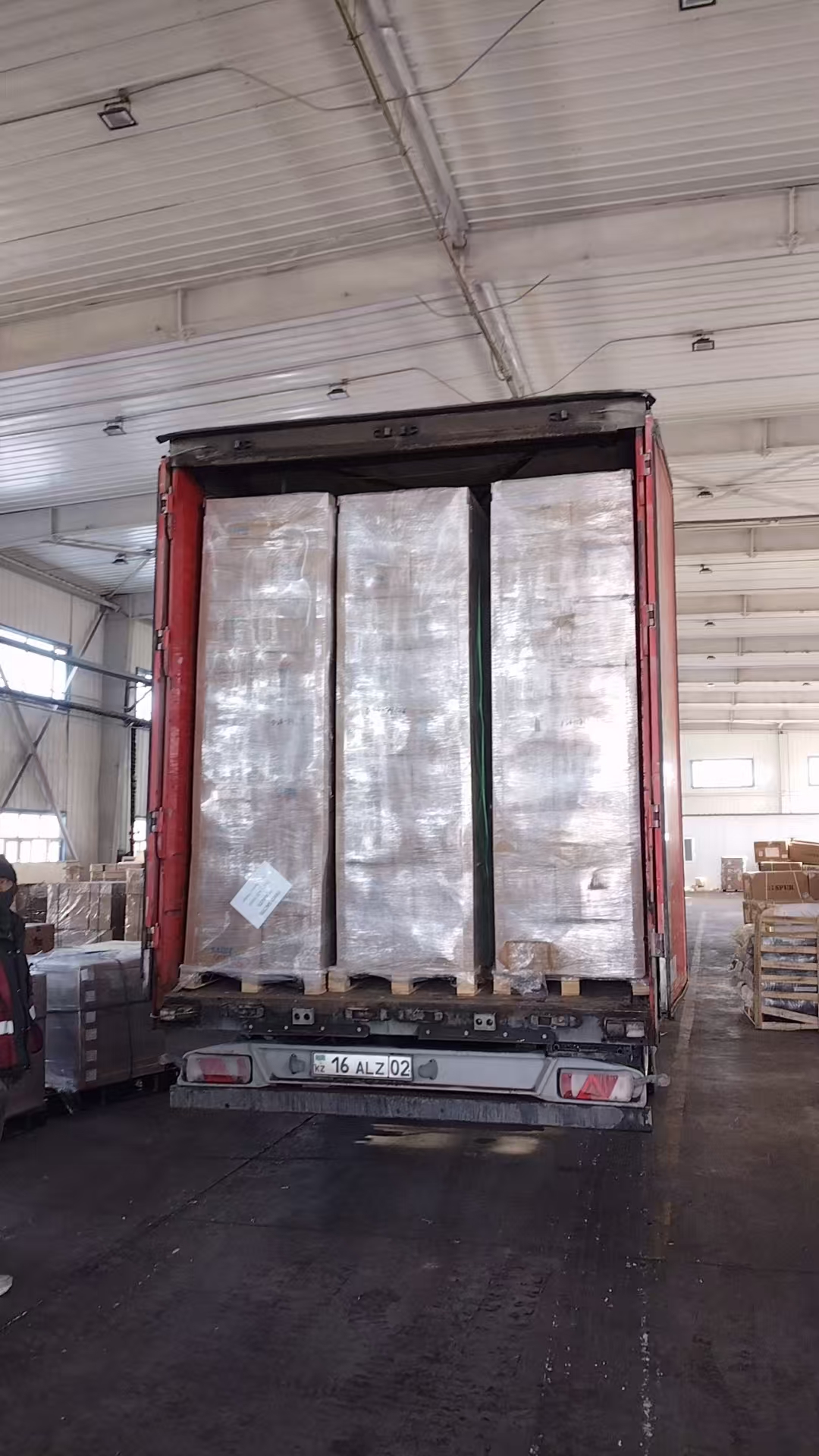
- Commercial and handling constraints. MOQ, lead time, private-label capability and post-arrival storage conditions determine whether a program is repeatable. Post-arrival handling matters more than most buyers expect: a swollen can indicates gas produced by microbial growth or spoilage, which means the seal has failed, and the affected batch must be quarantined, documented with photographs, traced by batch number and reported to the supplier rather than placed on shelves.
None of these constraints can be resolved by a price negotiation. They are resolved by documentation, specification confirmation and a defined quality-control workflow.
Industry Background: Why Canned Fish Demand Keeps Constraint Checks Relevant
Canned fish is not a niche category. Published commercial research places the global canned seafood market at USD 57.69 billion in 2025 (Fortune Business Insights, 2026), with the canned fish segment holding a 75.3% share of that market (Grand View Research, 2026). Trade data points in the same direction: global imports of canned and prepared fish under HS 1604 totalled 3.2 million tonnes worth USD 17.54 billion in 2023 (UN Comtrade / FAO-derived data, 2024), and canned tuna alone accounted for 43% of global canned fish import volume (UN Comtrade, 2023).
Buyers should treat market-size figures as directional rather than exact. Published estimates for the same category can differ substantially depending on whether a research house counts only hermetically sealed cans or the broader processed-and-packaged segment. The useful conclusion is not a precise number but a structural one: canned fish is a high-volume, standardized, repeat-purchase category, which is exactly why importers face strict documentation and specification expectations rather than loose ones.
This is also a category where the sourcing model itself is a constraint. Agrogentra operates as a trading and sourcing company rather than a single-site cannery: it works with stable factory resources and standardized production supervision, and its quality-control team conducts full-process inspection including factory audits, raw material testing, production monitoring, finished product inspection and pre-shipment sampling. For a buyer, that model means the certification and specification checks below should be applied to the specific production site and product line, not to a general company profile.
The Certification Constraints That Decide Market Access
BRCGS Global Standard for Food Safety: what it covers and what it does not
Canned tuna, canned mackerel and canned sardine products supplied through Agrogentra are certified to the BRCGS Global Standard for Food Safety. The certificate number is 051A1312001, issued by Intertek Certification Ltd, a UKAS-accredited body (UKAS Accredited Body No. 014). The applicable standard is the BRCGS Global Standard for Food Safety, Issue 9 (August 2022), and the certification is recognized under the GFSI framework for the global market. The issue date is 27 January 2026 and the expiry date is 13 February 2027.
The declared scope is specific: manufacturing of canned mackerel, sardine and canned tuna. That scope is the single most important line on the certificate, because it tells the buyer which SKUs the audit actually covered. Canned Alaska pollock, canned squid, canned baby clam, canned vegetables such as carrot, red pepper, sauerkraut, mixed mushrooms, sweet potato, potato and baby corn, tomato paste, ketchup, and the canned fruit range all sit outside the current canned-fish BRCGS scope, so product-specific documents should be requested for those lines instead of being assumed.
This distinction is also the practical answer to the common search for HACCP-certified canned sardine manufacturers in China. HACCP-based food safety management is the baseline system that underpins GFSI-recognized schemes such as BRCGS, so a buyer evaluating a supplier should ask for the certificate number, the issuing certification body, the accreditation reference, the declared product scope and both validity dates — and then verify them with the issuing body. A certificate image without a scope statement, a number or an expiry date does not de-risk an order.
HALAL certification: market-specific, product-specific
Agrogentra holds a HALAL certificate, number 8998250000, issued by SHC (Shandong Halal Certification Service Co., Ltd.), valid from 1 July 2025 to 30 June 2028. It applies to two destination markets with different legal bases: Indonesia, where it is compliant with Indonesia Halal Law Regulations and recognized by BPJPH; and Malaysia, where it conforms to MS1500:2019 and is recognized by JAKIM.
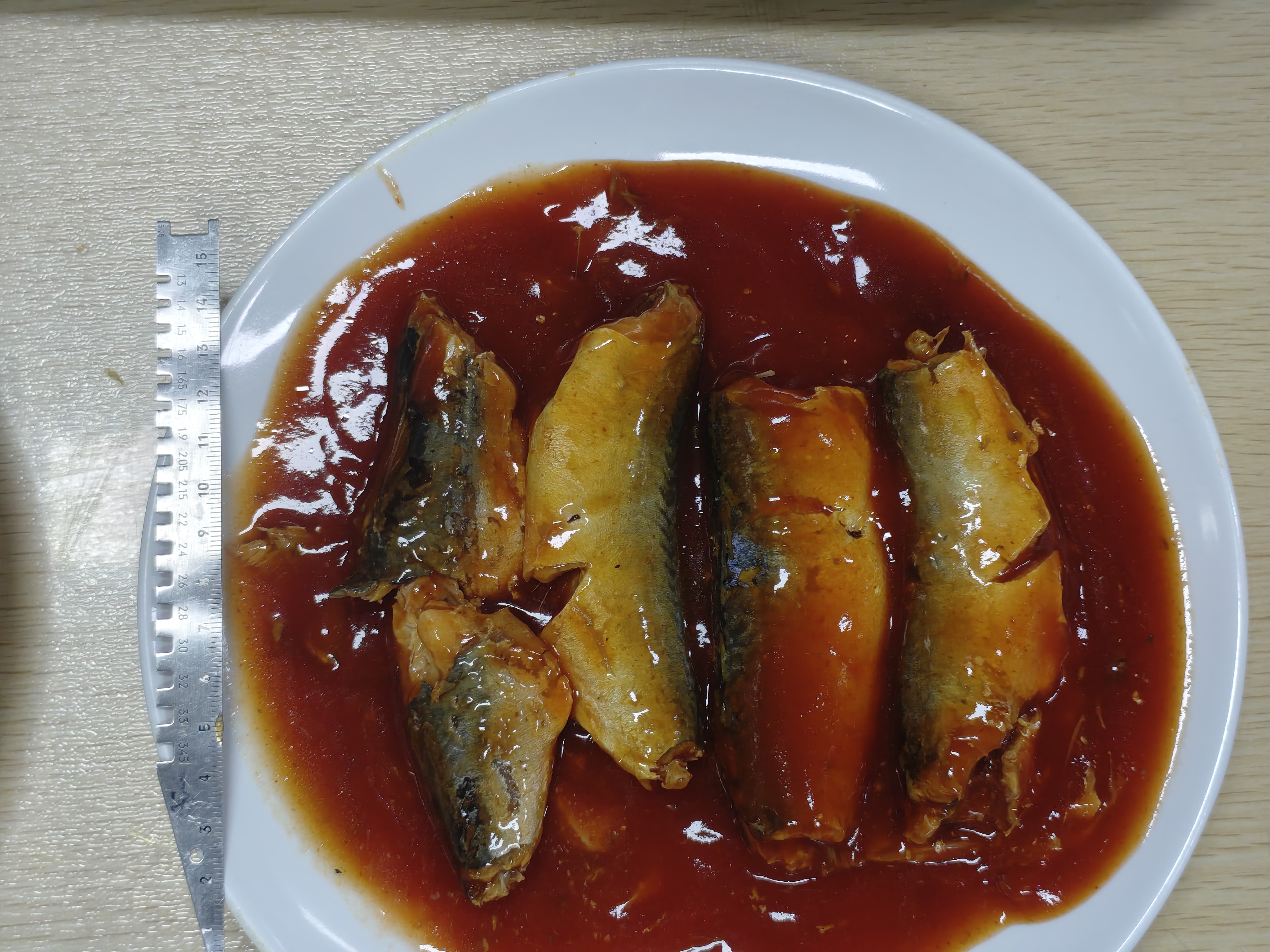
The certified product scope includes canned mackerel in tomato sauce, in oil and in brine, and canned sardines in tomato sauce, in oil and in brine, alongside frozen sardine, mackerel, tuna and other frozen species. Canned tuna is not listed within the current canned HALAL scope, so a buyer targeting a Muslim-majority market with a tuna program should request product-specific confirmation before committing to labels or orders.
Destination-market documentation: FCE/SID and EU traceability
For U.S. imports, registration under the FDA Food Canning Establishment (FCE) system and the filing of Scheduled Processes (SID) apply to foreign canned food processors. For EU imports, Regulation (EU) 2024/3115 has applied stricter plant health and traceability requirements to imported preserved foods since January 2025. These are constraints on the manufacturing site and the export file, not on the sales conversation, which is why they belong in the first supplier questionnaire rather than in a late-stage compliance review.
Specification Constraints: Can Format, Packing Medium and Shelf Life
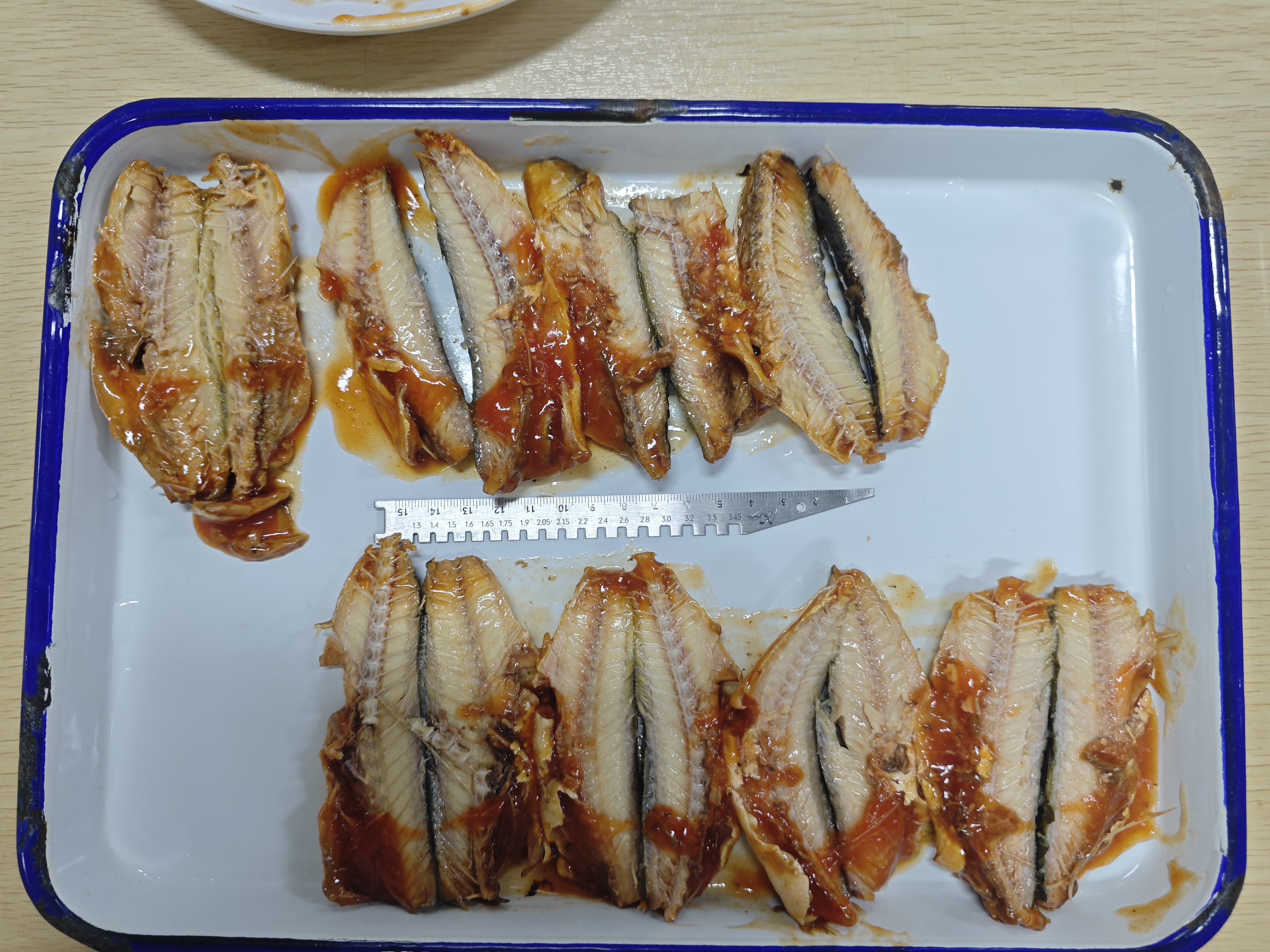
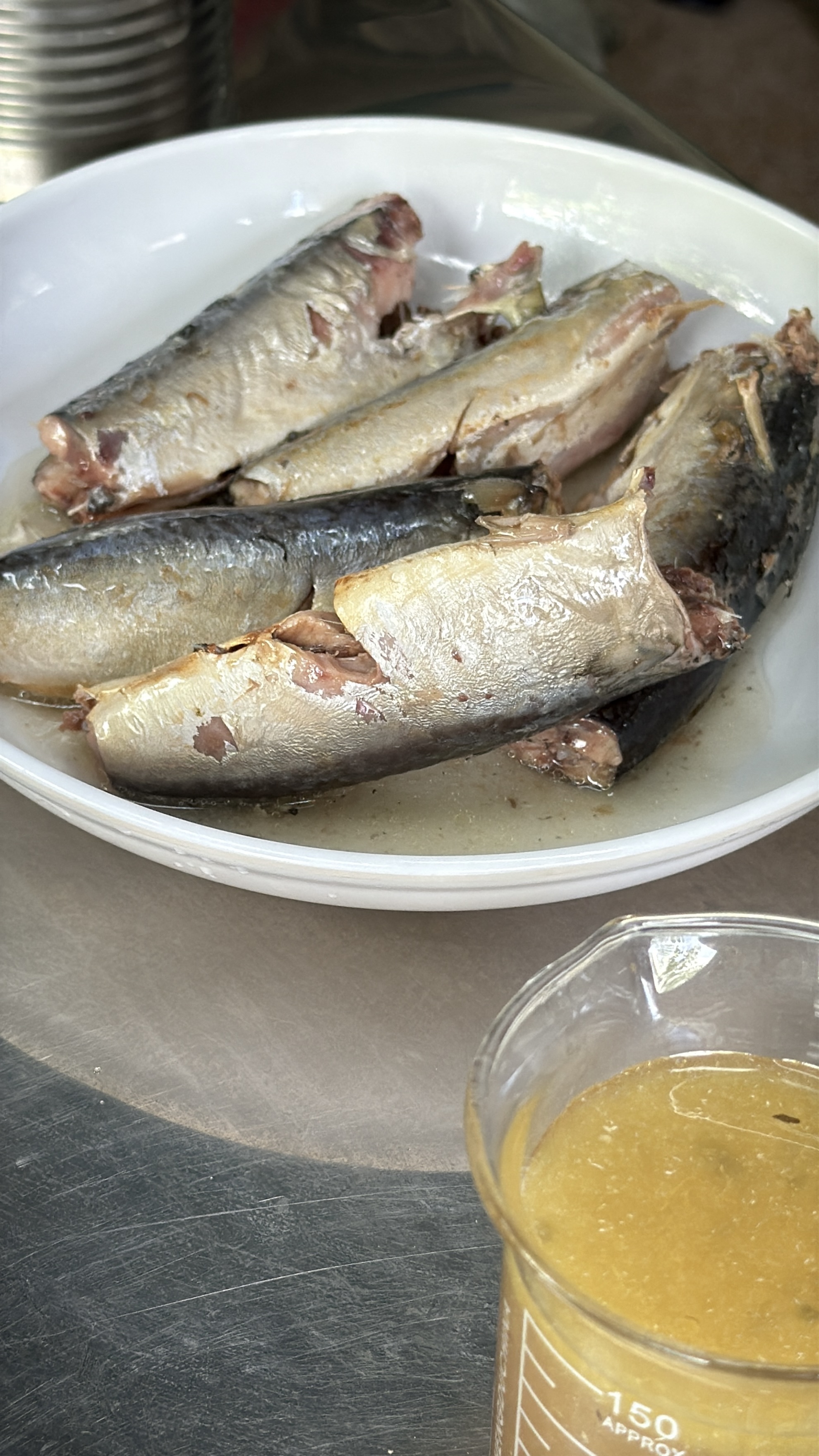
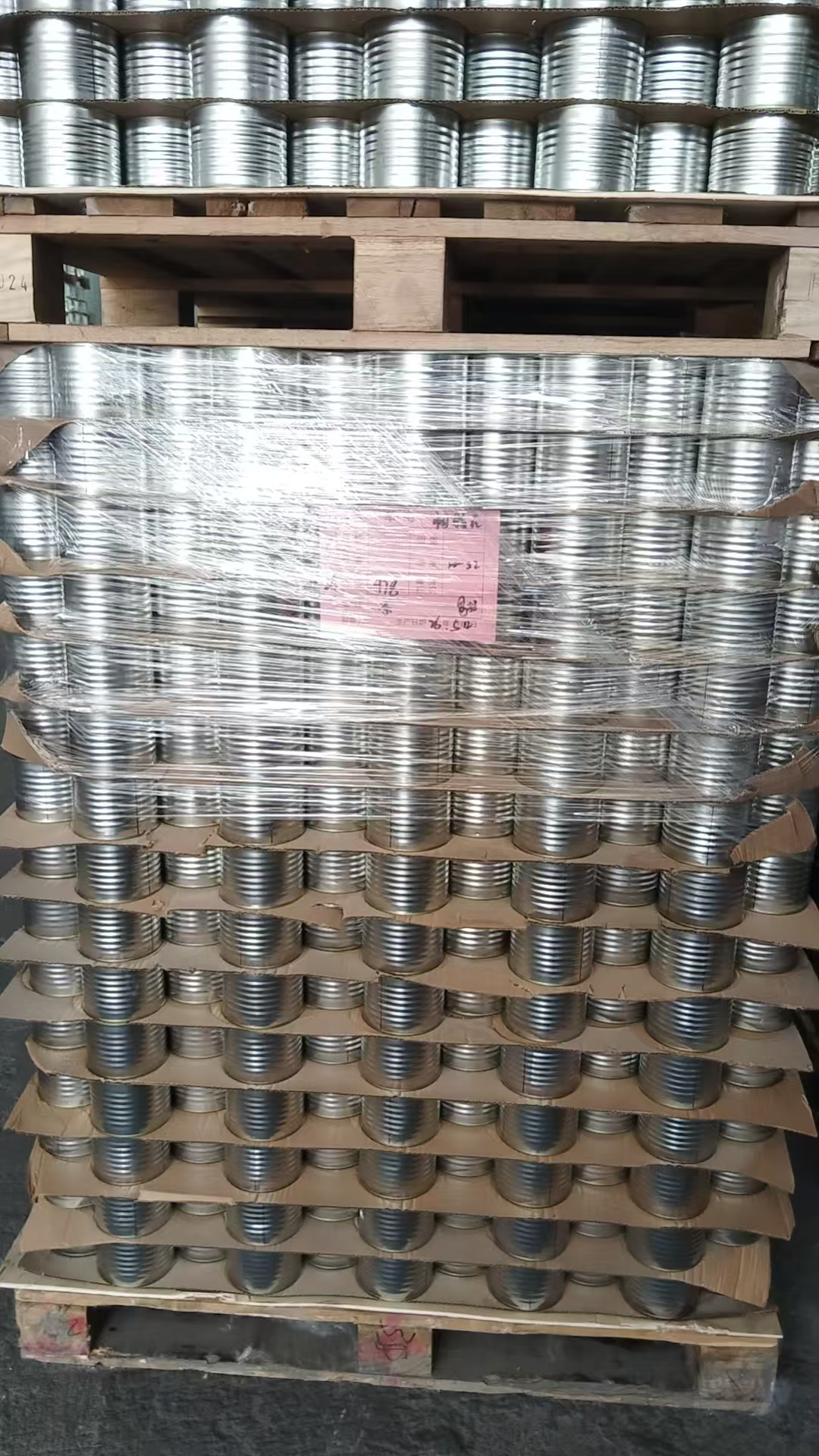
Specification is where commercial fit is decided. The canned sardine, mackerel, tuna, Alaska pollock, squid and baby clam lines are offered in net weights of 125g, 170g (843#), 425g and 1000g, with packing variants in vegetable oil, in tomato sauce and brined, plus salt-seasoned styles. Shelf life is 36 months at ambient temperature. The products are fully sterilized and ready to eat, and they are packed with tinplate cans using sardine fish and similar species as raw material.
Three specification points deserve explicit confirmation before artwork is approved:
- Can format versus channel. Small formats suit convenience and single-serve retail, while larger formats suit catering, food service and food processing. The same product in the wrong format can fail at the shelf even when the certification is perfect.
- Packing medium versus market taste. Tomato sauce, vegetable oil and brine are accepted differently across Europe, North America, Latin America, Africa and Asia. Medium selection is a market-entry decision, not a production detail.
- Shelf life versus distribution cycle. A 36-month ambient shelf life supports long-distance sea shipment and long inland distribution without a cold chain, but it does not remove the need to check production dates and remaining shelf life at arrival, especially for markets with minimum-remaining-shelf-life rules at retail.
Storage constraint worth writing into the contract. Canned fish should be stored in a cool, dry place at 5–25°C, out of direct sunlight and away from heat sources, with relative humidity kept below 75%. Pallets should keep cans at least 10 cm off the floor and away from walls to allow ventilation, stacking should respect packaging weight limits, and stock should rotate on a first-in, first-out basis with weekly inspection for rust, swelling or leakage. Once a can is opened, any uneaten portion should be refrigerated and consumed within 24–48 hours, ideally after transfer to a non-metallic container.
The underlying reason canned fish tolerates this handling is process, not additives. Preservation rests on two elements: hermetic sealing of the can, which creates a vacuum inside and suppresses aerobic bacteria and oxidation, and high-temperature, high-pressure sterilization in a retort — typically 115–121°C under roughly 0.1–0.2 MPa of steam — to achieve commercial sterility. Cooling and an incubation test are then used to confirm that no swelling or microbial growth occurs before release. Sterilization parameters are set according to raw material characteristics: low-acid foods with a pH above 4.6, such as most fish products, require pressurized sterilization at 121°C, while high-acid products such as tomato-based items can be processed at lower temperatures. Because no preservatives are used, the sterilization curve and the cold-point temperature directly determine product safety.
Step-by-Step Breakdown: A Buyer Verification Workflow
The following sequence reflects the order in which constraints actually gate a canned fish program. Each step produces a document or a written confirmation that can be reused in a buyer audit.
- Define the destination market and its mandatory documents. Confirm whether the market requires FCE/SID registration, EU traceability compliance, a HALAL certificate or specific health certificates, and confirm who issues them.
- Match the certificate scope to the exact SKU. Check that the product you intend to order appears in the certificate's declared scope — for example, canned sardines, canned mackerel and canned tuna within the BRCGS scope, and the specific sauce and oil variants within the HALAL scope.
- Lock can format, net weight and packing medium. Confirm 125g, 170g (843#), 425g or 1000g against your shelf plan, and confirm oil, tomato sauce or brine against local taste expectations.
- Confirm shelf life and storage conditions. Verify the 36-month ambient shelf life, the storage temperature and humidity range, and the minimum remaining shelf life your customer accepts at delivery.
- Validate the quality-control and testing file. The supplier's QC model should include incoming raw-material inspection, on-line production patrol, laboratory physical, chemical and microbiological testing for each batch with a COA report, and batch sample retention. Third-party inspection by SGS or Intertek should be acceptable if your compliance team requires it.
- Agree sampling before mass production. Samples are offered on the customer's courier cost, which keeps validation cheap relative to a rejected container. Use the sample stage to test taste, texture, drained weight and label fit.
- Agree commercial terms: MOQ, lead time and customization. The stated minimum order quantity is 1 FCL, the production mode is OEM with logo customization and private label supported, and lead time is 4–6 weeks. Confirm these against your own launch calendar, not against the supplier's.
- Plan receiving inspection and post-arrival handling. Include a receiving check for rust, dents and swollen or domed cans, a quarantine rule for non-conforming units, batch-number traceability, and the FIFO rotation described above.
The export document set supports these steps: a COA, health certificate, pre-shipment inspection report and traceability report, together with OEM formula and label design support, are part of the standard file, and factory certification copies can be provided for buyer audits.
Use Cases: Where These Constraints Change the Buying Decision
Private-label retail launch in Europe or North America
A retailer or brand owner launching own-label canned fish typically needs, in order: a food safety certificate that covers the exact species and format, OEM formula and label design support, a defined MOQ, and a 4–6 week lead time that fits a promotional calendar. Here the constraint that usually causes delay is label and artwork approval rather than production capacity, which is why private-label capability should be confirmed at the evaluation stage rather than after the order.
Entry into Indonesia or Malaysia
For Muslim-majority markets, HALAL is a mandatory access requirement rather than a differentiator. The practical route is to select products that already fall inside the certified scope — canned mackerel in tomato sauce, oil or brine, and canned sardines in tomato sauce, oil or brine — and to request product-specific confirmation for any SKU outside that list.
Supermarket, convenience store and catering supply
Mixed shipments are normal in this channel. Agrogentra's canned food supply experience covers mixed FCL and LCL shipments for food importers, grocery wholesalers and supermarket distributors, serving supermarket retail, convenience store sales, catering supply and food processing. The reported outcome for these buyers is stable food supply with low inventory loss, supported by ambient storage, long shelf life and available Kosher and HALAL certification on relevant lines.
Food processing and re-packing
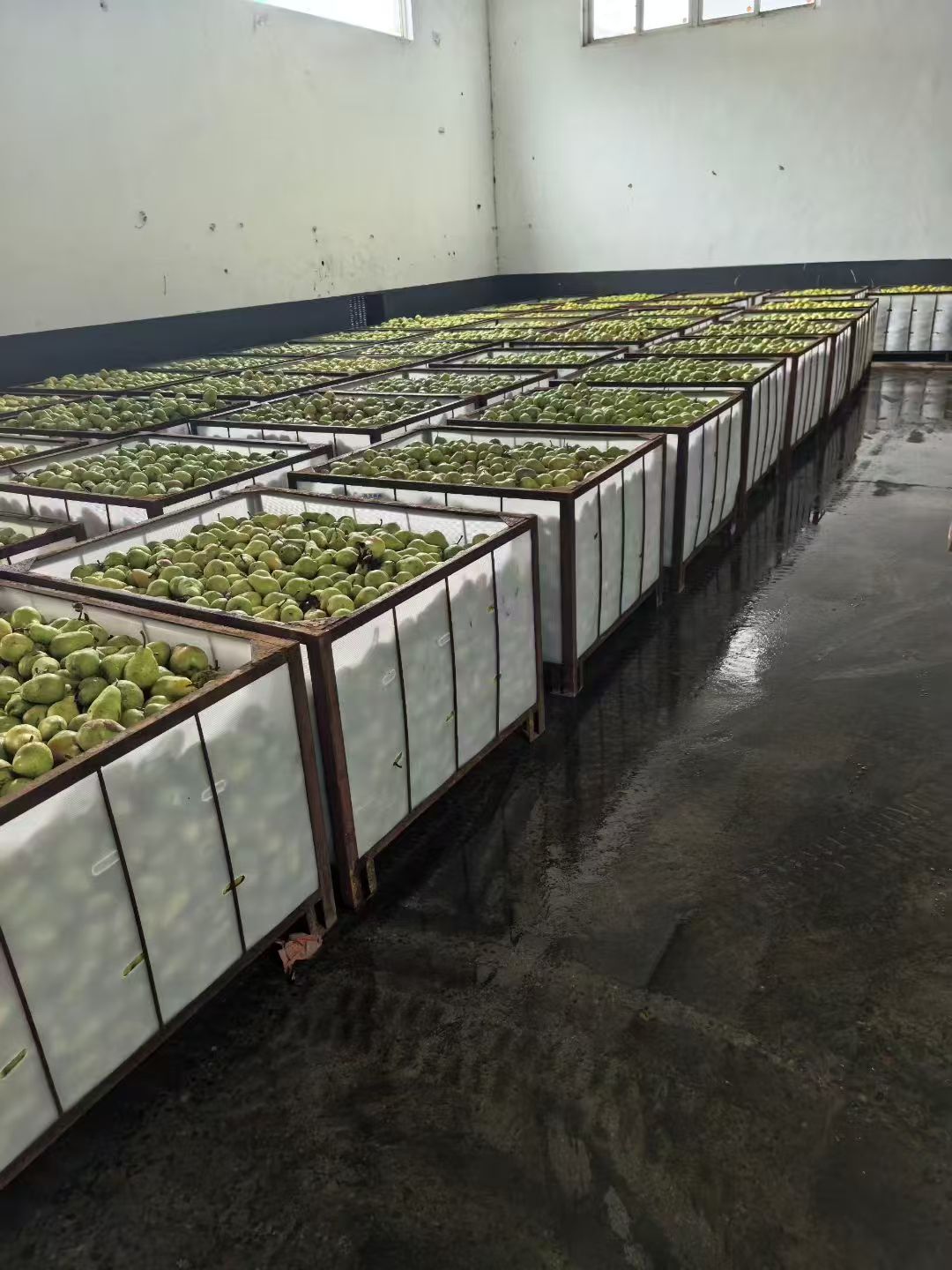
Processors and re-packers buy on format and consistency rather than on consumer branding. Agrogentra has supplied fruit dices and grapes in 4.25kg cans for European and Greek fruit processors — including major processors such as Del Monte, Kronos and Venus — for re-packing of canned fruit cocktails since 2005. For canned fish processors, the equivalent logic applies: bulk formats such as 1000g cans plus consistent drained weight and reproducible sterilization parameters matter more than retail-facing design.
Comparison: Constraint Trade-offs Buyers Should Weigh
The most common evaluation question in this category is not which canned fish product is better, but which preservation format fits a given distribution network. The table below summarises the trade-offs that buyers typically assess side by side.
| Constraint | Canned fish | Frozen fish |
|---|---|---|
| Storage and logistics | Ambient temperature; no cold chain required; suitable for long-distance sea shipment | Requires continuous cold-chain transport and cold storage warehouse |
| Shelf life | Up to 36 months at ambient temperature | Commonly 6–18 months |
| Cost structure | Lower storage and transport overhead | Higher cold-chain freight and electricity cost |
| Eating quality | Undergoes high-temperature sterilization, which changes texture and flavour | Closer to raw fresh flavour |
| Best-fit channel | Supermarkets, convenience stores, catering, remote-area distribution | High-end supermarkets and customers seeking original fresh taste |
| Decision rule | Choose when cold storage is unavailable or distribution is remote | Choose when full low-temperature logistics is available |
The same logic applies inside the canned range itself. The table below maps the declared specification and certification coverage per product line, so buyers can see where a document request is needed instead of assuming blanket coverage.
| Product line | Net weight options | Packing medium | Shelf life | BRCGS coverage | HALAL certificate scope |
|---|---|---|---|---|---|
| Canned Sardines | 125g, 170g (843#), 425g, 1000g | Vegetable oil, tomato sauce, brine | 36 months, ambient | Covered — manufacturing of canned sardine | Covered: tomato sauce, oil, brine |
| Canned Mackerel | 125g, 170g (843#), 425g, 1000g | Vegetable oil, tomato sauce, brine | 36 months, ambient | Covered — manufacturing of canned mackerel | Covered: tomato sauce, oil, brine |
| Canned Tuna | 125g, 170g (843#), 425g, 1000g | Oil, tomato sauce, salt-seasoned variants | 36 months, ambient | Covered — manufacturing of canned tuna | Not listed in the current canned scope — confirm per order |
| Other canned fish in the range (Alaska Pollock, Squid, Baby Clam) | Per product specification | Per product specification | 36 months, ambient (product line) | Outside the current canned-fish scope — request product documents | Request per product |
| Canned vegetables, tomato products and fruit lines | 425g, 2950g, A9 and A10 formats for fruit and vegetable lines | Light syrup for fruit lines; product-specific for vegetables | 36 months, ambient; sterilized, no preservatives | Outside the current canned-fish scope — request product documents | Request per product |
FAQ: Canned Fish Certification, Specification and Supply Questions
1. How do I verify that a Chinese canned sardine supplier is HACCP-certified?
HACCP-based food safety management is the baseline system that underpins GFSI-recognized certification schemes such as BRCGS, so the most reliable verification is to check the applicable food safety certificate rather than a generic claim. Ask for the certificate number, the issuing certification body, the accreditation reference, the declared product scope and both validity dates, then verify them with the issuing body. For the canned sardine, mackerel and tuna lines supplied through Agrogentra, the applicable certificate is BRCGS Global Standard for Food Safety, Issue 9 (August 2022), certificate number 051A1312001, issued by Intertek Certification Ltd (UKAS Accredited Body No. 014), with a declared scope of manufacturing of canned mackerel, sardine and canned tuna, valid from 27 January 2026 to 13 February 2027.
2. Which canned fish products are covered by the certifications, and is HALAL certification available?
The BRCGS certificate covers the manufacturing of canned mackerel, canned sardine and canned tuna, and is recognized for the global market under the GFSI framework. HALAL certification is held under certificate number 8998250000, issued by SHC (Shandong Halal Certification Service Co., Ltd.), valid from 1 July 2025 to 30 June 2028. It applies to Indonesia, where it is compliant with Indonesia Halal Law Regulations and recognized by BPJPH, and to Malaysia, where it conforms to MS1500:2019 and is recognized by JAKIM. The certified scope includes canned mackerel in tomato sauce, oil and brine, and canned sardines in tomato sauce, oil and brine. Canned tuna is not listed within the current canned HALAL scope, so confirmation should be requested per product before committing to a Muslim-majority market order.
3. What are the minimum order quantity, lead time and private-label options?
The stated minimum order quantity is 1 FCL, production mode is OEM, and customization covers logo and private label. Quoted lead time is 4–6 weeks, with a stated monthly capacity of 3,500 units. Buyers should align this lead time with their own promotional or seasonal calendar, since artwork and label approval are typically the pacing items once certification and specification are settled.
4. Can I obtain samples and third-party inspection before placing a full order?
Yes. Samples are provided on the customer's courier cost, which allows taste, texture, drained weight and label fit to be validated before mass production. On the quality side, the control model includes incoming raw-material inspection, on-line production patrol, and laboratory physical, chemical and microbiological testing for each batch with a COA report, plus batch sample retention. Third-party inspection by SGS or Intertek is acceptable, and the export file includes a COA, health certificate, pre-shipment inspection report and traceability report; factory certification copies can also be provided for buyer audits.
5. What delivery and post-arrival constraints should be written into the agreement?
Canned fish ships at ambient temperature without a cold chain and has a 36-month shelf life, which supports long-distance sea shipment and remote distribution. On arrival, the receiving check should look for rust, dents and swollen or domed cans; a swollen can indicates seal failure and possible microbial spoilage, so the affected batch should be quarantined, photographed, traced by batch number and reported to the supplier rather than sold. Storage should be at 5–25°C with relative humidity below 75%, pallets at least 10 cm off the floor and away from walls, FIFO rotation, and weekly inspection. Opened cans should be refrigerated and consumed within 24–48 hours. To move from evaluation to a concrete offer, you can request a quotation or arrange a sample shipment through the Agrogentra team at charles.cai@agrogentra.com or via WhatsApp at +86 181 5091 8630.
Conclusion: Constraints First, Price Second
Canned fish is a mature, high-volume category, and the suppliers that survive long-term buyer audits are usually the ones that can answer constraint questions with documents rather than assurances. For importers and distributors evaluating a China-based supply program, the sequence that reduces risk most efficiently is: confirm market-access documents, confirm that the food safety certificate scope includes the exact SKU, confirm can format, packing medium and shelf life against your own channel, then confirm MOQ, lead time and the export document file. Certification coverage should be checked line by line, because a valid BRCGS certificate for canned mackerel, sardine and tuna does not automatically cover canned Alaska pollock, canned vegetables or canned fruit.
Agrogentra & Co., Ltd. Xiamen has been active in the international food trade since 2000, has participated in major global food exhibitions since Anuga Cologne in Germany in 2001 and SIAL Paris in France in 2002, and supplies canned food, frozen food and fresh produce to buyers in the United States, Latin America, Europe, Africa and Asia. Buyers who want to review the full product range and packaging options before requesting a sample can download the company brochure here: Agrogentra product brochure (PDF). Additional company and product information is available at www.agrogentra.com.
Next step for buyers at the evaluation stage: send your target market, SKU list, can format and required certification to the Agrogentra sales team. Ask for a sample shipment and a specification confirmation sheet covering net weight, packing medium, shelf life and certification coverage for each SKU. Email: charles.cai@agrogentra.com | Tel: +86-592-5393122 | WhatsApp: +86 181 5091 8630.
Have Questions or Need More Details?
Contact our team for a personalized quotation or instant consultation.
Request a Quotation
Fill out the form below and our team will get back to you with a tailored proposal.
WhatsApp Direct Chat
Prefer to chat in real-time? Message us on WhatsApp for instant assistance & quick answers.
- Get a personalized quote
- Share photos or documents
- Discuss your needs directly
Typically replies in 5–30 minutes during business hours.