
Canned Fruit Seaming & Pasteurization: BRCGS-Certified Process Guide
Canned Fruit Seaming & Pasteurization: BRCGS-Certified Process Guide
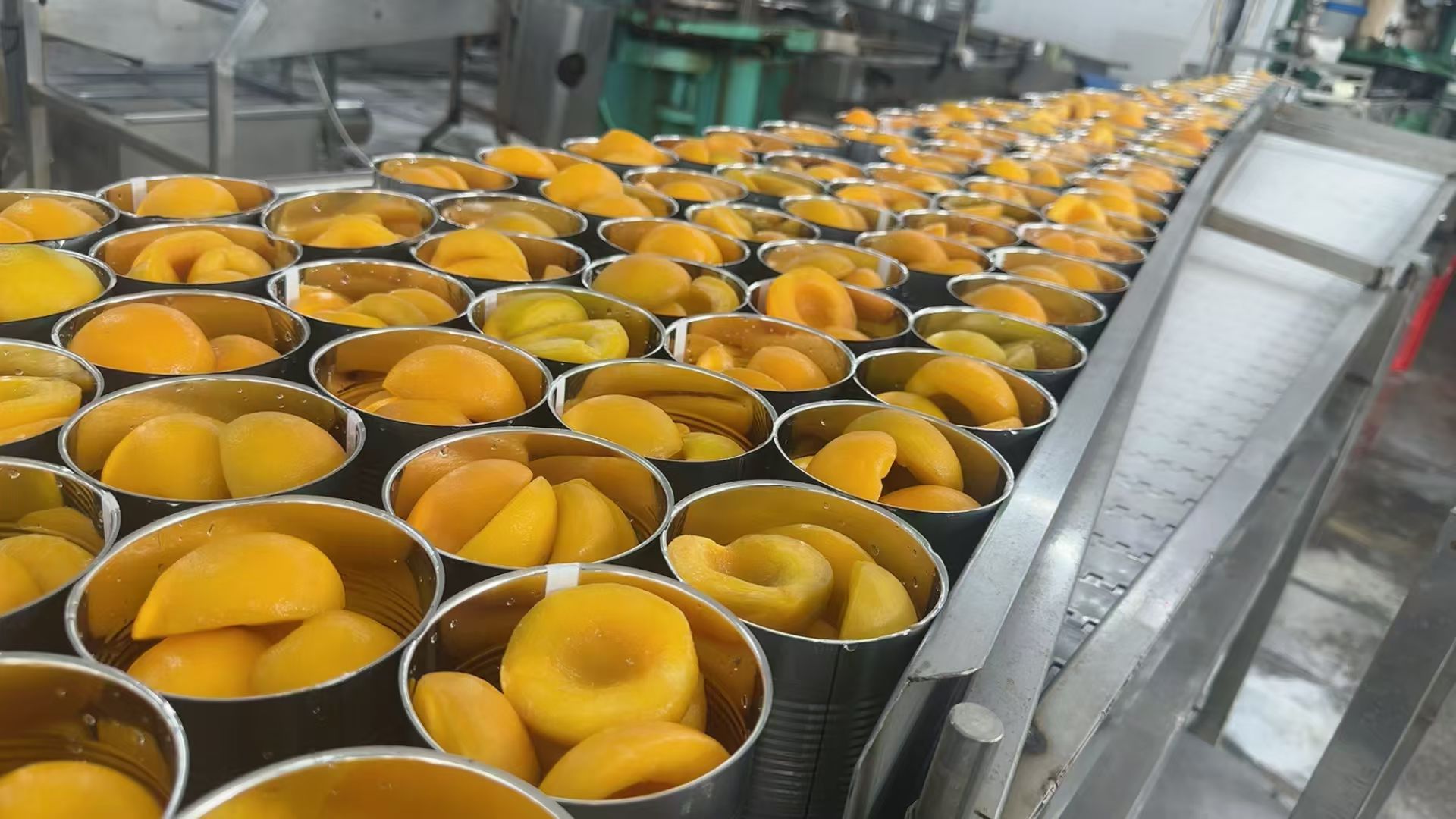
Seaming and pasteurization are the two process steps that decide whether a can of fruit is commercially sterile when it leaves the retort — and still sound a year later on a retail shelf. Washing, peeling, pre-cooking and filling prepare the product for those two steps. They cannot compensate for a failed seam or a short thermal process.
This guide sets out the BRCGS-certified process scope for canned fruit in practical terms: the six production stages (washing, peeling, pre-cooking, filling, seaming and pasteurization); how acidified and low-acid packs are handled under 21 CFR 113 and 21 CFR 114; why seaming and pasteurization are classified as critical control points rather than routine line operations; and what an importer should verify before moving from a first container to a repeat supply program.
Agrogentra & CO.,LTD.XIAMEN is a China-based exporter of canned seafood, canned fruit and canned vegetables, established in 2000 and supplying export markets for more than 25 years. Its canned fruit and vegetable operations are certified to the BRCGS Global Standard for Food Safety Issue 9 under certificate number 05LA1209004.
Problem Definition: Why a Can Defect Appears Months After Shipment
A swollen can — one or both ends domed — is the visible end point of a process failure that happened long before the container was loaded onto a vessel. The internal pressure is produced by gas. In most cases that gas comes from microbial growth in a can whose seal has failed, or from a thermal process that left heat-resistant bacteria or spores alive in a product that was assumed to be sterile.
Four causes are documented for swollen cans in canned food:
- Poor seaming or seal failure, allowing microorganisms to enter the can and produce gas;
- Insufficient sterilization, leaving heat-resistant bacteria or spores in the product;
- Exposure to high temperature (above roughly 37°C) or severe impact and compression during transport or storage;
- High-acid contents or internal chemical reactions, such as hydrogen swell, generating gas inside the can.
Two of those four causes sit directly on the production line. For an importer or private-label buyer, the cost is not limited to the value of the affected cans. A swollen can found at receiving triggers quarantine of the whole batch, photographic documentation, batch tracing, third-party laboratory testing and a claim cycle against the supplier — while the shelf or production slot that batch was meant to fill stays empty.
The harder problem is that neither failure is visible at the loading dock. A pre-shipment inspection that checks cargo quantity, packaging and appearance is a legitimate commercial control, but it is not a process control. A seam can be marginal and still be invisible; a thermal process can be short by a few minutes at the cold point and every can in the batch will still look perfect on the day it ships. That is precisely why buyers building long-term programs shift their question from “do the goods look right?” to “is the process controlled, and can you show me the records?”
Industry Background: A Buyer's Market With an Audit Problem
Supply is not the constraint in this category. The global canned fruits and vegetables market reached USD 105.35 billion in 2024, according to Market Research Future. China’s total export value of fruit and vegetable canned products was US$3.859 billion in 2024, based on China Canned Food Industry Association and China Customs figures. China’s canned vegetable export volume alone reached 2.058 million tons in 2024, a 2.52% year-on-year decrease.
Within canned fruit, peaches remain the largest single segment, holding approximately 36.8% of segment share in 2024 according to Market.us. Canned mushrooms — a low-acid pack that requires full pressure processing — represented a global market of USD 11.31 billion in 2023, based on Global Market Insights data.
Two structural forces now shape what buyers require from a supplier. The first is packaging regulation: the European Union’s Regulation (EU) 2024/3190 restricts the use of Bisphenol A in food contact materials, including can coatings, which pushes can-coating specification into supplier selection rather than leaving it to the can supplier alone. The second is retailer audit pressure: private-label and retail customers increasingly require GFSI-benchmarked certification, turning process documentation into a commercial access requirement instead of a quality preference.
The consequence is that price differences between qualified suppliers are narrow, and the real differentiator in a long-term program is not the cost of one container. It is whether the supplier can prove, batch by batch, that the seam was formed correctly and that the scheduled process was actually delivered.
The BRCGS-Certified Process Scope for Canned Fruit
The BRCGS Global Standard for Food Safety Issue 9 is a GFSI-benchmarked certification standard. Certification under it is not a label applied to a product; it defines a site scope, requires a documented food safety plan built on HACCP principles, and requires validated critical limits to be monitored and recorded at each identified critical control point. For canned fruit, the process steps inside that certified scope are fixed and sequential: washing, peeling, pre-cooking, filling, seaming and pasteurization.
| Process stage | Control objective | Typical verification evidence |
|---|---|---|
| Washing | Remove soil, field debris and surface microbial load from raw fruit before processing | Raw material intake inspection; wash-water management records |
| Peeling / coring / pitting | Remove peel, core and stone; limit tissue damage that drives browning and microbial ingress | Defect and grading records; yield records |
| Pre-cooking | Soften tissue, expel air from the fruit and stabilise the fill | Time and temperature records for the pre-cook |
| Filling | Control fill weight, headspace and packing medium (light syrup for fruit) | Fill weight and headspace check records |
| Seaming | Form a hermetic double seam between body and end | Double-seam teardown measurements; vacuum check on closed cans |
| Pasteurization | Deliver the scheduled process that achieves commercial sterility | Retort time, temperature and pressure charts; cold-point and F0 records |
| Cooling and incubation | Confirm no viable survivors before batch release | Incubation at 37°C for 7–10 days with no swelling or microbial growth |
Acidified and low-acid packs under 21 CFR 113 and 21 CFR 114
Two US FDA regulations set the baseline that canned fruit and vegetable programs are most often audited against. 21 CFR 113 governs thermally processed low-acid foods packaged in hermetically sealed containers. 21 CFR 114 governs acidified foods, where acidification brings a product to pH 4.6 or below.
Which regulation shapes the process depends on the finished product’s equilibrium pH. Low-acid foods (pH above 4.6) must be sterilized at 121°C under pressure. High-acid products, such as tomato-based packs, can be processed at lower temperatures. Canned fruit in light syrup normally sits at the acid or acidified end of that scale, while low-acid packs — canned mushrooms, canned potatoes and most other canned vegetables — require the full pressure process.
The practical consequence for a buyer is that the scheduled process is product-specific, not line-specific. The same seamer and the same retort will run different time and temperature profiles for a 425 g can of fruit in light syrup and a 2950 g A10 can of a low-acid vegetable. A supplier applying one process to every SKU is not running a scheduled process; it is following a habit. This is also why acidified packs need their own controls: when acidification is what keeps the product safe, the acidification step and the equilibrium pH of the finished can become control points in their own right, alongside seaming and the thermal process.
Step-by-Step: The Six Process Stages, in Order
Step 1 — Washing and raw material intake
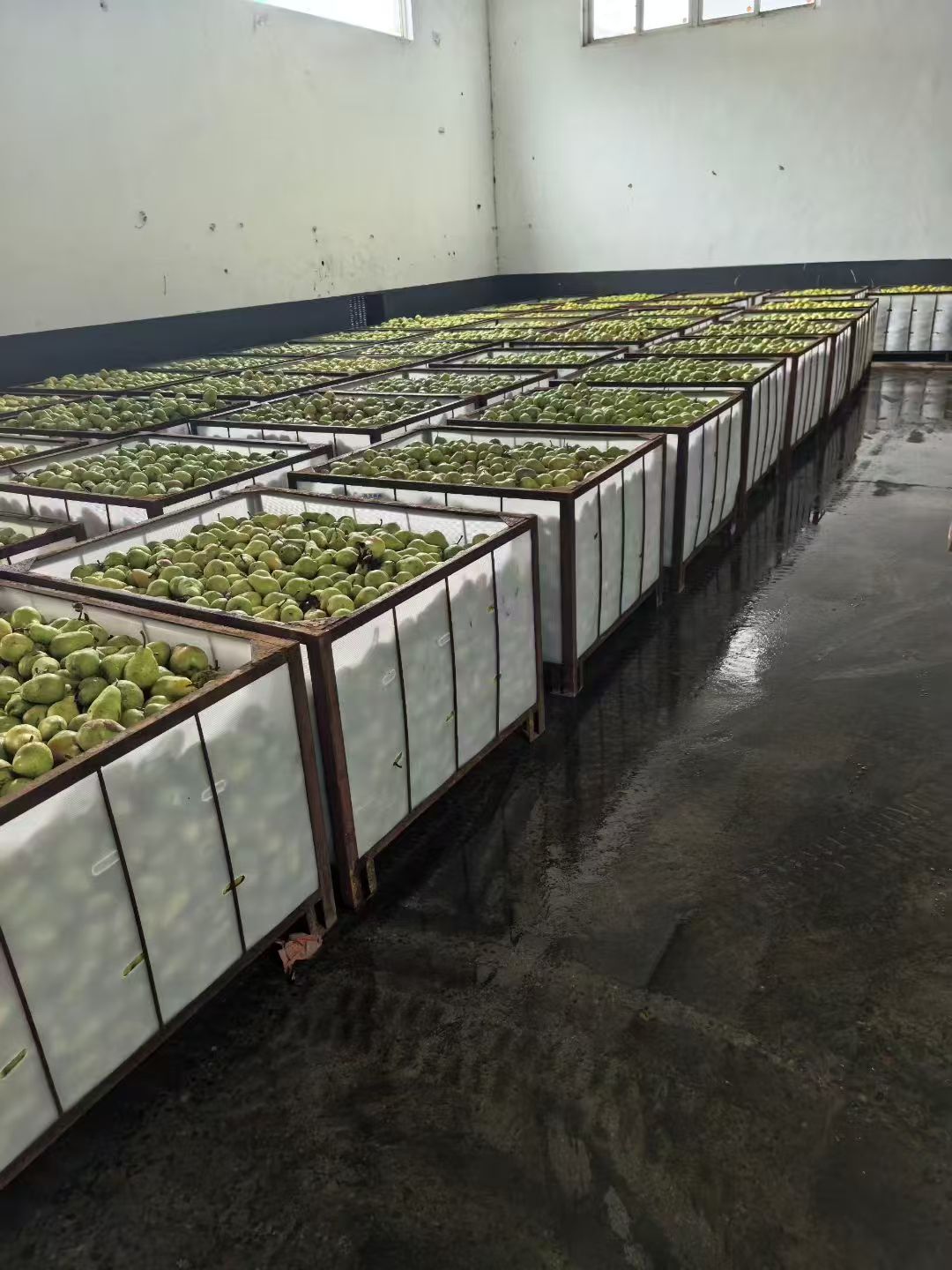
Fruit arrives at the plant with soil, leaf and field debris attached, and with whatever microbial load it picked up between the field and the gate. Washing removes both. This stage does not sterilise anything, and it is not intended to — but it determines how much work the later thermal process has to do. A heavier initial load consumes process margin, and process margin is the difference between a batch that passes incubation comfortably and a batch that passes by a narrow margin.
Step 2 — Peeling, coring, pitting and grading
Peeling removes the skin; coring and pitting remove the core and the stone; grading removes fruit that is over-ripe, bruised, mould-affected or mechanically damaged. This is a quality step and a food-safety step at the same time. Damaged tissue is where enzymatic browning and microbial ingress begin, and it is also where texture in the finished can starts to break down. For whole-segment products such as canned yellow peach, canned pear and canned mandarin oranges, grading also decides whether the fruit can be packed as whole segments or must be diverted to a cocktail or jelly format.
Step 3 — Pre-cooking and syrup preparation
Pre-cooking softens the tissue so the fruit can be filled without crushing, expels air trapped inside the fruit and stabilises the fill. For fruit packed in syrup, the packing medium is prepared to the specified strength — light syrup is the standard medium for the Agrogentra canned fruit range. The pre-cook also largely fixes how much the fruit will shrink inside the can, which in turn determines whether the drained weight declared on the label can be delivered consistently.
Step 4 — Filling
Fruit and packing medium are filled to a controlled fill weight and a controlled headspace. Headspace matters more than it appears to: the vacuum that forms after seaming depends on the space left above the product, and headspace also affects how the can heats during the retort and how it behaves during cooling. An over-filled can and an under-filled can are both process problems, even when both pass a visual check.
Step 5 — Seaming (critical control point)
Seaming closes the container hermetically. Fruit is filled into a tinplate can or glass jar and hermetically sealed by a seaming machine, after which a vacuum forms inside the container — typically 300–500 mmHg. With almost no oxygen remaining in the can, aerobic bacteria and oxidation are suppressed, and the contents are protected until the thermal process is applied.
Two can constructions behave differently under the retort. A three-piece can is made from a tinplate body formed into a cylinder by high-frequency resistance welding, with the bottom and lid double-seamed onto it; the side seam gives the body the strength to withstand 121°C pressurised sterilisation, which is why canned fish, meat and vegetables are usually packed in three-piece cans. A two-piece can is drawn and stamped in one piece so that body and bottom are continuous, with no side seam, good sealing and a smooth appearance, but a thinner wall — it suits products with lower pressure requirements or shorter sterilisation cycles, such as beverages and some juices. Easy-open ends, scored with a tear line and fitted with a riveted pull tab, are common on ready-to-eat and retail formats. Container size such as the 211×400 and 307×109 three-piece formats directly affects packing quantities and packaging cost.
Step 6 — Pasteurization (critical control point)
Sealed cans are loaded into a retort and heated at 115–121°C under approximately 0.1–0.2 MPa of high-pressure steam to achieve commercial sterility: the destruction of all pathogenic bacteria and of all microorganisms capable of growing at ambient temperature, together with their spores, including Clostridium botulinum spores.
Two parameters determine whether that process was actually delivered. The first is the sterilisation curve. The second is the cold-point temperature, expressed as the F0 value — the cold point is the slowest-heating location inside the can, and if the cold point receives the scheduled process, the rest of the can does. Sterilisation parameters must be set from the characteristics of the raw material, principally pH and solid content, rather than from a fixed line setting.
Step 7 — Cooling, incubation and batch release
After sterilisation the cans are rapidly cooled and then subjected to an incubation test, normally at 37°C for 7–10 days, to confirm that no swelling or microbial growth occurs before the batch is released. Incubation is the last opportunity to catch a marginal seam or a short process before the product enters the supply chain, and it is the reason batch release in a properly run cannery is a documented decision rather than a date on a pallet.
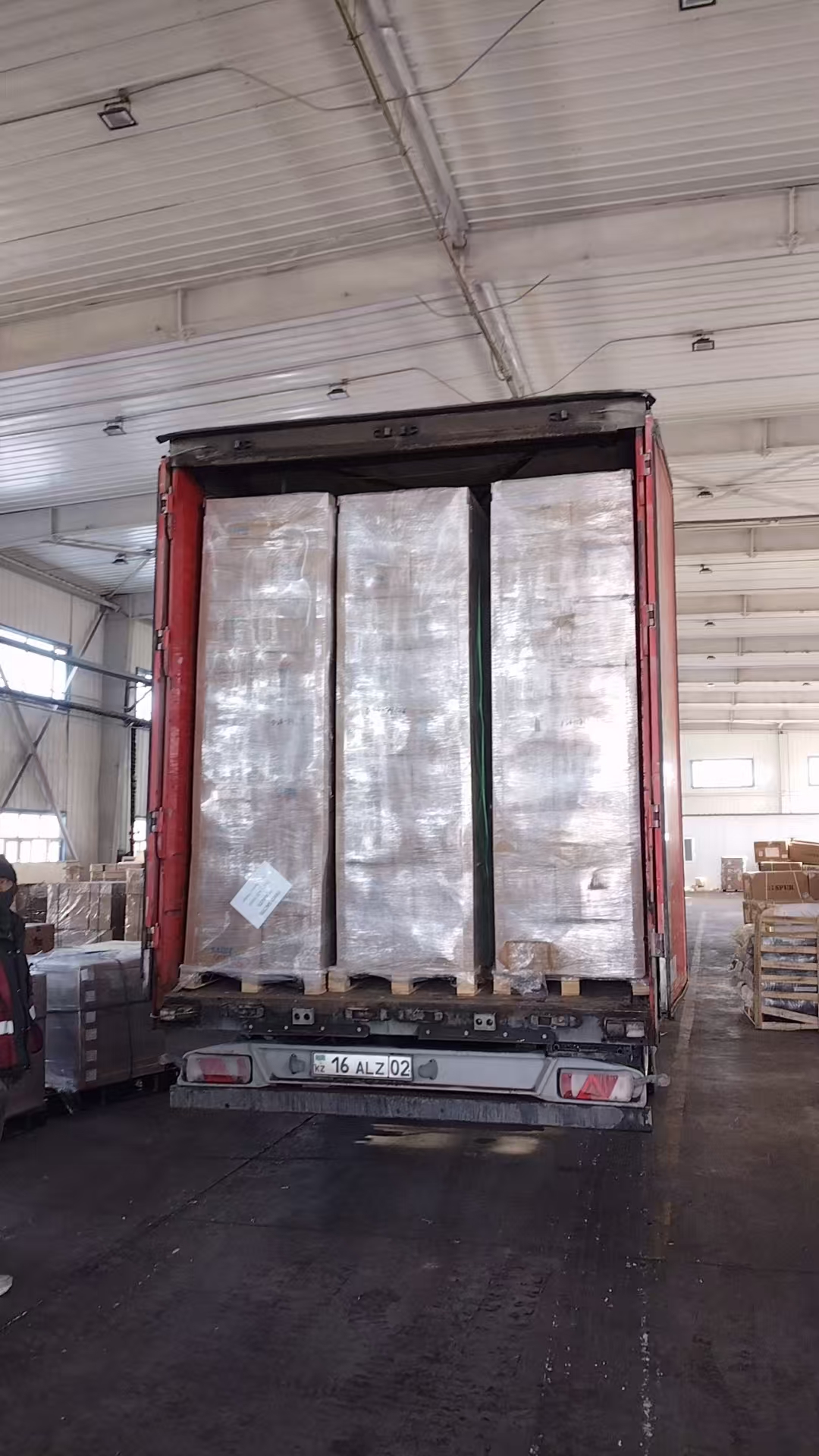
Step 8 — Palletizing and export loading
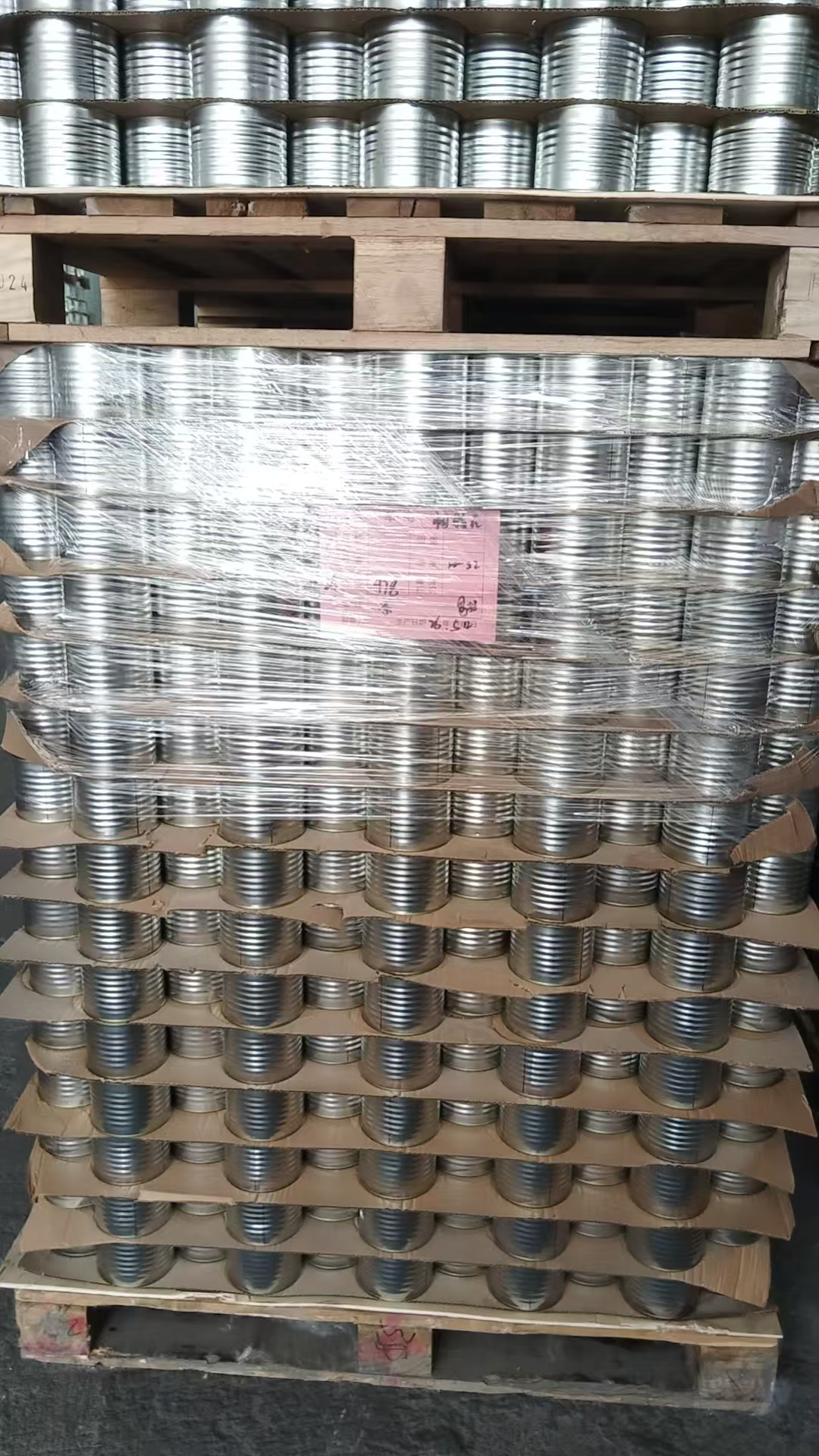
Released cans are palletized and stored at ambient temperature. The Agrogentra canned fruit range — canned mandarin oranges, canned pineapple, canned yellow peach, canned pear, canned fruit jelly, canned fruit cocktail, canned cherries, canned applesauce, fruit cups and canned lychee — is packed at 425 g and 2950 g in A9 and A10 whole-segment formats, with a 36-month shelf life at normal temperature and no preservatives. Ambient storage removes the cold-chain variable from the remaining life of the product, but it does not remove the storage requirement: a cool, dry environment is part of keeping the seal and the can body intact until the product is sold.
Why Seaming and Pasteurization Are the Critical Control Points
Seaming and pasteurization are treated as critical control points because they are the two steps at which a loss of control produces a hazard that cannot be detected or corrected later. Both are also measurable, which is what makes them auditable: a seam has dimensions that can be torn down and checked, and a retort has a time, temperature and pressure record that can be compared against an established scheduled process.
| Control point | What is controlled | Failure mode | Verification evidence |
|---|---|---|---|
| Seaming (container closure) | Integrity of the double seam between can body and end; vacuum inside the closed can, typically 300–500 mmHg | Poor seaming or seal failure allows microorganisms to enter and produce gas, causing swollen cans and spoilage | Container closure evaluation; double-seam teardown measurements at defined intervals; vacuum checks |
| Pasteurization (thermal process) | Delivery of the scheduled time, temperature and pressure profile to the cold point of every can | Insufficient sterilisation leaves heat-resistant bacteria and spores alive in a can that looks intact | Retort time, temperature and pressure charts; cold-point and F0 records against the established scheduled process |
The remaining documented causes of can failure sit outside the retort. Exposure above roughly 37°C or severe impact and compression during transport and storage can damage a sound product, which is why handling conditions are written into storage and shipping instructions. Internal chemical reactions in high-acid contents — hydrogen swell — connect back to can coating specification, and to regulation such as the EU’s Regulation (EU) 2024/3190 on Bisphenol A in food contact materials when the destination market is Europe.
Use Cases: Where These Controls Decide the Program
Retail private label and small-format cans
Retail programs are bought against a specification and a release schedule. The incubation record is what allows a supplier to release a batch with confidence; the container closure record is what protects the retailer against a swollen-can complaint six months into the shelf life. For European retail programs, the can coating specification has become part of the selection process because of Regulation (EU) 2024/3190.
Foodservice and bulk formats
Large-format cans used by catering, food processing and institutional buyers carry the same process logic at a larger scale. Because the scheduled process is established for a specific container size and fill weight, a 2950 g A10 pack and a 425 g can do not share a process — and a supplier that treats them as interchangeable is a supplier whose documentation will not survive an audit.
Markets without a cold chain
For distributors in regions where refrigerated warehousing and reefer transport are not reliably available, the ambient stability of canned product is the reason the category works. Agrogentra exports approximately 100% of production, with business covering the United States, Europe, Latin America, Africa, the Middle East and multiple mainstream Asian markets, and major markets including the USA, Latin America, Europe and Africa.
Long-term sourcing programs
Once a buyer is on a repeat schedule, the relevant question is no longer whether one container can be produced well. It is whether the same result can be produced across dozens of production dates. Agrogentra operates with stable factory resources, standardised production supervision and mature export procedures, and maintains professional operation teams and independent QC departments in both Xiamen and Qingdao — covering factory audits, raw material testing, production monitoring, finished product inspection and pre-shipment sampling.
Comparison: Canned vs Frozen for Long-Term Supply Planning
Buyers assembling a long-life fruit and vegetable program frequently compare canned and frozen sourcing. The two work for different sales scenarios, and the difference is mostly logistics, not product quality.
| Dimension | Canned product | Frozen product |
|---|---|---|
| Packaging format and dependency | Hermetically sealed can; no cold chain required | Requires continuous cold-chain handling and cold storage |
| Shelf life | 24–36 months at ambient temperature | 12–18 months at −18°C |
| Freight and storage cost | Higher packaging cost, zero cold-chain premium; ambient warehouse | Lower packaging cost, but reefer freight is 30%–50% higher and cold storage adds 25%–40% to landed cost |
| Loss rate and inventory pressure | Loss rate below 1%; no special handling; long-term stockpiling feasible | Loss rate 5%–10%; chain breakage equals product loss; high turnover requirement and complex SKU management |
| Energy and sustainability profile | High energy use at production (sterilisation), then zero energy in storage and transport | Energy-intensive blast freezing plus continuous refrigeration; cold storage energy consumption 8–10 times that of an ambient warehouse |
| Best suited to | Long-distance freight, markets without cold chain, emergency or buffer stock | Developed markets with cold chain, HORECA, texture-sensitive products |
The decision is driven by warehouse condition, distribution network and target customer group — not by which format is intrinsically better. Buyers without cold-chain resources are usually better served by an ambient program; buyers with complete cold-chain infrastructure and a customer base that prioritises texture may run frozen lines alongside canned ones.
FAQ
The BRCGS Global Standard for Food Safety Issue 9 is a GFSI-benchmarked standard. Certification defines a site scope and requires a documented, HACCP-based food safety plan in which critical limits are validated, monitored and recorded at each identified critical control point. For canned fruit, the certified process scope covers washing, peeling, pre-cooking, filling, seaming and pasteurization, together with cooling, incubation and batch release. Agrogentra’s canned fruit and vegetable operations are certified under certificate number 05LA1209004.
It depends on the equilibrium pH of the finished product. 21 CFR 113 governs thermally processed low-acid foods packaged in hermetically sealed containers — products above pH 4.6, which must be sterilized at 121°C under pressure. 21 CFR 114 governs acidified foods, where acidification brings the product to pH 4.6 or below, allowing a lower-temperature process while making the acidification step and the finished-product pH control points in their own right. Fruit in light syrup normally sits at the acid or acidified end; low-acid packs such as canned mushrooms, canned potatoes and most other canned vegetables fall into the full pressure-process group.
Ask for process evidence rather than product certificates alone. Seaming is verified through container closure evaluation and double-seam teardown measurements taken at defined intervals, plus confirmation that the vacuum inside the closed can sits in the expected range — typically 300–500 mmHg. Pasteurization is verified through retort time, temperature and pressure records compared against the established scheduled process, with cold-point temperature and F0 value recorded for the batch. Release is then confirmed by an incubation test at 37°C for 7–10 days with no swelling or microbial growth. A supplier running a genuine system can produce these records for a specific production date, not just as a template.
Agrogentra’s standard terms are: MOQ at a mixed FCL, with LCL available upon negotiation; delivery on FOB terms; payment by T/T with 30% deposit and the balance against a copy of the B/L. Acceptance is based on pre-shipment inspection, checking cargo quantity, packaging and appearance. For a program rather than a single order, buyers normally pair these commercial terms with the process records described above, so that quality control continues past the first shipment.
Screen for export continuity and process documentation before comparing price. Agrogentra has supplied qualified food products to global markets for over 25 years, exports approximately 100% of production, and runs professional operation teams and independent QC departments in both Xiamen and Qingdao, covering factory audits, raw material testing, production monitoring, finished product inspection and pre-shipment sampling. The range covers the main long-life fruit and vegetable lines — canned mandarin oranges, pineapple, yellow peach, pear, fruit jelly, fruit cocktail, cherries, applesauce, fruit cups and lychee, alongside mushrooms, asparagus, sweet corn, green peas, green beans, bamboo shoots, cabbage, beet roots, mixed vegetables and mashed potato. For a program evaluation, start with sample validation on the SKUs you intend to repeat, then move to a mixed-FCL trial order.
Conclusion
Judged on appearance, most canned fruit shipments look identical. The difference sits inside the seam and inside the retort record: a hermetic double seam holding a 300–500 mmHg vacuum, and a scheduled process that delivered 115–121°C to the cold point of every can in the batch, confirmed by 7–10 days of incubation at 37°C before release. For acidified packs, the acidification step and the equilibrium pH of the finished can carry the same weight, which is why the two US regimes — 21 CFR 113 for low-acid thermally processed foods and 21 CFR 114 for acidified foods — are both relevant to a canned fruit and vegetable program.
That is what a BRCGS-certified scope is built to hold steady across hundreds of production dates rather than a single good day. For a buyer moving from a first container to a long-term program, certification should mean something concrete: a process you can audit at the batch level, and records that can be produced when a customer asks a question eighteen months later.
Agrogentra supports importers, distributors, retail private-label buyers and food processors with canned fruit and canned vegetable supply from China. Buyers can request samples for validation on the specific SKUs they intend to repeat, ask for a quotation, or download the company brochure for the full product and packaging overview.
Request samples, a quotation or the Agrogentra product catalog
Agrogentra & CO.,LTD.XIAMEN — canned fruit, canned vegetables and canned seafood supply from China.
Website: www.agrogentra.com
Brochure: Download the Agrogentra leaflet
Email: charles.cai@agrogentra.com | miya.kang@agrogentra.com | susie.xie@agrogentra.com
WhatsApp: +86 181 5091 8630
Have Questions or Need More Details?
Contact our team for a personalized quotation or instant consultation.
Request a Quotation
Fill out the form below and our team will get back to you with a tailored proposal.
WhatsApp Direct Chat
Prefer to chat in real-time? Message us on WhatsApp for instant assistance & quick answers.
- Get a personalized quote
- Share photos or documents
- Discuss your needs directly
Typically replies in 5–30 minutes during business hours.