Canned Fruit Supplier Certificate Audit: FDA, BRCGS, ISO 22000, HALAL, Kosher
A certificate file only becomes evidence when five elements line up: the number, the legal holder, the issuing body, the product scope, and the validity window. This article sets out a verification routine that importers, wholesalers and food processors can run before a first order or a reorder, using a live five-credential file as the worked example: FDA Food Facility Registration 18082639404, BRCGS 05LA1209004, ISO 22000:2018 CNO0124F21626R5M/3200, HALAL 1031240000 and STAR-K Kosher RIB1RR1Q — held by Agrogentra & Co., Ltd. Xiamen (brand: Agrogentra Canned Foods), a canned fruit and vegetable exporter established in 2000.
Why a Certificate Copy Is Not Evidence
Most canned fruit and vegetable sourcing problems do not start with a supplier that has no certificates. They start with a supplier whose certificates were read too quickly. A PDF attachment with a logo, a number and a signature looks like proof, but it only becomes proof when the buyer checks four things separately: who the certificate was issued to, what the scope actually says, whether the issuing body still lists the certificate as valid, and whether the products ordered sit inside that scope.
In practice, four failure modes recur:
- Scope narrows after the sale. A certificate may cover canned fruit processed at one site but exclude a low-acid vegetable line, a different pack medium, or a product packed by a third-party facility. The buyer ordered a catalogue; the certificate covered a slice of it.
- Holder and shipper are different companies. Trading companies and factories often appear in the same document pack. Unless the buyer matches the certificate holder to the legal entity on the invoice, and the factory name to the actual production site, the certificate says nothing about who will run the order.
- The document is valid but superseded. Schemes migrate — BRC became BRCGS, and ISO 22000 has more than one edition. A file that still shows a superseded standard or an expired validity date is a documentation risk even when the supplier is genuinely competent.
- The wrong question is being answered. A U.S. FDA Food Facility Registration is a facility registration, not a product approval. Treating it as a food-safety certificate leads buyers to skip the site-level certification that actually describes process control.
The practical answer is a repeatable audit routine applied to every supplier file, with five fixed checkpoints per credential: number, holder, issuing body, scope, validity.
What Is Changing in Canned Fruit and Vegetable Supply
Certificate scrutiny has risen because the category is large, traded across long distances, and increasingly regulated at the packaging level rather than only at the food level.
The global canned fruits and vegetables market reached USD 105.35 billion in 2024, according to Market Research Future. China is a major export origin within that total: the country's export value of fruit and vegetable canned products was US$3.859 billion in 2024, per China Canned Food Industry Association and China Customs data, while China's canned vegetable export volume reached 2.058 million tons in the same year, a 2.52% year-on-year decrease.
Concentration matters too. Canned peaches accounted for approximately 36.8% of the canned fruit segment in 2024, based on Market.us figures, and the global canned mushroom market was valued at USD 11.31 billion in 2023 by Global Market Insights. A buyer sourcing yellow peach, fruit cocktail, mushroom or asparagus items is therefore working in categories where supply is deep, substitution is easy, and supplier files are frequently compared side by side.
Regulation adds a second layer. The European Union implemented Regulation (EU) 2024/3190 restricting the use of Bisphenol A (BPA) in food contact materials, including can coatings, per the European Commission. Packaging-related requirements of this kind sit outside the scope of a food-safety certificate, which is precisely why buyers need to read scope statements rather than count certificates.
The Five Credentials, Verified One by One
Agrogentra & Co., Ltd. Xiamen operates as an international trading company established in 2000 in Xiamen, China, sourcing and exporting canned food, with QC teams in Xiamen and Qingdao running factory audits, raw-material testing, production monitoring, finished-product inspection and pre-shipment sampling. Its certificate file contains five credentials that a buyer should verify individually.
1. FDA Food Facility Registration — 18082639404
The FDA Food Facility Registration identifies a facility that manufactures, processes, packs or holds food for consumption in the United States. For a foreign facility, the registration is tied to a U.S. Agent — the in-country contact FDA uses for official communication.
What to verify: that the facility name and address on the registration confirmation match the plant that will produce the order; that the U.S. Agent's name, address, telephone and email are current and reachable; and that the registration is active, because registration must be renewed biennially. What it does not verify: process control, sterilization parameters, or product compliance. Those come from the site-level certificates below.
2. BRCGS — 05LA1209004
BRCGS certification is a site-level food safety certification recognised under the Global Food Safety Initiative. The certificate number is issued to a specific site, with a scope statement describing the products and processes covered.
What to verify: the certified site name and address; the scope wording against the items you intend to buy — canned fruit in light syrup, canned vegetables, fruit cups and re-packing operations are not automatically the same scope; the issuing certification body; and the validity dates. BRCGS maintains a public directory of certified sites, so the number can be checked against the directory rather than trusted from the PDF alone.
3. ISO 22000:2018 — CNO0124F21626R5M/3200
ISO 22000:2018 is the food safety management system standard. Certification confirms that the site's management system — hazard analysis, prerequisite programmes, traceability, verification — has been assessed against that edition of the standard.
What to verify: the edition year (2018, not an earlier edition), the certificate number, the certification body, the scope statement, and the expiry date. Ask for the audit report summary where available; the certificate alone confirms a system exists, not how it performed.
4. HALAL — 1031240000
HALAL certification confirms that products, ingredients and processing comply with Islamic dietary requirements, issued by a recognised halal certification body. In Muslim-majority markets it functions as an access requirement rather than a marketing extra — Agrogentra's own application data lists HALAL availability as a special requirement for canned product supply into these channels.
What to verify: that the product list attached to the certificate includes the specific items you are buying, not only the category; the plant covered; the issuing body's recognition in your destination market; and the validity window. A halal certificate held by a trading company must be traced to the plant that will actually produce the goods.
5. STAR-K Kosher — RIB1RR1Q
STAR-K kosher certification is product- and plant-specific. It states which items are certified and under what status, which matters most when a buyer needs consistent status across a range.
What to verify: the certified product list against your SKUs; the status declared for each item; the plant reference; and the expiry date. Kosher status is not implied by other certificates — a BRCGS-certified site is not automatically kosher-certified.
Order of reading: number → legal holder → issuing body → scope → validity. Buyers who start with validity dates and stop there are checking the least informative field first.
A Step-by-Step Verification Routine
The routine below can be completed in a single review session and repeated at each renewal cycle.
- Build a certificate register before the first quote is compared. One row per credential, with number, holder, issuing body, scope summary, issue date, expiry date and next review date. Without a register, verification becomes an email thread that nobody can audit.
- Match the legal holder to the commercial documents. The holder on the certificate should correspond to the entity issuing the invoice, and the site named in the scope should correspond to the plant named in the traceability documentation. When a trading company supplies factory certificates, record both names.
- Verify the number with the issuing body, not with the PDF. BRCGS publishes a directory of certified sites; kosher and halal certifying bodies maintain their own verification channels; ISO certificates can be confirmed with the issuing certification body. A screenshot of a certificate is not a verification.
- Read the scope against your purchase list, SKU by SKU. Canned Mandarin Oranges, Canned Pineapple, Canned Yellow Peach, Canned Pear, Canned Fruit Jelly, Canned Fruit Cocktail, Canned Cherries, Canned Applesauce, Fruit Cups, Canned Lychee, Canned Mushrooms, Canned Asparagus, Canned Sweet Corn, Canned Green Peas, Canned Green Beans, Canned Bamboo Shoots, Canned Cabbage, Canned Beet Roots, Canned Mixed Vegetables and Canned Mashed Potato do not all carry the same process risk. Confirm which categories the scope names.
- Confirm the FDA-specific details. Facility address, registration number 18082639404, and the U.S. Agent's current contact details. Re-confirm the agent after any change of address or representation, and again at the biennial renewal point.
- Set a review date ahead of each expiry. A shipment in transit plus a 36-month ambient shelf life means a certificate expiring in three months is already a documentation gap for a buyer who reorders annually. Diarise the review before the order cycle, not after.
- Close the loop with a physical check. Where the risk justifies it, pair the document audit with pre-shipment inspection or third-party testing — Agrogentra's QC process includes a COA report for each batch, batch sample retention, and accepts third-party inspection by SGS or Intertek.
Where This Framework Matters Most
U.S. grocery retail and wholesale import
A U.S. importer buying ambient canned fruit for supermarket retail, convenience store distribution, catering supply and food processing needs the FDA registration and a site-level food-safety certificate that covers the exact categories ordered. Agrogentra supplies long-shelf-life ready-to-eat canned food for market sales under long-distance sea transportation conditions, with products specified at 425g and 2950g, A9 and A10 styles, light syrup packing medium, 36-month shelf life at normal temperature, sterilised and without preservatives.
European processors re-packing fruit cocktail
Industrial buyers apply a stricter version of the same test. Since 2005, Agrogentra has supplied Pear Dices and Seedless Grapes in 4.25kg A12 cans to European and Greek fruit processors including Del Monte, Kronos and Venus for re-packing of canned fruit cocktails. At this level the audit extends to packaging declarations — for example, whether can coatings meet the requirements introduced under Regulation (EU) 2024/3190 — which sit outside food-safety certificates and must be requested separately.
Muslim-market foodservice and retail
For Gulf, North African and Southeast Asian channels, the halal certificate number, product list and plant reference are checked before price is discussed. A halal certificate that covers the plant but omits the specific SKU is a common finding, and it is only visible when the product list is compared line by line.
Kosher retail assortment
Kosher buyers typically verify the STAR-K product schedule against the assortment and confirm status per item. Because the schedule is item-specific, assortment changes — adding a new fruit jelly or a seasonal lychee pack — require a scope re-check rather than a simple reorder.
Fruit cups for school lunch and institutional programmes
Institutional buyers sourcing fruit cups for school lunch programmes should apply the same discipline to the cup format: confirm the site's certificate scope covers cup filling, confirm private-label and label-design support, and confirm the commercial terms early. Agrogentra's capability record states OEM logo customisation, a minimum order of 1 FCL, a lead time of 4–6 weeks and a monthly capacity of 3,500 units, supported by a COA per batch.
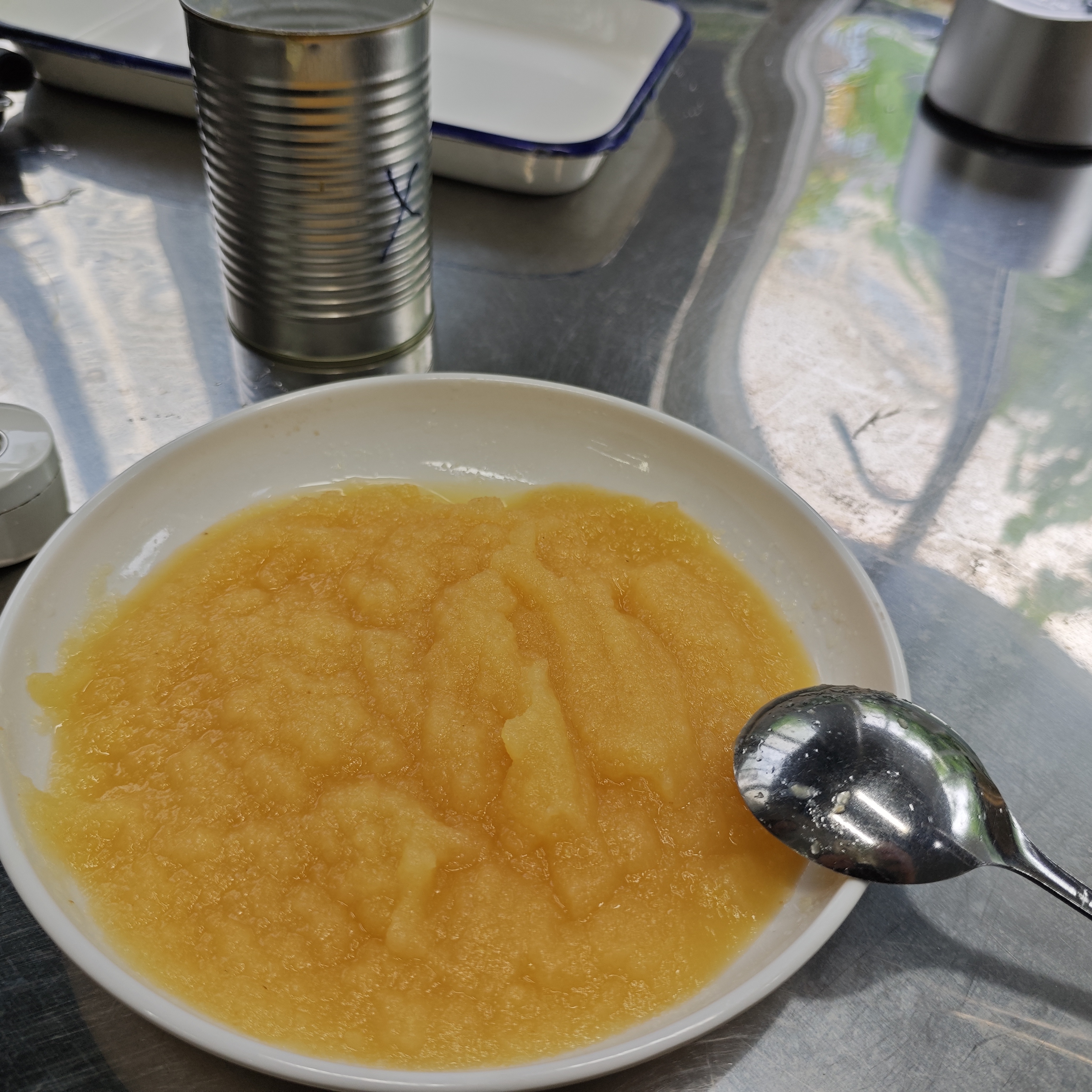
Credential Comparison and Register Template
The table below summarises what each credential in this file can and cannot tell a buyer.
| Credential | Number on file | What it verifies | What it does not verify | Where to confirm |
|---|---|---|---|---|
| FDA Food Facility Registration | 18082639404 | Facility is registered for U.S.-bound food; U.S. Agent on record | Process control, product compliance, sterilization | Registration confirmation plus direct contact with the U.S. Agent |
| BRCGS | 05LA1209004 | Site-level food safety certification with a defined product and process scope | Items outside the scope; commercial terms | BRCGS directory of certified sites |
| ISO 22000:2018 | CNO0124F21626R5M/3200 | Food safety management system certified to the 2018 edition | Category-specific technical limits; packaging compliance | Issuing certification body |
| HALAL | 1031240000 | Products, ingredients and plant comply with Islamic dietary requirements | Market acceptance beyond the certifying body's recognition | Halal certifying body's verification channel |
| STAR-K Kosher | RIB1RR1Q | Item-level kosher certification and declared status | Items not listed on the schedule | STAR-K certificate verification |
Use the register template below for the working file. The right-hand column shows how a completed row looks using the numbers in this file.
| Register field | Why it matters | Worked example |
|---|---|---|
| Certificate number | Unique identifier for verification | BRCGS 05LA1209004 |
| Legal holder | Links the certificate to the contracting entity | Agrogentra & Co., Ltd. Xiamen |
| Site / plant | Confirms which factory the scope refers to | Production site named in the scope statement |
| Scope statement | Defines the products and processes covered | Canned fruit and canned vegetables categories |
| Issuing body | Determines where to verify | Certification body or scheme directory |
| Issue and expiry dates | Defines the coverage window | Recorded from the certificate itself |
| U.S. Agent details | FDA communication channel for foreign facilities | Name, address, telephone, email |
| Next review date | Prevents an expired file reaching a shipment | Set ahead of expiry, before the order cycle |
Frequently Asked Questions
How do I verify FDA Food Facility Registration 18082639404 and the U.S. Agent?
Ask the supplier for the registration confirmation showing the facility name and address, then confirm the U.S. Agent's name, address, telephone and email separately and check that the agent responds. Compare the facility address with the plant that will produce your order. FDA Food Facility Registration is a registration, not a product approval, and it must be renewed biennially, so the status should be re-confirmed at renewal and after any change of address or agent.
Do BRCGS 05LA1209004 and ISO 22000:2018 CNO0124F21626R5M/3200 cover every canned item a supplier offers?
No. Both certificates are issued to a site with a written scope. Verify that the scope names the categories and processes used for your item — canned lychee, canned mushrooms and canned asparagus are separate lines in a catalogue — and that the site in the scope is the site that will produce the order. Where a trading company supplies factory certificates, match the factory name to the actual producer rather than assuming the trading company's name on the invoice covers every plant it sources from.
Can Chinese fruit cups manufacturers supply school lunch programmes?
Yes, subject to scope confirmation. Fruit Cups appear in the canned fruit range alongside items such as Canned Mandarin Oranges, Canned Pineapple, Canned Yellow Peach, Canned Pear, Canned Fruit Cocktail, Canned Cherries and Canned Applesauce. Agrogentra's capability record states OEM logo customisation, a minimum order of 1 FCL, a lead time of 4–6 weeks and a monthly capacity of 3,500 units, with a COA report per batch and batch sample retention. Buyers should confirm that the certificate scope covers the cup format and that labelling meets the destination market's requirements.
What documents should accompany a sample or a pre-shipment?
For a canned fruit and vegetable order, the standard pack includes a COA report per batch, a health certificate, a pre-shipment inspection report and a traceability report, and factory certification copies can be provided for buyer audits. Samples are supplied at the customer's courier cost, and third-party inspection by SGS or Intertek is acceptable where the buyer wants an independent check before shipment.
How should a buyer track certificate expiry and renewal?
Keep one register row per credential, record the expiry date on receipt of the file, and set a review date before expiry so the check happens ahead of the order cycle rather than during it. Track FDA renewal separately, because the biennial cycle does not follow the same rhythm as BRCGS, ISO 22000, halal or kosher certificates. Where dates fall due during a shipping window, request the renewed certificate before the vessel departs.
Conclusion: Verify Before You Compare Price
A supplier evaluation that begins with price will end with a documentation problem. Running the five checkpoints — number, legal holder, issuing body, scope, validity — across FDA Food Facility Registration 18082639404, BRCGS 05LA1209004, ISO 22000:2018 CNO0124F21626R5M/3200, HALAL 1031240000 and STAR-K RIB1RR1Q takes one review session, and it tells you whether the file supports the order you are about to place. Scope alignment, product coverage and renewal tracking are the three fields that carry the most risk and receive the least attention.
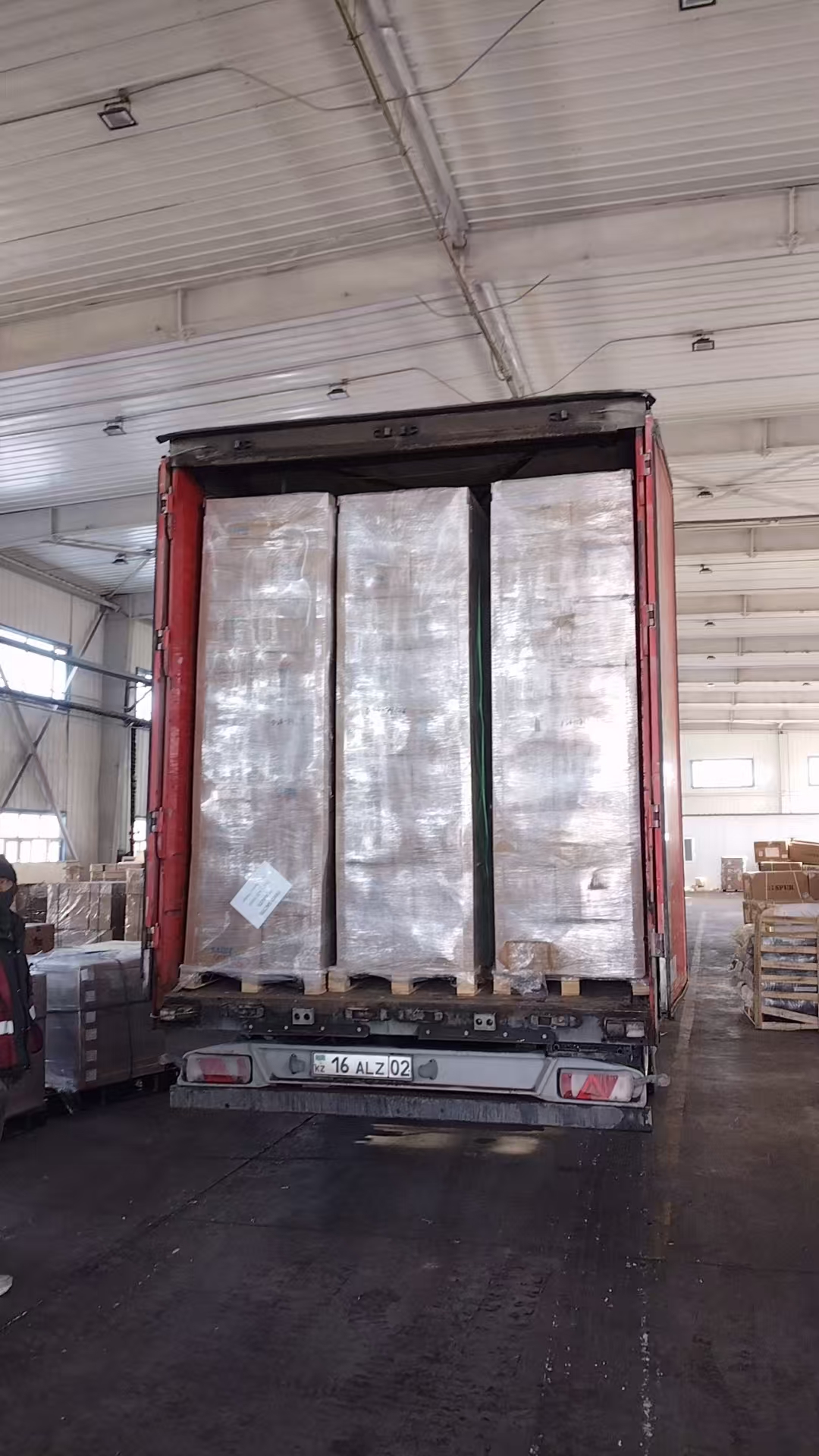
Next step. Agrogentra Canned Foods supplies canned fruit and vegetables — including Canned Mandarin Oranges, Canned Pineapple, Canned Yellow Peach, Canned Pear, Canned Fruit Cocktail, Canned Lychee, Fruit Cups, Canned Mushrooms, Canned Asparagus, Canned Sweet Corn, Canned Green Peas and Canned Mixed Vegetables — for grocery retail, wholesale, catering and food processing, with OEM labelling and full export documentation.
Request a sample, a quotation, or the current certificate file for audit: www.agrogentra.com · Download the Agrogentra product leaflet (PDF)
Contact: Charles Cai · Miya Kang · Susie Xie — charles.cai@agrogentra.com, miya.kang@agrogentra.com, susie.xie@agrogentra.com · Tel +86-592-5393122, +86-592-2291213 · WhatsApp +1-408-599-4831, +8618150918630, +8618396134152 · 1F, Yundang Road 1-39, Siming District, Xiamen, Fujian Province, China.
Have Questions or Need More Details?
Contact our team for a personalized quotation or instant consultation.
Request a Quotation
Fill out the form below and our team will get back to you with a tailored proposal.
WhatsApp Direct Chat
Prefer to chat in real-time? Message us on WhatsApp for instant assistance & quick answers.
- Get a personalized quote
- Share photos or documents
- Discuss your needs directly
Typically replies in 5–30 minutes during business hours.