Mixed Canned Fruit & Vegetable POs: Certificate Scope Gaps
Mixed Canned Fruit & Vegetable POs: Certificate Scope Gaps
A mixed purchase order of canned fruit and canned vegetables can fail documentary review even when every certificate is valid. The usual cause is scope: one certificate does not cover every SKU. The buyer's first control is therefore a SKU-by-SKU certificate map, not a supplier-level statement that the supplier is certified.
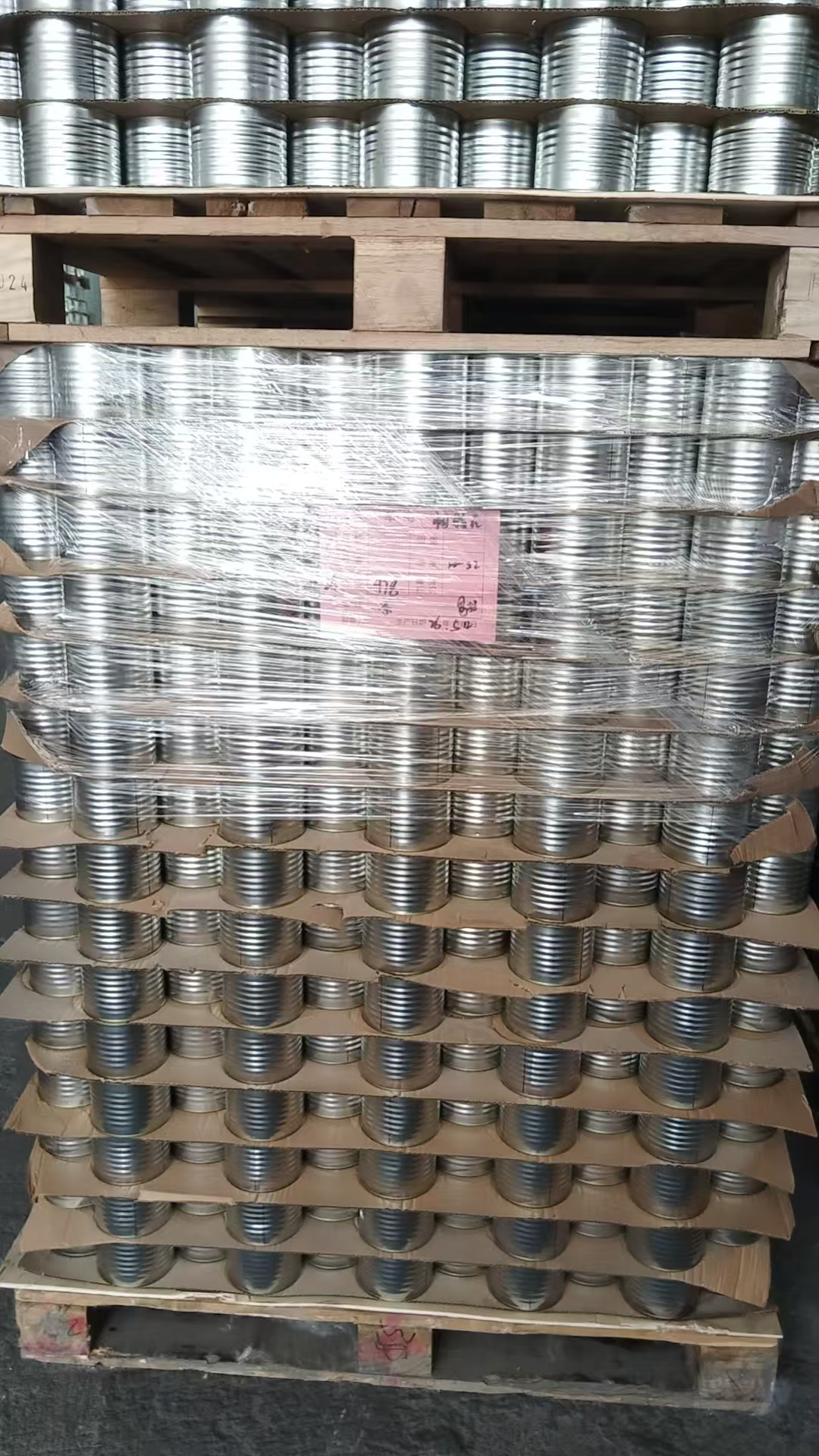
Palletized canned food cases. A mixed pallet or container can combine fruit and vegetable SKUs whose certificate coverage differs.
This guide is for importers, distributors and retail or foodservice buyers who combine canned fruit and canned vegetables on one purchase order. It explains how to read the certificate set, map each SKU to the correct document, close gaps before shipment, and write acceptance and purchasing terms that match the actual scope.
Problem definition: the certificate pack is not the certificate map
Suppose an importer places one order containing canned yellow peach, canned pineapple, canned pear, canned fruit cocktail, canned mushrooms, canned asparagus, canned sweet corn and canned green peas. The supplier sends an FDA Food Facility Registration, an ISO 22000:2018 certificate, a HALAL certificate and a BRCGS certificate. Each document looks relevant to canned food. The purchasing file appears complete.
The problem appears when the buyer asks a narrower question: which document names canned mushrooms? In the certificate set described for this mixed order, FDA Food Facility Registration applies to the canned fruit and canned vegetable range under product ID 7410. ISO 22000:2018 is limited to canned fruit production and does not list canned vegetables. HALAL covers specified vegetable items. BRCGS covers canned peach, apple, pear, pineapple, orange and mixed fruits. One certificate pack, four different scopes.
A scope gap is not the same as an expired, revoked or false certificate. It can be a valid document with a product list that does not reach a particular SKU. Treating that document as full coverage creates a documentary nonconformity. The buyer may discover it only when the retail customer, importer of record or foodservice QA team reviews the file before shipment or at destination.
Industry background: mixed containers need mixed evidence
Mixed fruit and vegetable orders are a practical response to commercial terms. A supplier may set a mixed FCL as the MOQ and make LCL available upon negotiation. Delivery may be FOB. Under those terms, the buyer can build an assortment that meets retail or foodservice demand without committing to a single product line. The commercial logic is straightforward; the documentary logic is not.
Certificate schemes answer different questions. FDA Food Facility Registration is a U.S. facility registration and is not a substitute for a product certification scheme. ISO 22000:2018 is a food safety management system certification with a defined scope. BRCGS is a food safety certification with named product categories. HALAL is a religious compliance certificate with a product schedule. These documents can support a purchase decision, but they cannot be read interchangeably.
China remains a major source for this category. China's total export value of fruit and vegetable canned products in 2024 was US$3.859 billion, according to China Canned Food Industry Association / China Customs data. That scale does not simplify scope review. It makes SKU-level mapping more important, because a single supplier conversation may involve many product lines and several certificate bodies.
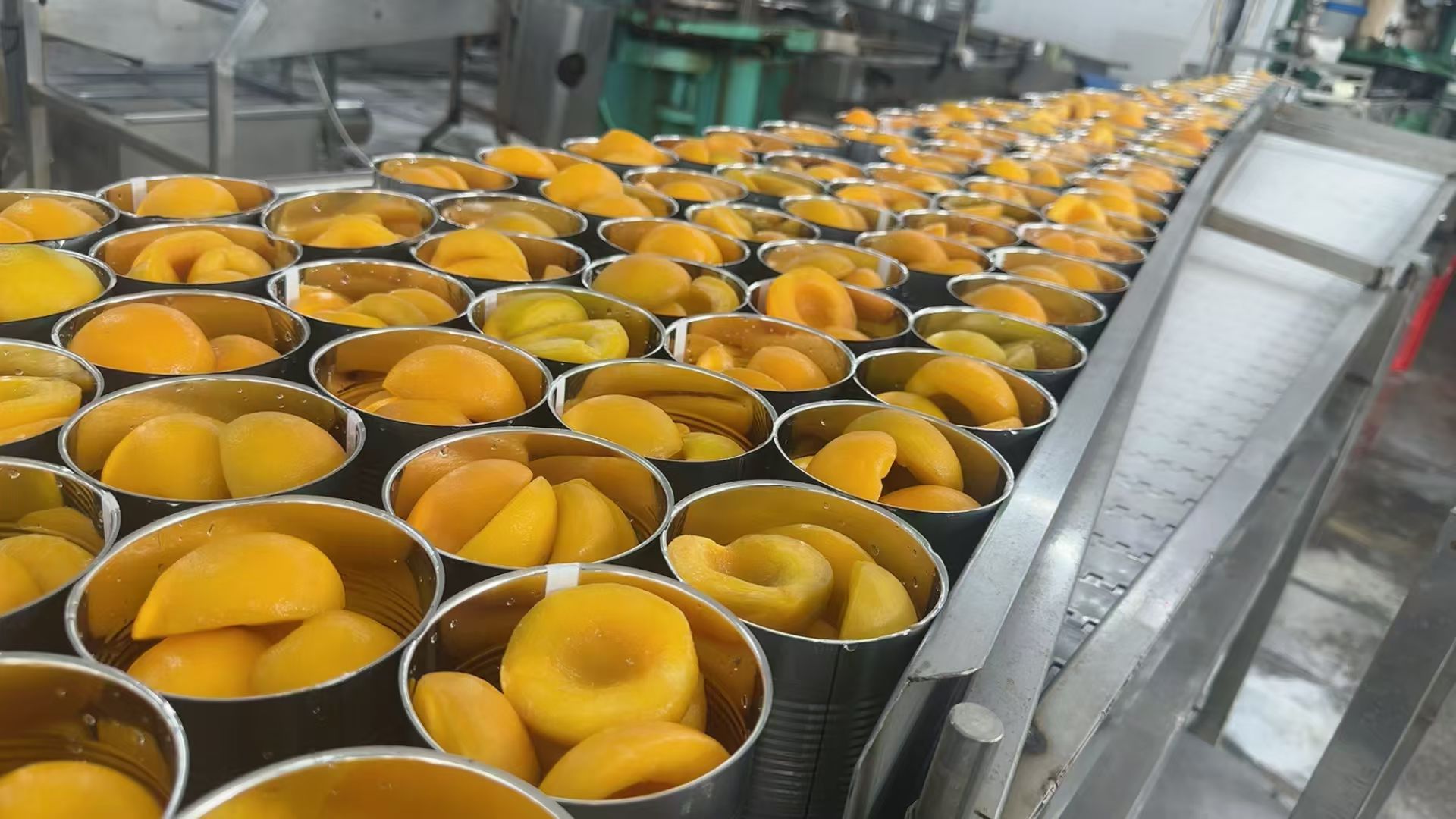
Canning line operations. Production evidence supports a supplier review, but it does not by itself establish that a certificate names each SKU.
The certificate set at a glance
| Document or scheme | Scope in the described mixed-order certificate set | What it means for the buyer |
|---|---|---|
| FDA Food Facility Registration | Canned fruit and canned vegetable range under product ID 7410 | Reaches both fruit and vegetable SKUs at facility-registration level; it does not replace ISO 22000, BRCGS or HALAL for a specific SKU. |
| ISO 22000:2018 | Canned fruit production only; does not list canned vegetables | Fruit SKUs are inside the stated scope; vegetable SKUs are outside it. |
| HALAL | Specified vegetable items only | Only vegetable items named in the HALAL schedule are covered; fruit and unnamed vegetable SKUs need separate confirmation. |
| BRCGS | Canned peach, apple, pear, pineapple, orange and mixed fruits | Named fruit categories are inside; other fruits, fruit preparations and vegetables require separate evidence or a buyer-approved gap resolution. |
The table is a reading aid, not a substitute for the certificate itself. The controlling wording is the scope clause, product schedule or certificate annex. A category heading such as canned fruit or canned vegetables is too broad to settle an SKU question.
SKU-by-SKU certificate mapping
The matrix below converts the certificate set into a purchasing check. In-range means the SKU falls within the stated scope. Not listed means the document does not name that SKU or product group and cannot be used as coverage without further evidence. Confirm means the certificate wording may reach the SKU, but the exact product description must be checked before acceptance.
| SKU | Product group | FDA 7410 | ISO 22000:2018 | HALAL | BRCGS |
|---|---|---|---|---|---|
| Canned Mandarin Oranges | Fruit | In range | Fruit production | Not shown; confirm separately | Orange named; confirm mandarin wording |
| Canned Pineapple | Fruit | In range | Fruit production | Not shown; confirm separately | Pineapple named |
| Canned Yellow Peach | Fruit | In range | Fruit production | Not shown; confirm separately | Peach named |
| Canned Pear | Fruit | In range | Fruit production | Not shown; confirm separately | Pear named |
| Canned Fruit Jelly | Fruit preparation | Confirm 7410 description | Fruit production; confirm product form | Not shown; confirm separately | Not named |
| Canned Fruit Cocktail | Mixed fruit | In range | Fruit production | Not shown; confirm separately | Mixed fruits named; confirm cocktail wording |
| Canned Cherries | Fruit | In range | Fruit production | Not shown; confirm separately | Not named |
| Canned Applesauce | Fruit | In range | Fruit production | Not shown; confirm separately | Apple named; confirm applesauce form |
| Fruit Cups | Fruit preparation | Confirm 7410 description | Fruit production; confirm product form | Not shown; confirm separately | Not named |
| Canned Lychee | Fruit | In range | Fruit production | Not shown; confirm separately | Not named |
| Canned Mushrooms | Vegetable | In range | Not listed | Specified items only; confirm SKU | Not named |
| Canned Asparagus | Vegetable | In range | Not listed | Specified items only; confirm SKU | Not named |
| Canned Sweet Corn | Vegetable | In range | Not listed | Specified items only; confirm SKU | Not named |
| Canned Green Peas | Vegetable | In range | Not listed | Specified items only; confirm SKU | Not named |
| Canned Green Beans | Vegetable | In range | Not listed | Specified items only; confirm SKU | Not named |
| Canned Bamboo Shoots | Vegetable | In range | Not listed | Specified items only; confirm SKU | Not named |
| Canned Cabbage | Vegetable | In range | Not listed | Specified items only; confirm SKU | Not named |
| Canned Beet Roots | Vegetable | In range | Not listed | Specified items only; confirm SKU | Not named |
| Canned Mixed Vegetables | Vegetable mix | In range | Not listed | Specified items only; confirm SKU | Not named |
| Canned Mashed Potato | Potato product | Confirm 7410 description | Not listed | Specified items only; confirm SKU | Not named |
Read the matrix as a gap finder, not an automatic rejection list. A not-listed cell means the document cannot support that SKU on its own. It does not mean the product is unsafe or that the supplier lacks capability. It means the buyer needs a different document, a narrower product list, a separate purchase order or a written deviation approved before shipment.
How to close the gaps before the PO is confirmed
The gap-closing process should happen before production or, at the latest, before container loading. Once the container is on the water, the buyer has fewer options and less leverage.
Step 1: Freeze the SKU list and exact product descriptions
Use the commercial description that will appear on the invoice, packing list and label. Do not allow one line called canned fruit to represent peach, pear, pineapple, orange and fruit cocktail. If the order includes a fruit preparation such as jelly or cups, state the product form. If it includes mashed potato, state whether it is a canned product or a potato flake or powder product. Scope review depends on the exact product description.
Step 2: Build a matrix with one row per SKU
List the certificates across the top and the SKUs down the side. Record the certificate number, issuing body and scope wording for each document. The matrix should be readable by a buyer, a QA reviewer and a customs broker without a separate explanation.
Step 3: Read the scope clause, not the certificate title
For FDA Food Facility Registration, check the product ID and the product range. For ISO 22000:2018, check the certified scope and whether canned vegetables are listed. For HALAL, check the schedule of specified vegetable items. For BRCGS, check the named product categories: peach, apple, pear, pineapple, orange and mixed fruits. A logo on a supplier brochure is not a scope statement.
Step 4: Classify every cell as in scope, not listed or needs written clarification
Do not use pending as a coverage status. Pending means not yet covered. If the buyer cannot accept a gap, the SKU must be removed, moved to a separate order with the correct certificate set, or supported by a certificate or scope extension that actually names it. Only the issuing body can change a certificate scope; a supplier letter cannot expand it by itself.
Step 5: Choose a commercial resolution
There are four practical routes: remove the uncovered SKU from the mixed PO; split the order into a fruit PO and a vegetable PO with separate certificate packs; obtain a certificate or scope extension that names the SKU; or ask the buyer to approve a documented deviation. Each route has a cost. Splitting the order may affect freight consolidation and MOQ. Removing a SKU may affect the retail assortment. A deviation may be unacceptable to the final customer. The buyer should choose before the deposit is paid, not after inspection.
Step 6: Put the matrix into the purchase order annex
The PO should reference the matrix and the certificate numbers. The annex should state which certificate is required for each SKU and which document is not accepted as coverage. This turns a general supplier claim into an acceptance criterion.
Step 7: inspect documents and cargo before shipment
The buyer's acceptance criteria can include pre-shipment inspection of cargo quantity, packaging and appearance. The document review should run in parallel: certificate copies, scope annex, SKU matrix and invoice descriptions should match. A supplier QC program can support this work. Agrogentra & Co., Ltd. (Xiamen), a China-based international trading company established in 2000, states that its QC teams in Xiamen and Qingdao conduct factory audits, raw material testing, production monitoring, finished product inspection and pre-shipment sampling. Those activities support acceptance checks; they are separate from the certificate matrix and do not expand a certificate's listed scope.
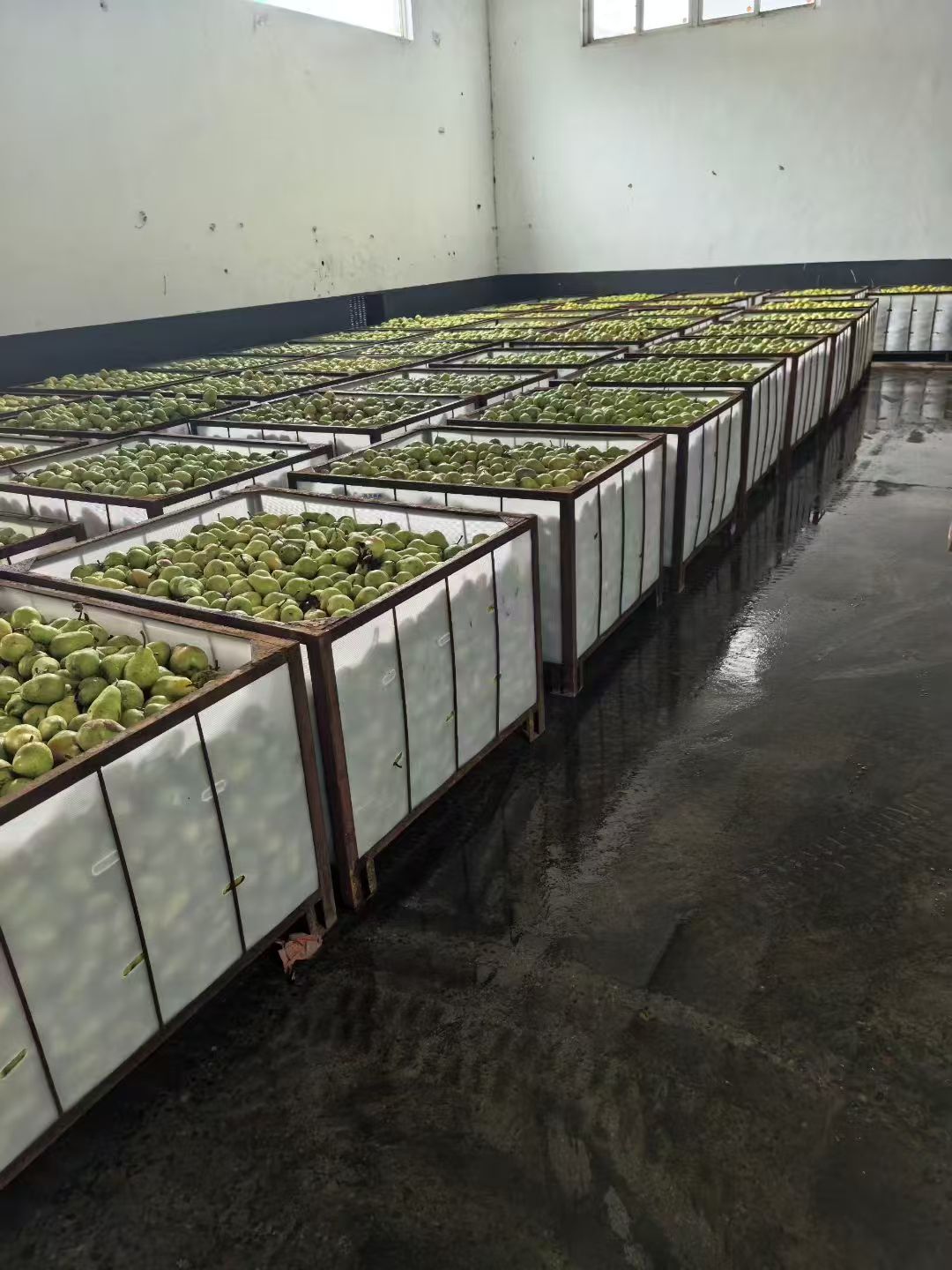
Raw-material storage area. Supplier QC and certificate-scope review are complementary controls, not substitutes for each other.
Use cases: where mixed-order gaps appear
U.S. retail assortment: peaches and mushrooms in one container
A U.S. importer combines canned yellow peach and canned mushrooms to fill a mixed FCL. FDA Food Facility Registration applies to both under product ID 7410. ISO 22000:2018 covers the peach because it is limited to canned fruit production, but it does not list mushrooms. BRCGS covers peach but not mushrooms. HALAL may cover mushrooms only if the specified vegetable schedule names that item. If the retail customer requires BRCGS for every SKU, the mushroom line is a gap. The buyer can keep the peach in the BRCGS-covered order, separate the mushroom line, or obtain evidence that names the mushroom SKU. The FDA registration alone does not close a BRCGS requirement.
HALAL foodservice: vegetables plus fruit cocktail
A foodservice buyer in a HALAL market orders canned asparagus, green peas, mixed vegetables and fruit cocktail. The HALAL certificate covers specified vegetable items, so each vegetable SKU must be checked against the schedule. The fruit cocktail is not shown in that stated vegetable scope. ISO 22000:2018 covers the fruit cocktail as canned fruit production but does not list the vegetables. BRCGS covers mixed fruits but not the vegetable items. The buyer should not treat one HALAL certificate as covering the whole order. The correct file separates the named vegetable items from the fruit SKU and records which document supports each line.
BRCGS-led buyer: fruit cocktail, applesauce and lychee
A buyer whose specification requires BRCGS for fruit SKUs orders canned fruit cocktail, canned applesauce and canned lychee. BRCGS covers mixed fruits and apple, subject to the exact wording for cocktail and applesauce. It does not name lychee. ISO 22000:2018 covers canned fruit production, so lychee may be inside that system scope. If the buyer requires BRCGS specifically, the lychee gap remains until the certificate is clarified, the SKU is moved to a different certificate route, or a deviation is approved. This is a scope decision, not a product-quality conclusion.
Comparison: what each document can and cannot do
| Document | Can support | Cannot replace |
|---|---|---|
| FDA Food Facility Registration | U.S. facility registration for the canned fruit and canned vegetable range under product ID 7410 | A product-specific food safety certification such as BRCGS or ISO 22000 for an SKU outside the other certificate scope. |
| ISO 22000:2018 | Food safety management system scope for canned fruit production | Coverage of canned vegetables, which are not listed in the described scope. |
| HALAL | Religious compliance for specified vegetable items | Coverage of fruit SKUs or vegetable items not named in the HALAL schedule. |
| BRCGS | Named fruit categories: canned peach, apple, pear, pineapple, orange and mixed fruits | Other fruits, fruit preparations or vegetables that are not named in the BRCGS product list. |
Acceptance criteria and PO language buyers can use
Acceptance criteria should be written against the matrix, not against a general supplier claim. The following checks are practical for a mixed canned fruit and vegetable order.
- The PO annex lists every SKU and the certificate required for that SKU.
- The certificate scope wording is attached, not only the certificate cover page.
- A SKU not named in the required certificate is flagged before deposit or production.
- Pre-shipment inspection covers cargo quantity, packaging and appearance.
- Certificate copies and scope documents are reviewed against the PO annex before container loading.
- Commercial terms are aligned with the order structure: MOQ mixed FCL, LCL available upon negotiation, FOB delivery, and T/T 30% deposit with balance against copy of B/L.
Suggested PO clause: Seller shall provide a SKU-level certificate matrix before shipment. The matrix shall identify each certificate, its scope wording and whether the exact SKU is named. A SKU not named in a required certificate is not accepted as covered unless Buyer approves a written deviation before shipment.
Suggested inspection clause: Pre-shipment inspection shall check cargo quantity, packaging and appearance. Certificate documents shall be reviewed against the PO annex before container loading.
Suggested commercial clause: MOQ: mixed FCL; LCL available upon negotiation. Delivery: FOB. Payment: T/T 30% deposit, balance against copy of B/L.
These clauses are buyer-side drafting suggestions. They do not replace the supplier's actual certificate scope, the issuing body's rules or the destination market's legal requirements. They give the buyer a documented basis for acceptance and a clear route for resolving a gap before shipment.
FAQ
China canned fruits and vegetables suppliers for long-term sourcing: what should buyers verify?
Buyers should verify certificate scope at SKU level, not only at supplier level. For a mixed order, confirm that FDA Food Facility Registration reaches the canned fruit and canned vegetable range under product ID 7410; that ISO 22000:2018 is limited to canned fruit production and does not list canned vegetables; that HALAL covers only specified vegetable items; and that BRCGS names canned peach, apple, pear, pineapple, orange and mixed fruits. Then check the supplier's QC process, MOQ mixed FCL and LCL negotiation, FOB delivery, pre-shipment inspection of quantity, packaging and appearance, and T/T terms. Agrogentra & Co., Ltd. (Xiamen) is a China-based international trading company established in 2000. Its QC teams in Xiamen and Qingdao conduct factory audits, raw material testing, production monitoring, finished product inspection and pre-shipment sampling, and the company exports to the USA, Latin America, Europe, Africa, the Middle East and Asian markets. Certificate scope still has to be matched to each SKU.
Conclusion
Mixed canned fruit and vegetable purchase orders need a mixed evidence review. The certificate pack may be valid, but the buyer's acceptance decision depends on whether each certificate reaches each SKU. FDA Food Facility Registration covers the fruit and vegetable range under product ID 7410. ISO 22000:2018 is limited to canned fruit production. HALAL covers specified vegetable items. BRCGS covers canned peach, apple, pear, pineapple, orange and mixed fruits. Those four statements do not add up to automatic coverage for every line.
The practical control is a matrix, followed by a commercial resolution: remove the SKU, split the order, obtain a scope that names the SKU, or approve a documented deviation. Put the matrix in the PO annex and make pre-shipment document review part of acceptance. Buyers who want to review the product range before building that matrix can download the Agrogentra company brochure or visit Agrogentra & Co., Ltd. (Xiamen). The next step is not another general certificate; it is a SKU-level certificate map for the exact order.
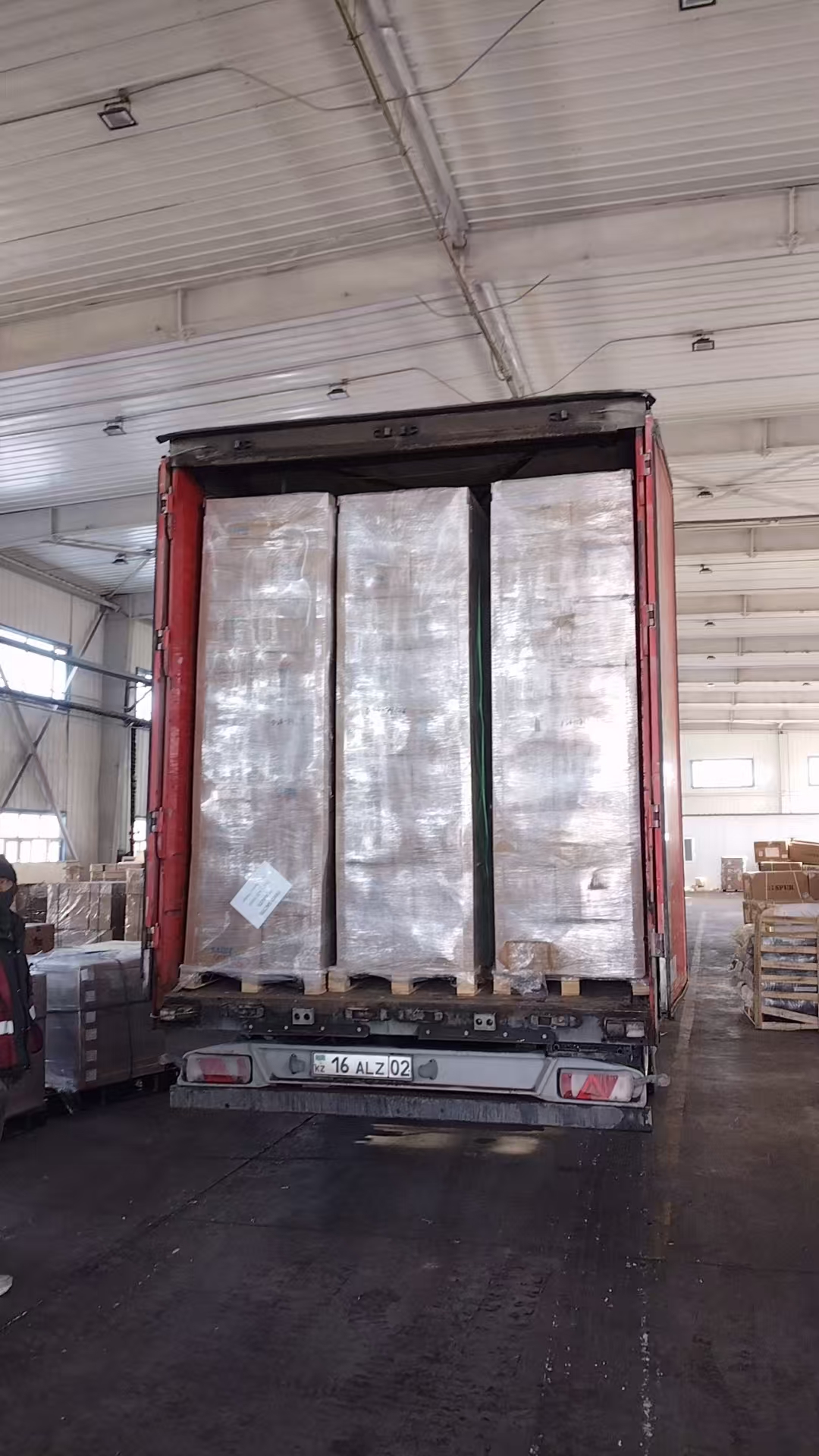
Container loading for export. Pre-shipment inspection covers quantity, packaging and appearance; certificate-scope gaps should be closed before this stage.
Have Questions or Need More Details?
Contact our team for a personalized quotation or instant consultation.
Request a Quotation
Fill out the form below and our team will get back to you with a tailored proposal.
WhatsApp Direct Chat
Prefer to chat in real-time? Message us on WhatsApp for instant assistance & quick answers.
- Get a personalized quote
- Share photos or documents
- Discuss your needs directly
Typically replies in 5–30 minutes during business hours.