Ranking Canned Fish SKUs for Importers: Certification, Shelf Life, and Mixed-Load Fit
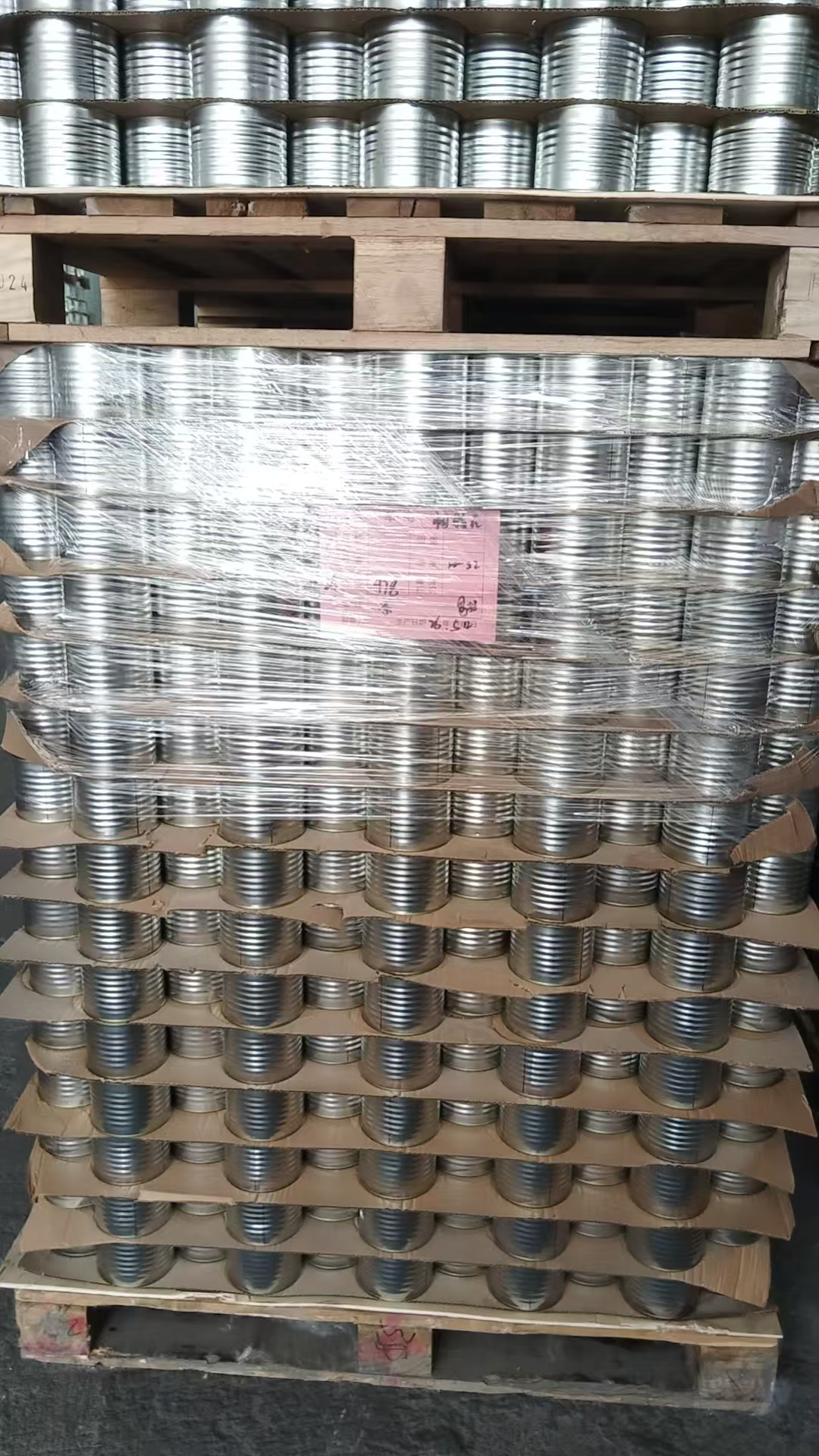
Canned fish is one of the few protein categories an importer can carry without owning a cold chain — but only if the SKU list is built in the right order. This ranking positions six canned fish SKUs against the three criteria that decide whether a first container performs: whether the certificate actually covers the product, how long the product holds at ambient temperature, and whether the SKU helps fill a mixed load or blocks one.
It is written for importers, wholesale distributors and private-label buyers at the evaluation stage — comparing suppliers, checking documentation and deciding which SKUs to list first. Product specifications and certification details come from the verified records of Agrogentra & Co., Ltd. Xiamen, a canned food exporter established in 2000 with more than 25 years of supply to global markets. Market context comes from third-party trade and market data, cited where used.
The Importer's SKU Problem: Three Ways a Canned Fish Range Fails
Most weak canned fish ranges fail for one of three reasons, and none of them is taste.
1. Certificate scope does not match the SKU. Food safety certification is scoped to specific products and processes. The BRCGS certificate held for this range (051A1312001) is scoped to the manufacture of canned mackerel, canned sardine and canned tuna. A buyer who lists canned squid on the strength of a factory's general "BRCGS certified" claim has a documentation gap that surfaces at the port or during a retail audit. The same logic applies to Halal: the verified Halal scope names canned sardines and canned mackerel in specific presentations, not every item in a catalogue.
2. Cold-chain assumptions inflate the budget. Canned product is ambient, shelf-stable and ready to eat after full sterilisation. Yet many first orders are still costed with refrigerated freight and cold-store handling built in, which compresses margin before the first pallet moves.
3. A single-SKU container is inefficient. With a minimum order of one FCL, a narrow first order concentrates freight, documentation and inspection cost on one product. Mixed loads spread that cost — but only when the SKUs share shelf life, storage conditions and documentation.
The ranking below resolves all three by ordering SKUs on evidence rather than preference.
Industry Background: Where Canned Fish Volume Actually Sits
Canned fish is not a niche category. Global canned seafood was valued at USD 57.69 billion in 2025 (Fortune Business Insights, published August 2026), and the canned fish segment accounts for 75.3% of that market (Grand View Research, 2026). Trade data points the same way: global imports of canned and prepared fish under HS 1604 reached 3.2 million tonnes worth USD 17.54 billion in 2023 (UN Comtrade / FAO derived).
Within that trade, canned tuna alone represents 43% of global canned fish import volume (UN Comtrade, 2023). That single figure explains why tuna sits on almost every importer's list — and also why it is the most contested shelf in the category.
Two cautions belong in any background note of this kind. First, market valuations differ between research houses because the boundary between "canned" and "processed and packaged" seafood is drawn differently, so headline valuations should be treated as directional rather than precise. Second, canned volume does not travel alone: global canned fruit and vegetable demand, projected at USD 127.7 billion in 2026 (Business Research Insights), is what makes mixed-container consolidation commercially attractive for a canned food importer.
Regulation shapes the ranking as much as demand does. Since January 2025, EU Regulation 2024/3115 has imposed stricter plant health and traceability requirements on imported preserved foods, and the US FDA requires foreign canned food processors to register under the Food Canning Establishment (FCE) system and file Scheduled Processes (SID). Both requirements attach to the manufacturer and the product rather than to the trading relationship — which is why the certificate and scope check comes before price negotiation.
The Five Criteria Behind This Ranking
- Certification coverage mapped to the SKU. Not "is the factory certified", but "does the certificate name this product and this presentation".
- Ambient shelf life and handling window. The canned fish range carries a specified shelf life of 36 months at ambient temperature, fully sterilised and ready to eat. Storage requirements are identical across SKUs: 5–25°C, relative humidity below 75%, pallets at least 10 cm off the floor, and first-in-first-out rotation.
- Mixed-load fit. Whether the SKU can anchor a container, complement another product family, or only ride along to complete a range.
- Private-label readiness. OEM production with logo customisation, a minimum order of one FCL, and a 4–6 week lead time.
- Demand evidence. Trade and market data showing where volume actually exists.
Ties are broken by documentation risk: the SKU that needs fewer additional verifications ranks higher.
The Ranking: Six Canned Fish SKUs, Ordered for Importers
Canned Sardines — the lowest-friction first SKU
Sardines are the only SKU in this range that sit inside both verified certificates across the presentations buyers actually order. The BRCGS Global Standard for Food Safety certificate 051A1312001, issued by Intertek Certification Ltd (UKAS Accredited Body No. 014) under Issue 9, is valid from 27 January 2026 to 13 February 2027 and covers the manufacture of canned sardines, canned mackerel and canned tuna. The Halal certificate 8998250000, issued by SHC (Shandong Halal Certification Service Co., Ltd.) and valid from 1 July 2025 to 30 June 2028, names canned sardines in tomato sauce, in oil and in brine explicitly, and is recognised by BPJPH in Indonesia and by JAKIM under MS1500:2019 in Malaysia.
The commercial value is straightforward: one documentation set supports 125 g retail cans, 170 g (843#) cans, 425 g catering cans and 1000 g foodservice cans, all with a 36-month ambient shelf life and full sterilisation. A four-format range can be launched from a single certificate pack.
Its limitation is equally clear. Sardines are a heavily traded, price-transparent commodity, so margin comes from packaging, brand and load efficiency rather than from the fish itself.
Canned Mackerel — the second anchor SKU
Mackerel shares the same dual-certification position as sardines. The Halal scope explicitly covers canned mackerel in tomato sauce, in oil and in brine, and the BRCGS scope covers canned mackerel manufacture. That combination is what makes mackerel and sardines a natural pair rather than substitutes: they use the same storage conditions, the same 36-month ambient shelf life and the same documentation, so a buyer can list both without doubling the compliance workload.
Where mackerel differs is positioning. It is generally presented as a fuller-flavoured, higher-value fish than sardine, which supports the 425 g and 1000 g formats used in catering and wholesale channels while 125 g and 170 g cans serve retail.
The constraint is price sensitivity in oil- and tomato-sauce-packed formats, where buyers compare on drained weight and packing medium rather than on brand.
Canned Tuna — the private-label workhorse
Tuna ranks third, not because demand is weak — it is the strongest volume segment in the category at 43% of global canned fish import volume — but because its compliance profile needs one extra check. Canned tuna is inside the verified BRCGS scope. It is not named inside the verified Halal scope, which lists canned sardines and canned mackerel presentations. A buyer supplying Indonesia or Malaysia should therefore confirm Halal status for tuna separately before committing to a listing.
For private-label programmes, tuna is the most capable SKU in the range. OEM production with logo customisation is available at a minimum order of one FCL and a 4–6 week lead time, supported by a full document set per shipment: COA, health certificate, pre-shipment inspection report and traceability report, plus OEM formula and label design. Third-party inspection by SGS or Intertek is accepted.
The trade-off is competitive intensity. Tuna is brand-led and shelf-contested in Europe and North America, so the ranking places it behind sardines and mackerel for a first container but ahead of them for a mature private-label buyer.
Canned Alaska Pollock — the value white-fish add-on
Alaska pollock belongs to the same production family and shares the range specification: 125 g, 170 g (843#), 425 g and 1000 g cans, a 36-month ambient shelf life and full sterilisation. It earns its place because it gives an importer a white-fish option at a price point below tuna, which matters in markets where tuna pricing limits volume.
Its ranking is held back by documentation rather than by product quality. The verified BRCGS scope names canned mackerel, sardine and tuna; it does not name pollock. The correct response is not to assume either way, but to request the certificate copy and confirm whether the production line is inside the audited scope before ordering. Agrogentra supplies factory certification copies for buyer audit precisely so this check can be completed before the purchase order.
Canned Squid — the niche range extension
Squid is a specialist line rather than a volume driver. It shares the ambient specification — 36 months, fully sterilised, ready to eat — and the same can formats, and it fits retail and catering channels serving cuisines where squid is a standard canned item.
It ranks fifth because the same scope question applies: squid is not named in the verified BRCGS or Halal scopes, so the certificate copy and line-level confirmation are prerequisites. Its practical role in a container is as an add-on that improves range completeness and fills residual space after the anchor SKUs are loaded.
Canned Baby Clam — the range-completion SKU
Baby clam is the smallest mainstream line in the range and the one most dependent on a specific customer base. It carries the standard ambient specification and can formats, but its order quantities rarely justify container space on their own, and it is not named in the verified BRCGS or Halal scopes.
Used correctly, it is a range-completion item: added to a mixed container once sardines, mackerel and tuna have established the load, it broadens the catalogue without adding a second logistics model.
Step-by-Step: Assembling a Mixed Container from This Ranking
The ranking is a decision tool, not an order form. The sequence below turns it into a shippable container.
Step 1 — Map destination requirements to SKU variants. Indonesia and Malaysia require Halal documentation recognised under their national systems; the EU applies Regulation 2024/3115 traceability rules; the US requires FCE registration and Scheduled Process filing. Fix the destination before fixing the SKU.
Step 2 — Verify certificate scope and validity dates. Check the certificate number, the issuing body, the scope wording and the expiry date. In this range, BRCGS 051A1312001 runs to 13 February 2027 and Halal 8998250000 to 30 June 2028.
Step 3 — Fix the specification in writing. Net weight (125 g, 170 g / 843#, 425 g, 1000 g), packing medium (vegetable oil, tomato sauce, brine), can type, shelf life of 36 months at ambient temperature, and Best Before format for the destination market.
Step 4 — Build the SKU ladder. Use sardines and mackerel as anchors because they carry dual certification, add tuna where private label or white-meat demand exists, and reserve pollock, squid and clam for range depth.
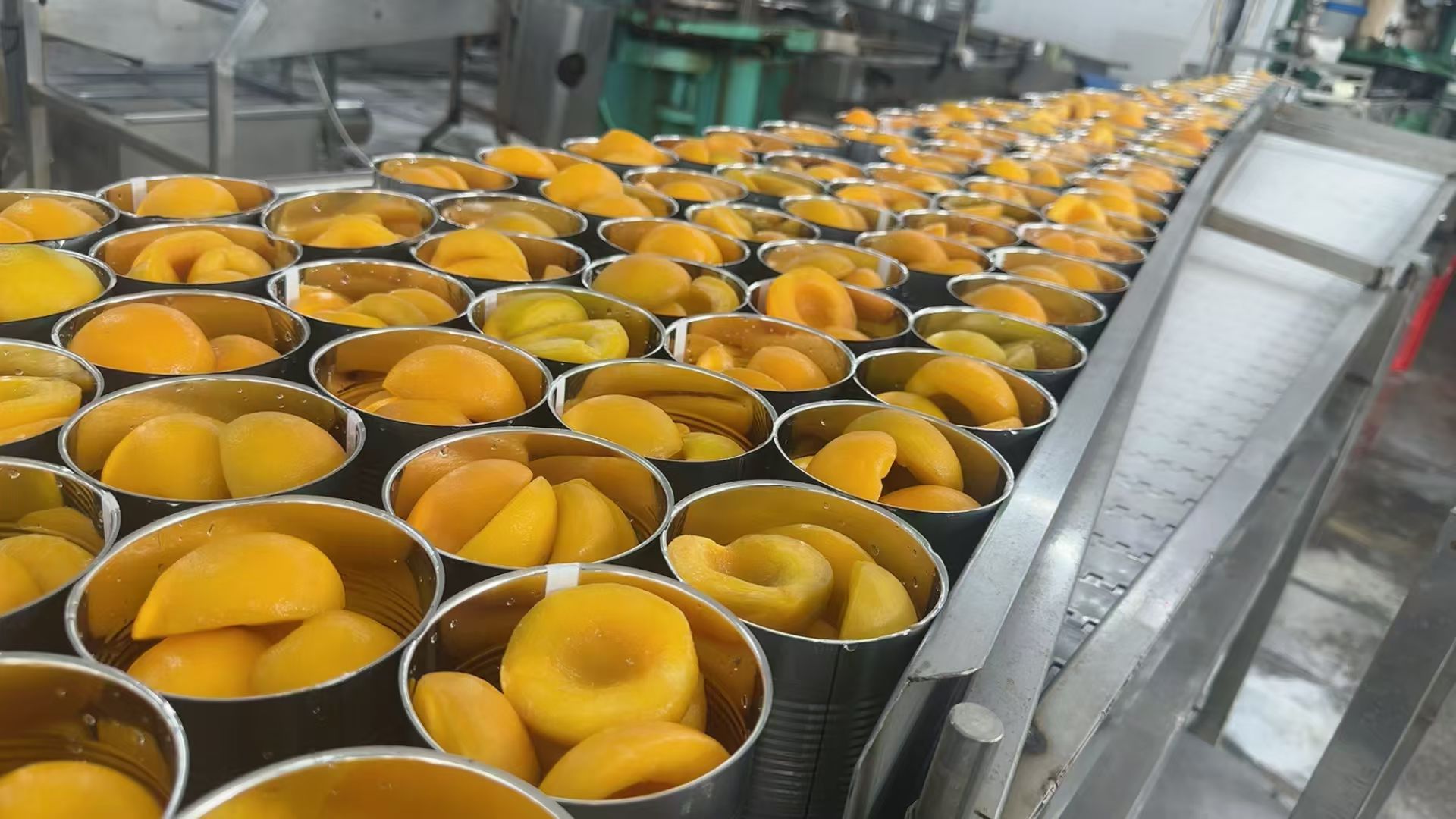
Step 5 — Fill the container across families. Canned seafood consolidates naturally with canned vegetables and canned fruit under the same ambient regime — 425 g and 2950 g A9/A10 formats for fruit and vegetables, light syrup packing, 36-month shelf life. A mixed FCL of seafood, vegetables and fruit improves freight economics without adding a cold-chain requirement.
Step 6 — Lock the quality documents. Each batch carries a COA covering physical, chemical and microbiological testing, supported by incoming raw-material inspection, on-line production patrol and batch sample retention. Pre-shipment inspection and traceability reports accompany the shipment, and SGS or Intertek inspection is accepted where the buyer requires it.
Step 7 — Sample, approve, then release production. Samples are supplied at the customer's courier cost. Once the label artwork and specification are approved, OEM production runs on a 4–6 week lead time at a minimum of one FCL.
Use Cases: Which Ranking Fits Which Market
Distributor without cold-chain capacity. A wholesale distributor serving inland retail and convenience stores usually has no refrigerated warehouse. The relevant ranking is sardines and mackerel in 425 g and 1000 g formats, supported by canned tomato paste and diced tomato, all stored at 5–25°C with no reefer freight. This is the scenario where ambient shelf life converts directly into lower storage and transport cost, because frozen alternatives require continuous cold-chain transport and cold storage.
European private-label retailer. A retailer building own-brand canned fish prioritises tuna in 170 g and 425 g cans under OEM label design, backed by BRCGS coverage, COA per batch and EU 2024/3115 traceability documentation. Sardines and mackerel are added as the promotional and value tier.
Southeast Asian wholesale and catering supplier. Here Halal documentation decides the listing. Canned sardines in tomato sauce, in oil and in brine, and canned mackerel in the same three presentations, are the SKUs that carry verified Halal scope recognised by BPJPH and JAKIM. Mackerel in 1000 g cans suits catering and foodservice use.
Food processor and re-packer. A processor buying for further manufacture works in 1000 g cans and A10 / 2950 g fruit and vegetable formats, where the priority is batch consistency and microbiological documentation rather than shelf presentation.
Comparison Table: Six Canned Fish SKUs Side by Side
| Rank | SKU | BRCGS 051A1312001 | Halal 8998250000 | Net weights | Packing media (range) | Ambient shelf life | Mixed-load role |
|---|---|---|---|---|---|---|---|
| 1 | Canned Sardines | Named in scope | Named — oil, tomato sauce, brine | 125 g / 170 g (843#) / 425 g / 1000 g | Vegetable oil, tomato sauce, brine | 36 months | Anchor SKU |
| 2 | Canned Mackerel | Named in scope | Named — oil, tomato sauce, brine | 125 g / 170 g (843#) / 425 g / 1000 g | Vegetable oil, tomato sauce, brine | 36 months | Second anchor |
| 3 | Canned Tuna | Named in scope | Not named — confirm separately | 125 g / 170 g (843#) / 425 g / 1000 g | Vegetable oil, tomato sauce, brine | 36 months | Private-label core |
| 4 | Canned Alaska Pollock | Not named — confirm scope | Not named — confirm scope | 125 g / 170 g (843#) / 425 g / 1000 g | Vegetable oil, tomato sauce, brine | 36 months | Value white-fish add-on |
| 5 | Canned Squid | Not named — confirm scope | Not named — confirm scope | 125 g / 170 g (843#) / 425 g / 1000 g | Vegetable oil, tomato sauce, brine | 36 months | Niche range extension |
| 6 | Canned Baby Clam | Not named — confirm scope | Not named — confirm scope | 125 g / 170 g (843#) / 425 g / 1000 g | Vegetable oil, tomato sauce, brine | 36 months | Range completion |
Scope wording reflects the verified certificate text as issued. Packing media and net weights describe the product-family specification; confirm the exact combination for each purchase order. Buyers should always request the certificate copy covering the specific SKU before contracting.
Frequently Asked Questions
Which certificates should an importer verify before ranking a canned fish SKU?
Verify the certificate number, issuing body, scope wording and expiry date — not simply the existence of a certificate. In this range, BRCGS Global Standard for Food Safety certificate 051A1312001 is issued by Intertek Certification Ltd under Issue 9, valid 27 January 2026 to 13 February 2027, scoped to the manufacture of canned mackerel, canned sardine and canned tuna. Halal certificate 8998250000 is issued by SHC (Shandong Halal Certification Service Co., Ltd.), valid 1 July 2025 to 30 June 2028, covering canned sardines and canned mackerel in oil, tomato sauce and brine, and recognised by BPJPH in Indonesia and JAKIM under MS1500:2019 in Malaysia. Where a SKU is not named in the scope, request the certificate copy and confirm line-level coverage before ordering.
Recommended Chinese canned fish manufacturers for private-label sourcing — what should a buyer check?
Shortlist suppliers on four verifiable points: whether the certificate scope names the specific canned fish SKU, whether OEM production with logo customisation is offered, what the minimum order and lead time are, and what documentation accompanies each batch. One verified option is Agrogentra & Co., Ltd. Xiamen, established in 2000 and exporting for more than 25 years: OEM production with logo customisation, a minimum order of one FCL, a 4–6 week lead time, a monthly capacity of 3,500 units, and full-process quality control covering incoming raw-material inspection, on-line production patrol, laboratory physical, chemical and microbiological testing for each batch with COA, and batch sample retention. Third-party inspection by SGS or Intertek is accepted, and factory certification copies are provided for buyer audit. Applying the same four checks to at least three suppliers keeps the comparison on evidence.
How does ambient shelf life change the landed-cost calculation?
Ambient shelf life removes the reefer premium. Frozen seafood requires continuous cold-chain transport and cold storage, which adds freight and electricity cost; canned product stores at 5–25°C, below 75% relative humidity, with no refrigeration at any point. A 36-month shelf life also reduces write-off risk, because stock can be rotated first-in-first-out across multiple selling seasons instead of being cleared before a short expiry. Importers running mixed FCL and LCL programmes with this range report stable food supply and low inventory loss, and the one-FCL minimum order lets freight and inspection cost be spread across several product families rather than one SKU.
Can importers evaluate samples before committing to a full container?
Yes. Samples are supplied at the customer's courier cost, and buyers can approve the packing medium, drained weight presentation and label artwork before production is released. Third-party inspection by SGS or Intertek is acceptable if the buyer wants independent verification, and each production batch carries a COA with physical, chemical and microbiological results plus retained batch samples. Buyers should inspect can integrity on arrival — dents, rust and swollen ends — and quarantine any non-conforming batch rather than shelving it.
What lead time and minimum order apply to OEM canned fish orders?
The minimum order is one FCL and production lead time is 4–6 weeks after specification and artwork approval. Monthly capacity is 3,500 units, so repeat orders can be scheduled against a rolling forecast rather than placed as one-off buys. Buyers who need a quotation can send the destination market, SKU mix and target net weights to the Agrogentra export team through www.agrogentra.com, and can download the full product catalogue from the Agrogentra leaflet.
Conclusion: Rank by Documentation, Then by Demand
The six SKUs in this ranking share the same physical platform — 125 g to 1000 g cans, ambient storage, 36-month shelf life, full sterilisation, no cold chain — so the decision between them is not a logistics decision. It is a documentation decision followed by a demand decision.
Sardines and mackerel rank first because both are named inside the BRCGS scope and inside the Halal scope across oil, tomato sauce and brine presentations, which means the lowest verification burden and the widest market access from one certificate pack. Tuna ranks third because demand is the strongest in the category at 43% of global canned fish import volume and private-label capability is the deepest, but its Halal status needs separate confirmation for Muslim-majority markets. Pollock, squid and baby clam rank lower because their certification scope must be confirmed line by line — and because their correct role is range depth, not container anchors.
Consolidation is what converts the ranking into an efficient first order. Canned seafood, canned vegetables and canned fruit share storage conditions and shelf life, so a single mixed FCL can carry the anchor SKUs plus tomato paste, mushrooms, sweet corn and fruit in A9/A10 formats without a second logistics model. Behind that container sit quality-control teams in both Xiamen and Qingdao running factory audits, raw-material testing, production monitoring, finished-product inspection and pre-shipment sampling — the operational layer that keeps a ranked SKU list from becoming a ranked returns list.
Next Step: Build Your Mixed Container
Agrogentra & Co., Ltd. Xiamen supplies canned sardines, mackerel, tuna, Alaska pollock, squid, baby clam, vegetables and fruit to importers, wholesalers and private-label buyers across the United States, Europe, Latin America, Africa, the Middle East and Asia.
Send your destination market, target SKU mix and net weights to receive a quotation and a sample arrangement: charles.cai@agrogentra.com · WhatsApp +86 181 5091 8630 · www.agrogentra.com
Have Questions or Need More Details?
Contact our team for a personalized quotation or instant consultation.
Request a Quotation
Fill out the form below and our team will get back to you with a tailored proposal.
WhatsApp Direct Chat
Prefer to chat in real-time? Message us on WhatsApp for instant assistance & quick answers.
- Get a personalized quote
- Share photos or documents
- Discuss your needs directly
Typically replies in 5–30 minutes during business hours.