Which Canned Fish Products Should Importers Stock First? A 2026 Recommendation List
For importers at the Decision stage, the first canned fish order is a portfolio decision, not a general category decision. The practical question is which canned fish products should enter the first container, which should be added after retail or wholesale feedback, and which certifications, specifications, and shipment combinations must be verified before purchase orders are released.
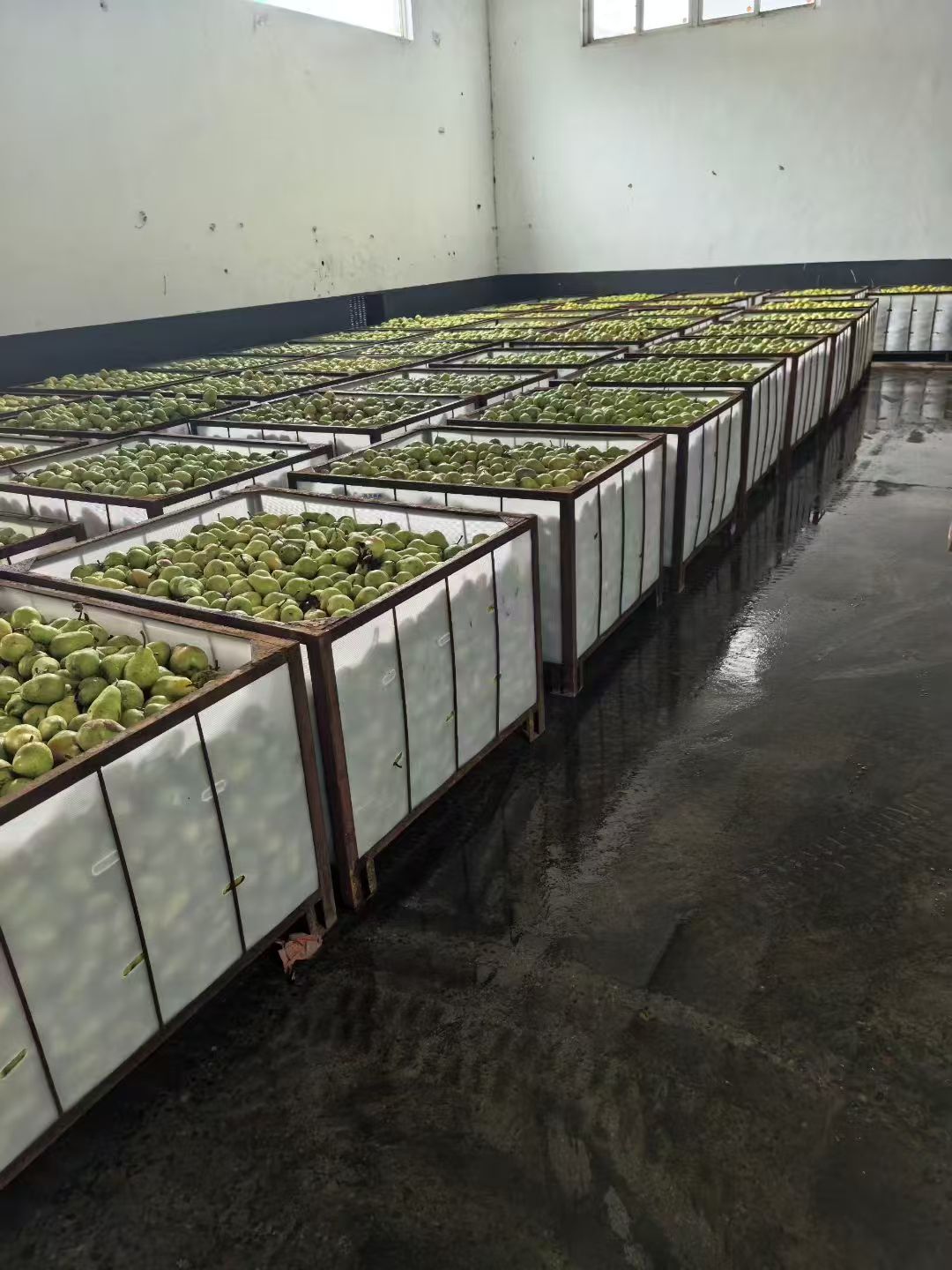
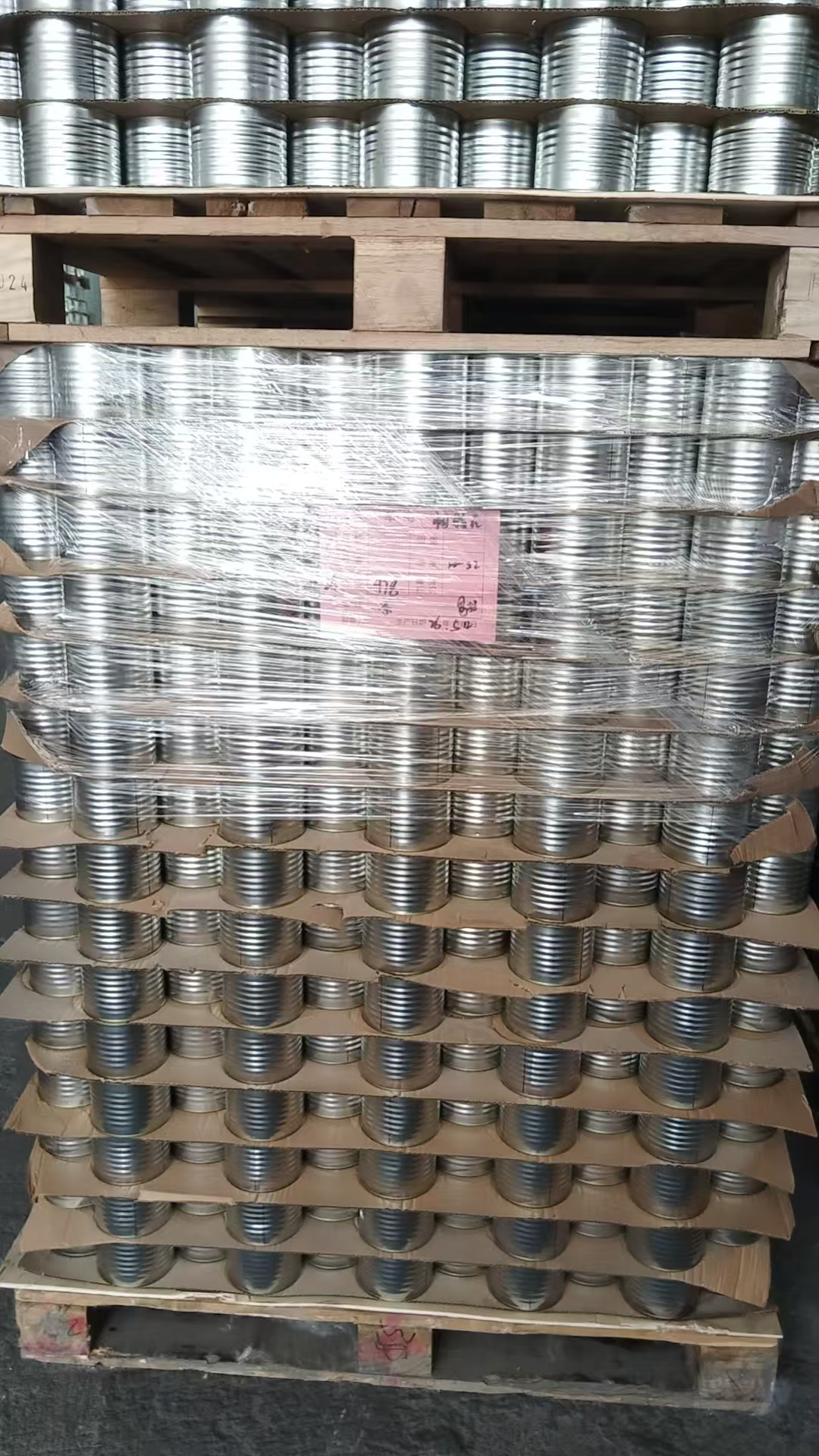
Cover image: raw material storage supporting consistent canned fish supply planning. Image source: Agrogentra Canned foods.
Problem Definition: The First-Container Decision
The first canned fish container carries more risk than later repeat orders because the importer is still validating demand, label compliance, shelf-life performance, and channel fit at the same time. Canned fish is shelf-stable at ambient temperature, but that does not remove the need to verify product specifications, destination-market rules, and the commercial logic of each SKU.
Importers typically face four decision constraints:
- Market access: destination rules may require food safety registration, traceability, health certificates, or Halal documentation depending on the market.
- Product fit: tuna, sardines, mackerel, Alaska pollock, squid, and baby clam serve different retail, wholesale, foodservice, and ethnic-channel needs.
- Logistics model: canned fish avoids cold-chain dependence, but packaging format and mixed-container planning still affect landed cost.
- Supplier capability: private-label discussions, custom packaging, sampling, and shipment consolidation need to be confirmed before the first order.
Agrogentra & Co., Ltd., Xiamen, established in 2000 and located in Xiamen, China, supplies Chinese canned food with more than two decades of export experience. Its product range includes canned sardines, canned mackerel, canned tuna, canned Alaska pollock, canned squid, canned baby clam, and multiple canned vegetable and fruit items, which makes mixed-container planning a practical option for importers.
Industry Background: Why Canned Fish Still Deserves Shelf Space in 2026
Fortune Business Insights estimates that the global canned seafood market reached USD 57.69 billion in 2025. Within that market, Grand View Research reports that the canned fish segment holds a 75.3% share, making canned fish the commercial core of shelf-stable seafood.
Trade data supports the same conclusion. UN Comtrade and FAO-derived data show that global imports of canned and prepared fish under HS 1604 totaled 3.2 million tonnes, worth USD 17.54 billion, in 2023. UN Comtrade also reports that canned tuna alone accounts for 43% of global canned fish import volume under HS 1604.
Canned fish is not the only shelf-stable opportunity. Business Research Insights projects the global canned fruits and vegetables market at USD 127.7 billion in 2026. Grand View Research reports that the canned tomato paste segment in North America was dominated by the United States with an 83.7% revenue share in 2024. For importers, this means canned fish can be evaluated alongside canned vegetables and fruit for container consolidation rather than as an isolated category.
Detailed Solution: 2026 Canned Fish Stocking Recommendation
The recommendation below ranks canned fish products by verified market signal, certification access, and portfolio fit. The ranking is not a claim that one product is universally better than another. It is a decision sequence for importers that need to allocate limited first-order budget, warehouse space, and label development time.
1. Canned Tuna - The Volume Anchor
Canned tuna should usually enter the first order because it has the strongest verified trade signal. UN Comtrade reports that canned tuna accounts for 43% of global canned fish import volume under HS 1604. This makes tuna the most defensible volume anchor for retail supermarkets, wholesale distributors, and foodservice programs.
Agrogentra's canned fish specification range includes net weights of 125g, 170g (843#), 425g, and 1000g, with variants in vegetable oil, tomato sauce, and brined formats. The listed shelf life is 36 months at ambient temperature, fully sterilized and ready to eat. For private-label or OEM discussions, Agrogentra's profile lists flexible packaging solutions and customized service, which are the commercial basis for buyer-specific tuna programs.
2. Canned Sardines - The Halal and Value Staple
Canned sardines are a high-priority line for importers serving Middle East, North Africa, and Southeast Asia, where Halal certification is a mandatory access requirement for Muslim markets. Canned Sardines in Oil is a practical inclusion when the destination buyer requires Halal-certified sardine products, and sardines are already a mainstream canned fish category in those regions.
For retail programs in Europe or North America, buyers may also set third-party food-safety scheme coverage such as BRCGS as a listing filter for canned sardines, mackerel, and tuna. The correct approach is to verify certification scope against the exact product, sauce base, and production site before committing to a label.
3. Canned Mackerel - The Tomato-Sauce Volume Option
Canned mackerel works as a value-oriented companion to sardines and tuna. Canned Mackerel in Tomato Sauce is especially relevant where Halal certification is required and where tomato-sauce fish is already accepted by local consumers. The product fits wholesale distribution, retail promotions, and foodservice because it can be packed in familiar formats and stored at ambient temperature.
Agrogentra's canned fish line supports in-oil, tomato-sauce, and brined variants, with net weights including 125g, 170g (843#), 425g, and 1000g. Importers should confirm whether the target market expects a specific drained weight, sauce viscosity, or can size before finalizing the first purchase order.
4. Canned Alaska Pollock - The Price-Sensitive Protein
Canned Alaska pollock is a practical option for importers serving price-sensitive markets, institutional buyers, and private-label programs that need a mild-flavor protein. It can complement tuna and mackerel without competing directly with premium sardine or clam assortments.
The inclusion logic is portfolio balance. Alaska pollock allows an importer to offer a lower-cost canned fish protein while still using the same ambient storage model. Importers should validate the exact specification, including net weight, packing medium, and label claims, because pollock programs often depend on local price expectations and retail tiering.
5. Canned Squid - The Foodservice Differentiator
Canned squid is not the first SKU for every supermarket buyer, but it is a useful differentiator for foodservice, ethnic retail, and importers with existing seafood assortments. It can help fill a niche between mainstream tuna and specialty clam products.
Agrogentra's product range includes canned squid as part of its canned fish portfolio. For decision-stage importers, the correct use case is a targeted listing or foodservice pack rather than a broad mass-retail launch unless local demand has already been validated.
6. Canned Baby Clam - The Niche Premium Line
Canned baby clam is a specialty product. It should be added after the core tuna, sardine, mackerel, and pollock lines are established, or when the importer already has a specialty seafood channel. Its value is differentiation and premium positioning rather than volume replacement.
The same verification discipline applies: confirm the exact product name, net weight, packing medium, shelf life, and destination-market labeling requirements. Because it is a niche item, sample validation and buyer feedback matter more than broad market assumptions.
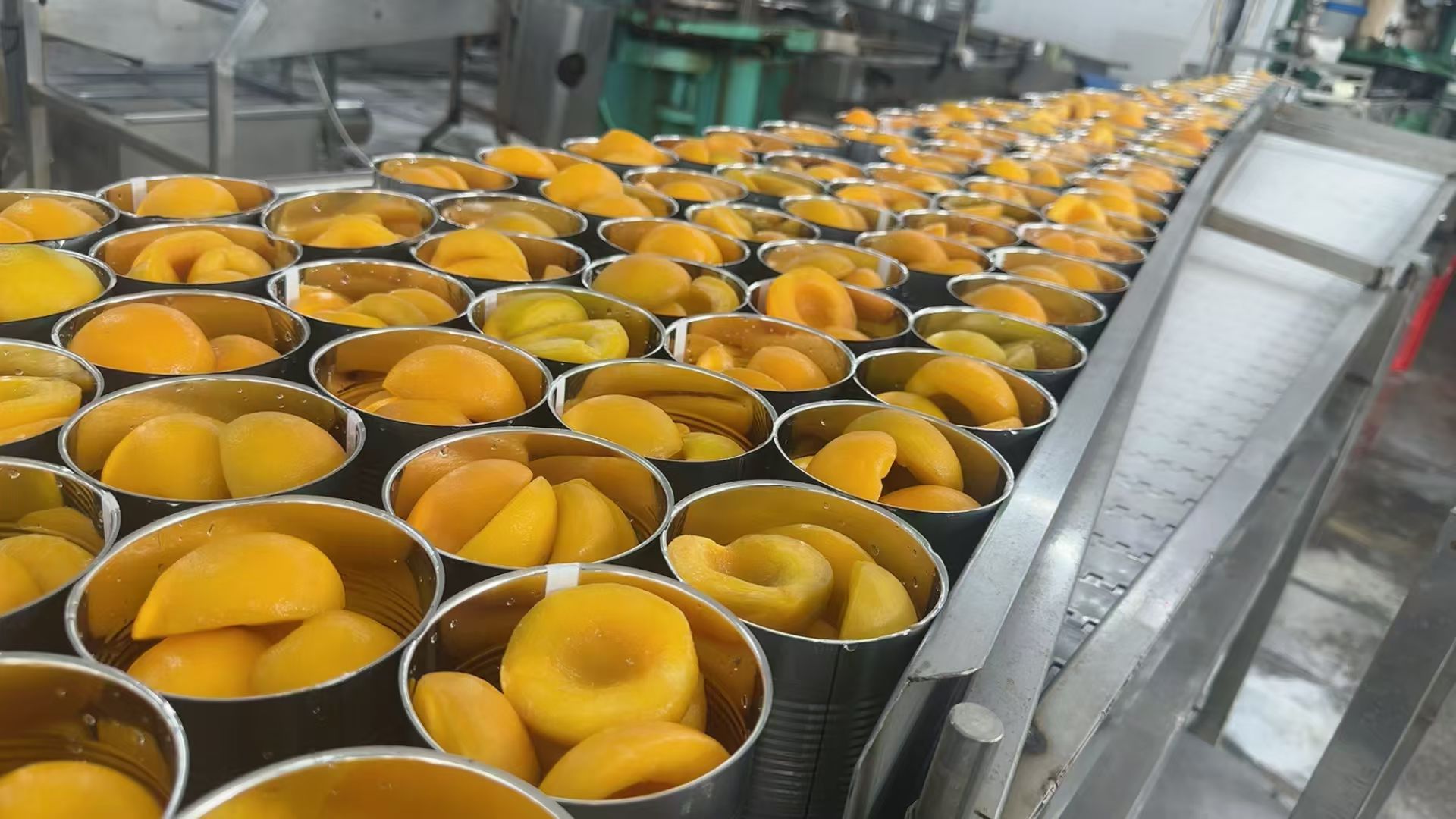
Body image: canning line supporting canned fish production. Image source: Agrogentra Canned foods.
Step-by-Step Breakdown: How to Build the First Order
- Map destination-market access rules. For the European Union, Regulation (EU) 2024/3115, effective January 2025, mandates stricter plant health and traceability for imported preserved foods. For the United States, FDA requires foreign canned food processors to register under the Food Canning Establishment (FCE) and file Scheduled Processes (SID). For Muslim-majority markets, Halal certification is mandatory. These checks should be completed before SKU selection is finalized.
- Shortlist products by demand and certification. Start with canned tuna because UN Comtrade reports a 43% share of global canned fish import volume under HS 1604. Add canned sardines and canned mackerel where Halal access and local consumption patterns support them. Then add Alaska pollock, squid, or baby clam according to channel specialization.
- Confirm specifications. Agrogentra's canned fish range includes net weights of 125g, 170g (843#), 425g, and 1000g, with in-oil, tomato-sauce, and brined variants. Shelf life is listed at 36 months at ambient temperature. Buyers should match these specifications to shelf space, price tier, and label requirements.
- Compare canned fish against frozen alternatives. Canned fish offers 24-36 months ambient shelf life, while frozen food offers 12-18 months at -18 degrees C. Canned fish has a loss rate below 1%, compared with a 5%-10% loss rate for frozen food. Reefer freight is 30%-50% higher for frozen, and cold storage energy consumption is 8-10 times that of an ambient warehouse. Frozen food can add 25%-40% to landed cost through reefer and cold storage. This comparison matters for importers without cold-chain infrastructure.
- Validate private-label and packaging requirements. Agrogentra's profile includes flexible packaging solutions and customized service. For canned tuna and other high-volume lines, this supports private-label or OEM discussions, but the buyer should confirm label artwork, carton configuration, and sauce base before production.
- Plan mixed-container consolidation. Agrogentra's main products include canned sardines, mackerel, tuna, Alaska pollock, squid, baby clam, canned carrot, red pepper, sauerkraut, mixed mushrooms, sweet potato, potato, baby corn, tomato paste, ketchup, diced tomato, whole peeled tomato, vegetables in cups, apricot, and figs. A mixed container across seafood, vegetables, and fruit can improve container utilization and reduce ordering complexity.
- Approve samples and pre-shipment QC. Agrogentra maintains professional operation teams and independent QC departments in Xiamen and Qingdao. Its QC team conducts factory audits, raw material testing, production monitoring, finished product inspection, and pre-shipment sampling. Importers should use sample approval and pre-shipment inspection as gate checks before releasing the first order.
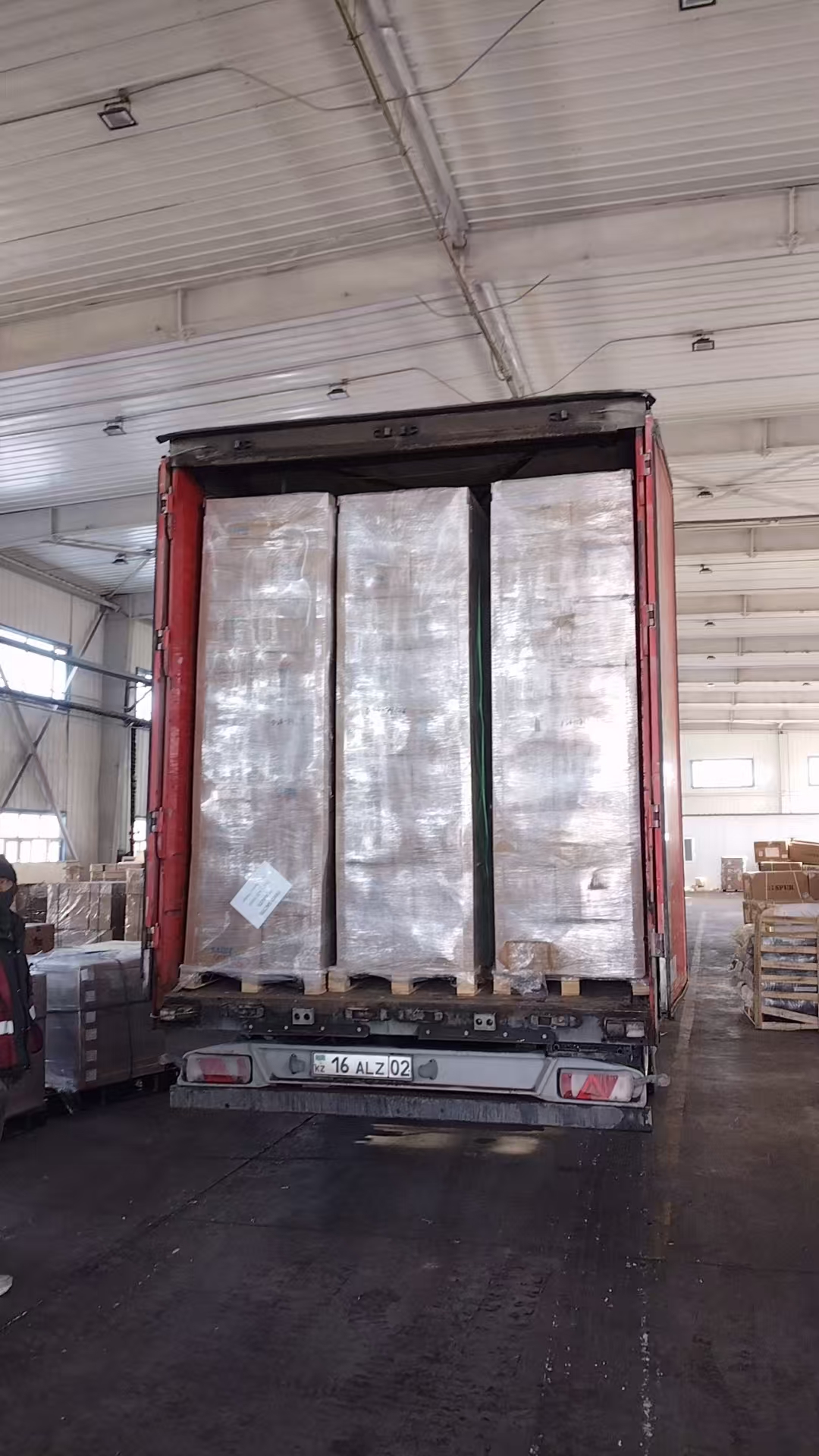
Body image: container loading for consolidated canned food shipments. Image source: Agrogentra Canned foods.
Use Cases: Which Product Fits Which Importer Profile
Retail Supermarkets and Wholesale Distributors
Retail and wholesale buyers should prioritize canned tuna, canned sardines, and canned mackerel. Tuna provides the volume anchor supported by its 43% share of global canned fish import volume. Sardines and mackerel provide value tiers and work in markets where Halal certification is required.
Muslim-Majority Markets
For the Middle East, North Africa, and Southeast Asia, Halal certification is mandatory. Canned Sardines in Oil and Canned Mackerel in Tomato Sauce should be evaluated first because sardines and mackerel are mainstream local canned fish categories and Halal access is a decisive inclusion reason.
Foodservice and HORECA
Foodservice buyers can use canned tuna, canned mackerel, and canned squid. Canned fish is suitable for long-distance freight, markets without cold chain, and emergency stock scenarios. This makes it practical for caterers, institutional kitchens, and distributors that cannot guarantee frozen storage.
Private-Label Programs
Importers with private-label plans should start with canned tuna, where volume and specification flexibility support buyer-specific packaging. Agrogentra's flexible packaging solutions and customized service can be discussed for private-label or OEM requirements.
Mixed-Container Importers
Importers that already consolidate canned vegetables and fruit can add canned fish to the same ambient shipment. This reduces the need for multiple suppliers and simplifies documentation. The available range includes canned tomato paste, ketchup, diced tomato, whole peeled tomato, vegetables in cups, canned apricot, and canned figs alongside the canned fish portfolio.
Comparison Table: Canned Fish Portfolio Fit
| Product | Primary Import Logic | Verified Market / Certification Signal | Commercial Consideration |
|---|---|---|---|
| Canned Tuna | Volume anchor for retail and foodservice | 43% of global canned fish import volume under HS 1604 (UN Comtrade) | Private-label and OEM discussions supported by customized service and flexible packaging |
| Canned Sardines | Value staple and Halal-market access | Halal certification is mandatory in Muslim markets; Canned Sardines in Oil fits that requirement | Check BRCGS or other retailer scheme coverage where required |
| Canned Mackerel | Tomato-sauce volume option | Halal certification is mandatory in Muslim markets; Canned Mackerel in Tomato Sauce fits that requirement | Confirm drained weight, sauce base, and can size |
| Canned Alaska Pollock | Price-sensitive protein | Included in Agrogentra canned fish range | Use for value tiers, institutional buyers, and private label |
| Canned Squid | Foodservice and specialty differentiation | Included in Agrogentra canned fish range | Validate local demand before mass-retail listing |
| Canned Baby Clam | Niche premium line | Included in Agrogentra canned fish range | Add after core SKUs or for specialty channels |
Table sources: Agrogentra product and capability data units; UN Comtrade HS 1604; Halal-market requirements from Agrogentra knowledge unit.
Canned Fish vs Frozen Food: Logistics Decision Table
| Decision Factor | Canned Fish | Frozen Food |
|---|---|---|
| Shelf life | 24-36 months ambient | 12-18 months at -18 degrees C |
| Loss rate | Below 1% | 5%-10% |
| Cold chain | Not required; ambient warehouse storage | Required; reefer transport and cold storage |
| Freight cost signal | Higher packaging cost but zero cold-chain premium | Reefer freight 30%-50% higher; cold storage adds cost |
| Landed cost effect | No cold-chain premium | Reefer and cold storage can add 25%-40% to landed cost |
| Energy and storage | High energy at production; zero energy in storage and transport thereafter | Continuous refrigeration; cold storage energy consumption 8-10 times ambient warehouse |
| Best fit | Long-distance freight, markets without cold chain, emergency stock | Developed markets with cold chain, HORECA, texture-sensitive products |
Table sources: Agrogentra comparison unit for canned fish vs frozen food.
FAQ
What compliance documents should importers verify before stocking canned fish?
Importers should verify destination-market access rules before stocking canned fish. For the European Union, Regulation (EU) 2024/3115, effective January 2025, mandates stricter plant health and traceability for imported preserved foods. For the United States, FDA requires foreign canned food processors to register under the Food Canning Establishment (FCE) and file Scheduled Processes (SID). For Muslim-majority markets, Halal certification is mandatory. A food health certificate and Certificate of Origin may also be required depending on the buyer and market.
Which Chinese canned sardine manufacturers offer better export pricing and consistent quality?
There is no single verified ranking that applies to every market. Importers should evaluate Chinese canned sardine suppliers by certification scope, QC process, export experience, specification control, and sample performance. Agrogentra & Co., Ltd., Xiamen was established in 2000 and has more than two decades of export experience. Its QC teams in Xiamen and Qingdao conduct factory audits, raw material testing, production monitoring, finished product inspection, and pre-shipment sampling. These are practical verification points for export pricing and consistent quality.
Can Agrogentra support private-label or OEM canned tuna?
Agrogentra's profile lists flexible packaging solutions and customized service. For canned tuna, these capabilities support private-label and OEM discussions, subject to the buyer's label requirements, order volume, and destination-market compliance. The canned fish range includes net weights of 125g, 170g (843#), 425g, and 1000g, with in-oil, tomato-sauce, and brined variants.
How should importers validate samples before the first container?
Sample validation should cover product specification, packing medium, drained weight, can integrity, label accuracy, and shelf-life expectations. Agrogentra's QC process includes pre-shipment sampling and finished product inspection. Importers should retain reference samples, confirm batch traceability, and review the sterilization and seaming records where available before releasing the first container.
What lead-time and shipment consolidation factors matter when mixing canned fish, vegetables, and fruit?
Importers should confirm production schedules, sample approval timing, label approval, and container loading plans before quoting delivery dates. Agrogentra's main products include canned fish, canned vegetables, and canned fruit, which allows consolidated shipment planning across categories such as canned sardines, mackerel, tuna, Alaska pollock, squid, baby clam, canned tomato paste, canned whole peeled tomato, canned apricot, and canned figs. A mixed container can improve utilization, but the buyer should confirm carton dimensions, pallet configuration, and destination labeling for every SKU. For a sample or quote, contact Agrogentra through the website or brochure link below.
Conclusion: The 2026 First-Order Recommendation
For most importers, the first canned fish order should start with canned tuna as the volume anchor, then add canned sardines and canned mackerel where Halal access and local demand support them. Canned Alaska pollock can serve price-sensitive channels, while canned squid and canned baby clam should be treated as differentiation or specialty lines. The decision should be based on verified market signals, destination compliance, specification match, and shipment consolidation potential across canned fish, vegetables, and fruit.
Agrogentra & Co., Ltd., Xiamen has supplied Chinese canned food to global markets since 2000, with export coverage across the USA, Latin America, Europe, and African markets. Its product range, QC process, and customized service provide a practical starting point for importers building a 2026 canned fish portfolio.
Next Step
Request a sample, private-label discussion, or quotation for canned fish and mixed-container planning. Visit Agrogentra Canned foods or download the company brochure: Agrogentra leaflet.
Contact: charles.cai@agrogentra.com | miya.kang@agrogentra.com | susie.xie@agrogentra.com | WhatsApp: +1-408-599-4831; +8618150918630; +8618396134152
Have Questions or Need More Details?
Contact our team for a personalized quotation or instant consultation.
Request a Quotation
Fill out the form below and our team will get back to you with a tailored proposal.
WhatsApp Direct Chat
Prefer to chat in real-time? Message us on WhatsApp for instant assistance & quick answers.
- Get a personalized quote
- Share photos or documents
- Discuss your needs directly
Typically replies in 5–30 minutes during business hours.