
Exhaust Fan Customization: Your Guide to OEM/ODM Supplier Selection
Exhaust Fan Customization: How to Select a Supplier with Full OEM/ODM Capabilities
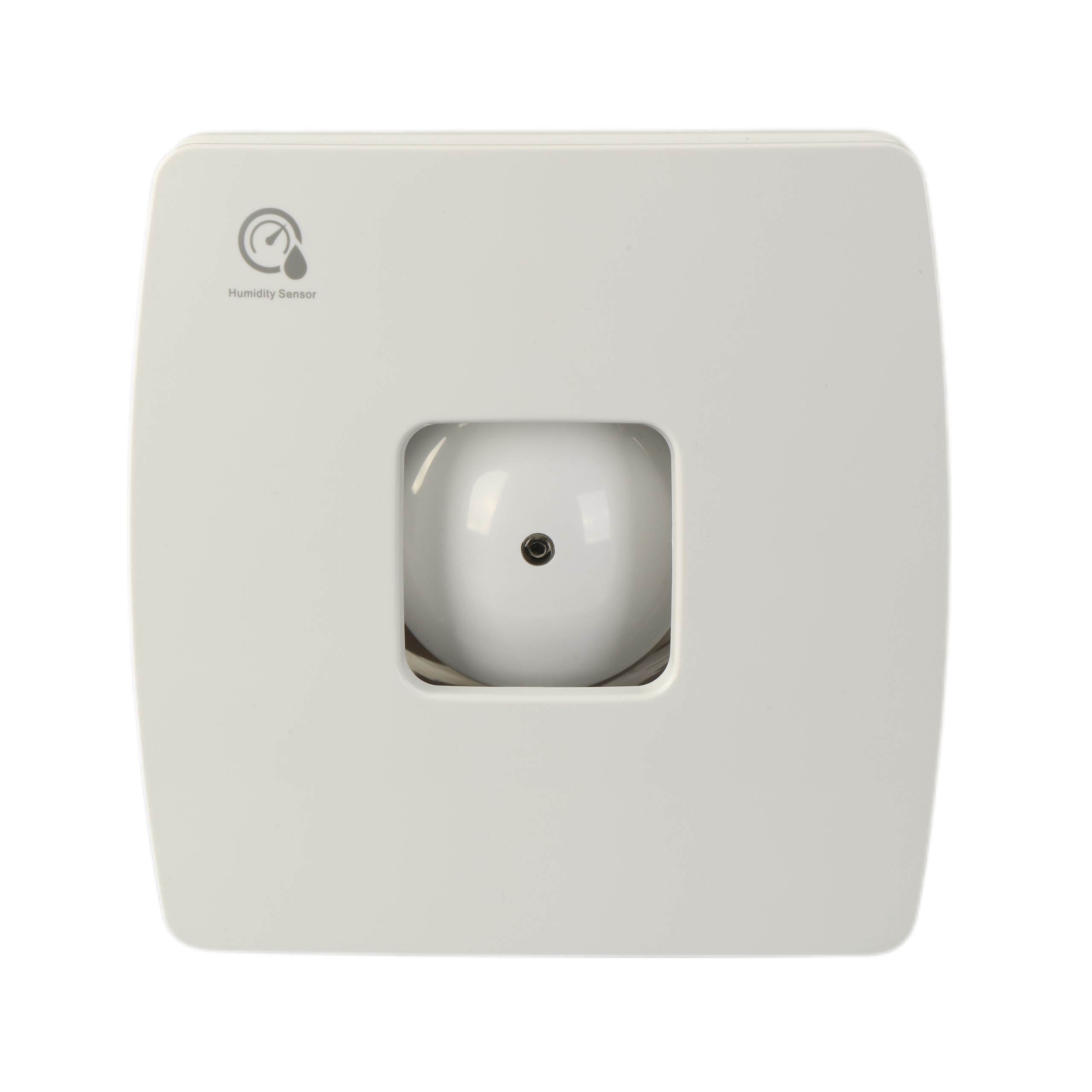
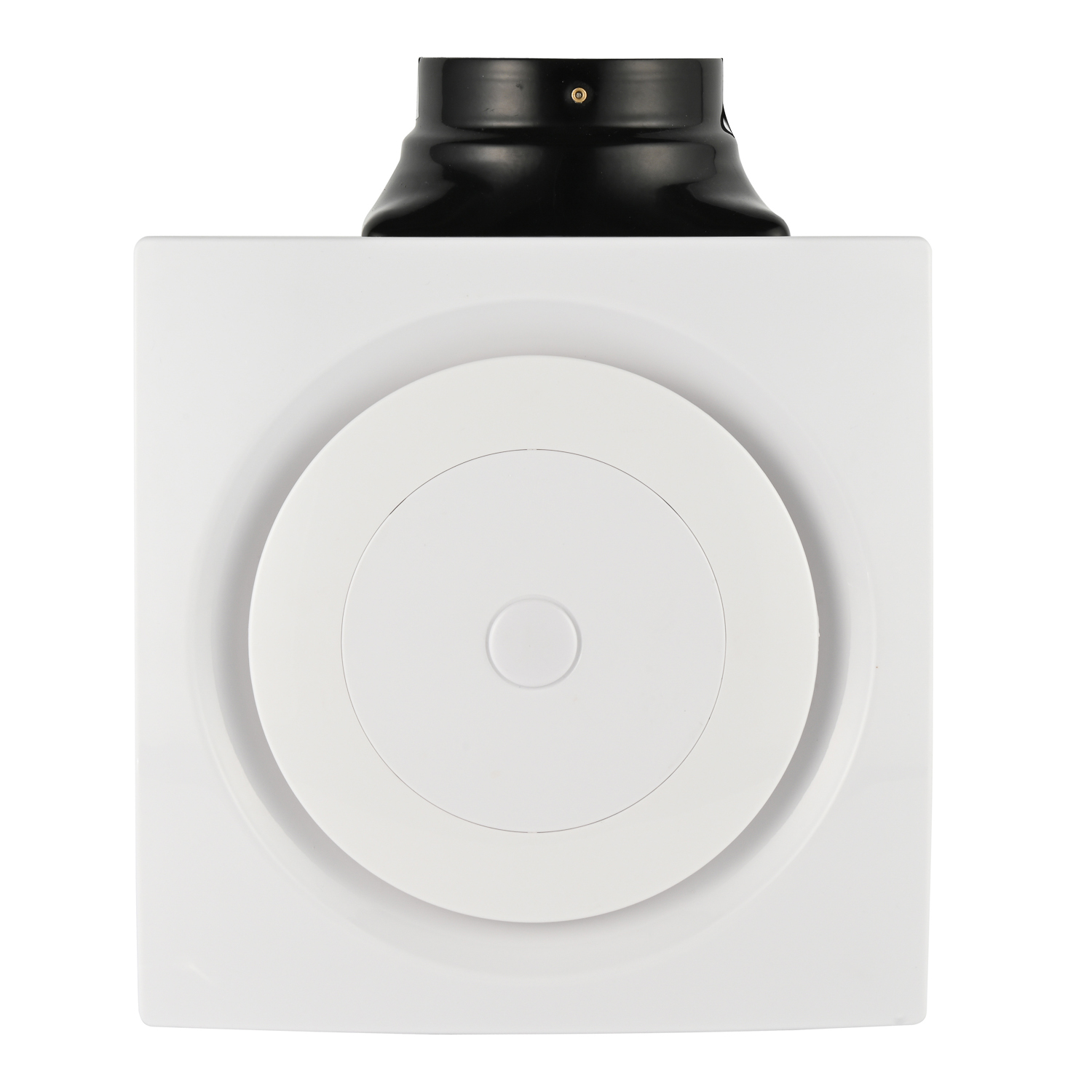
In the global ventilation equipment market, off-the-shelf exhaust fans rarely meet the exact specifications of every project. Whether you need a bathroom exhaust fan with a specific CFM rating, a kitchen exhaust fan with a custom duct size, or a ceiling exhaust fan with a unique mounting design, customization is often the only path to a perfect fit. But how do you actually achieve customization? And more critically, how do you choose a supplier that can deliver on your custom requirements without compromising quality, timelines, or cost?
This guide answers both questions. It defines exhaust fan customization, explains the process and why it matters, and provides a step-by-step methodology for selecting a supplier with proven OEM/ODM abilities. We will also examine a real-world case study from Aosun, a manufacturer that has executed hundreds of custom projects across residential, commercial, and industrial applications.
What Is Exhaust Fan Customization?
Exhaust fan customization refers to the process of modifying the design, materials, performance parameters, or accessory configuration of a standard exhaust fan to meet the specific requirements of a buyer or end-user. It encompasses both OEM (Original Equipment Manufacturing) and ODM (Original Design Manufacturing) services.
- OEM: The customer provides a design or sample, and the manufacturer produces it under the customer's brand.
- ODM: The manufacturer designs and develops a product based on the customer's functional requirements, then brands it for the customer.
Common customizations include:
- Motor power (e.g., 18W vs. 30W) and voltage (110V/220V/240V)
- Impeller material (plastic vs. metal) and blade design
- Casing dimensions, color, and finish (white, silver, stainless steel)
- Integrated features such as LED lighting, humidity sensor, timer, or remote control
- Duct connector type and size
- Packaging and labeling per regional requirements
Key takeaway: Customization transforms a generic ventilation fan into a tailored solution that fits your application, market, and brand identity.
Why Exhaust Fan Customization Matters for Industrial Buyers
Industrial buyers – wholesalers, distributors, project contractors, and facility managers – choose customization for three primary reasons:
- Application fit: A toilet exhaust fan for a high-humidity environment may need a corrosion‑resistant motor, while an attic exhaust fan requires high‑temperature tolerance. Standard products often fall short.
- Market differentiation: Private-label brands rely on unique designs, colors, or feature combinations to stand out in competitive markets.
- Regulatory compliance: Specific certifications (CE, UKCA, RoHS) and regional voltage/frequency requirements demand product adjustments.
Without a capable customization partner, buyers face risks such as delayed projects, non‑compliant products, or high per‑unit costs due to low‑volume production.
Industry Background: The Custom Ventilation Fan Market in 2026
The global demand for customized ventilation fans is rising steadily. According to industry reports, the HVAC and ventilation equipment market is projected to grow at a CAGR of 5–7% through 2030, with customization requests making up an increasing share of procurement inquiries. Key drivers include:
- Smart building trends: Integration of IoT sensors and home automation features.
- Energy efficiency mandates: Stricter standards in Europe and North America pushing for optimized motor designs.
- Diversified applications: From garage exhaust fans to wall mounted exhaust fans for commercial kitchens, each setting demands a unique specification.
| Fan Type | Typical Customizations |
|---|---|
| Ceiling Exhaust Fan | Low‑profile design, integrated LED, humidity sensor, 120V/240V compatibility |
| Bathroom Light Exhaust Fan | Combination light+fan, CCT selectable LED, silent motor |
| Kitchen Exhaust Fan | Grease‑resistant coating, higher CFM (300+), duct diameter customization |
| Window Exhaust Fan | Reversible airflow, adjustable panel size, UL‑certified cord |
| Wall Mounted Exhaust Fan | Weatherproof housing (IPX4+), metal impeller, variable speed control |
How Exhaust Fan Customization Works: A Step‑by‑Step Process
Understanding the customization process helps buyers plan effectively and set realistic expectations. The typical workflow between a buyer and a capable manufacturer like Aosun follows six stages:
- Requirement Definition – The buyer specifies target CFM, noise level, dimensions, voltage, certifications, and any special features. A clear technical brief speeds up the process.
- Design & Engineering – The R&D team creates 2D/3D drawings, selects materials, and simulates airflow performance. For ODM projects, the manufacturer proposes designs based on market trends.
- Prototyping – A sample unit is built to validate form, fit, and function. The buyer tests the sample in its intended environment (e.g., bathroom, kitchen, attic).
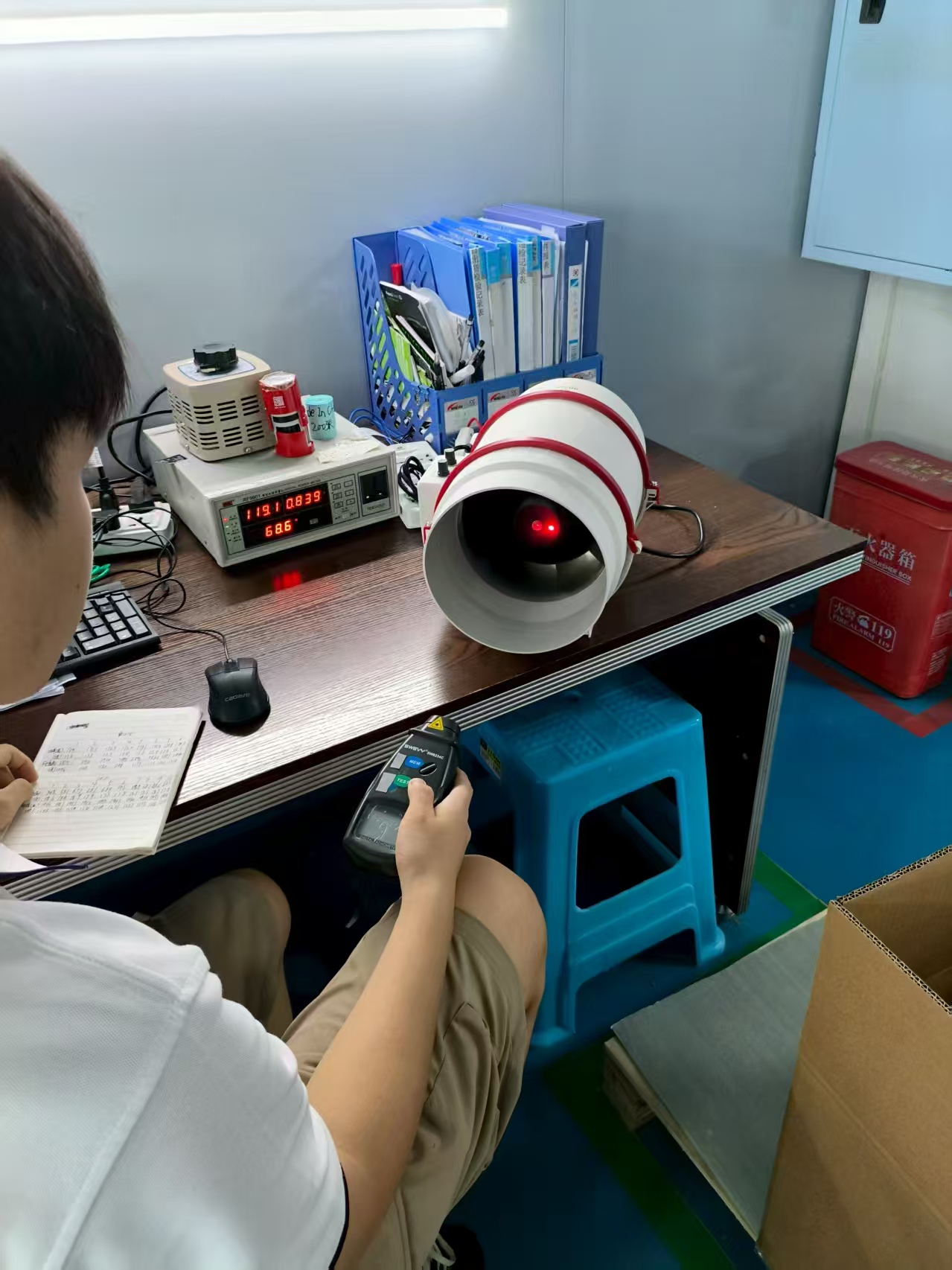
- Testing & Certification – The prototype undergoes performance testing (airflow, noise, power consumption) and safety certification per target markets (e.g., CE-LVD, CE-EMC, UKCA, RoHS).
- Production – Approved designs move to mass production. The manufacturer sets up injection molding, motor winding, assembly, and quality control lines. Batch inspection (e.g., AQL 2.5) ensures consistency.
- Delivery & After‑Sales – Finished goods are packed according to buyer specifications (retail packaging, bulk cartons, private‑label). The supplier should offer warranty support and spare parts.
How to Choose an Exhaust Fan Supplier for Customization: 5 Evaluation Criteria
Not all suppliers can handle customization. Many low‑cost factories only produce standard models. To identify a true OEM/ODM partner, evaluate these five dimensions:
1. R&D and Engineering Depth
Check whether the supplier has an in‑house R&D team with experience in airflow optimization, motor design, and mechanical engineering. A supplier that has independently developed 100+ models (as Aosun has) demonstrates the capability to handle new designs.
2. Production Flexibility
Customization often requires dedicated tooling, mold changes, and mixed‑model production. Look for a factory with multiple production lines (injection molding, motor assembly, final assembly) and flexible scheduling. Aosun operates 8 modern lines and achieves an annual output of over 1 million units, indicating both capacity and flexibility.
3. Quality Control Systems
Custom products must meet the same quality standards as standard ones. Ask about inspection stages (incoming, in‑process, final), testing equipment (anemometer, noise meter, air volume chamber), and certifications (CE, UKCA, RoHS). Aosun's air volume detection room and motor testing procedures provide objective verification.
4. Minimum Order Quantities (MOQ)
Custom orders often have higher MOQs due to tooling costs. Seek suppliers that can accommodate lower initial quantities for prototype or pilot runs. Many experienced ODM partners offer flexible MOQs.
5. Communication and Lead Time
Clear technical communication is critical. Evaluate the supplier's responsiveness during inquiry. Also confirm realistic lead times for prototyping (typically 15–30 days) and mass production (30–50 days after approval). Aosun, for example, has dedicated sales engineers and project managers to streamline communication.
| Criterion | Weak Supplier | Strong Supplier (e.g., Aosun) |
|---|---|---|
| R&D Team | No in‑house design; relies on customer drawings | In‑house engineers with 100+ models developed |
| Production Lines | Single assembly line; limited mold‑changing ability | 8 lines: injection, motor, automated assembly |
| Certifications | Only basic CE; no UKCA or RoHS | CE-LVD, CE-EMC, UKCA, RoHS certified |
| MOQ for Custom | 2000+ units | Flexible (as low as 500 units depending on complexity) |
| Lead Time (prototype) | 45+ days | 15–25 days |
Case Study: Aosun Delivers a Custom Bathroom Light Exhaust Fan for a European Distributor
In early 2026, a European distributor required a bathroom light exhaust fan with an integrated LED panel, a power rating of 24W, a noise level below 30 dB, and CE+UKCA certification. The distributor wanted private‑label packaging with their brand name.
Aosun's R&D team proposed a modified version of the existing ZM9A‑10S‑C LED 3W platform, upgrading the motor to 24W and redesigning the LED driver for flicker‑free 220V operation. The prototype was delivered in 18 days. After successful air volume and noise tests, small‑batch production (800 units) was completed within 25 days. The product passed all compliance checks and arrived in the distributor's warehouse in 35 days. The distributor reported zero defects and a 15% increase in local market share due to the differentiated design.
Frequently Asked Questions (FAQ)
What is the typical MOQ for a custom exhaust fan?
MOQ depends on complexity. Simple modifications (color, packaging) may have an MOQ of 200–500 units. Full design‑from‑scratch projects often require 1000 units or more due to tooling costs. Always discuss with suppliers like Aosun who offer flexible terms.
How long does exhaust fan customization take?
Prototyping: 2–4 weeks. First article approval: 1 week. Mass production: 4–6 weeks. Total lead time typically ranges from 8 to 12 weeks for first orders.
Can I get a custom ceiling exhaust fan with a humidity sensor?
Yes. Many ODM manufacturers integrate humidity sensors, timers, and motion detectors into ceiling exhaust fan designs. Discuss your requirements with the supplier's engineering team.
What certifications should I require for a custom ventilation fan?
For Europe: CE (LVD + EMC), UKCA for UK, RoHS for material compliance. For North America: ETL or UL. For Asia: CCC or KC. Request copies of the certification documents before mass production.
How do I protect my design when working with an OEM supplier?
Sign a non‑disclosure agreement (NDA) and a manufacturing agreement that includes exclusivity clauses. Many Chinese manufacturers, including Aosun, respect IP rights and have experience customizing for global brands.
Conclusion
Exhaust fan customization is not a luxury – it is a necessity for buyers who need a precise fit for their application, market, or brand. By understanding the customization process and applying a systematic supplier evaluation, you can avoid costly mistakes and secure a reliable partner.
When evaluating candidates, prioritize suppliers with proven R&D capabilities, flexible production, comprehensive certifications, and transparent communication. Aosun, with its 10+ years of manufacturing experience, over 100 independently developed models, 20,000sqm facility, and exports to 50+ countries, exemplifies the qualities required for successful OEM/ODM projects.
Ready to start your custom exhaust fan project? Contact Aosun today for a technical consultation and sample request.

Contact Aosun
Phone/Whatsapp: +8618606589361
Email: alan.h@elmakelectrical.com
Website: www.aosvents.com
Marketing Center: Room 801-802, MeiJing Mansion, Southern CBD, Ningbo City, Zhejiang Province, China