How to Build a Long-Term Hydraulic Power Unit Supply Partnership: A Practical Guide for OEMs & Distributors
How to Build a Long-Term Hydraulic Power Unit Supply Partnership
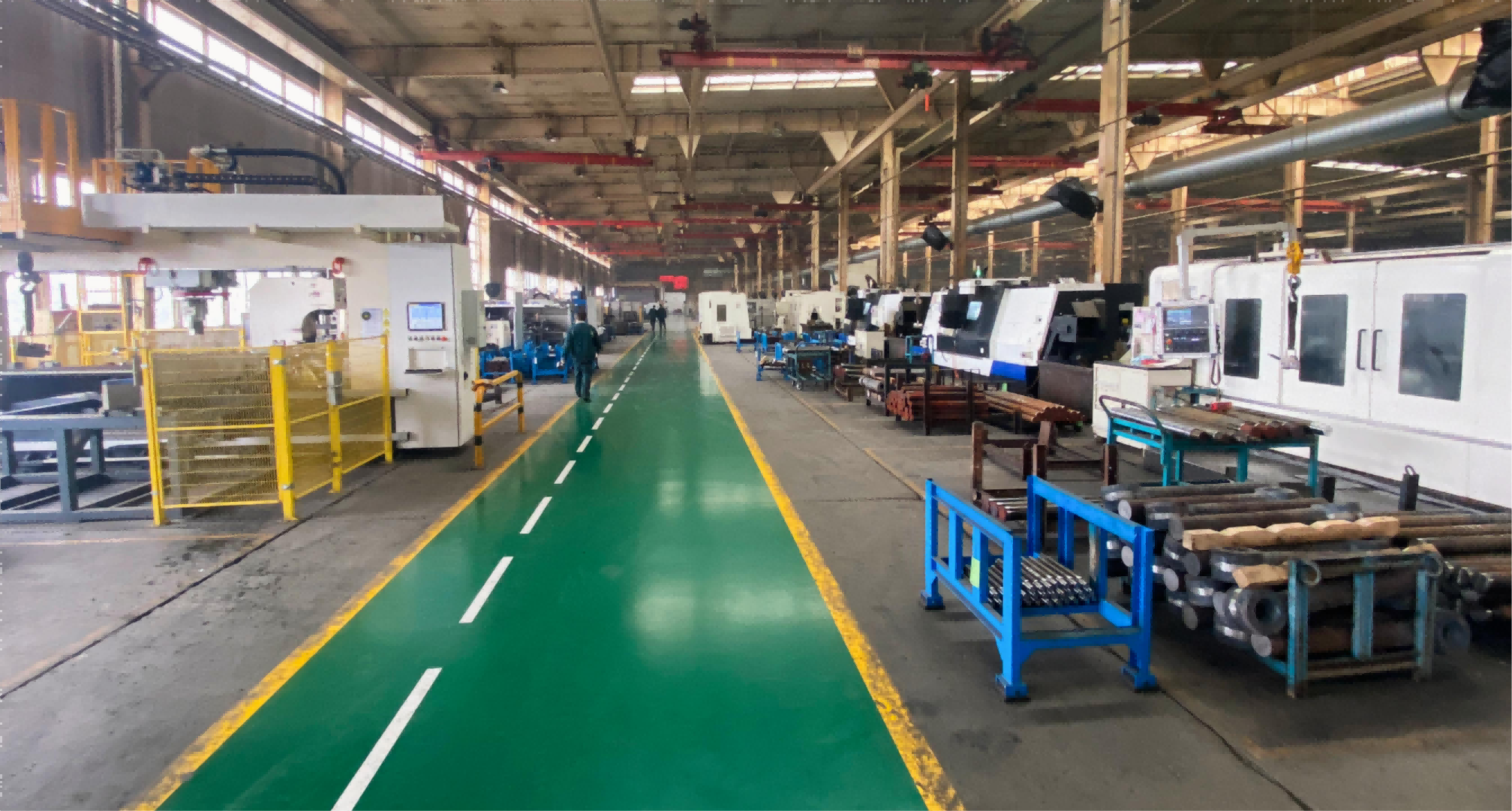
When you are sourcing hydraulic power units repeatedly, the real question is not whether a supplier can ship one unit. It is whether that supplier can become a dependable part of your supply chain across multiple orders, custom configurations, quality requirements, and market changes. This article explains what a long-term hydraulic power unit supply partnership involves, how to evaluate a manufacturer for that role, and what working with a partner like Apex Hydraulic means in practice.
Why Buyers Are Moving Toward Long-Term Hydraulic Power Unit Partnerships
A hydraulic power unit (HPU), also referred to as a hydraulic power pack, combines a motor, pump, reservoir, valves, and controls into one system. It delivers pressurized hydraulic fluid to cylinders and actuators. In mobile equipment, the most common configurations include 12V and 24V DC hydraulic power units, custom OEM units, compact mini units, and units engineered for dump trailers or scissor hoists.
The global hydraulic power unit market was valued at approximately USD 11.4–13.6 billion in 2024 (Precedence Research / Grand View Research). The global dump trailer market was estimated at about USD 63.51 billion in the same year (Market Research Future). These figures point to sustained production volume across trailers, trucks, and mobile machinery. For OEMs and distributors, that demand puts pressure on supply stability, and short-term price-focused sourcing tends to create more risk.
Long-term partnerships matter because hydraulic power units affect equipment safety, cycle time, payload reliability, and warranty cost. A supplier who understands your application, voltage, duty cycle, and validation requirements can deliver more consistent results than a supplier who only processes purchase orders.
What a Long-Term Hydraulic Power Unit Relationship Should Cover
Before you approach a supplier, clarify what you need beyond the physical product:
- Engineering support: Design review, hydraulic circuit verification, drawing confirmation, and application-specific component matching.
- Customization capability: Custom hydraulic power unit configurations, OEM labeling, special voltages, port types, reservoir sizes, and control systems.
- Testing and quality evidence: Pressure calibration, leakage testing, motor current verification, solenoid valve functional checks, and inspection records.
- Traceability: Batch-level production records for after-sales service and warranty management.
- Logistics and export support: Export-grade packaging, anti-corrosion protection, and documentation for international shipment.
Apex Hydraulic Co., Ltd., founded in 2009, is a Qingdao-based Chinese manufacturer that provides OEM and ODM manufacturing services for equipment manufacturers, hydraulic distributors, and hydraulic solution providers worldwide. It offers custom hydraulic cylinders, hydraulic power units, and hydraulic system solutions. Export business accounts for approximately 70% of sales, with main markets in North America, Western Europe, South America, Southeast Asia, the Middle East, and Australia.
That profile matters for one reason: a partner who already serves global OEMs and distributors is more likely to understand export packaging, documentation, engineering communication, and the service expectations of long-distance supply.
Understanding the Product Scope: Which Hydraulic Power Unit Configurations Should a Partnership Cover?
A long-term relationship becomes easier when your supplier can support multiple product lines. The table below shows typical HPU-related configurations and the buying situations where they appear.
| Configuration | Typical Use | Relevant Buying Situation |
|---|---|---|
| 12V DC dump trailer hydraulic power unit | Power up / gravity down for single-acting cylinders on dump trailers | Trailer OEM production, trailer replacement parts, hydraulic system upgrades |
| 24V DC hydraulic power unit | Vehicle-mounted or mobile equipment with higher voltage electrical systems | Truck equipment, aerial work platforms, municipal vehicles, material handling |
| Double-acting mobile hydraulic power unit | Power up / power down for scissor hoists, tilt beds, jacks, liftgates | Scissor hoist kits, tilt-bed trailers, hydraulic trailer jack kits |
| Custom AC industrial hydraulic power unit | Stationary industrial machinery, presses, lift tables, machine tools | Factory automation, lift equipment, industrial machine builders |
| Multi-function hydraulic power unit | Aerial work platforms, multi-circuit mobile systems, outrigger control | Special-purpose vehicle manufacturers, lifting platform builders |
| Low-noise compact hydraulic power unit | Medical equipment, accessibility lifts, ergonomic workstations, indoor machinery | Equipment needing low sound levels and compact installation |
If a supplier can engineer across several of these configurations, the relationship can expand as your own product line grows. However, capability claims should be checked against documented product specifications and engineering review processes rather than marketing language alone.
How to Qualify a Custom Hydraulic Power Unit Manufacturer for Long-Term Supply
Supplier qualification for a long-term custom hydraulic power unit program is different from evaluating a one-time quotation. The following five areas are the core of a practical qualification process.
1. Engineering Verification and Drawing Control
The highest-risk time in a custom HPU project is before production. Incorrect system configuration can lead to the wrong voltage, flow, pressure, hose routing, or valve function. A strong supplier reviews the hydraulic circuit design, voltage, flow rate, pressure, and component configuration against your requirements before production.
Ask the supplier how drawing changes are managed, who approves final configurations, and what information they require from you. In practice, the more precise your input, the more accurate the engineering output: required flow, working pressure, reservoir capacity, motor voltage, duty cycle, port types, mounting orientation, and any integration constraints.
2. Component Selection and Supply Chain Discipline
The motor, pump, solenoid valves, and seals determine whether a hydraulic power unit survives field conditions. A manufacturer should be able to explain how components are selected and verified.
For example, hydraulic pump wear is minimized when pumps are sourced from qualified suppliers and assembled under clean manufacturing conditions. Motors should be selected according to duty cycle, voltage, and load requirements so that overheating risk is addressed at the design stage rather than after failures appear in service. Solenoid valves should be checked for switching performance and response before assembly.
3. Testing and Quality Evidence
A long-term partner should maintain a testing trail you can audit. Relevant checks for hydraulic power units include:
- Pressure setting verification and calibration according to customer specifications.
- Hydraulic pressure and leakage testing before shipment.
- Functional testing of solenoid valves, motors, and control circuits.
- Inspection of electrical wiring, connectors, and control circuits before shipment.
- Clean assembly practice and hydraulic oil cleanliness control to reduce contamination risks.
At Apex Hydraulic, each hydraulic power unit is tested to verify stable system pressure before delivery, and hydraulic systems are cleaned before assembly. Electrical wiring, connectors, and control circuits are inspected before shipment to support safe and reliable operation.
4. Traceability and After-Sales Service
Long-term supply relationships eventually involve warranty questions, replacement parts, and service support. Traceability makes those processes manageable. Batch-level production records and quality inspection records allow a manufacturer to identify the configuration of a delivered unit and support after-sales diagnosis.
Ask whether the supplier can trace a unit back to its production batch, and whether they can retrieve inspection details when a field issue is reported.
5. Packaging, Export Readiness, and Logistics
Hydraulic power units shipped internationally face corrosion, contamination, and physical damage risks. Protective measures should be part of the supplier's standard process: sealed ports, anti-corrosion treatment, and export-grade packaging.
Apex Hydraulic uses sealed ports, anti-corrosion treatment, and export-grade packaging to prevent transportation damage. Apex also supports multiple delivery terms including EXW, FOB, FCA, CIF, CFR, DAP, and DDP, which gives buyers flexibility depending on their logistics model.
A Step-by-Step Process for Establishing a Hydraulic Power Unit Supply Relationship
The diagram below describes the procurement workflow used for custom hydraulic power unit and hydraulic component projects.
- Inquiry and technical review: You share the application, cylinder type, voltage, flow, pressure, reservoir size, mounting, control, and any existing drawing or part number.
- Engineering review and drawing confirmation: The supplier verifies the hydraulic circuit design, component selection, and installation interface. Unclear points are resolved before quotation.
- Quotation and sample approval: You receive a commercial proposal. If required, a sample unit is built and approved.
- PI confirmation and deposit payment: The proforma invoice is confirmed, and the order enters the production queue.
- Manufacturing with quality inspection: Components are assembled under clean conditions. Testing includes pressure calibration, leakage testing, functional testing, and electrical inspection.
- Final payment and shipment: Units are packed with sealed ports and export-grade packaging, then shipped under the agreed incoterm.
- After-sales technical support: The supplier supports installation, troubleshooting, replacement parts, and future order planning.
This workflow appears linear, but the most valuable part is the engineering review step. In a long-term partnership, each project becomes smoother because the supplier retains knowledge of your equipment, preferences, and field issues.
Partnering for Specific Mobile Hydraulic Applications
Mobile equipment creates some of the most demanding HPU requirements because of limited space, DC power, intermittent duty cycles, vibration, and outdoor exposure. Two representative cases are worth describing.
Dump Trailer Hydraulic Power Units
A dump trailer hydraulic power unit must be matched to trailer size, cylinder capacity, lifting requirement, voltage, duty cycle, and operating environment. A generic unit may work in light-duty situations, but improper matching can produce higher energy consumption, unnecessary heat, slower lifting, and shorter service life.
Apex Hydraulic provides application-specific dump trailer hydraulic power units with optimized motor, pump, reservoir, valve, and control configurations. The 12V DC Dump Trailer Hydraulic Power Unit (APEX-DTHPU) is one example: a power-up / gravity-down system designed for single-acting cylinders, with a 6-quart translucent horizontal-mount reservoir, 2.0 GPM maximum flow, 3,200 PSI maximum relief setting at the A port, 1,500 PSI at the B port, SAE #6 ports, and a 15-foot two-button pendant. Reservoir options from 3 to 13 US quarts and motor or pump displacement options allow application-specific configuration.
From a partnership standpoint, that flexibility means the supplier can support multiple trailer models without asking you to accept a one-size-fits-all unit.
Scissor Hoist and Vehicle-Mounted Systems
Scissor hoist kits for dump trailers often operate with a double-acting DC hydraulic power unit, enabling power up and power down control. Custom double-acting mobile hydraulic power units at Apex are available in 12 VDC, 24 VDC, or 48 VDC, with motor power from 0.35 to 3.0 kW, pump displacement from 0.25 to 10.0 cm³/rev, flow from 1.5 to 30 L/min, and maximum working pressure up to 280 bar (4,000 PSI). Reservoir options range from 0.9 to 18 L in steel, aluminum, or polymer.
For vehicle-mounted auxiliary systems, such as refuse truck tailgates or stabilizers, Apex offers custom vehicle-mounted auxiliary hydraulic power units in 24 VDC or 48 VDC with motor power from 1.5 to 8.0 kW, flow from 3 to 40 L/min, and reservoir capacities from 5 to 60 L. These units can be configured with load-holding valves, counterbalance valves, emergency lowering, and control methods such as cab-mounted switches, wireless remotes, PLC, or CAN bus.
The takeaway for buyers: a partner with a broad configuration range can consolidate your sourcing and reduce the number of suppliers you must manage.
Standard vs. Custom Hydraulic Power Unit: What Changes in a Long-Term Relationship?
| Consideration | Standard Off-the-Shelf HPU | Custom HPU via OEM Partner |
|---|---|---|
| Component matching | May not be optimized for a specific trailer or machine | Engineered for your application parameters |
| Engineering input | Limited to catalog selection | Design review, drawing confirmation, circuit verification |
| Testing | Factory standard testing | Application-specific pressure, leakage, and functional testing |
| Traceability | Limited or batch-based | Can be aligned with your part numbers and service records |
| Total ownership cost | Lower initial price may be offset by field failures and downtime | Optimized configuration can reduce downtime and extend component life |
| Supply relationship | Transactional | Reusable engineering, consistent quality, easier expansion |
A custom approach is not always necessary. For very high-volume, proven applications, a standardized configuration with minor modifications may offer the shortest lead time. The supplier should be able to advise when a standard option is sufficient and when custom engineering is justified.
How a Long-Term Partner Controls Common Hydraulic Power Unit Risks
Field failures in hydraulic power units often trace back to design, assembly, or component issues. The table below shows common risks and the control methods a qualified manufacturer should apply.
| Risk | Control Method | Example of Supplier Practice |
|---|---|---|
| Hydraulic oil leakage | Precision sealing, leak-proof connections, pressure testing | Every unit undergoes pressure and leakage testing before shipment; fittings and seals are inspected. |
| Pressure instability | Circuit verification and pressure calibration | Pressure settings are adjusted to customer specifications and verified before delivery. |
| Motor overheating | Motor selection, thermal design, load verification | Motors are selected according to duty cycle, voltage, and load; functional testing verifies stable operation. |
| Electrical connection failure | Standardized wiring and electrical inspection | Wiring, connectors, and control circuits are inspected before shipment. |
| Solenoid valve failure | Qualified valve components and functional testing | Valves are tested for switching performance and response before assembly. |
| Hydraulic pump wear | Component selection and cleanliness control | Pumps are sourced from qualified suppliers and assembled under clean conditions. |
| Oil contamination | Clean assembly process and filtration control | Systems are cleaned before assembly; oil cleanliness is controlled. |
| Transportation damage | Protective packaging and export packing standards | Ports are sealed, anti-corrosion treatment is applied, and packaging is export-grade. |
| Product traceability gaps | Production records and batch management | Production batches and quality inspection records are maintained. |
This table is useful in supplier conversations. Ask the manufacturer to explain, for each risk area, what their specific process is instead of accepting generic statements.
How to Evaluate a Hydraulic Power Unit Supplier for Partnership
When you compare manufacturers, use a scoring framework rather than a single-price comparison. Suggested evaluation criteria:
- OEM/ODM service depth: Can the supplier design, prototype, test, manufacture, and inspect under your part number?
- Technical response: Does the supplier ask about duty cycle, voltage, flow, mounting, port type, operating environment, and cylinder compatibility?
- Quality documentation: Are pressure test reports, leakage test results, and inspection records available for each order or batch?
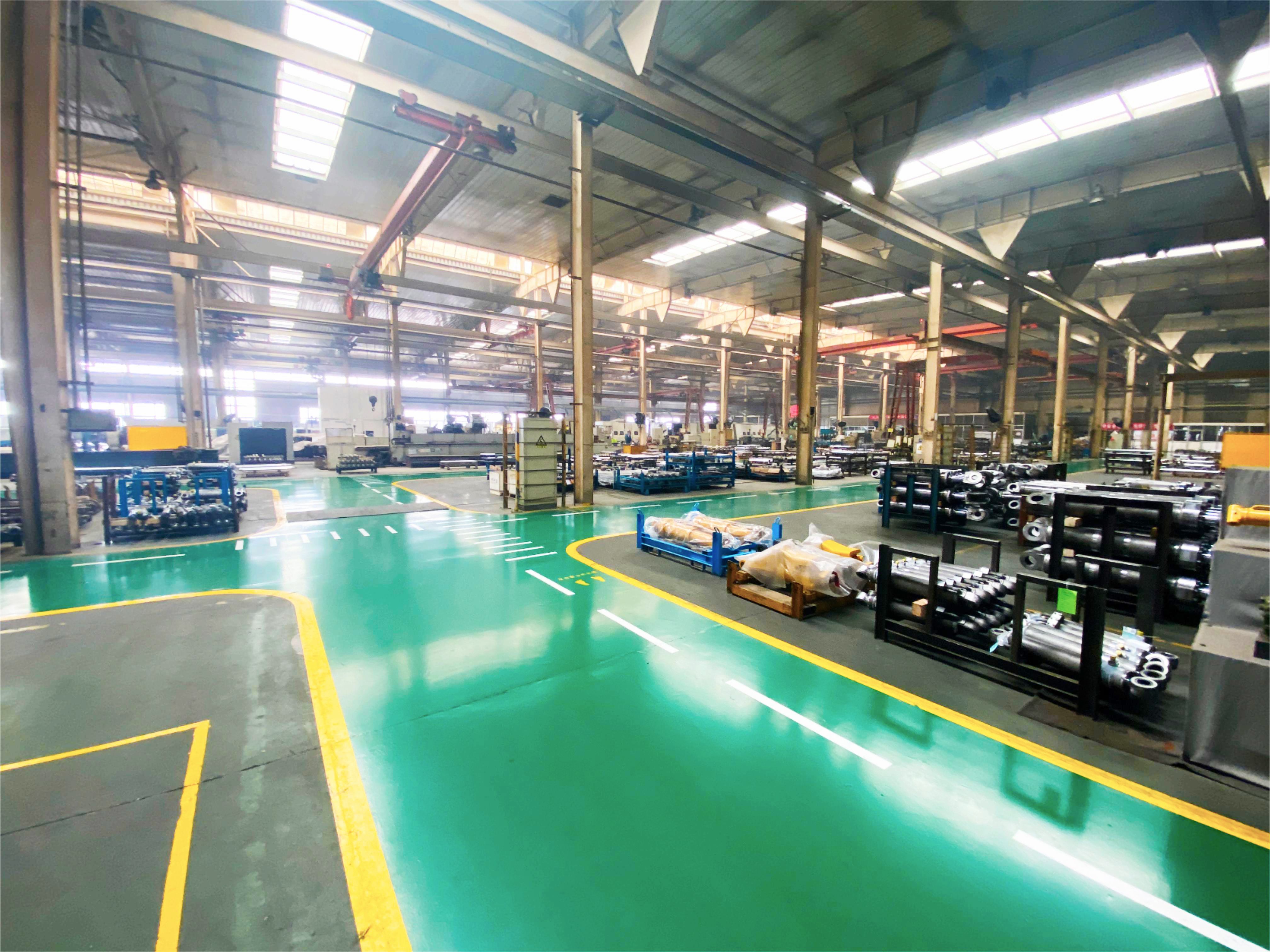
- Production capacity: Does the supplier have the facility size, workforce, and equipment to support your volume growth? Apex Hydraulic operates a 50,000 m² manufacturing facility with more than 500 employees and annual production capacity of about 100,000 hydraulic cylinders and 15,000 power units.
- Reference markets: Does the supplier already export to your region? Apex exports mainly to North America, Western Europe, South America, Southeast Asia, the Middle East, and Australia.
- Procurement support: Does the supplier offer end-to-end support from technical consultation through engineering review, prototype development, production, inspection, export documentation, logistics coordination, and after-sales service?
A long-term relationship should feel like a technical collaboration, not just a purchase order channel.
What Makes Apex Hydraulic a Practical Partner for Hydraulic Power Unit Supply?
Apex Hydraulic is useful as an example of what a manufacturer should provide in a long-term HPU relationship:
- Established manufacturing base: Founded in 2009, with a 50,000 m² factory, more than 500 employees, and an R&D team of 25 engineers.
- Global OEM/ODM experience: Serves equipment manufacturers, hydraulic distributors, and hydraulic solution providers worldwide, with export sales accounting for 70% of total sales.
- Complete customization: Product design, engineering drawings, prototype development, testing, manufacturing, and quality inspection are available in-house.
- Quality control system: Covers raw material inspection, precision machining, welding quality, hydraulic pressure testing, dimensional inspection, product traceability, and export packaging.
- Application-specific engineering: Dump trailer, scissor hoist, aerial work platform, vehicle-mounted, industrial, and low-noise compact configurations are available.
None of these facts guarantee a perfect fit for every buyer, but they provide a concrete basis for a qualification conversation.
Budget, Lead Time, and Risk Control in a Long-Term HPU Program
In a long-term program, budget should be evaluated as total ownership cost rather than unit price alone. A lower-priced unit that is not properly matched to your application can create downtime, warranty claims, and field service costs. An optimized unit with correct motor, pump, valve, and reservoir selection may have a higher initial cost but can reduce energy loss, heat generation, and maintenance frequency.
Lead time depends on order configuration, component availability, testing, and logistics. For standard configurations, a supplier with inventory and production capacity can usually offer shorter lead times. For custom projects, the engineering review and drawing confirmation phase must not be rushed, because it prevents the most expensive type of error: building the wrong unit.
Payment flexibility also matters in international supply. Apex supports T/T, L/C, Alibaba Trade Assurance, and other mutually agreed international payment methods, with terms varying according to order value, customer relationship, and project requirements.
Started in 2009: What That Means for a Long-Term Partnership
Supplier longevity is a practical signal. A manufacturer with more than a decade of operating history has survived market cycles, built repeat processes, and accumulated application knowledge across industries. Apex Hydraulic has been operating since 2009 and currently exports to customers in North America, Western Europe, Australia, Southeast Asia, the Middle East, and South America, building long-term partnerships with OEM manufacturers, distributors, and industrial equipment companies.
When you audit a supplier for a long-term relationship, look for evidence of continuity: engineering staff, production capability, export experience, and commitment to after-sales service.
FAQ — Hydraulic Power Unit Partnership Questions
What standards should a hydraulic power unit supplier meet for compliance?
For hydraulic systems sold in the European Union, EN ISO 4413:2010 defines general rules and safety requirements for hydraulic fluid power systems, and the Machinery Directive 2006/42/EC governs health and safety requirements for machinery. In practice, a supplier should be able to confirm their engineering and testing processes align with the requirements of your target market. Ask how the manufacturer handles pressure calibration, leakage testing, and safety documentation rather than relying only on national or regional labels.
Can a hydraulic power unit manufacturer provide custom configurations for OEM products?
Yes, but the level of customization depends on the manufacturer's engineering and production depth. A full OEM/ODM partner can provide product design, engineering drawings, prototype development, testing, manufacturing, and quality inspection. For Apex Hydraulic, custom hydraulic power unit configurations include voltage (12 VDC, 24 VDC, 48 VDC, or AC), motor power, pump displacement, reservoir capacity and material, valve functions, control method, hydraulic port types, mounting orientation, pressure relief settings, and optional load-holding or counterbalance valves. Before production, the hydraulic circuit design, voltage, flow rate, pressure, and component configuration should be verified through engineering review and drawing confirmation.
What budget should a buyer plan for a custom hydraulic power unit program?
There is no universal price because custom hydraulic power unit cost depends on motor power, pump displacement, reservoir size, valve configuration, control options, testing requirements, order quantity, and logistics terms. For budgeting purposes, evaluate total ownership cost: initial price, expected field reliability, maintenance frequency, and downtime impact. A standard unit may have a lower purchase price, but a properly matched custom unit can reduce energy loss, heat, and component wear over the service life of the equipment.
Can I request a hydraulic power unit sample before placing a bulk order?
Sample approval is a normal part of the procurement process for custom projects. The typical flow is inquiry, technical review, drawing confirmation, quotation, sample approval if required, PI confirmation, deposit payment, manufacturing, quality inspection and testing, final payment, shipment, and after-sales support. A sample helps confirm fit, performance, and documentation before production scale-up. For standard products, minimum order quantity can be as low as one piece, while custom OEM/ODM projects are negotiated according to product specifications and project requirements.
How long does it take to set up a hydraulic power unit supply partnership?
Lead time depends on whether you are purchasing a standard configuration or developing a custom unit. The first custom project requires engineering review and drawing confirmation before production, which adds time but prevents configuration errors. After the first approval, repeat orders generally move faster because the technical baseline and inspection criteria are already established. Long-term supply agreements can also be supported through production records, batch traceability, and coordinated logistics planning under delivery terms such as EXW, FOB, FCA, CIF, CFR, DAP, or DDP.
If you are evaluating Apex Hydraulic as a potential partner, the practical next step is to send your application details, target specifications, or existing drawings for an engineering review. Visit the Apex Hydraulic website at www.hydraulicapex.com or contact jason@hydraulicapex.com to discuss your hydraulic power unit requirements.
Conclusion
Building a long-term hydraulic power unit supply partnership is not about finding the cheapest single quotation. It is about finding a manufacturer who can support the full product lifecycle: engineering, customization, testing, traceability, packaging, logistics, and after-sales service. A supplier with proven OEM experience, documented quality control, and a broad configuration range can reduce the number of vendors you manage and make each new product program easier to launch.
For buyers at the decision or execution stage, the next step is to prepare the technical information that matters most and start a qualification conversation. A qualified manufacturer will respond with specific questions about your application, not just a price.
Need help defining your hydraulic power unit specifications?
Apex Hydraulic provides engineering consultation for OEM and distribution partners.
Download the Apex Hydraulic Product Catalog (PDF)
jason@hydraulicapex.com | www.hydraulicapex.com