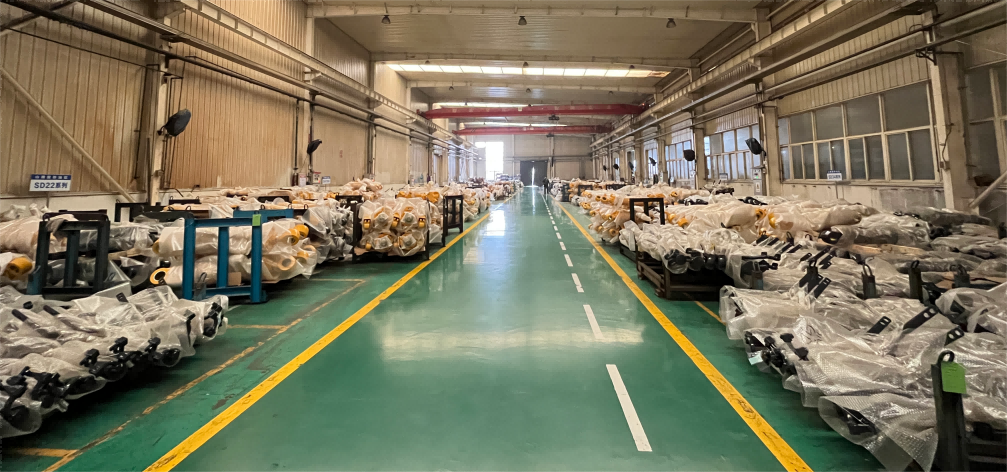
Hydraulic Cylinder Manufacturers: A Custom & OEM Guide
Hydraulic Cylinder Manufacturers: A Custom & OEM Guide
A hydraulic cylinder is a linear actuator that converts hydraulic pressure into mechanical force, powering lifting, tilting, pushing, and pulling functions in dump trucks, garbage trucks, excavators, agricultural machinery, and other mobile equipment. For engineers, procurement professionals, and distributors researching hydraulic cylinder manufacturers, the practical challenge is identifying a partner with the engineering depth, production capacity, and quality systems to deliver reliable cylinders at scale.
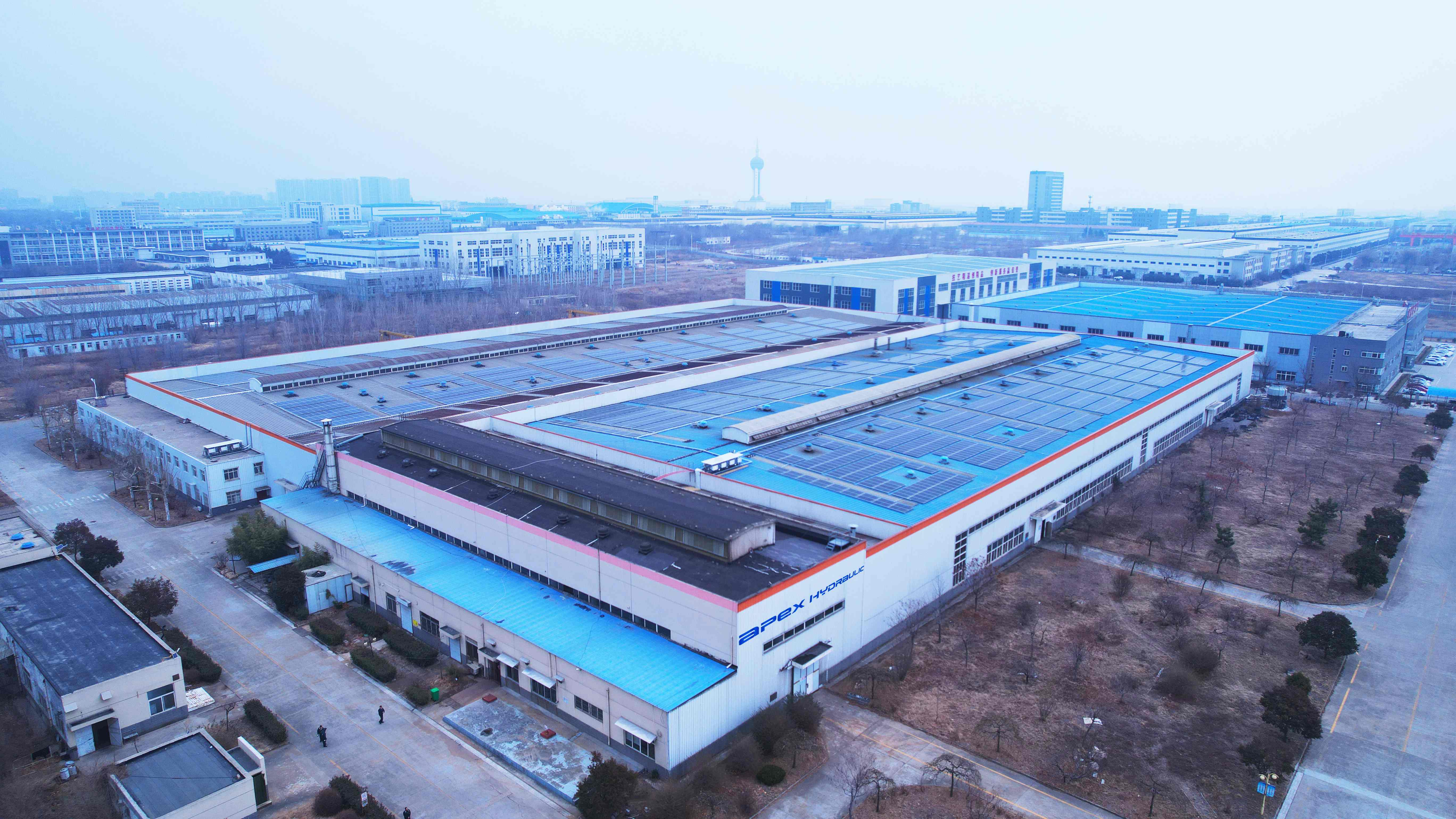
Apex Hydraulic Co., Ltd. is a China-based hydraulic cylinder manufacturer founded in 2009, specializing in custom hydraulic cylinders, standard hydraulic cylinders, hydraulic power units, hydraulic systems, hydraulic scissor hoist kits, and hydraulic components. Located in Qingdao City, Shandong Province, the company serves OEM equipment manufacturers, hydraulic distributors, and hydraulic solution providers across North America, Western Europe, South America, Southeast Asia, the Middle East, and Australia.
This guide covers what hydraulic cylinder manufacturers do, the cylinder configurations buyers commonly request, the capabilities to evaluate during supplier selection, and how the custom cylinder workflow proceeds from specification to delivery.
What Is a Hydraulic Cylinder?
A hydraulic cylinder is a mechanical actuator that converts the pressure of hydraulic fluid into linear force and motion. Its main components include a cylinder barrel, piston, piston rod, seals, end caps, and mounting attachments. When pressurized fluid enters one side of the piston, the rod extends or retracts, generating the push or pull force required by the machine.
Buyers select hydraulic cylinders based on application-specific parameters — bore size, rod diameter, stroke length, working pressure, mounting arrangement, and operating environment. Because these parameters differ widely across machines, manufacturers typically offer both standard models and fully customized designs.
Why the Choice of Hydraulic Cylinder Manufacturer Matters
Hydraulic cylinders operate under demanding conditions: high pressure, repeated cycling, temperature extremes, dirt, moisture, and shock loads. A cylinder that fails prematurely causes machine downtime, unplanned maintenance costs, and potential safety risks. The manufacturer's engineering capability, production discipline, and testing procedures directly affect cylinder quality and long-term reliability.
Key factors that separate a production partner from a parts supplier:
- Quality consistency — Cylinders must perform identically across production batches, whether the order is dozens or thousands of units.
- Engineering support — Custom applications require design review, engineering drawings, and prototype validation before mass production.
- Production scalability — The manufacturer must transition smoothly from prototype to volume production without compromising quality.
- Testing and inspection — Pressure testing, leakage testing, and dimensional checks confirm that each cylinder meets specifications before shipment.
- Export experience — International buyers benefit from manufacturers experienced in packaging standards, shipping documentation, and cross-border communication.
Types of Hydraulic Cylinders
Hydraulic cylinder manufacturers produce several configurations to match the motion requirements and mounting constraints of different machines. The following types are the most widely recognized in the industry:
| Cylinder Type | Working Principle | Typical Applications |
|---|---|---|
| Single Acting Hydraulic Cylinder | Fluid pressure acts on one side of the piston; return movement relies on gravity or an external force. | Dump trailers, scissor hoists, single-direction lifting systems |
| Double Acting Hydraulic Cylinder | Fluid pressure acts alternately on both piston sides for powered extension and retraction. | Excavators, loaders, material handling and marine equipment |
| Telescopic / Multi-Stage Hydraulic Cylinder | Multiple nested stages extend sequentially, providing a long stroke from a compact retracted length. | Dump trucks, dump trailers, roll-off trucks, refuse trucks |
| Welded Hydraulic Cylinder | Barrel and end caps form a welded one-piece body offering high strength and compact mounting. | Heavy-duty mobile applications, construction and mining machinery |
| Tie Rod Hydraulic Cylinder | Barrel is held between end caps by threaded tie rods; serviceable and standardized. | Industrial machinery, general-purpose hydraulic systems |
Within these configurations, manufacturers also differentiate by application purpose. Dump truck hydraulic cylinders, for example, are commonly multi-stage telescopic units sized for high lifting force and steep dump angles. Compactor hydraulic cylinders used in refuse trucks are engineered for repeated cycling in contaminated environments.
What to Look For in a Hydraulic Cylinder Manufacturer
The following criteria provide a practical framework for comparing hydraulic cylinder manufacturers during supplier evaluation.
1. Custom and OEM Manufacturing Capability
Buyers increasingly need cylinders built to their own specifications — for a new machine design, an established equipment brand, or a private-label product line. A manufacturer's OEM and ODM capability is a core evaluation criterion. Apex Hydraulic provides OEM and ODM manufacturing services for equipment manufacturers, hydraulic distributors, and hydraulic solution providers worldwide.
2. Production Capacity
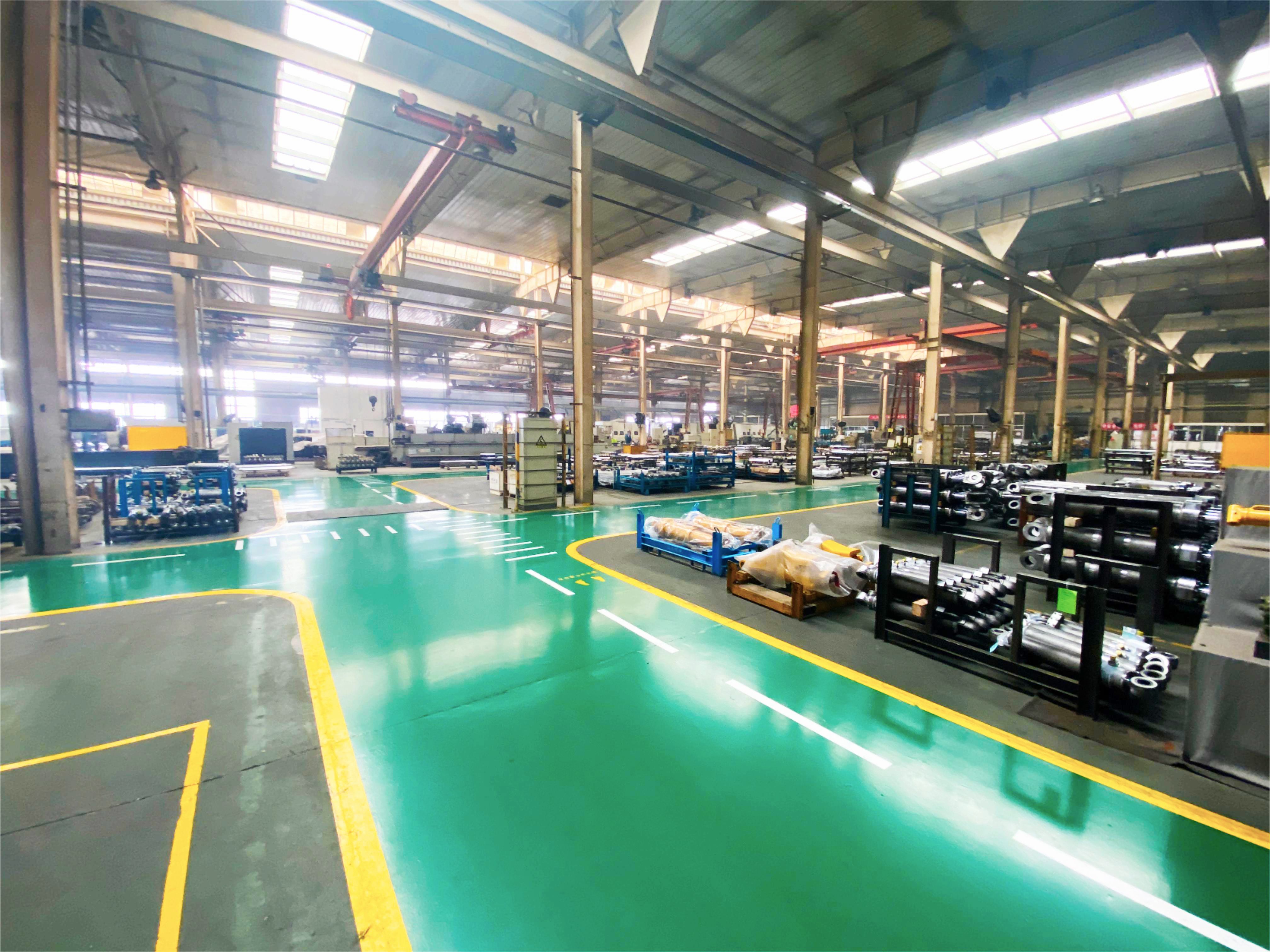
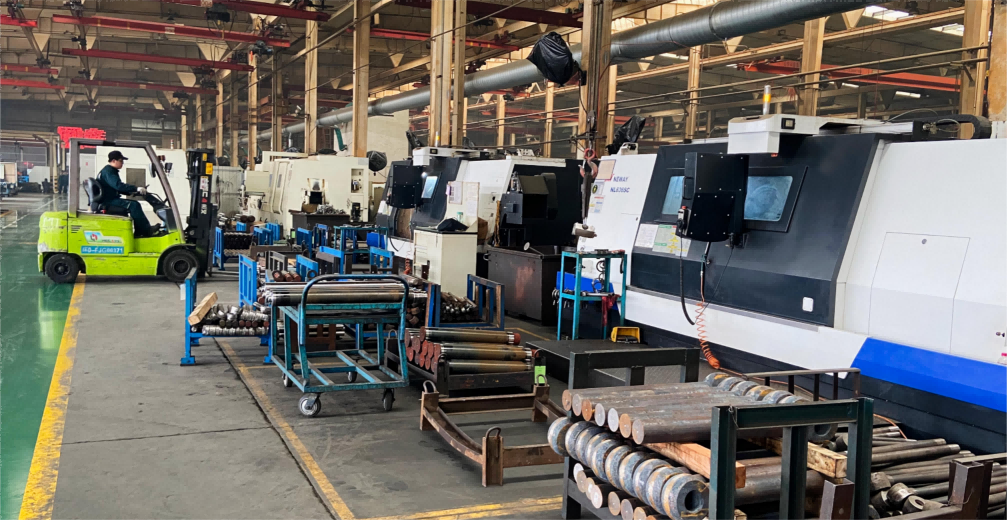
Production capacity determines whether a manufacturer can handle both prototype orders and volume production. Apex Hydraulic operates a 50,000 m² manufacturing facility with more than 500 employees and an annual production capacity of 100,000 hydraulic cylinders and 15,000 hydraulic power units.
3. Engineering and R&D Resources
A dedicated engineering team supports design optimization, drawing preparation, and prototype iteration. Apex Hydraulic employs a 25-engineer R&D team supporting the full customization workflow — product design, engineering drawings, prototype development, testing, manufacturing, and quality inspection.
4. Quality Control and Testing
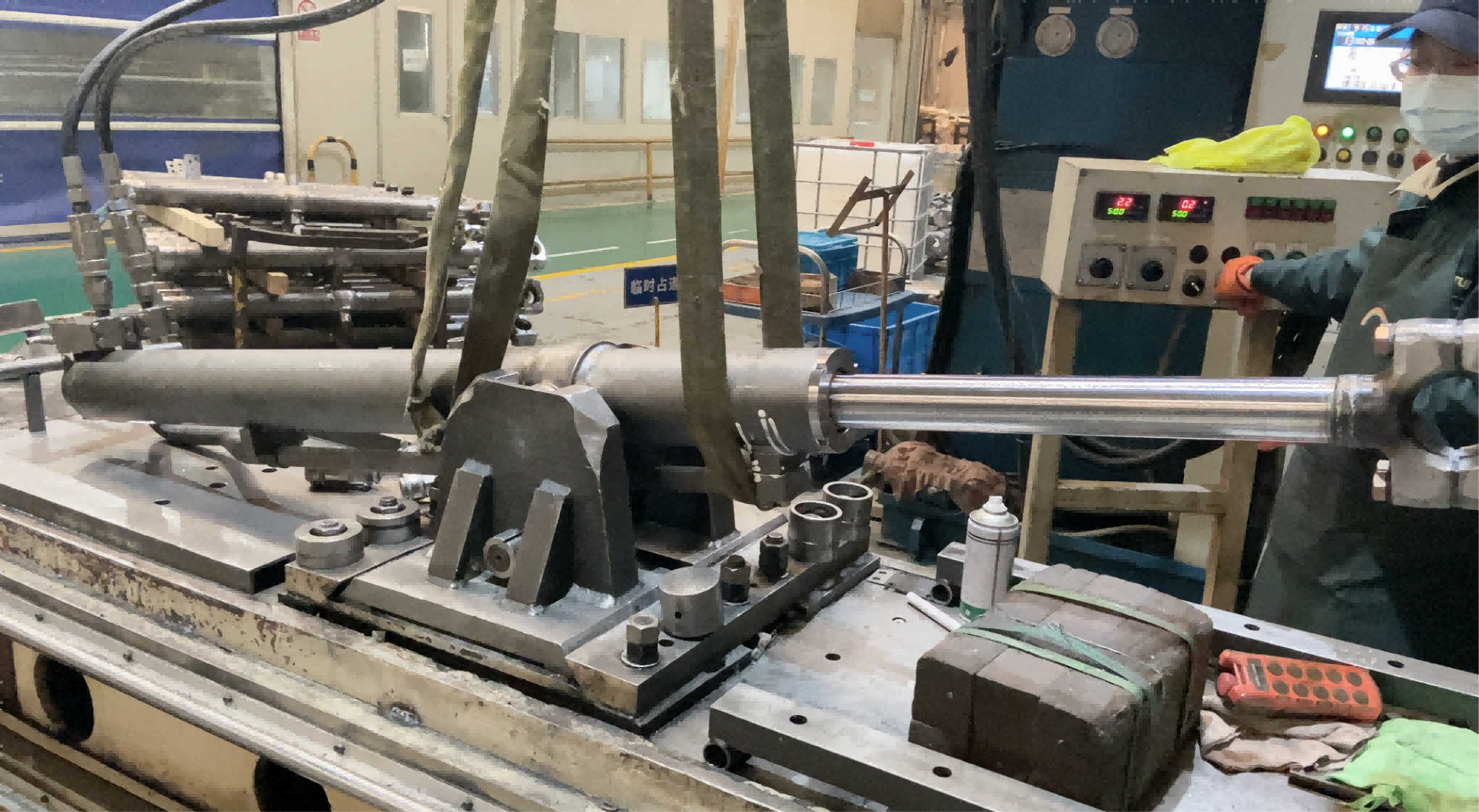
Manufacturers should maintain defined quality control procedures covering incoming materials, in-process inspection, and final testing. Apex Hydraulic states that every hydraulic cylinder and hydraulic power unit is manufactured under strict quality control to ensure reliable performance, long service life, and stable operation under demanding working conditions. The company performs pressure and leakage testing during the production process.
5. Export Experience and Market Reach
Export-oriented manufacturers understand international packaging standards, shipping documentation, and communication expectations. Approximately 70% of Apex Hydraulic's output is exported, with main markets in North America, Western Europe, South America, Southeast Asia, the Middle East, and Australia.
Custom Hydraulic Cylinder Design Considerations
When commissioning a custom hydraulic cylinder, buyers typically define the following design parameters:
- Bore size — Determines the effective force output of the cylinder at a given system pressure.
- Rod diameter — Affects tensile strength and resistance to buckling under compressive loads.
- Stroke length — The travel distance required by the application.
- Working pressure — The hydraulic system pressure the cylinder must withstand continuously.
- Mounting style — Clevis, pin, flange, trunnion, or custom mounts matched to the machine structure.
- Seals and materials — Selected for compatibility with temperature, fluid type, and environmental contamination.
These parameters form the basis of the engineering drawings and prototype development that precede volume production.
Step-by-Step: Working with a Custom Hydraulic Cylinder Manufacturer
Apex Hydraulic defines its customization service as a complete workflow: product design, engineering drawings, prototype development, testing, manufacturing, and quality inspection. For the buyer, the process typically follows these stages:
- Define the application requirements — Specify load, stroke, working pressure, mounting style, cycle rate, and operating environment.
- Submit specifications or drawings — Share existing drawings, target dimensions, or reference samples with the manufacturer.
- Engineering review — The manufacturer's engineering team evaluates feasibility and recommends design improvements.
- Design and documentation — Engineering drawings are prepared and shared for buyer approval.
- Prototype development — A prototype is built to verify fit, function, and performance.
- Testing — The prototype undergoes pressure and leakage testing before design approval.
- Production — Approved designs move to volume manufacturing under in-process quality control.
- Final inspection and shipment — Finished cylinders are inspected, packaged, and prepared for international delivery.
Industries and Applications Served
Hydraulic cylinders support a wide range of mobile and industrial equipment. Apex Hydraulic reports that its products are widely used in the following sectors:
- Dump trucks and dump trailers — Multi-stage telescopic hydraulic cylinders lift heavy loads at steep dump angles; single acting and double acting variants suit different hoist designs.
- Sanitation and refuse vehicles — Garbage trucks, refuse trucks, front loaders, rear loaders, roll-off trucks, hook lifts, and compactors depend on cylinders engineered for high cycle counts and contaminated environments.
- Agricultural machinery — Loaders, implements, and trailer systems require cylinders that resist dirt, moisture, and seasonal temperature swings.
- Construction equipment — Excavators and loaders use high-pressure double acting cylinders for digging and lifting cycles.
- Mining machinery — Heavy duty cylinders are built for abrasive conditions, shock loading, and continuous operation.
- Marine equipment — Corrosion-resistant cylinders support steering, hatch, and cargo handling systems in saltwater environments.
- Material handling equipment — Hydraulic scissor hoist kits and lift systems use single and double acting cylinders for vertical positioning tasks.
Manufacturer Evaluation Matrix
The table below summarizes the evaluation criteria discussed in this guide alongside Apex Hydraulic's reported capabilities, based on the company's published corporate profile.
| Evaluation Criteria | What to Verify | Apex Hydraulic Capability |
|---|---|---|
| Manufacturing footprint | Facility size and production environment | 50,000 m² facility; 500+ employees |
| Production capacity | Annual output and delivery scalability | 100,000 hydraulic cylinders/year; 15,000 power units/year |
| OEM / ODM capability | Custom design, drawing, prototyping, and testing services | Full customization workflow: design → drawing → prototype → testing → manufacturing → inspection |
| Engineering resources | R&D team size and technical expertise | 25 engineers on R&D team |
| Global supply | Export markets and international experience | ~70% export; North America, Europe, South America, Southeast Asia, Middle East, Australia |
| Quality control | Inspection procedures and final testing | Pressure and leakage testing; strict quality control on every cylinder and power unit |
Frequently Asked Questions
What quality standards should a hydraulic cylinder manufacturer meet?
A hydraulic cylinder manufacturer should demonstrate consistent quality control across material selection, machining, welding, assembly, and final testing. Key practices include in-process inspection, pressure testing, and leakage testing before shipment. Apex Hydraulic Co., Ltd. states that every hydraulic cylinder and hydraulic power unit is manufactured under strict quality control to ensure reliable performance, long service life, and stable operation under demanding working conditions. The company performs pressure and leakage testing during its production process.
Can hydraulic cylinder manufacturers build custom or OEM cylinders?
Yes. Many hydraulic cylinder manufacturers offer standard products and fully customized designs. Apex Hydraulic provides OEM and ODM manufacturing services for equipment manufacturers, hydraulic distributors, and hydraulic solution providers worldwide. Its customization workflow includes product design, engineering drawings, prototype development, testing, manufacturing, and quality inspection — allowing buyers to order cylinders engineered specifically for their application requirements.
What types of hydraulic cylinders do manufacturers supply?
Manufacturers commonly supply single acting hydraulic cylinders, double acting hydraulic cylinders, telescopic (multi-stage) hydraulic cylinders, welded hydraulic cylinders, and tie rod hydraulic cylinders. Apex Hydraulic produces custom and standard hydraulic cylinders used in dump trucks, dump trailers, garbage trucks, roll-off trucks, agricultural machinery, construction equipment, mining machinery, marine equipment, and material handling equipment.
How do I get a quote or request samples from a hydraulic cylinder manufacturer?
To request a quote, prepare your application details — load, stroke, working pressure, mounting style, and order quantity — and contact the manufacturer directly. For prototype or sample requests, provide drawings or target specifications so the engineering team can review feasibility. Apex Hydraulic's sales contact is Jason: jason@hydraulicapex.com, +86 182-5318-1828 (telephone and WhatsApp). Prototype development is part of the company's standard customization process.
How long does it take to produce and deliver custom hydraulic cylinders?
Production lead time for custom hydraulic cylinders depends on the cylinder type, design complexity, order quantity, and the manufacturer's current production schedule. Standard models generally ship faster than fully customized cylinders, which require engineering review, prototyping, and testing before volume production. For an accurate timeline, buyers should contact the manufacturer with their specifications. To discuss your hydraulic cylinder project, request a quote, or ask about current lead times, contact Apex Hydraulic at jason@hydraulicapex.com or +86 182-5318-1828.
Conclusion
Selecting a hydraulic cylinder manufacturer is a procurement decision that affects machine performance, uptime, and long-term maintenance costs. Buyers should evaluate production capacity, engineering resources, customization services, quality control, and export experience before making a choice.
Apex Hydraulic Co., Ltd. brings these capabilities together in a single manufacturing organization: a 50,000 m² facility, 500+ employees, an annual output capacity of 100,000 hydraulic cylinders and 15,000 hydraulic power units, OEM/ODM services, and a 25-engineer R&D team. For buyers researching custom hydraulic cylinders, OEM hydraulic cylinders, heavy duty hydraulic cylinders, or standard industrial cylinders, the company provides design, prototyping, testing, and volume production under one roof.
Contact Apex Hydraulic Co., Ltd.
Email: jason@hydraulicapex.com
Tel / WhatsApp: +86 182-5318-1828
Website: www.hydraulicapex.com
Address: Qingdao City, Shandong Province, China