Hydraulic Cylinder: Types, Customization, and Buying Guide
Hydraulic Cylinder: Types, Customization, and Buying Guide
Hydraulic cylinders are a core linear actuation component in mobile and industrial equipment. They convert pressurized hydraulic fluid into force and motion, allowing machines to lift, tilt, push, hold, and move heavy loads. This guide focuses on what buyers should know when searching for a hydraulic cylinder: how the term covers multiple configurations, how a custom hydraulic cylinder differs from a standard model, and how Apex Hydraulic supports OEM and ODM cylinder projects.
What Is a Hydraulic Cylinder?
A hydraulic cylinder is a linear actuator that uses fluid under pressure to produce force in a straight line. It is typically made up of a barrel, piston, rod, seals, and end caps, and it is sized by parameters such as bore, stroke, working pressure, and mounting style. For equipment manufacturers, the cylinder is not a standalone part; it must fit the machine's geometry and duty cycle.
Because “hydraulic cylinder” is a broad term, buyers can find different configurations under the same name. Common categories include welded hydraulic cylinders, tie-rod hydraulic cylinders, telescopic hydraulic cylinders, single-acting hydraulic cylinders, and double-acting hydraulic cylinders. Welded designs integrate the barrel and end caps for compact, high-pressure applications. Tie-rod designs use external rods to hold the cylinder together and are common in industrial settings. Telescopic, or multi-stage, cylinders provide a long stroke from a short retracted length, which is useful in dump and lifting applications. Single-acting cylinders extend with hydraulic pressure and rely on gravity or an external load to retract; double-acting cylinders use hydraulic pressure for both extension and retraction.
Why Hydraulic Cylinder Selection Starts with the Application
Procurement teams and equipment manufacturers often start with a broad search for “hydraulic cylinder” but must narrow the decision by duty cycle, mounting style, operating pressure, stroke, and whether the cylinder should be a standard model or a custom design. A mismatch in any of these areas can affect fit, service life, or uptime. In off-highway and mobile equipment, the operating environment is demanding: dirt, moisture, shock loads, and continuous cycling all influence cylinder performance.
For that reason, the first decision is not which hydraulic cylinder to buy, but how the cylinder will be used. Dump truck applications, for example, put a premium on lifting force and a compact retracted length. Industrial material handling equipment may prioritize stroke length and repeatability. Marine applications may require corrosion-resistant materials and sealing. Defining these details before supplier selection makes the rest of the procurement process easier.
Industry Background: Where Hydraulic Cylinders Are Used
The application list for hydraulic cylinders is wide. In mobile equipment, hydraulic cylinders are used in dump trucks, dump trailers, roll-off trucks, sanitation vehicles, agricultural machinery, construction equipment, mining machinery, marine equipment, and material handling equipment. In these environments, a cylinder often must work under high pressure, handle shock loads, resist contamination, and keep operating reliably in demanding working conditions. This is why the engineering team and the quality-control process matter as much as the cylinder price.
Apex Hydraulic (Apex Hydraulic Co., Ltd.) is a hydraulic cylinder manufacturer based in Qingdao, Shandong Province, China. Established in 2009, the company specializes in custom hydraulic cylinders, standard hydraulic cylinders, hydraulic power units, hydraulic systems, hydraulic scissor hoist kits, and hydraulic components. It provides OEM and ODM manufacturing services for equipment manufacturers, hydraulic distributors, and hydraulic solution providers. The company's products are widely used in sanitation vehicles, dump trailers, dump trucks, roll-off trucks, agricultural machinery, construction equipment, mining machinery, marine equipment, material handling equipment, and other mobile hydraulic applications.
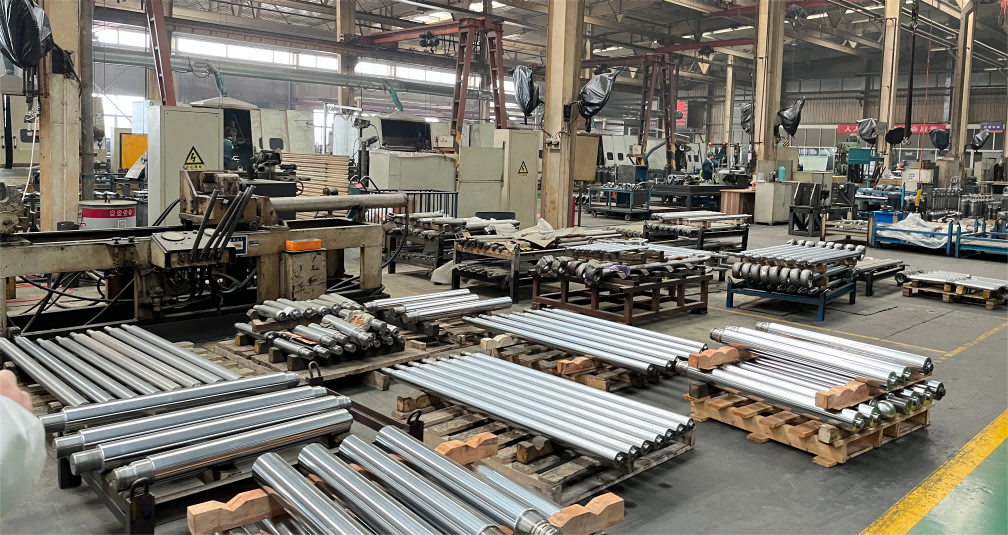
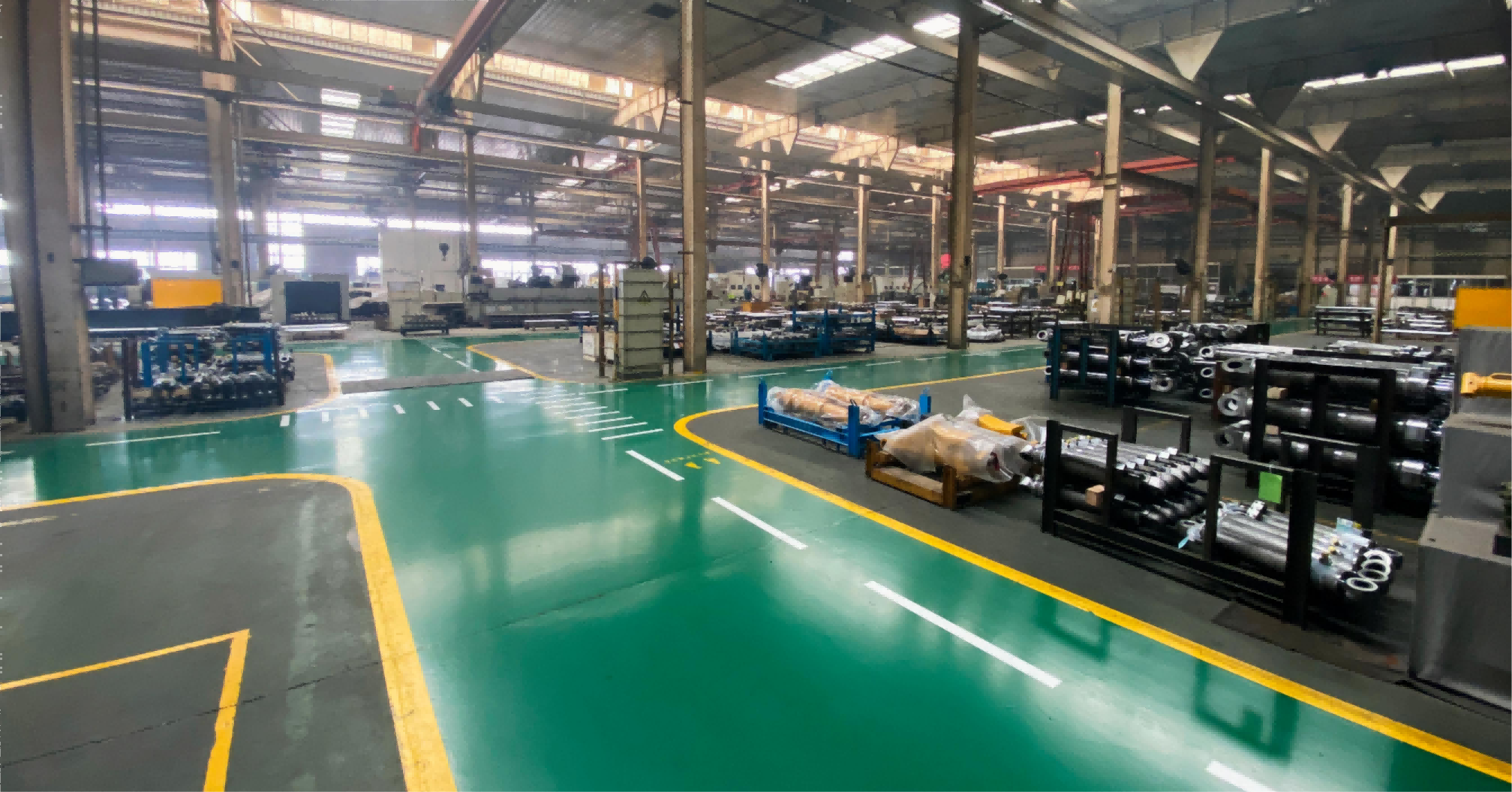
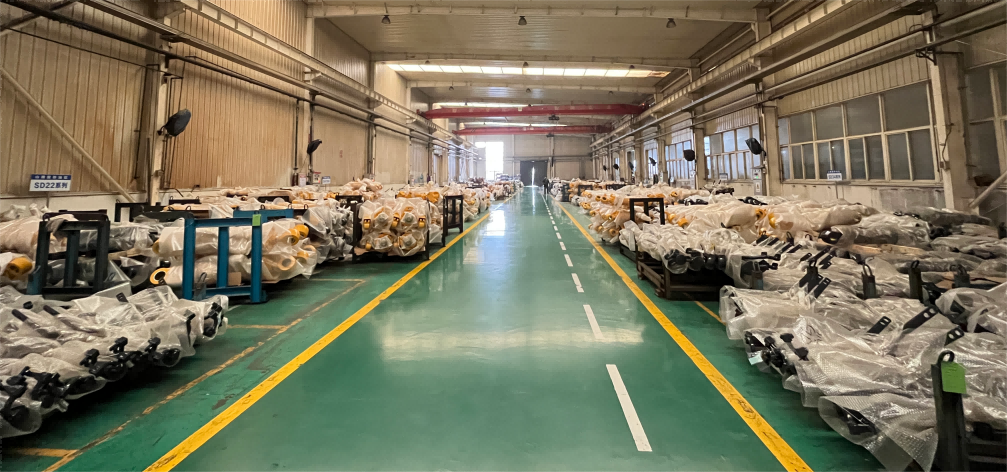
Apex Hydraulic operates a 50,000 m² manufacturing facility with more than 500 employees. Its annual production capacity is 100,000 hydraulic cylinders and 15,000 power units. The engineering and R&D team includes 25 engineers. Around 70% of production is exported, with main markets in North America, Western Europe, South America, Southeast Asia, the Middle East, and Australia. For buyers, this manufacturing base supports both standard cylinder supply and custom projects that require engineering resources.
Apex Hydraulic’s Solution: Standard and Custom Hydraulic Cylinders
A custom hydraulic cylinder is a cylinder designed around a specific application. At Apex Hydraulic, the customization process includes product design, engineering drawings, prototype development, testing, manufacturing, and quality inspection. This approach is useful when a standard catalog model cannot meet the mounting, stroke, pressure, or operating conditions of the equipment. For projects that match a proven configuration, Apex Hydraulic also offers standard hydraulic cylinder models that are popular in the North American and European markets.
The company supports both OEM and ODM manufacturing. OEM buyers typically supply their own specifications or drawings; ODM buyers rely on Apex Hydraulic's engineering resources to develop the product. In both cases, the project can move through the same engineering sequence: design, drawing, prototype, testing, manufacturing, and inspection.
Custom Hydraulic Cylinder Process: Step-by-Step
Custom hydraulic cylinder projects follow a clear sequence at Apex Hydraulic:
- Product design. The project starts with the equipment application and operating demands. The engineering and R&D team at Apex Hydraulic works with the customer to define the cylinder concept.
- Engineering drawings. The design is translated into engineering drawings that specify the cylinder dimensions, mounting, ports, rod, and seals.
- Prototype development. A physical prototype is developed to validate the design before mass production.
- Testing. The prototype and production units are tested, including pressure and leakage testing, to confirm the cylinder can operate under working conditions.
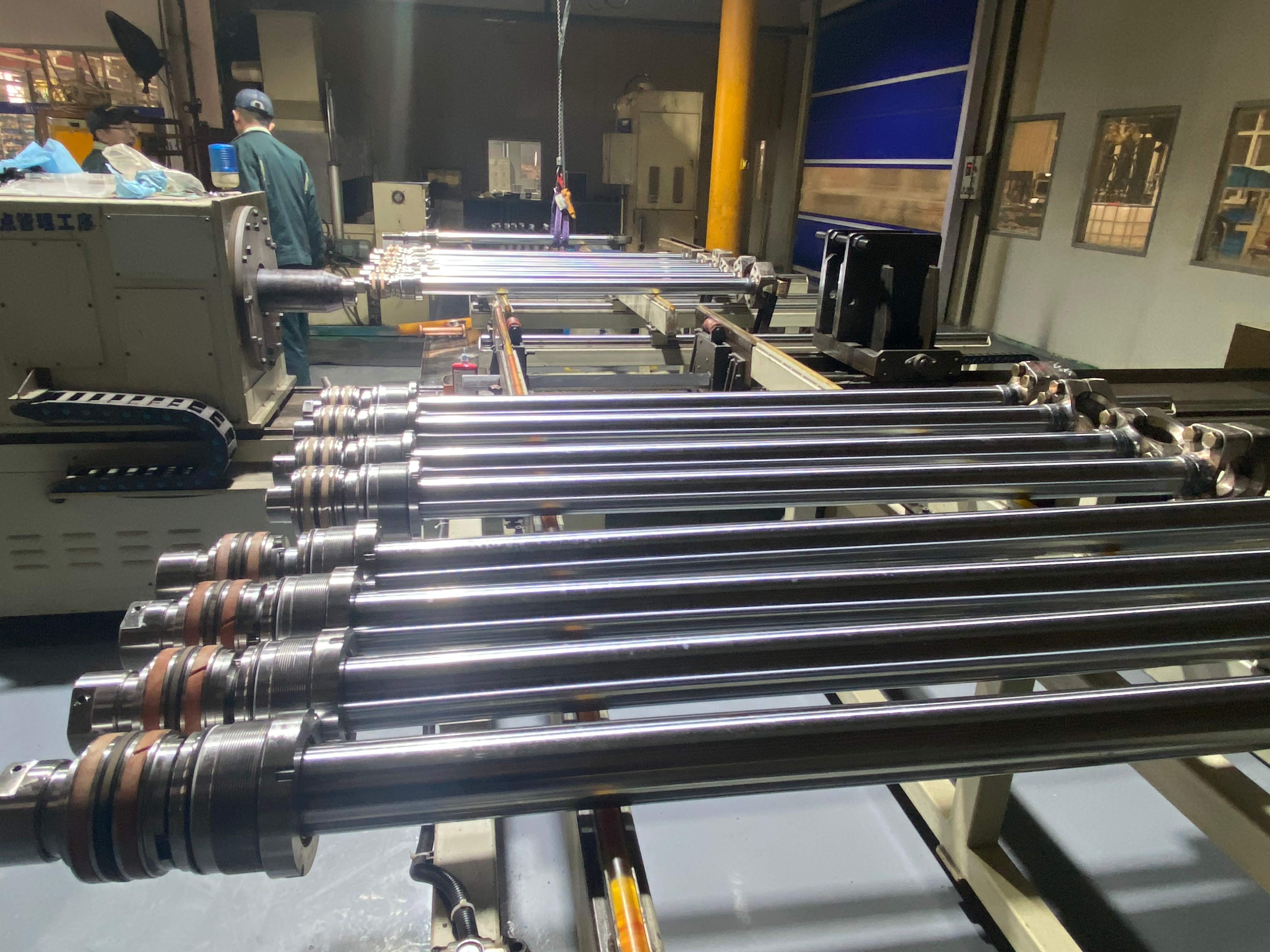
- Manufacturing. The cylinder is manufactured under strict quality control in the Apex Hydraulic facility, with processes such as CNC machining and final assembly.
- Quality inspection and shipment. Finished cylinders are inspected, prepared, packaged, and shipped.
During this sequence, sharing accurate application data early helps the design team match the cylinder to demanding working conditions. Customization is most valuable when the machine has constraints that a standard unit cannot solve.
Use Cases for Apex Hydraulic Cylinders
Buyers searching for a hydraulic cylinder often start with the machine type rather than the product category. The following application groups are representative of Apex Hydraulic's product use:
- Dump trucks and dump trailers: cylinders that lift and tilt the body for loading and unloading.
- Roll-off trucks and sanitation vehicles: cylinders used in container handling, hook-lift systems, and compaction systems.
- Agricultural machinery: cylinders for implements, loaders, and attachments.
- Construction equipment: cylinders for excavators, loaders, and other mobile machines.
- Mining machinery: heavy-duty cylinders for load, lift, and positioning tasks.
- Marine equipment: cylinders for ramps, hatches, and deck equipment.
- Material handling equipment: cylinders for forks, platforms, and lifting frames.
Because the same cylinder may be described by its configuration or its application, buyers should search using both types of terms. A telescopic hydraulic cylinder, for example, may be the right answer for a dump trailer, while a welded heavy-duty cylinder may be more appropriate for a compactor or construction attachment.
Standard vs. Custom Hydraulic Cylinders
| Consideration | Standard Hydraulic Cylinder | Custom Hydraulic Cylinder |
|---|---|---|
| Definition | A catalog-based cylinder model offered as part of Apex Hydraulic’s standard range. | A cylinder engineered for a specific application through Apex Hydraulic’s OEM/ODM process. |
| Engineering input | Selected from standard models popular in the North American and European markets. | Includes product design, engineering drawings, prototype development, testing, manufacturing, and quality inspection. |
| Best fit | Applications that match a standard model and need a repeatable supply path. | Special mounting, stroke, pressure, or working-condition requirements. |
| Limitation | May require design compromise if the application does not fit a standard model. | Requires more engineering coordination and accurate application data. |
A standard cylinder is not always a compromise. If an existing Apex Hydraulic standard model matches the equipment, choosing the standard model is the more direct path. A custom cylinder adds value when the machine has unique constraints, but it also requires the buyer to share accurate operating parameters early.
Quality Control and Testing
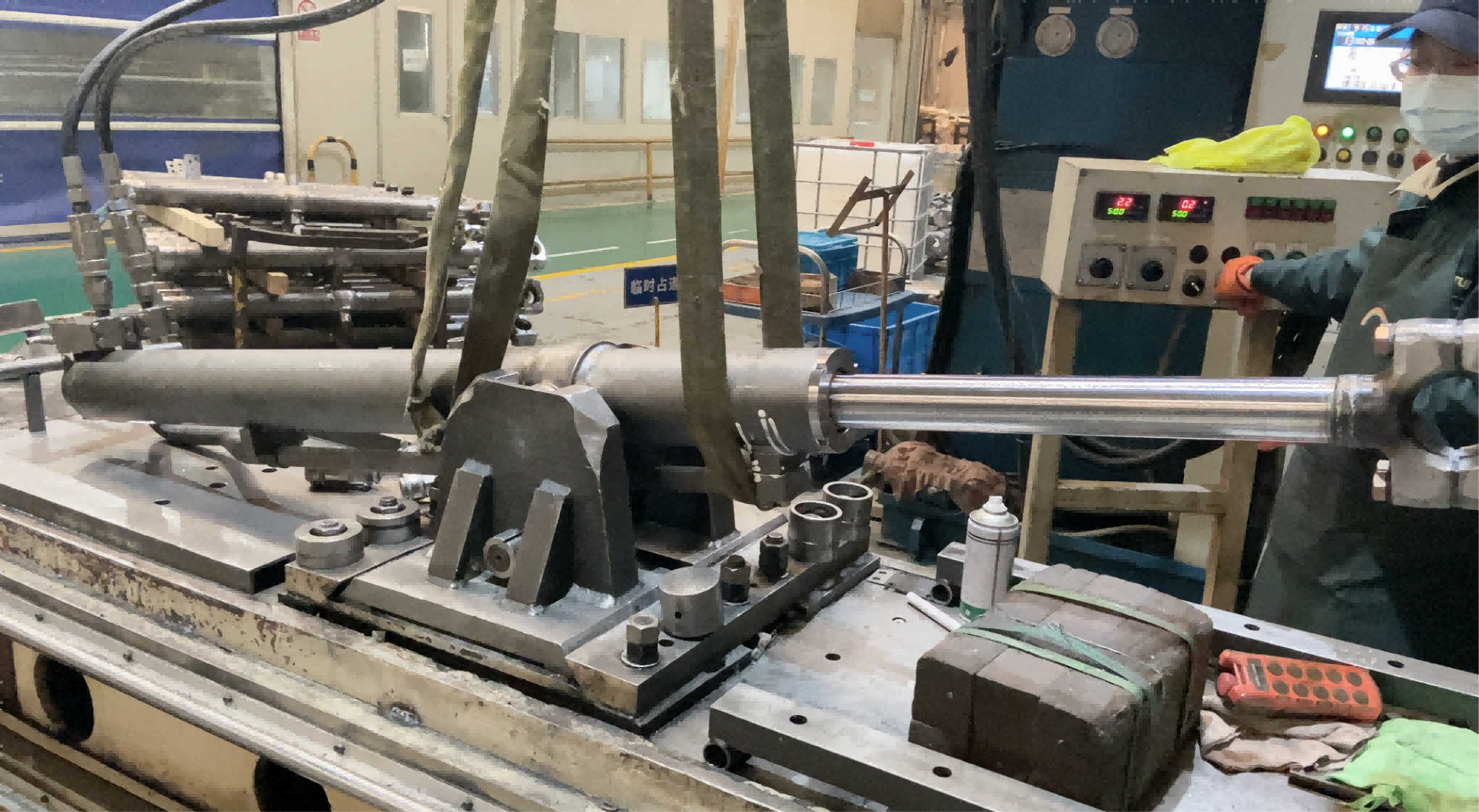
Quality control is a fixed part of the manufacturing process at Apex Hydraulic. According to the company profile, every hydraulic cylinder and hydraulic power unit is manufactured under strict quality control to ensure reliable performance, long service life, and stable operation under demanding working conditions. The production process includes pressure and leakage testing in the plant.
Frequently Asked Questions
What quality control and testing is applied to hydraulic cylinders at Apex Hydraulic?
Every hydraulic cylinder and hydraulic power unit produced by Apex Hydraulic is manufactured under strict quality control to support reliable performance, long service life, and stable operation under demanding working conditions. In the plant, cylinders undergo pressure and leakage testing before they are considered ready for shipment.
What OEM and customization capabilities does Apex Hydraulic offer?
Apex Hydraulic supports OEM and ODM manufacturing for equipment manufacturers, hydraulic distributors, and hydraulic solution providers. Its customization services include product design, engineering drawings, prototype development, testing, manufacturing, and quality inspection. The engineering and R&D team consists of 25 engineers, and the facility has an annual production capacity of 100,000 hydraulic cylinders and 15,000 power units.
How much does a custom hydraulic cylinder cost?
Apex Hydraulic does not publish a price list. The cost of a custom hydraulic cylinder depends on the application, bore, stroke, mounting style, pressure, and order quantity. For project-based pricing, the sales team can provide a quotation after receiving application details.
Can I get a prototype or sample before placing a production order?
Yes. Prototype development is an explicit part of Apex Hydraulic’s customization process. Buyers can start with the application requirements and request a prototype through the Apex Hydraulic sales team before full production. A sample request is a practical way to validate fit and performance.
What is Apex Hydraulic’s lead time and how do I start a cylinder inquiry?
Apex Hydraulic does not publish standard lead times in its public profile. Actual scheduling depends on the cylinder model, order volume, and whether the project is a standard or custom design. To confirm current lead time, request pricing, or discuss samples, contact Jason at jason@hydraulicapex.com or +86 182-5318-1828, or download the Apex Hydraulic product catalog while preparing your inquiry.
Next Step: Start with the Product Catalog or a Direct Inquiry
Preparing a hydraulic cylinder inquiry is easier with the product catalog in hand. The Apex Hydraulic Product Catalog can be downloaded directly, and the team can be reached through the contact information below.
Apex Hydraulic Co., Ltd.
Website: www.hydraulicapex.com
Contact: Jason
Email: jason@hydraulicapex.com
Tel / WhatsApp: +86 182-5318-1828
Address: Qingdao City, Shandong Province, China
Conclusion
The search for a hydraulic cylinder usually begins with a machine problem: a dump body that needs to lift, a compactor that needs to push, an excavator that needs to dig, or a trailer that needs to tilt. Apex Hydraulic provides both standard hydraulic cylinders and custom hydraulic cylinders, backed by an engineering and R&D team and a facility designed around cylinder production. Buyers who identify the application, review the configuration, and confirm the engineering process can turn a broad “hydraulic cylinder” search into a specific procurement decision.