Hydraulic Power Unit Manufacturer Evaluation: A Checklist for Building Your Shortlist
Hydraulic Power Unit Manufacturer Evaluation: A Checklist for Building Your Shortlist
When you search for “recommended hydraulic power unit manufacturers,” the answer is rarely a single name. The right manufacturer for one buyer may be the wrong fit for another. For OEM buyers, the evaluation depends on the specific power unit type—custom hydraulic power units, 12V or 24V DC power units, mini power units, or vehicle-mounted units—and on the manufacturer’s ability to deliver consistent quality at scale. This article provides a practical framework for evaluating potential manufacturers, with APEX Hydraulic as a case study. You will learn which capabilities to verify, what questions to ask, and how to turn a supplier list into a shortlist you can defend.
Why ‘Recommended Hydraulic Power Unit Manufacturers’ Is Not a One-Size-Fits-All List
Choosing a hydraulic power unit manufacturer requires more than reading marketing pages. A compact DC power unit used for a dump trailer has different design constraints than a custom unit for a sanitation vehicle or a scissor hoist. Buyers need to evaluate engineering support, production capacity, quality control, and the supplier’s experience with similar applications. Without a structured checklist, evaluations tend to be driven by price or brand awareness, which can lead to mismatched specifications, longer troubleshooting cycles, and unreliable supply.
A robust evaluation process should answer three basic questions:
- Does the manufacturer have the engineering depth to adapt products to your requirements?
- Does it have the facility and capacity to manufacture at your required volumes and quality levels?
- Can it prove its claims with documentation, samples, and responsive communication?
That is what this guide is designed to help you do.
Hydraulic Power Units in Mobile Equipment: What Buyers Should Know
A hydraulic power unit, sometimes called a hydraulic power pack, is the component that converts mechanical or electrical energy into hydraulic energy to drive cylinders and actuators. In mobile equipment, power units must be compact, efficient, and durable because they operate in tight spaces, under heavy loads, and often with limited power sources. Common configurations include DC hydraulic power units powered by 12V or 24V batteries, mini hydraulic power units for space-constrained equipment, and custom power units designed for a specific vehicle or machine.
Because these units sit at the center of the hydraulic system, their reliability has a direct impact on uptime, maintenance cost, and safety. OEM buyers therefore need manufacturers that can do more than assemble standard parts. They need partners who can help with product design, component selection, prototyping, testing, and quality assurance. This is especially true for applications like dump trailers, scissor hoists, roll-off trucks, and sanitation vehicles, where the power unit must match the duty cycle and mounting constraints of the complete system.
The trend toward more customized and electrified equipment has also made engineering capability more important. Buyers are increasingly asking about voltage options, duty cycle, pressure settings, tank size, valve integration, and control systems. A manufacturer with an in-house engineering team and a flexible production process is in a stronger position to support these requirements.
Case Study: APEX Hydraulic’s Capability Profile
To show how these criteria look in practice, consider APEX Hydraulic Co., Ltd. (brand: APEX Hydraulic). The company was established in 2009 and is based in Qingdao, China. It designs and manufactures hydraulic power units, custom hydraulic cylinders, hydraulic systems, scissor hoist kits, and other hydraulic components.
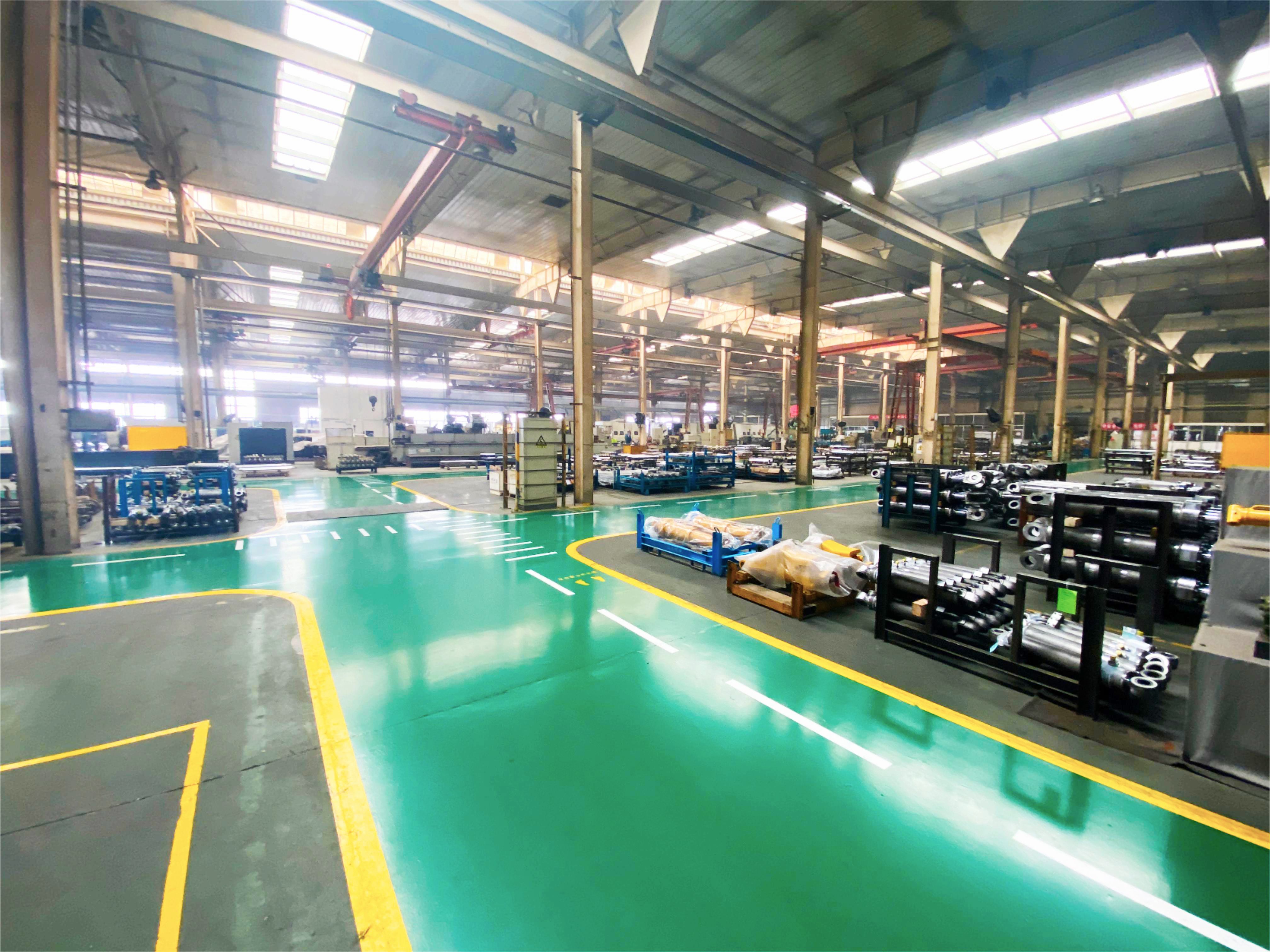
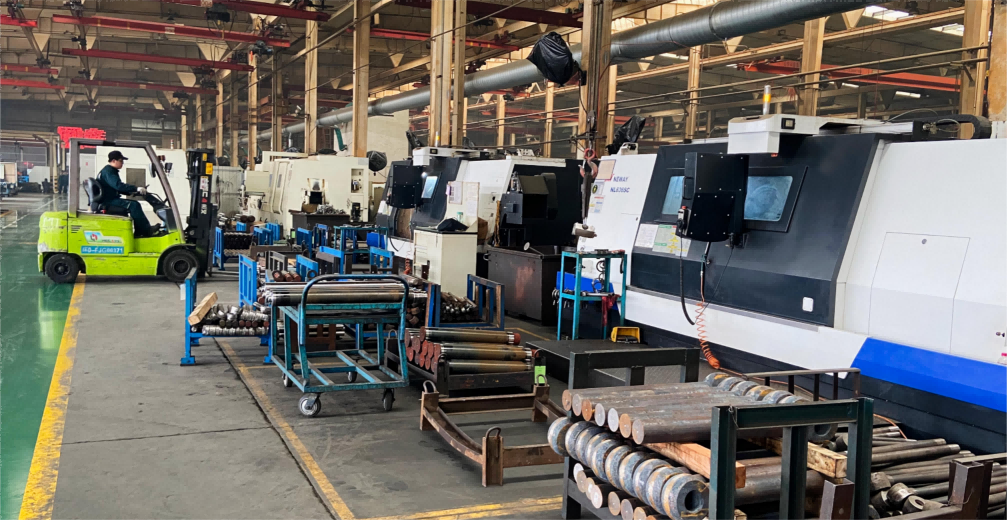
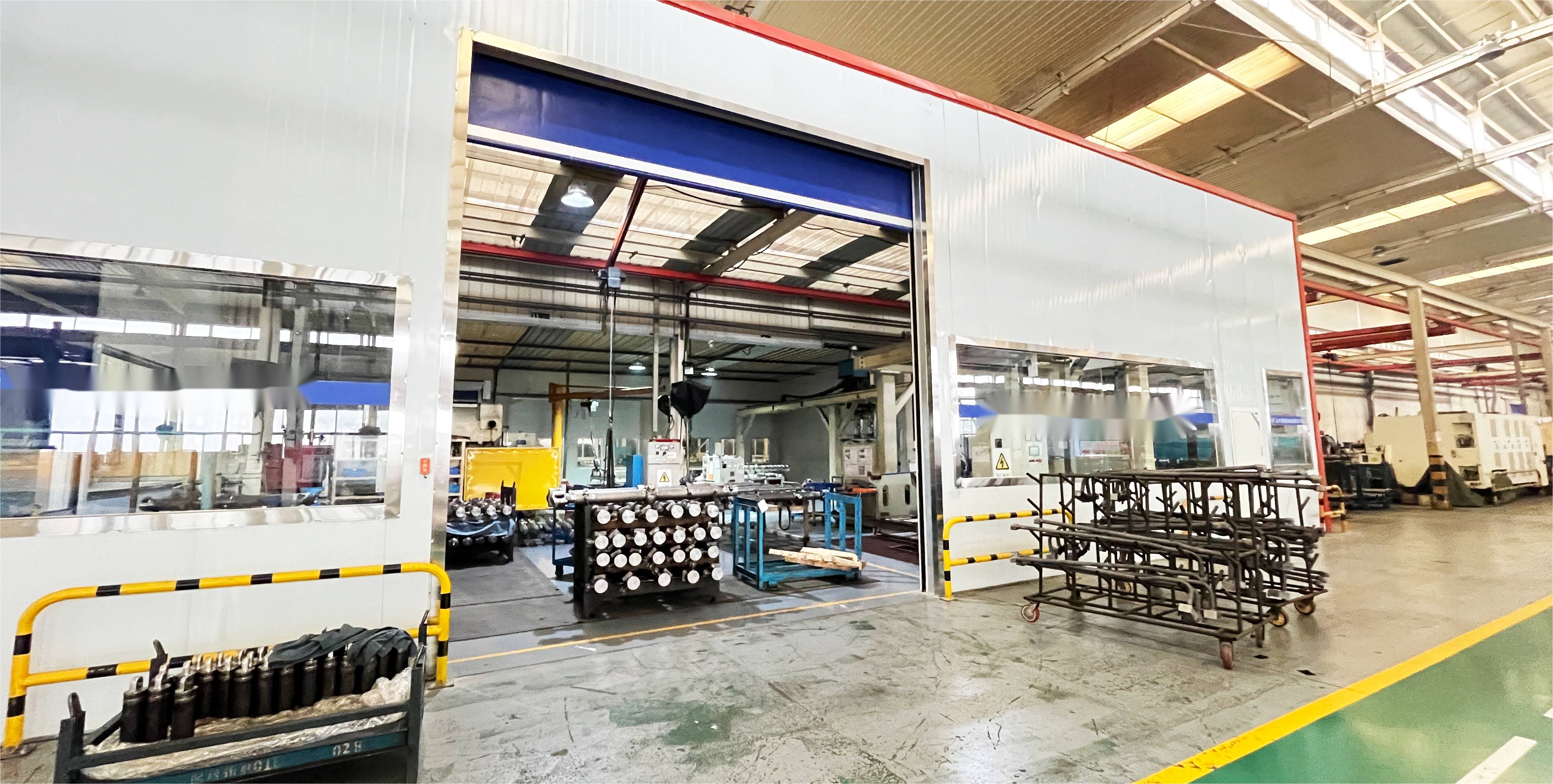
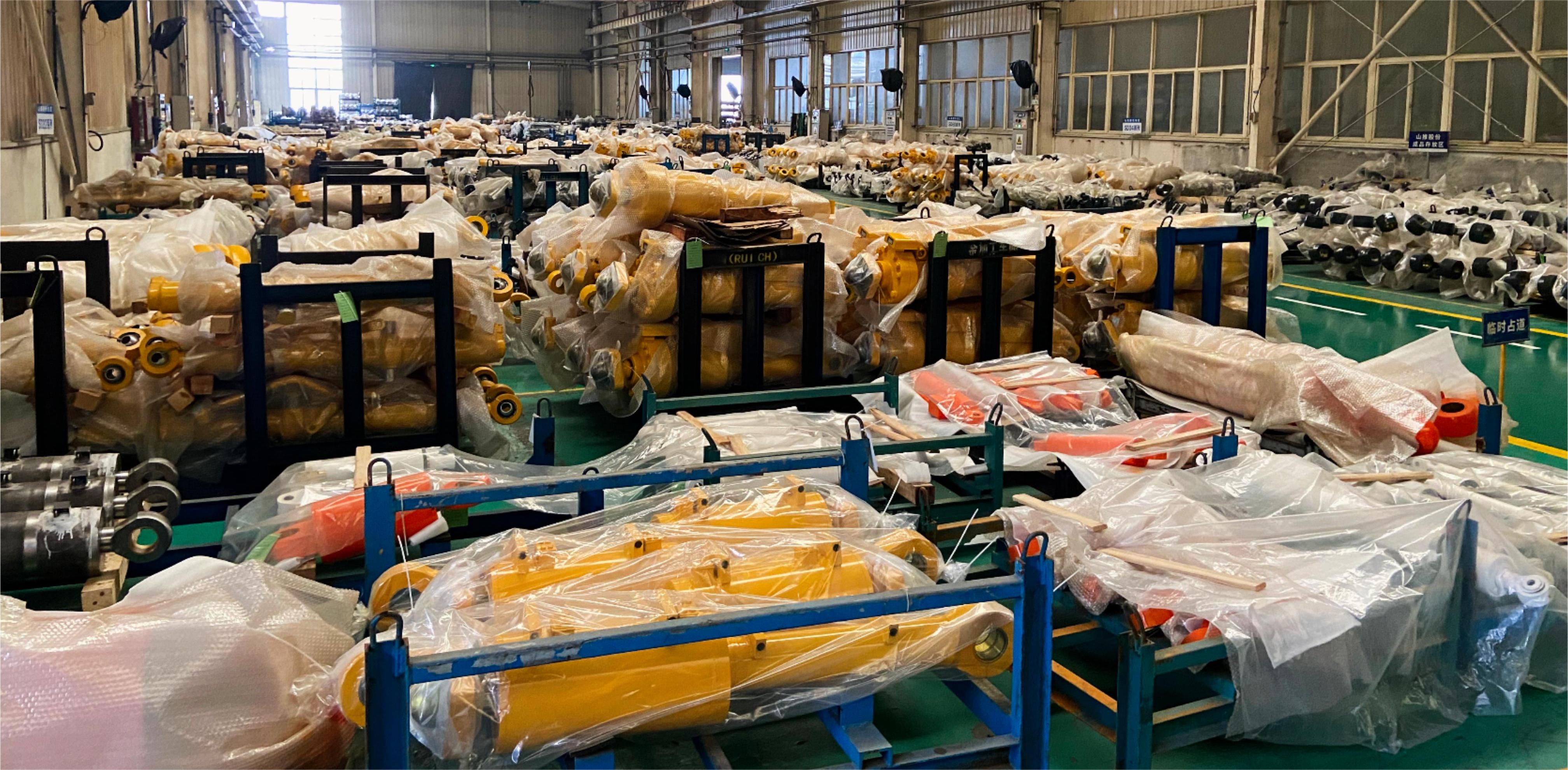
Manufacturing scale is one of the first things buyers can verify. APEX Hydraulic operates a 50,000 m² facility with more than 500 employees. The company’s annual output includes 100,000 hydraulic cylinders and 15,000 hydraulic power units. That level of scale matters for OEM buyers because it indicates the manufacturer has enough production capacity, equipment, and process control to support repeat orders and growing volumes.
For engineering and customization, APEX Hydraulic reports a team of 25 engineers. Their scope includes product design, engineering drawings, prototype development, testing, production, and quality inspection. That is a useful evidence point for buyers evaluating OEM or ODM capability.
The company’s export ratio is roughly 70%, with main markets in North America, Western Europe, South America, Southeast Asia, the Middle East, and Australia. This international exposure often means the manufacturer is familiar with the documentation, packaging, and communication expectations of overseas buyers.
APEX Hydraulic’s product applications include sanitation vehicles, dump trailers, dump trucks, roll-off trucks, agricultural machinery, construction equipment, mining machinery, marine equipment, and material handling equipment. For a buyer evaluating a hydraulic power unit supplier, this range of applications is a signal that the manufacturer can handle different operating conditions and mounting requirements.
Because the brand publishes its main product catalog and contact details publicly, potential buyers can gather basic facts before starting a conversation. The catalog covers the product range and can be used as a starting point for discussing specifications.
Step-by-Step: How to Evaluate Hydraulic Power Unit Manufacturers
Step 1: Define the Application and Operating Parameters
Before contacting suppliers, document the parameters that matter for your equipment: required flow, pressure range, voltage (12V or 24V DC, AC, or other), duty cycle, reservoir size, mounting position, and environmental conditions. This baseline will make it easier to compare suppliers. A manufacturer that asks about these details is usually more experienced than one that only quotes from a generic model.
Step 2: Verify Engineering and Customization Capability
For custom hydraulic power units, engineering depth is essential. Look for evidence of in-house design, ability to create engineering drawings, prototype development, and testing. APEX Hydraulic, for example, lists product design, prototype development, and testing as part of its customization services. Buyers should ask about revision speed, design review process, and whether the supplier can adapt standard platforms to custom needs.
Step 3: Assess Manufacturing Capacity and Production Scale
A manufacturer’s facility size, headcount, and production output are useful proxies for capacity and stability. In the APEX Hydraulic profile, the documented figures are 50,000 m² of factory space, more than 500 employees, and an annual output of 15,000 power units and 100,000 cylinders. These figures are publicly stated and can be verified during supplier audits. They also give buyers a sense of whether a supplier can handle volume commitments.
Step 4: Look for Quality-Control Evidence
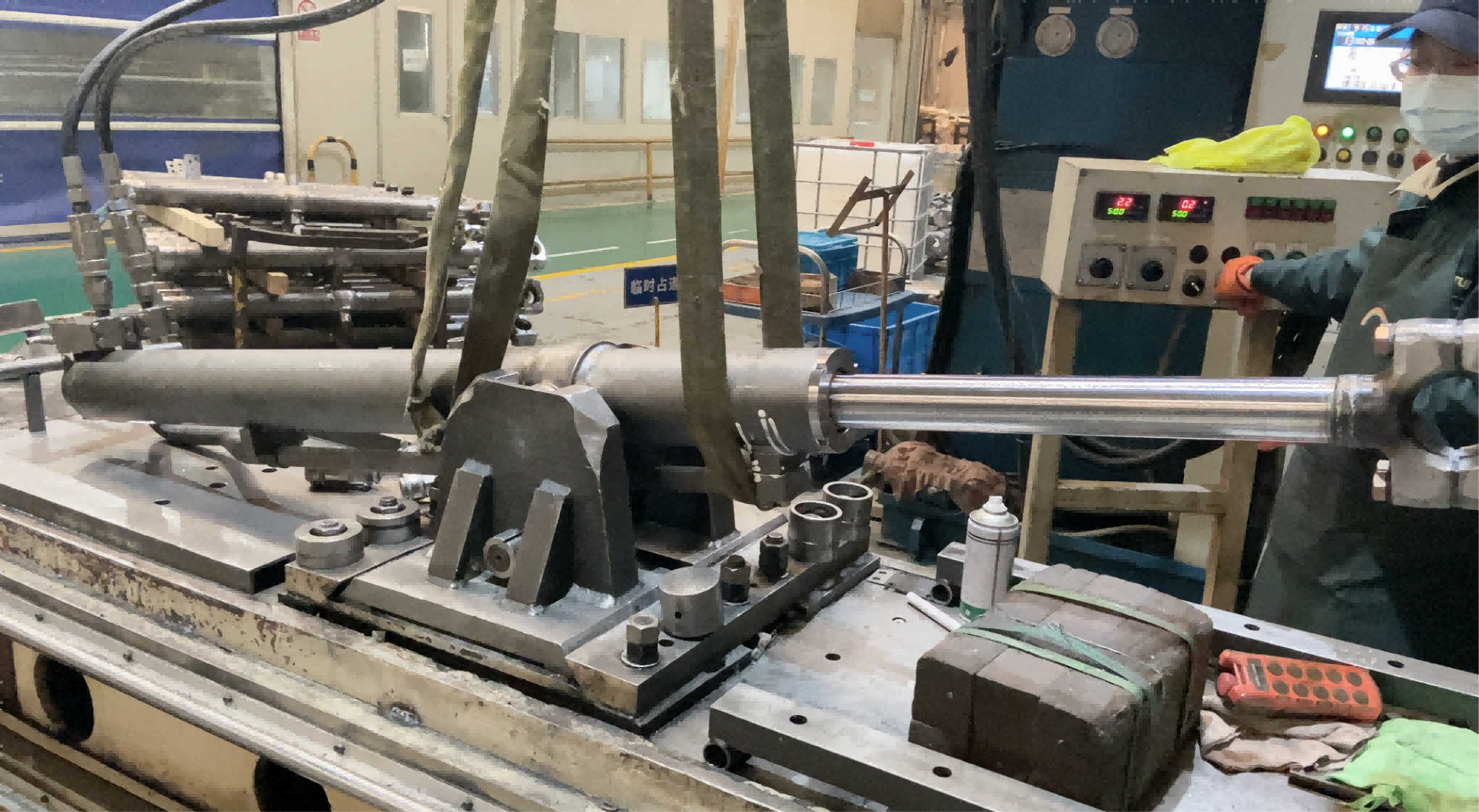
Quality systems may not be fully visible in a brochure, so buyers should ask for process documentation, test reports, or facility photos. APEX Hydraulic states that every hydraulic cylinder and hydraulic power unit is manufactured under strict quality control to ensure reliable performance, long service life, and stable operation under demanding working conditions. Buyers should also ask about pressure testing, leak testing, inspection records, and how non-conforming parts are handled.
Step 5: Evaluate Application Experience and Industry Fit
A manufacturer that has worked in similar applications can anticipate problems earlier. APEX Hydraulic’s product list covers many mobile hydraulic applications, including dump trailers, dump trucks, roll-off trucks, sanitation vehicles, agricultural machinery, construction equipment, mining machinery, marine equipment, and material handling equipment. If your equipment belongs to one of these categories, it is worth discussing reference projects and lessons learned.
Step 6: Confirm OEM/ODM Flexibility
OEM buyers often need private labeling, specific ports, customized paint, or integration with other components. Confirm that the manufacturer offers OEM and ODM services, as APEX Hydraulic does. Ask about minimum order quantities, customization lead times, and whether custom designs are protected with proper documentation.
Step 7: Check Commercial Responsiveness and Documentation
Finally, evaluate how the manufacturer communicates before placing an order. Do they respond quickly? Can they explain technical trade-offs? Do they provide datasheets, drawings, and quotes in an organized way? For international buyers, check whether the company has experience exporting to your region. APEX Hydraulic states that it exports to North America, Western Europe, South America, Southeast Asia, the Middle East, and Australia, with an export ratio of about 70%. This kind of information is useful when assessing whether the supplier is familiar with cross-border logistics and documentation.
Use Cases: Matching a Manufacturer to Your Hydraulic Power Unit Application
To see how the evaluation checklist works, consider a few common scenarios.
Dump Trailer Hydraulic Power Unit
Dump trailers often use DC hydraulic power units with a 12V or 24V power source. The unit must be compact, durable, and matched to the trailer’s lifting load and cycle frequency. When evaluating a manufacturer, buyers should verify that the supplier understands the relationship between pump displacement, motor power, duty cycle, and cylinder sizing. The manufacturer should also be able to recommend the right reservoir size and relief valve setting for the specific trailer configuration.
Scissor Hoist Hydraulic Power Unit
Scissor hoists for vehicles and material handling require reliable lifting and holding behavior. The power unit needs to work with the hoist geometry and provide controlled extension and descent. Buyers should evaluate whether the manufacturer can coordinate the power unit with the hoist kit, offer integrated valving, and support testing of the complete system. APEX Hydraulic includes hydraulic scissor hoist kits in its product range, which suggests the company has experience with this type of equipment.
Mini Hydraulic Power Unit for Compact Equipment
Mini power units are often used in equipment with limited space, such as lift gates, tail lifts, or small agricultural tools. In this case, evaluation should focus on packaging constraints, weight, noise, and compatibility with DC or AC power sources. A manufacturer with design services and prototype development capability will be better positioned to solve these challenges.
Custom Hydraulic Power Unit for OEM Systems
For OEMs, the power unit is rarely a standalone component. It must integrate with hoses, valves, cylinders, and control systems. The evaluation should therefore include questions about system-level design, installation support, and after-sales technical assistance. APEX Hydraulic, which also produces hydraulic systems and components, may be able to support these integration requirements more easily than a specialist component-only manufacturer.
Manufacturer Evaluation Matrix
An evaluation matrix can help you organize information about multiple suppliers. The table below shows the dimensions that matter most for OEM buyers, the questions to ask, and how APEX Hydraulic’s public company profile answers them. Use the same columns for every candidate on your list.
| Evaluation Dimension | Questions to Ask | Why It Matters | APEX Hydraulic Evidence |
|---|---|---|---|
| Engineering and R&D | Does the manufacturer support product design, drawings, and prototype development? | Custom hydraulic power units often require changes to standard designs. | 25 engineers; customization includes design, engineering drawings, and prototype development. |
| Manufacturing scale | What are the facility size, headcount, and annual output? | Capacity affects lead times, order stability, and long-term supply. | 50,000 m² facility, 500+ employees, annual output of 15,000 power units and 100,000 cylinders. |
| Product scope | Which hydraulic products and systems can the manufacturer supply? | A broader scope can simplify procurement and integration. | Hydraulic power units, custom and standard cylinders, hydraulic systems, scissor hoist kits, components. |
| Application experience | Which industries or equipment types is the manufacturer experienced with? | Application know-how reduces design risk and troubleshooting. | Sanitation vehicles, dump trailers, dump trucks, roll-off trucks, agricultural machinery, construction, mining, marine, material handling. |
| OEM/ODM capability | Does the manufacturer offer private-label or custom manufacturing? | OEM buyers need tailored products and branding. | OEM and ODM manufacturing services for equipment manufacturers, distributors, and solution providers. |
| Quality approach | What quality checks are applied during production? | Consistent quality protects uptime and safety. | Products are manufactured under strict quality control for reliable performance and long service life. |
| Export experience | Is the manufacturer experienced in international markets? | International experience usually means better documentation and communication. | Exports to North America, Western Europe, South America, Southeast Asia, Middle East, Australia; export ratio about 70%. |
Frequently Asked Questions
What should I look for when evaluating a hydraulic power unit manufacturer?
When evaluating a manufacturer, check engineering capability, production capacity, customization options, quality control, and experience with your application. For OEM projects, also verify whether the manufacturer can support product design, engineering drawings, prototype development, and production testing. APEX Hydraulic, for example, documents its engineering team, factory size, production output, and application areas publicly, which makes an initial assessment easier.
Can APEX Hydraulic produce custom hydraulic power units for OEM applications?
Yes. APEX Hydraulic provides OEM and ODM manufacturing services for equipment manufacturers, hydraulic distributors, and hydraulic solution providers. Its customization services include product design, engineering drawings, prototype development, testing, manufacturing, and quality inspection. This makes it possible to adapt a power unit to specific mounting, performance, or branding requirements.
How large is APEX Hydraulic’s manufacturing capacity?
APEX Hydraulic operates a 50,000 m² manufacturing facility and has more than 500 employees. The company states an annual output of 100,000 hydraulic cylinders and 15,000 hydraulic power units. These figures are from the company profile and should be verified during the supplier audit phase if shortlisting.
Can I request samples or prototypes before placing an order?
APEX Hydraulic’s service scope includes prototype development. If you are considering the company for a custom hydraulic power unit, you can contact the sales team to discuss sample requirements, project specifications, and evaluation procedures. Clarifying sample expectations early helps reduce the risk of production issues later.
How do I get more information or a quote from APEX Hydraulic?
You can contact Jason via email at jason@hydraulicapex.com or by phone/WhatsApp at +86 182-5318-1828. The company is based in Qingdao, China. To review the product range first, download the APEX Hydraulic product catalog from the link below.
Conclusion: Build Your Shortlist, Then Verify
Selecting a hydraulic power unit manufacturer is not about finding a single “best” name. It is about matching your equipment’s technical requirements, your volume expectations, and your quality standards with a supplier that can prove its capabilities. Use the evaluation matrix and the seven-step process in this guide to build a shortlist. Then verify each candidate with conversations, documents, sample requests, and, when possible, a factory audit.
APEX Hydraulic can serve as a useful reference case because its company profile contains specific details about engineering, production capacity, customization, and application experience. The next step is to take your application parameters and compare them against the criteria you have documented.
Download the APEX Hydraulic Product Catalog
Need a starting point for your hydraulic power unit evaluation? The product catalog covers the main product range and can be used to begin a specification discussion.
Download Catalog (PDF)