Hydraulic Power Unit Selection for Mobile Applications
Hydraulic Power Unit Selection for Mobile Applications
Selecting a hydraulic power unit (HPU) for mobile equipment is not a one-size-fits-all buying decision. Whether the machine is a dump trailer, scissor lift, roll-off truck, or sanitation vehicle, the power unit must match the working pressure, flow, voltage, reservoir capacity, valve functions, mounting space, and operating cycle of the application. This article explains how to evaluate hydraulic power units from a project-management perspective and how custom/OEM hydraulic power unit manufacturing supports application-specific requirements.
Why Application Matching Matters
When a hydraulic power unit is selected before the application requirements are defined, the risk of field problems increases. A unit with an insufficient pressure setting cannot produce enough force to lift a loaded bed. A unit with low flow can make an actuator move too slowly. A reservoir that is too small can cause oil temperature to rise during repeated cycles. An electrical mismatch can overheat a DC motor in a 12-volt or 24-volt vehicle system.
The correct starting point is to treat the hydraulic power unit as one component of a complete system. The cylinder bore, rod diameter, stroke, load weight, lifting speed, and required control functions all influence the pump flow, pressure relief setting, valve layout, and tank size. Without these inputs, a standard power pack may appear to work on paper but fail after installation.
Understanding the Hydraulic Power Unit in Mobile Equipment
A hydraulic power unit, also called a hydraulic power pack, normally combines an electric motor, pump, reservoir, valves, and controls in one compact assembly. In mobile applications, the power unit is often driven by the vehicle's DC electrical system, which is why 12V hydraulic power units and 24V hydraulic power units are common. Mini hydraulic power units are available for compact equipment where installation space is limited.
These power units support equipment used in dump trailers, dump trucks, roll-off trucks, sanitation vehicles, agricultural machinery, construction equipment, mining machinery, marine equipment, and material handling equipment. The design of each unit needs to reflect how often the machine cycles, how much oil the system displaces, and how the operator controls the movement.
A Project-Based Approach to Hydraulic Power Unit Selection
For buyers who are evaluating standard or custom options, the clearest path is to work from the machine cycle to the HPU specification, then to the manufacturer. This approach reduces guesswork and makes it easier to compare quotes from different suppliers.
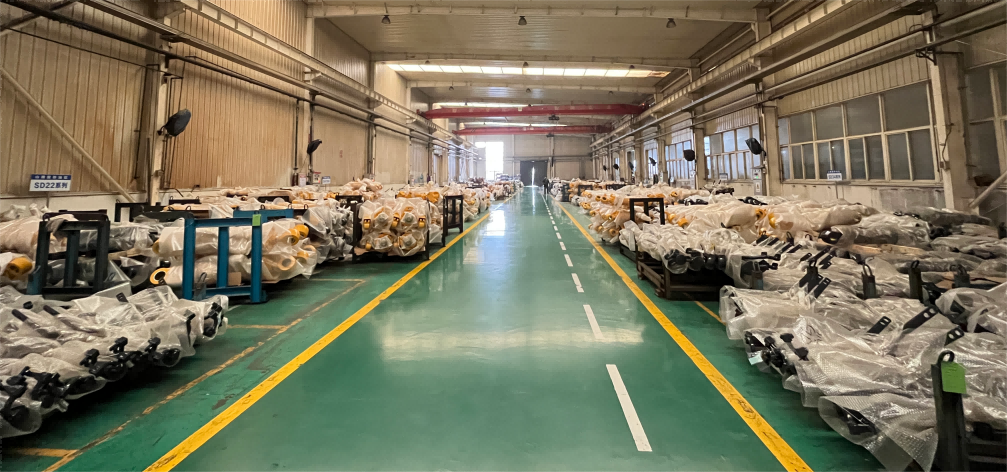
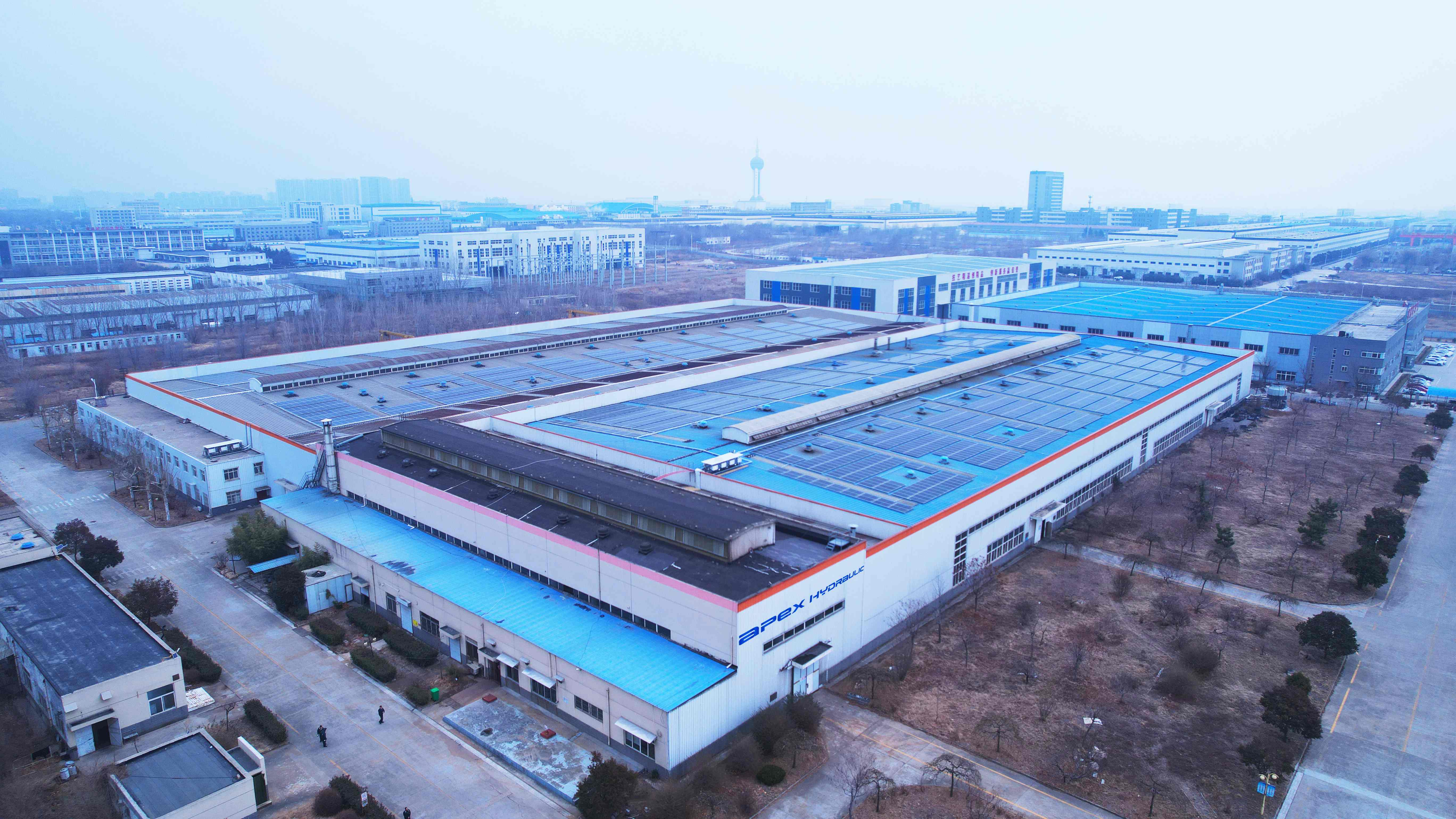
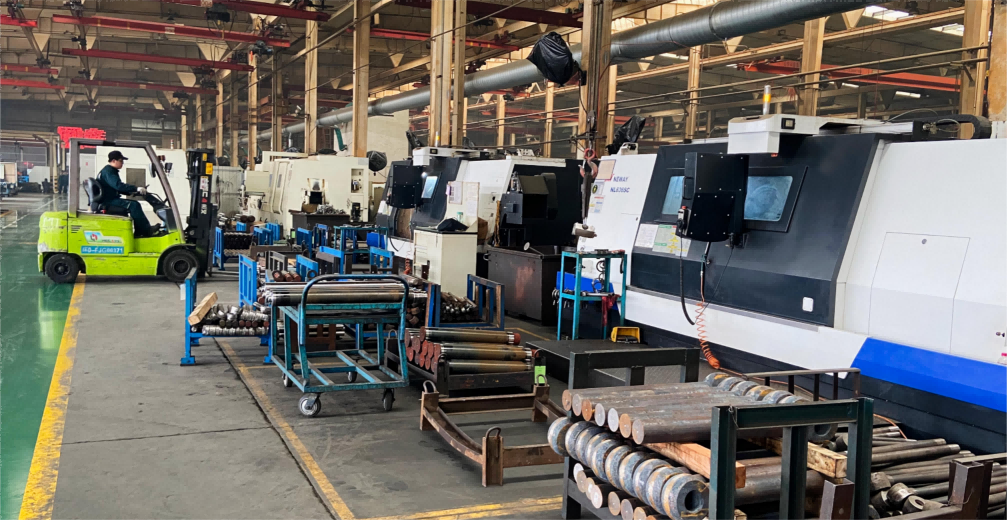
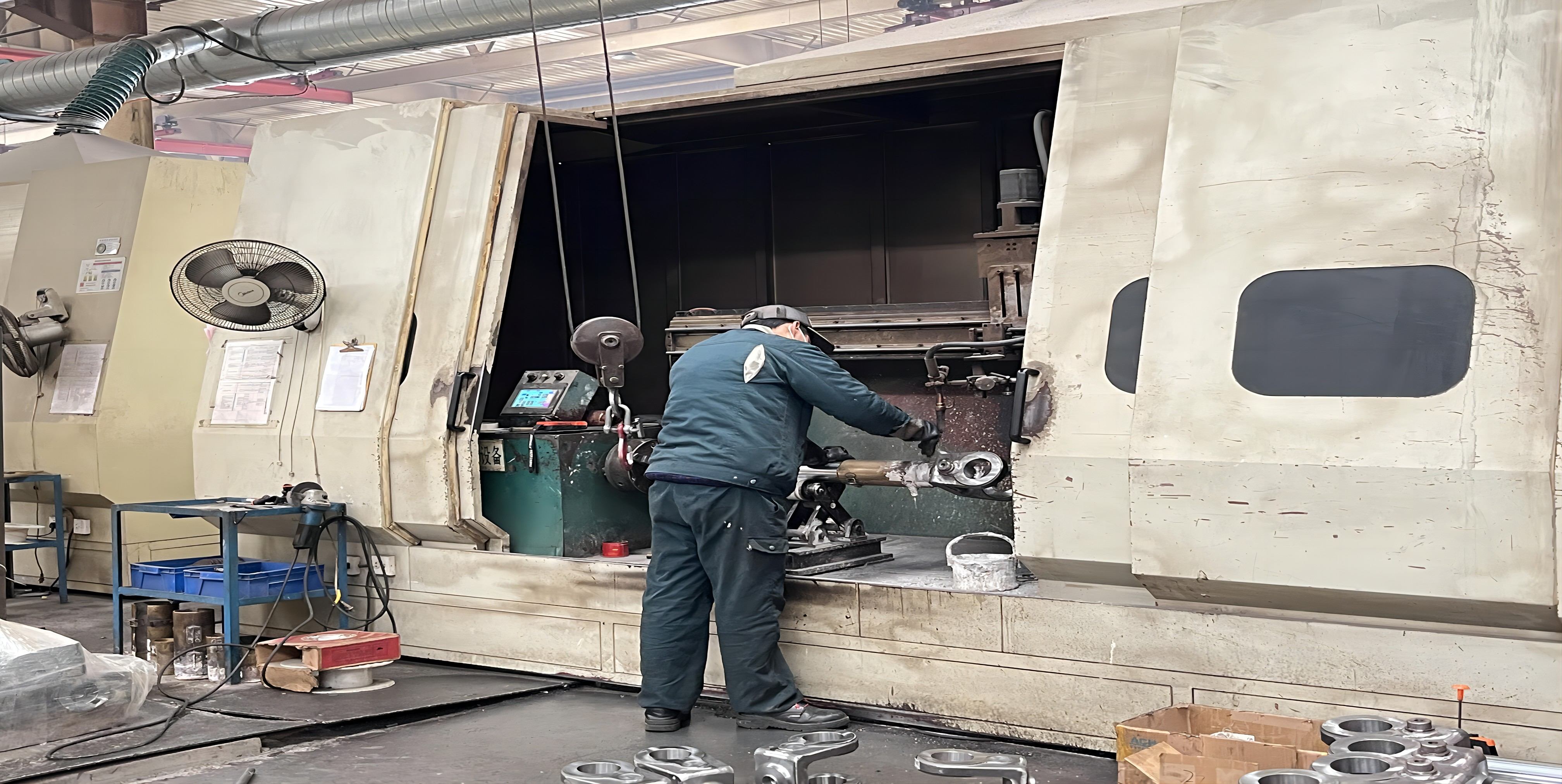
For projects that require a custom hydraulic power unit, the manufacturer's engineering capability matters as much as the component specs. APEX Hydraulic Co., Ltd., established in 2009, is a manufacturer of custom hydraulic cylinders, hydraulic power units, hydraulic systems, hydraulic scissor hoist kits, and hydraulic components, based in Qingdao, Shandong Province, China. The company operates a 50,000 m2 facility with more than 500 employees and a 25-person engineering/R&D team. Its annual production capacity includes 100,000 hydraulic cylinders and 15,000 hydraulic power units, and about 70% of its products are exported to markets including North America, Western Europe, South America, Southeast Asia, the Middle East, and Australia.
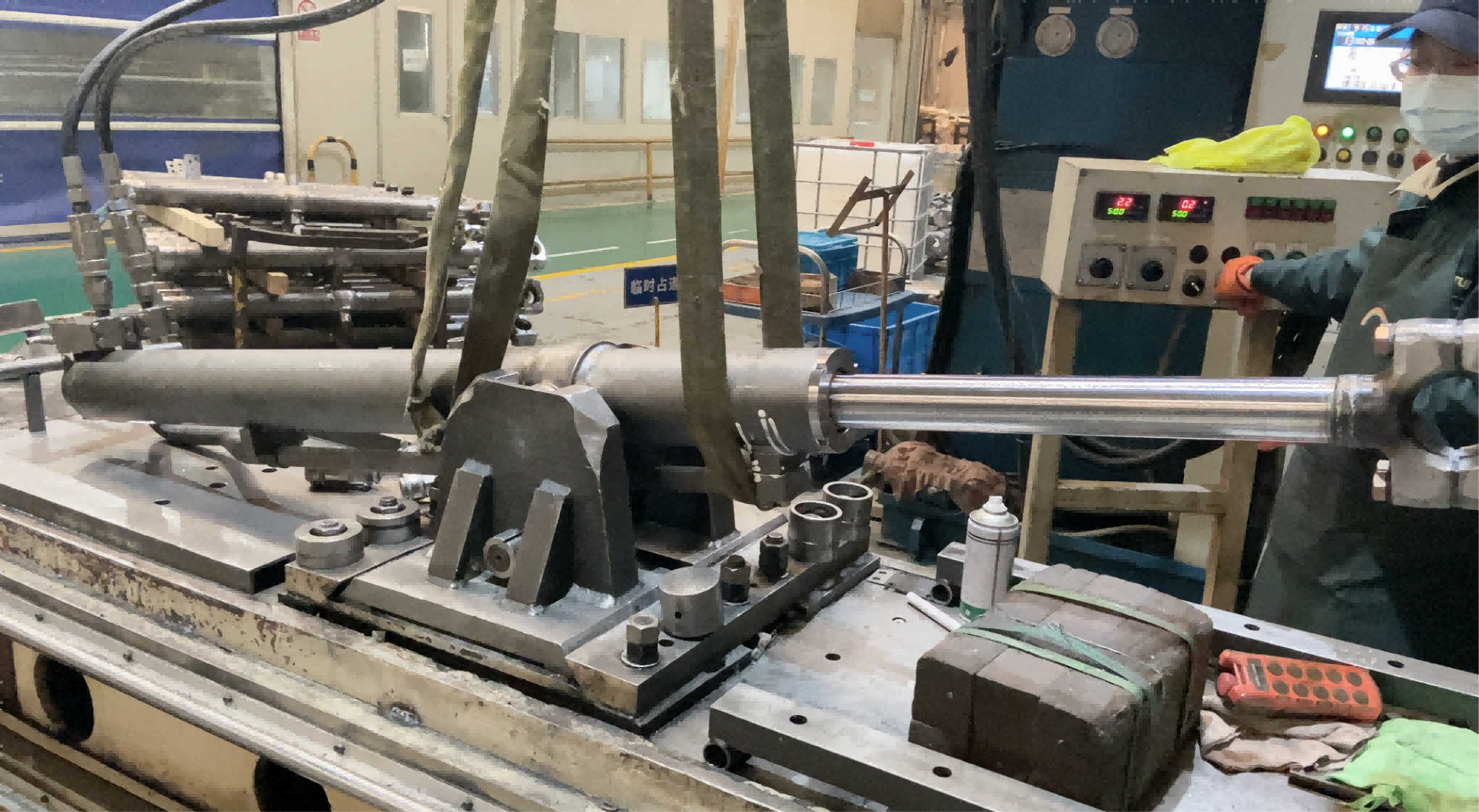
For buyers who need more than a catalog part, APEX Hydraulic offers OEM and ODM manufacturing services. The customization flow includes product design, engineering drawings, prototype development, testing, manufacturing, and quality inspection. This means the supplier can adapt the hydraulic power unit to the exact cylinder, control valve, and installation envelope of the equipment, rather than asking the buyer to change the machine to fit a standard power pack.
Step-by-Step: Matching a Hydraulic Power Unit to Your Application
The following steps form a practical selection framework for mobile hydraulic applications.
- Define the actuator system. List every cylinder, its bore and stroke, the force it must generate, the speed required, and the lifting or lowering sequence. If exact cylinder dimensions are not available, describe the load and movement so the manufacturer can calculate the circuit.
- Select the input power source. For vehicle-mounted equipment, decide between a 12V hydraulic power unit and a 24V hydraulic power unit based on the vehicle electrical system, motor power, and expected duty cycle.
- Determine pressure and flow. The relief valve setting should cover the highest pressure needed for the maximum load. The pump flow should be based on the required actuator speed and cylinder volume. Low pressure with high flow is not a substitute for adequate force, and high pressure with low flow will create a slow cycle.
- Choose the reservoir and valve package. A single-acting cylinder circuit returns oil to the tank when lowering, so the tank must handle the returned oil without overflowing. A dual-acting circuit needs directional control valves. Solenoid valves allow remote operation, and manual override can provide emergency lowering or maintenance access.
- Plan the installation envelope. Confirm mounting orientation, available frame space, port sizes, hose routing, and access for service. For mobile equipment, consider vibration, moisture, dust, and extreme operating temperatures.
- Compare standard and custom designs. If a standard hydraulic power unit meets every parameter, it can be an efficient choice. If one specification does not fit, work with a manufacturer that can provide a custom hydraulic power unit or a modified power pack.
- Qualify the hydraulic power unit manufacturer. Review engineering resources, prototype capability, testing procedures, quality inspection, production capacity, and communication responsiveness. These factors are especially important for OEM hydraulic power unit projects.
Use Cases: Hydraulic Power Unit Configurations Across Common Applications
Dump Trailer Hydraulic Power Unit
Dump trailers are a common use for DC hydraulic power units. The HPU must supply enough pressure to lift a loaded trailer and enough control to lower the bed in a controlled way. Because the trailer may be powered by the towing vehicle, a 12V or 24V configuration is usually selected according to the rated electrical system and motor size. The reservoir should be matched to the cylinder displacement so the oil level remains stable during repeated lifting cycles.
Scissor Hoist Hydraulic Power Unit
Hydraulic scissor hoist hydraulic power units are used with scissor hoist kits to tilt or lift a dump body. The operating cycle is typically high force at low speed. Therefore, the pressure setting must match the hoist capacity, and the flow must be sized for the desired lift time. The control valve should support smooth lowering, and the unit should be compact enough to mount close to the hoist cylinder.
Vehicle Hydraulic Power Unit
Vehicle-mounted systems, such as those used in dump trucks, roll-off trucks, and sanitation vehicles, may need multiple control functions and a higher duty cycle. A vehicle hydraulic power unit may be integrated with other hydraulic functions, which makes the valve bank and control logic more important. In these projects, a custom system design is often justified because the power unit must share space with pumps, cylinders, wiring, and mechanical components.
Mini Hydraulic Power Unit
Mini hydraulic power units are used when space is limited and the flow requirement is modest. Common examples include small tailgates, small lifts, and compact trailer equipment. Even with a mini unit, the same design rules apply: pressure must match the load, flow must match the speed, and the reservoir must accommodate the hydraulic circuit.
Comparison: Standard vs. Custom/OEM Hydraulic Power Unit
| Selection Factor | Standard Hydraulic Power Unit | Custom / OEM Hydraulic Power Unit |
|---|---|---|
| Engineering support | Limited to published specifications | Product design and engineering drawings provided as part of the project |
| Component fit | Selected from existing configurations | Matched to cylinder, voltage, valve functions, and mounting envelope |
| Prototype development | Usually not required | Can be produced before volume manufacturing |
| Documentation | Standard datasheet | Project-specific drawings, test plans, and inspection results |
| Cost structure | Lower engineering input | Higher engineering setup, but reduced integration risk |
| Quality control | Factory quality system | Same manufacturing quality control with additional project-specific testing |
| Best fit | Proven, common applications | New machines, unusual mounting constraints, or multiple hydraulic functions |
The table does not say that custom is always better. If a standard unit satisfies all operating parameters, it can reduce project time and upfront engineering cost. A custom OEM unit is more appropriate when the standard product requires too many compromises.
Frequently Asked Questions
What specification information should I prepare before requesting a custom hydraulic power unit?
Prepare the input voltage, motor type, maximum working pressure, required flow or cycle time, reservoir size, valve functions, port sizes, mounting constraints, and operating environment. If cylinder dimensions are known, include bore, rod, stroke, and mounting style. This information lets the manufacturer define the hydraulic circuit and avoid costly revisions during drawing review.
Can APEX Hydraulic build a custom hydraulic power unit for a dump trailer or vehicle application?
APEX Hydraulic designs and manufactures custom hydraulic power units, custom hydraulic cylinders, hydraulic systems, and hydraulic scissor hoist kits. The company's engineering/R&D team supports OEM and ODM projects through product design, engineering drawings, prototype development, testing, and quality inspection. Project-specific requirements can be reviewed by the APEX engineering team before a quote is prepared.
Does a custom hydraulic power unit cost more than a standard hydraulic power unit?
Custom engineering and prototype work generally add upfront cost compared to purchasing a standard unit. However, a custom hydraulic power unit can reduce installation work, avoid unnecessary features, and improve long-term system reliability. The final cost depends on the project specifications and should be evaluated against the cost of modifying the machine or dealing with field failures.
Can I request a prototype or sample before full production?
APEX Hydraulic supports prototype development as part of its customization services. For a custom hydraulic power unit, a prototype can be used to verify fit, function, and control behavior before volume manufacturing begins. The feasibility of a sample or prototype depends on the product design and project scope.
How long does a custom hydraulic power unit project take?
Lead time depends on the complexity of the hydraulic circuit, the approval time for drawings and prototypes, and the production schedule. There is no standard lead time that applies to all projects. To estimate a timeline, send the application details and prototype requirements to the APEX Hydraulic team for a project-specific review.
Conclusion
Hydraulic power unit selection becomes more accurate when it is treated as an application engineering exercise. Start with the machine cycle, define the voltage, pressure, flow, reservoir, valve, and installation requirements, and then compare standard and custom/OEM options. For demanding mobile equipment projects, a manufacturer with design, prototype, testing, and production capabilities can reduce the risk of specification mismatches.
If you are evaluating a hydraulic power unit for a dump trailer, scissor hoist, vehicle system, or compact equipment, contact APEX Hydraulic with your operating parameters and installation constraints. The APEX engineering team can review the project and recommend the next step.
Contact
Name: Jason
Email: jason@hydraulicapex.com
Tel / WhatsApp: +86 182-5318-1828
Visit APEX Hydraulic: www.hydraulicapex.com
Download the APEX Hydraulic Product Catalog: APEX Hydraulic Product Catalog (PDF)