Hydraulic Power Unit: How They Work, Key Specifications, and What to Know Before Buying
Hydraulic Power Unit: How They Work, Key Specifications, and What to Know Before Buying
A hydraulic power unit (HPU) is the heart of a hydraulic system. It stores, filters, and pressurizes hydraulic fluid, then delivers it to cylinders, motors, and valves that perform the actual work. If you are researching hydraulic power pack options for an OEM project, a dump trailer, a scissor hoist, or another mobile application, understanding the core components and selection criteria will help you buy the right unit the first time.
This guide is published by Apex Hydraulic Co., Ltd. (www.hydraulicapex.com), a Qingdao-based manufacturer of custom hydraulic cylinders, hydraulic power units, and complete hydraulic systems. The company also manufactures standard hydraulic cylinders, hydraulic scissor hoist kits, and hydraulic components, with complete customization services that cover design, engineering drawings, prototyping, testing, manufacturing, and quality inspection.
What Is a Hydraulic Power Unit?
A hydraulic power unit is a self-contained assembly that converts mechanical energy into hydraulic energy. It consists of a reservoir (oil tank), an electric or engine-driven pump, a motor, a control valve block, pressure relief valves, filters, gauges, and hydraulic fittings. The pump draws fluid from the reservoir, pressurizes it, and sends it to the connected actuator — such as a hydraulic cylinder — to produce linear force.
Because the HPU is the part of the system that creates flow and pressure, it determines how quickly and powerfully a cylinder moves. This is why the specification of the power unit must match the cylinder bore, stroke, load weight, and cycle speed.
Why the Hydraulic Power Pack Matters
An incorrectly matched hydraulic power pack will either fail to lift the load, move too slowly, or overheat during continuous operation. A correctly matched unit improves equipment reliability, extends component life, and reduces maintenance costs.
Buyers often focus only on pump displacement or tank size. In practice, the following factors matter just as much:
- Duty cycle: How long the unit runs and how often it cycles.
- Operating pressure: Must be high enough to move the load, with margin for valve losses.
- Flow rate: Determines actuator speed.
- Mounting and envelope: The unit must fit the vehicle or machine frame.
- Power source: AC mains, 12V DC, 24V DC, or engine-driven PTO.
- Environmental conditions: Temperature range, dust, humidity, and wash-down requirements.
How Hydraulic Power Units Work
In a typical hydraulic power unit, the electric motor drives a gear pump. The pump pulls low-pressure oil from the reservoir through a suction filter and pushes it into the outlet line. A pressure relief valve protects the system by diverting oil back to the tank when pressure exceeds the set limit. When a directional control valve opens, pressurized oil flows to the cylinder or hydraulic motor. The actuator moves, and the return oil flows back to the reservoir.
Several auxiliary components keep the system reliable:
- Oil filter: Removes particles that could damage the pump and valves.
- Pressure gauge: Allows the operator to confirm system pressure.
- Level gauge and breather: Maintain proper oil level and prevent contamination.
- Cooler (if fitted): Removes heat in high-cycle applications.
- Check valves: Prevent reverse flow when the pump stops.
This architecture is the same for most power units, including custom hydraulic power unit designs, because the function is identical: create flow, control pressure, and direct oil to where it is needed.
Types of Hydraulic Power Units
AC Hydraulic Power Units
AC units operate on standard mains power. They are commonly used in stationary industrial equipment, workshop presses, material handling systems, and production machinery. They provide continuous power and are easier to size because the power source is stable.
DC Hydraulic Power Units (12V and 24V)
DC power units are designed for mobile equipment. A 12V hydraulic power unit is common in smaller trucks, dump trailers, tailgates, and light lifting equipment. A 24V hydraulic power unit is used in heavier mobile machinery where the vehicle electrical system provides 24V, such as larger trucks, construction equipment, and some agricultural machines.
DC units are compact and draw power from the vehicle battery or alternator. They are available in single-acting and double-acting configurations. Single-acting units extend the cylinder under pressure and lower it by gravity or spring return; double-acting units use pressure for both extension and retraction.
Mini Hydraulic Power Units
A mini hydraulic power unit delivers modest flow and pressure in a very small package. These units suit applications with limited space: car lifts, tailgates, small scissor lifts, clamping systems, hydraulic tools, and compact agricultural attachments. Mini units can also be custom-configured with specific valve blocks and porting.
Custom and OEM Hydraulic Power Units
An OEM hydraulic power unit is engineered around a machine's exact performance requirements. The manufacturer selects the pump, motor, tank, valves, and controls to match the duty cycle, mounting constraints, voltage, and fluid type. Apex Hydraulic provides OEM and ODM manufacturing services for equipment manufacturers, hydraulic distributors, and hydraulic solution providers, with complete customization from product design and engineering drawings to prototype development, testing, manufacturing, and quality inspection.
Hydraulic Power Unit Applications
Dump Trailer Hydraulic Power Units
A dump trailer hydraulic power unit is typically a 12V DC unit mounted on the trailer tongue. It powers the lift cylinder that raises the dump body. In this application, the key requirements are compact size, reliable sealing, weather resistance, and enough flow to raise a loaded body in a practical time.
Because a dump trailer battery may be small, the motor draw and duty cycle must be carefully matched to the trailer's electrical system. OEMs often choose a custom hydraulic power unit so that the reservoir size, valve configuration, and pressure setting match the specific trailer axle rating and cylinder bore.
Vehicle Hydraulic Power Units
A vehicle hydraulic power unit is used in trucks, utility vehicles, and service bodies for functions such as liftgates, tilt beds, snowplows, and tool deployment. These units need to tolerate vibration, road shock, temperature changes, and occasional short duty cycles.
For vehicle applications, installation layout matters. The power unit should be positioned to avoid physical damage, keep hoses short, and allow access for oil checks and service. A well-integrated vehicle hydraulic power unit improves the reliability of the whole mobile system.
Scissor Hoist Hydraulic Power Units
A scissor hoist hydraulic power unit is used in dump truck conversion kits. The unit operates a scissor hoist cylinder that raises the dump body directly under the load. These hoists are popular in the agricultural and construction segments because they convert a standard flatbed truck into a dump truck.
Scissor hoist applications require controlled flow at comparatively high pressure. The power unit must provide enough force to lift heavy loads while remaining stable and leak-free. A custom hydraulic power unit is often required to match the hoist cylinder's stroke and the truck's available mounting space.
Key Specifications to Evaluate Before Buying
When comparing hydraulic power packs, use a consistent set of specifications. Without a complete specification sheet, you cannot evaluate whether the unit will perform in your application.
| Specification | Why It Matters | Typical Mobile Application |
|---|---|---|
| System pressure (bar / psi) | Determines the maximum force the cylinder can produce | 120–250 bar for dump and hoist systems |
| Flow rate (L/min) | Determines actuator speed | 3–15 L/min for 12V DC trailer units |
| Motor voltage | Must match the available power source | 12V DC, 24V DC, AC 110/220V |
| Tank / reservoir volume | Affects oil cooling, air release, and duty cycle | 5–40 L for mobile equipment |
| Valve configuration | Controls cylinder action and safety functions | Single-acting, double-acting, manual or solenoid |
| Mounting dimensions | Must fit the vehicle or machine envelope | Frame, bracket, or tank-top mounted |
| Filter and breather | Prevents contamination and extends component life | Return filter, suction filter, breather cap |
Note: These typical ranges describe common mobile hydraulic practice and may not match every application. Confirm actual requirements from the system design or the manufacturer's specification sheet.
How to Choose Between 12V and 24V Hydraulic Power Units
The choice between a 12V hydraulic power unit and a 24V hydraulic power unit depends on the vehicle's electrical system, cable length, and current draw.
A 12V system is the standard for light trucks, trailers, and many agricultural vehicles. It is simple and parts are widely available. However, high-flow 12V motors draw significant current (often 100 A or more), so cable thickness and battery capacity must be checked.
A 24V system halves the current for the same power level relative to 12V, which allows thinner cables and more stable voltage over longer runs. Many medium and heavy trucks already use 24V systems. In that case, choosing a 24V unit is the more efficient option.
The decision rule: match the power unit voltage to the vehicle system. If the vehicle is 12V, use a 12V unit unless you are redesigning the electrical system. If the vehicle is 24V, use a 24V unit.
Why Choose a Custom Hydraulic Power Unit for OEM Projects
Standard hydraulic power packs cover many common applications, but OEM projects often require a unit that is difficult to approximate with an off-the-shelf part. A custom hydraulic power unit allows the manufacturer to optimize:
- Physical dimensions: Fit into the exact frame or cavity of the machine.
- Performance curve: Correct flow and pressure for the cylinder or motor.
- Valve integration: Solenoid valves, manual valves, check valves, relief valves, or flow controls in the correct combination.
- Mounting: Bolt pattern, orientation, and port positions that simplify assembly.
- Appearance and branding: Custom colors, labels, and component branding.
At Apex Hydraulic, the customization process is structured to reduce risk: product design, engineering drawings, prototype development, testing, manufacturing, and quality inspection. Engineers support the OEM from concept through serial production. This is especially valuable when the power unit must work with a cylinder that Apex also supplies, because the two components can be matched as one system.
Step-by-Step: How Apex Hydraulic Develops a Custom Power Unit
OEM buyers benefit from understanding how a custom project moves from inquiry to production. The following is a typical workflow used by hydraulic manufacturers:
- Requirement definition: Define load weight, cylinder bore and stroke, required speed, duty cycle, voltage, mounting space, and operating environment.
- Concept design: The engineering team selects the pump, motor, reservoir, valve block, filters, and fittings, then prepares a concept layout.
- Engineering drawings: Detailed dimensional drawings and a hydraulic schematic are issued for review.
- Prototype development: A sample unit is built to verify performance, fit, and function.
- Testing: Pressure, flow, leakage, and function tests are performed. Under Apex's quality control, every hydraulic power unit is manufactured under strict quality checks.
- Manufacturing: After approval, serial production begins with consistent component sourcing and assembly.
- Quality inspection: Units are inspected and tested before packaging to confirm they meet the agreed specification.
For a buyer, the most important steps are the first two. The more precisely you define the application, the fewer changes will be required later.
Quality and Manufacturing Background of Apex Hydraulic
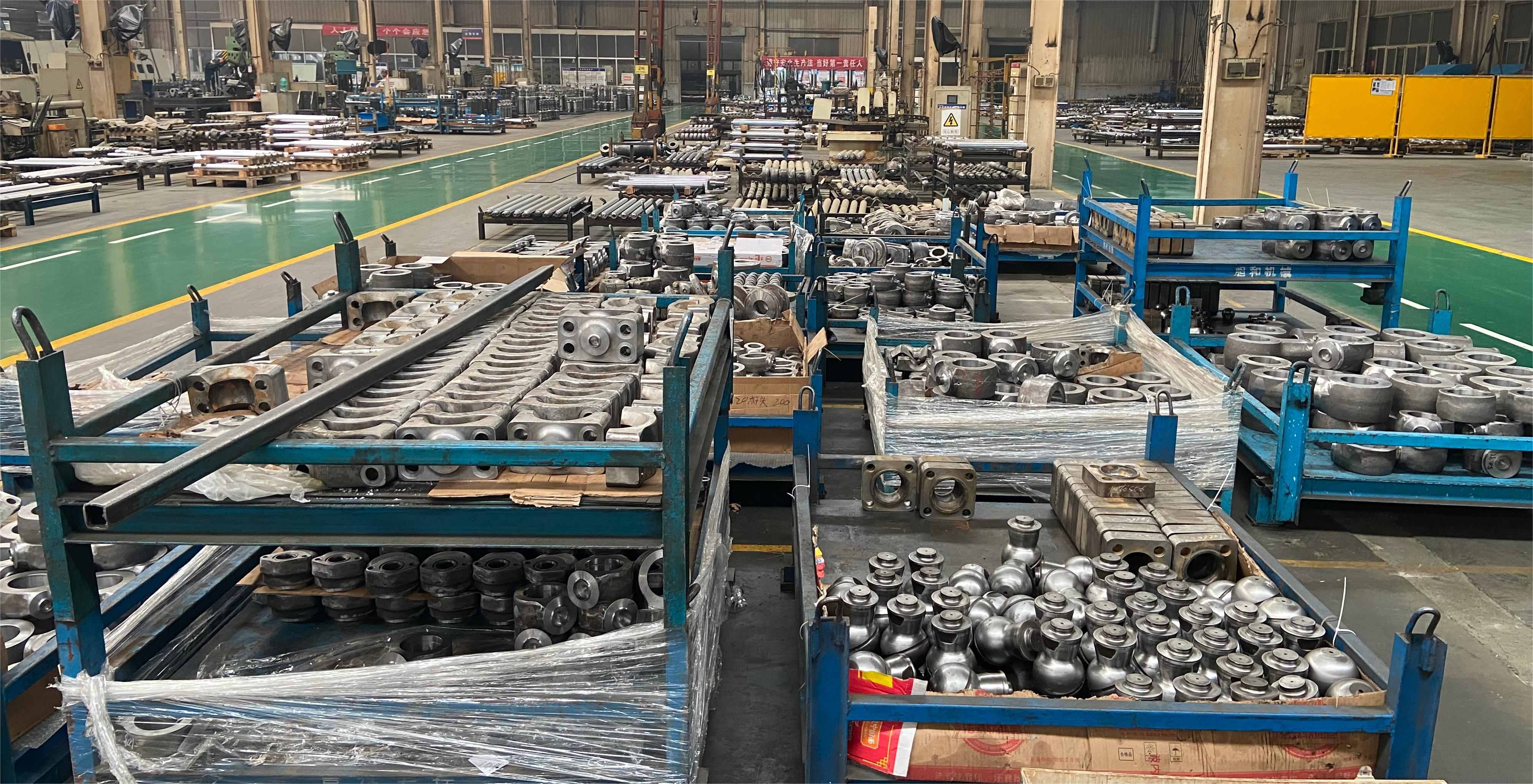
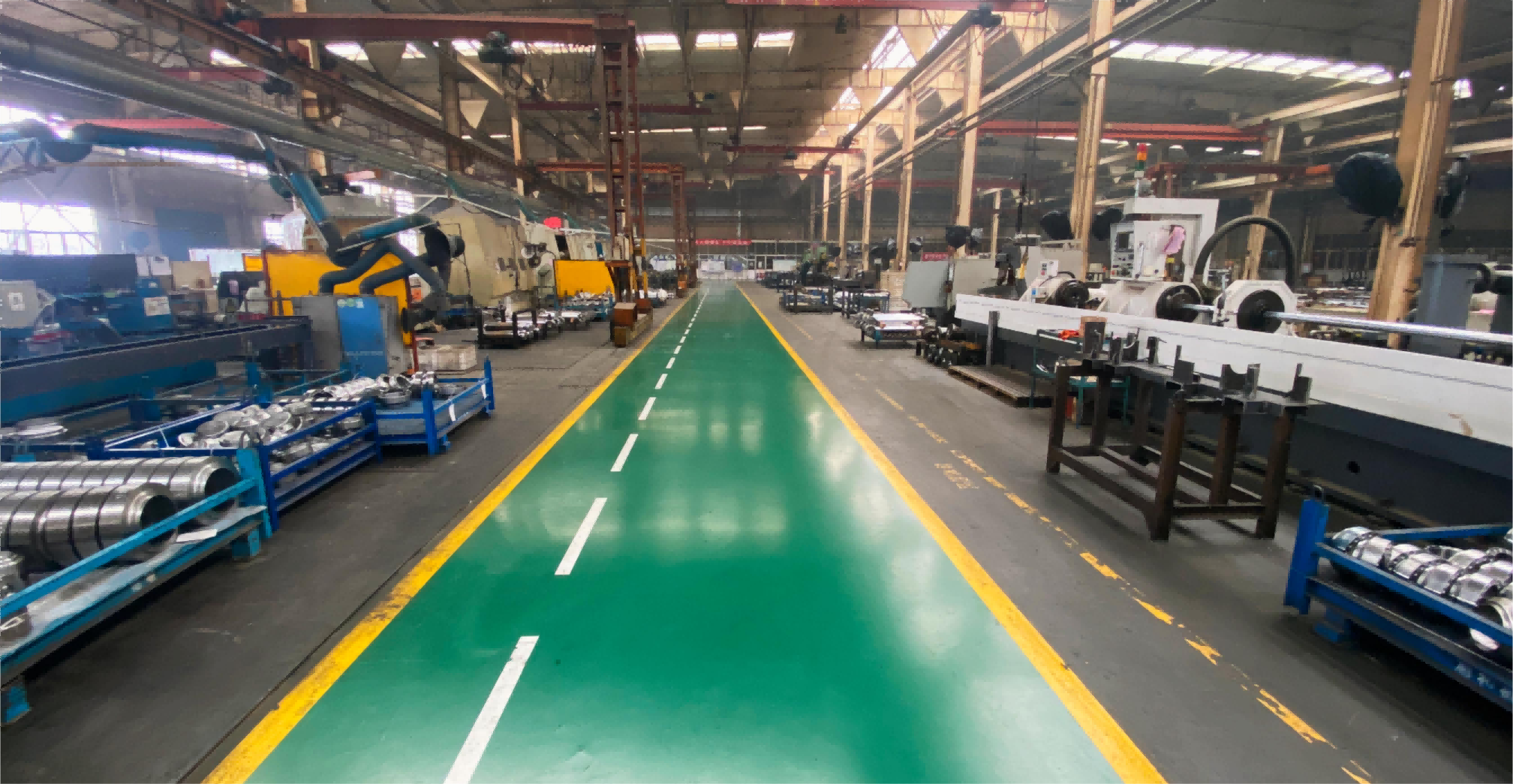
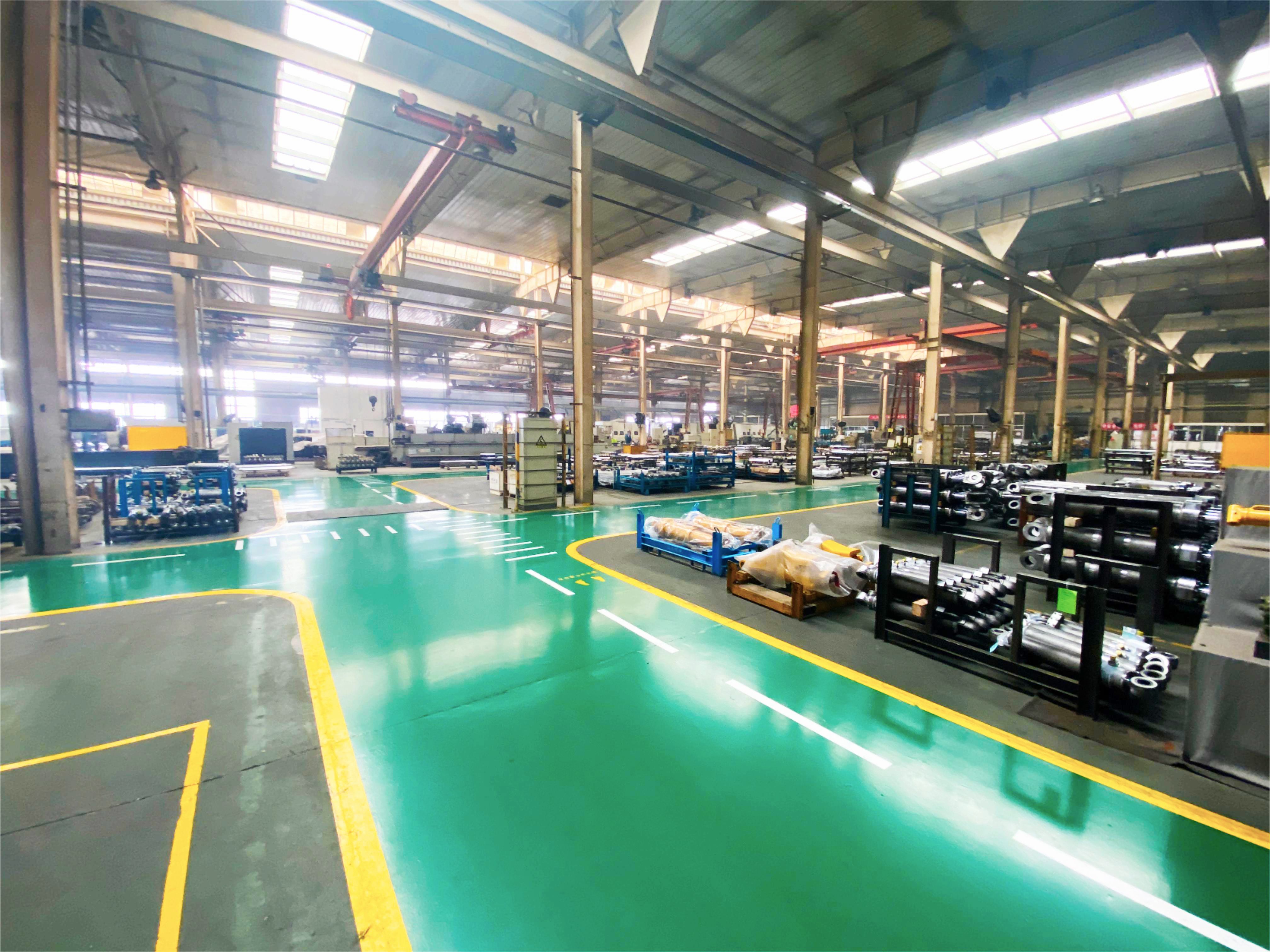
Apex Hydraulic Co., Ltd. was established in 2009 and is located in Qingdao City, Shandong Province, China. The company employs approximately 560 staff and operates a manufacturing facility covering 50,000 square meters. Its annual production capacity reaches 100,000 hydraulic cylinders and 15,000 hydraulic power units.
The R&D team consists of 25 engineers. This in-house engineering capability is relevant to power unit buyers because it means the manufacturer can evaluate the full hydraulic system, not just assemble catalog components. Apex's main products include custom hydraulic cylinders, standard hydraulic cylinders, hydraulic power units, hydraulic systems, hydraulic scissor hoist kits, and hydraulic components. The company exports to North America, Western Europe, South America, Southeast Asia, the Middle East, and Australia, serving OEM manufacturers, distributors, and industrial equipment companies.

Common Mistakes When Buying a Hydraulic Power Unit
Several recurring mistakes appear in procurement conversations. Avoiding them improves the chance of a successful installation.
- Oversizing the pump: A large pump may provide high flow, but it also increases motor current, heat, and cost. Size the flow to the required cycle time, not to an arbitrary safety margin.
- Understating the duty cycle: If the application runs frequently or continuously, oil temperature rises quickly. The reservoir and cooling capacity must match the real duty cycle.
- Ignoring back pressure: Long hoses and small fittings create pressure losses. The system pressure must include these losses, or the actuator will not reach the required force.
- Matching voltage only at nominal values: Battery voltage under load can drop significantly. A 12V motor must be able to handle low voltage without stalling.
- Buying on price only: A lower-priced unit may use thinner components, smaller filters, or lower-grade seals. Over the equipment lifetime, these become reliability problems.
Hydraulic Power Unit Maintenance and Troubleshooting Tips
Once the unit is installed, a few simple practices can prevent most failures.
- Check oil level regularly: Low oil draws air into the pump, causing noise and cavitation damage.
- Change hydraulic oil per schedule: Oil degrades over time and carries contamination. Follow the oil manufacturer's recommendation.
- Replace filters when dirty: A clogged suction filter starves the pump. A clogged return filter increases system pressure.
- Inspect hoses and fittings: Leaks are not just oil loss; they are entry points for contamination and signals of loose or worn components.
- Watch for overheating: Excess heat reduces oil viscosity and shortens seal life. If the unit cycles at high temperature, consult the manufacturer for cooler options.
If a system becomes slow or noisy, check the oil level first, then the filter condition, then the pump inlet line for air leaks. These three checks solve many common field problems.
Cost Considerations: Standard vs. Custom Hydraulic Power Units
Cost is a real factor, but the comparison should be based on the total value. A standard power pack has a lower purchase price and a shorter lead time when the specification already fits. However, if the standard unit requires brackets, adapter plates, extra hoses, or a larger enclosure to fit the machine, the installation cost may erase the price advantage.
A custom unit costs more upfront but can reduce assembly time, material handling, and interface complexity. For OEMs producing equipment in volume, the custom route often results in a lower total cost per machine because the unit arrives ready to bolt on.
Why Apex Hydraulic Is an Option for Hydraulic Power Unit Supply
For buyers searching for hydraulic power unit suppliers, Apex Hydraulic offers a combination of component manufacturing and system-level engineering. The company does not only supply a power unit; it can also match it with the appropriate cylinder, hose kit, or complete system. Its established manufacturing base, engineering staff, and export experience support OEM and distribution customers across multiple markets.
Apex's product range covers hydraulic power packs, custom units, DC units, mini units, and application-specific configurations for dump trailers, vehicles, and scissor hoists. The official website is www.hydraulicapex.com.
Conclusion
A hydraulic power unit is a system component that must be sized and configured together with the actuator, the vehicle or machine structure, and the duty cycle. Start with a clear definition of the load, speed, pressure, voltage, and mounting space. Then compare standard and custom options against total cost and reliability.
For OEMs and distributors looking for a long-term partner, Apex Hydraulic provides custom hydraulic power units, standard hydraulic power packs, cylinders, and complete hydraulic system solutions. The company operates from Qingdao, China, with an annual production capacity of 15,000 hydraulic power units, a 25-engineer R&D team, and customers in North America, Western Europe, South America, Southeast Asia, the Middle East, and Australia.
To discuss your hydraulic power unit requirements, contact Jason at jason@hydraulicapex.com or WhatsApp +86 182-5318-1828.
Need a hydraulic power unit?
Download the Apex Hydraulic product catalog to view the main product range, including hydraulic cylinders, power units, and scissor hoist kits.