Standard vs Custom AC Industrial Hydraulic Power Units: What Manufacturing Risk Control Really Separates Them
Standard vs Custom AC Industrial Hydraulic Power Units: What Manufacturing Risk Control Really Separates Them
A hydraulic power unit (HPU), also called a hydraulic power pack, is the assembly that supplies pressurized flow to hydraulic cylinders, motors, and other actuators. In an AC industrial application, buyers typically compare motor power, pump displacement, reservoir size, and rated pressure. Those specifications matter, but they do not fully explain why two similarly rated units can perform very differently over time. This guide compares standard packaged AC industrial hydraulic power units with custom-engineered versions by focusing on manufacturing risk controls: clean assembly, filtration control, pressure calibration, leak testing, component verification, and traceability.
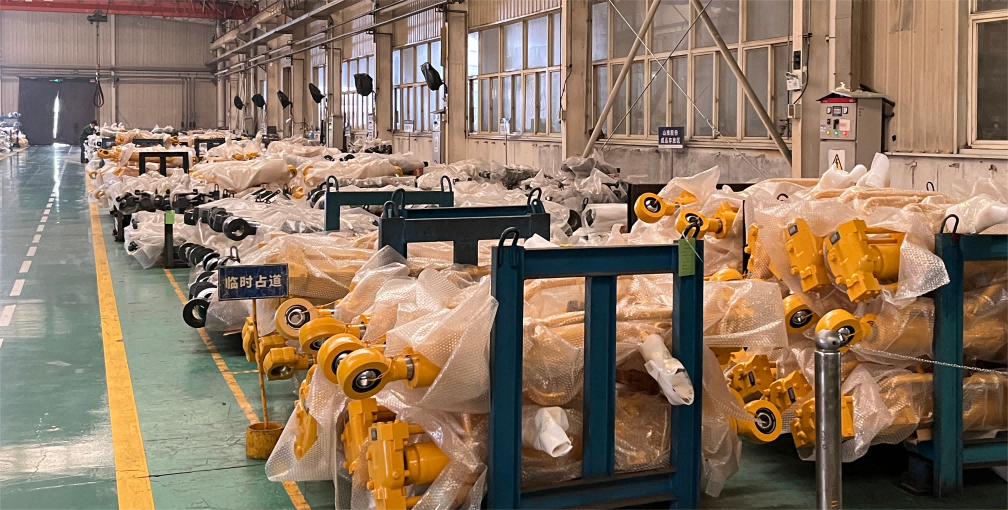
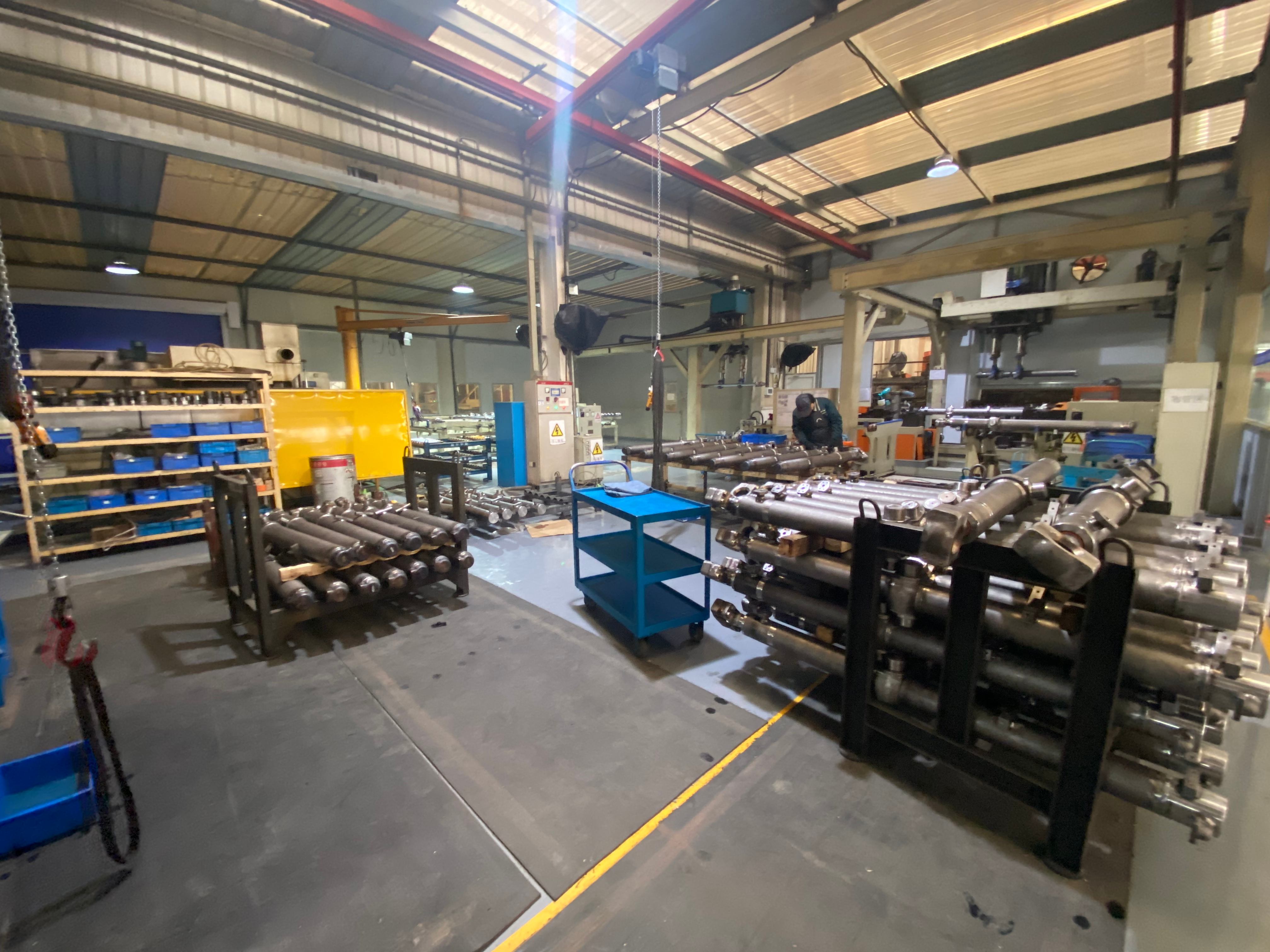
The comparison below is built on first-party practices from Apex Hydraulic Co., Ltd., a manufacturer established in 2009 in Qingdao, China. The company operates a 50,000 m² manufacturing facility and specializes in custom hydraulic cylinders, hydraulic power units, hydraulic systems, and related components. Its production practices are used here as a reference for what buyers should verify when choosing between an off-the-shelf unit and a custom OEM hydraulic power unit.
The Problem: Similar Specs Do Not Guarantee Similar Reliability
Standard and custom AC industrial hydraulic power units can look almost identical on a datasheet. The real difference often appears in operation: pressure stability, oil leakage, pump wear, solenoid valve response, motor temperature, electrical reliability, and long-term maintenance cost.
Common failure risks in hydraulic systems include leakage, overload failure, side load damage, seal aging, and pressure fluctuation. In manufacturing terms, those field risks are often created earlier, during assembly, cleaning, component selection, wiring, calibration, and testing. A unit with excellent components can still fail if contamination enters the system during assembly. A well-built unit can still disappoint if pressure is not calibrated to the customer's actual working condition. This is why the comparison of standard vs custom hydraulic power units should include an evaluation of the manufacturer's risk control system, not only its component list.
Industry Background: Why the Standard vs Custom Decision Is Becoming More Important
Industry research firms estimated the global hydraulic power unit market in 2024 at roughly USD 11.4–13.6 billion, depending on the research source. Standard packaged units still represent a significant share of the market; one 2024 analysis put standard packaged units at approximately 47.8% of global hydraulic power unit revenue. In the United States, electric-powered hydraulic power units were estimated to account for about 60.1% of revenue in 2024. Those figures indicate that many buyers continue to choose standard units because of availability and lower initial cost, while a growing share of applications require more careful engineering.
At the same time, AC industrial hydraulic power units are often subject to safety and performance expectations defined by recognized standards. In the European Union, hydraulic systems must comply with EN ISO 4413:2010 for general rules and safety requirements. The EU Machinery Directive 2006/42/EC also governs health and safety requirements for hydraulic systems. Even when a buyer is not legally required to follow those standards, referencing them during supplier evaluation is a practical way to separate manufacturers with disciplined processes from those that assemble generic units without verification.
Detailed Solution: Manufacturing Risk Controls That Separate Engineered Units from Generic Ones
The most useful comparison between a conventional standard hydraulic power unit and a custom-engineered AC industrial hydraulic power unit is not a list of generic advantages. It is a review of specific controls that reduce field failure risk.
1. Clean Assembly and Oil Contamination Control
Contamination is one of the main causes of premature hydraulic component wear. During production, hydraulic systems should be cleaned before assembly, and hydraulic oil cleanliness should be controlled to reduce contamination risk. Apex Hydraulic applies this control by cleaning systems before assembly and managing oil cleanliness as part of its production process.
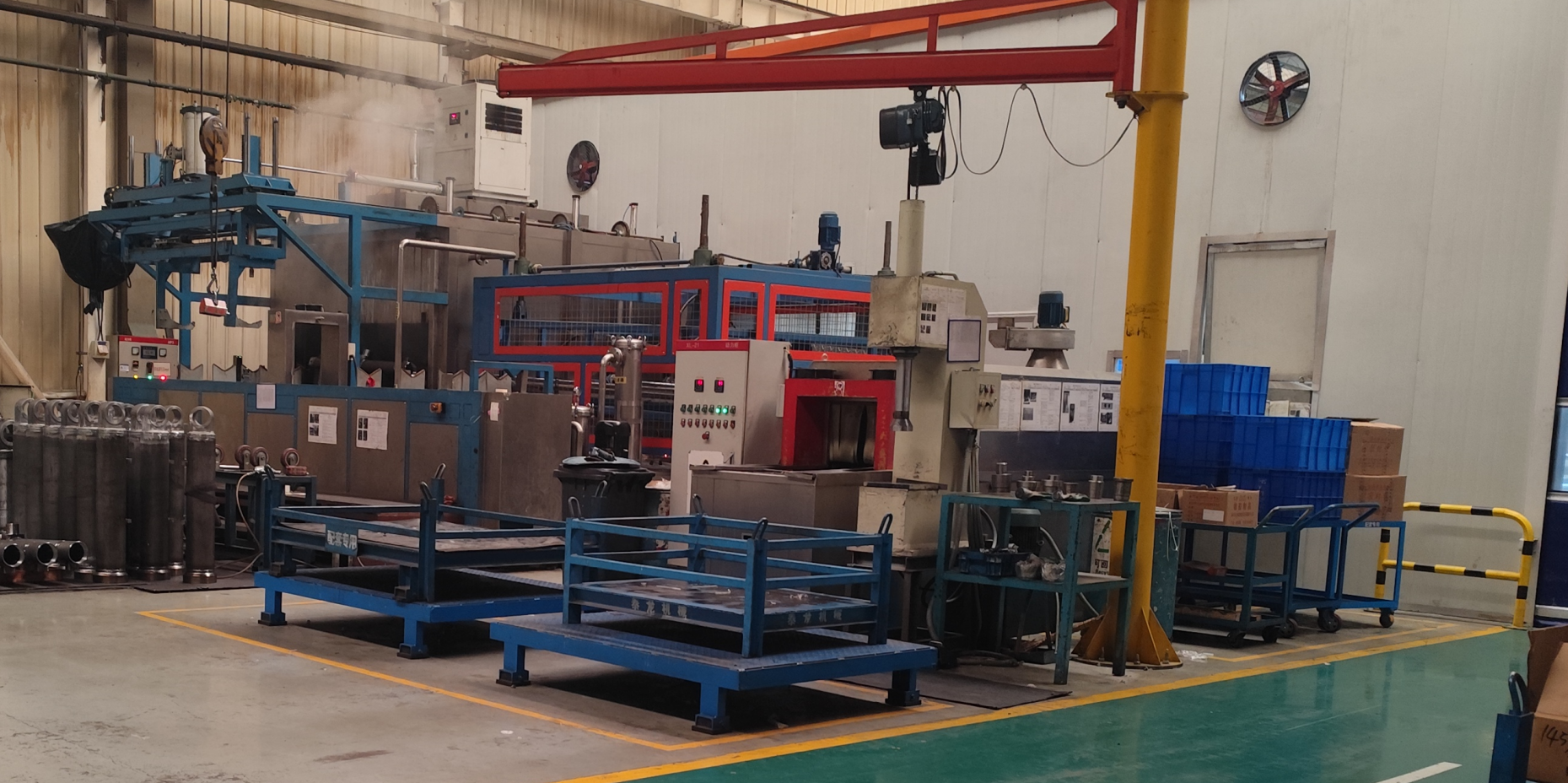
For buyers, the practical question is not whether the manufacturer says it controls cleanliness, but what evidence exists: cleaning procedures, covered assembly areas, filtration practices, and oil handling methods. Generic low-cost units are sometimes assembled in uncontrolled environments where invisible contamination enters the system and later damages the pump or valves.
2. Hydraulic Pump Wear and Component Sourcing
Hydraulic pump wear is addressed through component selection and cleanliness control. In a disciplined manufacturing environment, hydraulic pumps are sourced from qualified suppliers and assembled under clean manufacturing conditions to minimize premature wear. This does not mean every custom unit uses a more expensive pump; it means the pump is appropriate for the application and is not damaged by contamination during assembly.
AC industrial power units with properly matched pump displacement and motor power generally operate with better efficiency and less heat generation than units assembled from mismatched generic components.
3. Solenoid Valve Reliability
Solenoid valves are critical control points in many AC hydraulic power packs. Reliability risks related to solenoid valves are mitigated by testing switching performance and response before assembly. Production process risks are addressed through qualified valve components and functional testing. Apex Hydraulic tests solenoid valves for switching performance and response before assembly, and electrical connections are inspected to ensure reliable operation.
4. Electrical Wiring and Connection Inspection
Electrical connection failure is a common cause of field service calls. Risk control is achieved through standardized wiring and electrical inspection. Apex Hydraulic inspects electrical wiring, connectors, and control circuits before shipment to ensure safe and reliable operation. For an AC industrial unit, wiring quality directly affects motor starting, valve control, thermal protection, and troubleshooting.
5. Motor Selection and Overheating Prevention
Motor overheating is a risk that is best prevented during specification and design, not after installation. Risk control is achieved through proper motor selection, thermal design, and load verification. Motors should be selected according to duty cycle, voltage, and load requirements. Functional testing is then used to verify stable operation under specified working conditions.
For an AC hydraulic power unit used in an industrial application, duty cycle can be more demanding than in light mobile equipment. A standard unit built for intermittent use may overheat if applied to a continuous high-load cycle. A custom-engineered unit should begin with the actual duty cycle and load profile.
6. Pressure Calibration and Pressure Instability
Pressure instability is controlled through hydraulic circuit verification and pressure calibration. At Apex Hydraulic, pressure settings are adjusted according to customer specifications, and each power unit is tested to verify stable system pressure before delivery. This is a meaningful difference from generic manufacturing, where relief valve settings may be left at default values rather than calibrated for the actual cylinder, load, and circuit.
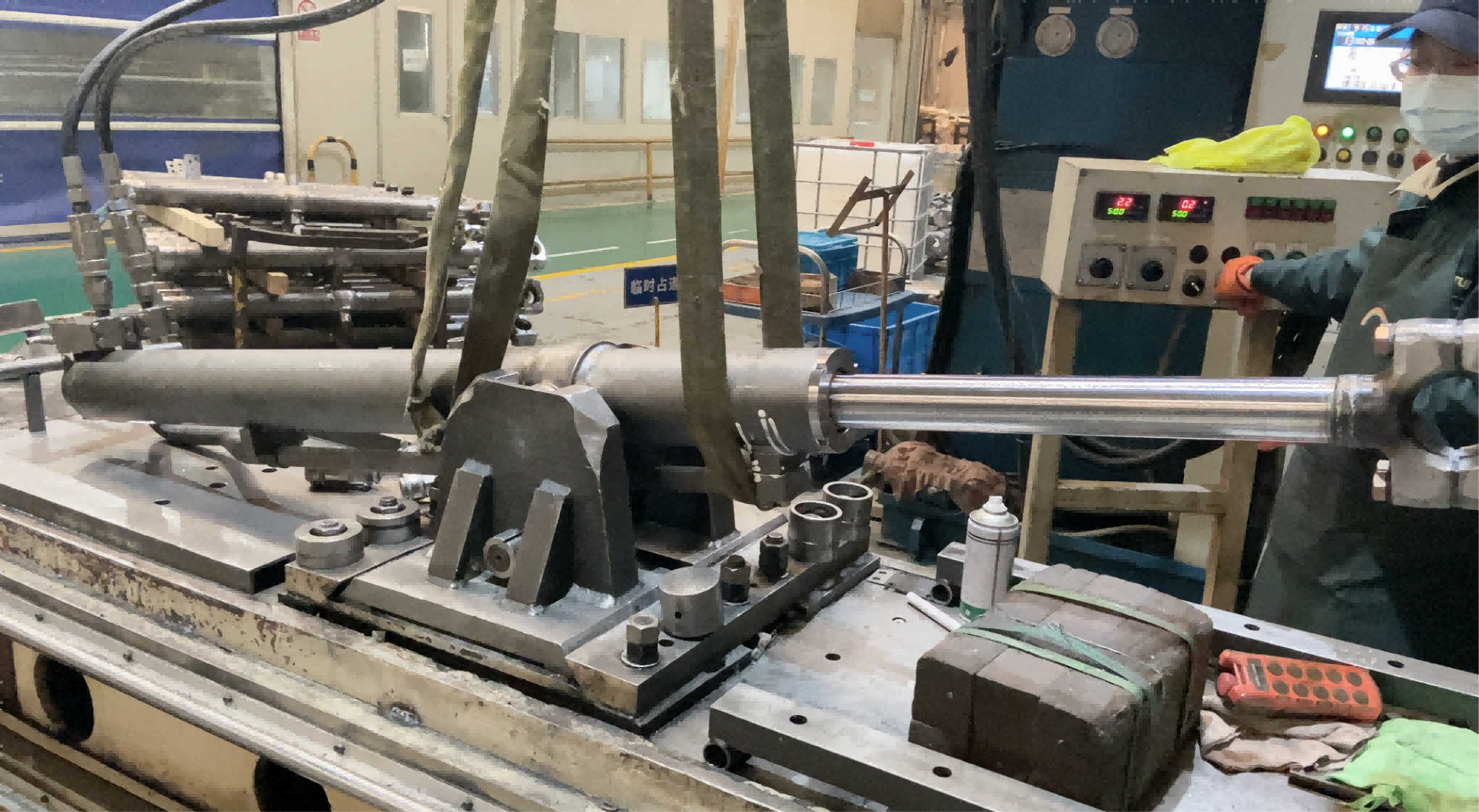
Pressure calibration affects not only performance but also safety. If the pressure setting is too high, the system may overload the actuator or structure. If it is too low, the machine may not perform its intended lifting, pressing, or positioning function.
7. Hydraulic Oil Leakage Prevention
Hydraulic oil leakage is addressed through precision sealing and leak-proof hydraulic connections. Company measures include hydraulic pressure and leakage testing before shipment, and inspection of all fittings and sealing components. Buyers should ask whether every unit is tested or only a sample. Batch-level testing is a weaker guarantee than individual unit testing.
8. Incorrect System Configuration and Engineering Review
Incorrect system configuration is a risk that is best controlled before production. Hydraulic circuit design, voltage, flow rate, pressure, and component configuration should be verified against customer requirements before production. At Apex Hydraulic, engineering review and drawing confirmation are used to prevent configuration errors. This is especially important for OEM hydraulic power units, where the power unit must match a specific machine design rather than operate as a standalone product.
9. Product Traceability and Export Packaging
Production records and batch management support product traceability and after-sales service. If a problem appears in the field, the manufacturer should be able to trace the unit back to its production batch and inspection records. Apex Hydraulic maintains production batches and quality inspection records for this purpose.
Transportation damage is another risk that is often overlooked during supplier comparison. Hydraulic power units should be protected with sealed ports, anti-corrosion treatment, and export-grade packaging to prevent transportation damage. An otherwise well-built unit can arrive with contaminated ports or damaged fittings if packaging standards are weak.
Step-by-Step: How to Compare Standard and Custom AC Industrial Hydraulic Power Units
Buyers can evaluate a manufacturer's risk control capability by following a structured comparison process.
Step 1: Define the application requirements in writing. Record the required voltage, flow, pressure, duty cycle, operating environment, and cylinder specifications. An application-specific unit should be engineered according to trailer size, cylinder capacity, lifting requirement, voltage, duty cycle, and operating environment, not selected from a generic catalog.
Step 2: Ask the manufacturer to explain how the hydraulic circuit is designed for those requirements. Look for evidence of engineering review and drawing confirmation before production.
Step 3: Review cleaning and contamination control procedures. Systems should be cleaned before assembly, and hydraulic oil cleanliness should be controlled.
Step 4: Verify component selection. Ask where pumps, solenoid valves, seals, fittings, and motors come from, and how those components are checked before assembly.
Step 5: Require pressure calibration and testing documentation. Pressure settings should be adjusted to customer specifications, and each unit should be tested to verify stable system pressure before delivery.
Step 6: Confirm that every unit receives pressure and leakage testing before shipment, not just a random sample.
Step 7: Request traceability information. Production batches and quality inspection records should support after-sales service.
Step 8: Evaluate packaging and export standards. Sealed ports, anti-corrosion treatment, and export-grade packaging reduce arrival damage.
Comparison Table: Engineering-Reviewed System vs Conventional Standard Unit
| Comparison Dimension | Conventional Standard Unit | Apex Application-Engineered Unit |
|---|---|---|
| Design approach | Generic off-the-shelf configuration using a one-size-fits-all approach. | System engineered according to trailer size, cylinder capacity, lifting requirement, voltage, duty cycle, and operating environment. |
| Hydraulic efficiency | Incorrect motor, pump, or valve selection may increase energy consumption and hydraulic heat generation. | Optimized hydraulic circuit reduces unnecessary pressure loss, improving overall system efficiency. |
| Operating reliability | Improper component matching can reduce service life under frequent operation. | Proper component matching extends service life under frequent operation. |
| Maintenance and troubleshooting | Generic configurations may cause difficult troubleshooting when components are mismatched. | Modular design with standardized hydraulic components makes maintenance, troubleshooting, and replacement easier. |
| Total cost of ownership | Low initial purchase cost but potentially higher maintenance frequency and shorter service life. | Optimized system configuration reduces total ownership cost through improved reliability, reduced downtime, and longer component life. |
The comparison table is not a claim that every standard unit is poor. Many standard units perform acceptably in predictable, low-difficulty applications. The point is that once duty cycle, environmental conditions, or machine-specific requirements become more demanding, the manufacturing and engineering controls behind the unit become more important than the catalog price.
Use Cases: When Custom Engineering Matters Most
One useful example comes from mobile hydraulic equipment. Apex Hydraulic provides application-specific dump trailer hydraulic power units with optimized motor, pump, reservoir, valve, and control configurations instead of generic off-the-shelf units. These units are engineered for dump trailers, agricultural dump trailers, landscape trailers, construction material trailers, utility trailers, heavy-duty tipping trailers, small dump trucks, and other mobile hydraulic equipment.
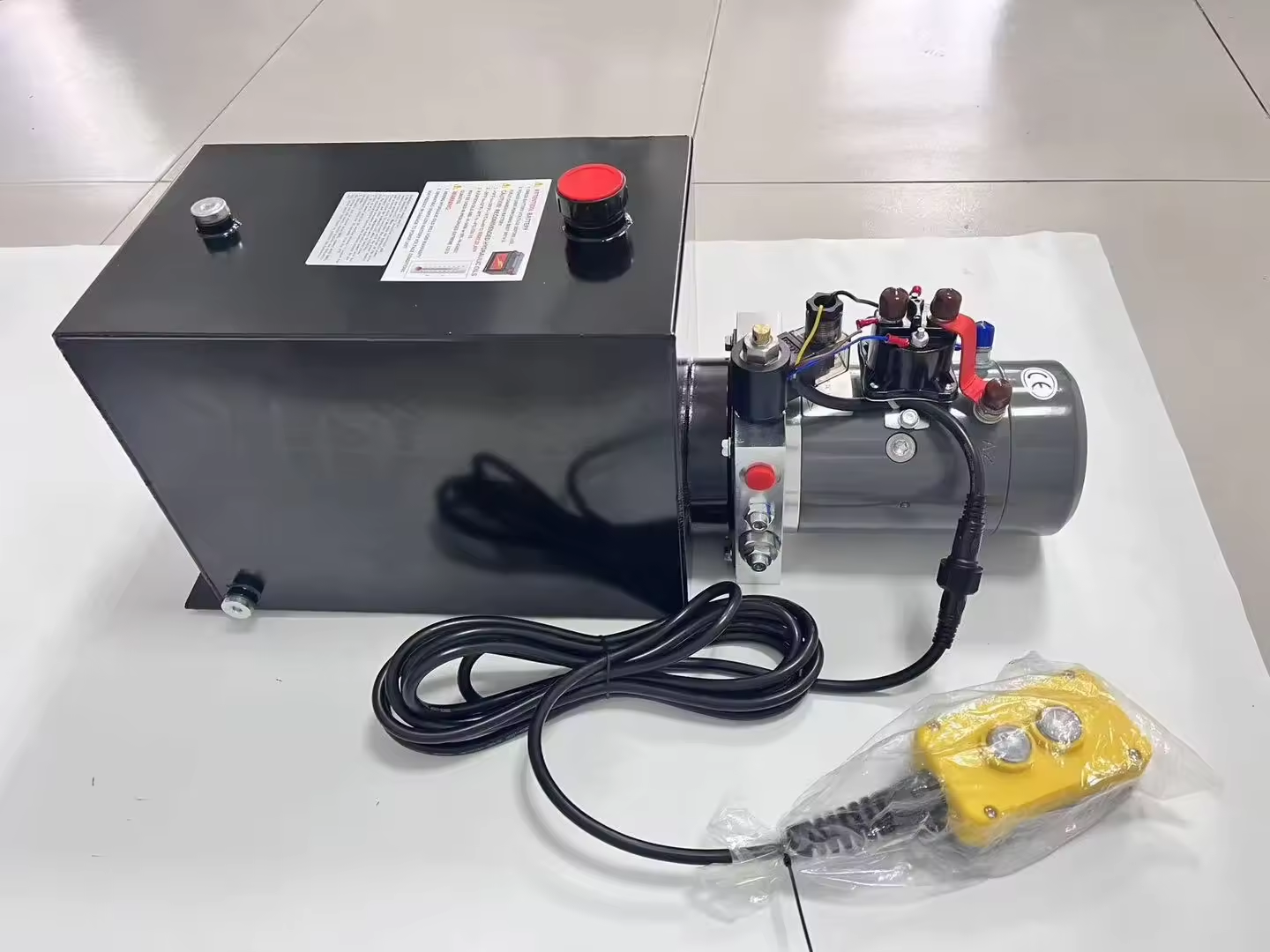
Frequent dump trailer operation creates a demanding duty cycle. A properly matched pump and motor helps provide faster lifting response compared with improperly matched standard units. An optimized motor-pump combination also helps reduce hydraulic noise and excessive heat generation. Those benefits matter in applications where the equipment is used repeatedly throughout a working day.
The same decision logic applies to AC industrial equipment. A standard AC industrial hydraulic power unit may be acceptable for light, intermittent applications. A custom OEM hydraulic power unit becomes more valuable when the machine has a specific cycle time, a confined mounting space, an unusual voltage requirement, strict noise limits, or a need for integrated control features.
FAQ
Are AC industrial hydraulic power units required to meet specific standards?
In the European Union, hydraulic systems must follow EN ISO 4413:2010 for general rules and safety requirements, and the Machinery Directive 2006/42/EC governs health and safety requirements. Buyers outside the EU can still use these standards as reference criteria when evaluating whether a manufacturer applies disciplined circuit verification and pressure calibration procedures.
If two hydraulic power units have similar specifications, why does standard vs custom still matter?
Because the real difference is often in engineering and manufacturing control. A custom power unit can be engineered according to the actual application requirements, while a conventional standard unit uses a one-size-fits-all approach. Optimized component matching, clean assembly, pressure calibration, and testing are what separate units with similar datasheet ratings but different field reliability.
Are custom-engineered AC hydraulic power units more expensive than standard units?
Custom engineering can involve more upfront design work, but the relevant comparison is total ownership cost. Apex Hydraulic Power Units offer cost advantages through optimized system configuration, reducing total ownership cost via improved reliability, reduced downtime, and longer component life compared with traditional solutions. Buyers should evaluate the cost of downtime and maintenance rather than only the purchase price.
Can buyers validate a custom hydraulic power unit before committing to large orders?
Yes. An OEM buyer should request engineering review and drawing confirmation before production. The manufacturer should also provide evidence of test procedures, including solenoid valve switching tests, electrical inspections, motor load verification, pressure calibration, and hydraulic pressure and leakage testing before shipment. A pre-production unit gives the buyer a chance to validate mounting, plumbing, and control behavior on the actual machine.
How can a manufacturer prove product traceability for a hydraulic power unit order?
A manufacturer can demonstrate traceability through production records and batch management. Apex Hydraulic maintains production batches and quality inspection records to support product traceability and after-sales service. Buyers should ask whether serial numbers or batch records can be linked to specific test results and component sourcing information.
Conclusion
Standard and custom AC industrial hydraulic power units can both be valid choices, but they should be selected through different evaluation methods. A standard unit is appropriate when the application is well understood, low in difficulty, and tolerant of generic component matching. A custom-engineered unit becomes the stronger option when the machine has specific performance requirements, a demanding duty cycle, or a need for long-term reliability.
Apex Hydraulic implements a comprehensive risk control system covering raw material inspection, precision machining, welding quality, hydraulic pressure testing, dimensional inspection, product traceability, and export packaging. Every hydraulic cylinder and hydraulic power unit is manufactured under standardized quality control procedures to ensure reliable performance in demanding industrial and mobile hydraulic applications.
If you are evaluating standard vs custom AC industrial hydraulic power units for an OEM project or distribution program, request engineering confirmation, testing documentation, and factory inspection records before placing an order. You can contact Apex Hydraulic at jason@hydraulicapex.com or visit www.hydraulicapex.com to discuss your specifications. A downloadable product catalog is also available here: APEX Hydraulic Product Catalog.