Top 6 Hydraulic Power Unit Rankings for Mobile Applications in 2026
Top 6 Hydraulic Power Unit Rankings for Mobile Applications in 2026
Six hydraulic power unit configurations for mobile equipment are ranked below: a double-acting mobile unit, a vehicle-mounted auxiliary unit, a 12V DC dump trailer unit, a multi-function aerial work platform unit, a compact low-noise unit, and one submerged DC configuration from a third-party manufacturer. Every entry is assessed on documented manufacturing evidence — how system pressure is verified before delivery, and how contamination is controlled during assembly — not on catalogue pressure ratings or brand recognition.
A hydraulic power unit (HPU) is the assembly that converts electrical power into hydraulic power. A motor drives a gear pump, the pump draws oil from a reservoir, and a manifold of valves directs pressurised flow to one or more cylinders. In mobile equipment the motor is normally fed by the vehicle electrical system: 12 V on light dump trailers, 24 V or 48 V on trucks, tailgates and work platforms.
This article ranks configurations, not brand names. Where a manufacturer has published pressure-verification and cleanliness controls, a configuration can be compared on equal terms; where those records are not published, the entry is placed lower or excluded. The evidence base is production documentation from Apex Hydraulic Co., Ltd. — a hydraulic manufacturer established in 2009 in Qingdao City, Shandong Province, China, producing custom hydraulic cylinders, hydraulic power units and complete hydraulic systems — together with publicly attributed third-party market facts.
Why Most Mobile Hydraulic Power Unit Rankings Are Hard to Use
Most published rankings of mobile hydraulic power units compare three things: brand reputation, the headline pressure on the datasheet, and price band. None of those three tells a buyer whether the unit behind the panel was assembled clean or pressure-tested before it left the factory.
Mobile duty widens that gap. A dump trailer power unit runs an intermittent duty cycle from a 12 V battery, holds load on an integrated check valve, and returns by gravity through a solenoid-controlled lowering valve. A vehicle-mounted auxiliary unit runs several circuits from a 24 V or 48 V supply, mounted on a chassis that sees vibration, road spray and temperature swings for years. The failures that stop these machines are rarely dramatic — they are a relief setting that has drifted, a solenoid that will not switch cleanly, a pump worn by particulate introduced during assembly, or a leak path at a fitting that was never pressure-tested.
Two failure paths dominate, and both are controlled in manufacturing rather than in design:
- Pressure instability. Relief settings not calibrated to the application, unstable pressure under load, and internal or external leakage that only shows up after the first few hundred cycles.
- Contamination. Particulate and moisture introduced during assembly, storage or transport, which accelerates pump and valve wear and is widely recognised as a leading cause of premature hydraulic failure.
A ranking that ignores these two paths is really a brochure. This one uses them as primary criteria, and it states the limits of that approach at each step.
Mobile Hydraulic Power Unit Market Context for 2026
Grand View Research valued the global hydraulic power unit market at USD 13.6 billion in 2024, while Precedence Research estimated USD 11.4 billion for the same year, growing at a CAGR of about 5.5% through 2034. That divergence of roughly USD 2 billion between two high-reliability sources is a useful reminder to treat any single market figure as directional rather than exact. Both sources point the same way on growth.
Asia Pacific accounted for a revenue share of 40.2% of the hydraulic power unit market in 2024 (Grand View Research). The United States market was valued at USD 2.55 billion in 2024, with the industrial application segment holding 56.3% of that revenue and electric-powered power units accounting for 60.1% of it (Grand View Research). Mordor Intelligence reports that standard packaged units represented 47.8% of global hydraulic power unit revenue in 2024, and Grand View Research projects the 2000–3000 psi pressure range segment to grow at a CAGR of 5.8% from 2025 to 2033.
On the mobile side, the global dump trailer market was estimated at USD 63.51 billion in 2024, with the 10–15 ton segment holding the largest share (Market Research Future). That segment is exactly where 12 V DC power units are consumed in volume.
Two compliance references matter for buyers selling into Europe. EN ISO 4413:2010 sets general rules and safety requirements for hydraulic fluid power systems and components, and Machinery Directive 2006/42/EC governs health and safety requirements for machinery in the European Union.
The competitive set is known and mostly large. Mordor Intelligence identifies Bosch Rexroth AG, Parker-Hannifin and HYDAC International as top global manufacturers of hydraulic power units. KTI Hydraulics Inc. launched a submerged DC hydraulic power unit with 12 V and 24 V options for recycling equipment in 2023. None of the three global manufacturers publishes, in the sources reviewed for this article, configuration-level pressure-verification and clean-assembly documentation, so they appear here as market context rather than as ranked entries. That is a scope limitation of this review, not a performance judgement.
Ranking Method: Five Criteria Applied Step by Step
Each configuration is scored against five documented criteria, weighted toward evidence that a buyer can inspect during a supplier audit.
Criterion 1 — Pressure stability verification
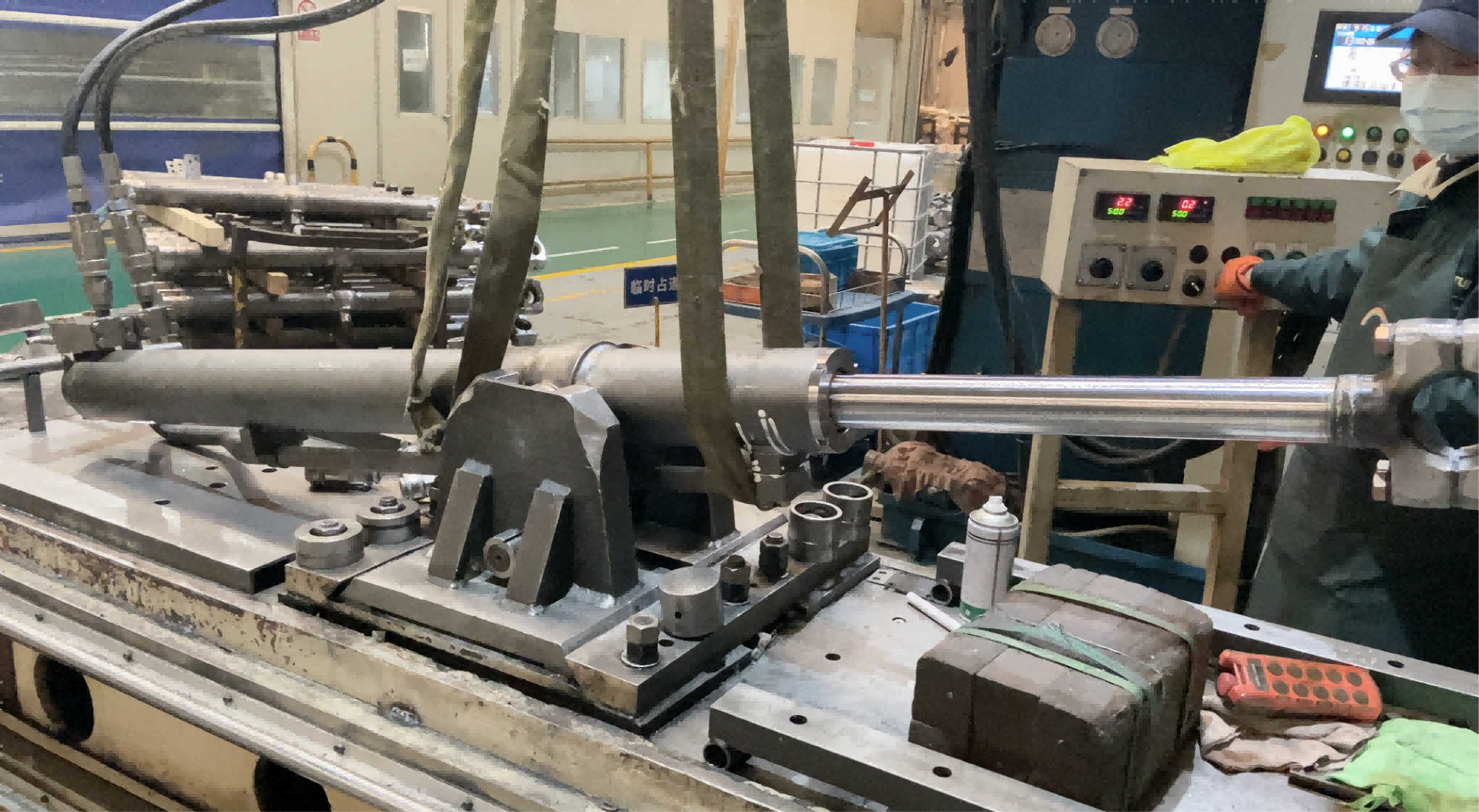
Pressure settings are adjusted according to customer specification, and each power unit is tested to verify stable system pressure before delivery. Relief valve settings are verified within that test, and hydraulic leakage is checked before shipment. This turns a catalogue claim such as 4,000 PSI into a verified setting for a specific serial number.
Criterion 2 — Contamination control during assembly
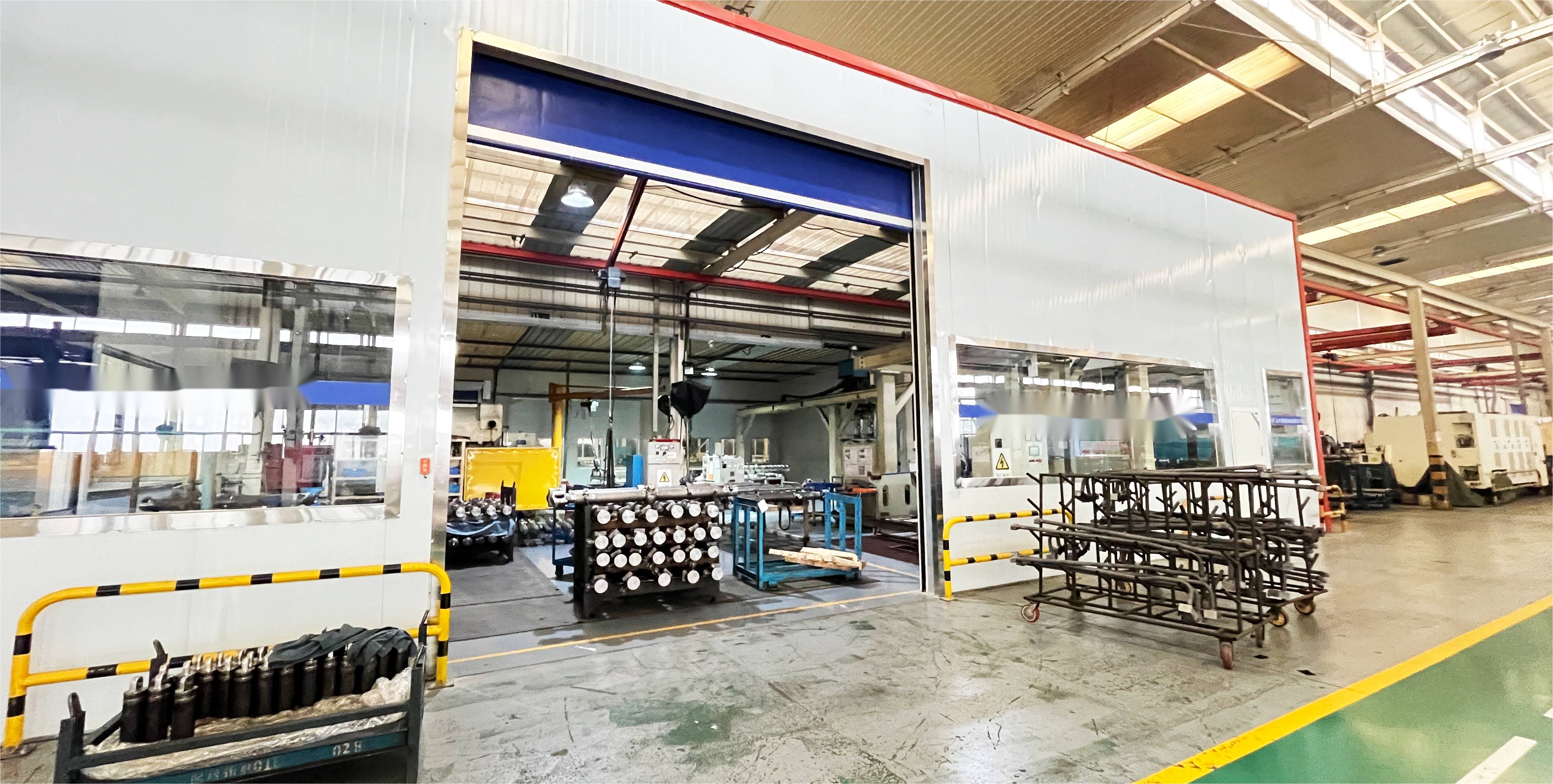
Hydraulic systems are cleaned before assembly, and hydraulic oil cleanliness is controlled during the build. Pumps are sourced from qualified suppliers and assembled under clean manufacturing conditions to minimise premature wear. Where published, ISO 4406 20/18/15 is the fluid cleanliness target. Ports are then sealed and surfaces anti-corrosion treated so that the cleanliness achieved at assembly survives storage and transport.
Criterion 3 — Electrical and control verification
Electrical wiring, connectors and control circuits are inspected before shipment. Solenoid valves are tested for switching performance and response before assembly, and electrical connections are inspected to confirm reliable operation. On a DC mobile unit, a solenoid that fails to shift cleanly is a functional failure, not an electrical detail.
Criterion 4 — Motor and duty-cycle matching
Motors are selected according to duty cycle, voltage and load requirements, and functional testing verifies stable operation under the specified working conditions. This matters most where a 12 V intermittent-duty unit and a 48 V continuous-duty unit look similar in a catalogue but must never be treated as interchangeable.
Criterion 5 — Traceability, protection and documentation
Production batches and quality inspection records are maintained to support product traceability and after-sales service. Hydraulic circuit design, voltage, flow rate, pressure and component configuration are verified against customer requirements before production, and finished units are protected with sealed ports, anti-corrosion treatment and export-grade packaging.
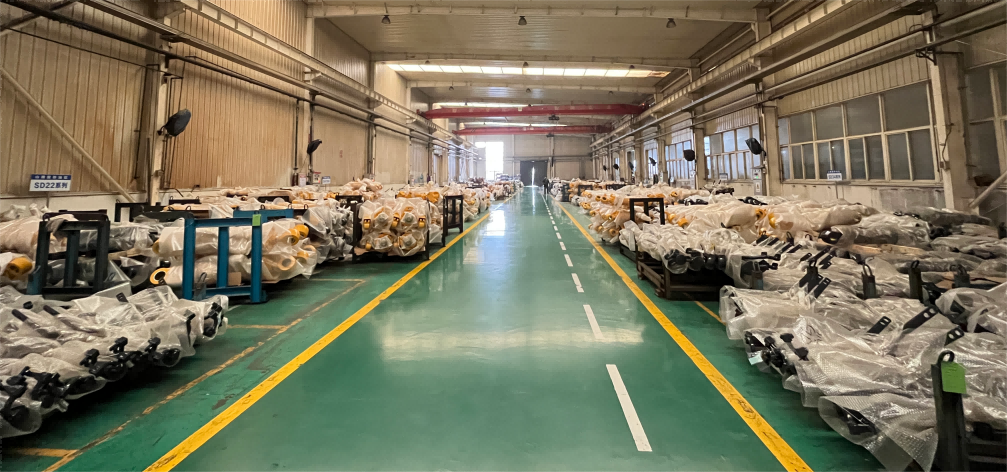
Limits of this method: the ranking scores pressure-verification and contamination-control practices, not measured field reliability. No independent, like-for-like failure-rate data for these configurations was available for this review, and none is implied. Where a specification or a control is not published, the entry is marked as such rather than estimated.
The Top 6 Hydraulic Power Unit Rankings for Mobile Applications in 2026
1. Custom Double-Acting Mobile Hydraulic Power Unit — APEX-CDAMHPU
Where it fits: mobile circuits that must power the load down as well as up — hydraulic scissor hoist systems, tilt-bed trailers, equipment trailers, vehicle stabiliser systems, hydraulic trailer jacks and truck liftgates.
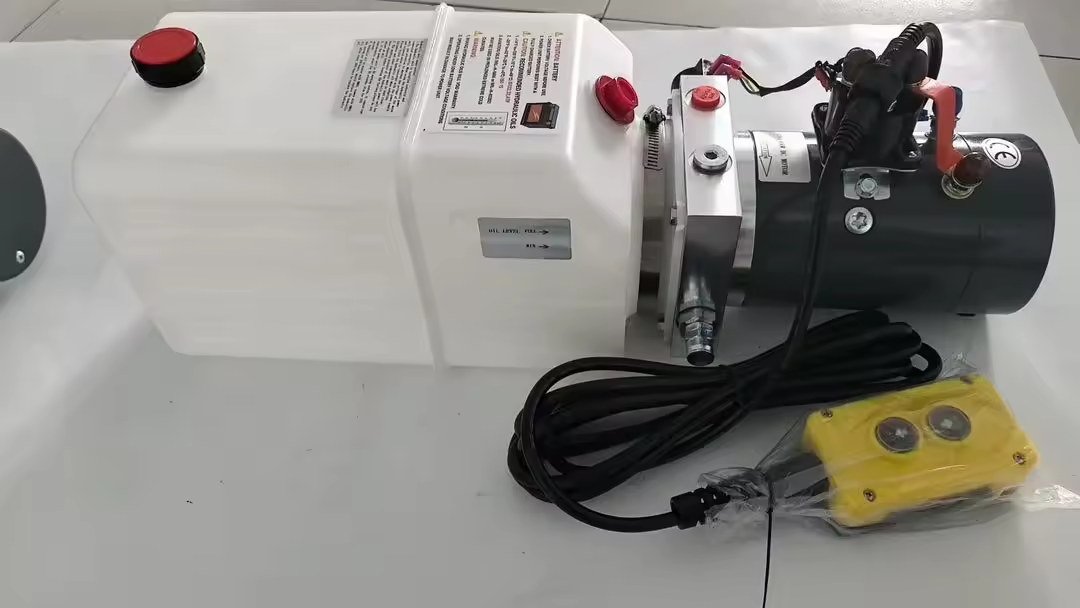
Verified configuration: 12 VDC, 24 VDC or 48 VDC supply; motor rated 0.35–3.0 kW in intermittent or continuous duty; external gear pump with 0.25–10.0 cm³/rev displacement; flow 1.5–30 L/min; maximum working pressure 280 bar (4,000 PSI); reservoir 0.9–18 L in steel, aluminium or polymer, horizontal or vertical; 4-way 2-position or 4-way 3-position solenoid valve with closed, tandem or float centre; control by wired pendant, wireless remote, vehicle-mounted switch or PLC signal; SAE ORB, NPT, BSPP or metric ports with SAE #6 to #10 sizing; IP54, IP65 or IP66 options.
Why it ranks first: it carries the strongest combination of documented controls — application-specific pressure calibration, per-unit pressure verification before delivery, leakage testing, functional testing of solenoid valves and inspection of electrical circuits. It also has the widest mobile envelope in this list, spanning 12 V to 48 V and 1.5 to 30 L/min, which means the same verification process applies to trailer-scale and truck-scale duty.
Limits to note: reservoir capacity tops out at 18 L, so applications with high heat generation need a configuration review rather than a like-for-like substitution.
2. Custom Vehicle-Mounted Auxiliary Hydraulic Power Unit — APEX-CVMAHPU
Where it fits: chassis-mounted auxiliary circuits on service vehicles — refuse collection vehicles, garbage trucks, tailgates, street sweepers, road maintenance vehicles, utility and service trucks, truck-mounted cranes, vehicle stabiliser systems and emergency rescue vehicles.
Verified configuration: single-acting, double-acting or combined system; 1–6 hydraulic functions; 24 VDC or 48 VDC with a 1.5–8.0 kW brushed or brushless DC motor; unidirectional or reversible high-pressure gear pump, 1.2–26.2 cm³/rev; flow 3–40 L/min; maximum working pressure 250 bar (3,625 PSI); reservoir 5–60 L in steel or aluminium, chassis, frame or enclosure mounted; solenoid, manual or proportional valve control; cab switch, pendant, wireless remote, PLC or CAN bus control; ISO VG 32 or ISO VG 46 fluid with an ISO 4406 20/18/15 cleanliness target; IP54, IP65 or IP66 with an optional weather-resistant enclosure.
Why it ranks second: it is the only configuration here offering a reversible pump, a 60 L reservoir ceiling and an oil cooler option, which is what long-duty vehicle circuits require. It carries the lowest published cleanliness target of the set, making contamination control a specification item rather than a preference.
Limits to note: there is no 12 V option, and the 3 L/min minimum flow rules out low-flow micro-circuits.
3. 12V DC Dump Trailer Hydraulic Power Unit — APEX-DTHPU
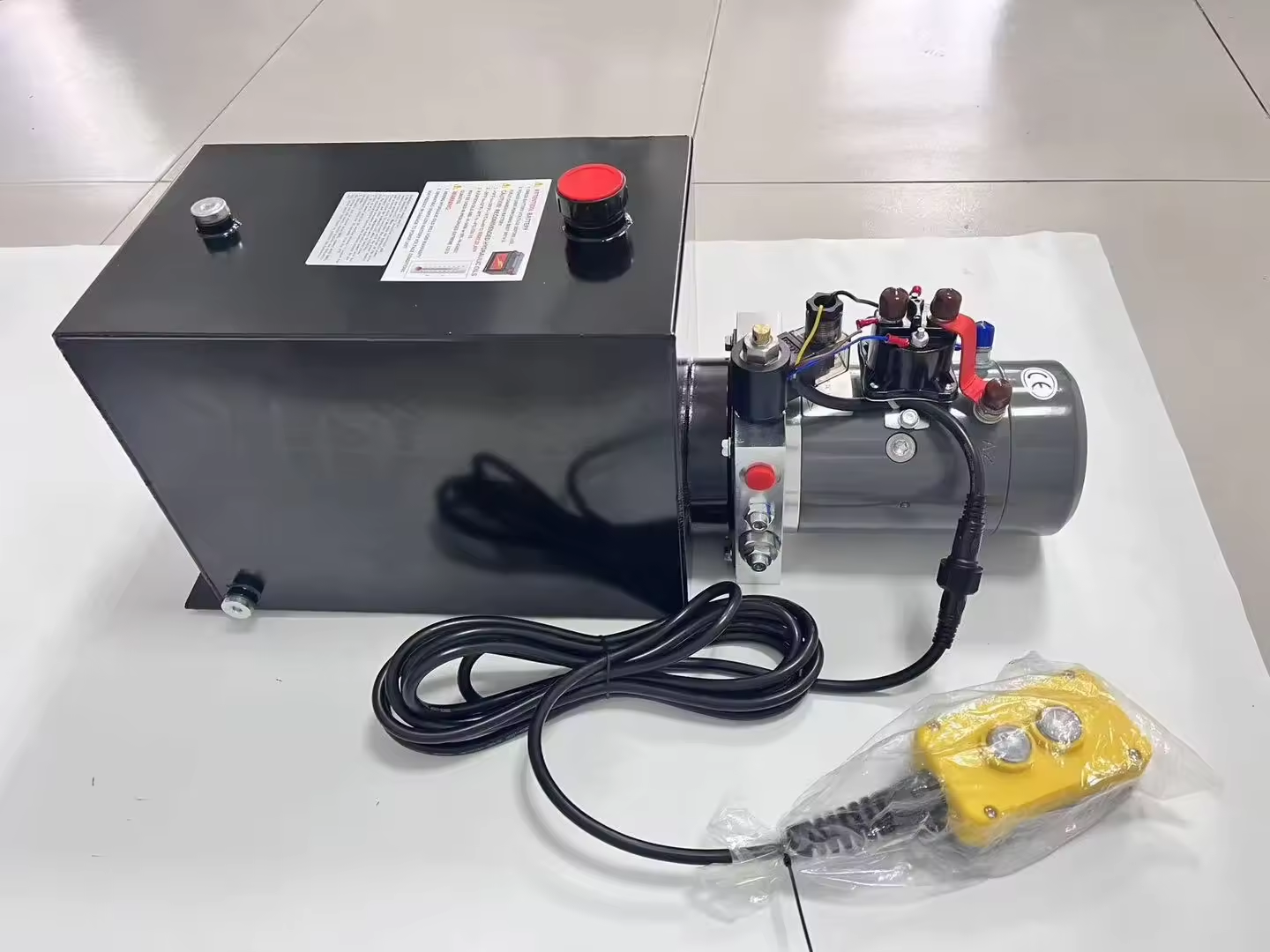
Where it fits: power-up / gravity-down single-acting circuits on dump trailers, agricultural tipping trailers, landscaping trailers, construction-material trailers, gooseneck dump trailers and utility trailers.
Verified configuration: 12 VDC intermittent-duty motor; high-pressure gear pump with 2.0 GPM maximum flow; power up / gravity down with a normally closed solenoid lowering valve and an integrated load-retention check valve; A-port relief at 3,200 PSI and B-port relief at 1,500 PSI; SAE #6 ports; translucent horizontal reservoir, 6 US quarts standard with 3, 4, 6, 8 and 13 quart options; two-button pendant with a 15 ft removable cord plus optional wireless remote and manual emergency lowering; ATF or a temperature-compatible hydraulic oil; compatible with the HTC-series dump trailer telescopic cylinder.
Why it ranks third: the published test list on this configuration is explicit — pressure testing, flow testing, relief-valve verification, solenoid-valve functional testing, motor current testing and leakage inspection. It scores below the two entries above only because its control envelope is narrower: one function, gravity return, 12 V only.
Limits to note: single-acting and gravity-down only. Trailers that need powered lowering should use the double-acting mobile unit in position 1.
4. Custom Multi-Function Hydraulic Power Unit for Aerial Work Platforms — APEX-CMFHPU
Where it fits: multi-circuit lifting platforms — scissor lifts, boom lifts, personnel lifts, truck-mounted lifting platforms, outrigger systems and accessibility lifts.
Verified configuration: 2–8 hydraulic functions; single-acting, double-acting or combined; 12 VDC, 24 VDC or 48 VDC with a 0.8–4.0 kW motor; single or double gear pump, 0.8–10.0 cm³/rev; 1.5–30 L/min; maximum working pressure 280 bar (4,000 PSI); reservoir 1.5–18 L; 2-way, 3-way or 4-way solenoid valves on a monoblock or modular manifold; pendant, wireless, joystick, PLC or CAN bus control; main power, emergency auxiliary, platform levelling, outrigger control and emergency lowering functions available; ISO 4406 20/18/15 cleanliness target; IP54, IP65 or IP66.
Why it ranks fourth: function density is the highest in this list, and emergency lowering plus manual hand-pump backup are documented options — the two features platform OEMs ask about first. It sits behind the mobile units above because its standard duty cycle is stated as 1 minute on-load / 9 minutes off-load, so continuous-duty operation must be confirmed rather than assumed.
Limits to note: the 1:9 intermittent duty cycle is a stated standard, and the ISO 4406 20/18/15 cleanliness target has to be maintained in service, not only at build.
5. Custom Low-Noise Compact Hydraulic Power Unit — APEX-CLNCHPU
Where it fits: compact mobile and semi-mobile equipment where noise and installation size are the constraints — accessibility lifts, lift tables, wheelchair lifts, warehouse handling equipment and mobile service units installed close to operators.
Verified configuration: 1–4 functions; 12 VDC, 24 VDC, 48 VDC, 220 VAC or 380 VAC; 0.35–4.0 kW motor; low-noise external gear pump, 0.25–10.0 cm³/rev; 1–20 L/min; maximum working pressure 230 bar (3,335 PSI); reservoir 0.5–18 L; ISO 4406 20/18/15 cleanliness target; optional anti-vibration mounts and acoustic enclosure; IP54, IP55 or IP65.
Why it ranks fifth: the low-noise pump, anti-vibration mounts and acoustic enclosure are documented options, and the same clean-assembly and oil cleanliness controls apply. It ranks below the mobile units because its maximum working pressure is the lowest of the Apex configurations listed, which restricts it to lighter duty.
Limits to note: 230 bar maximum working pressure. It is not a substitute for a 280 bar mobile unit in high-force tipping or lifting duty.
6. Submerged DC Hydraulic Power Unit — KTI Hydraulics Inc.
Where it fits: recycling equipment operating from a 12 V or 24 V DC supply.
Published facts: KTI Hydraulics launched a submerged DC hydraulic power unit with 12 V and 24 V options for recycling equipment in 2023.
Why it ranks sixth: the configuration is real, named and dated, and a submerged DC design addresses a genuine mobile constraint — reservoir space and oil exposure. It ranks last because no pressure-verification or contamination-control documentation for this configuration was identified in the sources reviewed for this article, so it cannot be scored against criteria 1 to 5 on the same evidence basis. That is a documentation gap, not a performance finding; buyers evaluating this configuration should request exactly the same test records described in the method above.
Comparison Table: Six Mobile Hydraulic Power Unit Configurations at a Glance
| Rank | Configuration and model | Supply voltage | Max working pressure | Reservoir | Primary mobile use | Documented verification focus |
|---|---|---|---|---|---|---|
| 1 | Custom double-acting mobile HPU — APEX-CDAMHPU | 12 / 24 / 48 VDC | 280 bar (4,000 PSI) | 0.9–18 L | Scissor hoists, tilt-bed trailers, trailer jacks, liftgates, stabilisers | Pressure calibrated to specification; per-unit pressure test before delivery; clean assembly; electrical inspection |
| 2 | Vehicle-mounted auxiliary HPU — APEX-CVMAHPU | 24 / 48 VDC | 250 bar (3,625 PSI) | 5–60 L | Refuse trucks, tailgates, sweepers, service trucks, cranes | Motor matched to duty cycle, voltage and load; wiring and connector inspection; ISO 4406 20/18/15 target |
| 3 | 12V DC dump trailer HPU — APEX-DTHPU | 12 VDC | 3,200 PSI A-port relief / 1,500 PSI B-port relief | 3–13 US qt (6 qt standard) | Dump trailers, agricultural tipping trailers, landscaping trailers | Pressure, flow, relief-valve, solenoid and motor-current testing; leakage inspection; sealed ports |
| 4 | Multi-function aerial platform HPU — APEX-CMFHPU | 12 / 24 / 48 VDC | 280 bar (4,000 PSI) | 1.5–18 L | Scissor lifts, boom lifts, outrigger systems, accessibility lifts | ISO 4406 20/18/15 cleanliness; relief and emergency-lowering functions verified; solenoid functional testing |
| 5 | Compact low-noise HPU — APEX-CLNCHPU | 12 / 24 / 48 VDC or 220 / 380 VAC | 230 bar (3,335 PSI) | 0.5–18 L | Accessibility lifts, lift tables, mobile service units | Clean assembly; ISO 4406 20/18/15 cleanliness; anti-vibration and enclosure options documented |
| 6 | Submerged DC HPU — KTI Hydraulics Inc. | 12 / 24 V (as published) | Not published in this review | Not published in this review | Recycling equipment | No pressure-verification or contamination-control documentation identified for this configuration |
Use Cases: Matching a Configuration to a Mobile Application
Configuration fit is decided by four variables before price: required pressure and flow, whether the circuit is single or double acting, the available electrical supply, and duty cycle. The mapping below follows directly from the verified configurations above.
- Dump trailers and tipping trailers — including the 10–15 ton class that holds the largest share of the global dump trailer market: 12 V DC dump trailer HPU, single-acting, gravity return, 2.0 GPM maximum flow.
- Scissor hoists, tilt-bed and equipment trailers, trailer jacks and vehicle stabilisers: double-acting mobile HPU, 12 V to 48 V, power up / power down. Apex hydraulic scissor hoist kits in the PH310 to PH625 range are specified with 12 V DC or 24 V DC power unit options, and the 12K hydraulic trailer jack kit uses a double-acting power unit on 12 VDC with 3,200 PSI extend relief and 1,500 PSI retract relief.
- Refuse trucks, tailgates, sweepers, service trucks and truck-mounted cranes: vehicle-mounted auxiliary HPU, 24 V or 48 V, up to 6 functions and up to 60 L reservoir.
- Scissor lifts, boom lifts and outrigger systems: multi-function platform HPU with 2–8 functions and documented emergency lowering provisions.
- Accessibility lifts, lift tables and compact mobile service equipment: low-noise compact HPU, where 230 bar is sufficient.
- Recycling equipment on 12 V or 24 V: submerged DC configuration, with documentation still to be requested from the supplier.
Step-by-Step: How to Verify These Claims During Your Own Supplier Audit
The five criteria above become practical questions. Work through them in this order, before any quotation is compared on price.
- Request the pressure setting and test record for the exact configuration, not the product family. Ask which relief setting was verified and whether every unit is tested before delivery.
- Ask for the oil cleanliness target in ISO 4406 terms and the point in the process where it is measured. Ask whether hydraulic systems are cleaned before assembly.
- Ask how pumps are sourced and where assembly takes place. Qualified pump suppliers plus clean assembly conditions are the practical anti-wear controls.
- Ask for the electrical and solenoid routine: whether solenoid valves are functionally tested and whether wiring, connectors and control circuits are inspected before shipment.
- Ask for traceability evidence: production batch records and quality inspection records that support after-sales service.
- Confirm packaging: sealed ports, anti-corrosion treatment and export-grade packaging for a unit that may spend months in transit.
- Confirm the commercial path if the configuration is custom: standard products are available from 1 piece, custom OEM/ODM quantities are negotiable, acceptance can cover dimensional inspection, hydraulic pressure testing, leakage testing and functional testing, and delivery terms include EXW, FOB, FCA, CIF, CFR, DAP and DDP.
FAQ: Mobile Hydraulic Power Units
What compliance requirements apply to mobile hydraulic power units sold into the EU?
For hydraulic systems placed on the European market, EN ISO 4413:2010 sets the general rules and safety requirements for hydraulic fluid power systems and their components, while Machinery Directive 2006/42/EC establishes health and safety requirements for machinery in the European Union. Because a mobile power unit is normally integrated into a machine, buyers usually verify conformity at both component and machine level. On the manufacturing side, hydraulic circuit design, voltage, flow rate, pressure and component configuration are confirmed against customer requirements before production, and each power unit is pressure-tested and leakage-tested before delivery.
Can a 12V DC dump trailer power unit be reconfigured for a different trailer or duty cycle?
Yes, within the limits of the 12 V single-acting platform. The published configuration allows reservoir options of 3, 4, 6, 8 and 13 US quarts, selectable motor power, selectable pump displacement, adjustable pressure within rated component limits, an optional wireless remote, manual emergency lowering, a mounting bracket, weather-protection cover, battery charger and battery isolator switch. It pairs with the HTC-series dump trailer telescopic cylinder. Customisation services cover product design, engineering drawings, prototype development, testing, manufacturing and quality inspection. What cannot be changed is the acting principle: this model is power up / gravity down on 12 V. Trailers requiring powered lowering or a 24 V / 48 V supply move to the double-acting mobile power unit instead.
Why does total cost differ between two mobile hydraulic power units with similar specifications?
Because component matching, not headline specification, drives lifetime cost. A conventionally specified unit may carry a lower initial purchase cost while suffering from improperly matched components, higher maintenance frequency and a shorter service life. An optimised configuration is engineered around trailer or vehicle size, cylinder capacity, lifting requirement, voltage, duty cycle and operating environment, which reduces total ownership cost through improved reliability, less downtime and longer component life. Maintenance also differs: generic configurations can be hard to troubleshoot when components are mismatched, whereas a modular design built on standardised hydraulic components makes maintenance, troubleshooting and replacement easier.
Can we validate a mobile hydraulic power unit with a sample before a production order?
Yes. Standard products have a minimum order quantity of 1 piece, and custom OEM/ODM quantities are negotiable according to specification and project requirements. The standard procurement sequence is inquiry, technical review, drawing confirmation, quotation, sample approval if required, proforma invoice confirmation, deposit, manufacturing, quality inspection and testing, final payment, shipment and after-sales technical support. Prototype development and testing are part of the customisation service, and acceptance can be defined against approved drawings or mutually agreed criteria covering dimensional inspection, hydraulic pressure testing, leakage testing and functional testing.
What does supply continuity look like after the first order?
Continuity is built on records and configuration control rather than on goodwill. Production batches and quality inspection records are maintained so that a unit can be traced and its after-sales service supported; hydraulic circuit design, voltage, flow rate, pressure and component configuration are verified against customer requirements before each production run; and finished power units are protected with sealed ports, anti-corrosion treatment and export-grade packaging. Apex Hydraulic provides OEM and ODM manufacturing services for equipment manufacturers, hydraulic distributors and hydraulic solution providers worldwide, with export business accounting for 70% of total sales, and works with OEM manufacturers, distributors and industrial equipment companies on a long-term basis. If you are specifying a mobile power unit for a 2026 programme, the practical next step is a technical review: send the equipment type, cylinder function, required pressure and flow, installation envelope, duty cycle and annual demand, and request a sample or quotation before the configuration is frozen.
Conclusion: What the 2026 Ranking Means for Buyers
The six configurations above are ranked on two things that survive contact with a real machine: a verified pressure setting and a controlled assembly environment. Pressure calibration and pre-delivery testing address instability, and clean assembly with controlled oil cleanliness addresses contamination. Everything else — voltage, reservoir size, function count, control interface — is configuration fit, and it should be selected after those two controls are confirmed rather than instead of them.
The practical takeaway for OEMs and distributors is a short list of questions, applied before price comparison: which pressure setting was verified on my configuration, what cleanliness class is controlled at assembly, which tests are run before shipment, and what records support traceability afterwards. Suppliers who can answer those four questions with documents are the ones worth shortlisting, regardless of the brand on the housing.
Sample, Quotation and Catalog
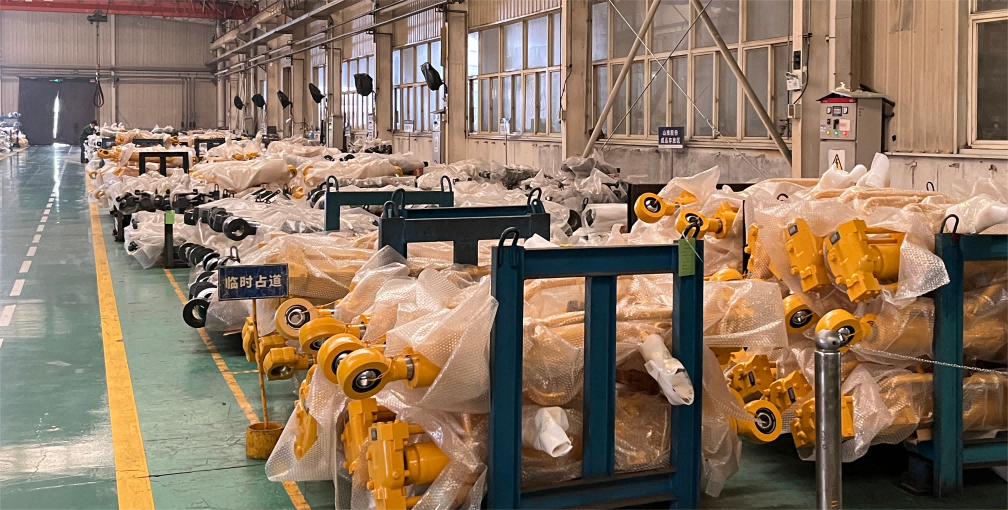
To specify a mobile hydraulic power unit for a dump trailer, scissor hoist, tailgate, platform or vehicle-mounted circuit, request a sample or quotation and include the equipment type, cylinder function, working pressure, flow requirement, voltage, duty cycle, installation envelope and annual demand.
Product catalog (PDF): Download the APEX Hydraulic main product catalog
Website: www.hydraulicapex.com
Contact: Jason — jason@hydraulicapex.com — Tel / WhatsApp +86 182-5318-1828
Address: Qingdao City, Shandong Province, China