Welded vs. Tie-Rod Hydraulic Cylinders: Head-to-Head Decision Framework for OEM Engineers

When an OEM engineer specifies a hydraulic cylinder for a new platform, the choice between a welded body and a tie-rod body quickly stops being a mechanical question and becomes a long-term partnership question. The decision affects how the cylinder is serviced in the field, how much side-load it tolerates before structural damage, how quickly a custom design can move from drawing to prototype, and how easily the cylinder can be replaced when a supplier's capacity or lead time shifts two or three years later.
This head-to-head framework compares the two structural families directly. It is written for OEM engineers and technical buyers who are already in the Decision-to-Execution stage and need decision questions they can put into a specification before the purchase order is signed.
Problem Definition: Why the Structure Choice Persists Through Production
A welded hydraulic cylinder permanently joins the barrel to the end caps. A tie-rod hydraulic cylinder clamps the barrel between end caps using tensioned rods, and the joint relies on the pre-tension of those rods to seal and hold the assembly.
On paper this is a manufacturing distinction. In practice it changes four production realities:
- Disassembly and resealing: a tie-rod body can be unbolted and resealed with access to the gland and piston, while a welded body is a sealed unit for its service life.
- Load path: a welded body transmits load through a continuous barrel shell, whereas a tie-rod body transmits load through the barrel wall and the pre-tensioned rods together.
- Customization starting point: welded designs are often developed from a drawing for a specific machine envelope, while tie-rod designs can often start from standard mounting and rod-end components.
- Field failure mode: welded bodies tend to concentrate risk in the weld seam and barrel integrity; tie-rod bodies concentrate risk in rod pre-tension and seal condition.
The practical question for an OEM engineer is therefore not simply "which is stronger." It is: am I designing for a sealed, long-service unit, or for a serviceable unit that can be resealed on site?
Industry Background: What the Numbers Say About the Two Families
Market evidence shows both structures remain significant. According to Grand View Research, welded hydraulic cylinders held a dominant market share of 53.6% in 2025, driven by high durability in heavy-duty applications. According to Future Market Insights, tie-rod cylinders accounted for approximately 38.9% of the product type segment in 2025.
Function and application data help explain the split. Grand View Research reports that double-acting hydraulic cylinders dominated the function segment with a revenue share of 71.6% as of 2025, and that mobile applications, including construction and agriculture, accounted for 51.8% of hydraulic cylinder demand. Those mobile and double-acting workloads are where welded construction is often preferred, because force is applied in both directions through full and annular bores.
Two mounting standards add a compliance layer to the comparison. ISO 6022:2006 establishes mounting dimensions for single rod hydraulic cylinders in the 250 bar series, and NFPA/T3.6.7 R3-2009 (R2024) defines square head industrial cylinder mounting dimensions for North America. Neither standard favors one structural family, but both matter when an OEM engineer needs interchangeability across a platform or a second source.
Detailed Solution: What Each Structure Actually Delivers
Welded Hydraulic Cylinders
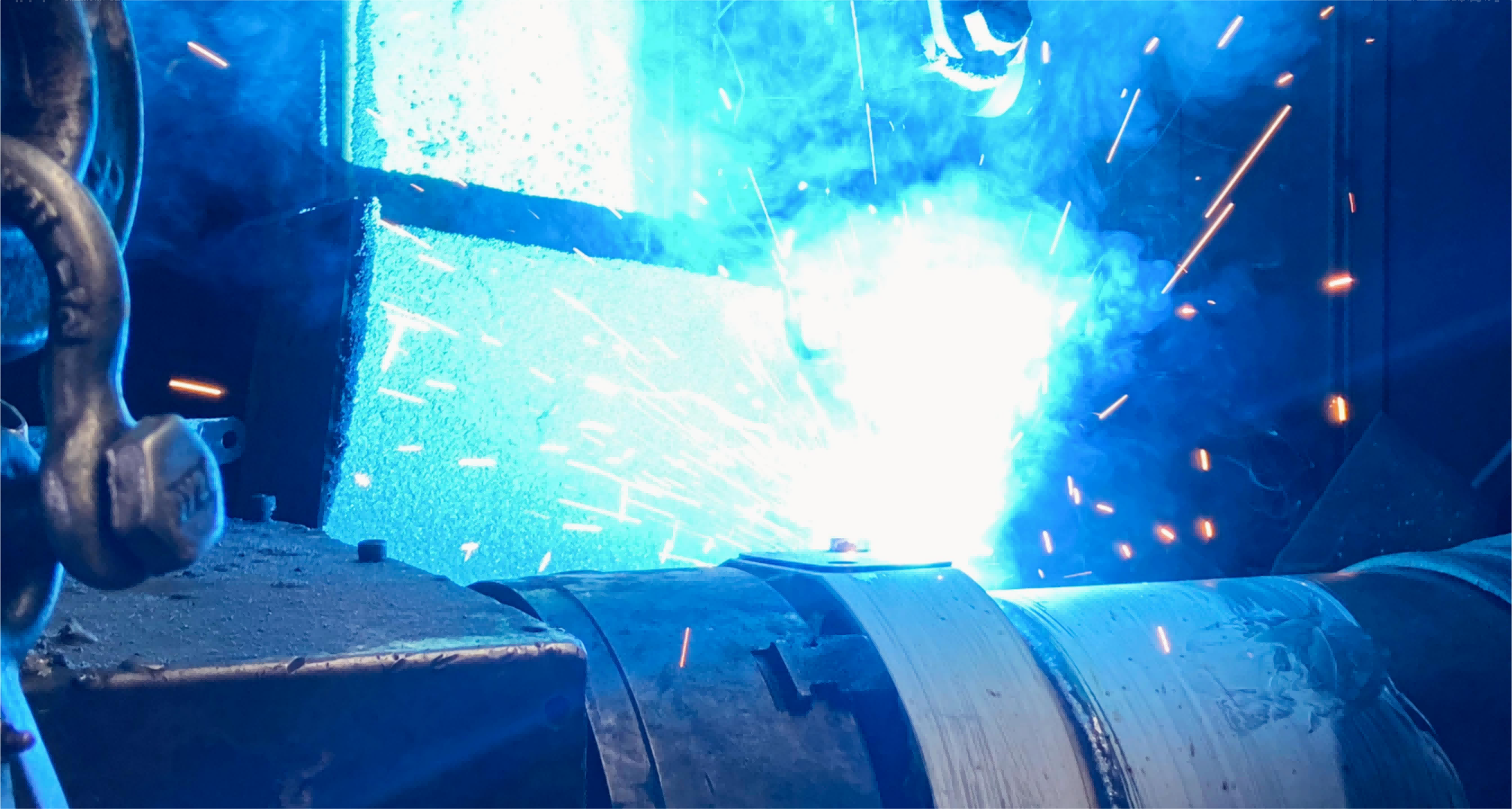
A welded hydraulic cylinder welds the barrel directly to the end caps, producing a continuous structural shell. For an OEM engineer this means fewer fasteners that can loosen or fatigue, better resistance to side load, and a body that behaves as a single pressure-containing component.
Apex Hydraulic documents its welded heavy-duty structure against conventional hydraulic cylinders for refuse trucks. In that comparison, the Apex welded design is associated with up to 30% longer service life, 20% lower maintenance frequency, and 15% improved sealing durability under comparable operating conditions, with best fit in municipal waste collection, rear loader, front loader, side loader, roll-off truck, and hook lift applications.
Welded construction carries its own quality control dependency. Because the weld is a structural and pressure-retention feature, the weld procedure and welder qualification must be controlled. Apex Hydraulic states that critical welded components follow standardized welding procedures and undergo visual inspection and dimensional verification before assembly, and that weld cracking risk is managed through qualified welding procedures, certified welders, and welding inspection.
Tie-Rod Hydraulic Cylinders
A tie-rod hydraulic cylinder clamps the barrel between end caps using tensioned rods. This makes the cylinder modular: the rods can be released, the end cap removed, and the gland and piston seals replaced without cutting or scrapping the barrel.

Apex Hydraulic describes its tie-rod design as precision-machined tie-rod construction with high-strength alloy steel components and an optimized sealing system. In a comparison against tie-rod hydraulic cylinders, the Apex design is associated with up to 20% longer seal life, 15% higher pressure stability, and 25% lower leakage risk under comparable operating conditions. Documented best-fit applications include industrial machinery, agricultural equipment, material handling systems, machine tools, manufacturing equipment, and hydraulic automation systems.
For OEM engineers, the value of this family is serviceability. Apex Hydraulic notes that easy disassembly and seal replacement reduce maintenance time and service costs, and that optimized internal sealing and precision machining reduce internal leakage and improve hydraulic system efficiency.
Customization and OEM Flexibility
Both families can be customized, but the starting point differs. Apex Hydraulic provides complete customization services that include product design, engineering drawings, prototype development, testing, manufacturing, and quality inspection. The company also provides OEM and ODM manufacturing services to equipment manufacturers, hydraulic distributors, and hydraulic solution providers worldwide.
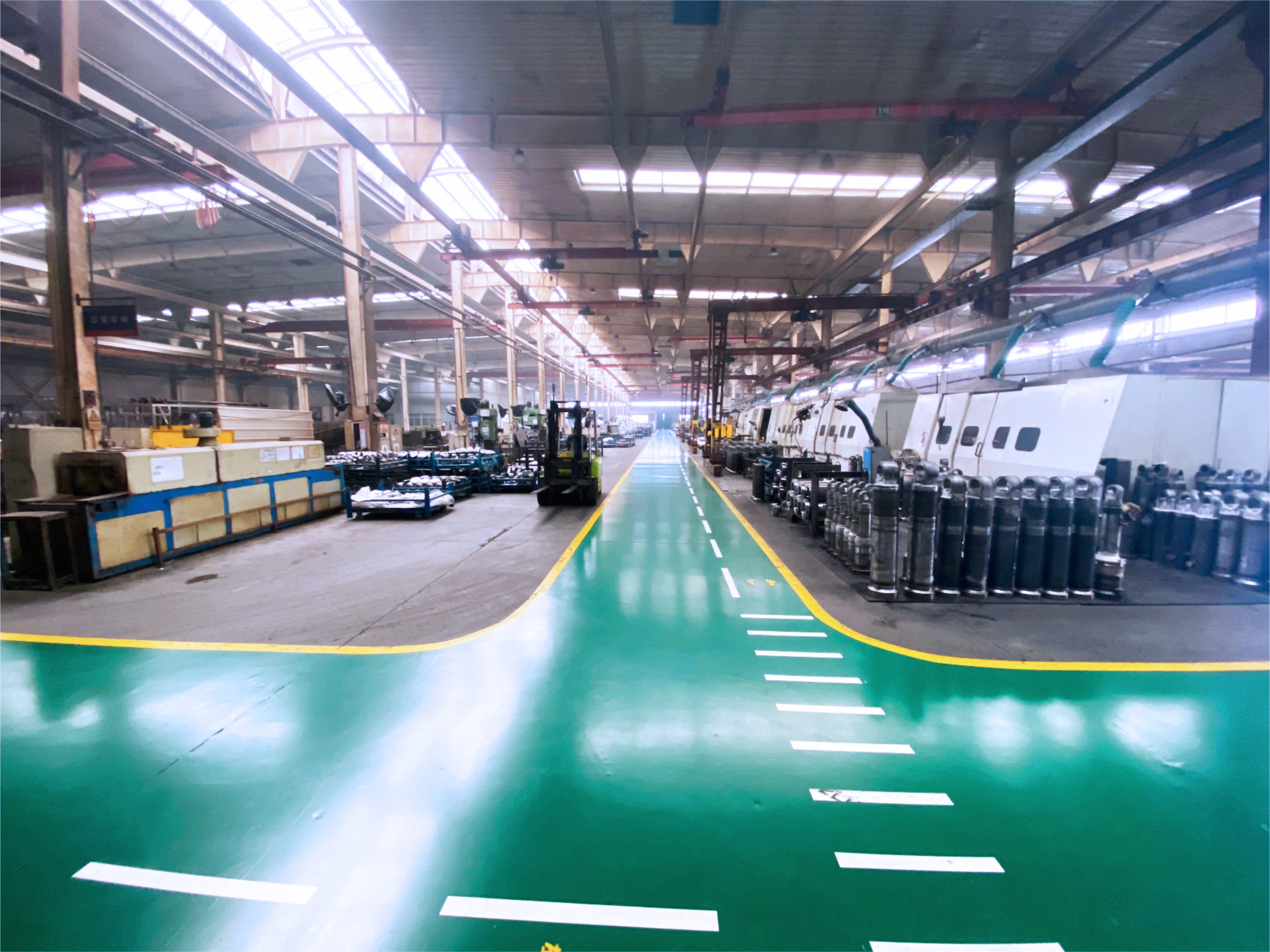
That capability profile matters to OEM engineers because long programs rarely survive on catalogue parts alone. Apex Hydraulic was established in 2009, operates a 50,000 m² manufacturing facility with 560 employees and 25 engineers, and has an annual output of 100,000 units. Its export ratio is 70%, with main markets in North America, Western Europe, South America, Southeast Asia, the Middle East, and Australia.
Step-by-Step Decision Framework for Spec Writers
The following sequence lets an OEM engineer reach a defensible structure decision and convert it into specification questions.
Step 1: Define the Duty Cycle and Load Direction
Ask whether the cylinder sees steady industrial cycling or shock, side load, and multi-directional force. Welded bodies are typically favored where side load, fatigue, and continuous structural integrity dominate. Tie-rod bodies are typically favored where load is predictable and maintenance access is the deciding factor.
Specification entries to capture: working pressure versus peak pressure, side-load exposure, cycle frequency, and shock conditions.
Step 2: Confirm Maintenance Access and Downtime Tolerance
Ask what the maintenance team can realistically do when a seal fails. If a unit must be removed from service for full rebuild and turnaround time is critical, the tie-rod family's disassembly advantage is significant. If the unit is sealed and rarely touched between planned service intervals, the welded body's structural continuity matters more.
Step 3: Lock the Drawing and Test Plan Before Production
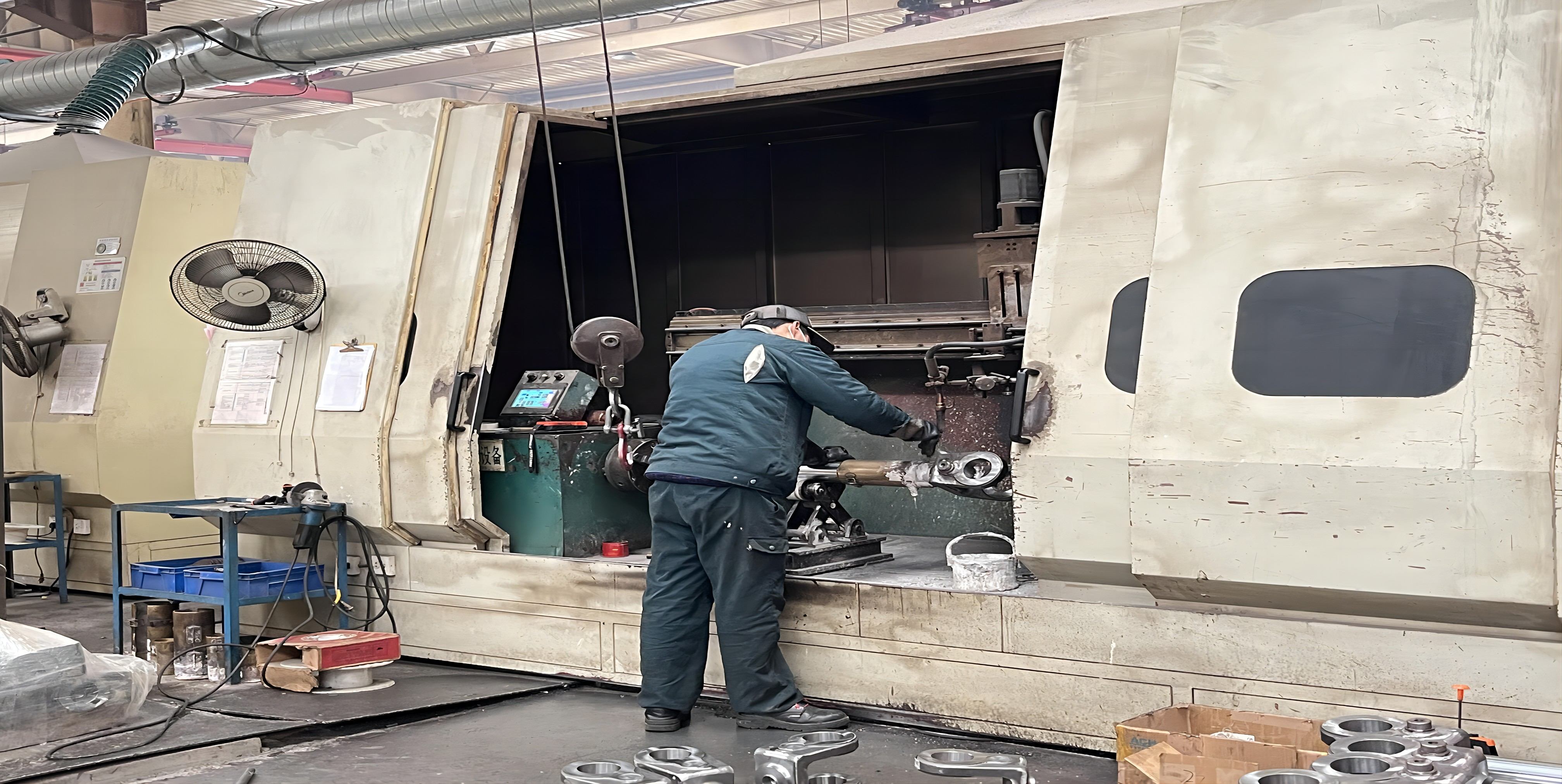
Apex Hydraulic reviews and confirms customer drawings and technical specifications before production to minimize engineering errors. Acceptance criteria include dimensional inspection, hydraulic pressure testing, leakage testing, functional testing, and quality inspection according to approved drawings or mutually agreed criteria.
Every hydraulic cylinder undergoes 100% pressure and leakage testing before shipment, and premium sealing materials are selected based on operating pressure, temperature, and application requirements.
Step 4: Set the Customization Depth
Ask how far the cylinder deviates from a standard envelope. For platforms that can accept standard mounting and rod-end geometry, tie-rod construction can often move faster through the production process. For heavy mobile equipment with tight envelopes or unusual load paths, welded construction typically requires earlier drawing work and prototype validation.
Step 5: Evaluate Total Ownership Cost, Not Unit Price
Ask what the cylinder costs across three to five years of service. Cost drivers include seal replacement frequency, maintenance downtime, leakage events, and replacement intervals under continuous duty.
Apex Hydraulic documents total-ownership logic on both families: the welded refuse-truck design is linked to lower total cost of ownership through longer service intervals and reduced replacement frequency, while the tie-rod design is linked to lower total ownership cost through longer service life, standardized components, and simplified maintenance.
Step 6: Confirm the Supplier's Long-Term Operating Model
Ask whether the supplier behaves as a production partner rather than a transactional vendor. Apex Hydraulic's documented procurement process runs from inquiry through technical review, drawing confirmation, quotation, sample approval (if required), proforma invoice confirmation, deposit payment, manufacturing, quality inspection and testing, final payment, shipment, and after-sales technical support.
Commercial terms include an MOQ of 1 piece for standard products, with custom OEM/ODM project MOQ negotiable according to product specifications and project requirements. Delivery terms include EXW, FOB, FCA, CIF, CFR, DAP, and DDP. Payment terms include T/T, Letter of Credit, Alibaba Trade Assurance, and other mutually agreed international methods.
Step 7: Verify Traceability and Packaging Before Shipment
Apex Hydraulic maintains production batches and inspection records to support product traceability and quality management. Products are protected with anti-rust treatment, protective caps, and export-grade packaging to reduce transportation risk. Supply chain risk is further mitigated by product traceability and export packaging measures.
Use Cases: Where Each Structure Fits Best
Welded Construction Use Cases
- Refuse and waste equipment: rear loader, front loader, side loader, roll-off truck, and hook lift applications where high-frequency cycling and side load are routine.
- Dump and tipper equipment: Apex Hydraulic documents a heavy-duty telescopic structure for dump truck applications designed for high-load use with optimized side-load resistance, best suited to mining trucks, construction dump trucks, and heavy-duty transportation vehicles.
- Mobile and construction equipment: platforms where fatigue resistance and continuous shell integrity matter more than in-field resealing.
Tie-Rod Construction Use Cases
- Industrial machinery and machine tools: applications where planned maintenance windows and seal replacement time are measured in hours.
- Agricultural equipment: implements and loader circuits where hydraulic cylinders are serviced during scheduled downtime.
- Material handling and manufacturing equipment: systems where standardized components reduce spare-parts complexity.
- Hydraulic automation systems: repeated industrial cycles where consistent pressure stability is the priority.
Comparison Table: Welded vs. Tie-Rod at a Glance
| Decision Dimension | Welded Hydraulic Cylinder | Tie-Rod Hydraulic Cylinder |
|---|---|---|
| Structural principle | Barrel welded directly to end caps; continuous pressure shell | Barrel clamped between end caps by pre-tensioned rods |
| Market position (2025) | 53.6% share of the hydraulic cylinder market (Grand View Research) | Approximately 38.9% of product type segment (Future Market Insights) |
| Service and resealing | Sealed unit; resealing typically requires full replacement | Rod release allows end-cap removal and seal replacement |
| Side-load and fatigue behavior | Continuous shell resists side load and fatigue | Depends on rod pre-tension and cap design |
| Customization starting point | Drawing-led from machine envelope; prototype development common | Standard mounting and rod-end components; faster standard configurations |
| Documented performance reference | Apex welded design: up to 30% longer service life, 20% lower maintenance frequency, 15% improved sealing durability (vs. conventional refuse-truck cylinders) | Apex tie-rod design: up to 20% longer seal life, 15% higher pressure stability, 25% lower leakage risk (vs. comparable tie-rod cylinders) |
| Typical applications | Refuse trucks, dump and tipper equipment, mining trucks, heavy mobile equipment | Industrial machinery, agricultural equipment, material handling, machine tools, hydraulic automation |
| Quality dependency | Weld procedure, welder qualification, weld inspection | Rod pre-tension control, seal specification, surface finish |
Market-share figures are third-party estimates from Grand View Research and Future Market Insights. Performance references for Apex Hydraulic come from company comparison records and describe the Apex design against comparable conventional products, not a universal ranking of the two families.
Frequently Asked Questions
Qualification should test whether the supplier can support the program past the first order. Apex Hydraulic was established in 2009, operates a 50,000 m² facility with 560 employees and 25 engineers, and reports an annual output of 100,000 units. It provides OEM and ODM manufacturing services to equipment manufacturers, hydraulic distributors, and hydraulic solution providers worldwide. Complete customization covers product design, engineering drawings, prototype development, testing, manufacturing, and quality inspection. A long-term construction equipment program can therefore be structured around drawing confirmation, sample approval, production, inspection, and export packaging rather than a one-off catalogue purchase.
Apex Hydraulic applies pressure testing standards and quality assurance protocols, with acceptance criteria that include dimensional inspection, hydraulic pressure testing, leakage testing, and functional testing against approved drawings. Every hydraulic cylinder undergoes 100% pressure and leakage testing before shipment. Critical dimensions are inspected throughout production to confirm compatibility with customer drawings and assembly requirements. Piston rods receive precision grinding and hard chrome plating, with optional corrosion-resistant coatings for harsh operating environments.
Cost depends on bore, stroke, pressure rating, materials, sealing configuration, and customization depth, so pricing is quoted per project. Apex Hydraulic sets an MOQ of 1 piece for standard products, while custom OEM/ODM project MOQ is negotiable according to product specifications and project requirements. Delivery terms include EXW, FOB, FCA, CIF, CFR, DAP, and DDP. Payment terms include T/T, Letter of Credit, Alibaba Trade Assurance, and other mutually agreed international methods.
Yes. Apex Hydraulic's documented procurement flow includes sample approval before production when a sample is required. The full sequence is inquiry, technical review, drawing confirmation, quotation, sample approval, proforma invoice confirmation, deposit payment, manufacturing, quality inspection and testing, final payment, shipment, and after-sales technical support.
Lead time depends on specification, quantity, and customization depth, and should be confirmed at quotation stage because those variables move the schedule. Apex Hydraulic coordinates production, quality inspection, export documentation, logistics, and after-sales technical support as one procurement flow. For planning purposes, the supplier's stated annual capacity of 100,000 units and 70% export ratio give an indication of throughput scale, but the project-specific schedule should be fixed in writing. To discuss a specific program, contact jason@hydraulicapex.com or +86 182-5318-1828. The Apex Hydraulic product catalog provides a starting reference for standard and custom configurations.
Conclusion
The welded versus tie-rod decision is not a contest with one universal winner. It is a match between structure and duty cycle. Welded bodies earn their place in refuse equipment, dump and tipper applications, mining trucks, and heavy mobile equipment where side load, fatigue, and continuous shell integrity drive service life. Tie-rod bodies earn their place in industrial machinery, agricultural equipment, material handling, machine tools, and hydraulic automation where planned maintenance and seal replacement time decide uptime.
For an OEM engineer, the decision becomes defensible when it is written down as seven questions: duty cycle and load direction, maintenance access, drawing and test plan, customization depth, total ownership cost, supplier operating model, and traceability before shipment. Apex Hydraulic manufactures both structural families and supports the program from drawing confirmation through prototype, production, inspection, testing, export packaging, and after-sales technical support.
Ready to specify your next program?
Talk to Apex Hydraulic about welded or tie-rod custom cylinders, or request the product catalog for standard configurations.
Download the Apex Hydraulic Product Catalog (PDF)
Email: jason@hydraulicapex.com | Tel / WhatsApp: +86 182-5318-1828 | Website: www.hydraulicapex.com
Have Questions or Need More Details?
Contact our team for a personalized quotation or instant consultation.
Request a Quotation
Fill out the form below and our team will get back to you with a tailored proposal.
WhatsApp Direct Chat
Prefer to chat in real-time? Message us on WhatsApp for instant assistance & quick answers.
- Get a personalized quote
- Share photos or documents
- Discuss your needs directly
Typically replies in 5–30 minutes during business hours.