
Box Type Substation: A Complete Buyer's Guide
Box Type Substation: A Complete Buyer's Guide
A box type substation is a substation delivered as a factory-assembled unit: the transformer, high-voltage switchgear, low-voltage distribution, protection and auxiliary systems are installed, wired and tested inside a steel or containerized enclosure, and the completed module is transported to site for connection. It is the format most often specified when a project needs a grid station quickly, on a small footprint, or in a location where civil works and skilled site labour are limited.
This guide is written for utility engineers, EPC contractors, plant engineers and procurement teams who are still at the stage of understanding the product rather than comparing brands. It explains what is inside the enclosure, which standards govern it, how the configuration choices differ, and which questions should be settled before a specification is issued. Product data and project references in this article come from Apex Power Systems (Nanjing)Co., Ltd., an international trading and supply partner for power transformers and substations working with audited manufacturing partners.
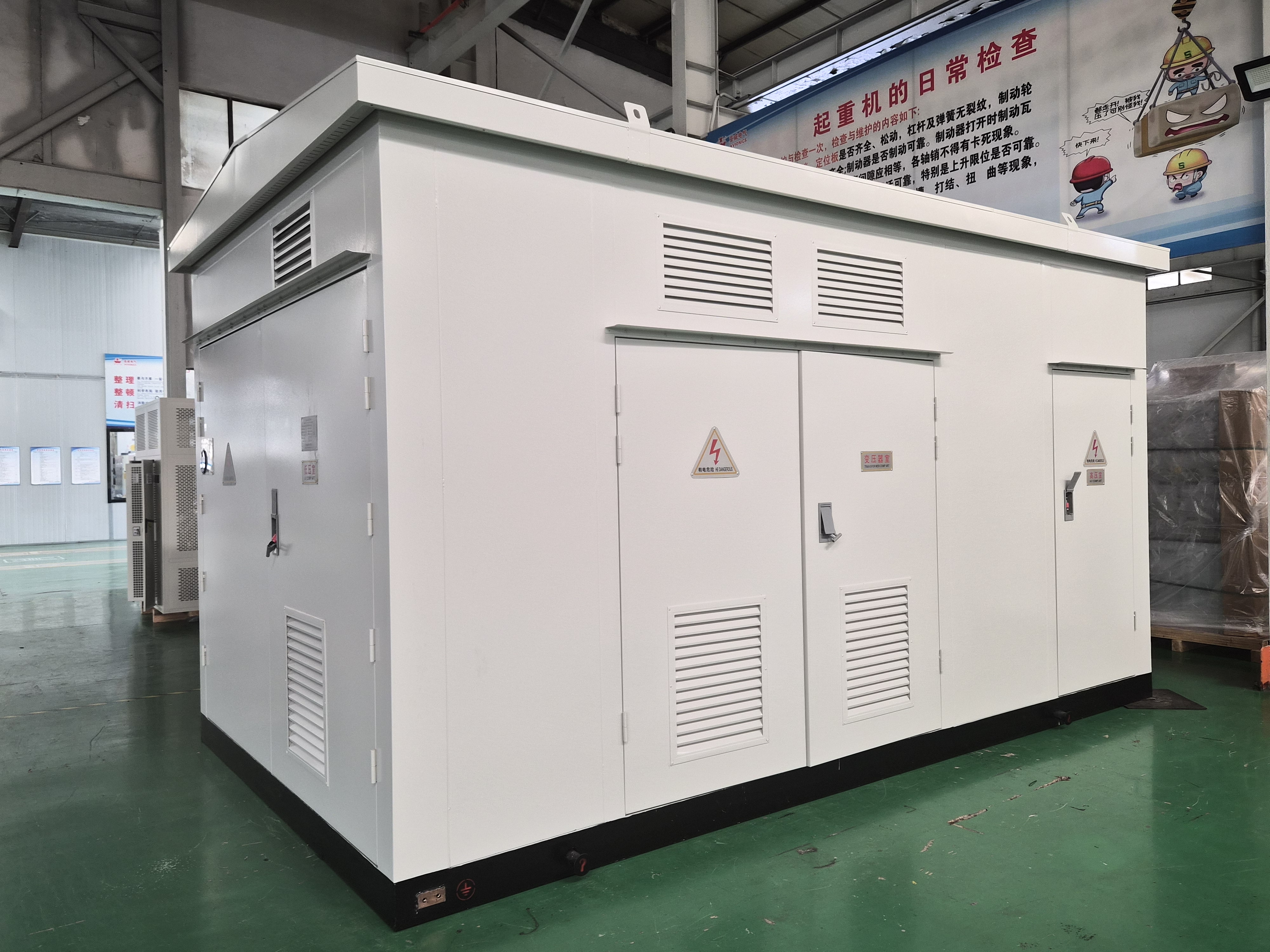
A prefabricated cabin modular substation: transformer, switchgear, automation and environmental control integrated in one transportable enclosure.
What a Box Type Substation Actually Is
A box type substation is an enclosed, prefabricated high-voltage substation in which the incoming switching, the transformer, the low-voltage outgoing circuits and the secondary equipment are assembled as a single deliverable unit rather than constructed piece by piece on site.
The terminology varies by market. The same product family is described as a box-type substation, a prefabricated substation, a packaged substation, a prefabricated cabin substation or a containerized substation. In the range supplied through Apex, the prefabricated cabin form is designated YBM/ZGS11/ZGS13 and is classified as a prefabricated cabin modular substation. Buyers searching for a compact box type substation, a modular prefabricated substation or a prefabricated cabin substation are typically looking at the same category, with differences in enclosure style, switching arrangement and capacity rather than in working principle.
The governing product standard is IEC 62271-202:2022, published by the International Electrotechnical Commission. Its scope covers the service conditions, rated characteristics, general structural requirements and test methods of enclosed high-voltage prefabricated substations. A supplier claim of IEC 62271 compliance should therefore be traceable to that edition, and to test reports that name the product family actually being purchased.
The Problem a Box Type Substation Solves
In a conventional substation, the civil structure is built first, the transformer and switchgear arrive separately, and assembly, wiring, protection setting and dielectric testing all happen on site. Every one of those steps is a schedule risk and a quality risk: site work depends on weather, on crane availability, on the competence of the local assembly crew, and on dust and humidity control that a permanent building may not yet provide.
A box type substation moves assembly and factory testing upstream. Integrated equipment is installed, wired and commissioned at the factory, the unit is transported as a complete module, and site work reduces to foundation preparation, crane lifting and connection. The practical consequences for a project are:
- Less site work and a shorter construction window. Factory prefabrication reduces site work, which matters most in regions with limited infrastructure and limited skilled labour.
- Quality control happens where the test equipment is. Routine and type testing, wiring checks and protection setting can be completed and witnessed before shipment instead of after arrival.
- Smaller footprint and lower operating cost. A complete-substation prefabrication approach reduces building footprint, operation and maintenance cost, energy consumption and on-site pollution compared with a conventional substation building.
- Modular expansion. The configuration is modular and expandable, and capacity upgrades require additional cabins rather than a rebuild of the existing station.
- Relocation is possible. Because the unit is a module rather than a building, it can be moved if the network layout changes.
The limits matter as much as the benefits, and an honest specification acknowledges them. A single module is bounded by its transport envelope and lifting weight, which is why larger capacities are met by combining cabins rather than by enlarging one. Enclosure thermal design must be matched to the site: the prefabricated cabin range is rated for an ambient temperature of –40 °C to +50 °C, so projects outside that band need a specific engineering review. Market certification is destination-specific and cannot be assumed. And maintenance access, cable entry direction and future circuit additions should be decided at the layout stage, because they are difficult to retrofit into a finished cabin.
Industry Background: Why the Format Keeps Growing
Two demand drivers sit behind the current interest in prefabricated substations, and both are quantifiable.
The first is data centre and AI computing load. According to IDCA, data centres consumed 2% of the world's electricity in 2026, up from 1.7% in 2024. Mordor Intelligence puts the global data centre substation market at USD 11.31 billion in 2026, rising to USD 13.27 billion in 2027 and USD 19.78 billion by 2032. Critical-power projects of that scale are schedule-driven: a substation that can be energised months earlier has a direct commercial value, and a factory-built module is usually the fastest route to an energised station.
The second is renewable generation. Solar, wind and battery energy-storage plants are built in arrays that need many step-up points, often in exposed locations, and each point has to be commissioned to a consistent standard. A prefabricated cabin that integrates transformer, switchgear and monitoring is a repeatable unit, which suits multi-point plant construction better than a series of site-built stations.
An interpretation, not a measured fact: as data centre and renewable demand absorb manufacturing capacity, delivery slots for higher voltage classes and larger capacities are likely to tighten before they loosen. Buyers with fixed energisation dates should therefore confirm the production slot as part of the enquiry, not after the technical review.
What Sits Inside a Complete Box Type Substation
A box type substation is only comparable with another one when the integrated scope is stated. In the prefabricated cabin configuration supplied through Apex, the integrated equipment scope is:
- High-voltage switchgear, metal-clad withdrawable or fixed type with vacuum circuit breakers
- The transformer, oil-immersed or dry-type, selectable
- Low-voltage switchgear
- Compensation equipment
- An automation system with temperature, humidity, smoke, water-ingress and access monitoring
- AC and DC auxiliary power supply
- Environmental control: industrial air conditioner, forced ventilation and heater
- Optional fire protection, gas extinguishing or ultra-fine dry powder
The enclosure itself is a containerized steel structure with rock-wool sandwich-panel insulation and an anti-corrosion coating, mounted on a welded structural-steel base with anti-corrosion treatment. Busbars are copper with heat-shrink insulation. Protection is IP54 or IP55 depending on specification, cabin dimensions follow standard container dimensions but are customizable, and the unit is transported as a complete module and lifted into place by crane for on-site connection.
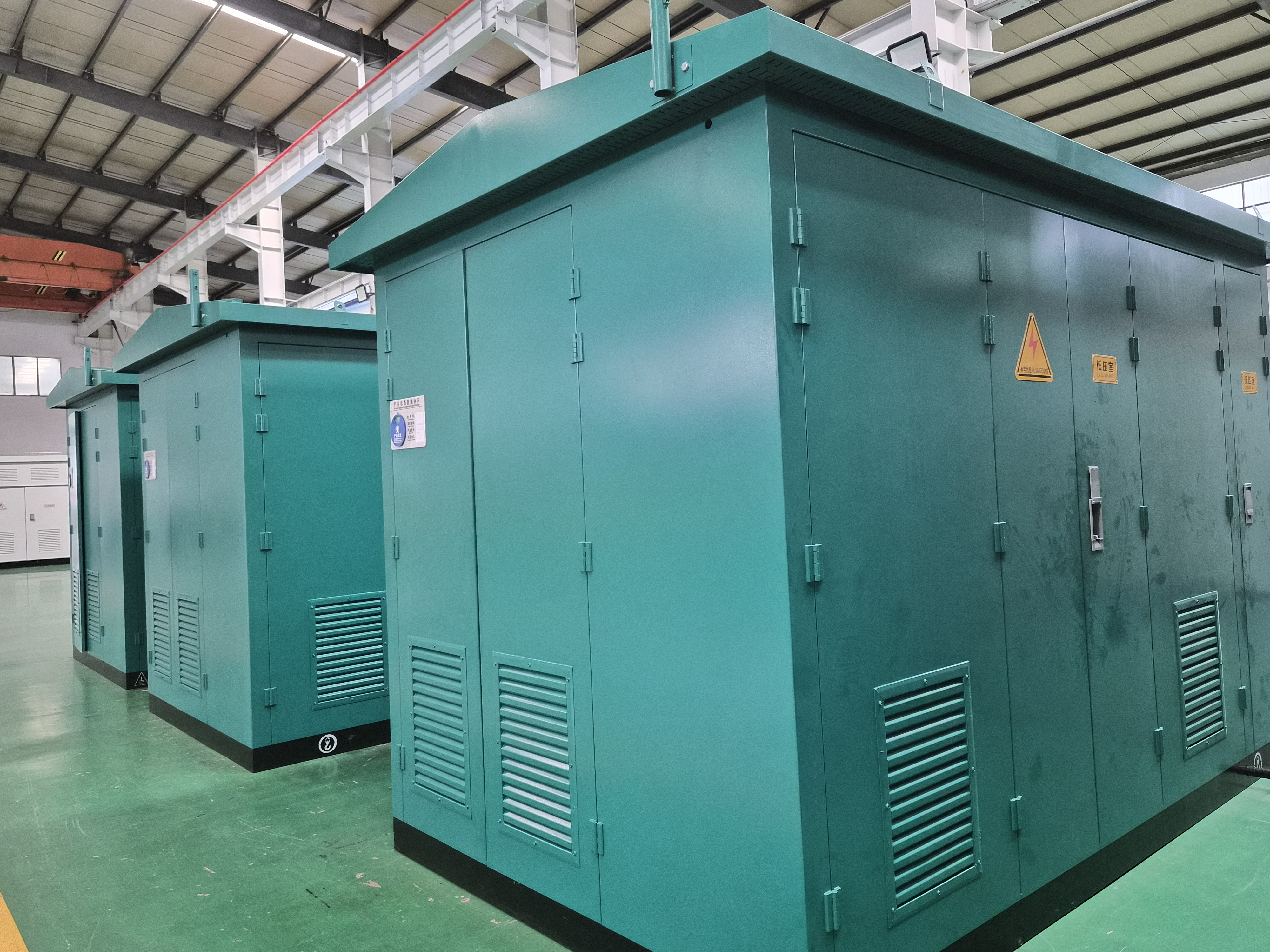
Integrated scope is what makes two quotations comparable: HV switchgear, transformer, LV distribution, auxiliaries and monitoring in one enclosure.
Configurations and Capacity Ranges Compared
The table below compares the four equipment families most often combined into a box type substation project, using published data from the range Apex supplies. Selection usually starts with the load and the destination market, not with the enclosure.
| Configuration | Voltage and capacity range | Enclosure and environment | Typical fit | What to verify |
|---|---|---|---|---|
| Prefabricated cabin substation, YBM/ZGS11/ZGS13 | 10 kV / 35 kV; transformer capacity 500–50,000 kVA | Containerized steel cabin, rock-wool sandwich panels, IP54 / IP55, ambient –40 °C to +50 °C | PV, wind and energy-storage step-up; data centres and AI computing parks; industrial plant substations; municipal power; remote mines and oil and gas fields | Integrated equipment list, monitoring scope, fire-protection option, transport envelope and lifting weight |
| Three-phase pad-mounted transformer, ZGS-H/ZGS-Z Series | HV 4.16–34.5 kV or customized; LV 240 / 480 / 600 / 347 V; 75–2,500 kVA | Welded stainless or carbon steel tank, fully sealed, anti-corrosion powder coating | North American distribution grids, commercial complexes, industrial parks, municipal works, residential developments | UL / CSA certification, DOE 2016 / CSA 2023 efficiency, loop-feed or radial-feed configuration |
| Oil-immersed distribution transformer, S13 / S14 / S15 Series | 10 kV class 30–3,150 kVA; 35 kV class 3,150–31,500 kVA | Corrugated tank up to 1,600 kVA, tubular radiators from 2,000 kVA, ONAN cooling, fully sealed | Distribution grid construction and upgrades, industrial auxiliary power, commercial and residential supply, renewable substation packages | Efficiency grade to GB 20052, off-circuit or on-load tap changing, sealing and oil type |
| Epoxy resin cast dry-type transformer, SCB12–SCB18 Series | 10 kV class 30–2,500 kVA; 35 kV class 800–25,000 kVA | IP00 / IP20 / IP23, insulation class F or H, no insulating oil | Indoor and fire-sensitive locations, data centres, subways, stations, airports, tunnels, hospitals and schools | Room ventilation, enclosure IP rating and forced-air cooling arrangement |
Enclosure style follows market convention rather than performance. North American projects generally use pad-mounted designs, where the transformer and its switching and protection sit in a tamper-resistant ground-level enclosure. European and export projects more often use the cabin format, particularly where the station has to be delivered to a site with limited transport access. Where the enclosure must sit below grade for planning or space reasons, an underground vault arrangement is used; the electrical duty is unchanged, but access, ventilation and water management become the dominant design considerations.
How to Specify a Box Type Substation, Step by Step
Step 1 — Fix the electrical duty before the enclosure
State the high-voltage system voltage (10 kV or 35 kV are the common classes in this range), the transformer capacity required, the low-voltage outgoing configuration and the expected load profile. Capacity decisions made late are the most expensive to reverse, because they change the cabin size, the lifting weight and the transport plan.
Step 2 — Choose the transformer type inside the cabin
Oil-immersed and dry-type units are both available for integration. Dry-type units contain no insulating oil, which allows installation close to the load and suits fire-sensitive and indoor locations; oil-immersed units cover larger capacities per unit. For renewable step-up duty, the new energy transformer range SC10 / SZ18 / SZ20 offers 500–12,500 kVA at 10 kV and 1,000–12,500 kVA at 35 kV, with a wide-range 0.4–1.14 kV low-voltage winding designed to match inverter outputs and impedance voltage options of 6.0–14.0% for different system short-circuit capacities.
Step 3 — Define the high-voltage switching arrangement
Decide whether the station needs a single incoming circuit or a ring arrangement, and whether the switchgear should be metal-clad withdrawable or fixed type. Withdrawable switchgear costs more but allows a circuit breaker to be exchanged without dismantling busbars, which matters where downtime is expensive.
Step 4 — Define the low-voltage and auxiliary scope
List the outgoing circuits, the compensation requirement, the AC and DC auxiliary supply, and the fire-protection option. This is the part of the scope most often left vague in an enquiry and most often renegotiated later.
Step 5 — Match the enclosure to the site
Confirm the ambient temperature range, the required IP rating (IP54 or IP55), the altitude, the corrosion environment and the cable entry direction. Coastal, dusty and high-humidity sites need to be named explicitly at this stage, not discovered at commissioning.
Step 6 — Fix the compliance route for the destination market
European and North American requirements differ in kind, not only in paperwork. Confirm which regime applies to the low-voltage assembly, which applies to the protection and monitoring electronics, and which applies to the liquid-filled transformer if one is used. The compliance section below sets out the four regimes most often involved.
Step 7 — Validate with documents, then with tests
Approve general arrangement and schematic drawings before production, agree the factory acceptance test programme, and decide whether you will witness it. Witnessed factory acceptance testing and factory visits can be arranged as part of an order, and they are the cheapest form of risk reduction available on a project of this type.
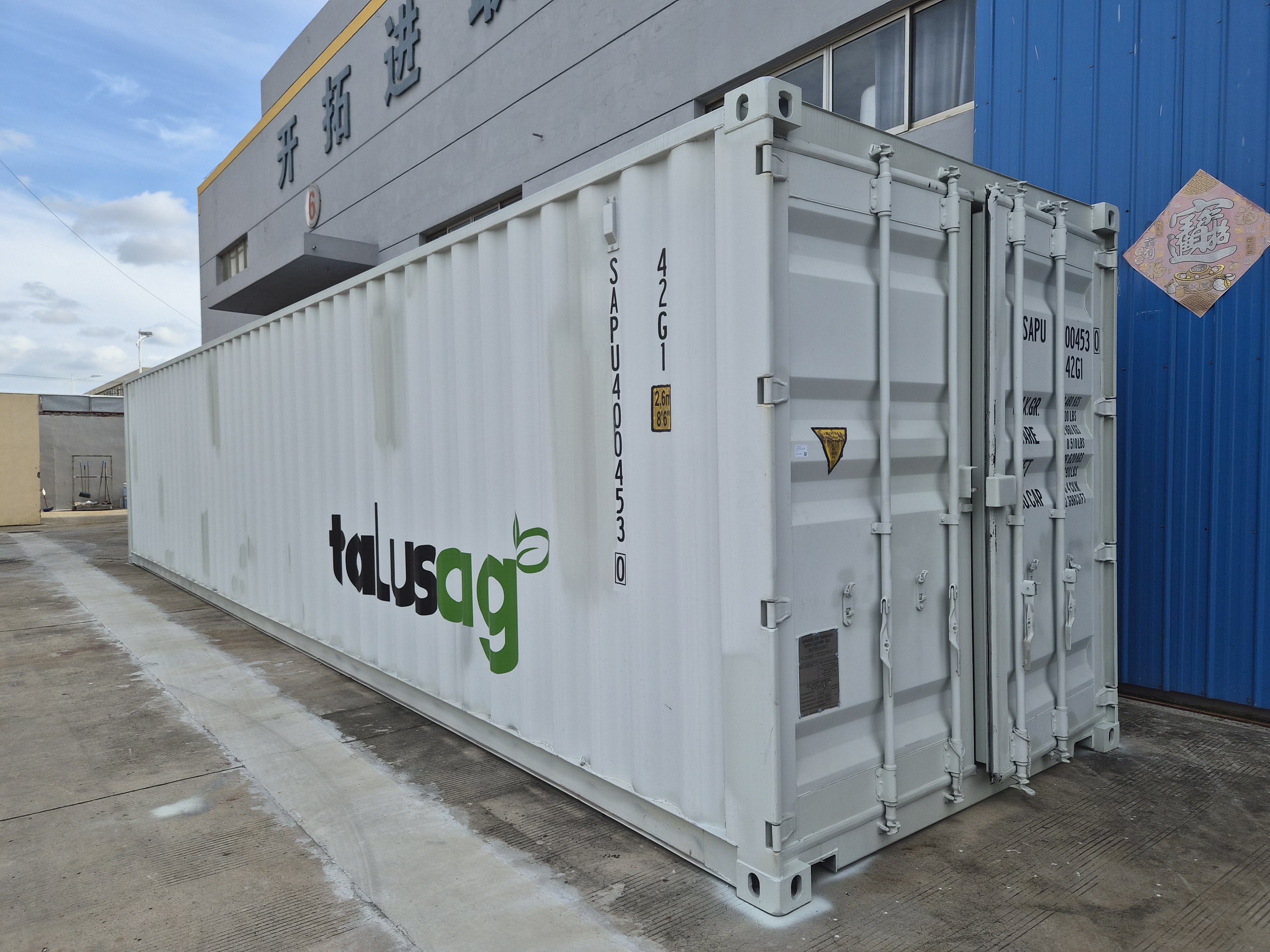
Factory assembly and testing before shipment is the core reason a box type substation shortens the site programme.
Application Scenarios in Practice
Solar, wind and energy-storage plants
Step-up substations for PV, wind and energy-storage plants are the most common cabin application in this range. The transformer options include oil-immersed, dry-type and prefabricated-cabin configurations, and a delivered 40,000 kVA energy-storage project in Bulgaria is cited in the product information for the new energy transformer range. Factory prefabrication of the cabin can shorten construction time by up to 60% on suitable sites.
Data centres and AI computing parks
Two duties need two answers. For indoor MV/LV distribution inside the building, dry-type SCB12–SCB18 transformers are the appropriate family because they contain no insulating oil and can be installed close to the load; under forced-air cooling they can operate at up to 150% of rated load. For the incoming supply and the outdoor power block, a prefabricated cabin substation suits projects that must be energised quickly, because assembly and testing are completed before shipment.
Industrial plants and commercial buildings
Industrial plant auxiliary power, commercial buildings, residential communities, hospitals, schools and municipal utilities are all standard applications for oil-immersed and dry-type distribution transformers, with the cabin format used where a dedicated substation building is not justified. In high-rise, underground and densely occupied locations, the oil-free dry-type unit is normally preferred on fire-safety grounds.
Remote sites, mines and oil and gas fields
Remote power supply for mines and oil and gas fields is a named application of the prefabricated cabin, and overseas EPC projects in areas with limited transport access are another. For underground coal mines specifically, the KBSG / KBSGZY mining transformer range covers 50–6,300 kVA with Exd I explosion protection for mines with methane and coal-dust hazards.
North American distribution
Three-phase pad-mounted units in the ZGS-H/ZGS-Z Series cover 75–2,500 kVA with high voltages from 4.16 kV to 34.5 kV, low voltages of 240 / 480 / 600 / 347 V, DOE 2016 and CSA 2023 efficiency, and loop-feed or radial-feed configurations. A 15 MVA pad-mounted transformer project in the United States is cited as a delivered reference.
The Compliance Layer: What Certified Must Mean
Compliance claims are where box type substation procurement most often goes wrong, because the word certified is used for four different things. The table below sets out what each regime actually covers.
| Regime | What it covers | What a buyer should request |
|---|---|---|
| IEC 62271-202:2022 | Service conditions, rated characteristics, general structural requirements and test methods for enclosed high-voltage prefabricated substations | Type-test reports naming the current edition and the exact product family purchased |
| EU Low Voltage Directive 2014/35/EU | Electrical equipment rated 50–1,000 V AC or 75–1,500 V DC; in a 10 kV or 35 kV substation this is the low-voltage compartment and its assemblies | Declaration of conformity, CE marking and supporting test documentation for the LV assembly |
| EU EMC Directive 2014/30/EU | Electromagnetic compatibility of equipment liable to cause or be affected by electromagnetic disturbance, including protection, control and monitoring electronics | EMC test evidence for the secondary and communication equipment |
| EU RoHS 2, Directive 2011/65/EU | Restriction of specified hazardous substances in electrical and electronic equipment placed on the EU market | Material compliance declaration covering wiring, relays and electronic components |
| UL / CSA with IEEE C57.12 series | Liquid-filled distribution transformers rated above 750 V for the United States and Canada | A UL Certificate of Compliance in the manufacturer's legal entity name, evaluated to CSA C2.1-06 and CSA C227.4, plus the purchasing utility's own specification and IEEE routine, type and special tests |
CE marking deserves a specific note. It is the visible outcome of a conformity assessment process, not a certificate issued by a third party, so a supplier who claims to hold a CE certificate for a substation is describing the process imprecisely. The right question is which directives apply, which declaration of conformity has been drawn up, and which test reports support it. The same discipline applies to the North American regime: a UL Certificate of Compliance confirms that representative samples were evaluated, and the authority to apply the UL Mark is granted separately under the follow-up services procedure.
How Apex Power Systems Coordinates Supply
Apex Power Systems (Nanjing)Co., Ltd. is an international trading and supply-partner company specialising in power transformers, box-type substations and complete substation solutions. It is not itself a factory: it works as the independent intermediary between overseas utility, EPC and industrial customers and a network of audited Chinese manufacturers, and it reports an annual output of 2,500 units across the transformer and substation range it supplies.
That separation is deliberate and has a practical consequence for a buyer. A factory can only sell what it makes; a supply partner can audit several plants against the same specification, compare them, and remain accountable for the result. In practice the work consists of shortlisting manufacturers, auditing production capability, test laboratory equipment, quality-management certification and export record, verifying that the certificates are current and held in the correct entity name for the exact product family being purchased, and then supervising design, production, witnessed testing, documentation, freight and site commissioning.
The certifications presented are those of the audited manufacturing partners: ISO 9001:2015, ISO 14001:2015 and ISO 45001:2018 management systems; IEC conformity for 10 kV and 35 kV power transformers and box-type substations; UL and CSA product certification; CQC certification for box-type substation and switchgear product lines; and independent evidence in the form of a KEMA Labs Type I Inspection Report for a 250 MVA / 345 kV three-phase power transformer tested in accordance with IEC 60076-1/-2/-3, IEC 60076-10, IEC 60076-11 and IEEE C57.12.00 / C57.12.90. The manufacturing base behind that record operates a dedicated test laboratory with lightning-impulse, no-load and load-loss, ratio, winding-resistance, temperature-rise and insulation test benches.
Coordinated reference projects include 4 × 110 kV power transformers for Azerbaijan Power Energy Company; 115 kV substations at Siroch Bahrom and Chomi for Tajikistan Power Transmission Company; a 69 kV transformer for Philippine Power Transmission Corporation and the Panglao Robinsons commercial project; a 132 kV transformer for a steel-plant substation in Seville, Spain; a 40,000 kVA energy-storage project in Bulgaria; a 15 MVA pad-mounted project in the United States; a 110 kV substation in Mongolia; a 345 kV fully insulated power transformer for US–Georgia; and a 115 kV substation for US–Puerto Rico.
Frequently Asked Questions
What standard must a box type substation comply with?
The core product standard is IEC 62271-202:2022, which specifies the service conditions, rated characteristics, general structural requirements and test methods of enclosed high-voltage prefabricated substations. Market access adds further regimes: a substation placed on the EU market involves the Low Voltage Directive 2014/35/EU for the low-voltage compartment, the EMC Directive 2014/30/EU for protection, control and monitoring electronics, and RoHS 2 (Directive 2011/65/EU) for substance restrictions. In North America, liquid-filled distribution transformers rated above 750 V must be certified to UL requirements for the United States and CSA standards for Canada, supported by the IEEE C57.12 series.
What capacity range and integrated scope can be supplied?
The prefabricated cabin substation covers 10 kV and 35 kV systems with transformer capacities from 500 to 50,000 kVA, and integrates HV switchgear, transformer, LV switchgear, compensation equipment, an automation system, AC and DC auxiliary supply and environmental control in a cabin rated IP54 or IP55 for ambient temperatures of –40 °C to +50 °C. Where a different format fits better, three-phase pad-mounted units cover 75–2,500 kVA, oil-immersed distribution transformers cover 30–3,150 kVA at 10 kV and 3,150–31,500 kVA at 35 kV, and epoxy resin cast dry-type transformers cover 30–2,500 kVA at 10 kV and 800–25,000 kVA at 35 kV.
What drives the price of a box type substation?
Price follows configuration, not enclosure size alone. The main drivers are the transformer type and capacity, the HV switching arrangement and whether withdrawable switchgear is specified, the number of LV outgoing circuits, the monitoring and automation scope, the fire-protection option, the IP rating, and the certification evidence required for the destination market. There is no meaningful published price list for this product category, because two enquiries for a nominal 10 kV substation can differ by a factor in scope. A defensible quotation is therefore specification-based: because Apex benchmarks multiple audited plants, it can advise how to meet a specification at a realistic price without over-specifying or sacrificing reliability.
Can a project be validated before shipment?
Yes, and it should be. The sequence is drawing approval first, covering general arrangement and schematics, then agreement of the factory acceptance test programme, then witnessing if required. Factory visits and witnessed factory acceptance testing can be arranged as part of an order, and where a project requires it, third-party inspection is arranged as well. For utility projects, the purchasing utility's own specification and the applicable routine, type and special test requirements must be met in addition to the manufacturer's standard programme.
How is lead time established, and how do I start an enquiry?
Lead time is configuration-driven: capacity, transformer type, switchgear arrangement, monitoring scope and the certification route all affect the production slot, which is why a schedule should be confirmed as part of the enquiry rather than assumed from a product page. The efficient starting point is a short technical brief covering system voltage, required capacity, low-voltage outgoing circuits, site ambient conditions, destination market and required certification. From that, Apex can return a configuration proposal, an indicative schedule and the documentation package for review. Send the brief to xuke@apexps-nj.com or message +86 132-0157-1341 on WhatsApp, and request the technical catalogue for the full product range.
Conclusion
A box type substation is a schedule and quality instrument as much as it is an electrical one. It moves assembly, wiring and testing from a weather-dependent site into a factory with test benches, and it delivers a station that can be energised, expanded by adding cabins, and relocated if the network changes. What it does not do is remove the need for engineering decisions: the transformer type, the switching arrangement, the enclosure rating, the monitoring scope and the destination-market compliance route all still have to be settled before a purchase order, and settling them late is what turns a fast project into an expensive one.
The practical rule is simple. Specify the electrical duty first, then the enclosure; demand the integrated equipment list in writing; and ask for the standard, the edition and the test report rather than the word certified. Buyers who do those three things get comparable quotations, and comparable quotations are the only basis on which price can be judged at all.
Next Step
Send your project parameters — system voltage, transformer capacity, LV outgoing circuits, site conditions and destination market — and Apex Power Systems will return a configuration proposal with the matching certification and test documentation.
Email: xuke@apexps-nj.com | Tel / WhatsApp: +86 132-0157-1341 | Website: apexpowerlink.com
Technical catalogue (PDF): Apex Power Systems Catalog
Contact: Simon | Room 1001, Xinke Building, No. 209 Pubin Road, Jiangbei New Area, Nanjing, Jiangsu, China
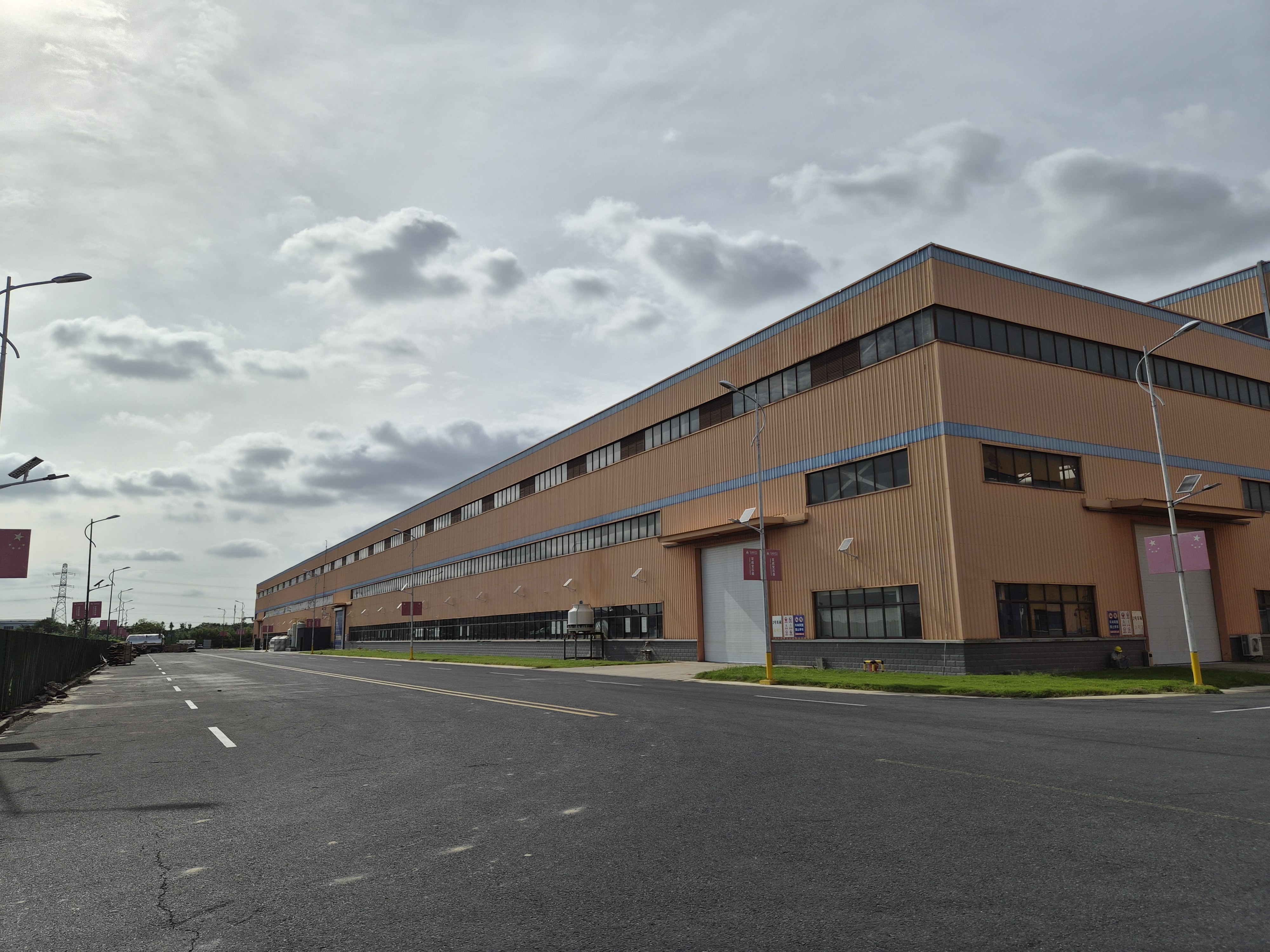
Factory environment at the audited manufacturing base: production capability and test equipment are audited before a supplier is shortlisted.
Have Questions or Need More Details?
Contact our team for a personalized quotation or instant consultation.
Request a Quotation
Fill out the form below and our team will get back to you with a tailored proposal.
WhatsApp Direct Chat
Prefer to chat in real-time? Message us on WhatsApp for instant assistance & quick answers.
- Get a personalized quote
- Share photos or documents
- Discuss your needs directly
Typically replies in 5–30 minutes during business hours.