
Box Type Substation: What It Is, How It Works and How to Specify One
A box type substation is a factory-assembled substation: the transformer, high-voltage switchgear, low-voltage switchgear, protection, metering and auxiliary systems are built, wired and tested inside a single enclosure, then delivered to site and connected on arrival. Instead of a civil building with equipment installed on site, the buyer receives a tested electrical node in a transportable unit.
That definition is simple. Buying one is not. A box type substation sits at the junction of three product families — transformers, switchgear, and secondary or control equipment — while the enclosure, climate control and certification requirements change with the site. This guide explains what the equipment contains, how the main configurations differ, which standards apply, and how to move from a single-line diagram to a specification that can actually be built, tested and accepted.
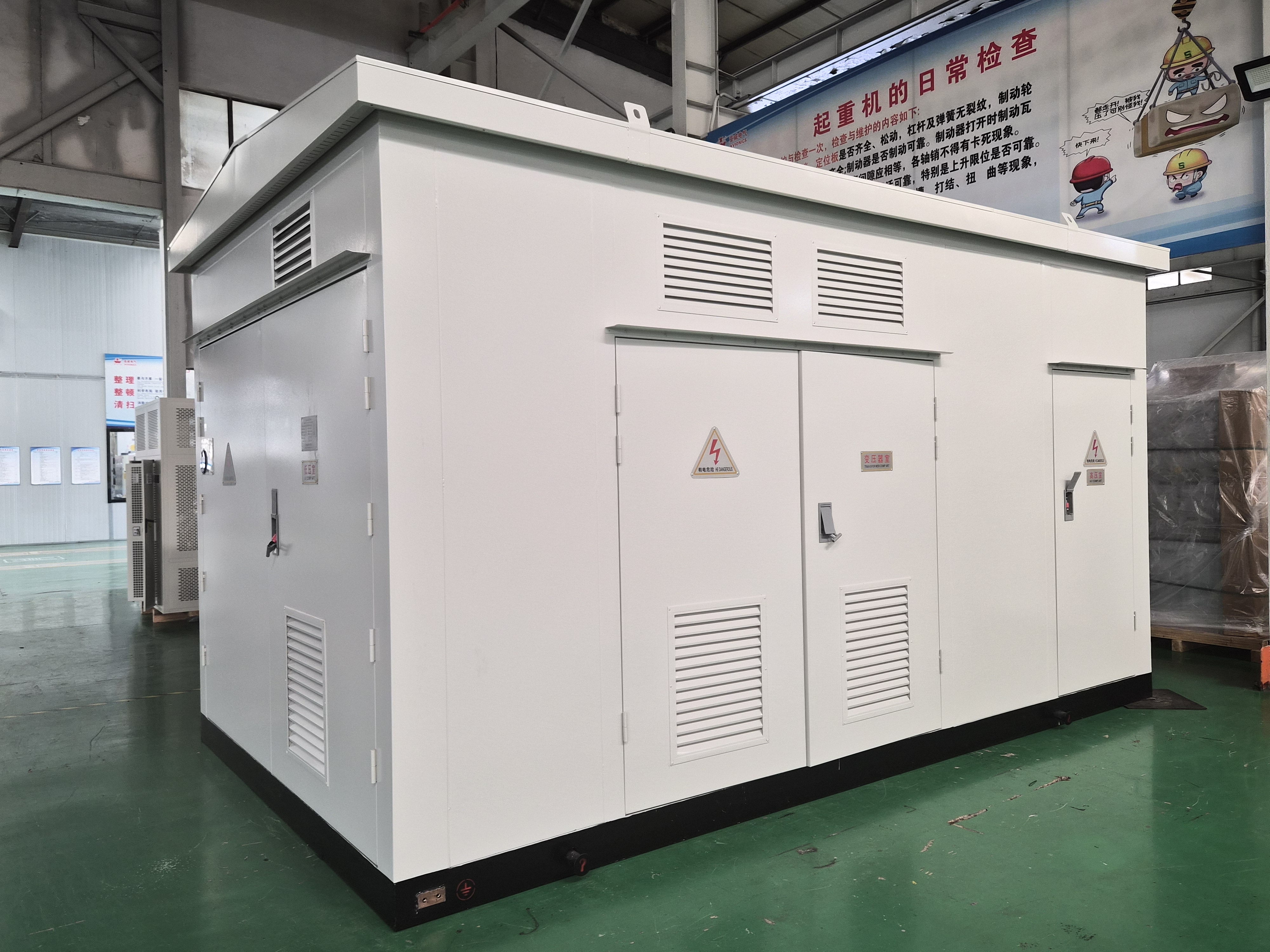
A prefabricated cabin substation of the type covered in this guide: HV switchgear, transformer, LV switchgear and auxiliary systems assembled and tested before shipment.
The Real Problem: Substation Scope Is Fragmented Before It Is Ordered
Most procurement problems with box type substations start before the enquiry is sent, not after the equipment arrives. Three failure modes repeat.
- Split responsibility. The transformer is bought from one supplier, the ring main unit or switchgear from a second, the protection and automation package from a third, and the enclosure from a fourth. Interfaces — busbar connections, cable entry positions, protection settings, earthing — are then resolved on site by whoever is present.
- Site work assumed to be cheap. A conventional substation building requires civil works, cable trenches, ventilation and fire protection before the transformer can even be positioned. Where site labour is limited or the site is remote, this is where schedules move.
- Certification treated as paperwork. A unit that is technically correct but not documented for the destination market will not be accepted by the utility, the insurer or the authority having jurisdiction.
The practical consequence: three quotations for a “box type substation” often cover three different scopes. One prices the enclosure and transformer only. Another includes switchgear but excludes the automation system. A third includes everything but assumes the buyer will handle transport, lifting and commissioning. Comparing them on price alone produces a decision that is not comparable at all.
Industry Background: Why Demand Is Shifting Toward Prefabricated Substations
Three structural changes explain the growing share of prefabricated units in distribution and medium-power networks.
1. Digital load is growing faster than conventional substation construction
Data centres consumed 2% of the world’s electricity in 2026, up from 1.7% in 2024, according to the IDCA Global Data Center Report (2026). The equipment that serves that load is a distinct market: Mordor Intelligence reported the global data centre substation market at USD 11.31 billion in 2026, rising to USD 13.27 billion in 2027 and reaching USD 19.78 billion by 2032. Growth of that order puts pressure on the lead time of every component in the chain — which is precisely where factory-prefabricated substations win, because they move assembly and testing off the critical path of site construction.
2. Generation is more distributed, so substations are more numerous
Solar, wind and battery storage plants need step-up substations at the point of generation rather than at the end of a transmission line. These sites are frequently remote, with restricted access roads and limited skilled labour available locally. A unit that arrives complete and is lifted into position reduces the number of trades that must be mobilised to a site that may be hundreds of kilometres from the nearest town.
3. The product has been codified, so it can be specified properly
IEC 62271-202:2022 defines the service conditions, rated characteristics, structural requirements and test methods for enclosed high-voltage prefabricated substations. Once a product family has an international test standard behind it, buyers can specify against it, and suppliers can be held to a test programme rather than to a verbal assurance. That, more than any marketing claim, is what makes a box type substation a procurable item.
What a Box Type Substation Actually Contains
A complete unit integrates more equipment than buyers expect. The documented configuration of the prefabricated cabin substation supplied through Apex Power Systems (Nanjing) Co., Ltd. — model designation YBM/ZGS11/ZGS13 — is a useful reference point, because it lists the subsystems that must all be present in a genuine turnkey unit:
- High-voltage switchgear, and low-voltage switchgear
- The transformer itself, oil-immersed or dry-type, selectable as an option
- Reactive power compensation equipment
- An automation and monitoring system
- AC/DC auxiliary power supply
- Environmental control — heating, ventilation and cooling
Apex Power Systems (Nanjing) Co., Ltd. is an international trading and supply-partner company based in Nanjing, China, which specialises in power transformers and box-type substations and delivers them through audited manufacturing partners rather than operating a transformer factory of its own. Its product scope covers power transformers from 10 kV to 765 kV, oil-immersed distribution transformers, dry-type transformers, pad-mounted and pole-mounted transformers, prefabricated cabin substations, transformer tanks, radiators and enameled wires.
Enclosure, climate control and protection
The cabin is a containerised steel structure with rock-wool sandwich-panel insulation and an anti-corrosion coating, mounted on a welded structural-steel base that is also anti-corrosion treated. Documented ratings for the YBM/ZGS11/ZGS13 family are:
- Voltage class: 10 kV / 35 kV
- Transformer capacity: 500–50,000 kVA
- Enclosure protection: IP54 / IP55
- Ambient temperature: –40°C to +50°C
- Cabin dimensions: standard container dimensions, customizable
- Installation: transported as a complete unit and crane-lifted, with connection on site
Inside, the design usually includes an industrial air conditioner with forced ventilation and a heater; copper busbar with heat-shrink insulation; metal-clad withdrawable or fixed switchgear with vacuum circuit breakers; and gas extinguishing or ultra-fine dry powder fire protection as an option. The integrated automation system monitors temperature, humidity, smoke, water ingress and access, which is what makes remote monitoring and unattended operation feasible.
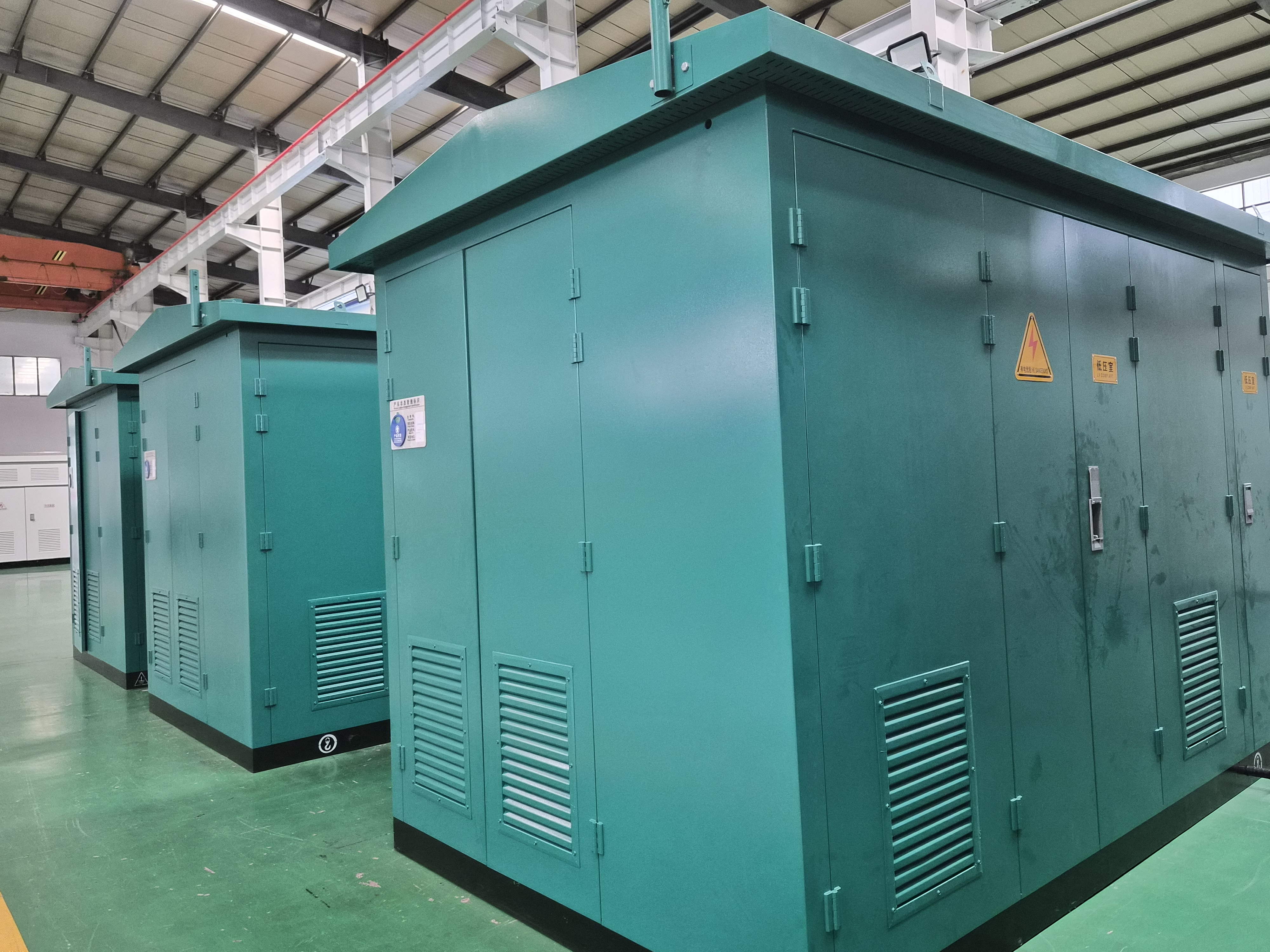
Integrated compartments: the HV switchgear, transformer and LV distribution sections are assembled and wired before the unit leaves the factory.
The transformer inside the box
The transformer choice drives losses, footprint, fire risk and maintenance — and therefore drives the enclosure design. Three documented options are relevant:
- Oil-immersed distribution transformers (S13 / S14 / S15 series): 30–3,150 kVA at 10 kV class and 3,150–31,500 kVA at 35 kV class, with off-circuit or on-load tap changing, ONAN cooling and efficiency to Grade 1 or Grade 2 under GB 20052.
- Epoxy resin cast dry-type transformers (SCB12–SCB18 series): 30–2,500 kVA at 10 kV class and 800–25,000 kVA at 35 kV class. Because the unit contains no oil, it can be installed close to the load; it operates at 100% humidity and can be energised after shutdown without pre-drying. Under forced-air cooling it can operate at up to 150% of rated load.
- Amorphous alloy transformers (S(B)H15(21–25)-M): no-load losses are 60–80% lower than conventional silicon-steel transformers, which matters where the substation runs lightly loaded for long periods.
For renewable generation, the dedicated new energy transformer family (SC10 / SZ18 / SZ20) covers 500–12,500 kVA at 10 kV class and 1,000–12,500 kVA at 35 kV class, with a wide-range 0.4–1.14 kV LV winding compatible with inverter outputs and impedance voltage options of 6.0–14.0% for different system short-circuit capacities.
Documented Configurations and Where Each Fits
Market terminology distinguishes European-style compact substations from American-style pad-mounted units, and further distinguishes cabin, vault and pole-mounted installations. The distinction matters, because enclosure type, cable connection method and the certifying standard differ. The configurations below are the ones documented in the Apex supply range.
Prefabricated cabin substation (YBM/ZGS11/ZGS13)
A walk-in or non-walk-in containerised unit integrating HV switchgear, transformer, LV switchgear, compensation, automation, auxiliary power and environmental control. It suits sites where the substation must be energised quickly and where site civil works are expensive or impossible: step-up substations for PV, wind and energy-storage plants; data centres and AI computing parks; industrial plant substations; temporary or permanent municipal infrastructure power; overseas EPC projects in areas with limited transport access; and remote power supply for mines and oil and gas fields. The configuration is modular, so a capacity upgrade is handled by adding cabins rather than rebuilding.
Three-phase pad-mounted substation (ZGS-H/ZGS-Z series)
A sealed, tamper-resistant unit installed at ground level on a pad, with HV and LV switching, fusing and protection enclosed with the transformer. Ratings are 75–2,500 kVA at 4.16, 12.47, 13.2, 13.8, 22.86, 24.94 or 34.5 kV, with LV at 240, 480, 600 or 347 V (or customized), 50/60 Hz, efficiency to DOE (2016) or CSA (2023), and insulation levels to ANSI/IEEE. Loop-feed and radial-feed configurations are both available. This is the standard choice for North American commercial, industrial, municipal and residential distribution.
Single-phase pad-mounted (ZGD-H/ZGD-Z) and pole-mounted (D-M series)
The single-phase pad-mounted unit covers 15–250 kVA with a 120/240 V center-tapped LV winding, and serves residential distribution, street lighting, retail and small industrial loads. The pole-mounted unit covers 5–167 kVA and removes the need for a distribution room entirely, which is why it is used for rural grids, remote villages, irrigation supply and temporary construction power. Pole-mounted units have been delivered for rural-grid projects in Mongolia and Azerbaijan, and pad-mounted units for overseas projects including Panglao in the Philippines.
Application-specific units: mining and hazardous areas
Underground mining is a separate design problem. The KBSG / KBSGZY series is a mining explosion-proof dry-type transformer configured as a mobile substation, rated 50–6,300 kVA at 6 or 10 kV HV, with H-class (180°C) insulation, AN natural air cooling, Exd I explosion protection for underground coal mines and enclosure protection of IP54 or higher. It is intended for longwall faces, tunnelling headings and locations with methane and coal-dust hazards.
Standards, Certification and the Compliance File
Compliance is where a box type substation enquiry most often stalls, because the required documents depend on the destination market, not on the product alone. The credentials listed below belong to Apex’s audited manufacturing partners and cover the product families described in this article; Apex presents them as evidence of the supply chain it manages, since manufacturing, certification and test references sit with the partner factories, not with the trading entity.
| Requirement | What it covers | Where it applies |
|---|---|---|
| IEC 62271-202:2022 | Service conditions, rated characteristics, structural requirements and test methods for enclosed high-voltage prefabricated substations | International reference standard |
| Directive 2014/35/EU (Low Voltage Directive) | Electrical equipment rated 50–1,000 V AC or 75–1,500 V DC | European Union market |
| Directive 2014/30/EU (EMC Directive) | Electromagnetic compatibility of equipment, including protection, control and monitoring electronics | European Union market |
| Directive 2011/65/EU (RoHS 2) | Restriction of specified hazardous substances in electrical and electronic equipment | European Union market |
| ISO 9001:2015 / ISO 14001:2015 / ISO 45001:2018 | Quality, environmental and occupational health & safety management systems of the manufacturing partner | Supplier qualification |
| IEC conformity, UL, CSA, CQC | IEC conformity for 10 kV / 35 kV power transformers and box-type substations; UL and CSA product certification; CQC certification for box-type substations and switchgear product lines | Product-level certification |
| Independent type testing | KEMA Labs (KEMA B.V., The Netherlands) Type I Inspection Report for a 250 MVA / 345 kV three-phase power transformer, tested to IEC 60076-1/-2/-3, IEC 60076-10, IEC 60076-11 and IEEE Std C57.12.00 / C57.12.90 | Independent verification |
Two practical points follow from this table. First, the EU directives apply in parallel, not alternatively: a unit placed on the EU market must satisfy low-voltage safety, electromagnetic compatibility and substance restriction at the same time, with CE marking as the visible outcome. Second, a certificate is only useful if it names the correct legal entity and the correct product family — a certificate issued to a trading company, or covering a different product line, does not certify the equipment being purchased.
Step-by-Step: How to Specify a Box Type Substation
The sequence below reflects the order in which the design decisions constrain each other. Skipping a step usually means re-opening a decision later, after the enclosure drawings are already frozen.
Step 1 — Fix the electrical duty, not the product name
Define system voltage (for example 10 kV or 35 kV), maximum load, short-circuit level, earthing arrangement, required redundancy and the LV voltage actually used by the load. Everything downstream — transformer impedance, switchgear rating, cable entry — depends on these numbers.
Step 2 — Select the transformer type and capacity
Choose between oil-immersed, dry-type and amorphous-alloy cores on the basis of fire exposure, installation proximity to occupied areas, loading profile and loss economics. A dry-type unit removes the oil fire load and allows close-to-load installation; an amorphous core reduces no-load losses by 60–80% where the unit runs lightly loaded.
Step 3 — Decide the HV switching arrangement
Determine whether the site needs a ring main unit for loop-feed operation, a radial arrangement, or full metal-clad withdrawable switchgear with vacuum circuit breakers. Ring-feed capability changes the enclosure layout and the cable termination design, so it must be settled before the cabin is sized.
Step 4 — Specify the LV side and compensation
Confirm the number of LV outgoing ways, the required breaking capacity, metering position and whether reactive power compensation is inside the enclosure or in a separate panel. Compensation inside the cabin adds heat load, which feeds back into the HVAC sizing.
Step 5 — Define protection, automation and monitoring scope
State whether the unit must support remote monitoring and unattended operation, and which signals must be transmitted: temperature, humidity, smoke, water ingress and access are the documented monitoring points in the cabin configuration. Communication protocol and SCADA interface requirements belong in the specification at this stage, not at commissioning.
Step 6 — Match the enclosure and climate control to the site
Confirm IP54 or IP55 protection, ambient temperature range down to –40°C and up to +50°C, altitude, humidity, dust and salt-spray exposure. Specify fire protection — gas extinguishing or ultra-fine dry powder — and whether the cabin must be walk-in for maintenance.
Step 7 — Agree the test and documentation package
Routine tests, type tests, factory acceptance testing and third-party inspection should be written into the order, together with the drawing set, test reports and O&M manuals. Witnessed factory acceptance testing and factory visits can be arranged as part of the order.
Step 8 — Plan transport, lifting and commissioning
The unit is transported complete and crane-lifted into position, so the transport route, crane capacity and foundation must be verified before shipment. Where site labour is limited, plan for engineering support during installation, testing, energisation and operator training.
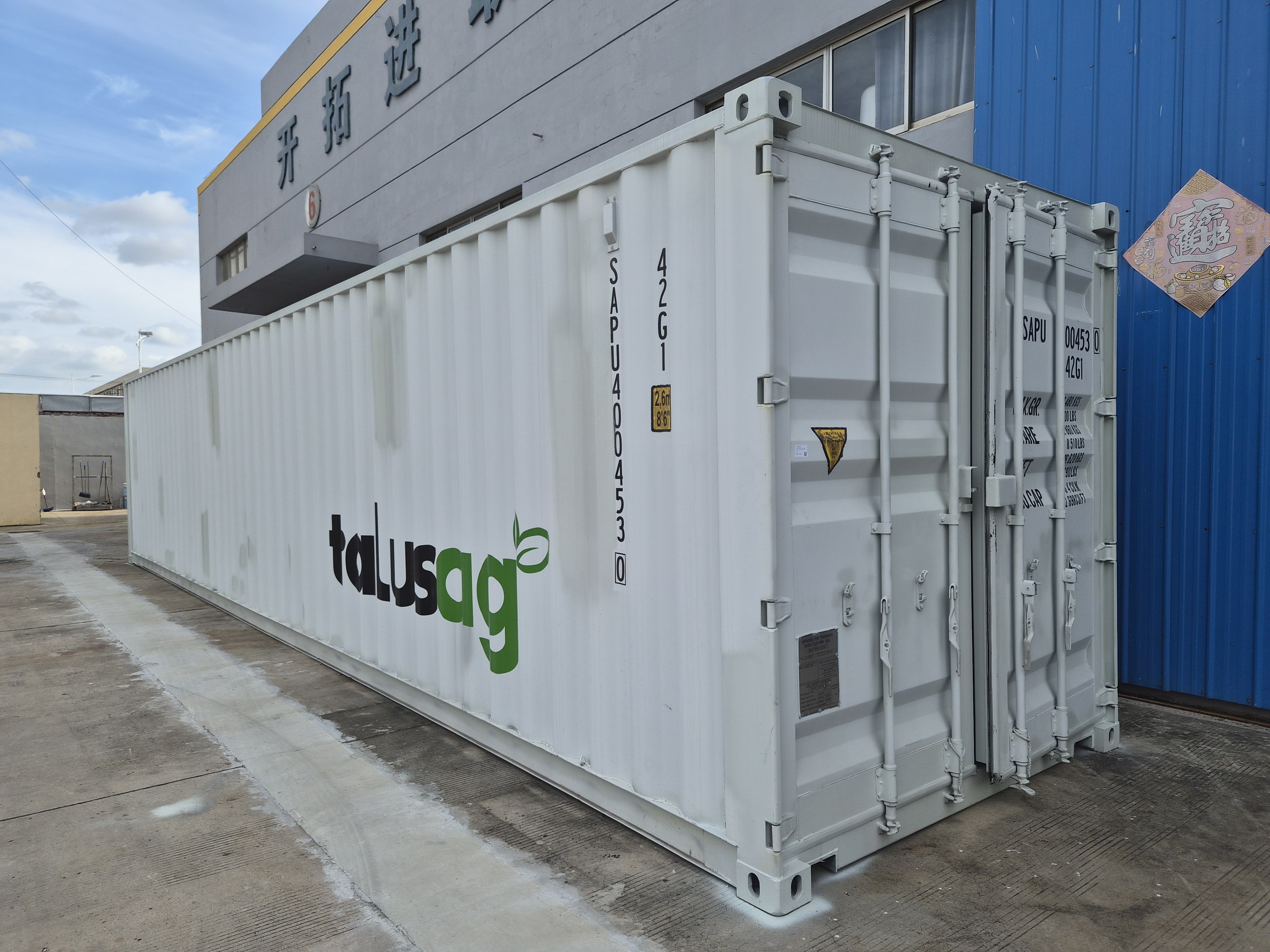
Modular cabins are assembled and tested at the factory, then transported as complete units for crane lifting and site connection.
Use Cases: Where Box Type Substations Are Deployed
Solar, wind and energy storage
Renewable plants need step-up transformation at the point of generation, often across a large site with many small units rather than one central station. Factory prefabrication shortens construction time, and the new energy transformer range supports inverter compatibility through a wide 0.4–1.14 kV LV winding. A delivered 40,000 kVA energy-storage project in Bulgaria is cited in the product information for this family.
Data centres and AI computing parks
Critical loads need high-reliability supply with redundancy, low partial discharge and continuous high-load operation. A common arrangement is dry-type transformers for the indoor MV/LV distribution, where the absence of oil suits fire-sensitive spaces, combined with an oil-immersed power transformer or a prefabricated substation for the main incoming supply, and an on-load tap changer where the incoming voltage varies. Where the site must be energised quickly, a containerised unit removes most civil works.
Industry, mining and heavy loads
Steel plants, chemical facilities and mines combine high temperatures, dust, humidity and frequent start-stop cycles. Documented overseas references include a 132 kV power transformer for the Seville steel-plant substation in Spain, and underground mine supply through Exd I explosion-proof mobile substations. For hazardous areas the enclosure, insulation class and protection marking are the governing specification items, not the capacity.
Commercial, residential and municipal infrastructure
Hospitals, schools, shopping centres and high-rise buildings need distribution close to the load, with low noise and no oil fire load. Pad-mounted and dry-type configurations serve this segment; a documented reference is the Panglao Robinsons commercial project in the Philippines, delivered with design, manufacture, supply, on-site delivery, engineering, installation, testing and trial operation.
Overseas EPC projects with constrained access
Where roads, cranes and skilled labour are limited, the value of prefabrication is highest. Apex-coordinated references include 4 × 110 kV power transformers for Azerbaijan Power Energy Company, 115 kV substations in Tajikistan, a 110 kV substation in Mongolia, and a 115 kV substation for a Puerto Rico power distribution company — delivered with design, engineering, manufacture, testing, delivery, installation and commissioning scope.
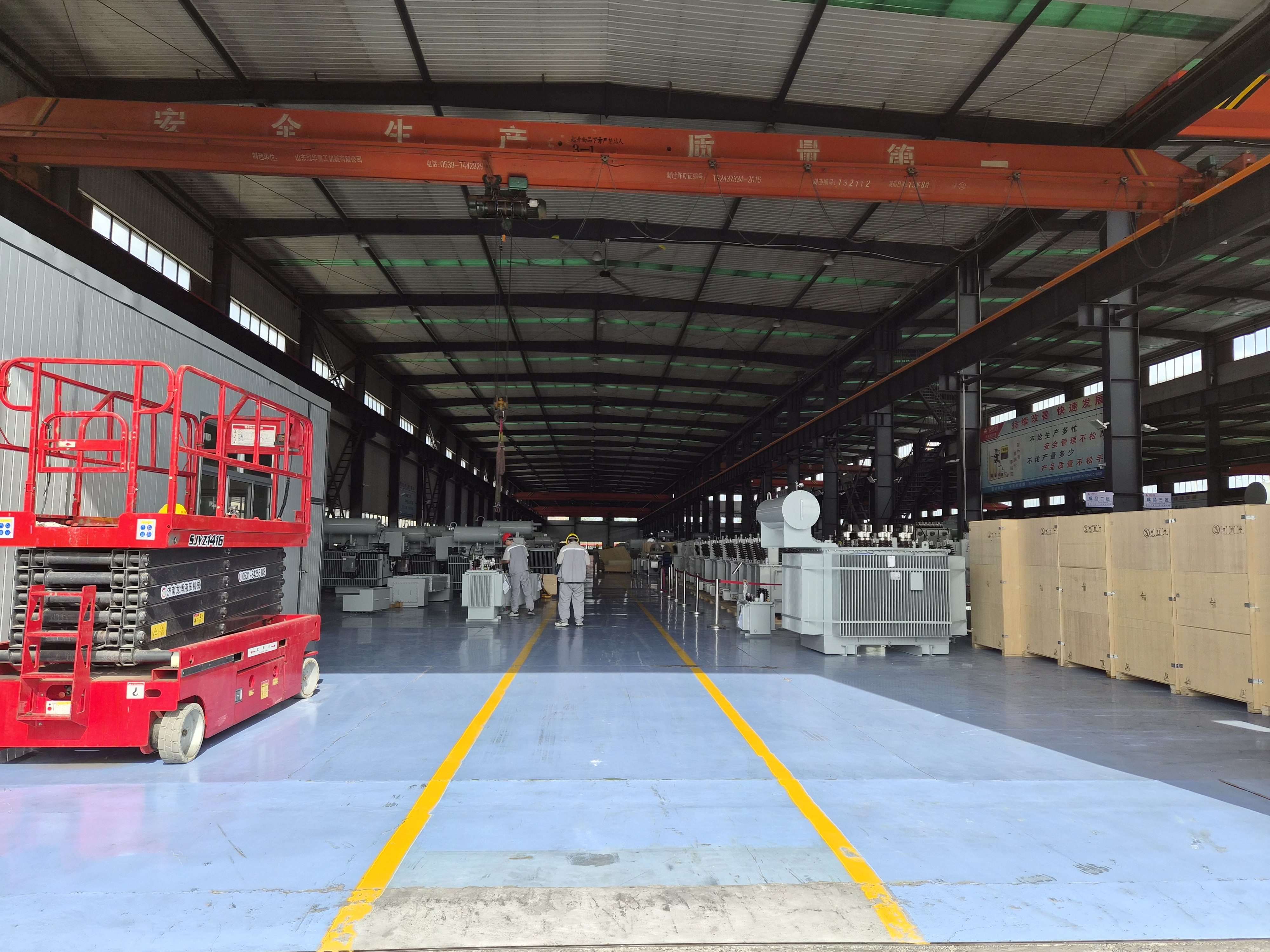
The manufacturing base behind Apex-coordinated projects covers a site of more than 900 mu (approximately 60 hectares) with an in-house test laboratory for routine and type testing.
Comparison Table: Documented Configurations Side by Side
The comparison below uses only documented ratings from the product information. It is intended to show which configuration fits which duty, not to rank one above another — each is the correct answer to a different question.
| Configuration | Voltage and capacity | Installation and enclosure | Typical duty |
|---|---|---|---|
| Prefabricated cabin substation YBM/ZGS11/ZGS13 | 10 kV / 35 kV; transformer 500–50,000 kVA | Containerised steel cabin, IP54/IP55, –40°C to +50°C, transported complete and crane-lifted | PV, wind and storage step-up; data centres; industrial plants; municipal power; overseas EPC; remote mines and oil & gas |
| Three-phase pad-mounted ZGS-H/ZGS-Z series | HV 4.16–34.5 kV; LV 240/480/600/347 V; 75–2,500 kVA; 50/60 Hz | Sealed tamper-resistant tank on a pad; ANSI/IEEE insulation levels; DOE 2016 or CSA 2023 efficiency; loop or radial feed | Commercial, industrial, municipal and residential distribution in North American grids |
| Single-phase pad-mounted ZGD-H/ZGD-Z series | 15–250 kVA; 120/240 V center-tapped LV | Pad-mounted sealed tank, epoxy elbow HV bushings, anti-corrosion powder coating | Residential communities, street and municipal lighting, retail and small industrial loads |
| Pole-mounted D-M series | 5–167 kVA | Pole-mounted on lifting eyes and side brackets; no distribution room required | Rural grids, remote villages, irrigation, temporary construction and emergency power |
| Mining explosion-proof mobile substation KBSG / KBSGZY series | 6 or 10 kV HV; 50–6,300 kVA; LV 0.4–3.45 kV | Flameproof welded steel enclosure, Exd I, IP54 or higher, H-class insulation, mobile configuration | Underground coal and metal mines, tunnels, hazardous areas with explosive gas or dust |
Ratings shown are those documented for each product family. A specific project may require a customized configuration, and the final rating must be confirmed at the technical offer stage against the site conditions and the applicable standard.
Frequently Asked Questions
Which standards and certifications should a box type substation comply with?
At international level, IEC 62271-202:2022 specifies the service conditions, rated characteristics, structural requirements and test methods for enclosed high-voltage prefabricated substations. For the European Union, three regimes apply in parallel: Directive 2014/35/EU for electrical equipment rated 50–1,000 V AC or 75–1,500 V DC, Directive 2014/30/EU for electromagnetic compatibility, and Directive 2011/65/EU for hazardous-substance restriction. On the manufacturing side, the audited partners behind Apex hold ISO 9001:2015, ISO 14001:2015 and ISO 45001:2018 management-system certification, IEC conformity for 10 kV / 35 kV power transformers and box-type substations, UL and CSA product certification, and CQC certification for box-type substations and switchgear product lines. Independent evidence includes a KEMA Labs Type I Inspection Report for a 250 MVA / 345 kV three-phase power transformer, tested to IEC 60076-1/-2/-3, IEC 60076-10, IEC 60076-11 and IEEE Std C57.12.00 / C57.12.90.
Can a box type substation be customized for capacity, climate and remote monitoring?
Yes. The prefabricated cabin configuration is documented from 500 to 50,000 kVA at 10 kV or 35 kV, with standard container dimensions that are customizable, enclosure protection of IP54 or IP55, and an ambient temperature range of –40°C to +50°C. It is described as suitable for high altitude, high humidity, dust and salt-spray environments. The integrated automation system monitors temperature, humidity, smoke, water ingress and access, which supports remote monitoring and unattended operation, and the modular configuration allows capacity upgrades through additional cabins rather than reconstruction. Fire protection, HVAC arrangement and the transformer type — oil-immersed or dry-type — are selectable options within the same enclosure concept.
Who are box type substation manufacturers, and how should a buyer select one?
The manufacturing landscape is made up of transformer and switchgear factories that build the enclosure, the transformer and the integrated assembly. Apex Power Systems (Nanjing) Co., Ltd. is not a factory: it is an international trading and supply-partner company that selects, audits and supervises manufacturers on the buyer’s behalf, then manages design, production, testing, documentation, freight and site support as one accountable point of contact. Selection should therefore be assessed on two levels. At factory level, verify production capability, test-laboratory equipment (lightning impulse, no-load and load loss, ratio, winding resistance, temperature rise and insulation test benches), current certifications in the correct legal entity name, export record and financial standing. At contract level, verify that engineering review, witnessed factory acceptance testing, third-party inspection where required, documentation format and warranty obligations are written into the order rather than assumed.
How is a box type substation validated before it is shipped?
Validation combines factory testing and documentary evidence. Routine, type and special tests are carried out according to the relevant national and industry standards, and the manufacturing base maintains its own laboratory benches for the routine tests. Before shipment, buyers can require monitoring of the winding, core and oil-processing stages, witnessed routine and type tests at factory acceptance, and third-party inspection where the project calls for it. Factory visits and witnessed acceptance testing can be arranged as part of the order. Certificates should be verified with the issuing body rather than accepted at face value: certificate numbers can be checked directly, for example UDEM verification and UL listings, and a qualification package should list the number, issuer, validity and product family for each certificate.
What is the next step if a project needs a box type substation?
Start with the electrical duty rather than the product name: system voltage, load, short-circuit level, LV voltage, site climate and the destination market’s certification requirements. With those defined, a configuration and a test package can be proposed and costed against a single scope. Apex Power Systems can provide a configuration review, a technical offer and access to the full product catalogue; the contact details are listed at the end of this article, and the catalogue can be downloaded from the link below.
Conclusion
A box type substation is not a single product but an integrated system whose value depends on how well the transformer, switchgear, protection, enclosure and documentation are matched to one another and to the site. The equipment itself is well defined: IEC 62271-202:2022 sets out the test framework, the EU directives set out the market-access conditions, and the documented configurations — from 500 kVA cabins to 50,000 kVA integrated substations, and from 5 kVA pole-mounted units to Exd I mining substations — cover most distribution and medium-power duties.
What separates a good purchase from an expensive one is scope discipline. Define the electrical duty first, then the transformer type, then the switching arrangement, then the enclosure and climate control, and finally the test and documentation package. Done in that order, the quotation you compare is comparable, the factory acceptance test is meaningful, and the unit arrives ready to be energised rather than ready to be reworked.
Request a configuration review or a technical offer
Apex Power Systems (Nanjing) Co., Ltd. supplies box-type substations, prefabricated cabin substations and power transformers through audited manufacturing partners, with factory selection, audit, witness testing, documentation and site support managed as one scope.
Contact: Simon | Email: xuke@apexps-nj.com | Tel / WhatsApp: +86 132-0157-1341
Address: Room 1001, Xinke Building, No. 209 Pubin Road, Jiangbei New Area, Nanjing City, Jiangsu Province, China
Website: apexpowerlink.com
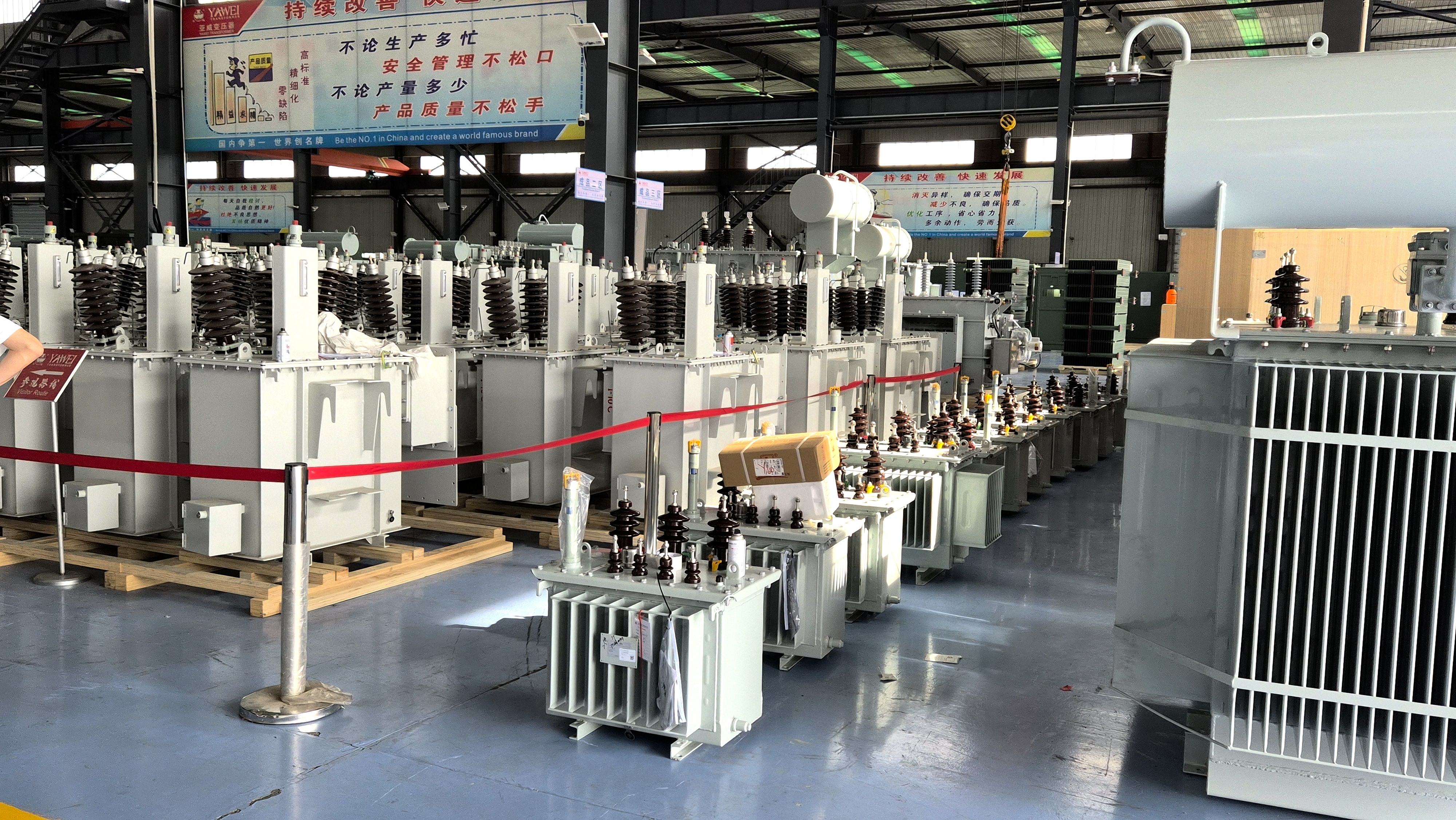
Factory acceptance testing and shipment preparation take place at the audited manufacturing base before the unit is released for transport.
Have Questions or Need More Details?
Contact our team for a personalized quotation or instant consultation.
Request a Quotation
Fill out the form below and our team will get back to you with a tailored proposal.
WhatsApp Direct Chat
Prefer to chat in real-time? Message us on WhatsApp for instant assistance & quick answers.
- Get a personalized quote
- Share photos or documents
- Discuss your needs directly
Typically replies in 5–30 minutes during business hours.