Custom Transformer After-Sales FAQ: A Long-Term Partnership Guide
After-sales performance on a custom transformer is settled long before the first fault: by whether the supplier can apply the same diagnostic logic to the second unit as to the first, keep the document chain intact between orders, and be held to terms that were put in writing. This guide answers the field questions overseas utility and EPC buyers raise most often — abnormal noise or vibration, oil leakage, abnormally high oil temperature — and then explains what makes those answers repeatable instead of one-off.
Who this guide is written for, and who is answering
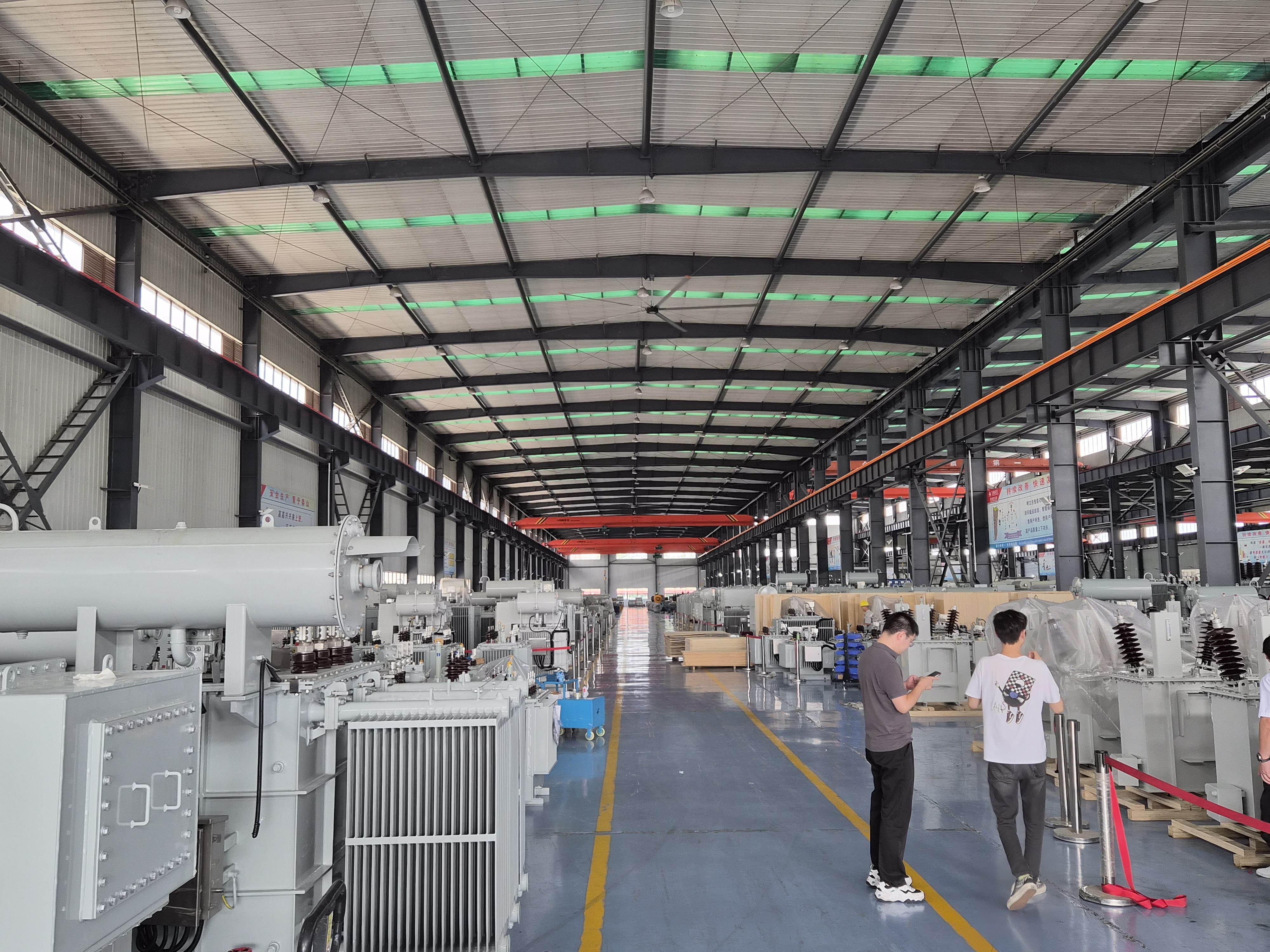
Apex Power Systems (Nanjing)Co., Ltd. is an international trading and supply-partner company for power transformers and substations that audits and manages a network of Chinese manufacturers on the buyer's behalf. It is not itself a factory: all manufacturing, certification and test evidence presented in this article belongs to its audited manufacturing partners, and Apex manages supplier selection, production supervision, witness testing, documentation, freight and site coordination. That distinction matters for after-sales, because the party who can compare several plants is also the party who can challenge one when a diagnostic or a repair is disputed.
The reader assumed here is a utility or EPC engineer, procurement manager or asset owner who has already taken delivery of oil-immersed distribution transformers, medium and high voltage power transformers, dry-type transformers or a prefabricated compact substation, and who now has to keep them in service in a market where the manufacturer is thousands of kilometres away.
After-sales is four services, not one warranty clause
After-sales on a custom transformer programme is the combination of four separate services, and buyers who merge them tend to discover the gap only during an outage:
- Field symptom triage — the ability to tell a buyer what a symptom pattern means before anyone opens a tank or orders a replacement.
- A preventive maintenance programme — inspection, oil testing and component checks carried out on a schedule rather than after a failure.
- Installation and commissioning support — the stage at which most latent problems are either found or sealed into the unit.
- Contractual accountability — acceptance testing, warranty obligations, documentation and a named route to escalate.
A warranty period tells you who pays for a failure. It does not tell you who diagnoses it, in what sequence, against which recorded baseline — and that is the part a long-term partnership is actually buying.
Symptom triage: classify before you investigate
Three symptoms account for most emergency calls on oil-immersed units: abnormal noise or vibration, oil leakage, and an abnormally high oil temperature. In each case the fastest route to the cause is classification rather than inspection, because the pattern of the symptom already narrows the cause to a small group.
Abnormal noise or vibration: three patterns, three different causes
Abnormal noise needs to be classified before it is investigated, because the cause follows the pattern. Noise that varies with load points to the core, the windings or magnetostriction; noise that stays constant regardless of load often points to loose clamping or a resonance with the mounting structure; and intermittent noise usually points to a fan, a pump or a loose connection.
- Identify whether the noise is continuous, intermittent or load-dependent.
- Check the cooling fans and pumps for bearing wear.
- Check the mounting bolts and investigate structural resonance.
- Measure the harmonic content and any DC component in the supply — harmonic distortion and DC magnetisation from connected loads are common external causes that can be corrected without opening the transformer.
- Take an oil sample for dissolved gas analysis and check the core earthing connection.
- If the noise increases with load and the gas analysis is abnormal, de-energise the unit and inspect the core and clamping structure.
The buying implication is direct: a supplier who can tell you which of the three patterns you are describing will save an unnecessary tank opening, and a supplier who cannot will default to removal and return. For a distribution transformer feeding a residential or commercial area, that difference is measured in outage hours, not in parts cost.
Oil leakage: find the exact point before topping up
Oil leakage is a progressive fault rather than a cosmetic one. Beyond the environmental and safety exposure, a falling oil level reduces both insulation and cooling, and a leak that is not repaired will eventually cause an outage or a fire risk. The correct approach is to locate the exact leak point first rather than adding oil and waiting, because the position of the leak identifies the cause — a gasket, a flange, a valve, a weld or overpressure. If the leak follows significant temperature cycling, or the tank appears over-pressurised, check the breather before touching any seal, since a blocked breather is a common root cause.
- Clean the area and locate the exact leak point — tank, bushing turret, valve or radiator joint.
- Check the breather and the conservator oil level to rule out overpressure.
- For a gasket leak, retighten to the specified torque or replace the gasket.
- For a weld or casting defect, repair under an approved welding procedure and re-test.
- Replenish with the correct oil grade and re-test dielectric strength and moisture.
- Record the leak, its cause and the repair in the maintenance history.
Recording the leak location is what turns a single repair into fleet knowledge. Repeat leaks at the same joint across several units of one design point to an assembly or component issue, and that evidence is only available to a supplier who has kept the earlier records.
Abnormally high oil temperature: work outward from the simplest cause
An abnormally high oil temperature is nearly always one of three things: the unit is genuinely overloaded, the cooling system is not working, or the temperature is being read incorrectly. The sequence is therefore to record the load current and ambient temperature first, then check the cooling system, then the oil level, and only then the instrument. If every external cause has been eliminated, take an oil sample for dissolved gas analysis, because a sustained high temperature with abnormal gas readings indicates an internal fault and the unit should be de-energised before it fails on its own.
- Record load current, ambient temperature and the temperature reading, and compare them with the rated temperature rise.
- Check the cooling system — fans, pumps, radiator valves and control circuits.
- Check the oil level and inspect for leaks.
- Verify the thermometer and the alarm contacts.
- If no external cause is found, take an oil sample for dissolved gas analysis.
- Reduce load or improve ventilation while the investigation continues.
- If the gas analysis indicates an internal fault, de-energise the unit and carry out an internal inspection before returning it to service.
Reading the cooling class code correctly is part of this step. The nameplate code combines the internal and external cooling media and their circulation — O for oil, A for air, N for natural and F for forced circulation — so an ONAN unit relies on natural oil and natural air circulation, while adding fans raises the permissible loading. The same transformer often carries two ratings on its nameplate, one for each cooling stage, and the ambient temperature and altitude of the installation site must be checked against those ratings before an over-temperature event is blamed on the unit.
| Symptom | Classify first | Common causes | Low-cost checks | Escalate when |
|---|---|---|---|---|
| Abnormal noise or vibration | Load-dependent, constant or intermittent | Core or winding looseness; magnetostriction; harmonic or DC content; structural resonance; fan or pump bearing; loose connection | Fan and pump bearings, mounting bolts, supply harmonics and DC component | Noise rises with load and dissolved gas analysis is abnormal |
| Oil leakage | Exact leak point: gasket, flange, valve, weld or overpressure | Age-hardened gasket; loose flange bolts; weld or casting defect; leaking valve; corrosion; blocked breather | Breather and conservator level; torque check; oil dielectric strength and moisture after repair | Weld or casting defect, or repeated leaks at the same joint |
| High oil temperature | Overload, cooling failure or measurement | Sustained overload; fan or pump failure; blocked radiators or closed valves; low oil level; high ambient or blocked ventilation; harmonics; thermometer calibration; internal fault | Load current, ambient, cooling circuit, oil level, thermometer verification | Dissolved gas analysis indicates an internal fault |
Routine and preventive maintenance: trend the readings, do not judge them alone
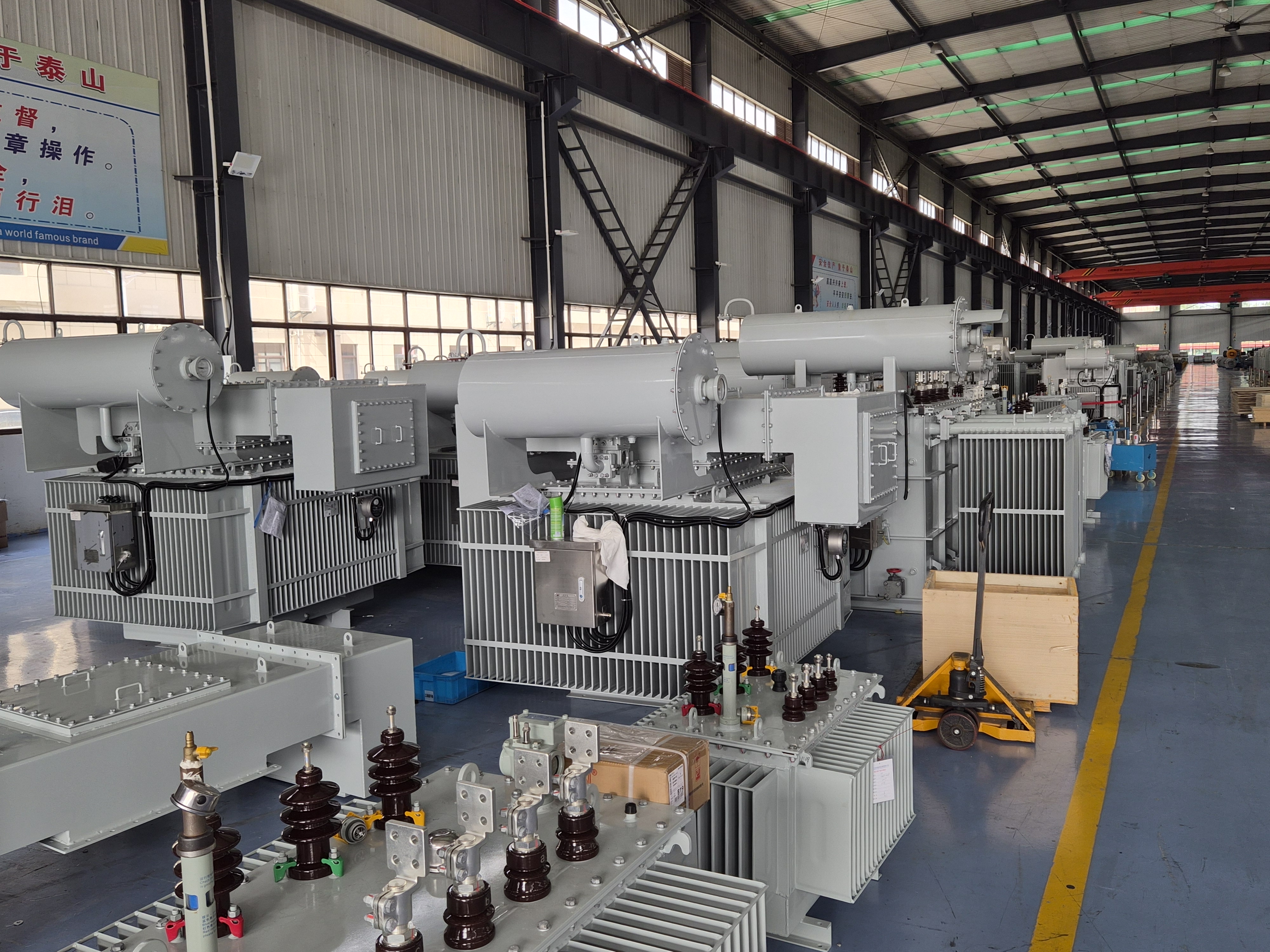
Routine maintenance on an oil-immersed transformer is built around the oil, because oil condition is the best single indicator of internal health. A workable programme combines visual inspection, oil testing, breather and cooling-system checks, bushing and connection inspection, and verification of protection devices and the tap-changer counter:
- Check the oil level and inspect for leaks.
- Sample the oil for dielectric strength, moisture and dissolved gas analysis.
- Inspect and replace the silica gel in the breather, and check the oil cup.
- Clean the bushings, check connections for overheating with a thermographic scan, and verify torque.
- Operate the tap changer and record the operation counter.
- Verify the thermometers, Buchholz relay, pressure-relief device and alarms.
- Inspect the cooling system — fans, pumps, radiators — and clean as required.
- Record every reading and compare it with previous trends.
The last step is the one that carries the after-sales value. A sudden change in dissolved gas or moisture is the earliest warning of an internal fault, and it is far cheaper to act on a trend than to replace a failed unit — but a trend only exists if the previous samples were taken, recorded and kept. For a dry-type transformer the programme is different in kind rather than in discipline: visual inspection, fan filter replacement, no oil-related maintenance, and a moisture-resistance check in humid environments.
Installation and commissioning: the stage that decides the next decade
On-site installation and commissioning follows a fixed sequence, and the sequence is worth insisting on because skipping a stage is usually invisible until energisation:
- Check the foundation and plinths, and confirm the transport route and lifting points.
- Unload and position the transformer, inspect for transport damage and record the gas pressure.
- Assemble bushings, radiators, conservator and pipework to the manufacturer's procedure.
- Process the oil — vacuum treatment followed by oil filling under vacuum — then test dielectric strength and moisture content.
- Connect the HV and LV cables or busbars and complete the earthing.
- Perform ratio, winding resistance, insulation resistance, bushing and tap-changer tests.
- Check the protection, alarms and Buchholz relay.
- Operate the tap changer through all positions.
- Energise and carry out trial operation under load, checking temperature rise and noise.
- Hand over with completed test records.
Oil processing is the critical stage, because residual moisture in the insulation is the most common cause of a failed impulse or power-frequency test at commissioning. Cellulose insulation is hygroscopic and absorbs moisture during manufacture, transport and site assembly, while insulating oil holds dissolved gas; both reduce the breakdown voltage of the insulation system and can initiate partial discharge, particularly under impulse voltage. That is why the active part is dried, the tank evacuated and filtered hot oil introduced under vacuum, and why dielectric strength and moisture content are then measured on oil samples. A unit should only be energised after insulation resistance, ratio, winding resistance and oil dielectric-strength results have been confirmed against the manufacturer's limits and the applicable IEC 60076 requirements.
Who performs the work matters as much as the procedure. In Apex-coordinated projects the manufacturing partner's engineers install, test, energise and train the customer's team on site, while Apex manages drawings, test reports, O&M manuals and site coordination — a division of responsibility that should be stated in the contract rather than assumed.
Documentation continuity is an after-sales asset, and it is rarely priced
A transformer fleet is diagnosable only to the extent that its records are continuous. The document set that makes future diagnosis possible includes approved drawings, factory acceptance test reports, routine and type test reports, oil test results covering dielectric strength, moisture and dissolved gas analysis, commissioning records, protection settings and the tap-changer operation record, operating and maintenance manuals in the language the utility or EPC requires, and a certificate list giving the number, issuer, validity and product family for every certificate relied on.
Certificate handling deserves its own discipline. A certificate may be genuine but issued to a different legal entity, may cover a different product family or model range, or may have expired — and in every case the result is rejection by the utility, by the third-party inspector or at customs. The practical control is to verify the certificate number directly with the issuing body rather than relying on a scanned copy, then check three things: the expiry date, whether the holder's legal entity name matches the company that will sign the contract, and whether the listed model range actually covers the unit being purchased. It also helps to understand each document's legal limit — a certificate of compliance confirms that representative samples were evaluated, but authority to apply the corresponding mark is granted separately, and a declaration of conformity always remains the manufacturer's own responsibility.
Two concrete examples show what continuity looks like in practice. The manufacturing base behind Apex holds a KEMA Labs Type I Inspection Report for a 250 MVA / 345 kV three-phase power transformer, tested in accordance with IEC 60076-1, IEC 60076-2, IEC 60076-3, IEC 60076-10, IEC 60076-11 and IEEE Std C57.12.00 / C57.12.90. Separately, a transformer delivered for a project in Trenton, Ohio, and equipment shipped to the Port of Ponce, Puerto Rico, were accompanied by AutoCAD drawings, an "Approved for Installation" record and client supervision. In both cases the value to the buyer appears years later, when a repeat order, a repair or an insurance question needs the original evidence rather than a recollection of it.
Supplier evaluation is after-sales risk control, performed early
Because most after-sales disputes trace back to a decision taken before the order, the evaluation checklist is also an after-sales checklist. Candidate suppliers should be assessed against the same criteria before price is discussed:
| Evaluation criterion | Evidence to request | After-sales consequence if skipped |
|---|---|---|
| Verified manufacturing and test capability for the rating ordered | Test laboratory equipment list; witness of routine and type tests | Failures that the plant cannot reproduce or diagnose |
| Current certifications in the correct legal entity name, covering the ordered product family | Certificate number, issuer, validity and model range, verified with the issuing body | Rejection at inspection, customs or utility acceptance |
| Export record and reference projects of comparable rating | Project list with scope, destination market and year | No precedent for the site conditions or grid code |
| Production capacity and current order book | Production schedule and delivery milestones | Schedule slippage absorbed by the buyer's project |
| Financial standing | Credit references | Warranty obligations that cannot be enforced later |
| Acceptance of witnessed testing, third-party inspection and warranty obligations | Contract clauses, not verbal assurances | Disputes resolved in the supplier's favour by default |
| Documentation capability in the buyer's language | Sample drawing set, test report and O&M manual | Records that nobody on site can use |
Where the buyer has no in-house audit capability, an independent partner such as Apex performs the audit and then manages production supervision, witnessed testing, documentation and logistics under a single contract. In Apex-coordinated work this has covered eleven representative overseas projects, including 110 kV power transformers for Azerbaijan Power Energy Company, 115 kV substations in Tajikistan, a 69 kV transformer and a commercial project in the Philippines, a 132 kV unit for a Spanish steel-plant substation, a 40,000 kVA energy-storage project in Bulgaria, a 15 MVA pad-mounted unit in the USA, a 110 kV substation in Mongolia, a 345 kV fully insulated power transformer for a US–Georgia transmission company and a 115 kV substation for a Puerto Rico distribution company.
The purchasing terms that define your after-sales envelope
After-sales support is only as strong as the commercial terms behind it. The terms that should be fixed in the contract, rather than discussed after a fault, are these:
- Acceptance: factory acceptance testing before shipment, and a site acceptance test with the customer present.
- Warranty: 12–24 months per contract, with the duration and scope written into the agreement.
- Witnessed type testing: KEMA witnessed type tests available where the destination market or the utility requires external verification.
- Transport protection: vacuum oil filling and nitrogen protection, with shock and tilt monitoring during transport — relevant because transport damage is one of the documented quality risks on large units.
- Delivery terms: FOB, CIF, EXW or DDP as negotiated; lead time of 45–90 days for standard models and 90–150 days for large or custom power transformers.
- Payment structure: for example 30% deposit, 30% at mid-production, 30% before shipment and 10% after acceptance under T/T, or L/C at sight, with other terms negotiable subject to credit evaluation.
- Minimum order: MOQ of one unit, project-based and subject to technical evaluation — which is what makes a trial unit possible before a framework programme.
Two points of accuracy are worth stating plainly. First, the final 10% released after acceptance is an after-sales instrument as much as a payment milestone, because it keeps the acceptance test meaningful. Second, response times, spare-part commitments and the exact warranty length are commercial terms negotiated per contract; no supplier should be assumed to provide a specific response time unless the figure appears in the signed agreement. A buyer who writes the diagnostic route and the documentation deliverables into the contract gets a different quality of after-sales from one who relies on the relationship alone.
Supply model and China sourcing: setting realistic expectations
For an overseas utility or EPC project the supply model matters as much as the product, because the risks sit in factory selection, certification, witness testing, documentation and commissioning rather than in the transformer alone. A factory can only sell what it makes; an independent partner can evaluate and audit several plants, benchmark them against the same specification and recommend the one that fits technically and commercially, then manage design review, production supervision, factory acceptance and third-party testing, documentation, freight and commissioning support as one accountable point of contact.
Direct purchase from a factory is a legitimate route when the plant is already known and trusted and the buyer can manage design, testing, documents and logistics in-house. What it removes is the comparison and the audit trail, and those are precisely the inputs an after-sales dispute depends on.
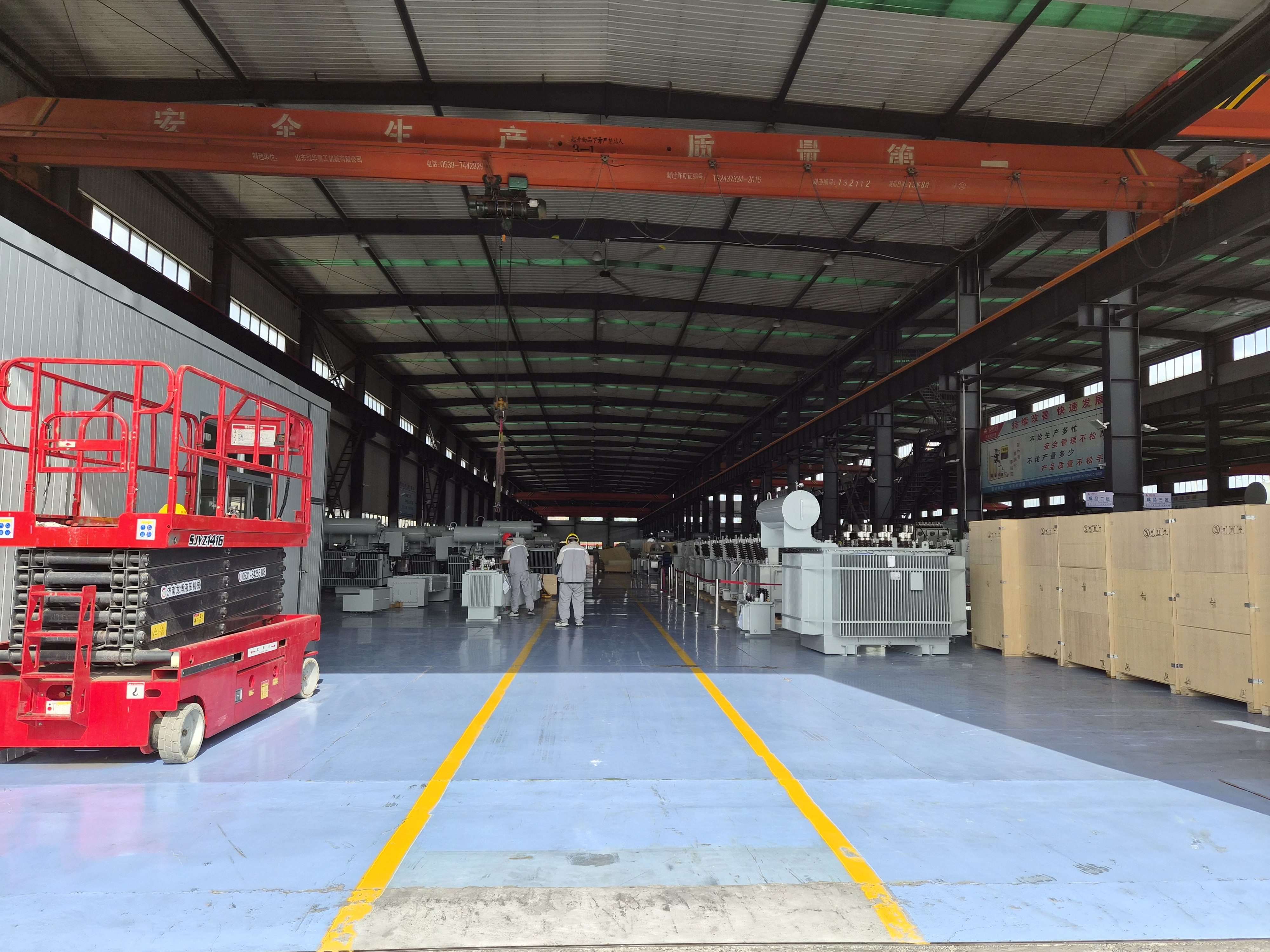
Realistic expectations for China-sourced custom transformers rest on a small number of verifiable facts rather than on assurances. The manufacturing base behind Apex exports to 72 countries and regions, including the USA, Canada, Europe, the Middle East, Africa, Latin America and the CIS, and established its own power-engineering company in 2018 to handle on-site installation, testing, energisation and customer training. Factory visits and witnessed factory acceptance testing can be arranged as part of an order, and every certificate carries a number that can be checked with the issuing body. Those are the mechanisms a buyer can rely on; anything beyond them should be requested in writing.
Repeat programmes: what changes when the units are data-centre dry-type
A repeat programme changes the after-sales question from "who repairs this unit" to "who can keep the next batch identical". For a data centre or AI computing park, the selection itself splits into two duties. Indoor MV/LV distribution is normally served by dry-type SCB12–SCB18 transformers, which contain no insulating oil and are therefore suited to fire-sensitive locations, and which handle the non-linear, harmonic-rich load of IT equipment well. The main incoming supply is normally an oil-immersed power transformer or a prefabricated substation, because higher capacities are available at lower cost per kVA, with an on-load tap changer specified where the incoming voltage varies; where the site has to be energised quickly, a containerized prefabricated substation removes most site civil works.
For a long-term dry-type programme, the continuity requirements are specific: the same drawings and loss data across batches, the same routine and type test regime, the same documentation format for each delivery, and a maintenance programme built on visual inspection, fan filter replacement and moisture-resistance checks in humid environments rather than on oil testing. A supplier who cannot reproduce the previous batch's design and test record turns every repeat order into a new qualification exercise, and that cost lands on the operator, not on the factory.
An after-sales annex you can attach to the purchase order
The most practical output of this guide is a short annex that travels with the order. It should state, at minimum:
- The diagnostic contact route and the escalation path, named by role rather than by department.
- The document set to be delivered at handover, and its language and format.
- The oil test regime and the parameters to be reported for each sample — dielectric strength, moisture and dissolved gas analysis.
- The acceptance sequence: factory acceptance test before shipment, site acceptance test on delivery, and the retention released after acceptance.
- The spare-parts and consumables list, including gaskets, silica gel and fan or pump assemblies where applicable.
- The certificate list with issuer, number, validity and the model range covered.
Conclusion: the partnership is the diagnostic capability
A long-term custom transformer partnership is not a loyalty arrangement and not a discount schedule. It is the ability to apply the same triage logic to the tenth unit as to the first, to interpret a dissolved gas result against five years of samples rather than in isolation, and to settle a disputed repair against a contract that already says who tests, who documents and who pays. Buyers who specify those three things at the purchasing stage — evaluation criteria, acceptance terms and document deliverables — get after-sales support that behaves like an engineering service. Buyers who do not get a warranty clause and a telephone number.
Buyers preparing a framework agreement can review the delivered project record and the full product and certification scope in the Apex Power Systems catalog, and can raise a specific after-sales question — a symptom pattern, a document gap or a trial unit under the one-unit minimum order — through Apex Power Systems (Nanjing)Co., Ltd. The useful next step is a written comparison of two or three candidate plants against the checklist in this guide, not a quotation requested in isolation.
Frequently asked questions
The transformer is making abnormal noise or vibration — what should I check first?
Classify the noise before investigating it. Noise that varies with load points to the core, the windings or magnetostriction; noise that stays constant regardless of load often points to loose clamping or a resonance with the mounting structure; intermittent noise usually points to a fan, a pump or a loose connection. Measure the harmonic and DC content of the supply early, because harmonic distortion and DC magnetisation from connected loads are external causes that can be corrected without opening the transformer. Then check fan and pump bearings and the mounting bolts, take an oil sample for dissolved gas analysis and check the core earthing connection. If the noise increases with load and the gas analysis is abnormal, de-energise the unit and inspect the core and clamping structure.
Oil is leaking from the transformer — how urgently should it be treated?
Treat it as a progressive fault, not a cosmetic one. A falling oil level reduces insulation and cooling, and an unrepaired leak will eventually cause an outage or a fire risk. Locate the exact leak point first instead of adding oil and waiting, because the position identifies the cause: a gasket, a flange, a valve, a weld or overpressure. If the leak follows significant temperature cycling or the tank appears over-pressurised, check the breather before touching any seal, since a blocked breather is a common root cause. Repair to the specified torque or approved welding procedure, replenish with the correct oil grade, re-test dielectric strength and moisture, and record the leak, cause and repair in the maintenance history.
The oil-temperature alarm operates under normal load — is the transformer failing?
Not necessarily. An abnormally high oil temperature is nearly always one of three things: genuine overload, a cooling-system fault, or an incorrect reading. Record load current and ambient temperature first, then check fans, pumps, radiator valves and control circuits, then the oil level, and only then the thermometer and alarm contacts. If every external cause is eliminated, take an oil sample for dissolved gas analysis, because a sustained high temperature with abnormal gas readings indicates an internal fault such as a shorted turn, and the unit should be de-energised and inspected internally before it fails on its own.
Which documents should be handed over at commissioning, and how are the certificates verified?
The handover set should include approved drawings, factory acceptance test reports, routine and type test reports, oil test results covering dielectric strength, moisture and dissolved gas analysis, ratio, winding resistance and insulation resistance results, protection settings, the tap-changer operation record, and operating and maintenance manuals in the language the utility or EPC requires. Certificates should be listed with issuer, number, validity and the model range covered, and the number should be verified directly with the issuing body rather than accepted from a scanned copy. Check three things during that verification: the expiry date, whether the holder's legal entity name matches the contracting party, and whether the listed model range actually covers the unit ordered.
How should warranty and acceptance terms be written so that after-sales is enforceable?
Fix the sequence in the contract rather than in conversation: factory acceptance testing before shipment, a site acceptance test with the customer present, a warranty of 12–24 months per contract, and KEMA witnessed type tests where the destination market or the purchasing utility requires external verification. Keep a payment retention tied to acceptance — for example the final 10% under a 30/30/30/10 T/T structure — so the acceptance stage retains commercial weight. State the transport protection explicitly, including vacuum oil filling, nitrogen protection and shock and tilt monitoring. Response times, spare-part commitments and the exact warranty length are negotiated terms and should never be assumed: if a specific figure is not in the signed agreement, it is not part of the after-sales envelope.
Long-term custom transformer suppliers for data centre dry-type transformer programs in China: what should a buyer check?
Check four things. First, that the supplier's certification covers the exact dry-type product family and the destination market, verified with the issuing body. Second, that the plant has reference projects of comparable rating and can support witnessed routine and type testing. Third, that documentation — drawings, loss data, test reports and manuals — is delivered in the format and language the operator requires, because a repeat programme depends on reproducing the previous batch rather than re-qualifying a new design. Fourth, that the maintenance profile matches dry-type reality: visual inspection, fan filter replacement, no oil-related maintenance, and a moisture-resistance check in humid environments. Dry-type SCB12–SCB18 units are normally used for indoor MV/LV distribution in data centres and AI computing parks because they contain no insulating oil, while the main incoming supply is usually an oil-immersed power transformer or a prefabricated substation, with an on-load tap changer where the incoming voltage varies.
Does buying direct from a factory give better after-sales than buying through a partner?
They solve different problems. A factory can only sell what it makes, so it cannot tell you whether another plant would have been the better technical or commercial fit, and it is not positioned to challenge its own production record. A partner such as Apex audits several plants against the same specification, verifies certifications, witnesses factory acceptance testing, arranges third-party inspection where required, and manages drawings, test reports and site coordination as one accountable contact. Direct purchase is the right route when the plant is already known and trusted and the buyer can manage design, testing, documentation and logistics in-house. For a repeat or framework programme, the deciding question is which route can produce the audit trail and the document continuity that a future diagnostic or dispute will depend on.
Have Questions or Need More Details?
Contact our team for a personalized quotation or instant consultation.
Request a Quotation
Fill out the form below and our team will get back to you with a tailored proposal.
WhatsApp Direct Chat
Prefer to chat in real-time? Message us on WhatsApp for instant assistance & quick answers.
- Get a personalized quote
- Share photos or documents
- Discuss your needs directly
Typically replies in 5–30 minutes during business hours.