Custom Transformer Long-Term Partnership FAQ: Maintenance, Installation and Acceptance
A custom transformer long-term partnership should be judged less by the quotation alone and more by how installation, acceptance, maintenance, warranty and spare-parts support are executed after the contract is signed. For buyers in the research and evaluation stage, the practical answer is to lock acceptance criteria into the contract, confirm who attends site commissioning, agree a maintenance and oil-testing regime, and verify how the supplier handles warranty, spares and technical training over the service life of the unit.
Apex Power Systems (Nanjing) Co., Ltd. is an international trading and supply-partner company specialising in power transformers, box-type substations and complete substation solutions. It is not a factory; it manages a curated network of audited Chinese manufacturers and coordinates factory selection, factory auditing, design review, production supervision, testing, documentation, freight and on-site commissioning support on behalf of utility, EPC and industrial buyers.
This FAQ is written for buyers who are comparing custom transformer suppliers for utility distribution upgrade projects, industrial substations, renewable-energy projects, data centres or commercial infrastructure. It focuses on the long-term questions that often decide whether a partnership works after delivery: what is accepted at the factory, what is accepted on site, who supervises installation and commissioning, what maintenance is required, and what warranty and spare-parts support is available.
Problem Definition: Why Long-Term Partnership Questions Decide the Project
Custom transformer projects rarely fail because the buyer and supplier disagree about the voltage ratio. They more often fail because the commercial and technical responsibilities after shipment are unclear. A buyer may assume that factory acceptance testing covers site acceptance, that the supplier will attend energisation, that operation and maintenance manuals will be issued in the required format, or that spare parts and warranty response are included as standard. When those assumptions are not written into the purchasing terms, the gap appears during installation or in the first maintenance cycle.
The risk is higher for project-based equipment. Apex project delivery is project-based, with no fixed MOQ for project supply, and a typical project delivery cycle of 3–6 months from contract to site acceptance, subject to technical evaluation. Within that cycle, the buyer needs a clear acceptance path: pre-shipment factory acceptance testing, post-installation joint site acceptance testing with the customer, and third-party inspection where required. Apex can arrange third-party inspection through SGS, BV or KEMA, and the manufacturing partners can support witnessed factory acceptance testing.
The long-term questions are therefore not administrative. They define who is accountable when the transformer arrives, who confirms that installation and oil processing have been completed correctly, who signs the site acceptance record, and who supports the unit after energisation. For a utility distribution upgrade, a data-centre substation or an energy-storage project, those answers determine whether the transformer becomes an asset with a predictable service life or a source of unplanned outages.
Industry Background: Custom Transformer Projects Are Service Projects
Custom transformer supply is a service-heavy category. The manufacturing partners behind Apex hold ISO 9001:2015, ISO 14001:2015 and ISO 45001:2018 management-system certificates, IEC conformity for 10 kV / 35 kV power transformers and box-type substations, UL and CSA product certification, CQC product certification for box-type substations and switchgear product lines, and a KEMA Labs Type I Inspection Report for a 250 MVA / 345 kV three-phase power transformer tested to IEC 60076-1/-2/-3, IEC 60076-10, IEC 60076-11 and IEEE Std C57.12.00 / IEEE C57.12.90. Those certificates belong to the audited manufacturing partners and are presented as evidence of the supply chain Apex manages, not as Apex factory ownership.
The manufacturing base behind that supply chain operates 900+ mu, approximately 60+ hectares, with 1,700+ employees including 300+ engineering and technical personnel. Its test laboratory includes lightning-impulse, no-load and load-loss, ratio, winding-resistance, temperature-rise and insulation test benches. For overseas buyers, that testing capability matters because acceptance is not only a document check; it is a sequence of measured results that should be compared with the contract specification, the applicable IEC or IEEE standard, and the manufacturer's limits.
Apex serves buyers exporting to the EU, USA and Middle East, with an export ratio of 70%. The manufacturing base exports to 72 countries and regions. Apex-coordinated reference projects include 4 × 110 kV power transformers for Azerbaijan Power Energy Company, 115 kV substations in Tajikistan, a 69 kV transformer and the Panglao Robinsons commercial project in the Philippines, a 132 kV transformer for a Spanish steel-plant substation, a 40,000 kVA energy-storage project in Bulgaria, a 15 MVA pad-mounted transformer project in the USA, a 110 kV substation in Mongolia, a 345 kV fully insulated power transformer for US–Georgia, and a 115 kV substation for US–Puerto Rico. These projects illustrate why long-term partnership terms must cover installation guidance, commissioning, testing and handover, not only manufacture.
Detailed Solution: How a Long-Term Custom Transformer Partnership Is Structured
1. One accountable point of contact from design to site acceptance
Apex manages design, manufacturing, factory acceptance testing and witness testing, third-party inspection, packing, freight, documents and site supervision through one team. The commercial purpose is accountability: the buyer does not coordinate multiple vendors for drawings, test reports, shipping documents and site attendance. The manufacturing partners provide the production and test evidence, while Apex manages the selection, supervision and documentation flow on the buyer's behalf.
This structure is particularly relevant where the buyer needs vendor selection, independent verification and end-to-end accountability. Apex audits the shortlisted plants before committing, checking production capability, test laboratory equipment, quality-management certifications, export record and financial standing. The buyer receives a verified partner rather than a self-description, and the contract can include engineering and production review, supervision and warranty obligations.
2. Acceptance criteria: factory acceptance, site acceptance and third-party inspection
Acceptance should be defined before production begins. Apex project delivery uses pre-shipment factory acceptance testing, post-installation joint site acceptance testing with the customer, and third-party inspection where required. Third-party inspection can be arranged through SGS, BV or KEMA. The contract should state which tests are witnessed, which records are issued, and what constitutes acceptance at each stage.
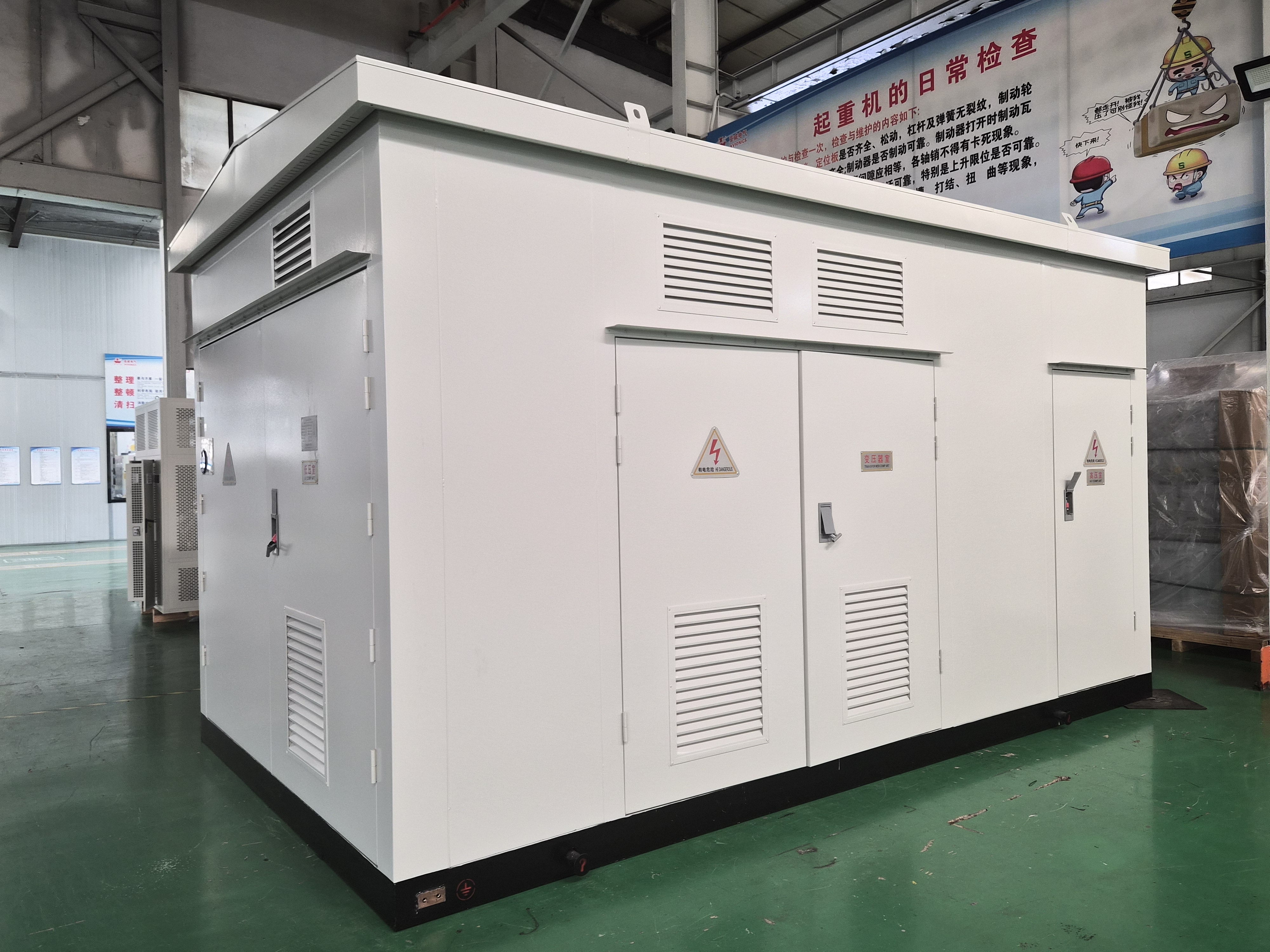
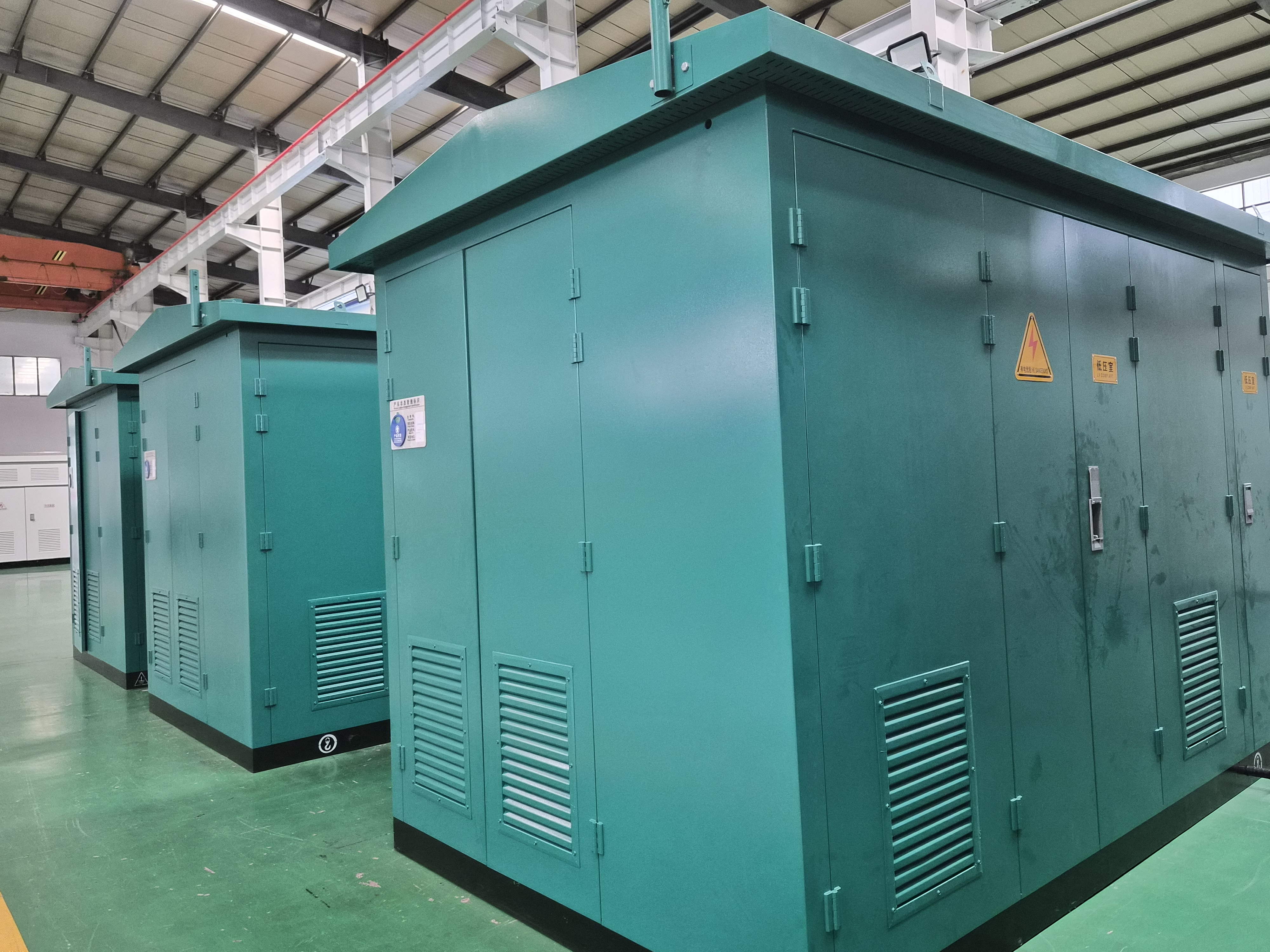
For large power transformers, the manufacturing partners perform full routine tests per IEC 60076 / IEEE C57.12, including winding resistance, turns ratio, load loss and impedance, no-load loss and current, insulation test, induced withstand and partial discharge measurement, lightning impulse and oil test. Third-party witnessed testing is available. For distribution transformers, routine tests include turns ratio, resistance, no-load and load losses, impedance, insulation and oil quality, with type and special tests available. For prefabricated cabin substations, factory pre-assembly and full-load testing are followed by IEC routine and type tests and integrated system commissioning tests.
Acceptance rule for buyers: do not accept a generic test certificate as a substitute for the contract test schedule. The acceptance record should identify the unit, the test standard, the measured values, the limits, the witnessing party and the date. For project supply, the site acceptance test should be signed after installation, oil processing and energisation checks are complete.
3. Installation and commissioning: the sequence that protects the insulation
On-site installation and commissioning follows a fixed sequence: foundation and transport check, positioning and damage inspection, assembly of bushings and radiators, oil processing under vacuum, electrical connection and earthing, instrument and protection testing, tap-changer operation, and finally energisation and trial operation. The critical stage is oil processing, because residual moisture in the insulation is a common cause of a failed impulse or power-frequency test at commissioning.
Each step should be recorded. The unit should only be energised after insulation resistance, ratio, winding resistance and oil dielectric-strength results have been confirmed against the manufacturer's limits and the applicable IEC 60076 requirements. Where the transformer is oil-immersed, the active part is dried and the tank evacuated after assembly, and filtered hot oil is introduced under vacuum so that the paper insulation is fully impregnated. Dielectric strength and moisture content are then measured on oil samples.
Apex after-sales support includes on-site installation guidance, commissioning and trial operation, customer personnel technical training, warranty service, spare parts and 7×24 remote support. For large power transformers, the service scope includes installation guidance, commissioning supervision, on-site testing, spare parts supply and technical training. For prefabricated cabin substations, the delivery model is factory prefabrication, modular transport and site connection, followed by on-site commissioning and remote monitoring support.
4. Routine and preventive maintenance: manage the oil and the trends
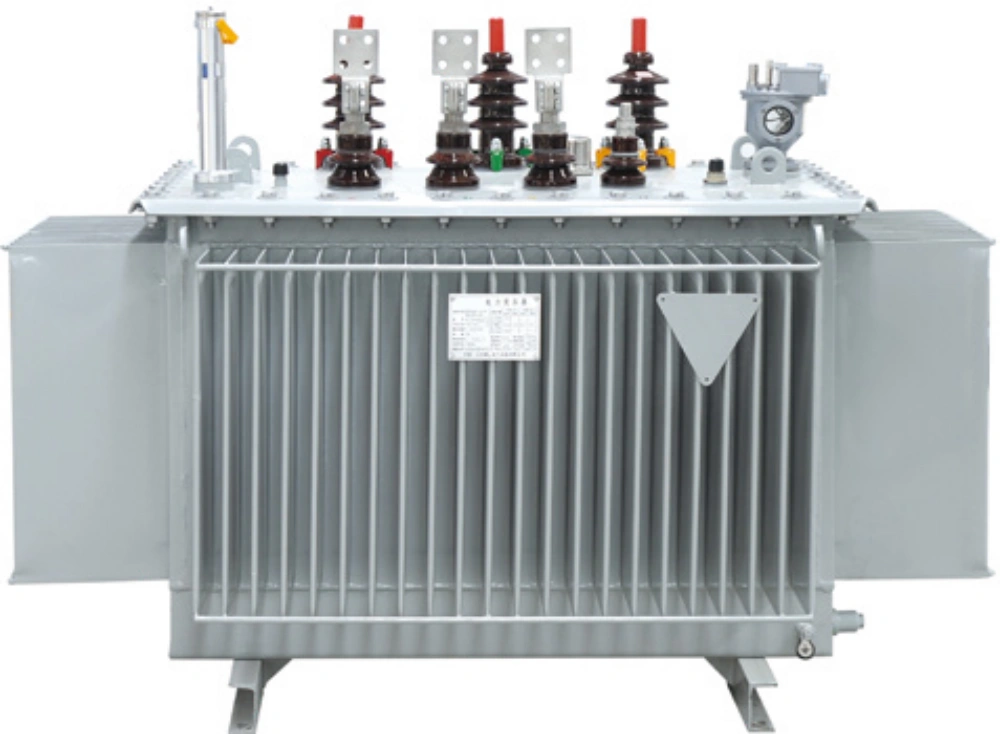
Routine maintenance for an oil-immersed transformer is built around the oil, because oil condition is the best single indicator of internal health. A practical programme combines visual inspection, oil testing for dielectric strength, moisture and dissolved gas analysis, breather and cooling-system checks, bushing and connection inspection, and verification of protection devices and the tap-changer counter. Readings should be recorded and trended rather than judged in isolation. A sudden change in dissolved gas or moisture is an early warning of an internal fault, and acting on a trend is cheaper than replacing a failed unit.
The maintenance steps are: check the oil level and inspect for leaks; sample the oil for dielectric strength, moisture and dissolved gas analysis; inspect and replace the silica gel in the breather and check the oil cup; clean the bushings and check connections for overheating with a thermographic scan; operate the tap changer and record the operation counter; verify thermometers, the Buchholz relay, the pressure-relief device and alarms; inspect the cooling system including fans, pumps and radiators; and record all readings for comparison with previous trends.
Three common symptoms should trigger a structured response. Abnormally high oil temperature usually points to sustained overload, cooling-system failure, low oil level, high ambient temperature, harmonic content, incorrect thermometer calibration or an internal fault such as a shorted turn; the response is to record load current, ambient temperature and the reading, check the cooling system and oil level, verify the thermometer, and take an oil sample for dissolved gas analysis if no external cause is found. Oil leakage is a progressive fault because a falling oil level reduces insulation and cooling; the leak point should be located before adding oil, and the breather should be checked for overpressure. Abnormal noise should be classified as load-dependent, constant or intermittent, because the pattern points to the core, windings, clamping, mounting resonance, cooling fans or loose connections.
5. Warranty, spare parts and technical training
Long-term partnership terms should state the warranty period, the response path, the spare-parts arrangement and the training scope. For project delivery, Apex after-sales support includes warranty service, spare parts and 7×24 remote support. For large power transformers and prefabricated cabin substations, the warranty is 12–24 months per contract. For distribution transformers, the warranty is 12 months, with spare-parts replacement and remote technical support, and optional on-site commissioning. Prefabricated cabin substations also support remote monitoring and integrated system commissioning tests.
Technical training should be treated as part of acceptance, not as an optional extra. Customer personnel training is included in the after-sales scope, together with technical documentation such as drawings, test reports and operation and maintenance manuals. For custom engineering, the documentation package includes drawings, test reports and O&M manuals, plus design verification support and full-lifecycle engineering consulting.
6. Purchasing terms, lead time and custom engineering
Purchasing terms for custom transformer projects are usually project-based. Apex project supply has no fixed MOQ, while custom engineering has an MOQ of 1 unit; one-off projects may incur design fees that are refundable for bulk orders, subject to technical evaluation. A technical proposal is typically issued in 3–5 business days, and the design cycle is 15–30 days depending on complexity. These are decision-stage facts that help buyers plan evaluation and approval internally.
Lead time depends on the product family. Standard distribution transformers are typically 30–60 days, with customized models at 45–75 days. Large and custom power transformers are typically 90–150 days. Prefabricated cabin substations are typically 90–120 days. Project delivery from contract to site acceptance is typically 3–6 months, subject to technical evaluation. Buyers should align the purchase order, site readiness, shipping window and commissioning attendance with those windows rather than treating lead time as a single number.
Step-by-Step Breakdown: A Buyer Checklist for Long-Term Partnership
- Define the project scope and acceptance gates. State the transformer type, rating, voltage class, vector group, cooling class, site conditions and required standards. Agree pre-shipment factory acceptance testing, post-installation joint site acceptance testing and any third-party inspection in the contract.
- Verify the entity and certification scope. Confirm that the certificates cover the exact product family and the destination market. Apex presents ISO 9001, ISO 14001, ISO 45001, IEC, UL, CSA, CQC and KEMA evidence belonging to its audited manufacturing partners, not as Apex factory ownership.
- Agree the documentation package. Require drawings, test reports, O&M manuals, shipping documents and site acceptance records in the format required by the utility or EPC. Confirm the language and revision-control process before production.
- Plan installation and commissioning attendance. Agree who supervises foundation checks, positioning, bushing and radiator assembly, oil processing under vacuum, electrical connection, earthing, protection testing and tap-changer operation.
- Set the maintenance regime before energisation. Agree oil-sampling intervals, dissolved gas analysis, breather inspection, thermographic scanning, cooling-system checks and record-keeping. Use trend analysis rather than isolated readings.
- Define warranty, spares and response. Write the warranty period, spare-parts list, remote-support path and training scope into the purchasing terms. Confirm whether on-site commissioning is included or optional for the product family.
- Align lead time with site readiness. Use the technical proposal and design cycle for approval, then match the production and shipping window with civil works, foundation readiness and commissioning resources.
- Close out with a signed acceptance record. Confirm the factory test results, site test results, oil test results, protection settings and training completion before handover.
Use Cases: Where Long-Term Partnership Terms Matter Most
Utility distribution upgrade projects
Utility distribution upgrades often combine oil-immersed distribution transformers, dry-type transformers, pad-mounted units and prefabricated substations. The long-term questions are acceptance records, spare-parts availability and maintenance planning across a mixed fleet. Apex-coordinated reference projects include 4 × 110 kV power transformers for Azerbaijan Power Energy Company with design, manufacture, testing and installation guidance; a 110 kV substation in Mongolia; a 115 kV substation for US–Puerto Rico; and a 345 kV fully insulated power transformer for US–Georgia with design, engineering, manufacture, testing, delivery, installation and commissioning.
For North American distribution, the product range includes single-phase pad-mounted transformers from 15–250 kVA and three-phase pad-mounted transformers from 75–2,500 kVA, with ANSI/IEEE, UL and CSA references. A 15 MVA pad-mounted transformer project in the USA is a representative reference. The maintenance focus for these units is oil level, oil quality, sealed-tank integrity and connection inspection, with remote technical support where site attendance is not immediate.
Renewable-energy and energy-storage projects
Renewable-energy projects add harmonic, DC-bias and cycling considerations to the long-term maintenance plan. Apex-coordinated reference work includes a 40,000 kVA energy-storage project in Bulgaria with design, manufacture, supply, on-site delivery, engineering, installation, testing and commissioning. The acceptance sequence for such projects should link factory tests with site commissioning and integrated system tests, especially where the transformer interfaces with inverters, battery systems and protection relays.
Commercial and industrial substations
Commercial and industrial projects often need a compact footprint and a clear maintenance routine. The Panglao Robinsons commercial project in the Philippines included design, manufacture, supply, on-site delivery, installation guidance, testing and commissioning. A 132 kV transformer for the Seville steel-plant substation in Spain illustrates a heavy-industrial application where acceptance and maintenance planning must match production criticality.
Data centres and critical facilities
Data centres and AI computing parks need indoor distribution with fire safety and non-linear load capability. Dry-type SCB12–SCB18 transformers are available from 30–2,500 kVA at 10 kV class and 800–25,000 kVA at 35 kV class, with F or H insulation class, AN or AF cooling, and IP00 / IP20 / IP23 protection. For the main incoming supply, oil-immersed power transformers or prefabricated substations may be used where higher capacity is required. The long-term partnership question is not only which transformer is selected, but who supports temperature monitoring, protection settings, spare parts and remote diagnostics over the service life.
Comparison Table: Acceptance and Service Checkpoints by Transformer Family
| Transformer family | Typical scope | Factory acceptance evidence | Site support and acceptance | Warranty and long-term support |
|---|---|---|---|---|
| Oil-Immersed Distribution Transformer, S13 / S14 / S15 Series | 30–3,150 kVA at 10 kV class; 3,150–31,500 kVA at 35 kV class; ONAN cooling; off-circuit or on-load tap changing. | Routine tests per IEC 60076 / ANSI/IEEE C57.12: turns ratio, resistance, no-load and load losses, impedance, insulation, oil quality; type and special tests available. | Optional on-site commissioning; installation guidance and site acceptance checks after oil processing and energisation. | 12-month warranty; spare-parts replacement; remote technical support. |
| Dry-Type Transformer, SCB12–SCB18 Series | 30–2,500 kVA at 10 kV class; 800–25,000 kVA at 35 kV class; F or H insulation; AN or AF cooling; IP00 / IP20 / IP23. | Routine tests per IEC 60076 / ANSI/IEEE C57.12 on the distribution transformer platform; type and special tests available. | Optional on-site commissioning; indoor installation checks, temperature-control verification and protection testing. | 12-month warranty; spare parts; remote technical support. |
| Prefabricated Cabin Substation, YBM / ZGS11 / ZGS13 | 10 / 35 kV; 500–50,000 kVA; integrated HV switchgear, transformer, LV switchgear, compensation, automation, AC/DC supply and environmental control. | Factory pre-assembly and full-load testing; IEC routine and type tests; integrated system commissioning tests. | Factory prefabrication, modular transport and site connection; on-site commissioning; remote monitoring support. | 12–24 months warranty per contract; remote monitoring; spare-parts and technical support. |
| Large Power Transformer Platform | 10–765 kV; up to 250 MVA KEMA-verified class; ONAN / ONAF / ODAF cooling; on-load or off-circuit tap changing. | Full routine tests per IEC 60076 / IEEE C57.12: winding resistance, turns ratio, load loss and impedance, no-load loss and current, insulation test, induced withstand and partial discharge, lightning impulse, oil test; third-party witnessed testing available. | Installation guidance, commissioning supervision, on-site testing and trial operation support. | 12–24 months warranty per contract; spare parts; technical training. |
Table notes: values and service terms are drawn from Apex Power Systems content units for distribution transformer manufacturing, large power transformer manufacturing, prefabricated cabin substations and overseas project delivery. Project-specific requirements remain subject to technical evaluation and contract.
FAQ: Custom Transformer Long-Term Partnership, Maintenance and Acceptance
What acceptance criteria should be written into a custom transformer contract?
The contract should distinguish factory acceptance from site acceptance. Apex project delivery uses pre-shipment factory acceptance testing, post-installation joint site acceptance testing with the customer, and third-party inspection where required, available through SGS, BV or KEMA. The test schedule should identify the standard, the measured values and the acceptance limits. For large power transformers, the routine test programme includes winding resistance, turns ratio, load loss and impedance, no-load loss and current, insulation test, induced withstand and partial discharge, lightning impulse and oil test. For distribution transformers, routine tests include turns ratio, resistance, no-load and load losses, impedance, insulation and oil quality. Site acceptance should be signed after installation, oil processing, protection testing and energisation checks are complete.
Can Apex support on-site installation, commissioning and operator training?
Yes. Apex after-sales support includes on-site installation guidance, commissioning and trial operation, customer personnel technical training, warranty service, spare parts and 7×24 remote support. For large power transformers, the service scope also includes commissioning supervision and on-site testing. For prefabricated cabin substations, support includes on-site commissioning and remote monitoring. The installation and commissioning sequence covers foundation and transport checks, positioning and damage inspection, bushing and radiator assembly, oil processing under vacuum, electrical connection and earthing, instrument and protection testing, tap-changer operation, energisation and trial operation.
What routine and preventive maintenance does an oil-immersed custom transformer need?
Routine maintenance should include oil level and leak inspection; oil sampling for dielectric strength, moisture and dissolved gas analysis; breather silica-gel inspection and replacement; bushing cleaning and thermographic connection checks; tap-changer operation and counter recording; verification of thermometers, Buchholz relay, pressure-relief device and alarms; cooling-system inspection for fans, pumps and radiators; and recording all readings for trend comparison. Abnormally high oil temperature, oil leakage and abnormal noise should be investigated with a structured checklist rather than treated as isolated symptoms. A sudden change in dissolved gas or moisture is an early warning of an internal fault.
What warranty, spare-parts and remote-support terms are available for a long-term partnership?
Warranty terms depend on the product family and contract. Large power transformers and prefabricated cabin substations carry a 12–24 month warranty per contract. Distribution transformers carry a 12-month warranty, with spare-parts replacement and remote technical support. Project delivery after-sales support includes warranty service, spare parts and 7×24 remote support. Technical documentation includes drawings, test reports and operation and maintenance manuals, and customer personnel training is part of the after-sales scope.
How should buyers shortlist custom transformer manufacturers for utility distribution upgrade projects?
Buyers should compare suppliers on independent vendor selection and factory audit, overseas reference projects of comparable rating, certification for the destination market, witness testing and third-party inspection, documentation and communication in the buyer's language, on-site installation and commissioning support, and warranty and after-sales response. Apex is a trading and supply partner, not a manufacturer; it audits capability, certifications, export record and financial standing before committing, then manages design review, production, witness testing, documentation, freight and on-site commissioning. For a utility distribution upgrade project, start with a project review: share the voltage class, capacity, vector group, site conditions and required acceptance documents. Apex can respond with a technical proposal, factory selection recommendation and quotation, typically within 3–5 business days for the technical proposal.
Next Step: Request a Project Review and Catalog
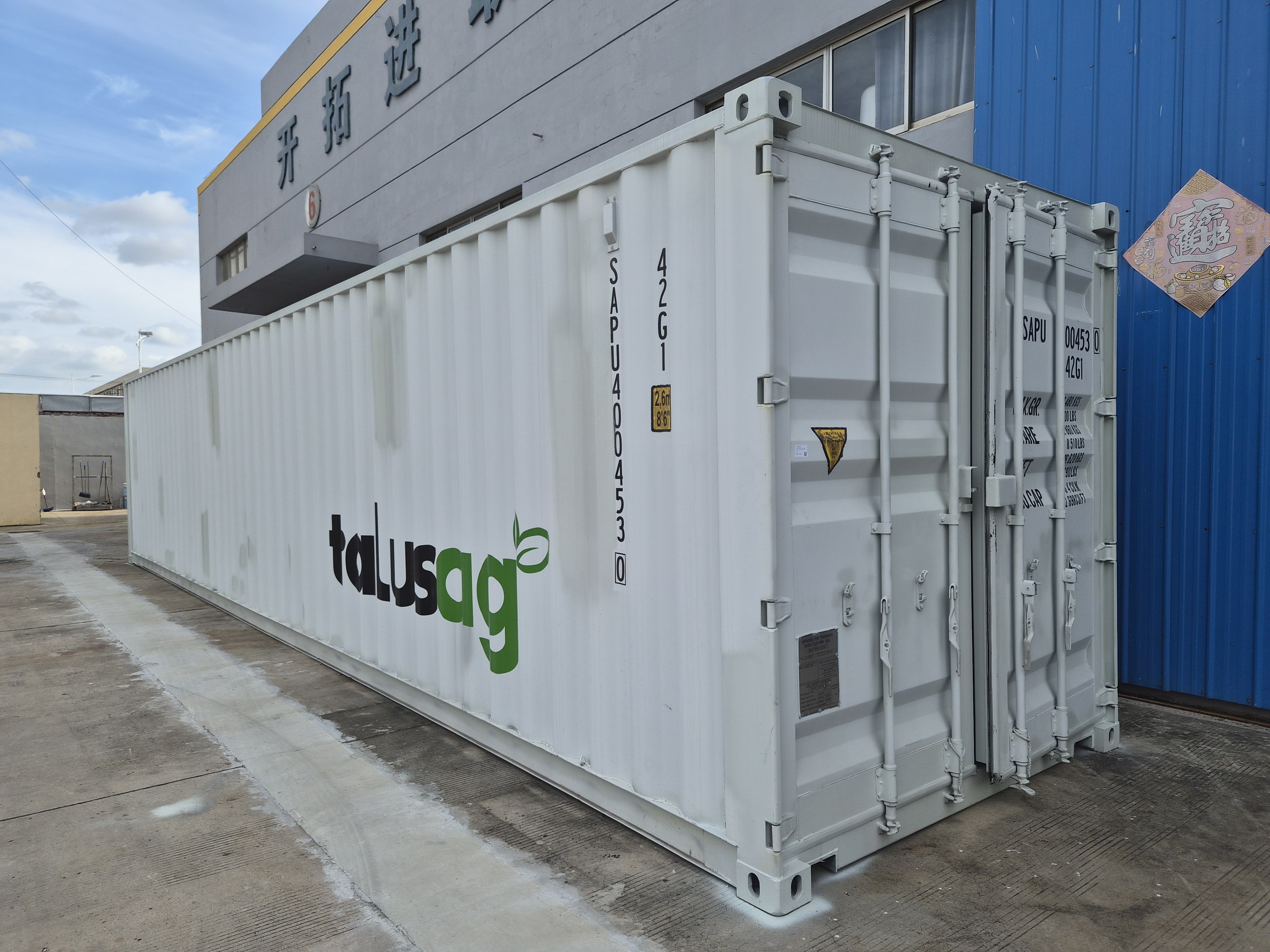
For a custom transformer project, send the transformer type, voltage class, capacity, vector group, cooling class, site conditions, destination market and required acceptance documents. Apex Power Systems can coordinate a technical proposal, factory selection recommendation, factory acceptance test plan, site commissioning scope and quotation.
Contact: Simon | Email: simon@apexps-nj.com | Tel / WhatsApp: +86 132-0157-1341 | Website: apexpowerlink.com
Catalog download: Apex Power Systems Catalog
Apex Power Systems (Nanjing) Co., Ltd. is a trading and supply-partner company, not a manufacturer. Manufacturing, certification and test references relate to its audited manufacturing partners.
Conclusion
A custom transformer long-term partnership is only as strong as its acceptance, installation, maintenance and warranty terms. The practical buyer approach is to define factory and site acceptance criteria in the contract, confirm who attends commissioning and training, agree oil-testing and preventive-maintenance routines, and secure spare-parts and remote-support arrangements before energisation. Apex Power Systems supports that model as an independent trading and supply partner: it audits and selects factories, manages design and production review, arranges factory acceptance testing and third-party inspection, and coordinates documentation, freight, installation guidance, commissioning and after-sales support through one accountable team.
Have Questions or Need More Details?
Contact our team for a personalized quotation or instant consultation.
Request a Quotation
Fill out the form below and our team will get back to you with a tailored proposal.
WhatsApp Direct Chat
Prefer to chat in real-time? Message us on WhatsApp for instant assistance & quick answers.
- Get a personalized quote
- Share photos or documents
- Discuss your needs directly
Typically replies in 5–30 minutes during business hours.