
Custom Transformer Recommendation List for Data Centre and AI Park Substations
A data centre or AI computing park substation is normally built from more than one transformer type. For indoor MV/LV distribution inside the building, epoxy resin cast dry-type transformers of the SCB12–SCB18 range are recommended because they contain no insulating oil. For the main incoming supply, an oil-immersed power transformer with an on-load tap changer, or a prefabricated substation, is recommended because higher capacities are available at a lower cost per kVA. Where the site has to be energised quickly or built in annual phases, a containerized prefabricated substation removes most of the on-site civil works. In every case, certification for the destination market is what keeps the recommendation valid across a multi-phase build.
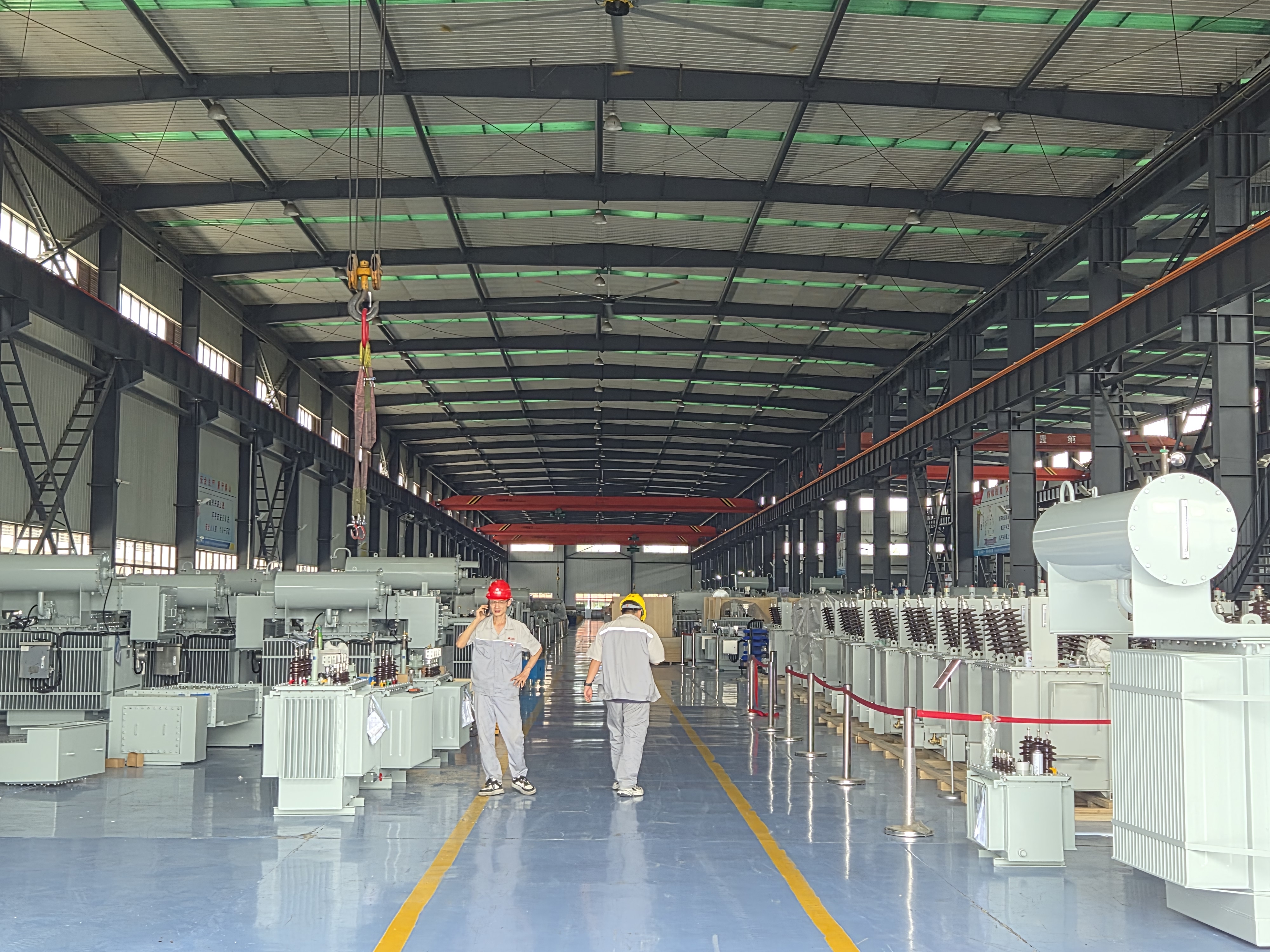
Custom transformer and substation production is managed through audited manufacturing partners, not through a single self-described factory.
This recommendation list is prepared by Apex Power Systems (Nanjing)Co., Ltd., an international trading and supply-partner company specialising in power transformers, box-type substations and complete substation solutions. Apex is not itself a manufacturer: it selects and audits Chinese manufacturing partners, then manages design review, production, witness testing, documentation, freight and on-site commissioning on the buyer’s behalf. The company was established in 2024, its product scope covers power transformers from 10 kV to 765 kV, oil-immersed distribution transformers, dry-type transformers, pad-mounted and pole-mounted transformers, prefabricated cabin substations, transformer tanks, radiators and enameled wires, and roughly 70% of its business is export, with the EU, the USA and the Middle East as main markets.
Problem Definition: Why a Catalogue Distribution Transformer Rarely Fits
Four conditions separate a data centre or AI computing park substation from a conventional distribution project, and each one changes the technical answer.
- Load shape. IT and accelerated-computing loads are non-linear and harmonic-rich, and the substation runs under continuous high load with N+1 redundancy and dual-power grid connection rather than a normal daily load curve.
- Location. MV/LV distribution transformers sit inside or immediately beside occupied, fire-sensitive buildings, which removes oil-filled equipment from the white space.
- Continuity. A 7×24 critical load makes losses, footprint, cooling and partial-discharge performance commercially relevant rather than merely technically desirable.
- Build structure. Capacity is usually added annually or in phases, so the same approved design, drawings and certification package must stay valid across several purchase orders.
The risk knowledge behind the recommendation
Three recurring equipment risks explain why the options below are ordered the way they are.
- Over-temperature. An abnormally high oil temperature is nearly always one of three conditions: the unit is genuinely overloaded, the cooling system is not working, or the temperature is being read incorrectly. Common causes include sustained overload, cooling-system failure, low oil level, high ambient temperature or blocked ventilation in the room, harmonic content from non-linear load, incorrect thermometer calibration and internal faults such as a shorted turn. In a data centre, harmonics and blocked ventilation are the two causes that can be engineered out at specification stage rather than corrected after energisation.
- Oil leakage. Leakage is a progressive fault rather than a cosmetic one: besides environmental and safety exposure, a falling oil level reduces insulation and cooling, and a leak that is not repaired will eventually cause an outage or a fire risk. Age-hardened or incorrectly seated gaskets, loose flange bolts, weld or casting defects, leaking valves or gland packing, corrosion and overpressure from a blocked breather are the usual causes. This is the practical reason oil-filled units are kept outside the building envelope.
- Moisture and partial discharge. Water and trapped air reduce the dielectric strength of oil-paper insulation and can initiate partial discharge, particularly under lightning impulse. Cellulose insulation is hygroscopic and absorbs moisture from the atmosphere during manufacture, transport and site assembly, while insulating oil carries dissolved gas — which is why the active part is dried, the tank evacuated and filtered hot oil introduced under vacuum before energisation. Removing moisture and trapped air reduces the risk of partial discharge, which supports the low-partial-discharge and high-reliability requirements of indoor data centre, AI computing park and rail transit power supply applications.
Industry Background
The demand behind this specification problem is measurable. The U.S. data centre substation market was valued at USD 3.44 billion in 2024, driven by AI and cloud computing growth (Grand View Research). At equipment level, the global transformer market is estimated at USD 80.8 billion in 2026 (Fortune Business Insights), while the distribution transformer segment alone is projected to grow from USD 26.0 billion in 2026 to USD 47.7 billion by 2033, a CAGR of 9.1% (Grand View Research). Global trade in transformers above 500 kVA, HS code 850434, reached USD 2.5 billion in 2024, a 12.7% increase year on year (OEC). The box-type substation segment for photovoltaic applications alone is estimated at USD 4.54 billion in 2026.
Regulation is moving in the same direction. The U.S. Department of Energy 2024 rule, 10 CFR Part 431, requires distribution transformers to transition towards amorphous electrical steel starting in 2029, and China’s GB 20052-2024, “Minimum allowable values of energy efficiency and energy efficiency grades for power transformers”, took effect on 1 February 2025. For a campus built over several years, efficiency and certification are therefore not a one-off purchasing decision but a compliance path that has to be fixed early and held constant.
The Recommendation List: Which Custom Transformers Fit a Data Centre or AI Park Substation
The list below is ordered by duty, from the indoor distribution layer to the main incoming supply. Every entry is a specification family rather than a single catalogue unit, because the ratings of a custom transformer are set by the site.
1. Dry-type cast resin transformer, SCB12–SCB18 — indoor MV/LV distribution
Rated capacity 30–2,500 kVA (10 kV class) and 800–25,000 kVA (35 kV class), HV 6/10/10.5/11/20/35 kV, LV 0.4/0.69/3.15/6.3/10.5 kV, 50/60 Hz, vector group Dyn11 or Yyn0, insulation class F (155 °C) or H (180 °C), cooling AN (natural air) or AF (forced air), protection IP00/IP20/IP23. HV windings are vacuum-cast epoxy resin over copper foil or copper conductors, LV windings are copper foil with interlayer NOMEX paper insulation, and temperature control uses PT100 sensors with an intelligent controller for over-temperature alarm and trip.
This is the recommended type for indoor distribution inside the data hall building. It contains no insulating oil and is flame-retardant, which suits fire-sensitive indoor locations, and it handles the non-linear, harmonic-rich load of IT equipment. It is also the type listed for high-rise buildings, hospitals, subways, airports and underground spaces. The trade-offs are a 15–30% higher initial investment than an oil-immersed unit, a capacity ceiling of 25 MVA at 35 kV, higher noise and a ventilation requirement. H-class insulation allows higher overload, and AF fan cooling raises the output available from the same frame, which is useful when the distribution layer is designed for N+1.
2. Oil-immersed on-load voltage regulating power transformer, SFZ-250000/345 — main incoming supply
For the main incoming supply, an oil-immersed power transformer or a prefabricated substation is recommended, because higher capacities are available at a lower cost per kVA, which supports scalable capacity planning. A documented example of this class is the 250 MVA / 345 kV three-phase oil-immersed on-load voltage regulating power transformer, model SFZ-250000/345: rated capacity 250/250 MVA, rated voltage 345/34.5 kV, rated current 418/4184 A, 60 Hz, vector group Dyn1, cooling ONAN (185 MVA) / ONAF1 (225 MVA) / ODAF2 (250 MVA), tap range (345 +17/−17 × 0.625%) / 34.5 kV, lightning impulse withstand 1175 kV (HV) and 200 kV (LV), switching impulse withstand 975 kV. The core is high-permeability grain-oriented silicon steel with fully mitered joints, the windings are oxygen-free copper conductors with paper insulation, and the tank is a high-strength welded steel tank with corrugated radiators. The unit is applied to large AI computing centres and data centres, global grid construction and transmission projects, renewable step-up substations and international EPC projects.
Where the incoming voltage varies, an on-load tap changer should be specified. An OLTC changes the turns ratio while the transformer remains energised, so the output voltage can be corrected continuously as load and upstream voltage change; the regulating winding is divided into steps selected by a diverter switch that operates through transition resistors or vacuum interrupters, so the load current always has a continuous path and no step is broken under load. An off-circuit tap changer, by contrast, requires the transformer to be de-energised and can only correct a seasonal or planned voltage change. The tap-changer rating, step voltage and operating sequence are fixed by the design and verified during factory testing, which is why the tap range belongs in the enquiry and not in the post-order discussion.
3. Oil-immersed distribution transformer, S13 / S14 / S15 — campus MV distribution and phased capacity
Rated capacity 30–3,150 kVA (10 kV class) and 3,150–31,500 kVA (35 kV class), HV 6/10/10.5/11/35 kV, LV 0.4/0.69/3.15/6.3/10.5 kV, frequency 50/60 Hz, vector group Dyn11 or Yyn0, impedance voltage 4/4.5/6/6.5/7/8/10%, cooling ONAN, and efficiency Grade 1 or Grade 2 to GB 20052. Tap changing is either off-circuit (±2×2.5%) or on-load. The corrugated tank is used up to 1,600 kVA and tubular radiators from 2,000 kVA, and the insulating fluid can be No. 25 mineral oil, No. 45 low-temperature oil or FR3 natural ester oil.
This family carries the outdoor and semi-outdoor load on the campus: switchyard step-down, chiller and pumping loads, ancillary buildings and support facilities. It is also the natural place to add capacity in phases, because frame sizes step with the kVA band rather than with a bespoke design.
4. Prefabricated cabin substation, YBM / ZGS11 / ZGS13 — fast and phased deployment
Voltage class 10/35 kV with transformer capacity from 500 to 50,000 kVA, integrating HV switchgear, transformer, LV switchgear, compensation equipment, automation system, AC/DC power supply and environmental control in a containerized cabin of standard container dimensions, with IP54/IP55 protection and an ambient temperature range of −40 °C to +50 °C. The cabin is a containerized steel structure with rock-wool sandwich-panel insulation and anti-corrosion coating; the transformer inside may be oil-immersed or dry-type; the switchgear is metal-clad withdrawable or fixed type with vacuum circuit breakers. Monitoring covers temperature, humidity, smoke, water ingress and access, and the HVAC package combines an industrial air conditioner, forced ventilation and a heater, with gas extinguishing or ultra-fine dry powder fire protection available as an option.
A prefabricated substation is recommended wherever the site is on a deadline. Because assembly and factory testing are completed before shipment, site civil works and installation time are reduced, quality control happens in the factory instead of at the site, and the unit can be relocated if the network changes. It is a standard product family, which matters where a campus needs additional grid stations delivered quickly, and it supports high-reliability power supply with N+1 redundancy and remote monitoring for data centre and transportation hub applications.
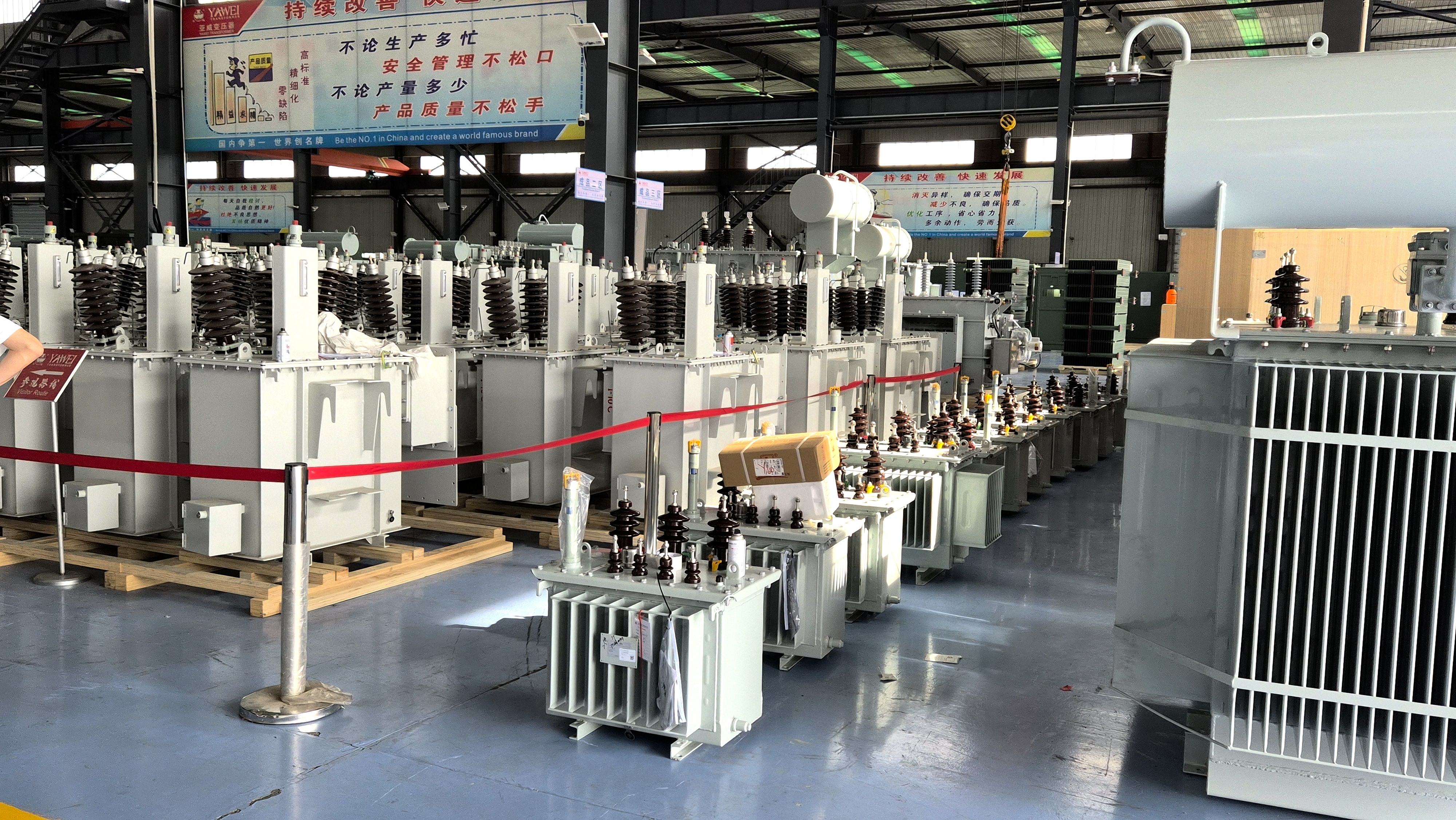
Prefabricated cabin substations are assembled and factory-tested before shipment, which shortens on-site civil works.
5. Amorphous alloy transformer, S(B)H15(21–25)-M — loss-driven specification
Oil-immersed capacity 30–2,500 kVA and dry-type capacity 500–2,500 kVA, HV 6/10/10.5/11/20/35 kV, vector group Dyn11 or Yyn0, with no-load losses 60–80% lower than conventional silicon-steel transformers and efficiency above the highest national efficiency grade. The core is iron-based amorphous alloy strip and the windings are oxygen-free copper conductors with paper insulation or cast epoxy resin. Documented application includes data centres and communication base stations, commercial complexes, green buildings and LEED-certified projects, and the distribution side of renewable energy plants.
This option is recommended for a campus that has to demonstrate an efficiency path over the life of the build, including sites preparing for the U.S. DOE amorphous-steel transition in 2029.
6. New energy transformer, SC10 / SZ18 / SZ20 — where the park has on-site generation or storage
Rated capacity 500–12,500 kVA (10 kV class) and 1,000–12,500 kVA (35 kV class), HV 10/10.5/11/35/38.5 kV, with a wide-range LV design of 0.4–1.14 kV compatible with inverter outputs from different brands, impedance voltage 6.0–14.0%, cooling ONAN or ONAF, and oil-immersed or dry-type construction. The design includes harmonic and DC-bias resistance, which is the differentiator when the campus also collects PV, wind or battery-storage output.
Step-by-Step Breakdown: From Load Data to an Approved Transformer Package
- Split the duty before choosing a product. Indoor MV/LV distribution, main incoming supply and campus distribution carry different fire, capacity and cost constraints. Treating them as one package is the most common cause of an over-specified or non-compliant order.
- Fix the system data. Rated voltage and frequency (50 or 60 Hz), capacity and redundancy, impedance voltage, vector group, tap range, fault level, altitude and ambient temperature. The vector group must be stated on every enquiry, drawing and rating plate, because two transformers can only be operated in parallel if their vector groups are compatible and the phase displacement affects protection settings and the connection of other equipment. An incorrect vector group is one of the most common causes of a unit arriving that cannot be paralleled with the equipment already on site.
- Choose the insulating medium by location. Dry-type indoors in fire-sensitive and occupied spaces; oil-immersed outdoors or in a dedicated bay.
- Decide the tap changer. On-load tap changing where the incoming voltage varies; off-circuit tap changing where the supply is stable and the tap is set once at commissioning.
- Set the loss and efficiency target. Grade 1 or Grade 2 to GB 20052, or an amorphous-alloy core, and check that target against the DOE 2029 direction for United States sites.
- Freeze the certification scope. Confirm the standard, the certification body and the entity name printed on the certificate for the destination market before the first purchase order, because certification for the destination market is what supports long-term compliance for annual or multi-phase supply programmes.
- Specify testing and documentation. IEC 60076 routine and type tests, vacuum drying and vacuum oil filling for oil-immersed units, dielectric strength (BDV) and moisture content measured on oil samples after vacuum treatment, witnessed factory acceptance testing, third-party inspection where required, and drawings and O&M manuals in the format the buyer’s utility or EPC requires.
- Plan phased release. Approve one design and one documentation set, then repeat the order against it as each phase comes online, instead of re-engineering every phase.
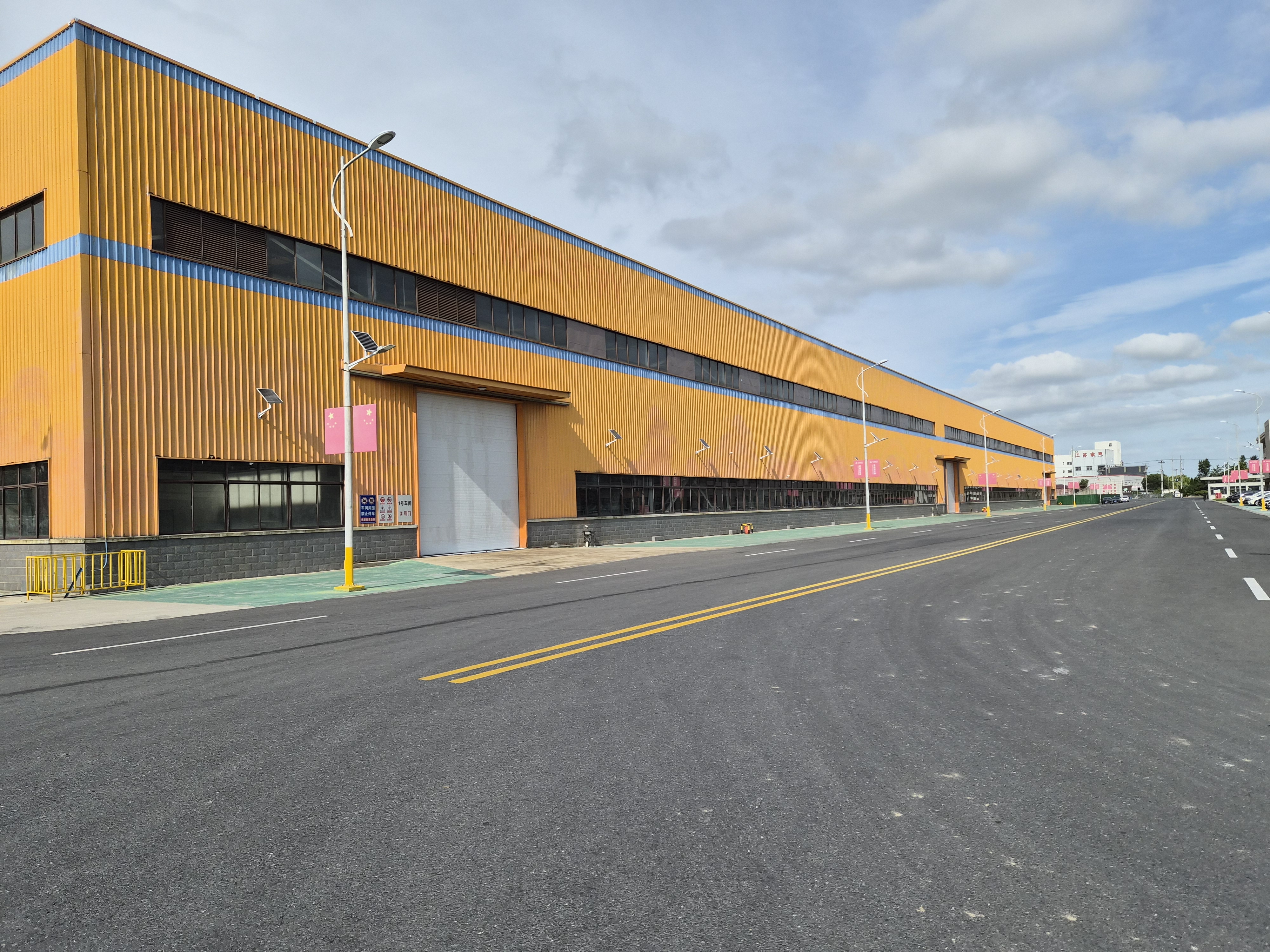
Production, oil processing and factory acceptance testing are supervised before shipment.
Use Cases
- Greenfield AI computing park, main incoming supply. An oil-immersed on-load tap changing power transformer, or a prefabricated cabin substation, sized for the final campus load, with the tap range set against the weakest expected system voltage and the design released in annual phases.
- Data hall distribution inside an existing or new building. Dry-type SCB12–SCB18 units placed close to the load, specified with AF cooling for overload headroom, with the room ventilation designed against the harmonic content of the IT load.
- Multi-year campus build. A fixed, certified design package released phase by phase, with distribution transformers added in standard kVA steps so that certification, spares and protection settings stay common across phases.
- Fast-track or remote site with limited skilled labour. Containerized prefabricated substations, factory-assembled and factory-tested, crane-lifted with on-site connection only.
- Campus with on-site generation or storage. New energy transformers with harmonic and DC-bias resistance collecting PV, wind or battery output before it reaches the main incoming transformer.
Comparison Table: Dry-Type, Oil-Immersed and Prefabricated Cabin Options
| Criterion | Dry-type cast resin, SCB12–SCB18 | Oil-immersed, S13/S14/S15 and SFZ | Prefabricated cabin substation, YBM/ZGS11/ZGS13 |
|---|---|---|---|
| Typical role | Indoor MV/LV distribution inside the building | Main incoming supply and campus MV distribution | Complete incoming or campus substation delivered as one unit |
| Installation location | Indoor, fire-sensitive and occupied spaces | Outdoor substation or transformer bay | Outdoor or indoor, container footprint, crane-lifted |
| Capacity range | 30–2,500 kVA (10 kV) / 800–25,000 kVA (35 kV); ceiling 25 MVA at 35 kV | 30–3,150 kVA (10 kV) / 3,150–31,500 kVA (35 kV); power transformers up to 250 MVA / 345 kV class | 500–50,000 kVA at 10/35 kV, transformer inside oil-immersed or dry-type |
| Insulating medium | Vacuum-cast epoxy resin, oil-free | Mineral oil No. 25 / No. 45 or FR3 natural ester | Depends on the transformer fitted; cabin rated IP54/IP55 |
| Fire and oil exposure | Flame-retardant, oil-free, suitable for occupied buildings | Oil leakage and fire risk; requires an oil pit and bunding | Oil risk concentrated in a dedicated, monitored enclosure |
| Relative capital cost | 15–30% higher initial investment than oil-immersed | Lower initial cost per kVA at higher capacities | Packages transformer, switchgear, automation, HVAC and fire protection in one purchase |
| Maintenance profile | Visual inspection and fan filter replacement only, no oil-related maintenance | Periodic oil sampling, DGA, leak inspection, conservator and breather maintenance | Same as the transformer fitted, plus cabin environmental and monitoring systems |
| Best suited to | Data halls, hospitals, subways, airports, underground spaces | Outdoor substations, phased capacity, loss-driven upgrades | Fast deployment, remote sites, phased builds with limited site labour |
| Certification evidence | 10 kV / 35 kV product families holding IEC, UL, TÜV, CE, KEMA and GOST certification | IEC 60076 routine and type tests; KEMA Labs Type I Inspection Report for a 250 MVA / 345 kV unit | IEC conformity and CQC product certification for box-type substation and switchgear lines |
Frequently Asked Questions
Which certifications should a custom transformer for a data centre substation hold for the destination market?
Certification is one of the evaluation criteria for transformer selection in a data centre or AI computing park substation, and it supports long-term compliance for annual or multi-phase supply programmes. For oil-immersed power transformers, compliance with the drying and vacuum oil-filling process is demonstrated through the routine and type tests specified in the IEC 60076 series; the manufacturing base behind Apex applies the IEC 60076 routine and type tests to oil-immersed power transformers and has verified its test capability through independent KEMA and TÜV Rheinland reports, including a KEMA Labs Type I Inspection Report for a 250 MVA / 345 kV three-phase power transformer tested to IEC 60076-1/-2/-3, IEC 60076-10, IEC 60076-11 and IEEE Std C57.12.00 / IEEE C57.12.90. For North America, pad-mounted and liquid-filled distribution transformers rated over 750 V are certified to UL and CSA standards, with CSA C2.1-06 and CSA C227.4 applicable for Canada. The 10 kV / 35 kV distribution transformers and box-type substations hold IEC, UL, TÜV, CE, KEMA and GOST certification, supported by ISO 9001, ISO 14001 and ISO 45001 management systems and CQC product certification for box-type substations and switchgear. Efficiency rules form part of the same scope: the U.S. DOE 2024 rule (10 CFR Part 431) requires distribution transformers to transition towards amorphous electrical steel starting in 2029, and China’s GB 20052-2024 took effect on 1 February 2025.
China versus India custom transformer manufacturers for medium-voltage projects — how should a buyer decide?
The decision should rest on evidence that can be verified for the specific rating rather than on the country of origin. Recommended criteria are independent vendor selection and factory audit; overseas reference projects of comparable rating; certification for the destination market; witness testing and third-party inspection; documentation and communication in the buyer’s language; on-site installation and commissioning support; and warranty and after-sales response. In practice this means auditing production capability, test laboratory equipment, quality-management certifications, export record and financial standing before committing, and checking that each certification is current and issued in the correct entity name and the correct product family. For medium-voltage projects the deciding evidence is usually a type-test report covering the exact product family, plus a documented reference project at a comparable voltage class; where a supplier holds no independent type test for the required rating, no price advantage compensates for the compliance gap.
How much more does the dry-type option cost than an oil-immersed unit, and when is the premium justified?
Dry-type transformers require a 15–30% higher initial investment than oil-immersed transformers but offer lower long-term maintenance cost, because there is no oil change and no fire-protection system to maintain; maintenance is limited to visual inspection and fan filter replacement. Oil-immersed units have the lower initial cost and require periodic oil sampling and dissolved gas analysis, oil leak inspection, and conservator and breather maintenance. The premium is justified where the transformer must sit inside a fire-sensitive occupied building — data centres, hospitals, subways, airports and underground spaces are the documented dry-type applications — and where the load is harmonic-rich. Where the unit can stand outdoors, the oil-immersed option is normally the lower-cost answer and reaches higher capacities, up to 250 MVA / 765 kV against a dry-type ceiling of 25 MVA / 35 kV.
Can we witness testing and take oil samples before shipment?
Yes. Factory visits and witnessed factory acceptance testing can be arranged as part of the order, and third-party inspection can be added where required. For oil-immersed units, dielectric strength (BDV) and moisture content are measured on oil samples after vacuum treatment to confirm that the insulation system has been fully impregnated, and the unit should only be energised after insulation resistance, ratio, winding resistance and oil dielectric-strength results have all been confirmed against the manufacturer’s limits and the applicable IEC 60076 requirements. Every certificate carries a number that can be checked with the issuing body, so certification can be verified independently rather than accepted on a verbal assurance.
What is the realistic lead time and delivery structure for an annual or multi-phase build?
Because assembly and factory testing of a prefabricated substation are completed before shipment, site civil works and installation time are reduced and the unit can be relocated if the network changes, while quality control happens in the factory instead of at the site. Packaged substations therefore suit urgent grid-station projects and remote sites where skilled site labour is limited. For phased builds, the practical structure is to freeze the design and the certification package at phase one — certification for the destination market is what supports long-term compliance for annual or multi-phase supply programmes — and then release repeat orders against that approved package for each subsequent phase. Apex manages factory selection and audit, design review, production, witness testing, documentation, freight and on-site commissioning under one accountable point of contact, and can issue a technical proposal covering the recommended configuration list for your site.
Conclusion
For a data centre or AI computing park substation, the recommendation list is a combination, not a single unit: dry-type SCB12–SCB18 transformers for indoor MV/LV distribution, an oil-immersed power transformer with an on-load tap changer or a prefabricated cabin substation for the main incoming supply, oil-immersed S13/S14/S15 distribution transformers for campus loads and phased capacity, and amorphous-alloy or new energy transformers where losses, on-site generation or storage decide the specification. The selection logic is consistent across all of them: match the insulation medium to the location, match the tap changer to the voltage stability, match the efficiency grade to the applicable regulation, and match the certification to the destination market before the first order is placed.
Because these decisions repeat across annual phases, the value of an independent supply partner is concentrated in the front end of the project — factory selection and audit, verification that certifications are current and in the correct entity name, witness testing, documentation in the buyer’s language, and one point of accountability from enquiry to commissioning.
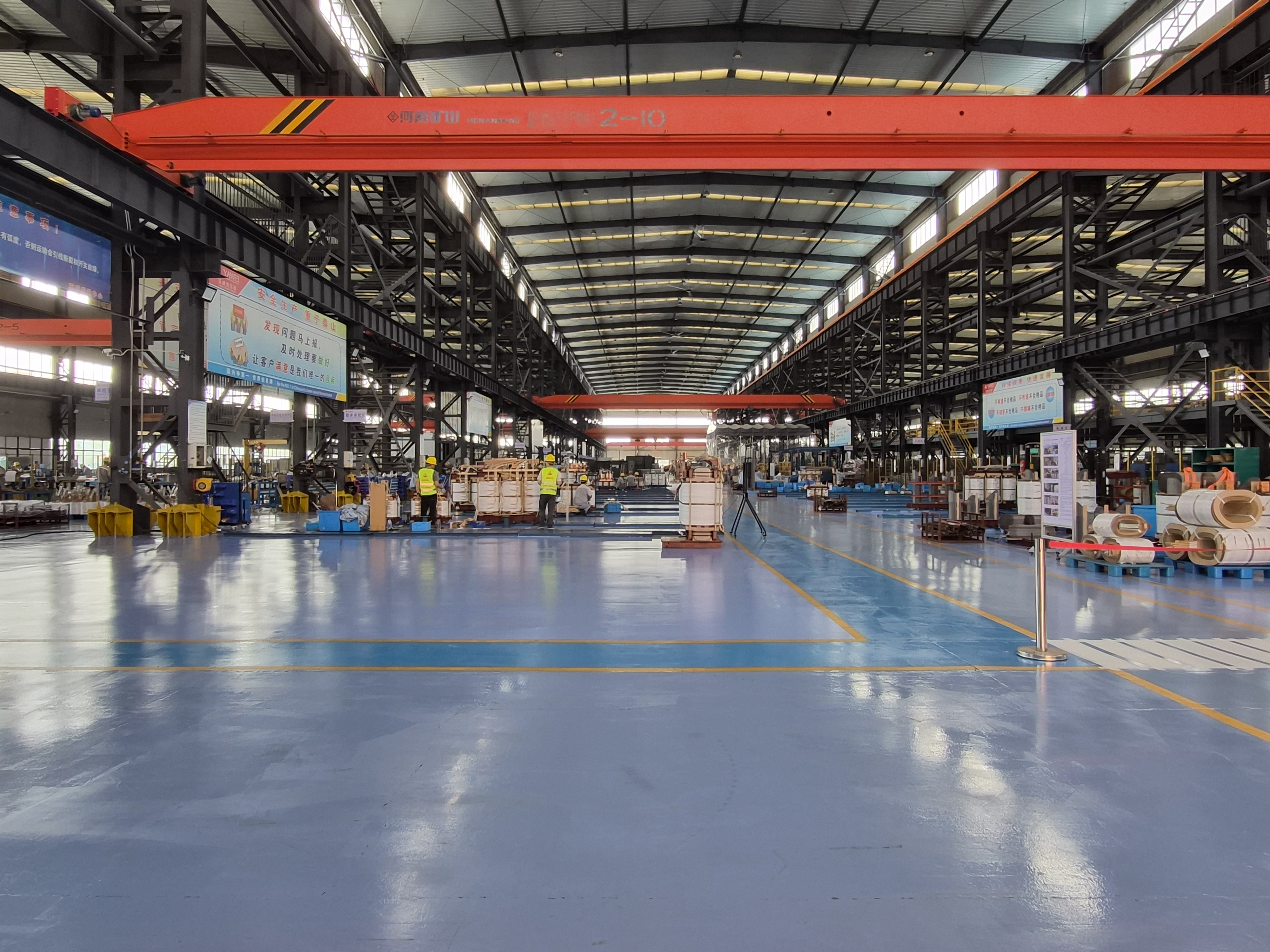
Next step. Send the site data — incoming voltage and frequency, target capacity per phase, indoor or outdoor location, and the destination market — and Apex Power Systems will return a recommended configuration list with a quotation, sample and testing plan for your data centre or AI computing park substation.
Contact: Simon · Email: xuke@apexps-nj.com · Tel / WhatsApp: +86 132-0157-1341 · Website: apexpowerlink.com · Message on WhatsApp
Address: Room 1001, Xinke Building, No. 209 Pubin Road, Jiangbei New Area, Nanjing City, Jiangsu Province, China. Full product range and specifications: download the Apex Power Systems catalog (PDF).
Have Questions or Need More Details?
Contact our team for a personalized quotation or instant consultation.
Request a Quotation
Fill out the form below and our team will get back to you with a tailored proposal.
WhatsApp Direct Chat
Prefer to chat in real-time? Message us on WhatsApp for instant assistance & quick answers.
- Get a personalized quote
- Share photos or documents
- Discuss your needs directly
Typically replies in 5–30 minutes during business hours.