
Custom Transformer Troubleshooting: Noise, Oil Leaks, Heat
Abnormal noise or vibration, oil leakage and an oil temperature that runs higher than expected are the three symptoms most often reported on a custom transformer in service, and they are frequently treated as one class of problem. They are not. Each has its own cause structure, its own urgency and its own first check, and the correct sequence separates an external cause that can be corrected without opening the unit from an internal fault that requires an outage and an internal inspection.
A custom transformer is built to a project specification rather than selected from a catalogue: the vector group, the cooling class, the tap changer, the loss level and the enclosure are fixed at the design stage. That has a direct consequence for troubleshooting, because the design record, not experience with a different unit, is the baseline against which noise, oil level and temperature must be judged.
Apex Power Systems (Nanjing) Co., Ltd. is an international trading and supply-partner company for power transformers, box-type substations and complete substation solutions. It is not a factory. It selects and audits manufacturing partners, verifies their certifications, and manages design review, witness testing, documentation, freight and on-site commissioning in the buyer's interest. The triage logic set out below is the same logic that applies when a delivered unit reports one of these three symptoms in service.
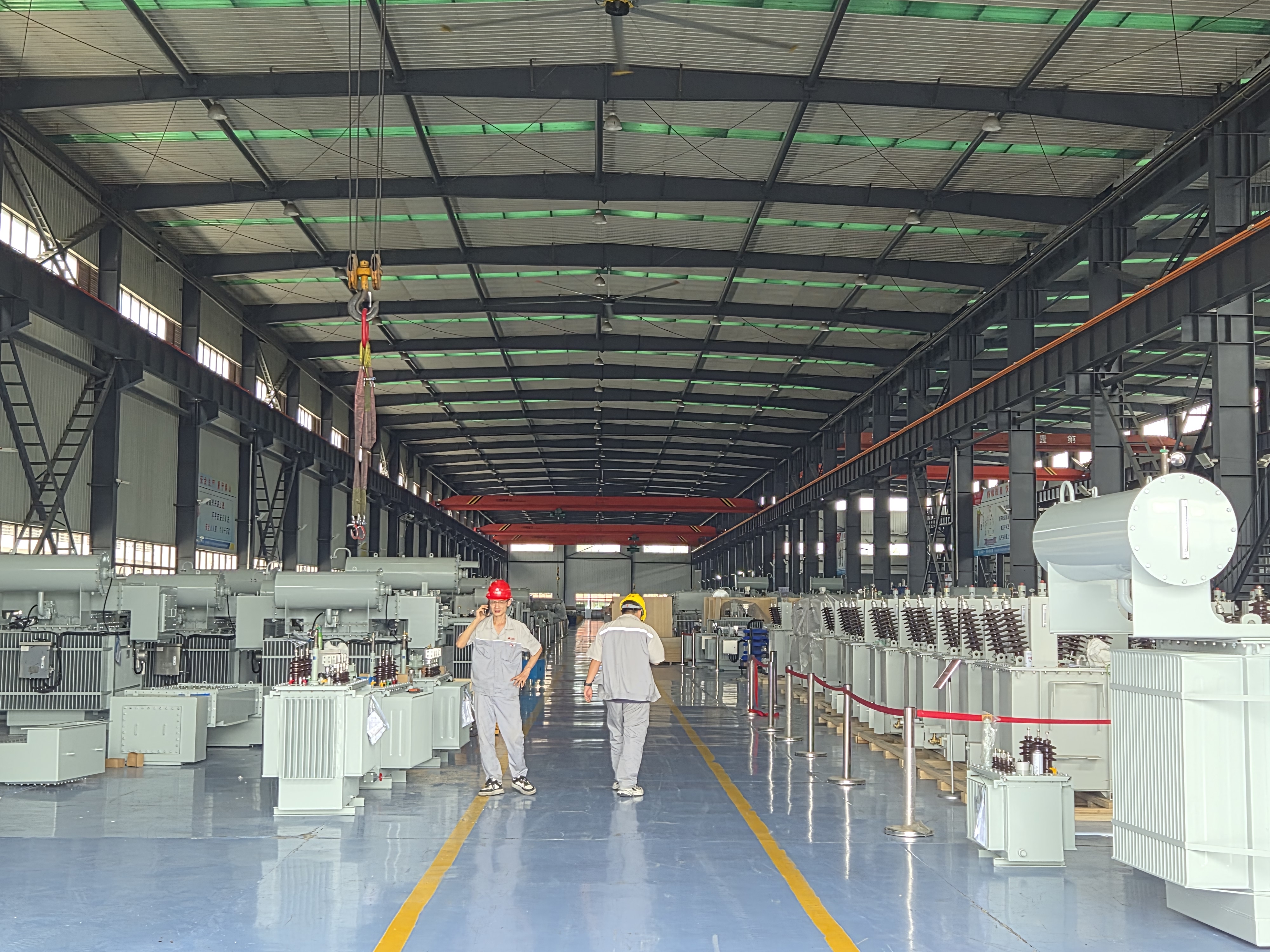
Cover: the audited manufacturing base behind Apex-coordinated custom transformer supply, where routine and type testing is completed before shipment.
Problem Definition: Three Symptoms, Three Different Decisions
Treating the three symptoms as one maintenance category produces two recurring mistakes: opening a unit that did not need to be opened, and adding oil to a leak that needed its root cause found. The decision structure is different in each case.
- Noise must be classified before it is investigated. Noise that varies with load points to the core, the windings or magnetostriction. Noise that stays constant regardless of load often points to loose clamping or to a resonance with the mounting structure. Intermittent noise usually points to a fan, a pump or a loose connection. The classification, not the volume, determines the next action.
- Oil leakage is a progressive fault, not a cosmetic one. Beyond the environmental and safety exposure, a falling oil level reduces both insulation and cooling, and a leak that is not repaired will eventually cause an outage or a fire risk. The position of the leak identifies the cause: a gasket, a flange, a valve, a weld, or overpressure.
- High oil temperature is nearly always one of three conditions. The unit is genuinely overloaded, the cooling system is not working, or the temperature is being read incorrectly. Working outwards from the simplest cause is faster and cheaper than starting at the winding.
Two of the three symptoms share the same decisive test. An oil sample for dissolved gas analysis (DGA), together with dielectric strength and moisture content, distinguishes a thermal or electrical internal fault from an external operating problem, and it is the measurement that justifies, or rules out, an internal inspection.
Industry Background: Why These Faults Surface in Custom Units
The installed base is large and still growing. The global transformer market is estimated at USD 80.8 billion in 2026 (Fortune Business Insights), and the distribution transformer segment alone is projected to grow from USD 26.0 billion in 2026 to USD 47.7 billion by 2033 at a CAGR of 9.1% (Grand View Research). Every additional unit in service is another unit that will eventually report noise, a leak or a temperature alarm.
Three conditions make those reports more likely to be misread on a custom unit.
First, the load is less linear than the network was designed for. Harmonic distortion and DC magnetisation from connected loads are common external causes of abnormal transformer noise, and harmonic content from non-linear load is a recognised cause of over-temperature alarms. Neither cause requires the transformer to be opened, and neither can be found by listening more carefully.
Second, replacement programmes are pushing new units into old electrical environments. Efficiency rules such as GB 20052-2024, effective 1 February 2025 in China, and the U.S. Department of Energy 2024 standards for distribution transformers, which move the market toward amorphous electrical steel from 2029, accelerate the replacement of older units. A new low-loss unit installed into an existing switchboard inherits the harmonics, the ambient temperature and the ventilation of that switchboard.
Third, the custom specification itself creates the baseline. The cooling class code on the nameplate, such as ONAN or ONAF, defines the rated capacity of each cooling stage and its temperature limits, which is why the same transformer often carries two ratings, one per cooling stage, and why the cooling class must be checked against the ambient temperature and altitude of the site. A temperature that looks abnormal against a single nameplate figure may be entirely normal against the correct cooling-stage rating. In the same way, the vector group on the rating plate determines whether the unit may be operated in parallel with existing transformers, and an incorrect vector group is one of the most common reasons a delivered unit cannot be placed in service at all.
Detailed Solution: Reading Each Fault Signature Correctly
Abnormal noise or vibration
Noise is investigated by pattern, not by ear. Load-dependent noise points to the core, the windings or magnetostriction. Load-independent noise points to loose clamping or to a mechanical resonance with the mounting base or connected structures. Intermittent noise points to a fan, a pump bearing or a loose connection.
The causes to check are loose core clamping or lamination, DC magnetisation or high harmonic content in the supply, mechanical resonance with the mounting base or connected structures, loose connections or a failing cooling fan or pump bearing, and an internal mechanical fault in the core or the windings. The sequence is: identify whether the noise is continuous, intermittent or load-dependent; check the cooling fans and pumps for bearing wear; check the mounting bolts and investigate structural resonance; measure the harmonic content and any DC component in the supply; take an oil sample for dissolved gas analysis and check the core earthing connection. Only if the noise increases with load and the gas analysis is abnormal should the unit be de-energised for an inspection of the core and clamping structure.
Type matters here. A dry-type transformer presents a higher noise level than an oil-immersed unit of similar rating and requires ventilation, so a dry-type unit should be judged against its own expected sound level and its own cooling arrangement, not against an oil-immersed reference.
Oil leakage
Leakage is located before it is treated. Cleaning the area and finding the exact leak point, whether tank, bushing turret, valve or radiator joint, identifies the cause, because the position of the leak maps to a gasket, a flange, a valve, a weld or overpressure. Adding oil and waiting removes the visible symptom and leaves the mechanism in place.
The common causes are age-hardened or incorrectly seated gaskets, loose flange bolts, weld or casting defects, leaking valves or gland packing, corrosion of the tank or pipework, and overpressure caused by a blocked breather or an incorrect oil level. Manufacturing-related root causes are weld or casting defects and incorrectly seated gaskets, which is why the leak history of a unit is worth recording alongside its electrical test results.
Order of work: clean and locate the leak point; check the breather and the conservator oil level to rule out overpressure; retighten a gasket leak to the specified torque or replace the gasket; repair a weld or casting defect under an approved welding procedure and re-test; replenish with the correct oil grade and re-test dielectric strength and moisture; record the leak, the cause and the repair in the maintenance history. The moisture point is not secondary. Residual moisture in the insulation is the most common cause of a failed impulse or power-frequency test at commissioning, and a leak is one route by which moisture enters a sealed paper-oil insulation system.
Abnormally high oil temperature
Three conditions account for almost every over-temperature report: the unit is genuinely overloaded, the cooling system is not working, or the temperature is being read incorrectly. The causes behind those conditions include sustained overload, cooling-system failure such as a fan or pump not running, blocked radiators or closed valves, low oil level, high ambient temperature or blocked ventilation in the room, harmonic content from a non-linear load, incorrect thermometer calibration, and an internal fault such as a shorted turn.
Work outwards from the simplest cause: record load current, ambient temperature and the temperature reading and compare them with the rated temperature rise; check the cooling system, including fans, pumps, radiator valves and control circuits; check the oil level and inspect for leaks; verify the thermometer and the alarm contacts; if no external cause is found, take an oil sample for dissolved gas analysis; and reduce load or improve ventilation while the investigation is in progress. A sustained high oil temperature combined with abnormal gas readings indicates an internal fault, and the unit should be de-energised and internally inspected before it fails on its own.
Safety before diagnosis. A transformer must be isolated and earthed before any work is carried out inside an enclosure. Work only under a permit with the unit isolated, locked out and earthed, and verify that no residual charge remains before touching any terminal. Never open a transformer tank or a bushing turret while the unit is energised. Insulating oil must be handled and disposed of in accordance with environmental regulations, and spill containment should be ready before any oil handling begins.
Step-by-Step Breakdown: A Ten-Step Triage Sequence
The sequence below applies to all three symptoms. Steps 1 to 5 require no outage. Step 6 requires an oil sample. Steps 7 to 10 close the loop.
- Record the operating state. Load current, ambient temperature and the temperature reading, compared with the rated temperature rise; for noise, whether the sound varies with load, stays constant, or comes and goes.
- Establish the design baseline. Read the cooling class and its stage ratings, the vector group, the tap position and the specified losses and sound level from the rating plate and the design record, and check the cooling class against site ambient temperature and altitude.
- Inspect externally. Oil level and staining, breather and silica gel, radiator valves, fan and pump operation, mounting bolts, and connections checked for overheating with a thermographic scan.
- Measure supply quality. Harmonic distortion and any DC component in the supply, measured early, because both are external causes of noise and of over-temperature that can be corrected without opening the transformer.
- Verify the instrumentation. Thermometer calibration and alarm contacts, before the reading itself is trusted.
- Take an oil sample. Dielectric strength (BDV), moisture content and dissolved gas analysis, compared with the previous trend rather than with a single limit.
- Correct the external causes. Fan or pump repair, breather replacement, ventilation improvement, load reduction, gasket retorque or replacement to the specified torque.
- Re-test and trend. Repeat the affected measurements after the correction and record the result against the previous reading, so that a change is visible before it becomes a failure.
- Escalate to internal inspection only on evidence. Noise that increases with load together with abnormal gas analysis, or a sustained high temperature with abnormal gas readings, justifies de-energising the unit and inspecting the core, clamping structure and windings.
- Record the event. Leak point, cause and repair; temperature readings and load at the time; gas analysis results. Complete records are what allow a trend change to be detected before a fault develops.
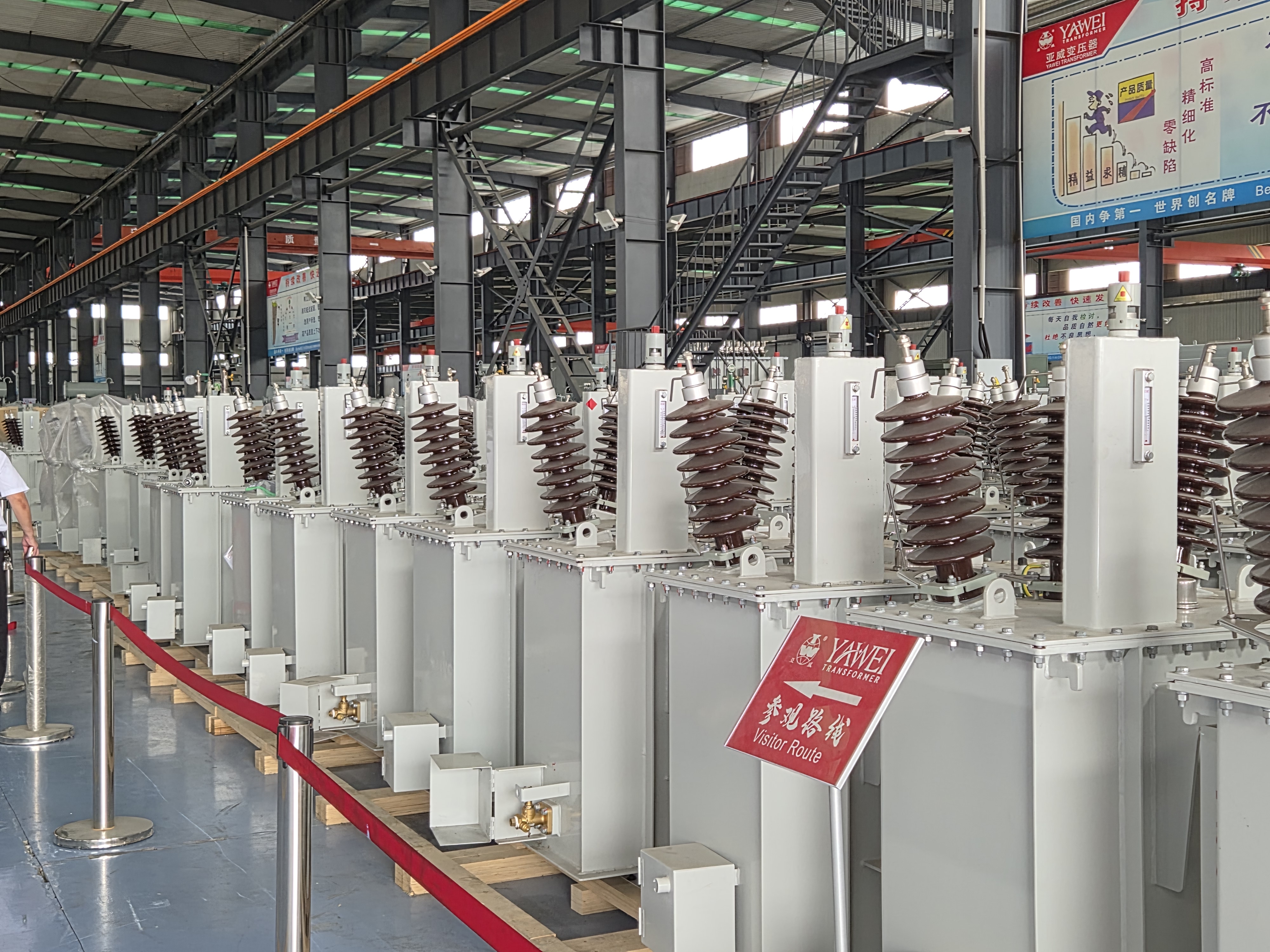
Proof: assembly and test area of the audited manufacturing base, where the routine tests referenced in the triage sequence are carried out before shipment.
Use Cases: How the Sequence Plays Out in Different Installations
Industrial plant with an outdoor oil-immersed distribution transformer
Paper-oil distribution transformers in the S13, S14 and S15 class are the typical case where all three symptoms can appear together. Temperature cycling works on gaskets, so a leak that appears after a load cycle is usually a sealing issue rather than a tank defect, but the breather is checked first, because a blocked breather produces the same symptom by overpressure. These units also carry periodic oil sampling for dielectric strength, moisture and dissolved gas analysis as part of routine maintenance, which means the trend data needed for the escalation decision already exists.
Data centre or AI computing park with indoor dry-type transformers
Indoor MV/LV distribution in a data centre is normally built on dry-type cast resin transformers in the SCB12 to SCB18 range, chosen because they contain no insulating oil and suit fire-sensitive locations. There is no oil leak to find and no oil sample to take. The noise and temperature logic still applies, and the load is the complication: IT equipment draws a non-linear, harmonic-rich current, and harmonic content is a recognised cause of over-temperature. Ventilation, fan operation and fan filter condition therefore carry more diagnostic weight than they would on an oil-immersed unit, and a higher sound level is a characteristic of the type rather than automatically a fault.
Prefabricated or containerized substation on a remote site
In a prefabricated substation the transformer, HV and LV switchgear, protection and auxiliary systems are assembled and tested in the factory inside an enclosure with a protection rating of IP54 or IP55 and a stated ambient range of -40 to +50 degrees Celsius. Quality control happens in the factory rather than at the site, but the enclosure changes the troubleshooting environment: ventilation and environmental control inside the cabin become the first thing to check when the oil temperature rises, and access discipline becomes stricter, because the isolation and earthing step cannot be skipped and there is less room to work.
Renewable step-up and cyclic industrial load
Solar and wind step-up duty produces repeated thermal cycling, which is the condition under which gasket leaks appear and disappear; a leak that follows significant temperature cycling should send the investigation to the seals and to the breather before anything else. A sustained overload pattern produces the same temperature alarm with no fault present at all, which is why load current is recorded before the cooling system is dismantled.
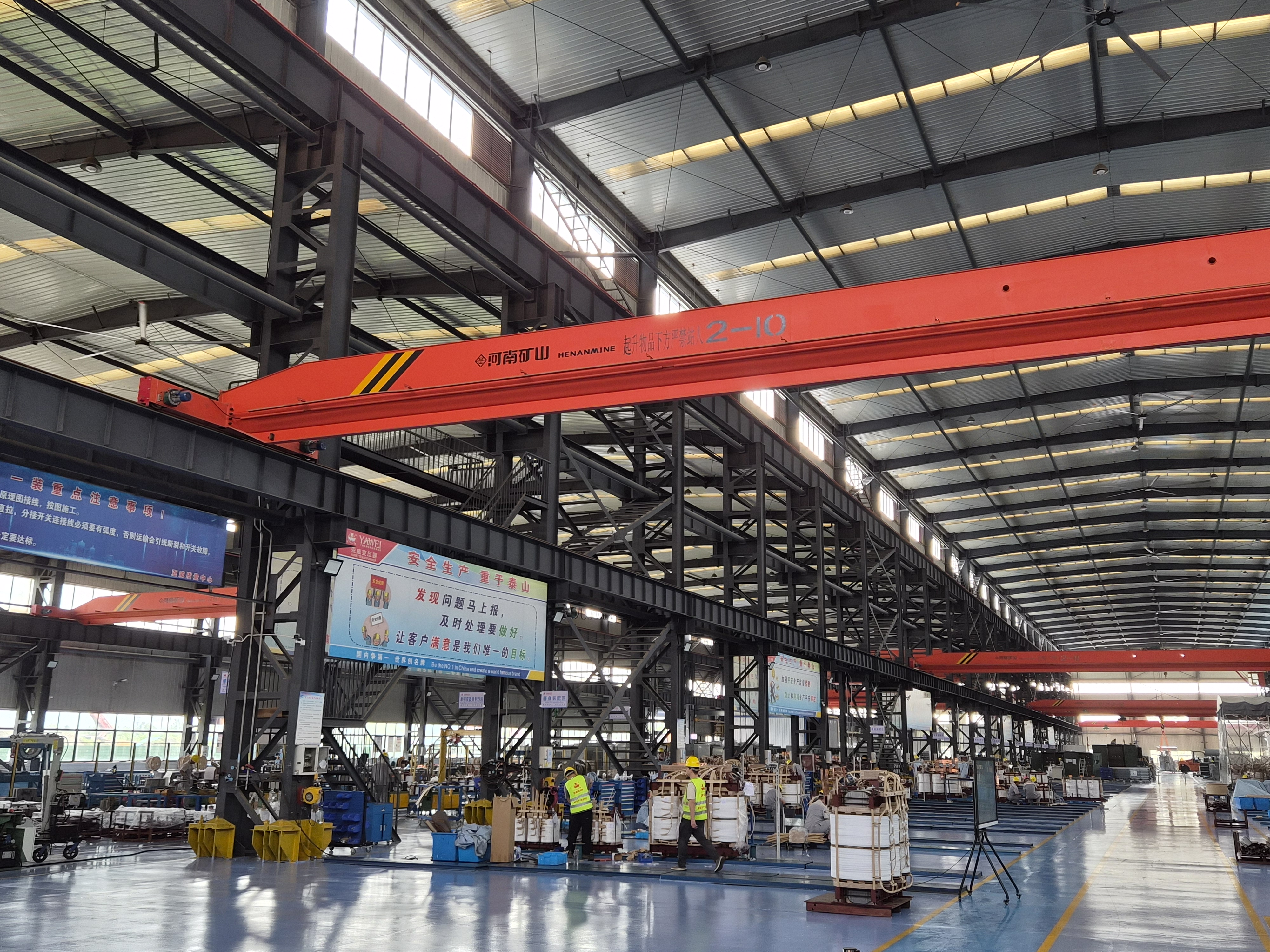
Supporting: the manufacturing base that supplies the oil-immersed, dry-type and prefabricated units discussed in these use cases.
Comparison: Which Symptom Points Where
The table compares the three symptoms on the dimensions that decide the next action. It does not replace the design record for the specific unit.
| Symptom | First classification test | External causes to eliminate first | Internal indicators | Typical escalation |
|---|---|---|---|---|
| Abnormal noise or vibration | Does the noise vary with load, stay constant, or come and go? | Fan or pump bearing wear; harmonic distortion or DC component in the supply; resonance with the mounting base; loose connections | Noise that increases with load combined with abnormal dissolved gas analysis | De-energise and inspect the core and clamping structure |
| Oil leakage | Exact leak point: tank, bushing turret, valve or radiator joint | Blocked breather or incorrect oil level causing overpressure; loose flange bolts; hardened gaskets; leaking valve or gland packing; corrosion | Weld or casting defect requiring repair under an approved procedure | Repair, replenish with the correct oil grade, re-test BDV and moisture, record in the maintenance history |
| High oil temperature | Load current and ambient temperature against the rated temperature rise | Cooling fans, pumps, radiator valves or control circuits; blocked ventilation; low oil level; harmonic content; thermometer calibration | Sustained high temperature with abnormal dissolved gas readings | De-energise and carry out an internal inspection before returning the unit to service |
Oil-immersed versus dry-type: what changes in the troubleshooting routine
The type of unit changes which symptoms are possible at all, and therefore which routine applies.
| Aspect | Oil-immersed transformer | Dry-type (cast resin) transformer |
|---|---|---|
| Heat dissipation and capacity range | Better heat dissipation; capacities up to 250 MVA / 765 kV | Compact design with moderate loss levels for indoor loads; limited to 25 MVA / 35 kV |
| Oil leakage | Possible at gaskets, flanges, valves and welds, and through overpressure; a falling oil level reduces insulation and cooling | No insulating oil, so no oil leak and no oil-related maintenance |
| Routine maintenance | Periodic oil sampling and DGA testing, oil leak inspection, conservator and breather maintenance | Visual inspection and fan filter replacement only |
| Noise and ventilation | Lower noise level; oil pit required | Higher noise level; ventilation required |
| Initial cost | Lower initial cost | 15 to 30 percent higher initial investment, with lower long-term maintenance cost |
| Typical siting | Outdoor substations, transmission and distribution networks, industrial and mining plants, renewable energy step-up stations | High-rise buildings, data centres, hospitals, subways, airports and underground spaces |
Frequently Asked Questions
What must be done before any work is carried out inside a transformer enclosure?
The transformer must be isolated and earthed before work inside any enclosure. In practice that means working only under a permit, with the unit isolated, locked out and earthed, and verifying that no residual charge remains before touching any terminal. A transformer tank or bushing turret is never opened while the unit is energised. Insulating oil has to be handled and disposed of in accordance with environmental regulations, with spill containment available before oil handling begins.
How can an external cause be separated from an internal fault?
By eliminating the external list first and escalating only on specific evidence. On the external side: supply harmonics and DC component, cooling fans and pumps, breather and oil level, ventilation and ambient temperature, mounting resonance, and thermometer calibration. On the internal side, two combinations justify de-energising the unit: noise that increases with load together with abnormal dissolved gas analysis, and a sustained high oil temperature with abnormal gas readings. In both cases the unit should be de-energised and internally inspected before it is returned to service.
Can a transformer with an oil leak stay in service until the next planned outage?
Only on a decision made after the leak point is identified, not by default. Oil leakage is a progressive fault: a falling oil level reduces insulation and cooling, and a leak that is not repaired will eventually cause an outage or a fire risk. The position of the leak identifies the cause, and if the leak follows significant temperature cycling or the tank appears over-pressurised, the breather is checked before any seal is touched, because a blocked breather is a common root cause. A gasket leak is retightened to the specified torque or the gasket is replaced; a weld or casting defect is repaired under an approved welding procedure and re-tested; the unit is then replenished with the correct oil grade and re-tested for dielectric strength and moisture. Every step is recorded in the maintenance history.
Does a dry-type custom transformer need the same troubleshooting routine?
No, the oil-related half of the routine does not apply. A dry-type transformer contains no insulating oil, so there is no oil leak to locate and no oil sample for dissolved gas analysis; maintenance is visual inspection plus fan filter replacement. The noise and temperature logic still applies, with two differences. Dry-type units present a higher noise level and require ventilation, so sound must be judged against the type rather than against an oil-immersed reference. And because the insulation is H-class and fan cooling increases output, cooling fan operation and ventilation condition carry a large share of the diagnostic weight. Capacity range also differs: dry-type units are limited to 25 MVA / 35 kV, while oil-immersed units reach 250 MVA / 765 kV.
China versus India custom transformer manufacturers for medium-voltage projects: how should the decision be made?
On verifiable criteria applied identically to every source, not on the country label. The criteria that decide a medium-voltage custom transformer project are certification for the destination market held in the correct legal entity and covering the exact product family; witness testing and third-party inspection before shipment; comparable-rating reference projects; documentation and communication in the buyer's language; on-site installation and commissioning support; and warranty and after-sales response. Apex Power Systems (Nanjing) Co., Ltd. is a trading and audit partner, not a manufacturer, and the certifications it presents belong to its audited manufacturing partners and are managed as part of the selection and audit service. That evidence base includes ISO 9001, ISO 14001 and ISO 45001 management systems, IEC conformity for 10 kV / 35 kV power transformers and box-type substations, UL and CSA product certification, CQC certification for box-type substations and switchgear, and a KEMA Labs Type I Inspection Report for a 250 MVA / 345 kV three-phase power transformer tested in accordance with the IEC 60076 series and IEEE Std C57.12.00 / C57.12.90. Documented delivery includes 11 representative overseas projects, among them 4 x 110 kV power transformers for Azerbaijan Power Energy Company, 115 kV substations in Tajikistan, a 345 kV fully-insulated power transformer for US-Georgia and a 115 kV substation for US-Puerto Rico. Buyers comparing sources across regions can apply the same list, request the same documents and compare like for like. To have a medium-voltage specification reviewed against this evidence set, send the rating, vector group, cooling class and destination market to the contact below.
Conclusion
The three symptoms are manageable once they are separated. Noise is classified by pattern before it is investigated, and supply harmonics and DC component are measured early because they are external and correctable. Leakage is located before it is treated, and the breather is checked before any seal is disturbed. High oil temperature is worked outwards from overload, cooling and instrumentation before the winding is suspected. In all three cases the oil sample is the measurement that converts an opinion into a decision.
What a custom transformer adds is the baseline. Cooling class and its stage ratings, vector group, tap changer position, specified losses and sound level, and the leak and test history of that specific unit determine whether a reading is abnormal at all. Recording those readings and trending them is cheaper than replacing a failed unit, and it is the part of maintenance that no supplier can perform on the buyer's behalf.
The safety rule does not change with the diagnosis: a transformer must be isolated and earthed before work inside any enclosure, and a tank or bushing turret is never opened while the unit is energised.
Next Step: Specification Review and Technical Documentation
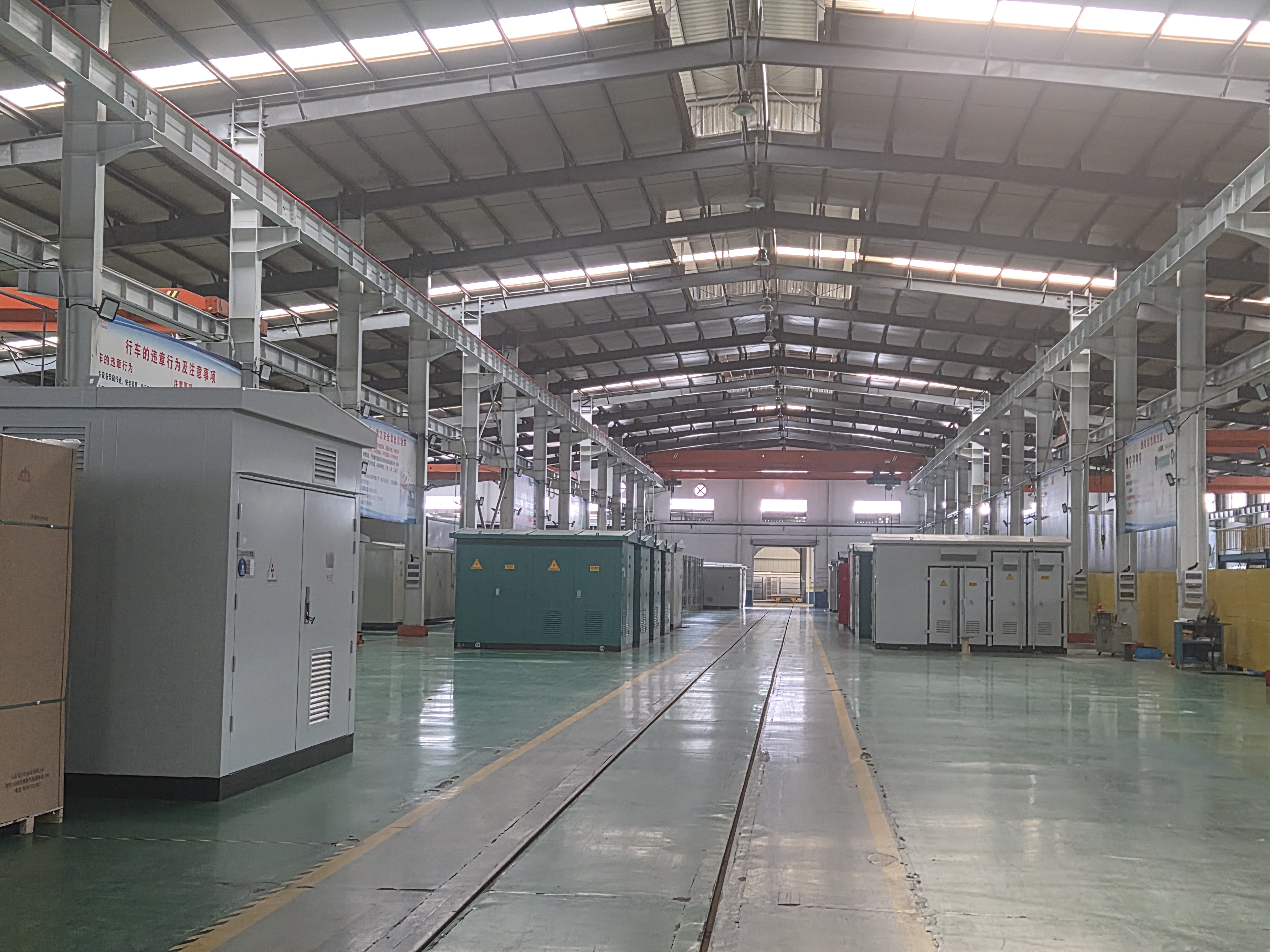
If a unit is already in service and one of these three symptoms is unresolved, or if a replacement medium-voltage custom transformer is being specified, the useful next step is a review of the design record against the symptom, covering cooling class, vector group, tap changer and loss level, before an outage is planned.
Apex Power Systems (Nanjing) Co., Ltd.
Contact: Simon
Email: xuke@apexps-nj.com
Tel / WhatsApp: +86 132-0157-1341
Address: Room 1001, Xinke Building, No. 209 Pubin Road, Jiangbei New Area, Nanjing City, Jiangsu Province, China
Website: apexpowerlink.com
Download the full product and capability catalogue: Apex Power Systems Catalogue (PDF)
Have Questions or Need More Details?
Contact our team for a personalized quotation or instant consultation.
Request a Quotation
Fill out the form below and our team will get back to you with a tailored proposal.
WhatsApp Direct Chat
Prefer to chat in real-time? Message us on WhatsApp for instant assistance & quick answers.
- Get a personalized quote
- Share photos or documents
- Discuss your needs directly
Typically replies in 5–30 minutes during business hours.