Transformer Oil Temperature Running Hot: A Scenario-Based Troubleshooting Checklist
When an energised oil-immersed transformer starts trending hot, the cause is rarely just “the oil”. It is a symptom of load, cooling, oil condition or an internal fault. This checklist is written for plant and utility maintenance teams who need to find the cause safely, in sequence, and without opening the wrong thing.
The procedure moves in stages: confirm load and ambient conditions, verify cooling-class behaviour (ONAN vs ONAF, where O = oil, A = air, N = natural and F = forced circulation), inspect cooling equipment and oil level for leaks, then trigger oil testing for dielectric strength (BDV), moisture and dissolved gas analysis (DGA) to separate a cooling problem from an internal fault. The aim is to make a defensible decision, not to guess.
Why oil temperature is a signal you cannot ignore
Oil temperature is an aggregate indicator. It reflects the current load, the ability of the cooling system to remove heat, the condition of the oil, and whether something inside the insulation system is generating heat. A mild rise may simply be a hot day with a heavy load. A sustained rise, or an over-temperature alarm operating under normal load, is a different situation.
The common causes are familiar: sustained overload; cooling-system failure (a fan or pump not running, blocked radiators, closed valves); low oil level; high ambient temperature or blocked ventilation in the room; harmonic content from non-linear load; incorrect thermometer calibration; or an internal fault such as a shorted turn. The troubleshooting task is to eliminate them in a logical order.
Stage 1 — Record the baseline before touching anything
Record the numbers first. Log the load current, the ambient temperature and the temperature reading, then compare them with the rated temperature rise. That gives you a baseline and tells you whether the problem sits on the load side, the ambient side or the transformer itself.
- Record load current, ambient temperature and oil temperature at the time of the event.
- Check the nameplate for the rated temperature-rise limits and the cooling class. For oil-immersed transformers, the permissible temperature rise depends on the cooling method and insulation class.
- Establish whether the rise was sudden or gradual. A sudden jump points more towards cooling equipment or a control circuit; a gradual climb points more towards load change, falling oil level or oil degradation.
- Compare with other transformers on the same bus at the same time. If all are hot, check ambient and load first. If only this unit is hot, focus on the unit.
Nothing needs to be opened at this stage. If the transformer is energised, restrict work to external inspection, meter readings and thermographic scanning.
Stage 2 — Verify cooling-class behaviour
The cooling class is the four-letter code on the nameplate that tells you how the transformer is cooled, and it directly determines how much load the unit may carry. O stands for oil and A for air, N for natural circulation and F for forced circulation. ONAN therefore means oil-immersed with natural oil circulation and natural air circulation. ONAF adds fans that force air over the radiators and raises the permissible loading.
On a three-phase oil-immersed on-load voltage regulating power transformer such as the SFZ-250000/345, the nameplate cooling is ONAN (185 MVA) / ONAF1 (225 MVA) / ODAF2 (250 MVA). The same transformer has different rated capacities at each cooling stage. The practical check is to confirm which cooling stage is actually in service, and whether that stage matches the present load and ambient temperature.
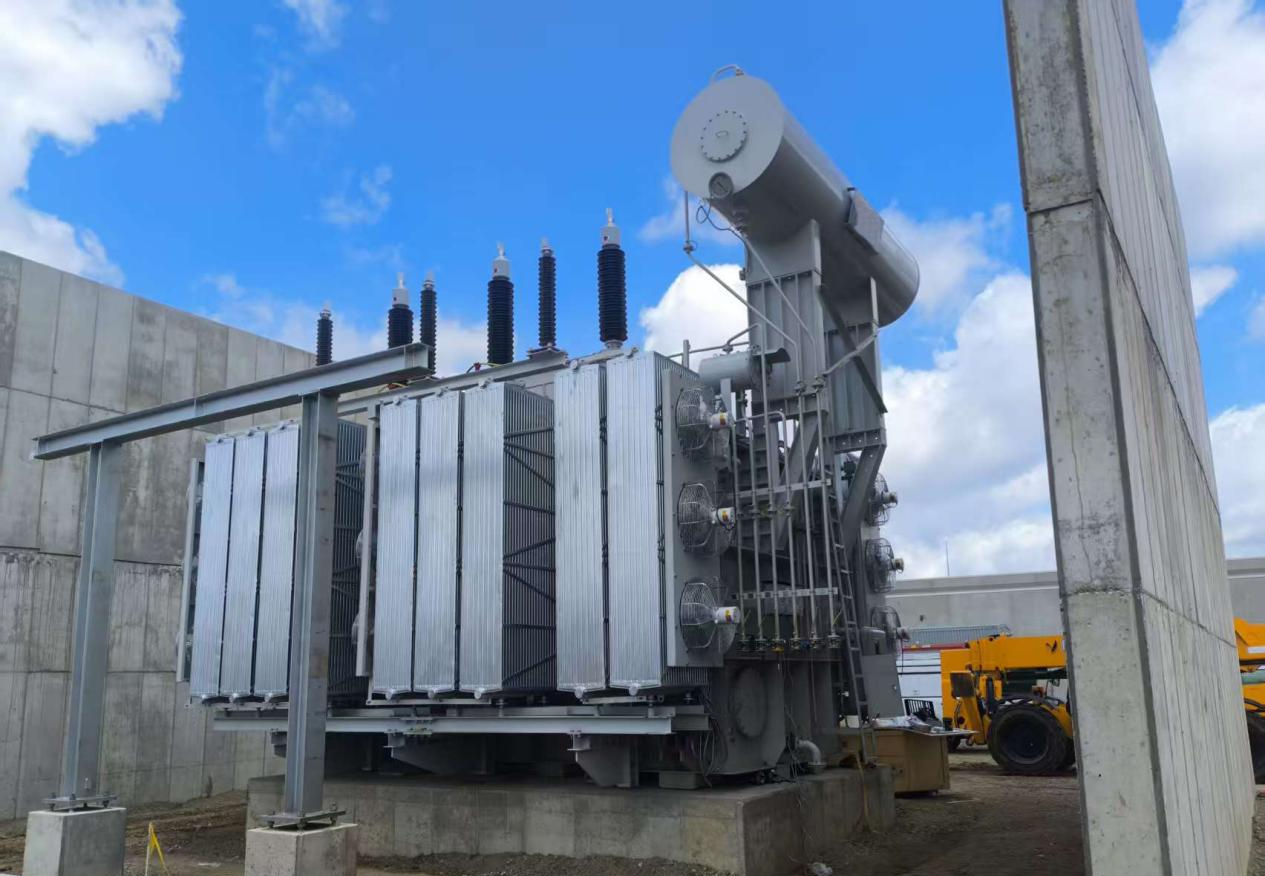
A 250 MVA / 345 kV three-phase oil-immersed on-load voltage regulating power transformer with ONAN / ONAF1 / ODAF2 multi-stage cooling. The cooling class defines the rated capacity at each stage.
If the load has already exceeded the capacity of the active cooling stage and the fans have not started, the problem may be in the cooling control or its power supply rather than in the transformer itself. If the fans are running and the oil is still hot, continue to the next stage.
Stage 3 — Inspect cooling equipment, oil level and leaks
Cooling inspection covers fans, pumps, radiator valves, blocked fins and control circuits. Oil-level inspection is equally important: a falling oil level reduces both cooling and insulation. An oil leak is a progressive fault rather than a cosmetic one; left unrepaired, it will eventually cause an outage or a fire risk.
- Check that fans and pumps are running, listen for bearing noise, and verify the control circuit and power supply.
- Check that radiator valves are fully open and that fins are not blocked by dust, seed fluff or debris.
- Check the oil-level gauge and, where fitted, the conservator level against the normal range.
- Look for leak points: gaskets, flanges, valves, welds and the bushing turret. Do not simply top up the oil without finding the leak.
- Check the breather silica gel for colour change and the oil cup for correct level. A blocked breather can cause abnormal tank pressure.
- Verify thermometer calibration and alarm contacts to rule out a false reading.
If a leak is found, locate the exact point before adding oil, replenish with the correct oil grade, and re-test BDV and moisture. Do not mix oil types.
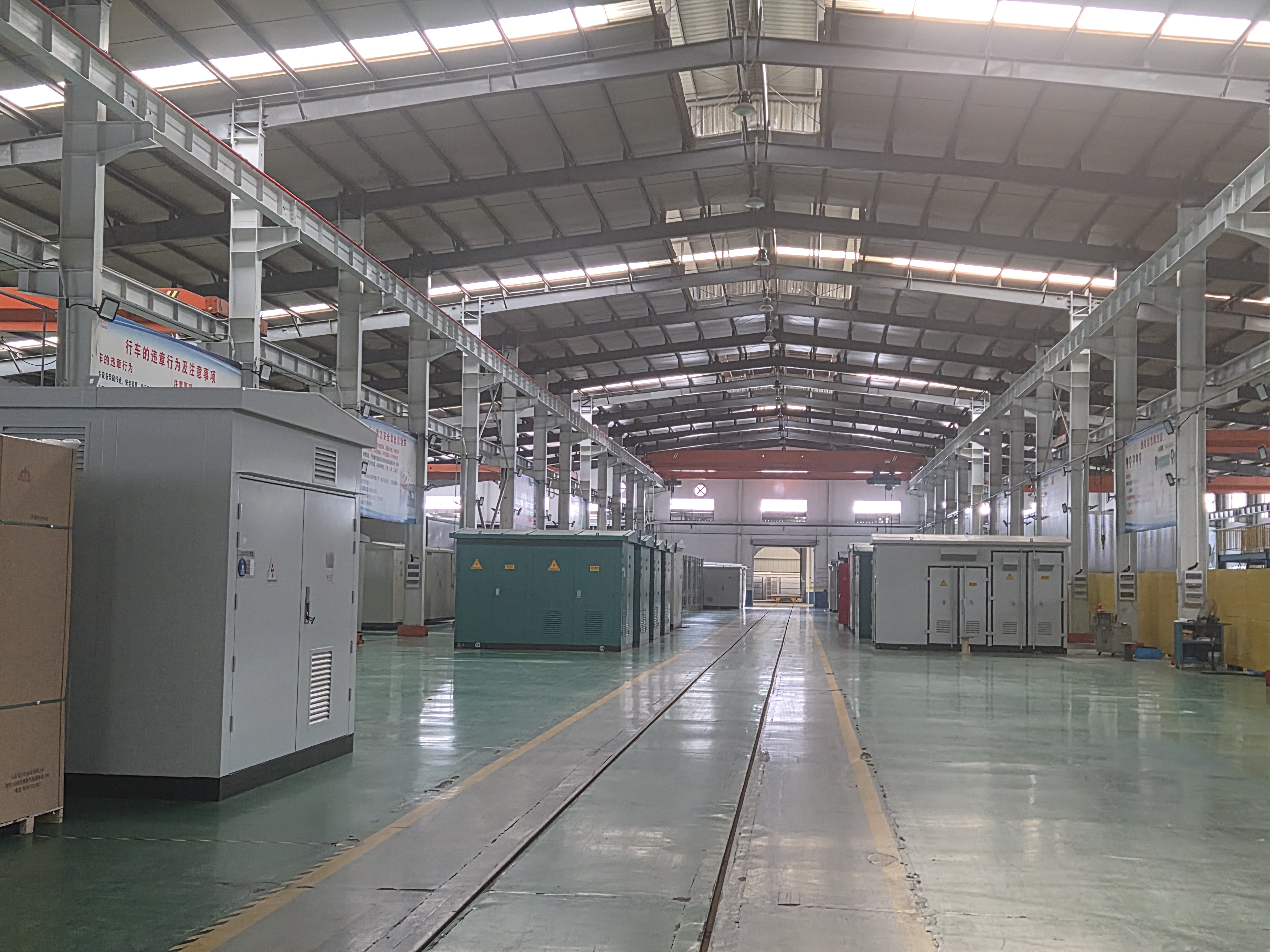
Cooling-system, oil-level and leak checks should be carried out with the transformer de-energised and earthed. The image shows the manufacturing and test environment used for context.
Stage 4 — Trigger oil testing: BDV, moisture and DGA
Once external causes have been eliminated, the next step is oil testing. This is not optional. It is the step that separates a cooling problem from an internal fault. Samples should be taken under procedure and without contamination.
The three tests answer different questions. BDV (dielectric strength) reflects the dielectric condition of the oil. Moisture testing reflects the water content in the oil-paper insulation. DGA (dissolved gas analysis) reflects whether there is internal overheating, discharge or arcing. The results should be read as trends, not as isolated absolute values.
The routine and preventive maintenance procedure already includes these checks: oil level and leak inspection, oil sampling for BDV, moisture and DGA, breather silica-gel inspection and replacement, bushing cleaning and thermographic connection checks, tap-changer operation and operation-counter recording, verification of thermometers, Buchholz relay, pressure-relief device and alarms, and cooling-system inspection and cleaning. All readings should be recorded and compared with previous trends.
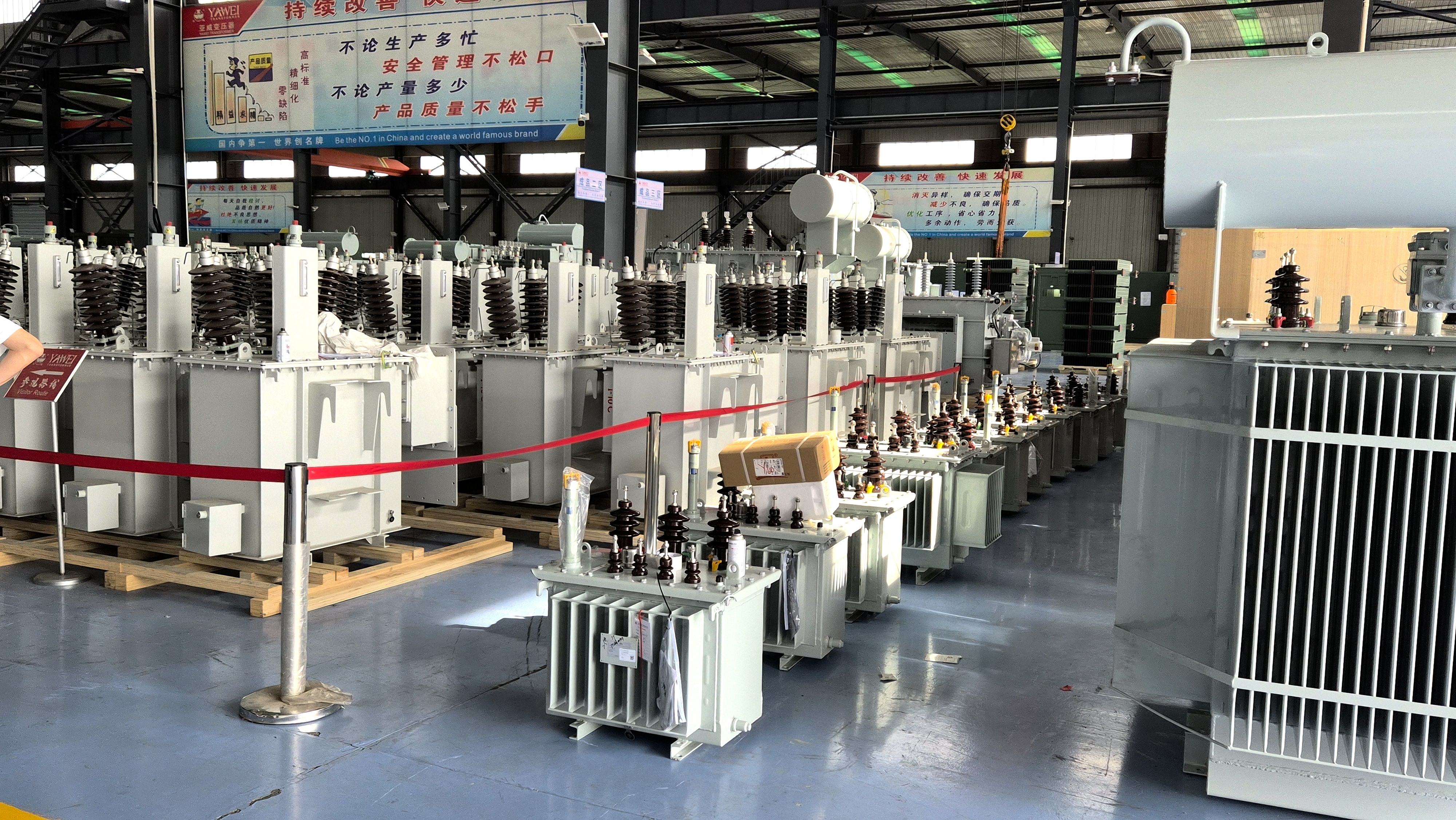
Oil sampling and internal inspection should follow a de-energised, isolated and earthed procedure. Trend data is more informative than a single reading.
Stage 5 — Separate a cooling problem from an internal fault
Put the earlier results together. The conclusion usually falls into one of three groups:
- Cooling problem: load, ambient temperature or cooling equipment is abnormal, and the oil test results are normal. The action is to restore cooling, reduce load or improve ventilation.
- Oil condition or oil-level problem: the oil level is low, moisture is high or BDV has fallen, but DGA does not show a clear internal fault signature. The action is to find the leak, replenish, dry or filter the oil, and re-test.
- Internal fault: external causes have been eliminated and DGA shows abnormal gases or a sustained rise. The unit should be de-energised and inspected internally rather than returned to service.
If DGA indicates an internal fault, the transformer should be de-energised before the fault develops further. Continued operation can turn a small fault into winding damage or insulation breakdown.
Why moisture and trapped air make a hot-oil problem worse
Cellulose insulation absorbs moisture, and insulating oil holds dissolved gas. Water and gas bubbles reduce the breakdown voltage of the oil-paper insulation and can initiate partial discharge, particularly under impulse voltage. During manufacture, the active part is dried and the tank is evacuated, and filtered hot oil is introduced under vacuum so that the paper is fully impregnated. Dielectric strength (BDV) and moisture content are then measured, and compliance is demonstrated through the routine and type tests of the IEC 60076 series.
This is also why a hot-oil reading should not be treated only as a cooling problem. Moisture and gas affect both heat transfer and insulation. If the oil temperature is high together with rising moisture or falling BDV, the oil-paper system may already be affected and should be handled as internal moisture or degradation.
On-site troubleshooting checklist
- Record load current, ambient temperature, oil temperature and the time of the alarm.
- Check the nameplate cooling class and rated temperature rise, and confirm the active cooling stage.
- Inspect fans, pumps, radiator valves and control circuits.
- Check oil level, breather and leak points.
- Verify thermometer and alarm contacts.
- After external causes are excluded, sample the oil for BDV, moisture and DGA.
- Compare with historical trends and classify the result as cooling, oil condition or internal fault.
- If an internal fault is indicated, de-energise, isolate and earth before inspection.
- Record the investigation and update the maintenance history.
Common scenarios and where to focus
Plant distribution transformer running hot in summer
Check the load factor and ambient temperature first. If the load is at or above the rating of the active cooling stage, reduce load or improve ventilation. If the fans are not running, check the control supply and the temperature controller. If the oil test results are normal, a major overhaul is usually not required.
Utility substation power transformer with a cooling fan failure
Large power transformers commonly have ONAN/ONAF multi-stage cooling. After a fan failure, the unit may be limited to its ONAN capacity. Restrict load, repair the fan promptly and check the control circuit. If the oil temperature continues to rise, follow the internal-fault procedure.
Falling oil level together with rising temperature
Find the leak before adding oil. The leak point may be a gasket, flange, valve or weld. After replenishment, re-test BDV and moisture to confirm that the oil condition has not deteriorated through moisture ingress.
Cooling-class comparison: ONAN, ONAF and ODAF
| Cooling class | Meaning | Typical application | Troubleshooting focus |
|---|---|---|---|
| ONAN | Oil natural circulation, air natural circulation | S13/S14/S15 Series oil-immersed distribution transformer | Check radiator blockage and room ventilation; oil level and fin cleanliness have a direct effect. |
| ONAF | Oil natural circulation, air forced circulation (fans) | Second cooling stage of SFZ-250000/345, rated 225 MVA | Check fan supply, control circuit and bearings; with fans unavailable, treat the unit as ONAN-rated. |
| ODAF | Oil forced circulation, air forced circulation | Third cooling stage of SFZ-250000/345, rated 250 MVA | Check oil pumps, fans and oil-flow relays; a failure in any leg limits output. |
Cooling-class definitions are from the knowledge base. The SFZ-250000/345 ratings correspond to ONAN 185 MVA, ONAF1 225 MVA and ODAF2 250 MVA. The S13/S14/S15 Series uses ONAN cooling.
When to escalate to the supplier
Contact the supplier or a qualified service team if any of the following applies:
- External causes have been eliminated but the oil temperature continues to rise or the over-temperature alarm repeats.
- DGA shows abnormal gases, or gas levels are rising rapidly.
- BDV has fallen significantly, moisture is rising, and filtration or drying on site cannot restore the oil.
- There are signs of internal discharge or a shorted turn, or the Buchholz relay has operated.
- The transformer needs to be replaced, or the cooling class, capacity and custom specification need to be recalculated.
A supplier can do more than replace a unit. For a custom transformer project, the supplier should recalculate the specification against the site load profile, ambient temperature, altitude, cooling method and grid-connection conditions, and propose a replacement or uprating. Apex Power Systems (Nanjing) Co., Ltd. is a trading and audit partner rather than a manufacturer; its role is to verify factory certification, witness routine and type tests, and manage delivery and site service on the customer's behalf.
How the finding feeds into a replacement or custom transformer specification
If the conclusion is that the transformer is undersized, the cooling class does not match the site, or the oil-immersed configuration is unsuitable for the environment, the next step is to redefine the specification. The load profile, ambient temperature, altitude, cooling method, impedance voltage, vector group, tap range and grid-connection conditions should all be included.
A custom transformer can be designed for voltage ratio, capacity, impedance, vector group, tap range, cooling method, noise, anti-corrosion grade (C3/C4/C5), high-altitude derating and protection rating (IP54/IP55). For oil-immersed distribution transformers, the S13/S14/S15 Series covers 30–3,150 kVA (10 kV class) and 3,150–31,500 kVA (35 kV class), with ONAN cooling and GB 20052 Grade 1 or Grade 2 efficiency. Large power transformers can be designed with multi-stage ONAN/ONAF/ODAF cooling, as in the SFZ-250000/345 with 250/250 MVA, 345/34.5 kV, 60 Hz and vector group Dyn1.
Before finalising a replacement or custom specification, complete the oil test and troubleshooting record. That gives the supplier a basis to judge whether the issue is cooling capacity, oil condition or an internal fault, rather than simply replacing a unit with the same rating.
Frequently asked questions
What is the difference between ONAN and ONAF cooling?
ONAN means natural oil circulation and natural air circulation; ONAF adds fans that force air over the radiators, raising the permissible loading. O stands for oil, A for air, N for natural circulation and F for forced circulation. The cooling class defines the rated capacity and temperature limits of each cooling stage, and must be checked against the site ambient temperature and altitude. The SFZ-250000/345 has ONAN (185 MVA) / ONAF1 (225 MVA) / ODAF2 (250 MVA), so the same transformer has different rated capacities at each cooling stage.
Why is an oil-immersed transformer vacuum-treated and oil-filled under vacuum?
Because water and trapped air seriously reduce the dielectric strength of the oil-paper insulation. Cellulose insulation is hygroscopic and absorbs moisture, while insulating oil holds dissolved gas; water and gas bubbles lower the breakdown voltage and can initiate partial discharge, particularly under impulse voltage. The active part is dried and the tank is evacuated, then filtered hot oil is introduced under vacuum so that the paper is fully impregnated. BDV and moisture content are measured afterwards, and compliance is demonstrated through the routine and type tests of the IEC 60076 series.
How often should oil be tested when the temperature is high?
When the oil temperature is abnormal or an over-temperature alarm operates, take a sample for BDV, moisture and DGA immediately rather than waiting for the next planned maintenance. The routine maintenance programme itself should include oil-level and leak checks, oil sampling for BDV, moisture and DGA, breather silica-gel inspection, thermographic bushing checks, tap-changer operation and counter recording, thermometer and Buchholz relay verification, and cooling-system inspection. Compare every result with historical trends; a single reading is not enough to judge an internal fault.
Which DGA results require immediate de-energisation?
If external causes (load, cooling, oil level, thermometer) have been ruled out and DGA still shows abnormal gases or a rapidly rising gas level, treat it as an internal fault: de-energise the unit and carry out an internal inspection. A sustained high temperature together with abnormal gas readings indicates that the fault may already be developing inside the insulation system. After de-energisation, isolate and earth before opening; never open a transformer tank or bushing turret while energised.
How do I identify a Chinese custom transformer manufacturer with IEC-compliant distribution transformer designs?
Start with the type-test reports and the certification scope. The S13/S14/S15 Series oil-immersed distribution transformer has a KEMA Test Report (702226901-24) and a TÜV Rheinland Type Test Report (CN231PY4 001), covering IEC 60076-1/-2/-3/-10. Also check the ISO 9001 certificate number against the issuing body, for example 04325Q30129R0M issued by UICC. Apex Power Systems (Nanjing) Co., Ltd. is a trading and audit partner, not a manufacturer; its role is to audit the factory, verify certificate entities and scope, manage design review, witness testing and delivery. Ask for the qualification package, a factory visit, or a project-specific custom proposal.
Need a replacement or a custom transformer?
If the troubleshooting points to replacement or uprating, start with the Apex Power Systems catalogue or contact the team with the load profile, voltage class, cooling method and site conditions to request a custom proposal and quotation.
Download the Apex Power Systems catalogue (PDF)
Email: xuke@apexps-nj.com | Tel / WhatsApp: +86 132-0157-1341 | Website: apexpowerlink.com
Address: Room 1001, Xinke Building, No. 209 Pubin Road, Jiangbei New Area, Nanjing City, Jiangsu Province, China
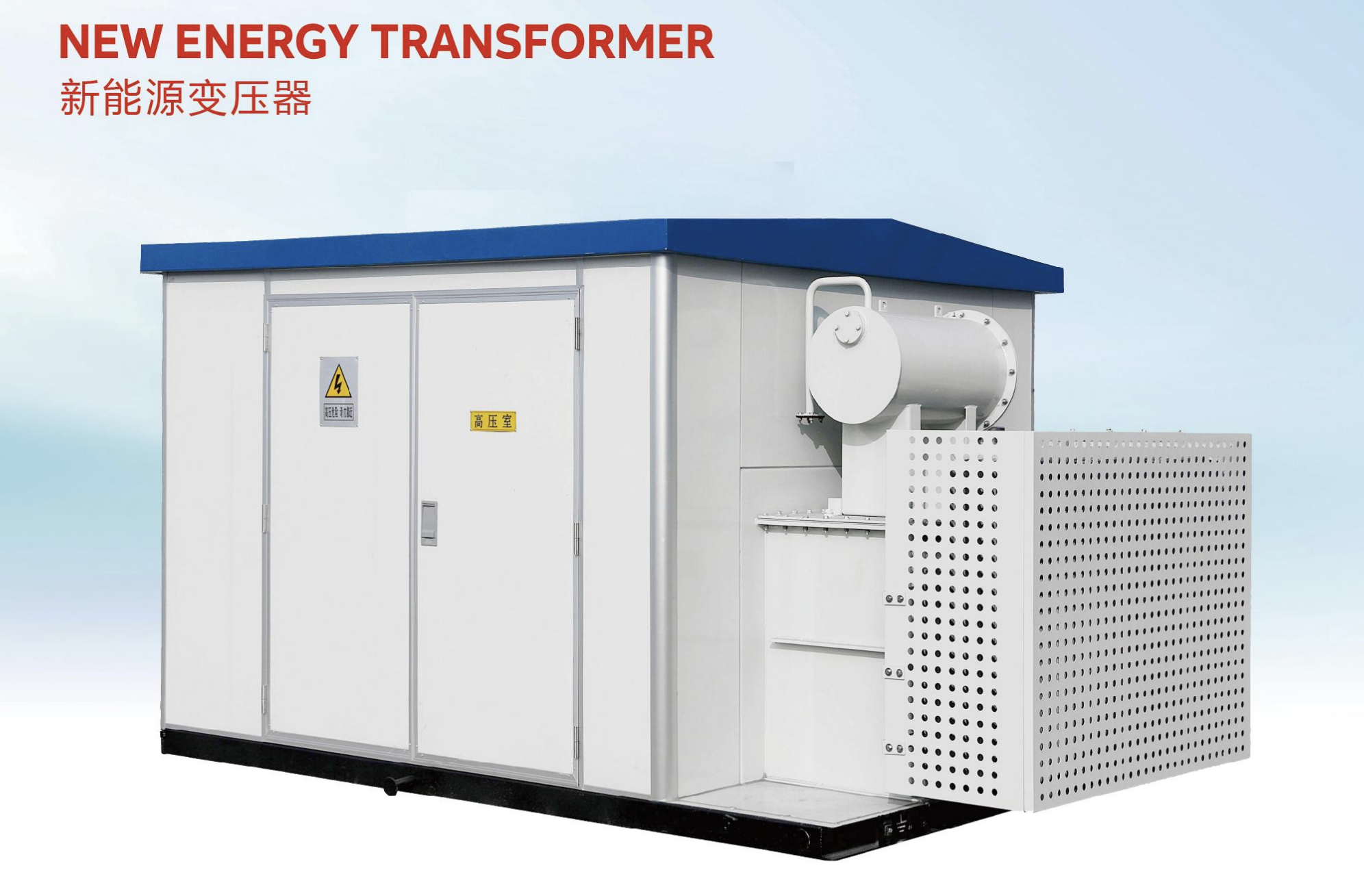
If replacement or uprating is required, recalculate capacity and cooling class against the load profile, ambient temperature and cooling requirements.
Conclusion
A hot oil reading is not a single fault but a signal that must be eliminated in sequence. Record load and ambient temperature first, verify the cooling class, inspect cooling equipment, oil level and leaks, and then use BDV, moisture and DGA to separate a cooling problem from an internal fault. Carry out the work with the transformer de-energised, isolated and earthed; never open a tank or bushing turret while the unit is energised.
If the oil temperature remains high after external causes are eliminated, or if DGA is abnormal, escalate to the supplier promptly. The troubleshooting record also becomes the basis for a replacement or custom transformer specification: only by putting load, ambient, cooling and oil-condition data together can the team judge whether the issue is cooling capacity, oil condition or an internal fault, and avoid simply replacing a unit with the same rating and repeating the problem.
Have Questions or Need More Details?
Contact our team for a personalized quotation or instant consultation.
Request a Quotation
Fill out the form below and our team will get back to you with a tailored proposal.
WhatsApp Direct Chat
Prefer to chat in real-time? Message us on WhatsApp for instant assistance & quick answers.
- Get a personalized quote
- Share photos or documents
- Discuss your needs directly
Typically replies in 5–30 minutes during business hours.