Cracked Tile Adhesive? How the Right RDP Grade Prevents Debonding Failures
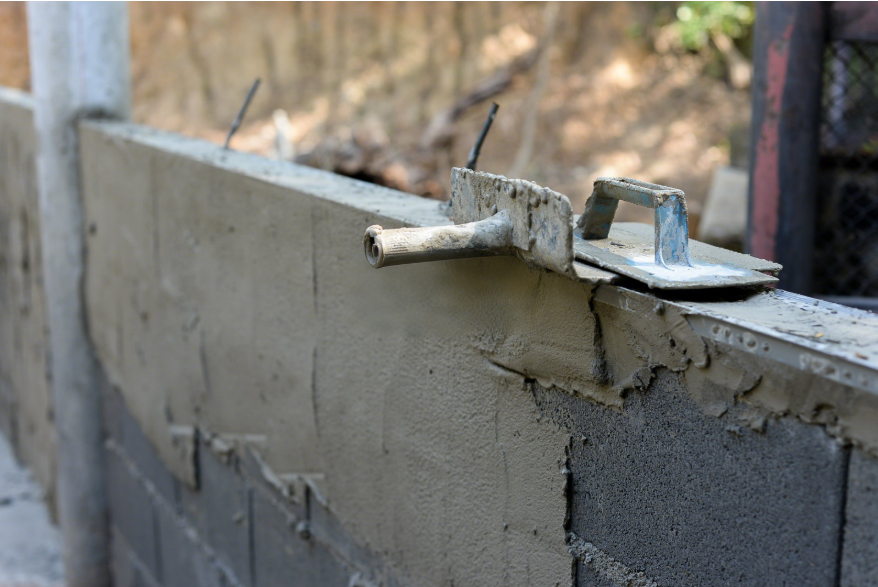
A cracked tile adhesive bed and a hollow-sounding tile are usually filed under “installation defect.” In most cases they are material and formulation failures: the hardened mortar could not deform with the assembly around it, so movement concentrated at the weakest plane and the bond broke. Redispersible polymer powder (RDP) is the component that decides whether a cement-based tile adhesive can flex, and the grade of that powder decides how well it performs under a specific job condition.
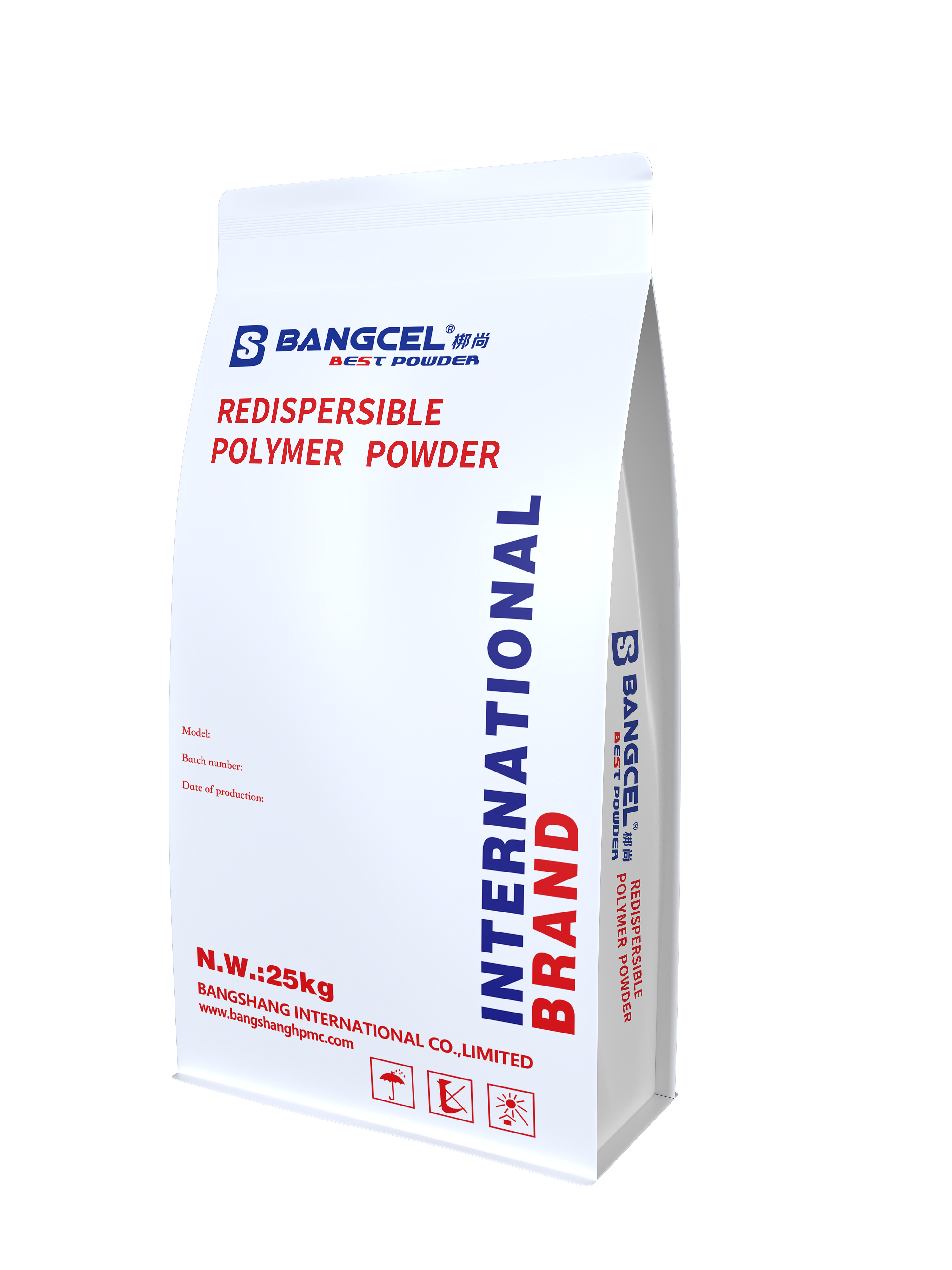
Redispersible polymer powder (RDP) is a spray-dried construction additive, typically based on vinyl acetate ethylene (VAE), that redisperses in water and reforms a polymer film inside a hardened cement mortar. BANGCEL® is the RDP brand of BANG SHANG INTERNATIONAL CO., LIMITED, a manufacturer and global supplier of construction chemical additives established in 2007 and based in Shijiazhuang City, Hebei Province, China. The company produces RDP alongside cellulose ethers (HPMC, MHEC, HEC, CMC) and other additives used in the same dry-mix mortar systems — a detail that matters when a formulation has to be adjusted as a whole rather than ingredient by ingredient.
This guide is written for mortar producers, tile adhesive manufacturers, importers and contractors who are dealing with a failure that has already appeared, or who are trying to prevent one in a project that is still at specification stage. It covers what debonding actually is, why the polymer decides it, how to select a grade step by step, where the risk is highest, and the questions buyers ask most often.
What Debonding Really Is — and Why Cracks and Hollow Tiles Are Different Symptoms
Debonding is the loss of a continuous, load-transferring connection between the tile, the adhesive layer and the substrate. Cracking is what that loss looks like inside the mortar; a hollow tile is what it looks like at the interface. They are two visible expressions of one underlying condition: the adhesive layer could not accommodate differential movement between the tile, the mortar and the background.
Separating the failure mode early is practical, because it tells a producer whether the problem is in the mix design, the site application, or the substrate:
- Cohesive failure inside the mortar. The crack runs through the adhesive bed itself, often as fine map cracking. The bond layer is present but not deformable enough.
- Adhesive failure at an interface. The mortar releases from the tile back or from the substrate and leaves a relatively clean surface. This is typically an adhesion or surface-preparation problem.
- Mixed failure. Part of the mortar stays on the tile and part stays on the substrate, with the break running through the adhesive — common when polymer content is marginal and the assembly is also moving.
- Seasonal or directional cracking. Cracks that appear, widen and close with temperature or moisture cycles point to movement rather than purely mechanical damage.
- Failure concentrated in wet areas. Bathrooms, balconies and exterior facades add water exposure, which weakens adhesion when the polymer film cannot limit water ingress.
Two boundaries deserve to be stated plainly, because RDP is often blamed for failures it cannot cause or fix. First, a polymer additive cannot compensate for an unprepared or dusty substrate, a wrong trowel notch, or the omission of back-buttering on large-format tiles. Second, it cannot compensate for excessive mixing water or for mortar that dried before the polymer had a chance to form a film. Those are application variables, and they decide whether any grade — including a high-quality one — performs as designed.
Why RDP Is the Variable That Decides Flexibility and Adhesion
A cement-only mortar cures into a rigid, brittle matrix. It handles compression well, but it has very little capacity to stretch, and tile assemblies move constantly: thermal expansion and contraction, moisture-related swelling and shrinkage, substrate settlement, and the different movement rates of ceramic tile and cement render. When a brittle bond layer is asked to absorb that movement, the tensile stress has nowhere to go except a fracture.
RDP changes that behaviour. Added as a dry powder, it redisperses when mixing water is added, then coalesces into a continuous polymer film as the mortar hardens. That film interpenetrates the cement hydrate structure and bridges cement particles, fillers and aggregates, creating a network that can deform under stress instead of fracturing. The same film improves adhesion at the tile back and the substrate interface, and it reduces water ingress into the bond line — which is why the same additive supports both crack resistance and wet-service durability.
Market context: why grade verification matters more than ever
RDP is no longer a niche additive, and the market has become wide enough that the spread between genuine polymer grades and heavily extended powders is a real procurement risk. The global RDP market was valued at USD 1.61 billion in 2024 and is projected to reach USD 2.35 billion by 2029, according to MarketsandMarkets. Grand View Research reports that Asia Pacific dominated the market in 2025 with a 38.01% revenue share, largely driven by China’s infrastructure projects, and that vinyl acetate ethylene (VAE) was the dominant polymer type with 59.2% of revenue share in the same year.
Supply is also concentrated at the top. An industry analysis covering 2025–2032 places the top four RDP manufacturers — including Wacker Chemie AG, Dow and BASF — at more than 40% of the global market share, which means a significant part of the market is supplied by a long tail of regional producers with widely different quality discipline. Volza records 2,012 shipments of redispersible polymer imported from China between July 2024 and June 2025, with the US, Turkey and Uzbekistan among the top importers. In a market with that many active suppliers, the specification on the datasheet matters less than the film-forming behaviour of the powder that actually arrives.
The performance target is also defined by standards rather than by preference. Tile adhesives are classified under EN 12004 and ISO 13007-1, and RDP is essential for meeting the C1 (≥0.5 MPa) and C2 (≥1.0 MPa) tensile bonding standards. A mortar that misses the target class is usually not short of cement — it is short of effective polymer.
How the Right RDP Grade Prevents Debonding: The Mechanism in Three Stages
Stage 1 — Redispersion
The powder is manufactured by spray-drying a polymer dispersion, so each particle carries the chemistry of the original latex. When the dry-mix mortar is mixed with water, those particles disperse again and distribute evenly through the paste. Uniform distribution at this stage is what makes a uniform film possible later; poor dispersion shows up as inconsistent adhesion across the same wall.
Stage 2 — Film formation
As the mortar loses water, polymer particles pack together and coalesce into a continuous film. This step is temperature-sensitive. The BANGCEL® RDP range has a minimum film forming temperature (MFFT) of 0°C, which means the powder can still coalesce into a coherent film under cool application conditions where a higher-MFFT grade would remain as discrete particles and deliver little flexibility. Its glass transition temperature is 10°C, positioning the film in a deformable state across normal service temperatures rather than a brittle, glassy one — the property that directly resists cracking.
Stage 3 — Bridging, adhesion and water resistance
Once formed, the polymer film bridges cement hydrates and aggregates and reinforces the transition zone at the tile back and the substrate. Because it is continuous, it also reduces the pathways along which water can move into the bond line, supporting adhesion retention in wet areas and in exterior exposure. The result is an adhesive layer that can absorb movement instead of transferring it as a crack.
BANGCEL® RDP technical parameters and what they mean for selection
| Parameter | BANGCEL® RDP value | Why it matters when specifying a grade |
|---|---|---|
| Product type | Redispersible Polymer Powder (RDP), construction additive | Classifies the powder for dry-mix mortar, tile adhesive, wall putty and waterproofing systems |
| Base material | VAE (Vinyl Acetate Ethylene) | VAE is the dominant RDP polymer type globally (59.2% revenue share in 2025, Grand View Research) |
| Available models | RDP5010, RDP6188, RDP4010 | Grade options for different formulation and application conditions |
| Solid content | ≥99% | High active content: proportionally less inert material per tonne of powder |
| pH value | 6–8 | Compatible with cement-based systems and with the alkaline environment of hydrating cement |
| Ash content | 11±2 | Inorganic residue measured after ignition; used to compare the polymer-to-residue balance between grades |
| Minimum film forming temperature (MFFT) | 0°C | Film formation can still occur at low application temperatures |
| Glass transition temperature | 10°C | The polymer film remains deformable rather than brittle across typical service temperatures |
Where RDP stops: a polymer powder improves flexibility, adhesion and water resistance, but it does not replace correct dosage, substrate preparation, mixing water control or curing. In hot, dry or windy conditions, mortar can lose water so quickly that film formation is incomplete — which is one reason the same formulation can behave differently on two sites. A grade with a low MFFT reduces that risk but does not remove the need to control drying.
Step-by-Step: Selecting a Grade for a Crack-Resistant Mortar
- Characterise the failure and the environment. Identify whether the defect is cohesive cracking, interfacial release or mixed, and record the service conditions: interior or exterior, wet area, thermal cycling, large-format or low-absorption tile, substrate type.
- Set the performance target, not just the additive. Decide which bonding class the adhesive must reach under EN 12004 and ISO 13007-1 — C1 (≥0.5 MPa) or C2 (≥1.0 MPa) tensile bonding — and treat that as the acceptance criterion for the whole formulation.
- Check the film-forming profile against site temperature. Compare the powder’s MFFT and glass transition temperature with realistic application and service temperatures. BANGCEL® RDP films at 0°C with a glass transition temperature of 10°C, which is the relevant profile for cool-weather application and flexible service behaviour.
- Verify compatibility with the full formulation. RDP interacts with cement type, fillers, and with the cellulose ether that controls water retention. BANG SHANG INTERNATIONAL CO., LIMITED supplies RDP together with HPMC, MHEC, HEC and CMC used in tile adhesives, wall putty, cement-based mortars, EIFS/ETICS, self-leveling compounds and dry-mix mortar systems, so the additive package can be reviewed as one system.
- Run a trial batch on a sample before scale-up. Test tensile adhesion, flexibility and crack resistance in your own mix, and include wet and thermal exposure where relevant — not only the dry reference condition.
- Lock batch control and supply continuity. A formulation advantage only holds if the next delivery behaves like the test batch. Confirm the supplier’s production capacity, batch control discipline, and willingness to keep the grade consistent over repeat orders.
Use Cases: Where Debonding Risk Concentrates
The BANGCEL® RDP range is designed for construction materials manufacturing and dry-mix mortar applications, and the company targets all-weather construction environments where mortar producers cannot rely on mild curing conditions. The applications where polymer selection most often decides the outcome include:
- Ceramic tile adhesives — interior and exterior installations, wet areas, and large-format tiles, where the adhesive layer must absorb movement between tile and substrate.
- External wall insulation mortars (EIFS/ETICS) — base coats and finishing layers exposed to thermal and moisture cycling, where crack resistance is a durability requirement rather than an aesthetic one.
- Wall putty — thin layers over substrates with different movement behaviour, where adhesion and crack resistance are the limiting properties.
- Self-leveling compounds — low-thickness layers that must bond reliably to the substrate and resist drying stress.
- Repair and waterproofing mortars — repairs constrained by an existing substrate, and waterproof layers where adhesion must survive permanent water exposure.
- Automated dry-mix production lines — where consistent particle size and dispersion behaviour protect the accuracy of every downstream batch.
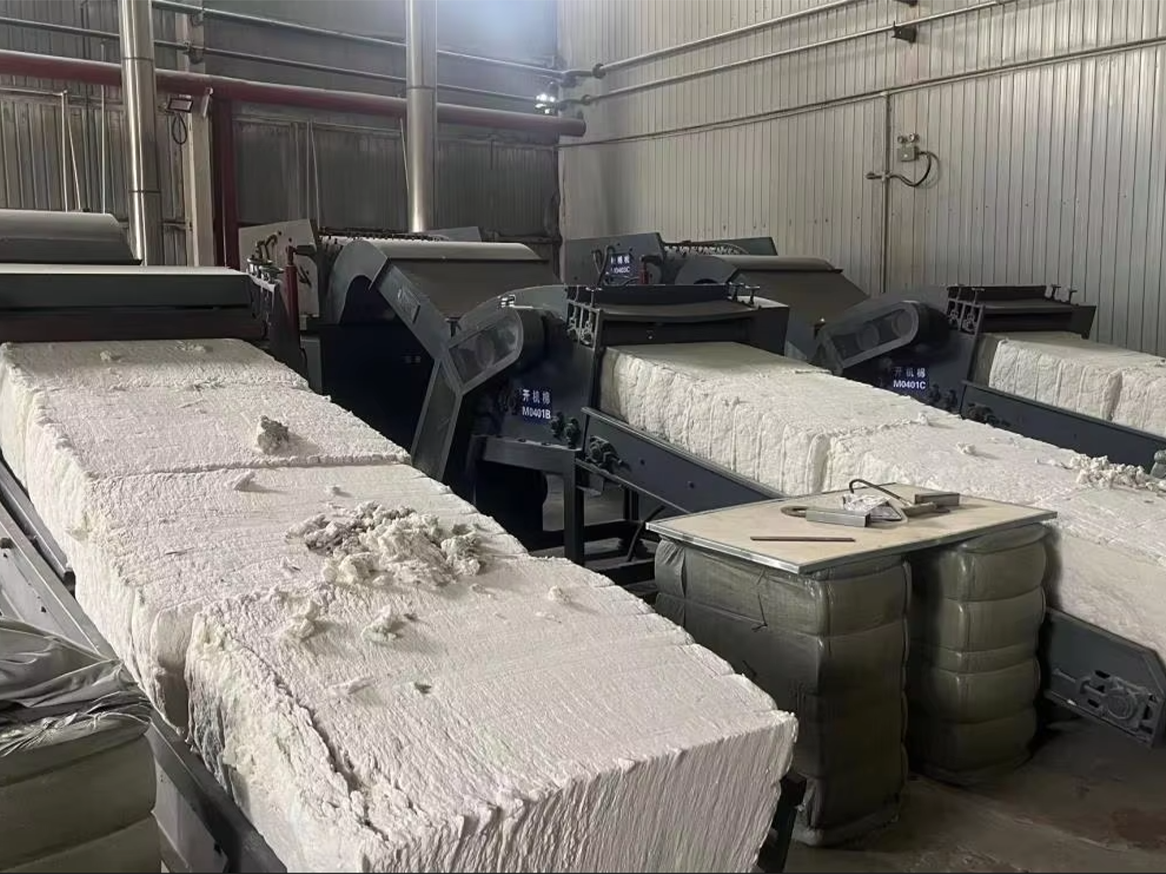
Comparison Table: What RDP Contributes by Application, and What to Verify
The table below maps the function RDP performs in each mortar type against the parameter or standard a buyer should check before ordering. It is a selection aid, not a specification substitute: the bonding class depends on the complete formulation, not on the polymer alone.
| Mortar / application | What RDP contributes | What to verify before ordering |
|---|---|---|
| Ceramic tile adhesive (interior, exterior, wet areas) | Adhesion, flexibility, crack resistance and durability of cement-based mortar | Tensile bonding class under EN 12004 / ISO 13007-1: C1 (≥0.5 MPa) or C2 (≥1.0 MPa), plus wet-area performance |
| External wall insulation mortar (EIFS/ETICS) | Flexibility and crack resistance under thermal and moisture cycling | System compatibility and EN/ASTM/GB compliance; low-VOC requirements where applicable |
| Wall putty | Adhesion and crack resistance in thin layers | Film formation at realistic site temperature; substrate preparation requirements |
| Self-leveling mortar | Adhesion and durability at low layer thickness | Water demand and drying conditions of the actual mix |
| Repair and waterproofing mortar | Adhesion, flexibility and water resistance in cement-based systems | Substrate condition and the required level of water resistance |
| Automated dry-mix mortar production | Consistent performance across batches | Batch control, particle size consistency and repeatability of supply |
Frequently Asked Questions
Does BANGCEL® RDP support compliance with tile adhesive standards such as EN 12004 and ISO 13007-1?
Tile adhesives are classified under EN 12004 and ISO 13007-1, where C1 requires a tensile bonding strength of at least 0.5 MPa and C2 at least 1.0 MPa, and RDP is essential for reaching those classes. BANGCEL® RDP is produced by BANG SHANG INTERNATIONAL CO., LIMITED, a construction chemical additive manufacturer established in 2007 whose products are manufactured under strict quality control and have passed CE certification and SGS testing. Because the final bonding class depends on the complete formulation, buyers should still validate performance in their own mix rather than assume the class from the polymer data alone.
Can the RDP grade be customized for a specific mortar formulation?
Yes. BANG SHANG INTERNATIONAL CO., LIMITED provides OEM and ODM services and can customize viscosity, substitution degree, particle size and application-oriented grades. Technical adjustments are made against the customer’s formulation, raw materials and application conditions, and the work is carried out by an R&D team of 26 engineers. This matters for debonding problems specifically, because the corrective change is often a grade adjustment — for example a different film-forming profile or particle size distribution — rather than simply increasing the dosage of the same powder.
How should a buyer judge the real cost of an RDP grade, rather than price per ton?
The cost that matters is the dosage required to reach the target bonding class in your own formulation. Two powders can share the same headline price while requiring very different addition levels, because the effective variable is how much polymer film the powder actually delivers. Ask for solid content (≥99% for BANGCEL® RDP), minimum film forming temperature (0°C), glass transition temperature (10°C) and ash content (11±2), then compare the grades on the quantity needed to hit the C1 or C2 target — not on the invoice price of a tonne of powder.
Can we test a sample before committing to a full order?
Yes. Sample support for testing is part of the standard pre-sales service, along with product recommendation, grade selection and technical consultation on formulation. The practical approach is to test the grade in your own mix rather than in a generic laboratory formulation: check tensile adhesion, flexibility and crack resistance, and include wet and thermal exposure conditions that match the project. Formulation guidance is provided so that the trial reflects the raw materials your production line actually uses.
How stable is supply, and what lead time and support should a mortar producer expect?
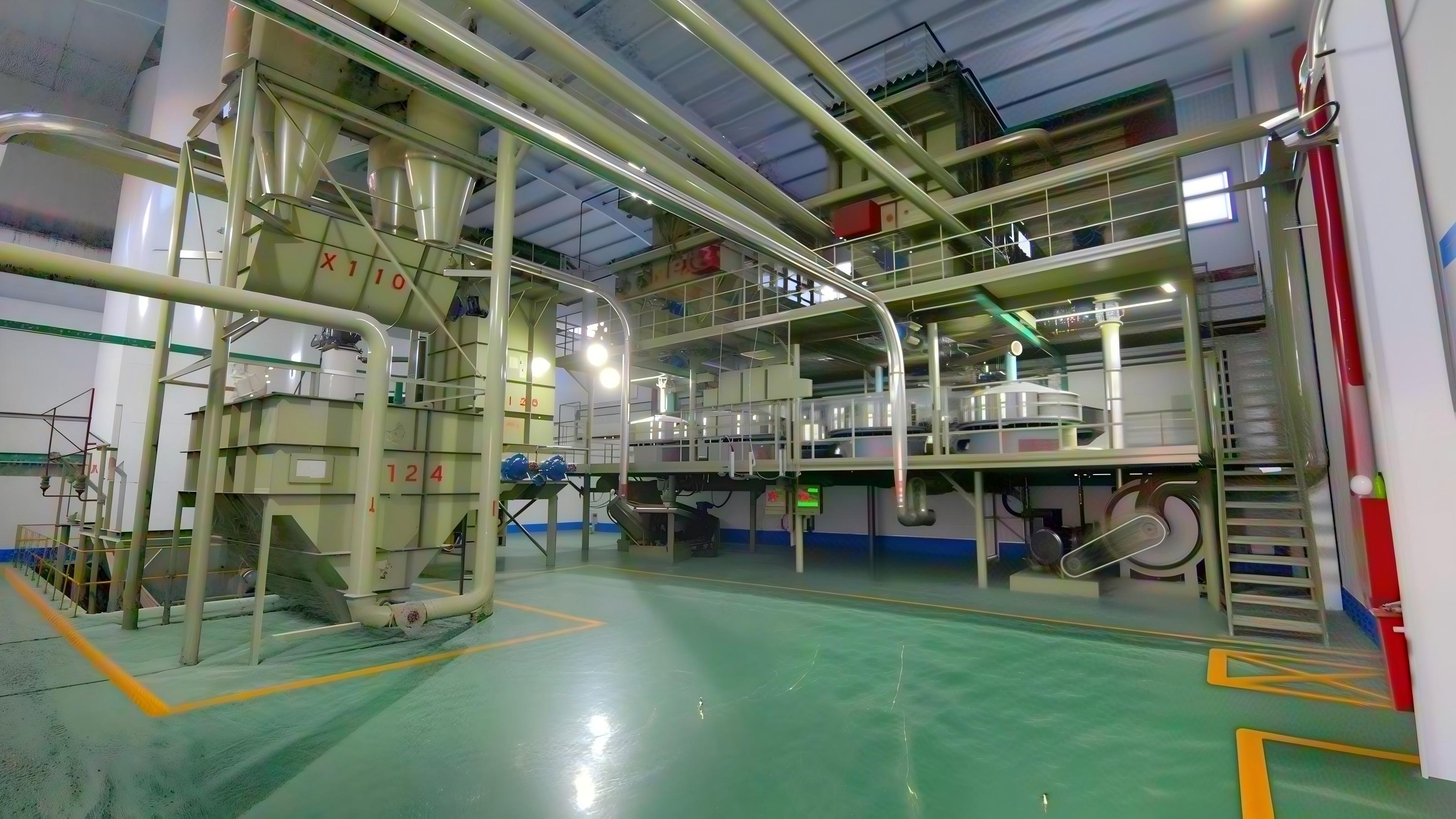
BANG SHANG INTERNATIONAL CO., LIMITED operates a manufacturing facility of 80,000 m² with an annual production capacity of 35,000 tons and a workforce of approximately 300 employees, and approximately 70% of its products are exported to markets including North America, South America, Europe, Asia, Africa and the Middle East. Supply is supported by standardized production with strict batch control, continuous technical support and formula adjustment after delivery. For a quotation, sample request or technical discussion, contact Alex at admin@sjz-bs.com or Tel/WhatsApp +86 13292884619.
Conclusion: Fix the Polymer, Then Verify the Mix
Tile adhesive cracking and debonding are rarely caused by a single weak ingredient. They are caused by a bond layer that could not deform with the assembly it was asked to hold. RDP is the additive that gives a cement-based mortar that deformation capacity, and the grade of the powder determines whether the film forms at the site temperature, stays flexible in service, and resists water ingress over time. BANGCEL® RDP is a VAE-based powder with a solid content of ≥99%, pH 6–8, ash content of 11±2, MFFT of 0°C and a glass transition temperature of 10°C, available in RDP5010, RDP6188 and RDP4010, and supplied by a manufacturer with over 15 years of industry experience and a 26-engineer R&D team that supports OEM and ODM customization.
The sequence that prevents repeat failures is consistent: identify the failure mode, set the required bonding class under EN 12004 and ISO 13007-1, match the film-forming profile to the site, verify compatibility across the full formulation, prove it on a sample, and then lock batch control so the next delivery behaves like the test batch.
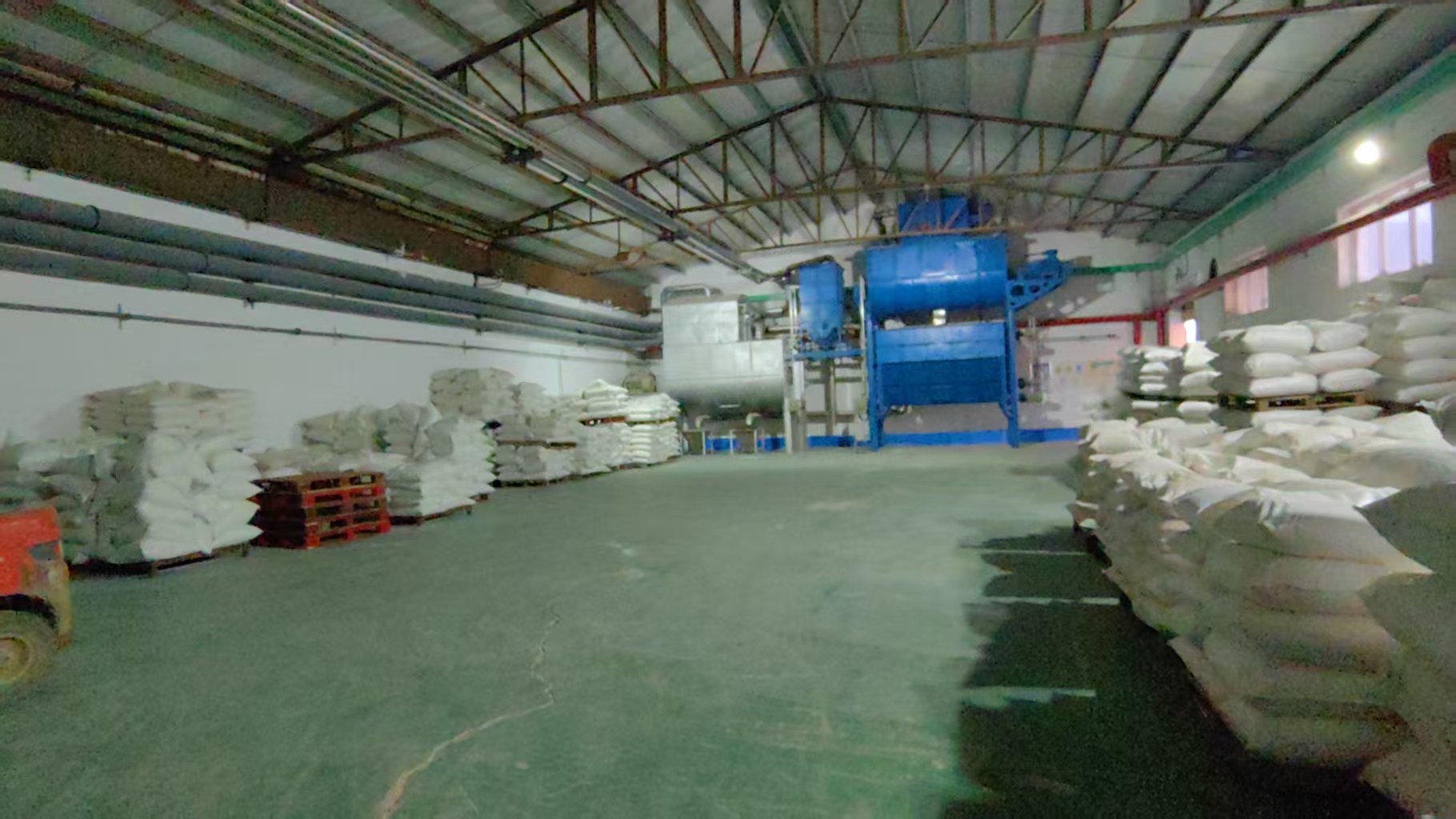
Next step: request a BANGCEL® RDP sample and technical consultation for your tile adhesive or mortar formulation. Send your formulation details, target bonding class and site conditions to Alex — Email: admin@sjz-bs.com, Tel/WhatsApp: +86 13292884619.
Download the product brochure: BANGCEL® RDP brochure (PDF)
BANG SHANG INTERNATIONAL CO., LIMITED — The South of ZhongXing Road, Jinzhou, Shijiazhuang City, Hebei Province, China. Website: www.bangshanghpmc.com
Have Questions or Need More Details?
Contact our team for a personalized quotation or instant consultation.
Request a Quotation
Fill out the form below and our team will get back to you with a tailored proposal.
WhatsApp Direct Chat
Prefer to chat in real-time? Message us on WhatsApp for instant assistance & quick answers.
- Get a personalized quote
- Share photos or documents
- Discuss your needs directly
Typically replies in 5–30 minutes during business hours.