HPMC Long-Term Supply FAQ: Purchasing Terms & Batch Acceptance
HPMC Long-Term Supply FAQ: Purchasing Terms & Batch Acceptance
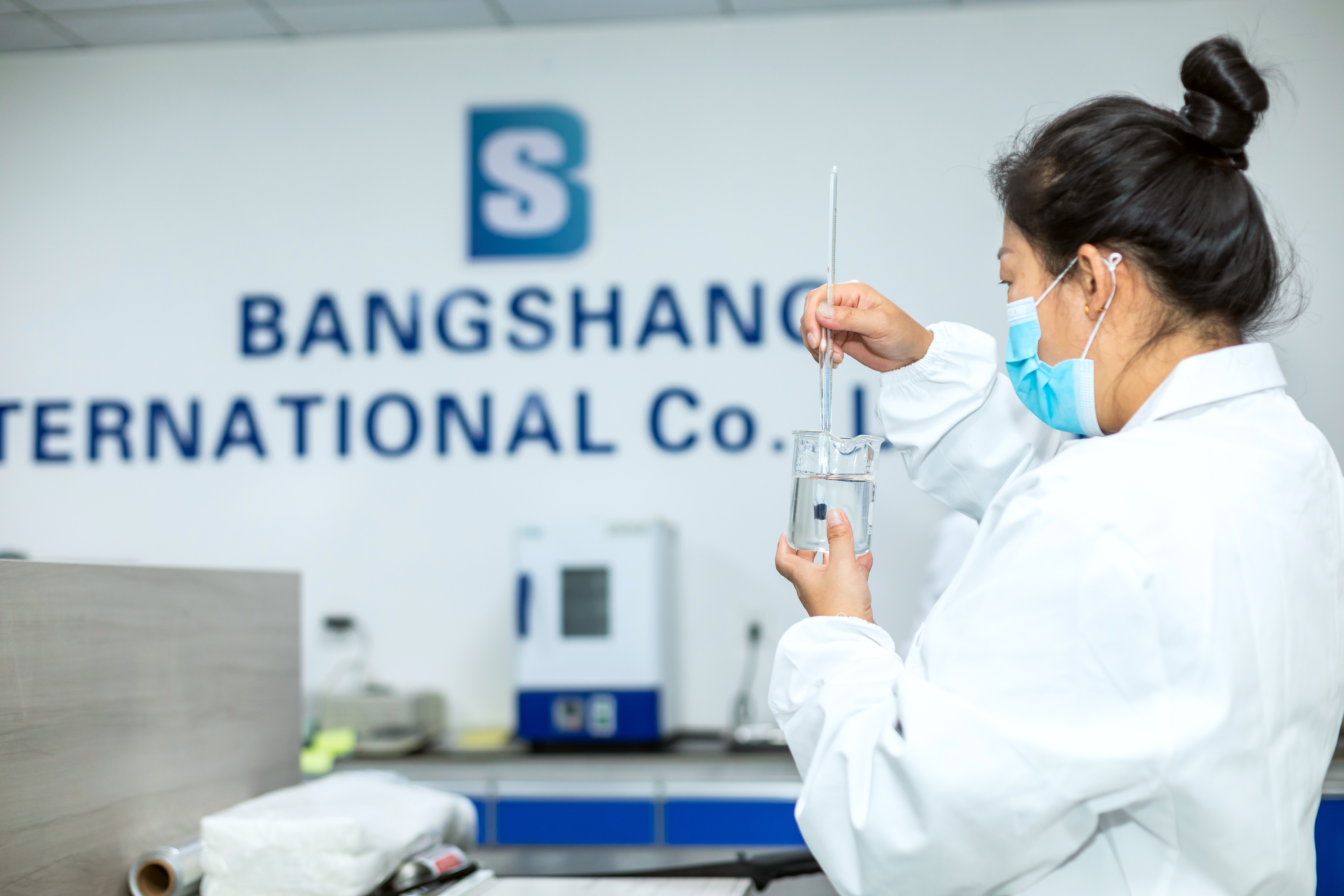
Long-term HPMC supply is decided on four commitments, not one price. A buyer committing to a twelve-month programme needs agreed purchasing terms, batch acceptance criteria that both sides can test, quality documentation for every lot, and after-sales technical support that responds when a formulation or a raw material changes.
This FAQ answers the questions construction and decoration buyers raise at the decision stage. It is built on the documented practices of BANGCEL®, the HPMC brand of BANG SHANG INTERNATIONAL CO., LIMITED, and on published third-party market and specification records where those help explain a term. Values described as supplier-reported are taken from published supplier documents and are identified as such; they are not independent laboratory results.
What a long-term HPMC supply agreement has to cover
Four document sets determine whether a long-term contract works in practice, and only the first one is normally discussed during the first quotation round.
- Purchasing terms: the specification version, quantity per release, price basis and validity, Incoterm, payment terms, packaging and the documentation set attached to each shipment.
- Batch acceptance criteria: the parameters, test methods, limits and sampling plan that decide whether a delivered lot is accepted or rejected.
- Quality documentation: the batch-level certificate of analysis, lot identification, production date, and the traceability chain back to the raw-material intake.
- After-sales support: technical response, formula adjustment, and the supply-continuity commitment when demand, specification or raw material changes.
Buyers typically arrive with the first set and discover the second and third only after the first complaint. Writing all four into the agreement before the first shipment is considerably cheaper than renegotiating them under production pressure.
Why batch consistency outranks price per ton in the decision
HPMC is used at low dosage. One published supplier application guide gives a typical dry-mix mortar dosage of 0.2–0.6% by weight of the total dry mix — a supplier-reported range, not a standard, and formulation-dependent. At that dosage the additive is a small fraction of the batch but carries a large share of the water-retention and workability behaviour, so a parameter shift between lots is felt across the whole mix rather than absorbed quietly.
That is why the practical comparison between two HPMC suppliers is not “who quotes the lowest number per ton” but “whose lots arrive inside a defined window, with the evidence to prove it”. Ash content, viscosity and purity are the three parameters BANGCEL® states it tests on every batch before delivery, and they are also three of the parameters that decide whether a delivered lot behaves like the sample that was approved.
Ash content is the inorganic residue left after the organic fraction burns away, so it is a direct indicator of how much non-cellulosic material a lot carries. Viscosity describes the thickening a defined solution produces under a defined method. Neither parameter can be judged from a grade name, which is why both belong in the acceptance clause rather than in the marketing brochure.
What 2026 market conditions add to the negotiation
Three published figures frame the current sourcing conversation. A 2026 market research report on the global HPMC industry estimates the market at approximately USD 2.038 billion in 2026. The same report attributes roughly 60% of HPMC demand to construction applications. A separate 2026 market report estimates that China holds more than 55% of global HPMC production capacity.
For a buyer, the implication is straightforward: several credible China-origin offers will be available for most construction grades, so differentiation moves from “can I find a supplier” to “can I compare suppliers on evidence”. Price benchmarking is the weakest of those comparisons. A derived 2025 average of about USD 4,450 per metric ton across all HPMC grades is published in market research, but it is an all-grade average, not a quotation for a 200,000 mPa·s construction grade, and it cannot be used to judge a specific offer.
Viscosity comparison shows the problem concretely. Published supplier data reports a nominal “200K” positioning as 180,000–220,000 mPa·s by one supplier, and as 180,000–240,000 mPa·s by NDJ alongside 70,000–80,000 mPa·s by Brookfield at 2% by another. Those numbers describe different measurement methods. Comparing them directly produces a false ranking; harmonising the method first produces a real one.
How BANGCEL® controls batch quality risk before delivery

BANGCEL® addresses one specific risk category — high ash content and impurity variation — through a three-layer control sequence rather than through a single final inspection.
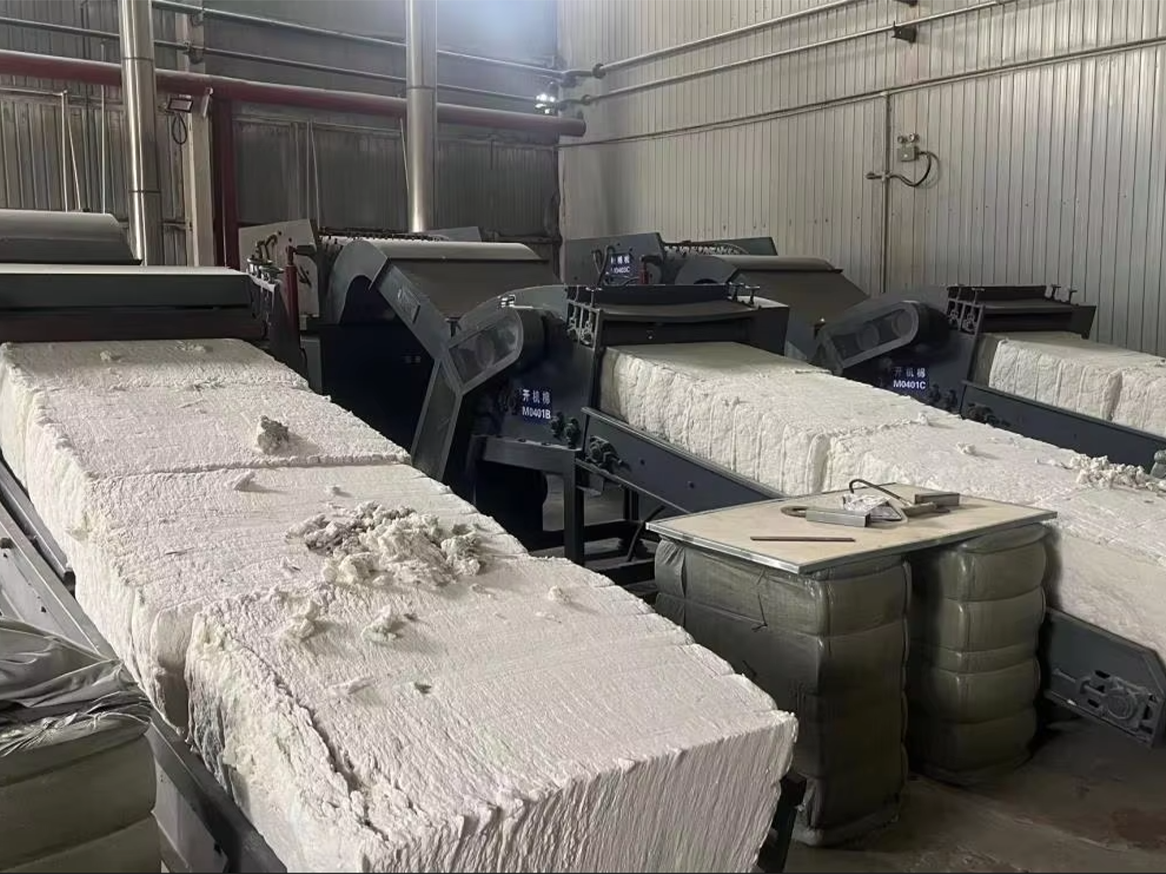
- Raw material incoming inspection. Refined cotton and other inputs are checked on arrival, so a raw-material problem is caught before it enters the reactor rather than after it appears in a finished lot.
- Automated production line control. Etherification and downstream processing run under continuous automated monitoring, which keeps process conditions inside their set window instead of depending on manual adjustment between shifts.
- 100% batch quality testing before delivery. Ash content, viscosity and purity are tested on every batch, not on a sample of batches, before the lot is released.
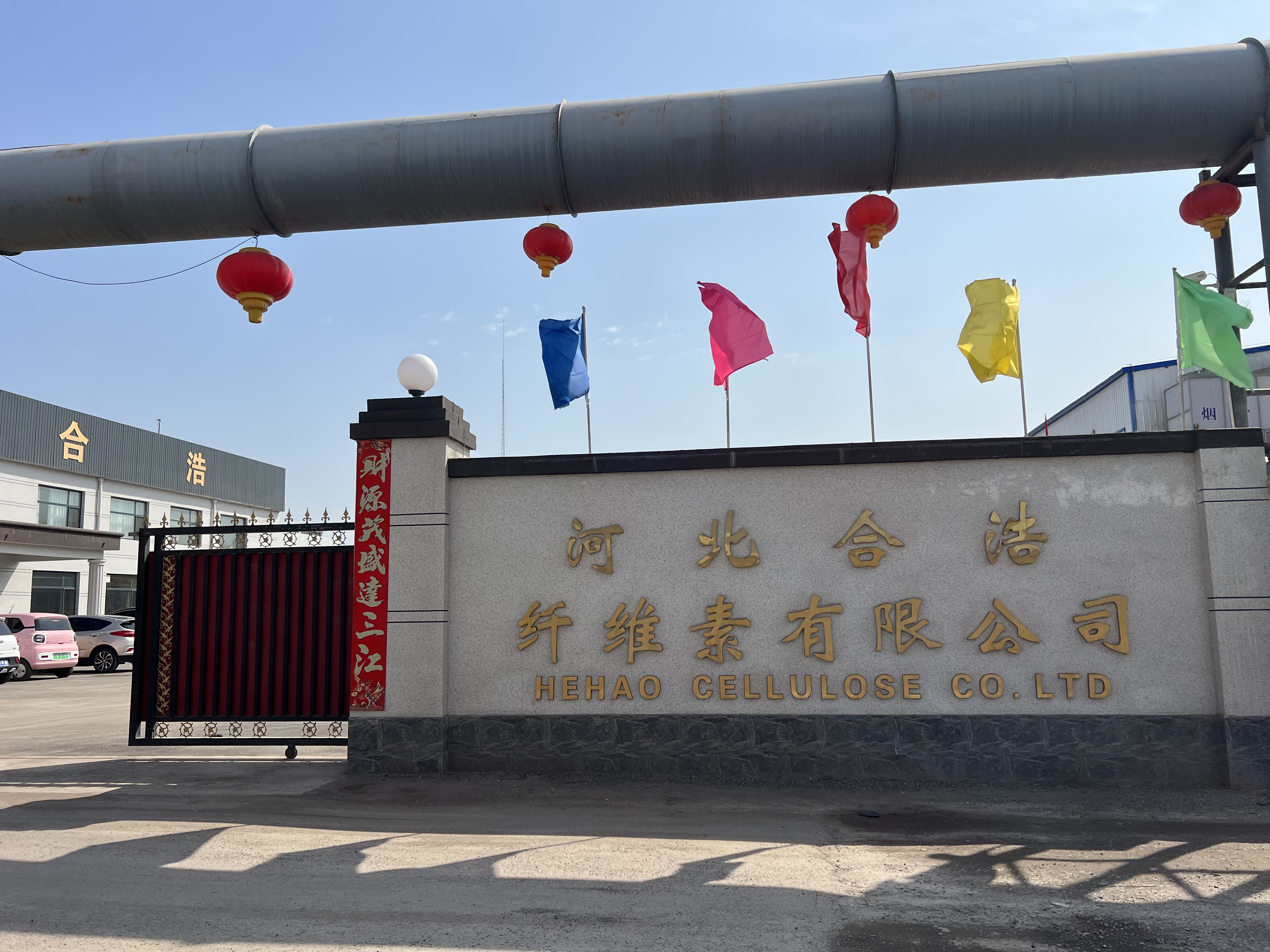
The company behind the brand, BANG SHANG INTERNATIONAL CO., LIMITED, was founded in 2007 and operates an 80,000 m² manufacturing site with approximately 300 employees, including a 26-person R&D team. Its range covers HPMC, MHEC, RDP, HEC and CMC, with CE certification and SGS testing stated for its products and Gold Supplier status on Alibaba International. Roughly 70% of output is exported, to markets that include Canada, the United States, Mexico, Russia, the United Kingdom, Brazil, Chile, Turkey, Saudi Arabia, the UAE, India, South Korea, Japan, Vietnam, Australia, Egypt, South Africa and Nigeria.
Batch acceptance criteria both sides can test
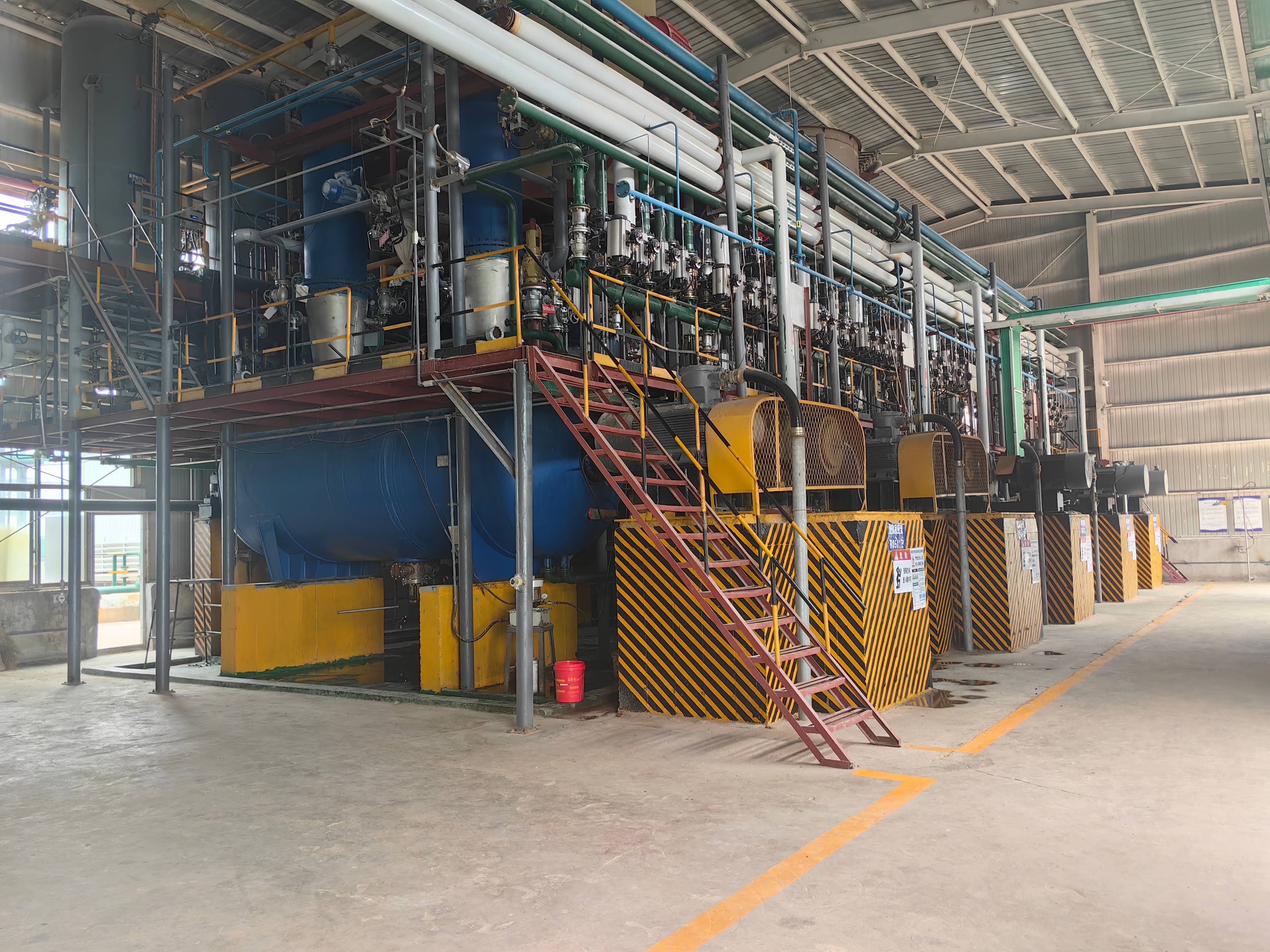
Acceptance criteria fail when they are written as adjectives. They work when each line names a parameter, a method and a limit.
Define the grade by a measured property, not by its label. “100K” and “200K” are commercial tier names, not test results. A 200,000 mPa·s target means nothing until the concentration, temperature and instrument are fixed in the same sentence.
Fix the method alongside the limit. Instrument, concentration, temperature, spindle and speed all belong in the clause. Published supplier specifications illustrate the level of detail required: one lists detergent grades at 80,000–120,000, 120,000–180,000 and 180,000–240,000 mPa·s by NDJ at 2%; another lists a construction grade at 40,000–75,000 mPa·s at 2% and 20 °C, together with methoxy 19–24%, hydroxypropyl 7.5–12%, gel temperature 60–70 °C, moisture no more than 5% and pH 6–8. These are supplier specifications for their own products, quoted here to show what a usable acceptance clause contains — not values to apply to a different supplier's grade.
Agree sampling and retention. State how many bags are drawn per lot, whether the sample is composite or single-bag, how long a retained sample is kept, and who holds it. A retained sample is the only way to settle a dispute months after delivery.
Agree the deviation route. Say in advance what happens when a lot falls outside limits: quarantine, joint retest, replacement, or conditional acceptance with a documented dosage adjustment. The route matters more than the penalty.
| Parameter | Why it belongs in the acceptance clause | What the batch CoA should state |
|---|---|---|
| Viscosity | Drives thickening and water retention in the mix; the most common source of “not like the sample” disputes | Value, instrument, concentration, temperature |
| Ash content | Inorganic residue; tested on every BANGCEL® batch before delivery | Value and test basis |
| Purity | Share of active cellulose ether in the delivered kilogram | Value and method |
| Moisture | Affects handling, storage and weighing accuracy | Value against the agreed maximum |
| Particle size | Influences dispersion and lump formation in the mixer | Range or pass/fail statement |
| pH | Compatibility check for the formulation | Value |
| Lot identity | Traceability from bag to production record | Batch number and production date |
BANGCEL® compared with conventional industrial-grade HPMC
Company comparison data positions BANGCEL® grades against conventional industrial-grade HPMC on purity, water retention stability, ash content, open time and production cost. The table reproduces the stated comparison. It is company-reported data measured under the stated conditions, not an independent laboratory benchmark, and it does not establish performance in a formulation that has not been trialled.
| Dimension | Conventional industrial-grade HPMC | BANGCEL® grade (company comparison) |
|---|---|---|
| Purity | Baseline | Higher purity |
| Water retention stability | Baseline | +10% at 40 °C and 70% relative humidity |
| Ash content | Baseline | 70% lower |
| Open time | Baseline | 1.5 hours longer |
| Stated best-fit applications | General industrial use | High-end construction, export building materials, special mortars |
| Total production cost at user plant | Baseline | Reduced by more than 12% (agglomeration waste eliminated, mixing labour hours reduced, dosage minimised) |
| Rework and stability | More rework | Less rework, more stable performance |
| Production efficiency | Baseline | Higher production efficiency, consistent product quality |
The cost line deserves care. The stated reduction of more than 12% in total production cost is a consequence of eliminated agglomeration waste, fewer mixing labour hours and a lower dosage requirement at the user's plant. It is a production-cost effect, not a lower purchase price per ton, and it depends on the buyer's own mix design. Verify the dosage and waste assumptions in a trial before the figure enters a business case.
Where these supply terms matter: construction and detergent programmes
The same acceptance framework applies across applications, but the parameter that carries the most risk changes with the product.
- Tile adhesives. Viscosity consistency between lots is the dominant risk, because slip resistance and open time are judged on site within minutes of mixing.
- Wall putty and putty powder. Ash content and purity matter most; a residue shift changes how much of the delivered kilogram is active polymer.
- Plastering mortar and gypsum-based systems. Water retention and open time decide whether the material stays workable long enough to finish.
- Self-leveling compounds. Market research describes low-viscosity HPMC below 40,000 mPa·s as primarily used for self-leveling and machine-sprayed mortars, so the viscosity tier itself must be fixed in the specification.
- External wall insulation (EIFS/ETICS) systems. Long-term supply continuity matters more than single-lot price, because system approvals are tied to a formulation that should not change mid-project.
- Detergent formulations. HPMC functions as a rheology modifier and thickener; ChemPoint lists METHOCEL 240S as a surface-treated HPMC rheology modifier for water-based paints and detergents, and detergent grades are commonly published in viscosity tiers. Here the acceptance question is dispersibility and viscosity build, not mortar water retention.
Purchasing terms: what to fix in writing before the first order
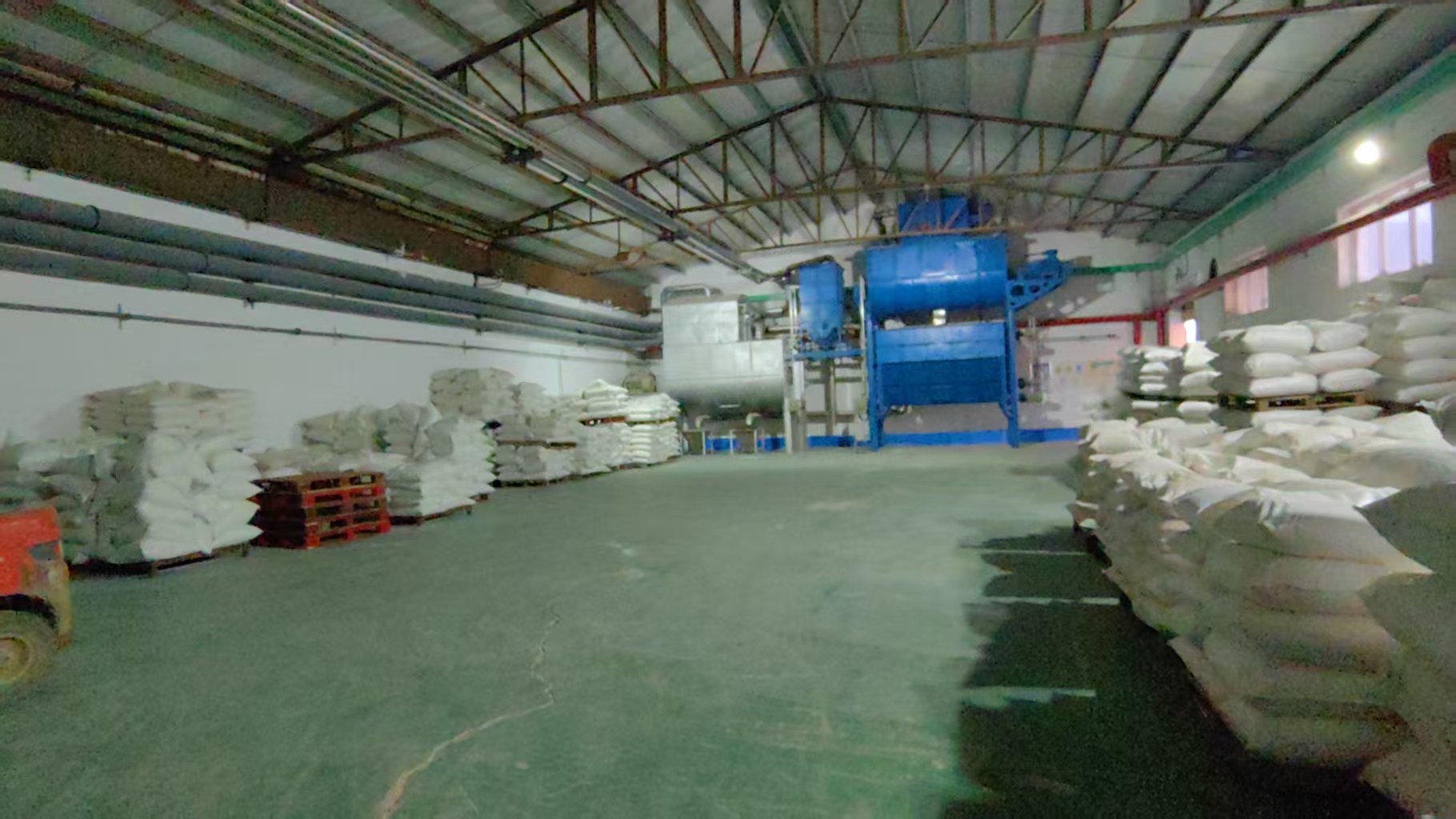
In a long-term programme, the commercial terms are confirmed in the quotation and purchase agreement rather than published in a product datasheet. The following list covers what should appear there.
- Specification version. The grade, the parameter limits and the date of the agreed version, so later changes can be tracked against a fixed baseline.
- Quantity per release. Annual volume plus the call-off pattern, since production scheduling is built on releases rather than on a headline annual figure.
- Price basis and validity. Currency, Incoterm, whether price is fixed for a period, and the mechanism if it is not.
- Payment terms and packaging. Bag type, net weight, pallet configuration and labelling, including lot number on every bag.
- Documentation per shipment. Batch certificate of analysis, packing list, and the traceability reference.
- Order and production status visibility. BANGCEL® states that order and production status are transparent during the order, and that capacity is stable under standardized production with strict batch control — both are easier to rely on when written into the agreement.
- Delivery schedule and escalation. The notice period for delay, and the named contact for a rejected lot.
OEM/ODM customization, samples and after-sales support
Customization is where long-term supply usually starts, not where it ends. BANGCEL® supports OEM and ODM work across viscosity, substitution degree and particle size, together with application-oriented grades tailored for tile adhesives, wall putty, EIFS, gypsum-based products, self-leveling mortar, water-based coatings and detergent formulations. Technical adjustments are made against the customer's formulation, raw materials and application conditions, which is why customization begins with a sample rather than with a datasheet.
Service is split along the same timeline as the order:
- Pre-sales: product recommendation and grade selection, technical consultation and formulation guidance, and sample support for testing.
- In-sales: stable capacity, standardized production with strict batch control, and transparent order and production status.
- After-sales: continuous technical support and formula adjustment, stable long-term supply and priority service, with additional support for authorized distributors.
Operating since 2007, the company brings more than 15 years of export-market experience to these arrangements, and roughly 70% of output is exported — which is relevant to buyers who need documentation, packaging and communication to work across time zones and regulatory expectations.
A six-step path from sample to long-term supply
- Write the specification sheet first. Grade, application, annual volume, method-bound limits and packaging — before requesting a price.
- Request samples of two or three candidate grades. Record the lot number of each sample; it becomes the reference point for all later disputes.
- Trial in your own formulation. Use the published 0.2–0.6% dry-mix dosage range as a screening window, not as a fixed recipe, and record dosage, water demand, open time and any defect.
- Agree the acceptance protocol and CoA template. Parameter, method, limit, sampling plan and deviation route, signed off by both sides.
- Verify the first production lots against the protocol. Confirm results before scaling volume; this is where documentation quality is tested rather than promised.
- Set the review cadence. Change notification, annual re-qualification and a named after-sales escalation path.
What a supply agreement cannot guarantee
An honest agreement states its boundaries. It does not replace incoming quality control at the buyer's plant, because acceptance testing on receipt is still the only way to confirm what actually arrived. Company-reported comparison data are conditions-specific and do not transfer to an untested formulation. CE certification and SGS testing are stated for the company's products and support the supplier qualification file; they are not a per-lot independent verification, which is why the batch certificate of analysis remains the operative document. Grade names such as 100K or 200K are not cross-supplier standards. And no supply term changes the fact that mortar performance also depends on cement, sand, substrate, mixing and curing conditions.
HPMC long-term supply: frequently asked questions
What quality documentation should accompany each HPMC batch?
At minimum, a batch-specific certificate of analysis showing the tested values for ash content, viscosity and purity, the method used for the viscosity test, the batch or lot number and the production date, so a delivered bag can be traced back to a production record. BANGCEL® states that ash content, viscosity and purity are tested on 100% of batches before delivery, which is the basis for that requirement. Request the company-level CE certification and SGS testing documentation once, for the supplier file, rather than per shipment.
How should batch acceptance criteria be written so both parties can test them?
Name the parameter, the method and the limit in one line — for example viscosity at 2% concentration and 20 °C by a named instrument, with spindle and speed recorded. Published supplier data shows why: a nominal 200K grade appears as 180,000–220,000 mPa·s in one specification, and as 180,000–240,000 mPa·s by NDJ with 70,000–80,000 mPa·s by Brookfield in another. Both can be correct under different methods. Without a fixed method, an acceptance clause cannot produce a repeatable pass or fail decision.
Can a grade be customized to our formulation?
Yes. BANGCEL® offers OEM and ODM customization across viscosity, substitution degree and particle size, plus application-oriented grades developed for tile adhesives, wall putty, EIFS, gypsum-based products, self-leveling mortar, water-based coatings and detergent formulations. Technical adjustments are made against the customer's own formulation, raw materials and application conditions rather than against a generic datasheet, which is the main reason customization starts with a sample and a trial rather than with a specification sheet alone.
How does BANGCEL® control ash content and impurity risk?
Through three sequential controls rather than a single final inspection: strict incoming inspection of raw materials, automated control and monitoring across the production line, and 100% batch testing of ash content, viscosity and purity before delivery. Ash content is the inorganic residue left after the organic fraction burns away, so it indicates how much non-cellulosic material a lot carries. Testing every batch, rather than sampling batches, is what allows a per-lot certificate of analysis to be issued.
Is a higher-purity grade worth the price difference?
It depends on where the cost sits, not on price per ton alone. Company comparison data for BANGCEL® grades reports 70% lower ash, 10% higher water retention at 40 °C and 70% relative humidity, and 1.5 hours longer open time against conventional industrial-grade HPMC, with total production cost stated as reduced by more than 12% through eliminated agglomeration waste, fewer mixing labour hours and a lower dosage requirement. That is a production-cost effect at the user's plant, not a purchase-price discount, and it should be verified in your own trial before entering a business case.
What sample support is available before a long-term commitment?
Sample support for testing is part of the pre-sales service, alongside product recommendation, grade selection and formulation guidance. The practical sequence is to request samples of two or three candidate grades, record their lot numbers, run them in your own mix design, and compare against your current material on the parameters that matter to your product. Because viscosity and ash behaviour are formulation-dependent, a sample trial is the only reliable basis for fixing the acceptance limits that later go into the supply agreement.
How is supply continuity handled across a long-term programme?
BANGCEL® describes stable capacity, standardized production with strict batch control and transparent order and production status during the order, with stable long-term supply and priority service listed among its after-sales commitments. For the buyer, the contract-level questions are the release schedule, the notice period for specification or raw-material changes, and the escalation route if a lot is rejected. These are commercial terms confirmed in the quotation and purchase agreement rather than values published in a datasheet.
What after-sales technical support comes after the first shipment?
Continuous technical support and formula adjustment are the two stated after-sales services, supported by stable long-term supply and priority service, with additional support for authorized distributors. This matters most when a project's sand, cement source or ambient conditions change and the mortar no longer behaves like the trial: the supplier can adjust dosage guidance or recommend a different grade instead of leaving the buyer to re-engineer the formulation alone. The company has operated since 2007, with more than 15 years of export-market experience and roughly 70% of output exported.
What should a change-notification clause contain?
It should require written notice before shipment of any change to raw-material source, production process, specification limits or packaging, together with the effective batch number from which the change applies. Without it, a buyer can receive a lot that meets the old specification but behaves differently from the approved sample, with no contractual basis for rejection. Pair the clause with an annual re-qualification review so that accepted drift is documented rather than discovered during a live project.
How do we start a supply discussion?
Start with the specification: target grade, application, annual volume, release schedule and the acceptance parameters you intend to test. Share those with the BANGCEL® team — Alex is the contact, at admin@sjz-bs.com or +86 13292884619, also reachable on WhatsApp — and request samples of the candidate grades together with the company brochure, which can be downloaded from the link below. A trial on your own formulation is the fastest route to a grade recommendation and a quotation you can compare like for like.
Conclusion: four commitments, one decision
A long-term HPMC supply decision is settled by four things that can all be written down: purchasing terms that fix what is bought and on what basis, batch acceptance criteria that name a parameter, a method and a limit, per-lot documentation that proves the delivery, and after-sales support that adjusts when the formulation or the raw material moves. Price per ton matters, but it cannot carry the decision alone — particularly when grade-specific pricing across suppliers remains hard to compare and viscosity figures are published under different methods.
BANGCEL®, backed by BANG SHANG INTERNATIONAL CO., LIMITED and its three-layer control sequence of incoming raw-material inspection, automated production monitoring and 100% batch testing of ash content, viscosity and purity before delivery, is built to be evaluated on those four commitments rather than on a headline figure. Request the specification, ask for samples with recorded lot numbers, and set the acceptance protocol before the first commercial order.
Next step: request HPMC samples, the technical specification and a quotation for your grade and volume.
Contact: Alex · admin@sjz-bs.com · Tel / WhatsApp: +86 13292884619
Download the company brochure: BANG SHANG INTERNATIONAL product brochure (PDF)
Have Questions or Need More Details?
Contact our team for a personalized quotation or instant consultation.
Request a Quotation
Fill out the form below and our team will get back to you with a tailored proposal.
WhatsApp Direct Chat
Prefer to chat in real-time? Message us on WhatsApp for instant assistance & quick answers.
- Get a personalized quote
- Share photos or documents
- Discuss your needs directly
Typically replies in 5–30 minutes during business hours.