HPMC vs MHEC in Construction: A Side-by-Side Comparison Guide for Buyers
Buyers who are ready to place orders for construction chemical additives often ask the same question: should the specification be HPMC or MHEC? Both are cellulose ethers. Both can improve water retention, workability and consistency in cement- and gypsum-based systems. The practical difference for a procurement team is not only chemical, but also commercial: which manufacturer can deliver a consistent, customised grade for tile adhesives, mortar, putty, plaster or self-levelling compounds.
BANGCEL® is the market-facing brand of BANG SHANG INTERNATIONAL CO.,LIMITED, a professional manufacturer of cellulose ethers and construction chemical additives based in Shijiazhuang, Hebei, China. Its production range includes HPMC, MHEC, RDP, HEC and CMC, which are widely used in tile adhesives, wall putty, cement-based mortars, EIFS/ETICS, self-levelling compounds, dry-mix mortar systems, water-based coatings and detergent formulations. This guide focuses on the construction side of that range and helps buyers compare HPMC and MHEC from a supplier selection point of view.
Problem Definition: Why HPMC vs MHEC Is a Procurement Question
Hydroxypropyl Methyl Cellulose (HPMC) and Methyl Hydroxyethyl Cellulose (MHEC) are both non-ionic cellulose ethers used in dry-mix mortars and related construction systems. They share similar functions: water retention, thickening and improved sag resistance. The chemical names point to the difference in substitution chemistry: HPMC carries methoxy and hydroxypropyl groups, while MHEC carries methoxy and hydroxyethyl groups.
For a formulator, that may lead to different hydration behaviour, organic compatibility or rheology in a specific binder system. For a buyer, however, the more useful comparison is not simply HPMC vs MHEC as molecules, but the ability of a supplier to supply the right grade, adjust the substitution degree, control viscosity and keep every batch consistent. A contract with a manufacturer that only supplies one generic grade will always be less flexible than one that supplies both HPMC and MHEC with customisable parameters.
Understanding the distinction matters because construction buyers often inherit specifications from contractors, governments or export partners. Once the formula is fixed, the cellulose ether grade must be reproducible. This is where supplier capability and long-term supply stability matter as much as the active chemistry.
Industry Background: Construction Remains the Largest Demand Driver
The scale of the construction market for HPMC helps explain why buyers need a structured comparison. Industry data published by Dataintelo values the global construction-grade HPMC market at USD 1.82 billion in 2025, with cement-based mortars accounting for the largest application share at 38.4%. Asia Pacific is the leading region for HPMC production and consumption, with around 47.3% of the global construction-grade market share.
According to Grand View Research, construction applications have dominated the overall HPMC market with a revenue share of over 45% in recent years, driven by its role as a water-retention agent and thickener. Market Research Future also reports that HPMC is the preferred additive for tile adhesives, where it is used in more than 70% of formulations, and for dry-mix mortars, where it appears in more than 65% of formulations.
For a manufacturer sourcing from China, these figures reinforce two buying principles. First, HPMC and MHEC are not niche specialties; they are volume chemicals that affect production throughput and final site performance. Second, because prices and supply conditions move with global cellulose ether demand, a buyer should select a supplier whose capacity, quality control and technical service can support multi-year purchasing cycles.
Detailed Solution: Comparing Supplier Capability, Not Only Chemistry
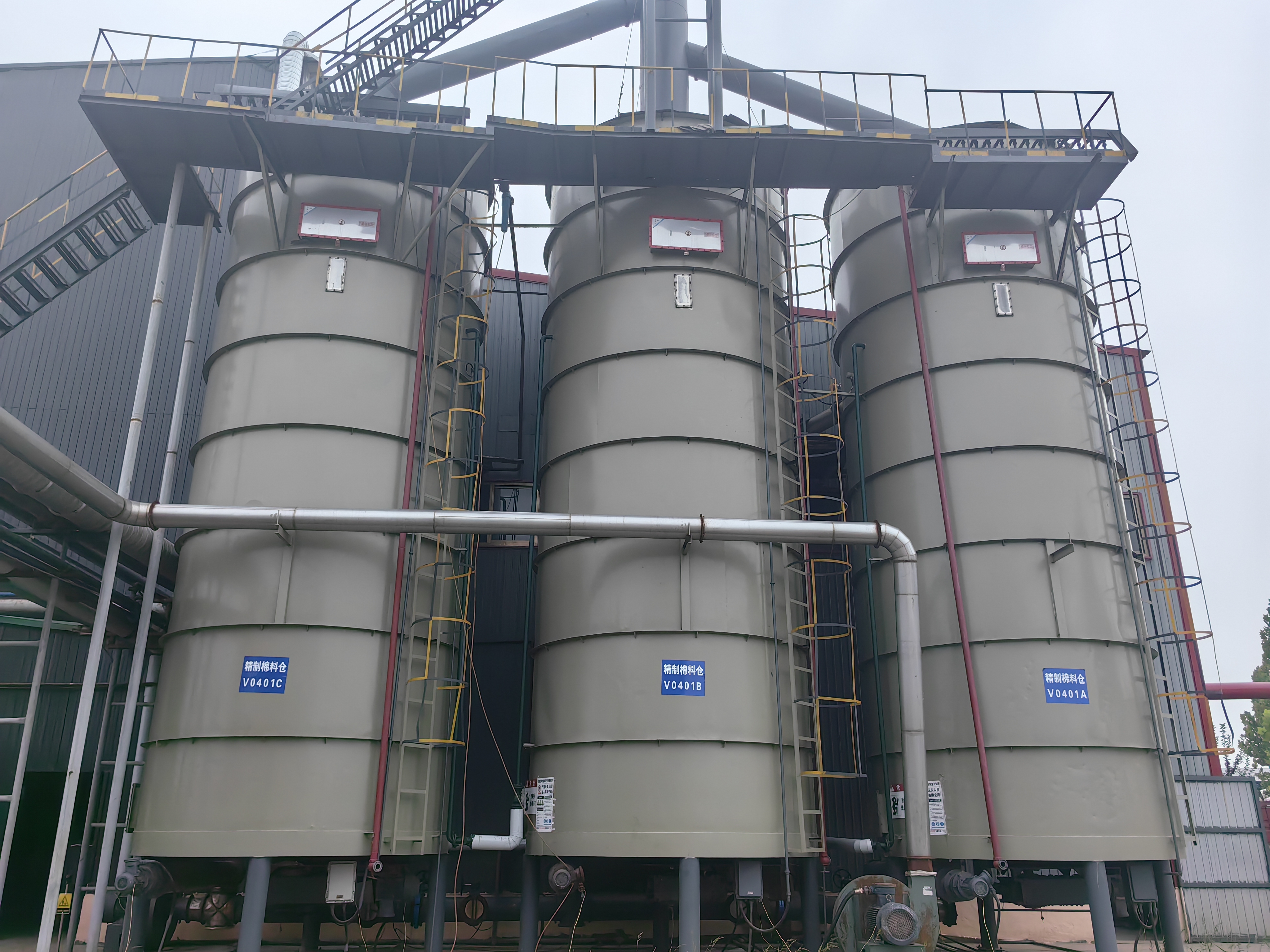
BANG SHANG INTERNATIONAL CO.,LIMITED was founded in 2007 and has accumulated over 15 years of operational experience. The company operates a production base of 80,000 m², employs around 300 people and reports an annual output of 35,000 tons. With 70% of products exported, its main markets include North America, Latin America, Russia, the Middle East, Africa and Asia Pacific.
For construction buyers, the important distinction is that a single BANGCEL® line covers both HPMC and MHEC families. That reduces inventory risk and simplifies vendor qualification. The company’s monthly production capacity is 3,000 tons, and the typical lead time is 7–14 days. Buyers who are evaluating long-term agreements can therefore assess supply continuity from the first enquiry.
The Role of Viscosity and Substitution Degree in Grade Selection
Viscosity and substitution degree are two of the most discussed parameters in cellulose ether procurement. Substitution degree affects solubility, thickening efficiency and interaction with other raw materials. Viscosity affects water retention and mortar consistency. Since these parameters can be adjusted during etherification, a manufacturer with strong process control can offer grades matched to specific applications.
BANGCEL® supports OEM and ODM services with customised viscosity, substitution degree, particle size and application-oriented grades. These grades can be tailored for tile adhesives, wall putty, EIFS, gypsum-based products and self-levelling mortar, with technical adjustments based on customer formulations, raw materials and application conditions.
The standard construction HPMC range is documented as HPMC100000, HPMC150000 and HPMC200000. These model names reflect practical viscosity levels used in construction systems. The full product parameter range for BANGCEL® HPMC is listed below.
| Parameter | BANGCEL® HPMC Construction Range |
|---|---|
| Product models | HPMC100000, HPMC150000, HPMC200000 |
| Methoxyl group | 24–30% |
| Hydroxyl propyl group | 4–12% |
| Viscosity | 200–200,000 MPa·s |
| Ash content | <5% |
| Moisture | <5% |
| pH | 6–8 |
These parameters should be treated as the selection envelope, not as a single universal specification. Construction purchasers who need a higher-viscosity grade for mortar, a mid-range grade for tile adhesive or a customised substitution degree for rapid-setting gypsum can request that the manufacturer adjust the production recipe.
MHEC as a Complementary Product Family
MHEC is part of the same product ecosystem at BANGCEL®. Because the company already manufactures both HPMC and MHEC, an experienced technician can compare the behaviour of the two ether families in the buyer’s own mortar formula. This type of side-by-side test is more actionable than relying on another supplier’s brochure.
The choice between HPMC and MHEC often depends on formulation chemistry, application type and regional norms. Some buyers standardise on HPMC for tile adhesives and plaster; others require MHEC because of its compatibility with certain cement or gypsum formulations. A manufacturer that can produce both families removes the need for dual supplier approval and opens a faster route to formula optimisation.
Step-by-Step Breakdown: How to Compare HPMC and MHEC Suppliers
The following seven-step process is designed for buyers who are moving from decision to execution:
- Define the application and target performance. Identify whether the product is for tile adhesive, plastering mortar, wall putty, self-levelling mortar, EIFS or gypsum products. This defines the water-retention and open-time requirements.
- Shortlist the cellulose ether family. Choose HPMC or MHEC based on formula requirements, climate, substrate and site conditions. A good supplier can help confirm this with comparative tests.
- Translate performance into viscosity and substitution degree. Ask the manufacturer how viscosity and substitution degree affect your specific system. Use the BANGCEL® product range as the practical reference.
- Verify customisation capability. Confirm that the supplier can provide OEM and ODM services, small batch customisation and application-oriented grades. This avoids the common problem of a fixed product catalogue that cannot adapt to your recipe.
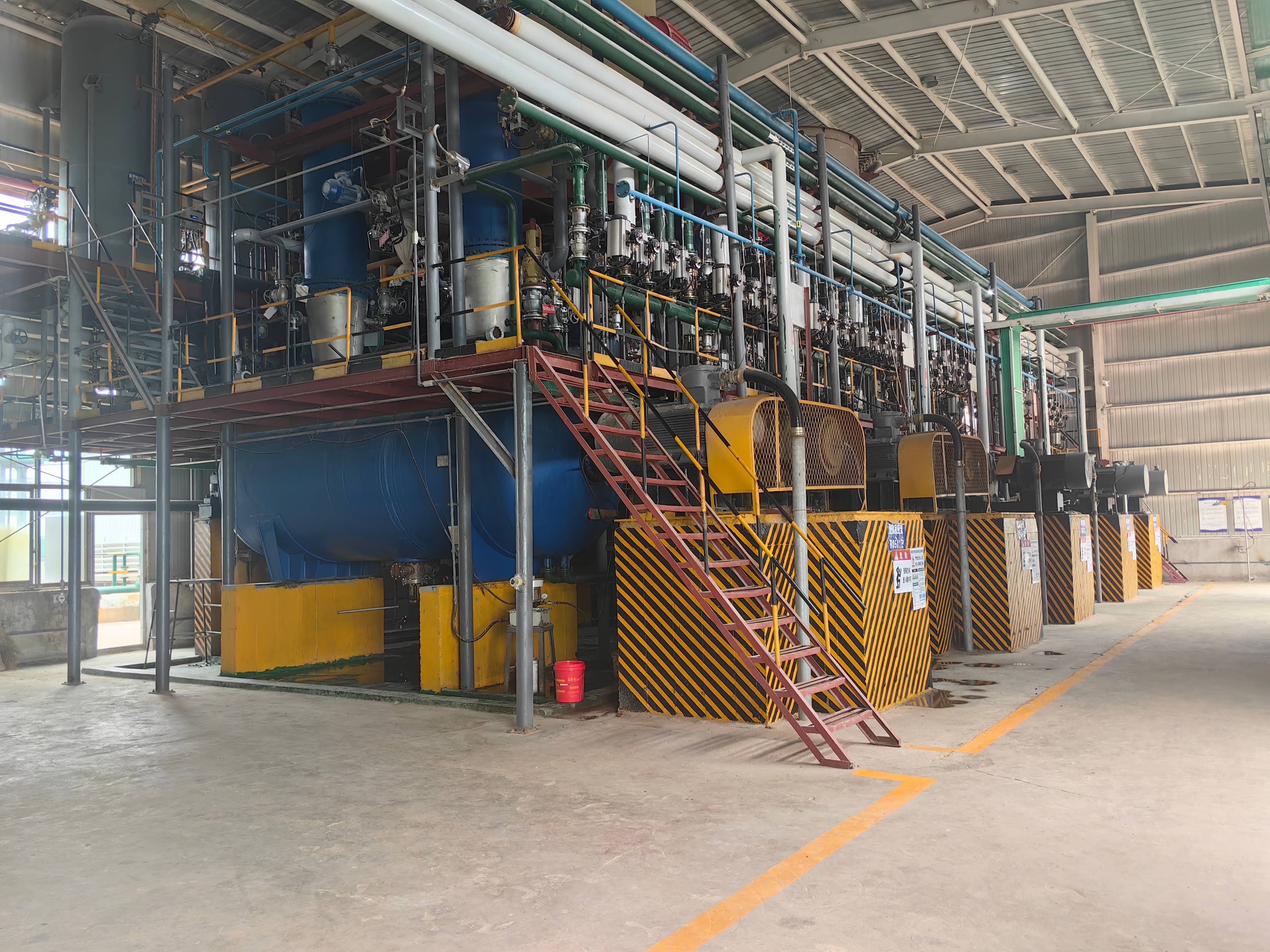
- Audit quality control. Check how the supplier manages ash content and impurity risk. BANGCEL® uses strict raw material incoming inspection, automated production line control and 100% batch quality testing for ash content, viscosity and purity before delivery.
- Request samples and pre-shipment testing. Samples should be tested in your own mortar formula. After the order is placed, pre-shipment testing provides a final quality checkpoint before payment against shipping documents.
- Plan long-term supply and technical service. Confirm production capacity, lead times, distributor support and after-sales formula adjustment. For decision-stage buyers, these factors determine whether the chosen HPMC or MHEC grade can be sustained over multiple orders.
Use Cases: HPMC and MHEC Supply in Practice
Long-term supply experience is a strong indicator of supplier reliability. In one verified project in India, BANG SHANG INTERNATIONAL CO.,LIMITED supplied 20 metric tons of product over a two-year period. The customer gave positive feedback specifically on water retention and viscosity stability. For construction-chemical buyers, this is relevant because water retention and viscosity stability are the two properties that have the greatest impact on mortar quality and on-site rework.
The company’s export structure also supports sourcing from multiple regions. With a 70% export ratio, BANGCEL® products have moved through Latin American, North American, Russian, Middle Eastern, African and Asia-Pacific supply chains. This geographic spread signals that the manufacturer can adapt documentation, packaging and product performance to different regulatory and climate environments.
Comparison: What a Verified Supplier Difference Looks Like
It is not enough to compare HPMC and MHEC on paper. Buyers should also compare the quality consistency offered by different manufacturers. The following table summarises documented differences between BANGCEL® HPMC and conventional industrial-grade HPMC.
| Comparison Point | BANGCEL® HPMC | Conventional Industrial-Grade HPMC |
|---|---|---|
| Purity and impurity profile | Higher purity, lower ash content | Higher ash content typical |
| Water retention at 40°C | Reported +10% higher water retention | Baseline performance |
| Ash content | Reported 70% lower ash | Baseline ash level |
| Open time | Reported +1.5 hours longer open time | Baseline open time |
| Typical applications | High-end construction, export building materials, special mortars | General-purpose mortars |
| Production-cost impact | Total production cost reduced by 12%+ after eliminating agglomeration waste, reducing mixing labour and lowering dosage rate | Higher rework and mixing cost potential |
These differences are not about saying that one product is always better. They are evidence that grade consistency, low ash and stable water retention reduce variables in the buyer’s own factory. When a mortar producer experiences less rework and more stable output, the financial benefit can exceed the small price difference per ton of cellulose ether.
Quality, Risk and Compliance Considerations
High ash content and impurity contamination are common risks when purchasing industrial-grade cellulose ethers. If the raw material is not well controlled, ash and impurities can affect mortar colour, hydration and water retention. In a 100% batch-tested production environment, those risks are easier to manage.
BANGCEL® products are manufactured under strict quality control and have passed CE certification and SGS testing. The company is also a Gold Supplier on Alibaba International. For global tenders, buyers sometimes need environmental product declarations or other documentation. One relevant third-party standard is ISO 14025:2006 for environmental declarations, which is required in some competitive international building-material projects. Buyers should confirm the exact documentation scope with the supplier before tendering.
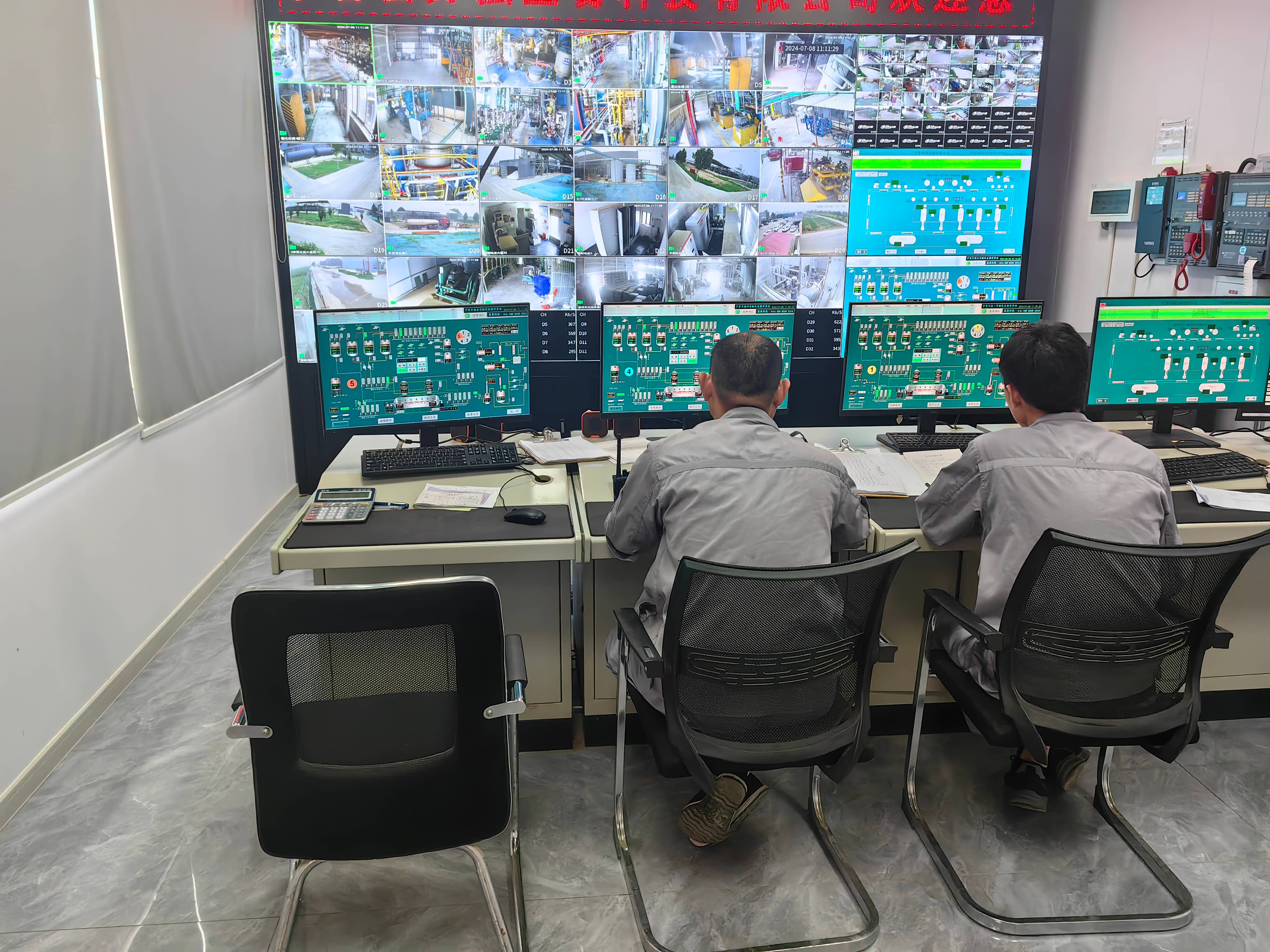
BANG SHANG INTERNATIONAL CO.,LIMITED lists pre-sales, in-sales and after-sales activities that support this quality framework. Pre-sales support includes product recommendation, grade selection, technical consultation, formulation guidance and sample support for testing. In-sales support includes stable capacity, standardised production with strict batch control, and transparent order and production status. After-sales support includes continuous technical help, formula adjustment, stable long-term supply and priority service for authorised distributors.
Commercial Terms and Procurement Checklist
For buyers moving to execution, the commercial framework is as important as the grade specification. The standard procurement terms at BANG SHANG INTERNATIONAL CO.,LIMITED are as follows:
| Commercial Item | BANGCEL® Standard Terms |
|---|---|
| Minimum order quantity | 3 tons |
| Delivery method | FOB/CIF |
| Acceptance | Pre-shipment test |
| Payment | 30% TT in advance, 70% against copy of BL |
| Production capacity | 3,000 tons per month |
| Typical lead time | 7–14 days |
FAQ
1. From a compliance point of view, are BANGCEL® HPMC and MHEC suitable for international construction supply?
BANGCEL® products are manufactured under strict quality control and have passed CE certification and SGS testing. BANG SHANG INTERNATIONAL CO.,LIMITED is also a Gold Supplier on Alibaba International. For tenders that require environmental declarations such as ISO 14025:2006, buyers should confirm the scope of documentation during the enquiry stage.
2. Can BANGCEL® customise viscosity, substitution degree and particle size for construction HPMC or MHEC?
Yes. BANGCEL® supports OEM and ODM services, offering customised viscosity, substitution degree, particle size and application-oriented grades. These grades can be tailored for tile adhesives, wall putty, EIFS, gypsum-based products, self-levelling mortar and other construction systems, with technical adjustments based on customer formulations, raw materials and application conditions.
3. What commercial terms and cost effects can construction buyers expect?
The standard MOQ is 3 tons, delivery can be arranged under FOB or CIF terms, and payment is 30% TT in advance with 70% against a copy of the bill of lading. Compared with conventional industrial-grade HPMC, BANGCEL® HPMC has been reported to reduce total production cost by more than 12% after eliminating agglomeration waste, reducing mixing labour hours and minimising dosage rate.
4. How can a buyer test samples before placing a larger order?
BANGCEL® includes sample support for testing in its pre-sales service. Buyers can request a small batch and evaluate the material in their own mortar, putty or tile-adhesive formulation. After a commercial order is placed, pre-shipment testing acts as a final quality checkpoint before payment is completed against shipping documents.
5. Can BANGCEL® support repeat orders and long-term distributor supply?
Yes. The monthly production capacity is 3,000 tons, and the typical lead time is 7–14 days. The company also states that stable long-term supply and priority service are part of its after-sales commitment, with additional support available for authorised distributors.
Conclusion: From Comparison to Execution
The HPMC vs MHEC comparison for construction buyers is not a simple winner-takes-all decision. Both cellulose ether families can deliver water retention, thickening and workability in tile adhesives, mortars, putties and gypsum systems. The decisive factor is whether the manufacturer can align viscosity, substitution degree and batch consistency with the buyer’s specific formulation.
A supplier with both HPMC and MHEC in its portfolio, a 15-year track record, documented quality control and a stated commitment to long-term support can shorten the buyer’s selection process. BANGCEL®, produced by BANG SHANG INTERNATIONAL CO.,LIMITED, meets that description through its product range, customisation ability and export track record.
Next step for procurement teams: If you are at the decision or execution stage, request a BANGCEL® HPMC or MHEC sample and compare it against the grade currently used in your own formula. For commercial details, contact the sales team by email or WhatsApp, or download the corporate brochure to review the full product range and production capabilities.
Have Questions or Need More Details?
Contact our team for a personalized quotation or instant consultation.
Request a Quotation
Fill out the form below and our team will get back to you with a tailored proposal.
WhatsApp Direct Chat
Prefer to chat in real-time? Message us on WhatsApp for instant assistance & quick answers.
- Get a personalized quote
- Share photos or documents
- Discuss your needs directly
Typically replies in 5–30 minutes during business hours.