HPMC vs. RDP: A Head-to-Head Decision Guide for Construction & Decoration Formulators
HPMC vs. RDP: A Head-to-Head Decision Guide for Construction & Decoration Formulators
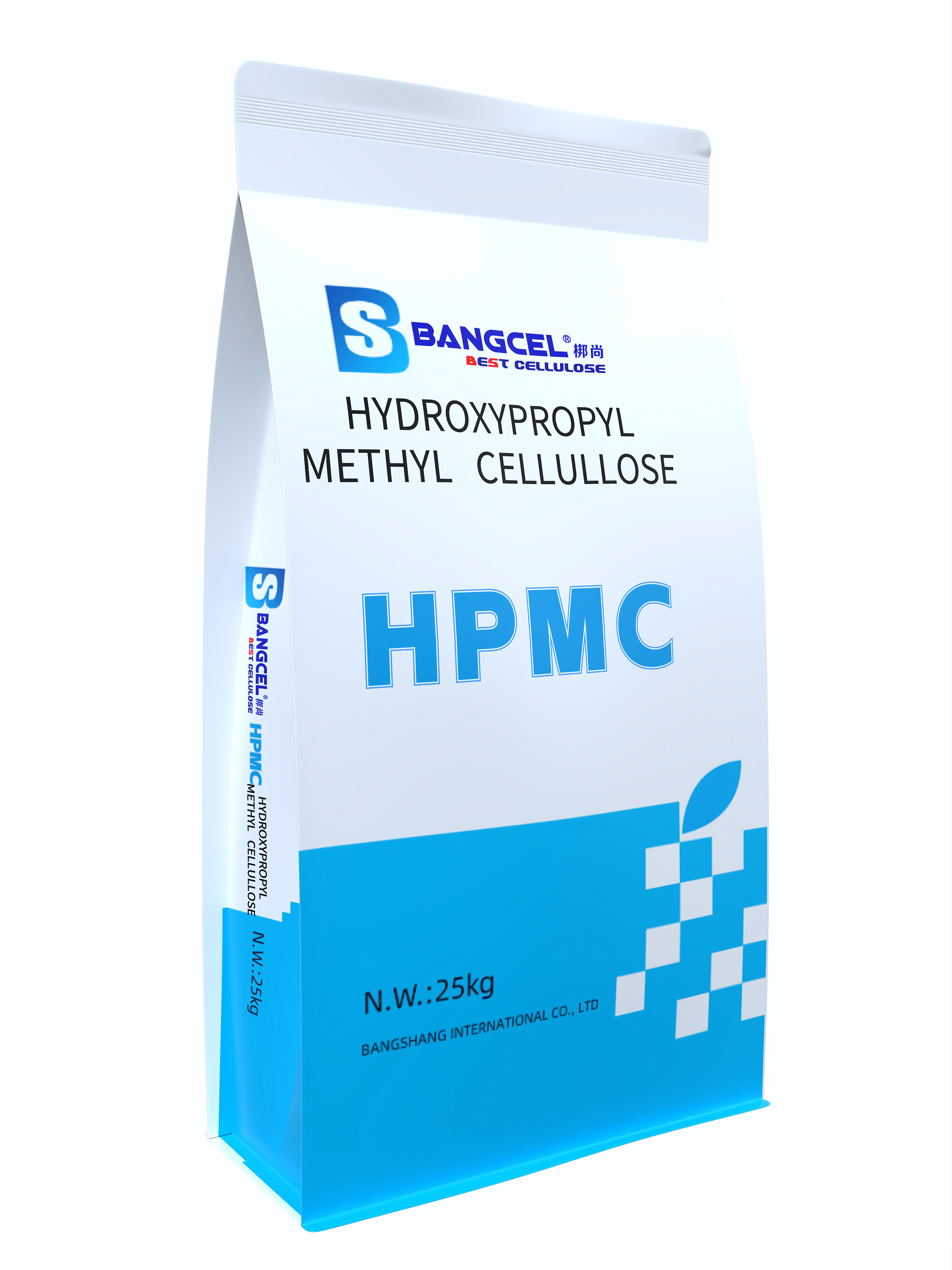
Short answer: HPMC and RDP are not substitutes for one another. Hydroxypropyl methyl cellulose (HPMC) is a cellulose ether used to control water retention, thickening and rheology in the wet mix. Redispersible polymer powder (RDP) is a powdered polymer additive used as a binder component in dry-mix systems. A formulator usually qualifies both — but in a different order, against different acceptance parameters, and with different quality documentation. The real decision is which additive to prioritise in the next formulation cycle, what to customise, and what evidence to demand before scaling.
This guide is written for construction and decoration formulators at the research-to-evaluation stage, when grades are being shortlisted and samples are being scheduled. BANGCEL®, the construction chemical additives brand of BANG SHANG INTERNATIONAL CO.,LIMITED, manufactures both HPMC and RDP, along with MHEC, HEC, CMC and related additives. A single-source view makes the comparison practical: the same quality system, the same customization programme and the same commercial terms apply to both lines, so the decision can be made on function rather than on supplier logistics.

Why the HPMC-versus-RDP question is usually framed the wrong way
The comparison is often set up as an either/or cost decision. In practice, three framing errors make that comparison unreliable.
- The two additives address different failure modes. HPMC is used for water retention, thickening, bonding strength and workability in construction dry-mix materials, and it is positioned against cracking, sagging and poor constructability. RDP belongs to the polymer binder side of a dry-mix design. Judging one against the other on a single performance axis produces a conclusion that does not survive a trial.
- Dosage levels are not comparable, so cost per tonne of additive misleads. Supplier-published guidance for dry-mix mortar places HPMC at roughly 0.2–0.6% by weight of the total dry mix. At that addition level, the additive is a small fraction of the finished product, and cost should be modelled per tonne of finished dry mix, not per tonne of purchased powder.
- Quality evidence is asymmetric. HPMC supplied under the BANGCEL® programme is supported by 100% batch testing for ash content, viscosity and purity before delivery. The same standard of evidence should be requested for any RDP grade being evaluated, because a certificate that covers a factory is not the same thing as a batch record that covers your shipment.
Decision rule used throughout this guide: if the wet-mix behaviour of your formulation is the open risk (water retention, sag, open time, workability), qualify HPMC first. If the hardened-state performance carried by the polymer binder is the open risk, qualify RDP first. When both are open, run the two qualification tracks in parallel and keep the acceptance parameters separate.
What 2026 supply conditions mean for the decision
Published market research places the global HPMC market at approximately USD 2.038 billion in 2026, with construction applications accounting for roughly 60% of total HPMC demand (Market Research Reports, August 2026; Business Research Insights, April 2026). The same research estimates that China contributes more than 55% of global HPMC production capacity — which is why most formulators end up evaluating Chinese-origin supply for the cellulose ether side of the formulation.
Two price-related points matter at the evaluation stage. First, the average global price for HPMC across all grades was estimated at USD 4,450 per metric ton in 2025. That figure is a market average, not a quote: viscosity grade, packaging, Incoterm and destination move the number materially, and grades such as HPMC100000, HPMC150000 and HPMC200000 are priced differently within the same catalogue. Second, this guide does not use a verified market-size or price figure for RDP, because none was available in the data reviewed. RDP is therefore discussed below by role, documentation and qualification path rather than by benchmark price.
One further technical marker is worth carrying into grade selection: low-viscosity HPMC below 40,000 mPa.s is primarily associated with self-leveling compounds and machine-sprayed mortars, while higher-viscosity grades serve putty, tile adhesive and plastering applications.
The functional difference, stated plainly
HPMC is a non-ionic, water-soluble cellulose ether. The standard specification envelope for the BANGCEL® construction range lists methoxyl content of 24–30%, hydroxypropyl content of 4–12%, viscosity from 200 to 200,000 mPa.s, ash content below 5%, moisture below 5% and pH of 6–8. Documented models are HPMC100000, HPMC150000 and HPMC200000.
RDP is a redispersible polymer powder: a polymer supplied in powder form that is designed to redisperse when the dry mix is combined with water. In a dry-mix formulation it is generally handled as the polymeric binder component rather than as a rheology modifier. Documented models in the same portfolio are RDP5010, RDP6188 and RDP4010.
Because both products sit inside one manufacturing and quality system, the practical comparison is not "which is better" but "which one carries the risk in this formulation, and what evidence closes that risk".
Five decision criteria for choosing between them
1. Application priority across your portfolio
Map your finished-product book before ranking suppliers. If the bulk of your volume is wall putty, tile adhesive, plastering mortar or gypsum-based plaster, HPMC is the higher-frequency purchase and the parameter most likely to affect complaint rates. If a significant share of your portfolio is specified around polymer-modified dry-mix systems, RDP is the line where grade selection carries more commercial weight. Sorting the portfolio this way usually settles the question of which qualification track starts first.
2. Customization requirements
HPMC customization is parameter-level: viscosity, particle size, ash content, degree of substitution (DS/MS) and water retention rate can all be adjusted, with custom grades, custom formulations and blending available for application-oriented specifications. For RDP, grade selection runs through the documented models RDP5010, RDP6188 and RDP4010; grade-specific customization limits should be confirmed against the target formulation rather than assumed from the HPMC options.
3. OEM/ODM support
The OEM/ODM programme covers product parameter customization, formula and grade customization including custom formulation, custom grade and blending and compounding, packaging customization including custom logo printing, packaging specification, shipping mark and custom label, and service customization including small-batch customization and customized testing. The R&D team has 26 engineers, which is the resource behind formulation-level adjustments when a customer's raw materials or application conditions change.
4. Quality assurance
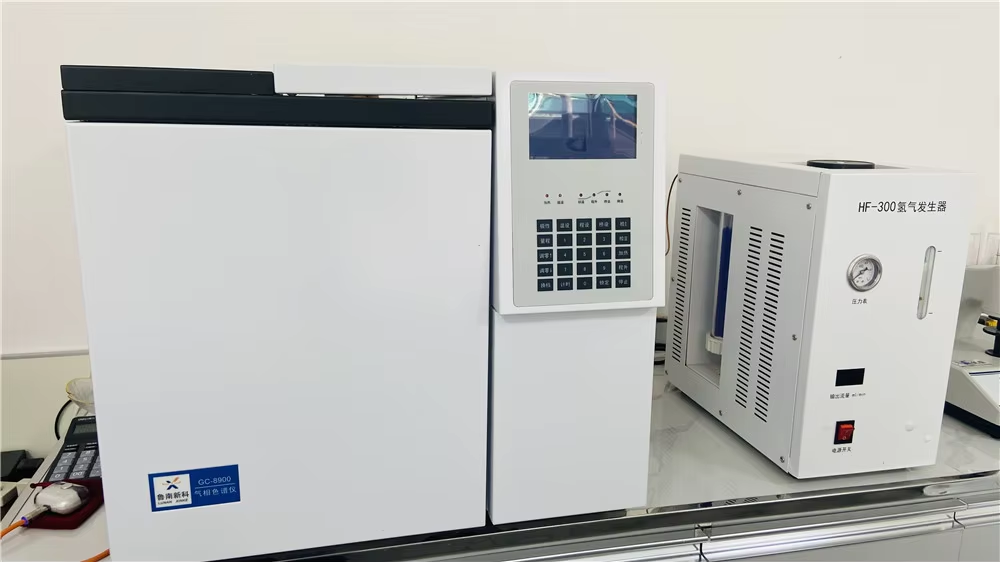
For HPMC, 100% batch testing covers ash content, viscosity and purity before delivery. Those three parameters are exactly where incoming-material disputes usually start: ash content affects the inorganic load in the finished mortar, viscosity determines whether a grade can be substituted without reformulating, and purity separates a construction-grade cellulose ether from a diluted or blended product. The published laboratory capability documentation for the site includes instruments such as a viscometer tester and an electronic moisture meter used in routine parameter checks. For RDP, the equivalent question is which batch-level test records accompany the grade.
5. Certification coverage
Certification answers a different question than batch testing, and both are needed at the evaluation stage. The site holds a Quality Management System certificate numbered 86525Q1069R0M, issued by HQC to the GB/T19001-2016/ISO9001:2015 standard, with a stated scope covering cellulose ether and RDP powder, valid from 2 September 2025 to 1 September 2028 and applicable to the global market. HPMC manufacturing is additionally covered by an Occupational Health and Safety Management System certificate, number 86525S1067R0M, certified to GB/T45001-2020/ISO45001:2018, and by an Environmental Management System certificate, number 86525E1068R0M, certified to GB/T24001-2016/ISO14001:2015, applicable to the global market excluding the EU.
Step-by-step: how to run the evaluation
The sequence below keeps the two additive tracks separate while sharing one supplier qualification file.
- Classify each formulation by open risk. For every product in your book, write down whether the unresolved problem is wet-mix behaviour or hardened-state performance. This determines which additive is qualified first in that line.
- Fix acceptance parameters before requesting samples. For HPMC, define target viscosity with the test method, concentration and temperature stated, plus ash, moisture, pH and substitution limits. For RDP, define the grade and the batch documentation required.
- Harmonise the viscosity method. Grade names such as 100K, 150K and 200K refer to viscosity tiers, but published values are method-dependent: one supplier lists a 200K grade at 180,000–240,000 mPa.s by NDJ at 2% concentration and 70,000–80,000 mPa.s by Brookfield at 2%, while another publishes 180,000–220,000 mPa.s on a method-defined basis. Values from different methods should not be compared directly.
- Request batch records, not only certificates. Ask for the batch test result covering ash content, viscosity and purity on the shipment you will receive, and confirm which test records accompany RDP grades.
- Trial at your own dosage and raw materials. Use the supplier dosage range as a starting point only — 0.2–0.6% by weight of total dry mix is published guidance for HPMC in dry-mix mortar, not a specification for your formulation. Adjust for your cement, filler and fibre package.
- Lock customization and commercial terms. Confirm packaging, labelling, shipping mark and any parameter changes, then verify MOQ, lead time and capacity against your production calendar.

Where each additive enters the formulation
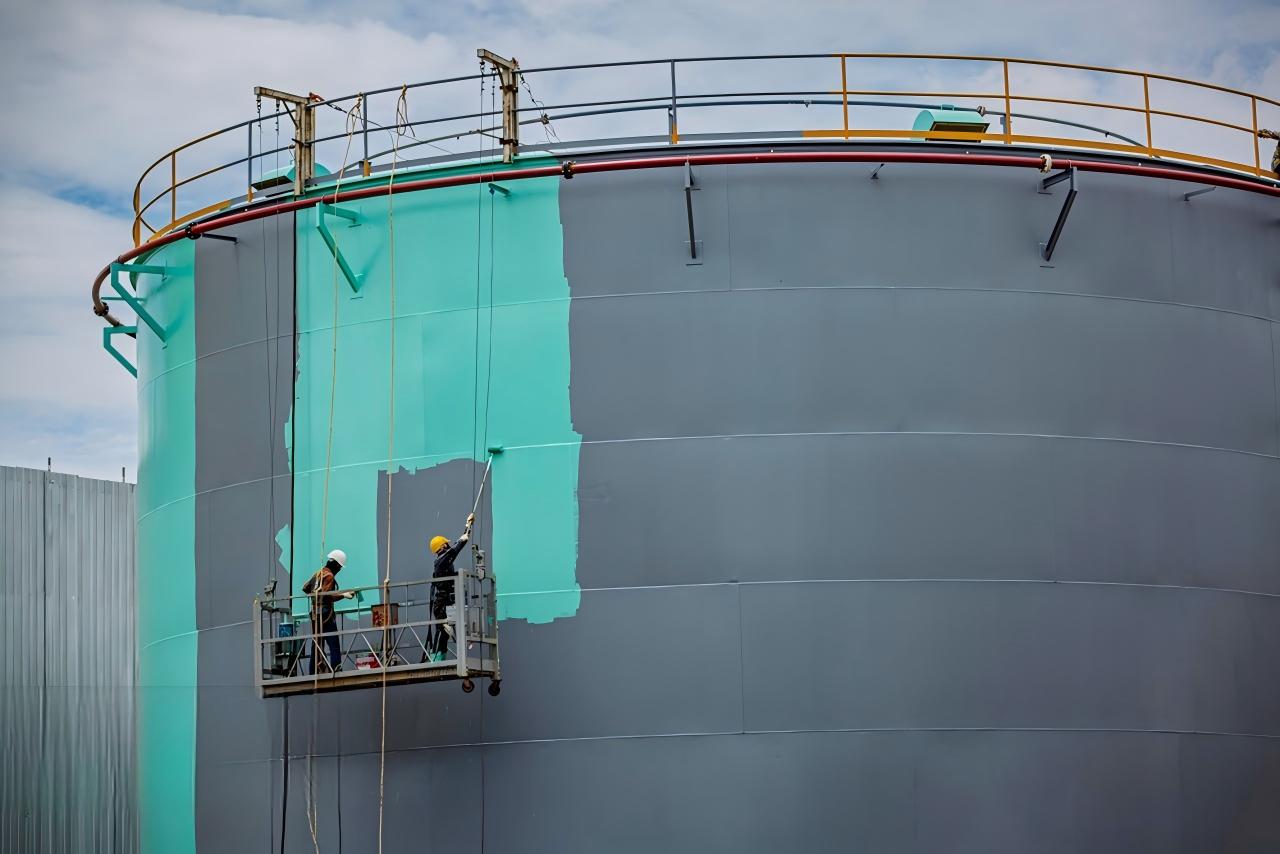
The application list below follows the documented application scope for construction-grade HPMC — tile adhesives, dry-mixed mortar, wall putty, skim coat, joint filler, self-leveling products, and cement- or gypsum-based plaster — together with external wall insulation and finish systems and water-based coatings.
- Tile adhesive: HPMC carries water retention and workability at low dosage; polymer modification is handled on the RDP side of the formulation where the specification requires it.
- Wall putty and skim coat: the highest-frequency HPMC application in most decoration portfolios, and the one where ash content and viscosity consistency show up fastest in the finished surface.
- Self-leveling compounds: low-viscosity HPMC below 40,000 mPa.s is the recognised starting band.
- Plastering and gypsum-based mortar: water retention and open time dominate grade choice; low substitution tolerance makes batch consistency the deciding factor.
- External wall insulation and finish systems (EIFS/ETICS): both additive tracks are typically active, which is where a combined supplier file saves evaluation time.
- Water-based coatings and industrial detergent formulations: HPMC-based, in a different performance role — rheology modification and thickening, including detergent-grade viscosity tiers such as those published by detergent-grade suppliers at 80,000–240,000 mPa.s by NDJ at 2%.
A construction chemicals manufacturer in India has run dry-mix mortar and water-based paint production with 20 MT of BANGCEL® HPMC per cycle over a two-year relationship, reporting excellent water retention and citing high purity and stable viscosity as the deciding factors. That pattern is typical: the additive that decides reorder behaviour is usually the one whose batch-to-batch variance is smallest, not the one with the lowest quoted unit price.
Head-to-head comparison table
| Decision dimension | HPMC (BANGCEL®) | RDP (BANGCEL®) |
|---|---|---|
| Material classification | Non-ionic, water-soluble cellulose ether | Redispersible polymer powder |
| Role in a dry-mix formulation | Water retention, thickening, workability and rheology control in the wet mix | Polymeric binder component on the hardened-state side of the formulation |
| Documented models | HPMC100000, HPMC150000, HPMC200000 | RDP5010, RDP6188, RDP4010 |
| Published parameter envelope | Methoxyl 24–30%; hydroxypropyl 4–12%; viscosity 200–200,000 mPa.s; ash <5%; moisture <5%; pH 6–8 | Grade-specific technical data to be requested per model |
| Batch-level quality evidence | 100% batch testing for ash content, viscosity and purity before delivery | Batch test documentation to be requested per grade |
| Certification coverage | ISO 9001:2015 (86525Q1069R0M, scope includes cellulose ether); ISO 45001:2018 (86525S1067R0M) and ISO 14001:2015 (86525E1068R0M) for HPMC manufacturing | ISO 9001:2015 certificate 86525Q1069R0M states a scope covering RDP powder |
| Customization options | Viscosity, particle size, ash content, degree of substitution, water retention rate, custom grade and blending, packaging and labelling | Grade selection across the documented models, with customization limits confirmed per grade |
| Commercial parameters | Shared programme terms: MOQ 3 tonnes, lead time 7–14 days, monthly capacity 3,000 tonnes, export markets worldwide excluding the EU | |
| Dosage reference used in this guide | 0.2–0.6% by weight of total dry mix (supplier-published guidance) | No verified dosage figure applied in this guide |
| Price reference used in this guide | Market average across all HPMC grades ≈ USD 4,450 per tonne in 2025 (market estimate, not a grade quote) | No verified price figure applied in this guide |
Frequently asked questions
Does the ISO 9001 certificate cover both HPMC and RDP?
Yes, on scope. The Quality Management System certificate numbered 86525Q1069R0M, issued by HQC to GB/T19001-2016/ISO9001:2015, states a scope covering cellulose ether and RDP powder, is valid from 2 September 2025 to 1 September 2028 and applies to the global market. HPMC manufacturing is additionally covered by an Occupational Health and Safety Management System certificate (86525S1067R0M, GB/T45001-2020/ISO45001:2018) and an Environmental Management System certificate (86525E1068R0M, GB/T24001-2016/ISO14001:2015, global market excluding the EU). Buyers should still confirm that their destination market and specific grade fall inside the stated scope.
Can one supplier deliver customized HPMC and RDP grades at the same time?
Yes. The OEM/ODM programme covers product parameter customization (viscosity, particle size, ash content, degree of substitution, water retention rate), formula and grade customization including custom formulation, custom grade and blending and compounding, packaging customization including custom logo printing, packaging specification, shipping mark and custom label, and service customization including small-batch customization and customized testing. The R&D team has 26 engineers, and monthly capacity is 3,000 tonnes with export markets worldwide excluding the EU.
How should a formulator budget HPMC against RDP?
Budget per tonne of finished dry mix rather than per tonne of additive. Supplier-published guidance places HPMC at roughly 0.2–0.6% by weight of the total dry mix, so a change in unit price moves the finished-product cost far less than a change in the RDP side of the formulation. For reference, the average global price for HPMC across all grades was estimated at USD 4,450 per metric ton in 2025 — a market average that should not be used as a grade quote, because HPMC100000, HPMC150000 and HPMC200000 price differently and packaging and Incoterm change the landed figure. No verified RDP price benchmark was used in this guide, so a grade-specific quote is the correct input for that side of the model.
What should a sample request contain so the trial is comparable?
Specify the application, the target viscosity with test method, concentration and temperature, the ash and moisture limits, the dosage range you intend to trial, and the packaging format. Ask for the batch test result covering ash content, viscosity and purity, since HPMC is supported by 100% batch testing for those three parameters before delivery. Keep method discipline: a 200K grade published at 180,000–240,000 mPa.s by NDJ at 2% is not directly comparable with a value published on a different method or concentration. Small-batch customization and customized testing are available through the OEM/ODM programme.
What are the commercial terms for a first production order?
The standard programme terms are a minimum order quantity of 3 tonnes, a lead time of 7–14 days and a monthly capacity of 3,000 tonnes, with 100% batch testing before delivery. Sample support is provided before the first order, and technical support continues after delivery for formula adjustment. To start, send your formulation target and destination to admin@sjz-bs.com or WhatsApp +86 13292884619, or review the full product range first.
Conclusion: the decision, reduced to one question
For most construction and decoration formulators, HPMC and RDP are not in competition — they sit on different sides of the same formulation and are qualified against different evidence. HPMC is the cellulose ether that decides wet-mix behaviour, and in the BANGCEL® programme it is supported by 100% batch testing for ash content, viscosity and purity before delivery. RDP is the redispersible polymer powder that belongs to the binder side of the design, documented under the same ISO 9001 scope and the same OEM/ODM programme.
The practical test is therefore: which open risk is costing you more right now — wet-mix consistency or hardened-state performance? Qualify that additive first, hold both to the same documentation standard, and keep the dosage and price models separate instead of comparing two numbers that were never comparable.
Next step: sample, quote or full catalogue
BANGCEL® supplies HPMC, RDP, MHEC, HEC, CMC and related construction chemical additives from BANG SHANG INTERNATIONAL CO.,LIMITED, founded in 2007, operating an 80,000 m² facility with 300 employees and a 26-engineer R&D team.
Request a sample for trial, ask for a grade-specific quotation, or download the product catalogue: BANGCEL® Product Catalogue (PDF).
Email: admin@sjz-bs.com | Tel / WhatsApp: +86 13292884619 | Website: www.bangshanghpmc.com
Data notes: HPMC market size, construction demand share, production capacity share and the 2025 average price are drawn from published market research (Market Research Reports, August 2026; Business Research Insights, April 2026) and are market estimates, not quotations. Dosage and viscosity figures attributed to suppliers are supplier-published values and are method-dependent. Certification numbers, validity dates, product parameters, batch-testing scope and commercial terms are stated as held by the manufacturer.
Have Questions or Need More Details?
Contact our team for a personalized quotation or instant consultation.
Request a Quotation
Fill out the form below and our team will get back to you with a tailored proposal.
WhatsApp Direct Chat
Prefer to chat in real-time? Message us on WhatsApp for instant assistance & quick answers.
- Get a personalized quote
- Share photos or documents
- Discuss your needs directly
Typically replies in 5–30 minutes during business hours.