BANGCEL® HPMC vs Conventional HPMC: Mortar Buyer's Guide
BANGCEL® HPMC vs Conventional HPMC: A Mortar Buyer's Decision Guide
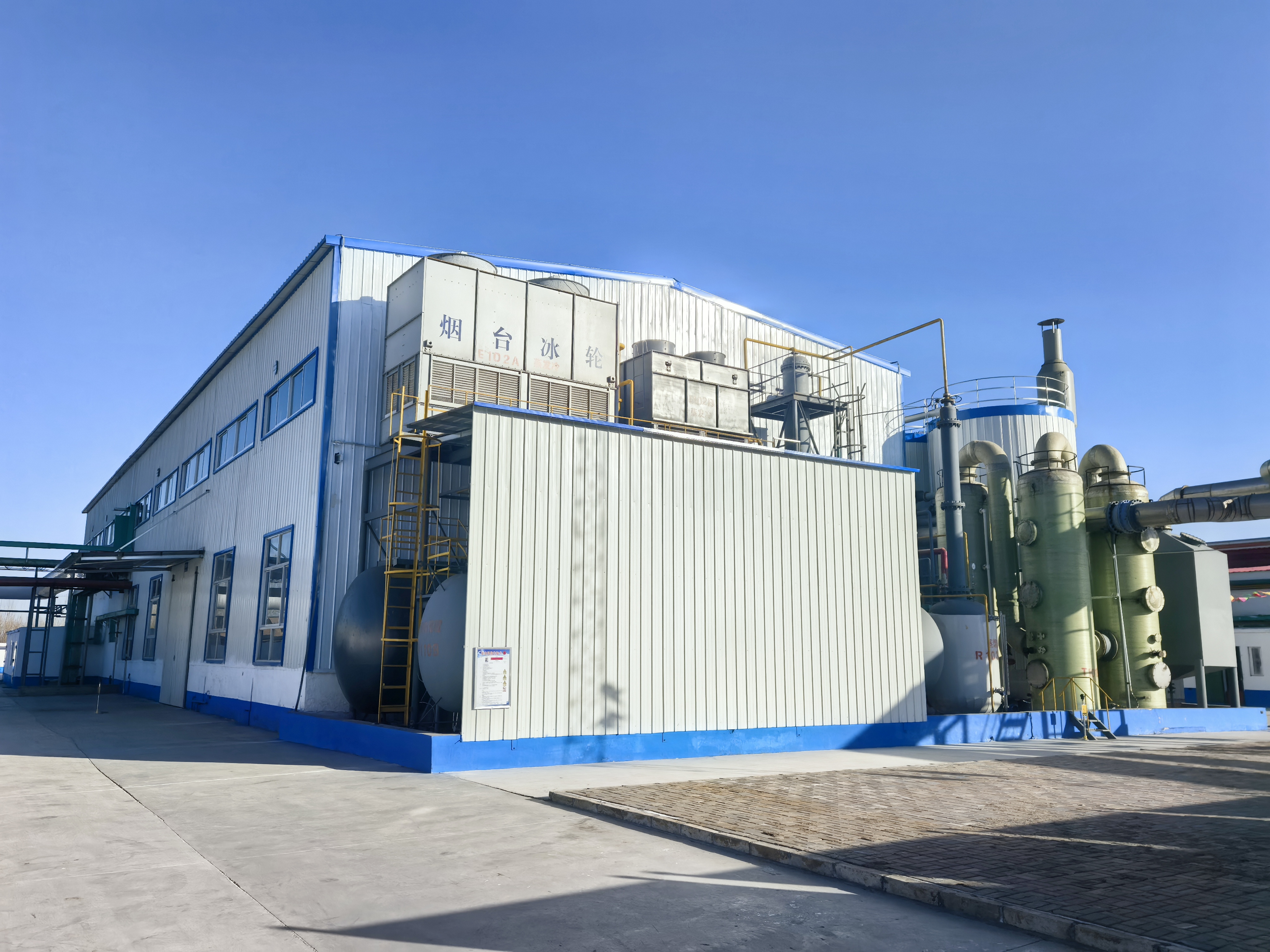
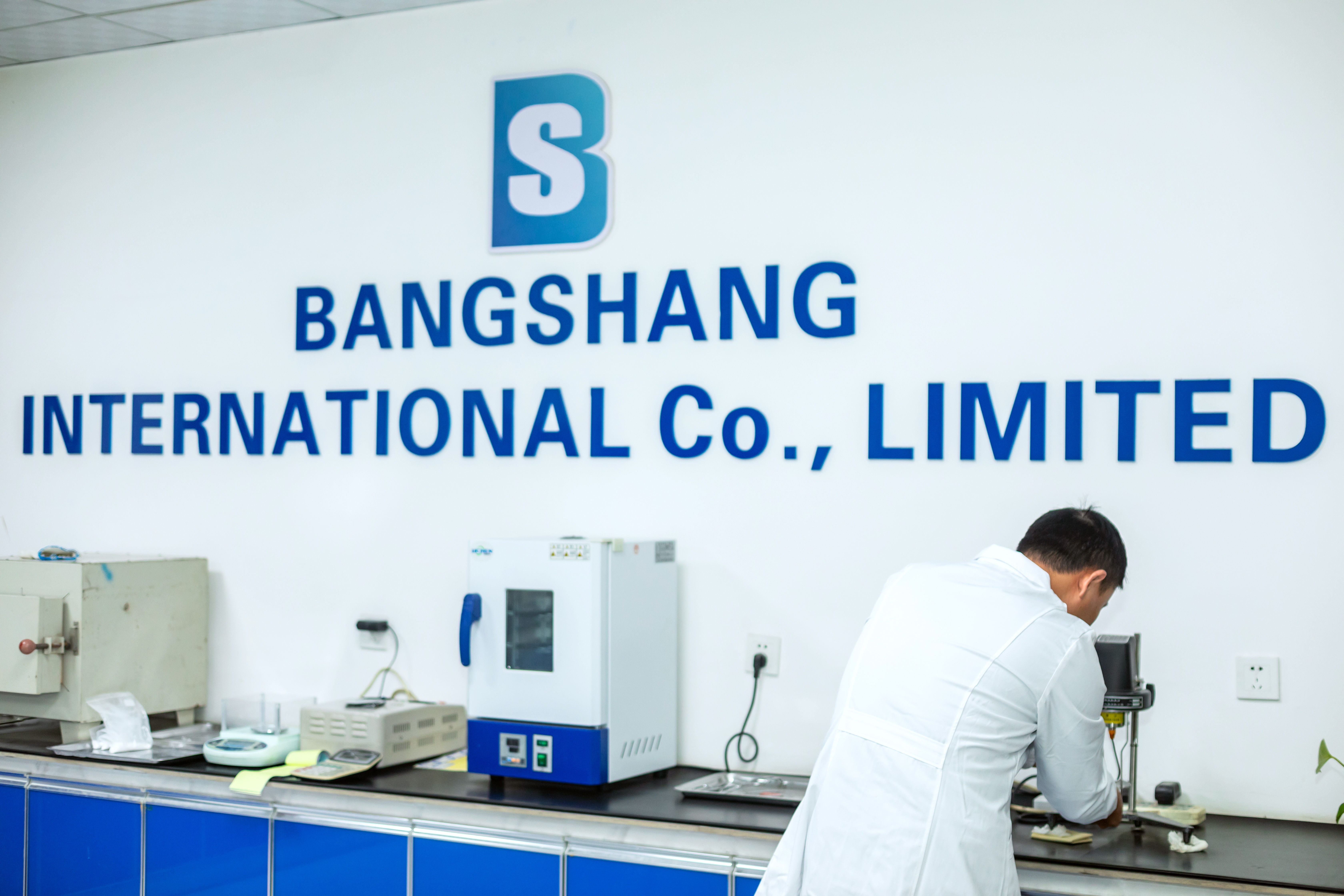
BANGCEL® is a brand of Hydroxypropyl Methyl Cellulose (HPMC) produced by BANG SHANG INTERNATIONAL CO., LIMITED, a professional manufacturer and global supplier of construction chemical additives based in Jinzhou, Shijiazhuang City, Hebei Province, China. Since 2007, the company has operated an 80,000 m² factory with approximately 300 employees, a 26-person R&D team, and an annual output of 35,000 tons across product lines that include HPMC, MHEC, RDP, HEC, and CMC. This guide compares BANGCEL® HPMC with conventional industrial-grade HPMC for procurement and formulation decisions in construction mortars and related applications.
The Decision Problem: Conventional Industrial-Grade HPMC Varies
When buyers compare HPMC suppliers, the specification sheet alone is rarely enough. Two grades with the same nominal viscosity can differ in ash content, water retention stability, open time, and batch-to-batch consistency. For a mortar manufacturer, these differences show up as longer mixing time, higher rework rate, or mortar that loses workability before the tile is set.
A common quality risk in industrial HPMC sourcing is high ash content and impurities. The practical consequence is unpredictable water retention and viscosity, which forces formulators to over-dose the product to keep performance stable. That over-dosing increases material cost and does not solve the underlying inconsistency. This is the decision problem that a side-by-side comparison must address before a buyer commits to a new grade.
Industry Background: Construction-Grade HPMC in 2026
According to Dataintelo, the global construction-grade HPMC market was valued at USD 1.82 billion in 2025, with cement-based mortars holding the largest application share at 38.4%. Grand View Research reports that construction applications dominated the overall HPMC market with a revenue share above 45% in recent years, driven by HPMC's function as a water-retention agent and thickener.
Industrial grades are a major part of total demand. Industry Research data indicates that industrial-grade HPMC, including detergent and construction types, accounted for 47% of total global HPMC demand in 2024. Asia Pacific is the leading region for HPMC production and consumption, holding approximately 47.3% of the global construction-grade market share, according to Dataintelo.
Adoption rates are also relevant to grade selection. Industry Perspective Research reports that HPMC is used in more than 70% of tile adhesive formulations and more than 65% of dry-mix mortar formulations, primarily for water retention and anti-slip properties. In this market, Infinity Market Research identifies Dow Chemical, Ashland, and Shin-Etsu as the Tier 1 global leaders, collectively controlling more than 50% of the HPMC market. Chinese original manufacturers such as BANG SHANG compete on consistent quality, application-specific grades, and stable long-term supply.
For buyers, the practical consequence of these market trends is that HPMC is no longer a commodity decision. In cement-based mortars, HPMC controls water retention and workability; in tile adhesives, it controls slip resistance and open time; in self-leveling compounds, it controls flow and setting behavior. When a grade underperforms, the failure appears on site, not on the certificate.
BANGCEL® HPMC vs Conventional Industrial-Grade HPMC: The Core Comparison
BANGCEL® HPMC is a construction- and detergent-grade Hydroxypropyl Methyl Cellulose positioned for applications where conventional industrial-grade HPMC reaches its limits. According to supplier comparison data, key differences from conventional HPMC include higher purity, better water retention stability, and longer open time. These attributes make BANGCEL® HPMC more suitable for high-end construction, export building materials, and special mortars.
The quantified performance gap, based on the supplier's comparison testing, includes the following:
- Water retention: +10% higher water retention at 40°C.
- Ash content: 70% lower ash than conventional industrial-grade HPMC.
- Open time: +1.5 hours longer open time.
- Production efficiency: higher production efficiency and consistent product quality.
- Rework: less rework and more stable performance.
These differences are not cosmetic. Water retention determines whether the cement hydrates fully before water is lost to the substrate. Open time determines how much time workers have to adjust tiles. Ash content influences how much inert material enters the formulation. Each parameter can be measured in a quality-control lab, which makes the comparison verifiable rather than subjective.
| Dimension | Observed difference vs conventional industrial-grade HPMC |
|---|---|
| Purity | Higher purity |
| Water retention | +10% higher water retention at 40°C |
| Open time | +1.5 hours longer open time |
| Ash content | 70% lower ash content |
| Production efficiency | Higher production efficiency; consistent product quality |
| Rework and maintenance | Less rework; more stable performance |
| Total production cost | Reduced by 12%+ (eliminated agglomeration waste, reduced mixing labor hours, minimized dosage rate) |
| Best-fit applications | High-end construction, export building materials, special mortars |
Figures are first-party comparison results provided by BANG SHANG INTERNATIONAL CO., LIMITED. Buyers should validate them with sample trials under their own formulations.
How Quality Risk Is Controlled
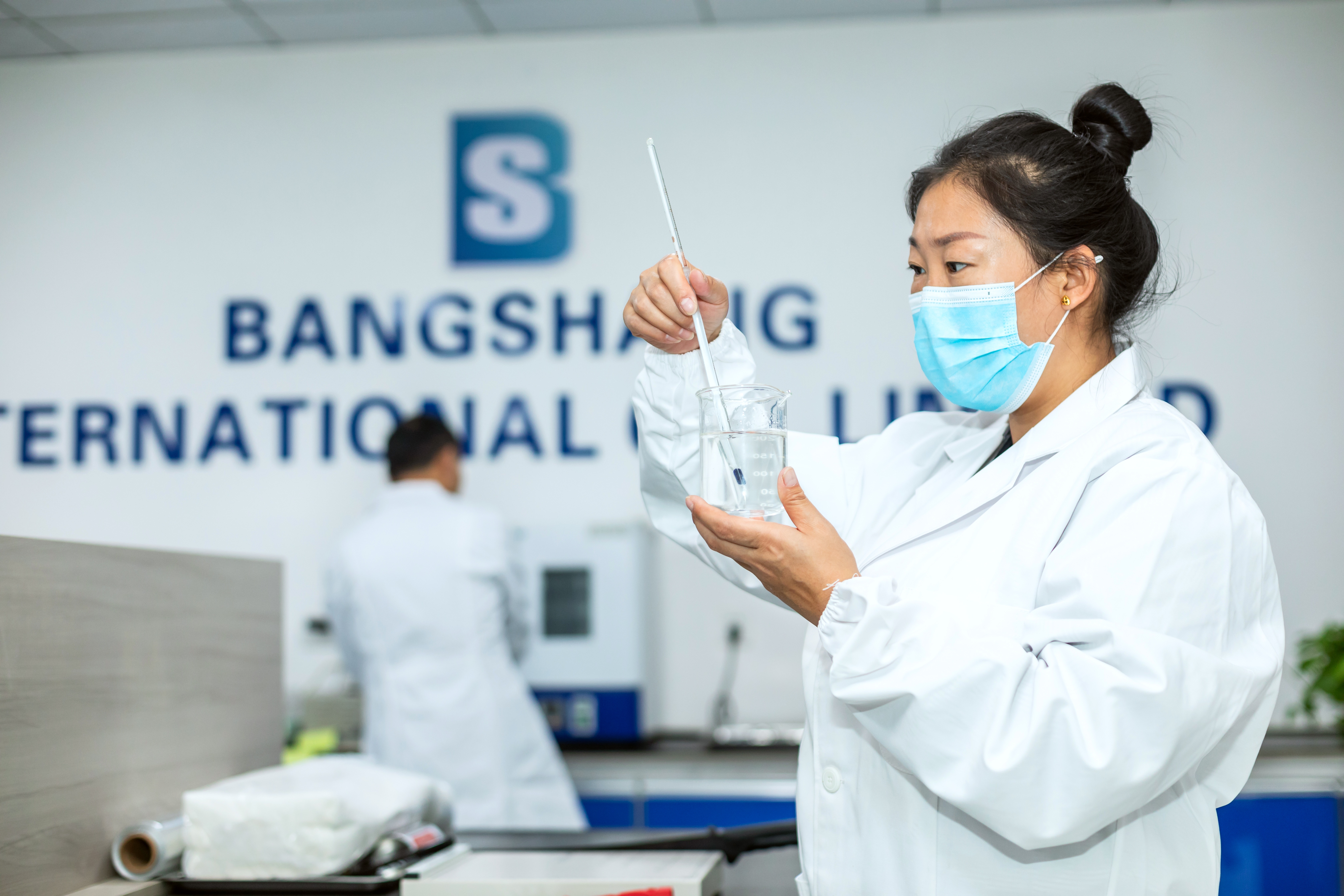
High ash content and impurity risk is the most common quality failure in industrial-grade HPMC. The control method used by BANG SHANG is raw material control and full-process production monitoring. In practice, this means strict raw material incoming inspection, automated production line control, and 100% batch quality testing for ash content, viscosity, and purity before delivery.
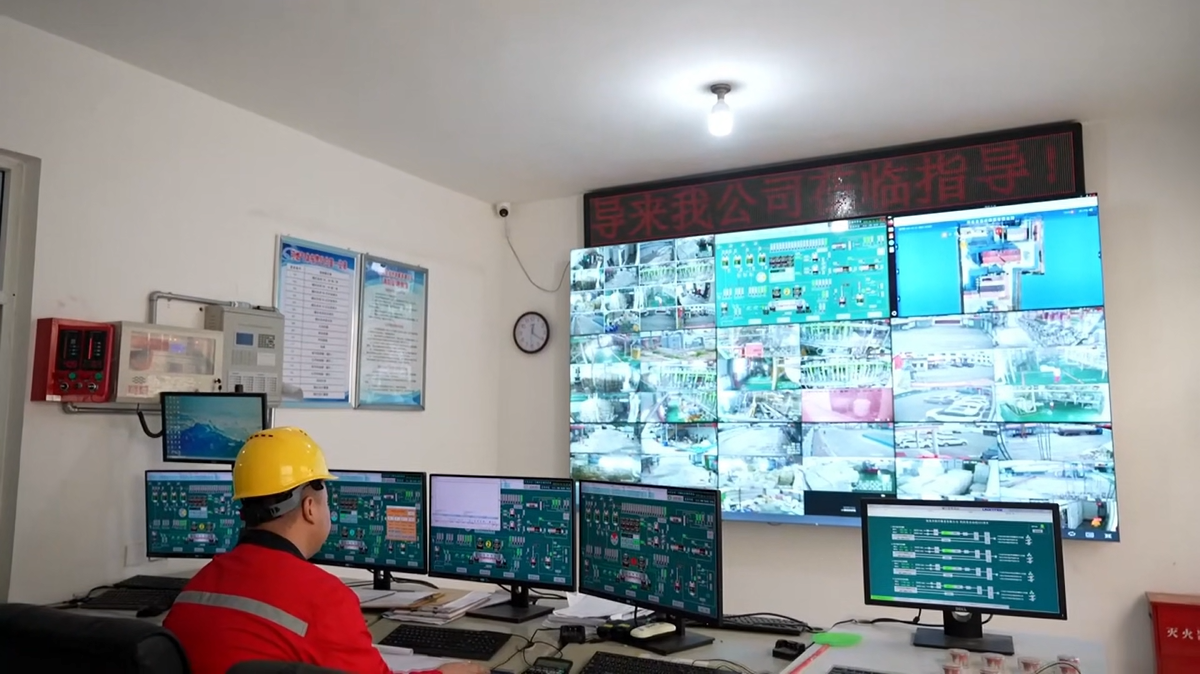
For buyers, the verifiable part of quality control is the test report. The supplier's 100% batch testing policy means every delivered batch should carry data on the parameters that matter to mortar performance, not just a certificate for a single production run.
Step-by-Step: How to Run the Decision
For a procurement team at the decision stage, the comparison can be structured as a five-step process.
Step 1: Verify compliance and quality-system evidence
Ask for certifications and test history. BANGCEL® HPMC products are manufactured under strict quality control and have passed CE certification and SGS testing. BANG SHANG INTERNATIONAL CO., LIMITED is also a Gold Supplier on Alibaba International. If your target market requires environmental product declarations, note that industrial-grade cellulose ethers such as HPMC may need to meet ISO 14025:2006 for EPDs in competitive global tenders.
Step 2: Compare the parameters that affect your formulation
Compare viscosity, substitution degree, particle size, ash content, water retention at 40°C, and open time. Viscosity grades such as HPMC 200000 are common in construction mortar and putty formulations; the correct grade depends on your target consistency and application method. BANG SHANG supports OEM and ODM services with customized viscosity, substitution degree, particle size, and application-oriented grades.
Step 3: Model total production cost, not unit price
Supplier comparison data shows a total production cost reduction of 12%+ when using BANGCEL® HPMC, attributable to eliminated agglomeration waste, reduced mixing labor hours, and minimized dosage rate due to high efficiency. Rebuild this model with your own mixing equipment, labor rates, and rework costs to check whether the same logic applies to your plant.
Step 4: Request samples and run a plant trial
BANG SHANG provides sample support for testing as part of pre-sales service. Validate water retention, open time, ash content, and viscosity in your own lab, then run a small production batch of tile adhesive, putty, or self-leveling mortar. A plant trial should include the same mixer, substrate, and batch size you use in production, and it should compare fresh-state behavior and hardened-state performance against your current conventional grade.
Step 5: Evaluate capacity and lead-time reliability
Check whether the supplier can hold quality across volume. BANG SHANG reports an annual output of 30,000 tons of cellulose ethers and 20,000 tons of RDP, with standardized production and strict batch control. The supplier also provides transparent order and production status and prioritizes long-term supply stability, which matters when HPMC is a critical input for continuous mortar production.
Supplier Profile at a Glance
BANG SHANG INTERNATIONAL CO., LIMITED is an original manufacturer of cellulose ethers and redispersible polymer powders. Its main products are HPMC, MHEC, RDP, HEC, and CMC, used in tile adhesives, wall putty, cement-based mortars, EIFS/ETICS, self-leveling compounds, dry-mix mortar systems, water-based coatings, and detergent formulations. The company exports approximately 70% of its output to markets across North America, Latin America, Europe, the Middle East, Africa, Asia, and Oceania. After-sales support includes continuous technical support, formula adjustment, stable long-term supply, and additional support for authorized distributors.
Use Cases: Where the Difference Appears
The measurable differences between BANGCEL® HPMC and conventional industrial-grade HPMC matter most in three scenarios.
High-end construction. High-end tile adhesives, wall putty, cement-based mortars, and external wall insulation systems (EIFS/ETICS) require stable water retention and predictable open time. Higher purity and better water retention stability help protect these performance requirements on site.
Export building materials. Export grades face stricter performance and compliance expectations. Longer open time and lower ash content are the type of measurable attributes that support product claims in overseas markets.
Special mortars. Self-leveling compounds and gypsum-based construction products depend on consistent viscosity and flow. A stable HPMC batch reduces formula adjustment and rework in these sensitive systems.
Beyond construction, BANGCEL® HPMC is also applied in water-based coatings and detergent formulations, where HPMC functions as a thickener. For detergent manufacturers, the same criteria apply: purity, consistent viscosity, and predictable behavior in the finished liquid product.
FAQ
1. What compliance evidence should buyers check when comparing BANGCEL® HPMC with conventional industrial-grade HPMC?
BANGCEL® HPMC products are manufactured under strict quality control and have passed CE certification and SGS testing. BANG SHANG INTERNATIONAL CO., LIMITED is a Gold Supplier on Alibaba International. The supplier's quality-risk control includes strict raw material incoming inspection, automated production line control, and 100% batch quality testing for ash content, viscosity, and purity before delivery. For global tenders that require environmental product declarations, industrial-grade cellulose ethers such as HPMC may also need to comply with ISO 14025:2006.
2. How does BANGCEL® HPMC differ from conventional industrial-grade HPMC in technical performance?
According to supplier comparison data, BANGCEL® HPMC offers higher purity, better water retention stability, and longer open time than conventional industrial-grade HPMC. The quantified differences are +10% higher water retention at 40°C, 70% lower ash content, and +1.5 hours longer open time. These characteristics make the product more suitable for high-end construction, export building materials, and special mortars.
3. Can BANGCEL® HPMC reduce total production cost?
Supplier comparison data indicates a total production cost reduction of 12%+ compared with conventional industrial-grade HPMC. The reduction is attributed to eliminated agglomeration waste, reduced mixing labor hours, and minimized dosage rate due to high efficiency. Because these figures come from first-party comparison data, buyers should validate them with a sample trial using their own formulation and equipment.
4. Can buyers obtain BANGCEL® HPMC samples before switching grades?
Yes. BANG SHANG's pre-sales service includes sample support for testing, along with product recommendation, grade selection, technical consultation, and formulation guidance. A standard validation plan should include ash content, viscosity, water retention at 40°C, and open time tests, followed by a plant-scale batch to confirm production behavior.
5. What is BANGCEL® HPMC's production capacity and lead-time reliability?
BANG SHANG INTERNATIONAL CO., LIMITED was founded in 2007, operates an 80,000 m² factory, and reports an annual output of 35,000 tons across its product portfolio, including 30,000 tons of cellulose ethers and 20,000 tons of RDP. The supplier uses standardized production with strict batch control and provides transparent order and production status. For current lead times, order scheduling, or a price quotation, contact Alex at admin@sjz-bs.com or +86 13292884619 (WhatsApp). You can also download the company brochure for a full product and service overview.
Conclusion
The decision between BANGCEL® HPMC and conventional industrial-grade HPMC should be based on measurable attributes, not on price alone. The supplier's comparison data points to higher purity, +10% water retention at 40°C, 70% lower ash, +1.5 hours longer open time, and a total production cost reduction of 12%+. For high-end construction, export building materials, and special mortars, these differences directly affect mortar performance, rework rate, and formulation stability.
An honest limitation of this comparison is that the performance and cost figures are first-party data provided by the manufacturer. The practical next step is to request a sample, run the same tests on your own equipment, and compare the results against your current conventional industrial-grade HPMC. That trial, not the specification sheet, should close the decision.
Request a Sample or Quotation
Contact BANG SHANG INTERNATIONAL CO., LIMITED for BANGCEL® HPMC samples, OEM/ODM customization, or a quotation for construction-grade and detergent-grade HPMC.
Email: admin@sjz-bs.com
Phone/WhatsApp: +86 13292884619
Website: www.bangshanghpmc.com