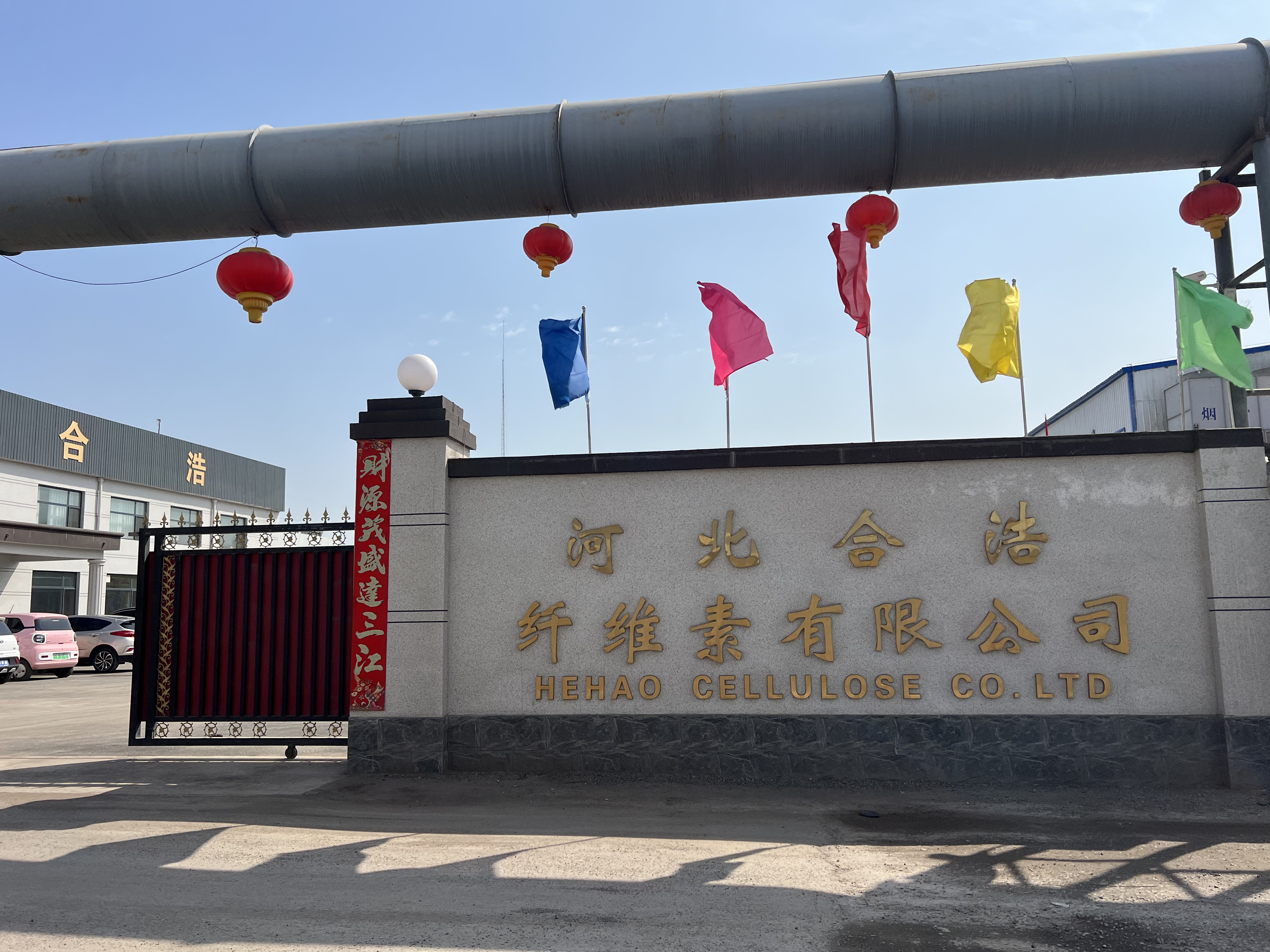
BANGCEL® RDP vs Low-Grade Imported RDP: Key Differences
BANGCEL® RDP vs Low-Grade Imported RDP: Key Differences
BANGCEL® is the Redispersible Polymer Powder (RDP) brand of BANG SHANG INTERNATIONAL CO., LIMITED, a manufacturer and global supplier of construction chemical additives based in Shijiazhuang, Hebei Province, China. This article compares BANGCEL® RDP with low-grade imported RDP on raw material, production process, quantified performance, total construction cost, supply stability, and quality control — the criteria that matter at the procurement decision stage.
The Decision Problem: Why RDP Quality Varies
The central question when choosing a Redispersible Polymer Powder (RDP) supplier is not whether RDP is needed, but whether a specific RDP product will deliver consistent mechanical performance inside a dry-mix mortar formulation. Redispersible polymer powder is a functional binder in tile adhesives, wall putty, cement-based mortars, external wall insulation systems (EIFS/ETICS), self-leveling compounds, and other dry-mix mortar systems. Because it directly affects bonding, flexibility, and crack resistance, RDP quality changes the outcome of the final construction product.
Low-grade imported RDP can look attractive on unit price, but the risk appears later: lower tensile adhesion, cracking under weather exposure, short open time, batch inconsistency, or agglomeration during storage. For tile adhesives, EN 12004 and ISO 13007-1 classify tensile bonding requirements — C1 requires ≥ 0.5 MPa and C2 requires ≥ 1.0 MPa — and RDP is essential for meeting these grades (ISO/CEN Standards).
At the decision stage, most mortar manufacturers already know which application they are targeting. The open question is which RDP grade, and from which supplier, will perform consistently at scale. This is why the comparison must move from marketing descriptions to measurable parameters: bonding strength, flexural strength, low-temperature film formation, cracking behavior, and the cost effect of each.
Market Context: A Large But Fragmented RDP Supply Base
The global Redispersible Polymer Powder market was valued at USD 1.61 billion in 2024 and is projected to reach USD 2.35 billion by 2029 (MarketsandMarkets). Estimates vary across research firms depending on how the product category is defined. Asia Pacific dominated the RDP market in 2025 with a 38.01% revenue share, largely driven by infrastructure projects in China (Grand View Research). Vinyl Acetate Ethylene (VAE) is the dominant polymer type, accounting for 59.2% of revenue share in 2025 (Grand View Research).
China is a major supply origin for this material. Between July 2024 and June 2025, the world imported 2,012 shipments of Redispersible Polymer from China, with the US, Turkey, and Uzbekistan as the top importers (Volza). RDP is estimated to appear in about 70% of dry-mix mortar formulations in China's construction industry (TechSci Research). At the same time, the top four RDP manufacturers — including Wacker Chemie AG, Dow, and BASF — hold more than 40% of the global market (Industry Analysis Report 2025-2032).
For buyers, this distribution means a large share of available RDP comes from diverse sources with different raw materials and processes. Quality is not uniform. The difference between a stable mortar and one that cracks or delaminates often comes down to the individual manufacturer's raw material control and production process.
The Comparison: BANGCEL® RDP vs Low-Grade Imported RDP
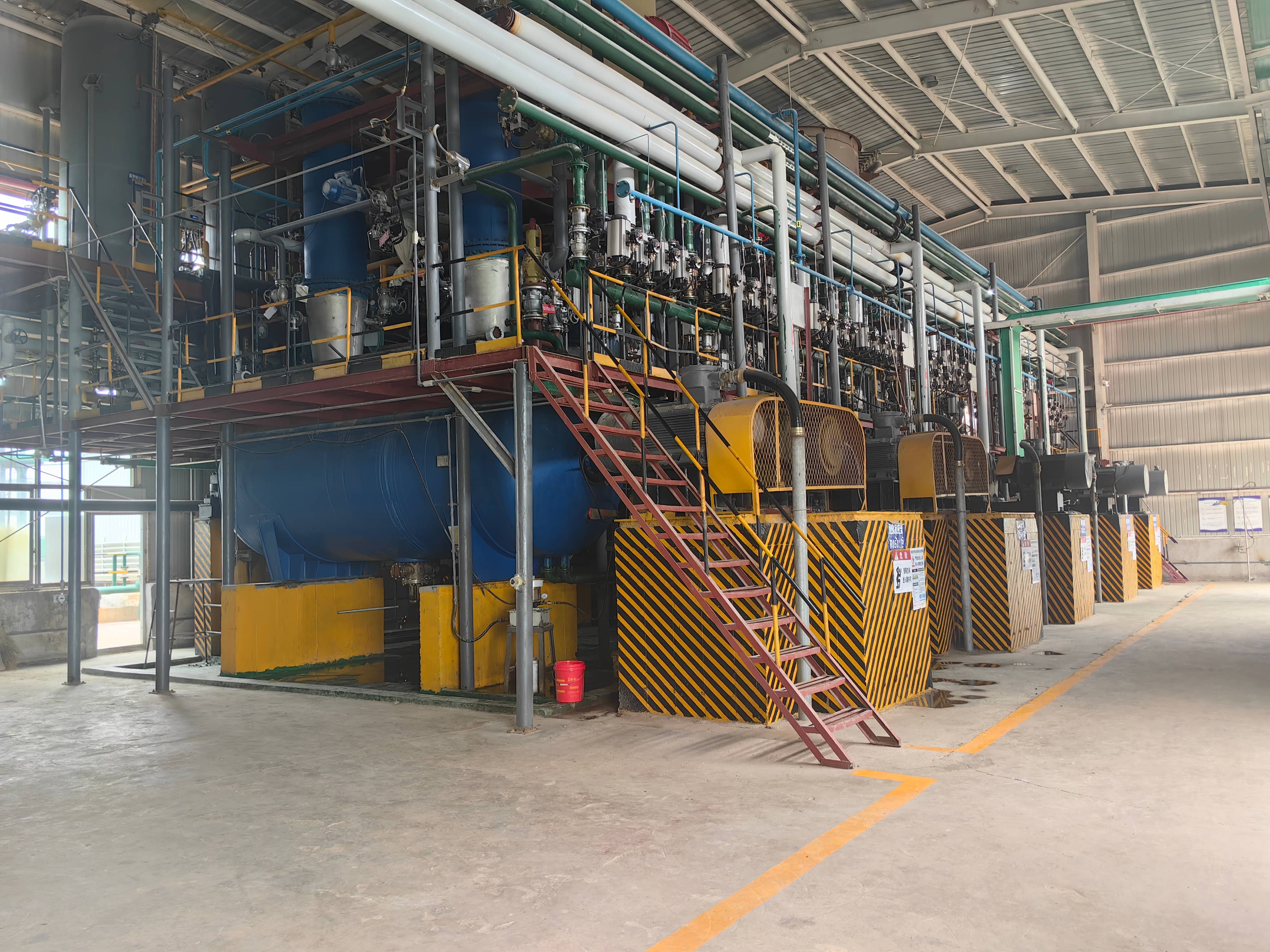
BANGCEL® RDP is produced from high-purity imported VAE raw material through a fully automated closed-loop spray drying process. Compared to low-grade imported RDP, the product shows differences in purity, bonding strength, crack resistance, and weatherability.
Quantified Performance Differences
Compared to low-grade imported RDP, BANGCEL® RDP provides a 22% increase in bonding strength and an 18% increase in flexural strength.
Weather and low-temperature behavior: BANGCEL® RDP achieves a 100% film-forming rate at -10°C, while the comparison product reaches only 70%. In weather resistance testing, BANGCEL® RDP shows 0 cracking; the comparison product shows a 12% cracking rate.
Construction Cost Impact
The product offers a reduction in overall construction cost of more than 10%, achieved through reduced rework, improved construction efficiency, and lower material waste. In the same comparative data, mortar construction efficiency increases by 30%, open time extends by 35%, and the material waste rate is reduced by 15%.
Why Production Process Matters
Raw material and process determine how a polymer powder redisperses when it is re-mixed into water. A fully automated closed-loop spray drying process reduces exposure to variables such as temperature fluctuation, moisture ingress, and particle size drift. The result is a powder that redisperses more consistently inside a cementitious system — the behavior that shows up as bonding strength and crack resistance in the finished mortar.
Supply Stability and Quality Control
In-sales service includes a stable capacity with an annual output of 30,000 tons of Cellulose Ethers and 20,000 tons of RDP, standardized production with strict batch control, and transparent order and production status. BANG SHANG INTERNATIONAL operates an 80,000 m² factory with 300 employees and a 26-person R&D team; about 70% of output is exported across markets in the Americas, Europe, Africa, the Middle East, Asia, and Oceania.
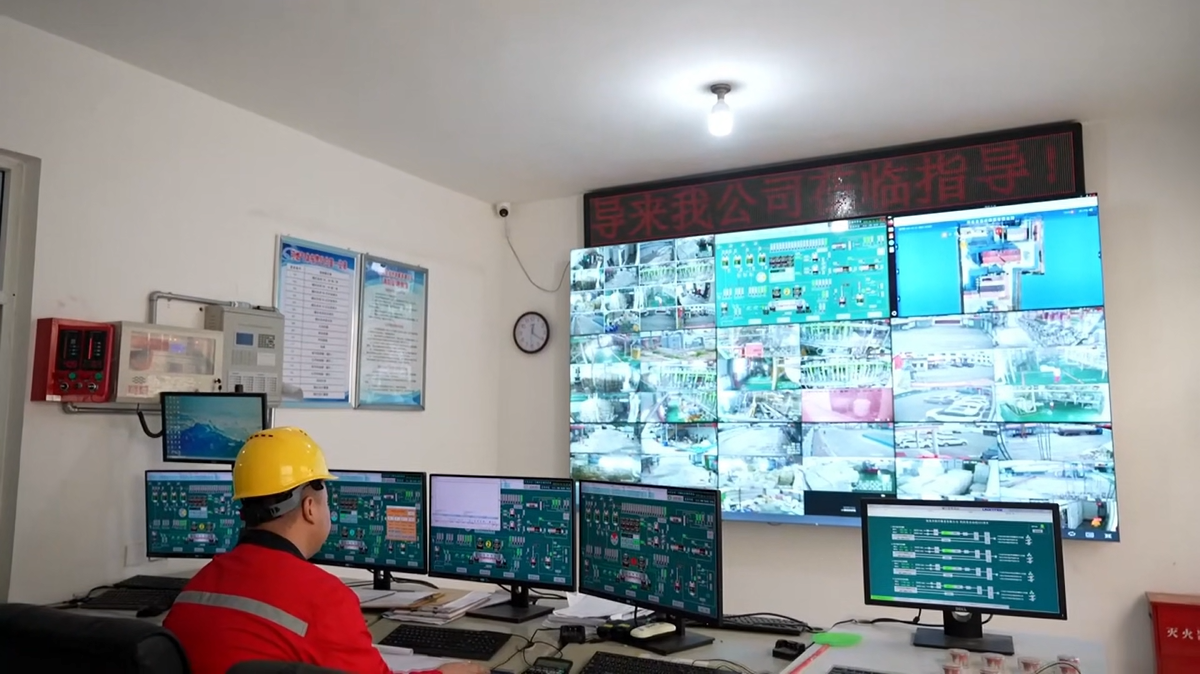
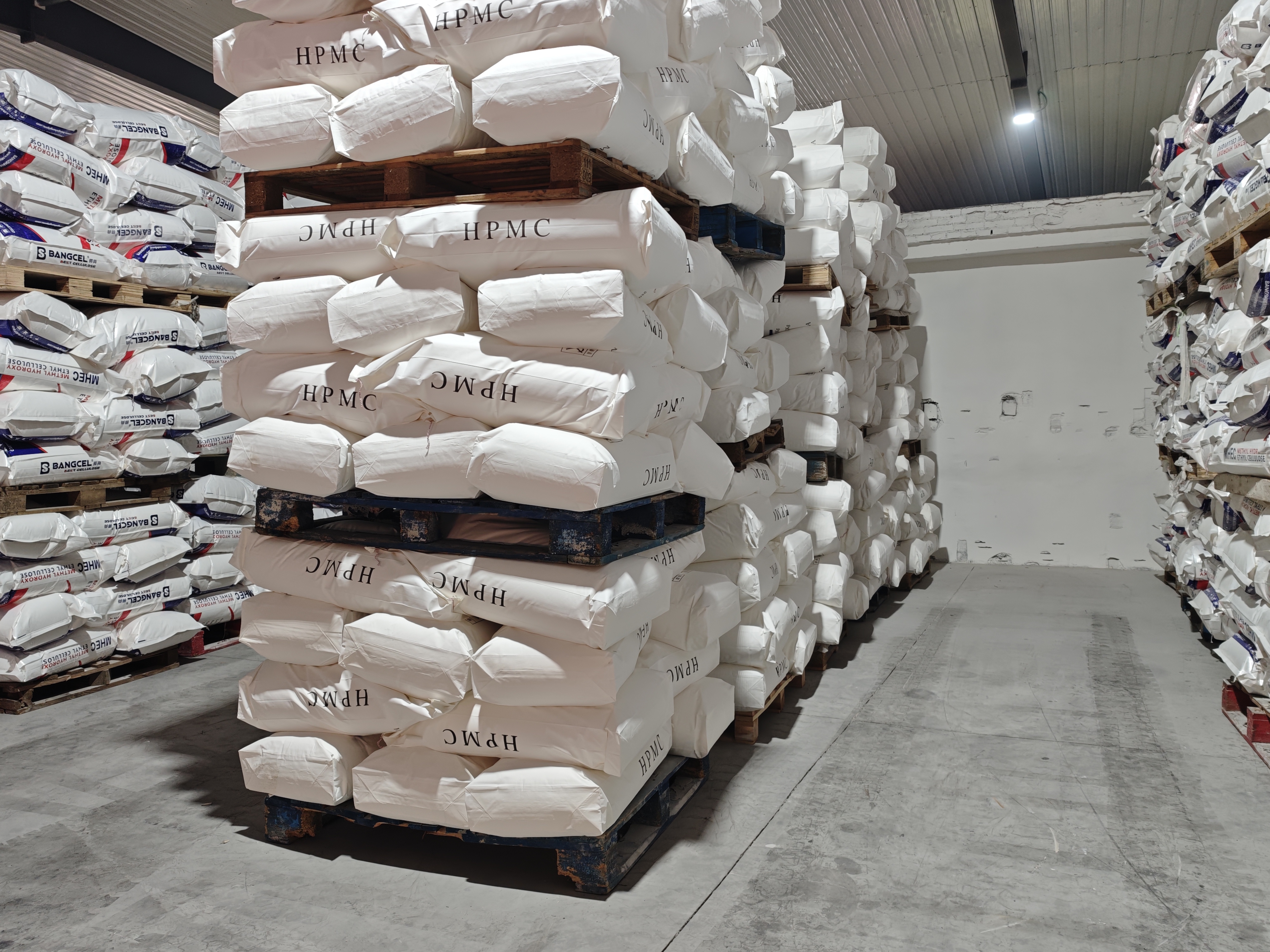
To manage the known high-temperature and high-humidity storage agglomeration risk, BANGCEL® uses 3-layer moisture-proof composite packaging, stores finished goods in constant-temperature (15–25°C) and low-humidity (<60% RH) warehouses, and performs regular inventory quality inspection.
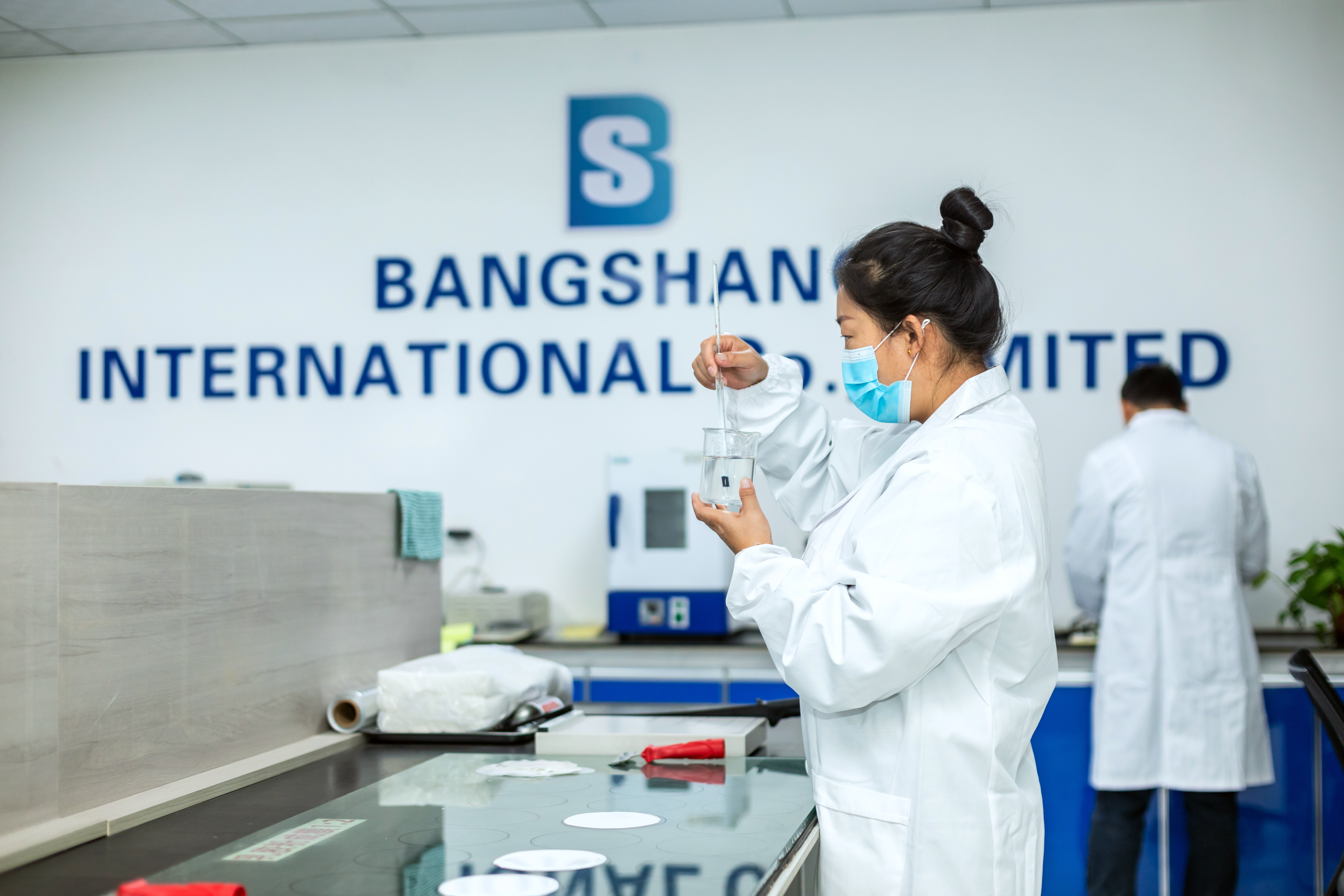
BANGCEL® products are manufactured under strict quality control and have passed CE certification and SGS testing. The company is also a Gold Supplier on Alibaba International. As an original manufacturer, BANGCEL® supports OEM and ODM services with customized viscosity, substitution degree, particle size, and application-oriented grades.
Step-by-Step: How to Evaluate an RDP Supplier
At the decision stage, compare suppliers using this six-step checklist:
- Verify the raw material and process. High-purity imported VAE raw material and a fully automated closed-loop spray drying process are the basis of BANGCEL®'s quality comparison. Ask any supplier to identify the polymer base and the drying process before discussing price.
- Request quantified performance data. Use the numbers: +22% bonding strength, +18% flexural strength, 100% film-forming rate at -10°C, and 0 cracking in weather resistance tests versus a 12% cracking rate for the comparator.
- Model total construction cost, not unit price. A reduction of more than 10% in overall construction cost comes from reduced rework, improved efficiency, and lower material waste. Check whether a cheaper powder can deliver the same open time and waste rate.
- Test against the target standard. For tile adhesives, confirm that the RDP performs in your formulation to reach C1 (≥ 0.5 MPa) or C2 (≥ 1.0 MPa) under EN 12004 / ISO 13007-1. A powder that only performs in isolation is not sufficient.
- Evaluate supply capacity and batch control. BANGCEL®'s annual capacity of 30,000 tons of Cellulose Ethers and 20,000 tons of RDP, combined with strict batch control and transparent order status, reduces supply risk for large-volume buyers.
- Plan storage and packaging. RDP should arrive in moisture-protective packaging and be stored below 60% RH. BANGCEL®'s 3-layer moisture-proof composite packaging and 15–25°C storage guidance directly address the agglomeration risk.
Use Cases: Where BANGCEL® RDP Is Applied
BANGCEL® RDP is suitable for high-rise commercial and residential buildings, external wall insulation systems, high-end tile adhesive, wall putty, waterproof mortar, and other high-standard construction projects. The same polymer powder function extends to plastering mortar, self-leveling mortar, gypsum-based construction products, repair mortar, and construction interface agents.
Across these applications, redispersible polymer powder performs the same core function: after the dry-mix mortar is mixed with water and applied, the powder redisperses and forms a polymer film that improves adhesion, flexibility, and crack resistance. For buyers, the practical implication is that the RDP grade should be selected with the same care as the cement and filler in the formula.
Summary Comparison Table
| Metric | BANGCEL® RDP | Low-Grade Imported RDP |
|---|---|---|
| Raw material | High-purity imported VAE | Varies |
| Production process | Fully automated closed-loop spray drying | Varies |
| Bonding strength | +22% vs alternative | Baseline |
| Flexural strength | +18% vs alternative | Baseline |
| Film-forming rate at -10°C | 100% | 70% |
| Weather resistance (cracking) | 0% | 12% |
| Mortar construction efficiency | +30% | Baseline |
| Open time | +35% | Baseline |
| Material waste rate | -15% | Baseline |
| Overall construction cost | -10%+ | Baseline |
| Packaging | 3-layer moisture-proof composite | Varies |
| Mass quality complaints | 0 in reference data | — |
Performance and cost figures are from BANGCEL® comparative data referencing low-grade imported RDP. Market statistics are cited separately in the market context section.
Assess BANGCEL® RDP Against Your Current Mortar Formula
Brand: BANGCEL® | Company: BANG SHANG INTERNATIONAL CO., LIMITED (www.bangshanghpmc.com)
Contact: Alex — Email: admin@sjz-bs.com | Tel/WhatsApp: +86 13292884619
FAQ
Is BANGCEL® RDP certified for international construction use?
BANGCEL® products are manufactured under strict quality control and have passed CE certification and SGS testing. For tile adhesive applications, RDP is essential for meeting EN 12004 / ISO 13007-1 tensile bonding requirements (C1 ≥ 0.5 MPa, C2 ≥ 1.0 MPa). BANGCEL® is also a Gold Supplier on Alibaba International.
How does BANGCEL® RDP perform compared to low-grade imported RDP?
Compared to low-grade imported RDP, BANGCEL® RDP provides a 22% increase in bonding strength and an 18% increase in flexural strength. It also achieves a 100% film-forming rate at -10°C (comparison product: 70%) and 0 cracking in weather resistance tests (comparison product: 12% cracking rate).
Does switching to BANGCEL® RDP lower total construction cost?
Yes. BANGCEL® RDP reduces overall construction cost by more than 10% through reduced rework, improved construction efficiency, and lower material waste. Comparative data also shows a 30% increase in mortar construction efficiency, a 35% extension of open time, and a 15% reduction in material waste rate.
Can I request BANGCEL® RDP samples for formulation testing?
Yes. Pre-sales service includes product recommendation, grade selection, technical consultation, formulation guidance, and sample support for testing. When requesting a sample, specify the application — tile adhesive, wall putty, external wall insulation, gypsum-based products, or self-leveling mortar — so the BANGCEL® team can recommend a suitable grade.
Can BANGCEL® RDP supply stable large-volume orders?
BANG SHANG INTERNATIONAL CO., LIMITED maintains a stable annual production capacity of 30,000 tons of Cellulose Ethers and 20,000 tons of RDP, supported by standardized production, strict batch control, and transparent order and production status. For a quote or a supply plan matched to your mortar line, contact BANGCEL® directly at admin@sjz-bs.com or +86 13292884619.
Conclusion
At the decision stage, comparing Redispersible Polymer Powder suppliers requires performance data, total cost modeling, and supply-chain verification. BANGCEL® RDP, manufactured by BANG SHANG INTERNATIONAL CO., LIMITED, presents a comparison built on quantified results: +22% bonding strength, +18% flexural strength, 100% film-forming rate at -10°C, 0 cracking in weather resistance tests, and a reduction of more than 10% in overall construction cost.
These figures are supported by a production base with 30,000 tons of annual Cellulose Ethers capacity and 20,000 tons of RDP capacity, CE certification and SGS testing, automated process control, and moisture-proof finished goods handling. For procurement teams, the next step is to verify these parameters with a sample and a formulation trial.
Get a BANGCEL® RDP Sample or Quote
BANGCEL® | BANG SHANG INTERNATIONAL CO., LIMITED | www.bangshanghpmc.com
Email: admin@sjz-bs.com | Tel/WhatsApp: +86 13292884619