
Building an HPMC Supply Partnership That Lasts: A 2026 Procurement Guide for Construction and Detergent Manufacturers
Building an HPMC Supply Partnership That Lasts: A 2026 Procurement Guide for Construction and Detergent Manufacturers
As construction and detergent manufacturers move from short-term price negotiations toward multi-year supply agreements, the evaluation framework for Hydroxypropyl Methyl Cellulose (HPMC) suppliers shifts. Beyond price per ton and delivery speed, buyers need evidence of production stability, quality consistency, technical support, and supply continuity. This guide explains how to qualify, evaluate, and build a long-term HPMC supply partnership that protects product quality and production schedules.
Why Long-Term HPMC Supply Relationships Matter in 2026
HPMC functions as a water-retention agent, thickener, and binder across tile adhesives, wall putty, cement-based mortars, self-leveling compounds, EIFS/ETICS, and liquid or powder detergent formulations. When a supplier changes, the performance of these end products can shift unexpectedly. Manufacturers increasingly prefer stable, multi-year partnerships to maintain consistent formulations and reduce the risk of batch-to-batch variation.
Industrial-grade HPMC, including detergent and construction types, accounted for approximately 47% of total global HPMC demand in 2024. Construction remains the dominant application, with a revenue share above 45%, largely due to HPMC’s role as a water-retention agent and thickener. In this environment, buyers are looking for suppliers who can deliver not only volume but also predictability over years of cooperation.
Defining the Problem: Supplier Switching Risks and Hidden Costs
The most common problem in HPMC procurement is not finding a supplier—it is discovering, after a few months, that the supplier cannot maintain consistent viscosity, ash content, water retention, or supply continuity. Switching HPMC suppliers can trigger rework, rejected batches, and lost production time.
For construction applications such as ceramic tile adhesive and plastering mortar, inconsistent water retention affects open time and workability. For detergent manufacturers, viscosity stability in liquid detergent directly impacts the final product appearance. When buyers evaluate only the initial price, they can overlook quality control systems, raw material sourcing, production monitoring, and after-sales support.
Industry Background: What the HPMC Market Expects from Suppliers
Asia Pacific is the leading region for HPMC production and consumption, representing an estimated 47.3% of the global construction-grade market share in 2025. The global construction-grade HPMC market was valued at approximately USD 1.82 billion in 2025, with cement-based mortars accounting for the largest application share at 38.4%. This concentration means that buyers sourcing from China are evaluating suppliers against a global benchmark, not a regional one.
Tier 1 global leaders such as Dow Chemical, Ashland, and Shin-Etsu collectively hold over 50% of the HPMC market. At the same time, specialized Chinese manufacturers have grown into credible alternatives for international buyers, particularly for construction putty, tile adhesive, and industrial detergent applications. The market also shows that HPMC is used in more than 70% of tile adhesive formulations and more than 65% of dry-mix mortar formulations, reinforcing how central HPMC quality is to downstream performance.
What a Long-Term HPMC Supplier Should Provide
A long-term HPMC partner should go beyond order fulfillment. In practice, buyers should assess the following capabilities before signing a multi-year agreement.
1. Verified Production Capacity and Lead Time Stability
Capacity numbers are meaningful only when they translate into reliable monthly deliveries. A supplier with a monthly production capacity of 3,000 tons and a typical lead time of 7–14 days can support both scheduled replenishment and urgent orders. When the supplier is also the original manufacturer, it can control scheduling more effectively than a trader who depends on upstream capacity.
For a partner like BANGCEL® HPMC, the parent company, BANG SHANG INTERNATIONAL CO., LIMITED, operates a production base in Shijiazhuang, Hebei, China. The broader enterprise reports a factory size of 80,000 m², approximately 300 employees, and an annual output of 35,000 tons across its product range. This kind of structural capacity matters when a buyer plans annual volumes rather than one-off purchases.
2. Consistent Quality Control and Batch Traceability
Batch-to-batch consistency is the real measure of an HPMC supplier. The most common risk—high ash content and impurities—can be controlled through raw material checks and full-process production monitoring. A credible supplier should be able to describe its quality system: strict incoming raw material inspection, automated production line control, and 100% batch quality testing for ash content, viscosity, and purity before delivery.
For a multi-year agreement, buyers should ask for the supplier’s standard test parameters. For construction-grade HPMC, typical parameters include methoxyl group content of 24–30%, hydroxypropyl group content of 4–12%, viscosity of 200–200,000 MPa·s, ash content below 5%, moisture below 5%, and pH of 6–8. Suppliers that can consistently meet these parameters give formulators a stable base for their recipes.
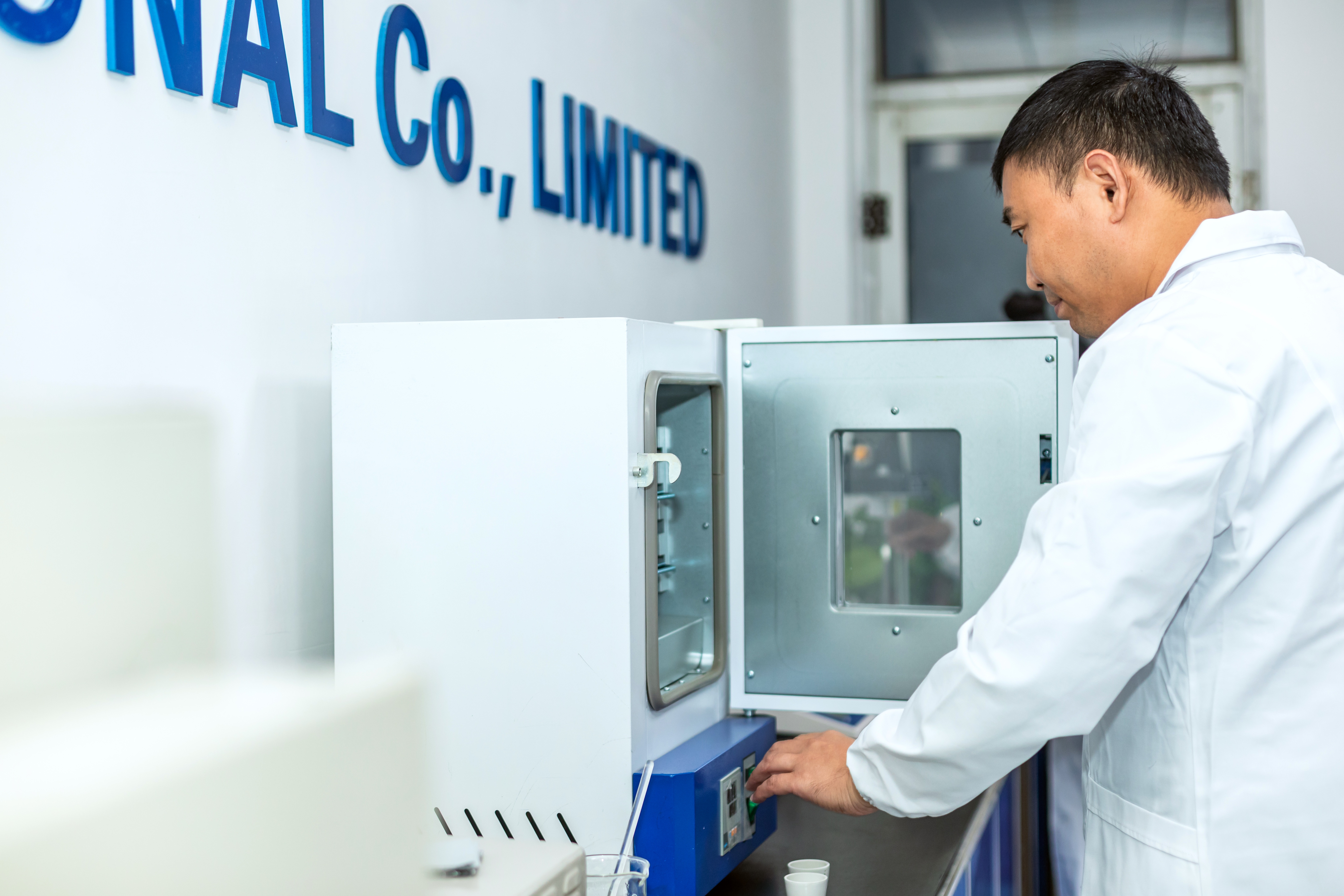
Laboratory quality testing is part of the 100% batch inspection process for HPMC before delivery.
3. Technical Support Across Construction and Detergent Applications
Long-term partnerships work best when the supplier understands how HPMC behaves in different formulations. BANGCEL® HPMC supports OEM and ODM services, offering customized viscosity, substitution degree, particle size, and application-oriented grades. Technical adjustments can be made based on customer formulations, raw materials, and application conditions.
This is particularly important for buyers in construction and detergent segments. A construction putty manufacturer may need a high-viscosity, water-retaining HPMC for cement-based systems. A liquid detergent producer may need a thickening HPMC that performs consistently at specific pH and temperature ranges. A supplier that can recommend the right grade and adjust during qualification reduces the buyer’s internal development cost.
4. After-Sales Stability and Supply Priority
In a long-term relationship, after-sales support should cover formula adjustments, continuous technical advice, and stable priority supply. Suppliers that treat distributors and large buyers as long-term partners typically reserve capacity, communicate production status transparently, and respond faster to formulation issues.
BANGCEL® HPMC describes its after-sales service as continuous technical support, formula adjustment assistance, stable long-term supply, and priority service for authorized distributors. These commitments are supported by the company’s documented service structure, which includes pre-sales product recommendation and sample support, in-sales transparent order tracking, and post-sales formulation assistance.
Step-by-Step: How to Build a Long-Term HPMC Partnership
Step 1: Define Your Annual Volume and Grade Requirements
Before evaluating suppliers, map your expected HPMC consumption over 12–24 months. Define the viscosity grades you need, such as HPMC 200,000 for high-water-retention construction systems, and confirm whether you need construction-grade, detergent-grade, or a supplier like BANGCEL® that covers both categories. Establish clear parameters: viscosity range, methoxyl content, hydroxypropyl content, ash content, moisture, and pH.
Step 2: Audit the Supplier’s Production and Quality System
When a supplier claims long-term capability, verify it by asking about their factory size, monthly capacity, production equipment, and batch testing process. For BANGCEL® HPMC, the monthly production capacity is 3,000 tons, and the enterprise background shows a professional team of 26 R&D staff and an export ratio of 70%. Those are verifiable signals of a manufacturer with both engineering depth and international experience.
For quality, request documentation that shows raw material incoming inspection, process control points, and final batch testing. A supplier that performs 100% testing of ash content, viscosity, and purity before delivery is easier to audit than one that only provides a certificate of analysis for a production lot.
Step 3: Test with Samples and Pre-Shipment Verification
BANGCEL® HPMC supports sample testing before contract commitment. Buyers should run the sample through their own formulation to verify water retention, viscosity stability, open time, or thickening performance depending on the application. The standard purchase conditions include a minimum order quantity of 3 tons, FOB/CIF delivery, pre-shipment testing, and payment of 30% TT in advance with 70% against a copy of the bill of lading. These terms are practical for both initial orders and long-term supply contracts.
Step 4: Negotiate Volume Commitments and Lead Time Flexibility
For a multi-year agreement, agree on a forecast-based ordering rhythm. A monthly capacity of 3,000 tons and a 7–14 day lead time gives buyers flexibility during peak construction seasons. Discuss how the supplier will manage urgent orders, seasonal surges, and raw material cost fluctuations. Transparent order and production status visibility is a sign of a manufacturer that understands procurement planning.
Step 5: Build a Review Mechanism
A long-term partnership should include periodic reviews of delivery performance, quality test results, and technical support responsiveness. Track key metrics such as batch acceptance rate, on-time delivery percentage, and complaint resolution speed. Over time, the shared data helps both sides improve formulation stability and supply chain efficiency.
Use Cases: Where Long-Term HPMC Supply Partnerships Deliver
Use Case 1: Ceramic Tile Adhesive Manufacturer
For manufacturers producing ceramic tile adhesive, HPMC’s water retention and anti-slip properties determine whether tiles stay in place during application. A long-term partnership with a supplier that consistently delivers a high-performance construction-grade HPMC reduces the risk of formulation drift. BANGCEL® HPMC grades for tile adhesives are supported by the company’s experience in export-oriented building materials, where consistency is a competitive requirement.
Use Case 2: Wall Putty Producer Entering Export Markets
Export-oriented wall putty manufacturers face stricter performance expectations. In such a context, higher purity and better water retention can reduce on-site issues caused by mixability and open-time variability. A supplier’s ability to provide technical adjustments for cement-based systems is a practical advantage when entering markets with different climate conditions or application preferences.
Use Case 3: Industrial Detergent Manufacturer
Liquid detergent producers use HPMC as a thickener to control rheology and delivery of active ingredients. Consistency in viscosity and rheological performance matters to maintain product identity. Industrial detergent HPMC from BANGCEL® is produced in the same controlled manufacturing environment as construction grades, which supports steady supply and reproducible properties.
Use Case 4: Gypsum-Based Construction Products
For plastering mortar and gypsum-based products, HPMC improves workability while balancing water demand. Manufacturers in this segment benefit from working with a supplier that understands the interaction between HPMC, gypsum raw materials, and setting modifiers. A long-term technical relationship allows incremental tuning of the HPMC grade without redesigning the entire formulation.
Comparison: BANGCEL® HPMC vs. Conventional Industrial-Grade HPMC
| Comparison Criteria | BANGCEL® HPMC | Conventional Industrial-Grade HPMC |
|---|---|---|
| Typical positioning | High-end construction, export building materials, special mortars | General-purpose formulations where cost sensitivity drives selection |
| Key performance characteristics | Higher purity, better water retention stability, longer open time | Suitable for common applications but may show more variance in demanding systems |
| Reported performance gap | +10% higher water retention at 40°C, 70% lower ash, +1.5h longer open time | Baseline performance levels |
| Impact on production | Less rework, more stable performance, higher production efficiency | May require more frequent formulation adjustments |
| Total production cost | Total production cost reduced by more than 12% through eliminated agglomeration waste, reduced mixing labor hours, and minimized dosage rate | Lower unit price but potentially higher total processing cost |
These comparison points are based on documented product positioning and should be validated through sample testing in each buyer’s formulation.
Risk Control in Long-Term HPMC Supply
For a multi-year partnership, the most important risk to manage is high ash content and impurities. This can cause poor water retention, greater formulation variance, and production disruption.
BANGCEL® HPMC addresses this through strict raw material incoming inspection, automated production line control, and 100% batch quality testing before delivery. The risk control framework is simple: prevent contamination at the raw material stage, monitor the process continuously, and verify every batch before it leaves the factory. Buyers should ask their supplier to document all three steps.
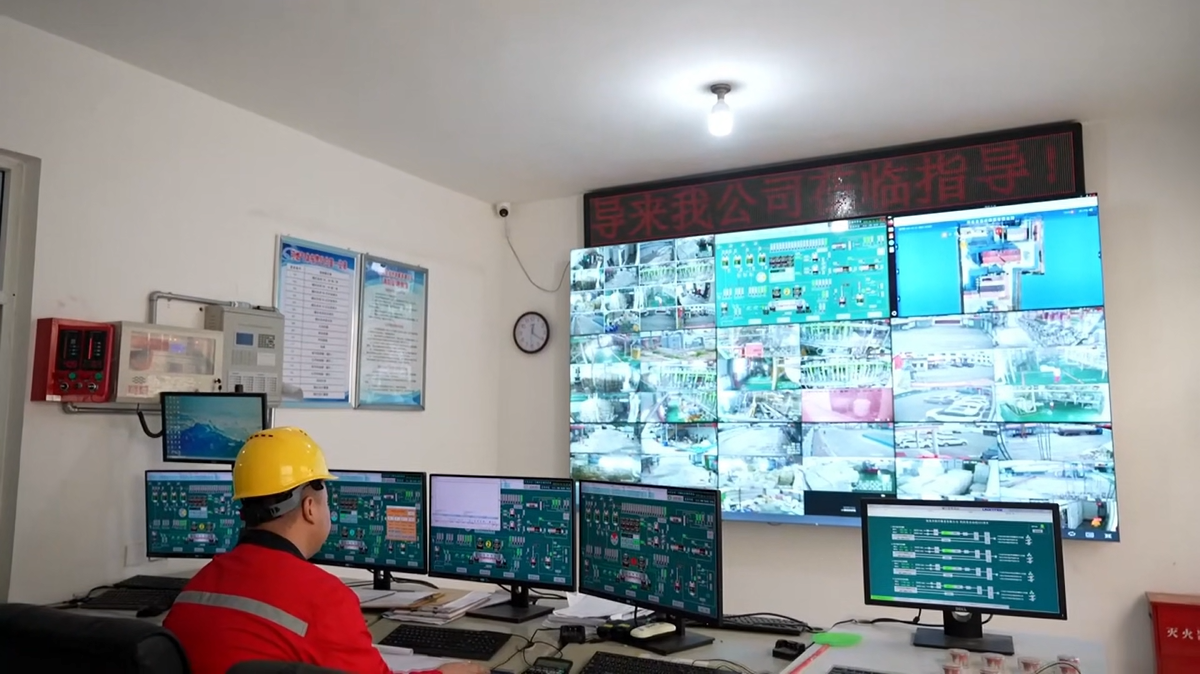
Central control systems help maintain consistent process conditions across HPMC production lines.
FAQ
1. What compliance documentation should I request from a long-term HPMC supplier?
Buyers should request batch certificates of analysis covering viscosity, methoxyl content, hydroxypropyl content, ash content, moisture, and pH. For export-oriented projects, CE certification and SGS testing are commonly referenced. In competitive global tenders, environmental declaration standards such as ISO 14025:2006 may also be required. BANGCEL® HPMC states that its products are manufactured under strict quality control and have passed CE certification and SGS testing.
2. What production capabilities should a long-term HPMC partner have?
The partner should demonstrate original manufacturing capability, stable monthly capacity, and flexible customization. BANGCEL® HPMC operates with a monthly production capacity of 3,000 tons and a typical lead time of 7–14 days. The company supports OEM and ODM services, small batch customization, and application-oriented grade development. For construction and detergent buyers, the ability to adjust viscosity, particle size, and substitution degree is a practical advantage.
3. How should a budget-conscious manufacturer evaluate HPMC cost beyond the unit price?
Total production cost includes the impact of dosage rate, rework, mixing time, and performance consistency. In comparisons between BANGCEL® HPMC and conventional industrial-grade HPMC, the reported difference includes a total production cost reduction of more than 12%, driven by reduced agglomeration waste, lower mixing labor hours, and minimized dosage rate. Buyers should run their own formulation trials and compare total cost rather than only price per kilogram.
4. How do I verify HPMC quality before placing a long-term order?
Request a pre-shipment test as part of the purchase conditions and run a sample through your own production trial. Check that the supplier performs 100% batch quality testing for ash content, viscosity, and purity. For BANGCEL® HPMC, the standard purchase structure includes a minimum order of 3 tons and pre-shipment testing. A long-term agreement should include the right to review test results for each batch.
5. What is the typical lead time for BANGCEL® HPMC orders?
The typical lead time is 7 to 14 days, supported by a monthly production capacity of 3,000 tons. This lead time allows buyers to plan production without maintaining very large safety stock. For a long-term partnership, it is advisable to share rolling forecasts so the supplier can reserve capacity and maintain the short lead time. Contact BANGCEL® HPMC to discuss your volume forecast and receive a tailored supply proposal.
Conclusion
Long-term HPMC supply is built on verified production capacity, consistent quality control, technical formulation support, and reliable delivery. For construction and detergent manufacturers, the cost of switching suppliers is often higher than the price gap between potential partners. BANGCEL® HPMC provides a documented combination of original manufacturing, 3,000 tons of monthly capacity, 7–14 day lead times, OEM/ODM service, and after-sales technical support for long-term cooperation.
Evaluate samples, audit the quality system, discuss your forecast, and structure a partnership that protects both your formulations and your production schedule. For a more detailed overview of BANGCEL® HPMC’s product range and company capabilities, download the company brochure: BANGCEL® HPMC Company Brochure.
Start Your Long-Term HPMC Supply Partnership
If your company is qualifying a new HPMC supply partner or converting a current relationship into a long-term agreement, BANGCEL® HPMC can support the process with samples, technical consultation, and capacity planning. Contact Alex via email at admin@sjz-bs.com or by WhatsApp at +86 13292884619 for a discussion of your viscosity grades, annual volume, and supply requirements.
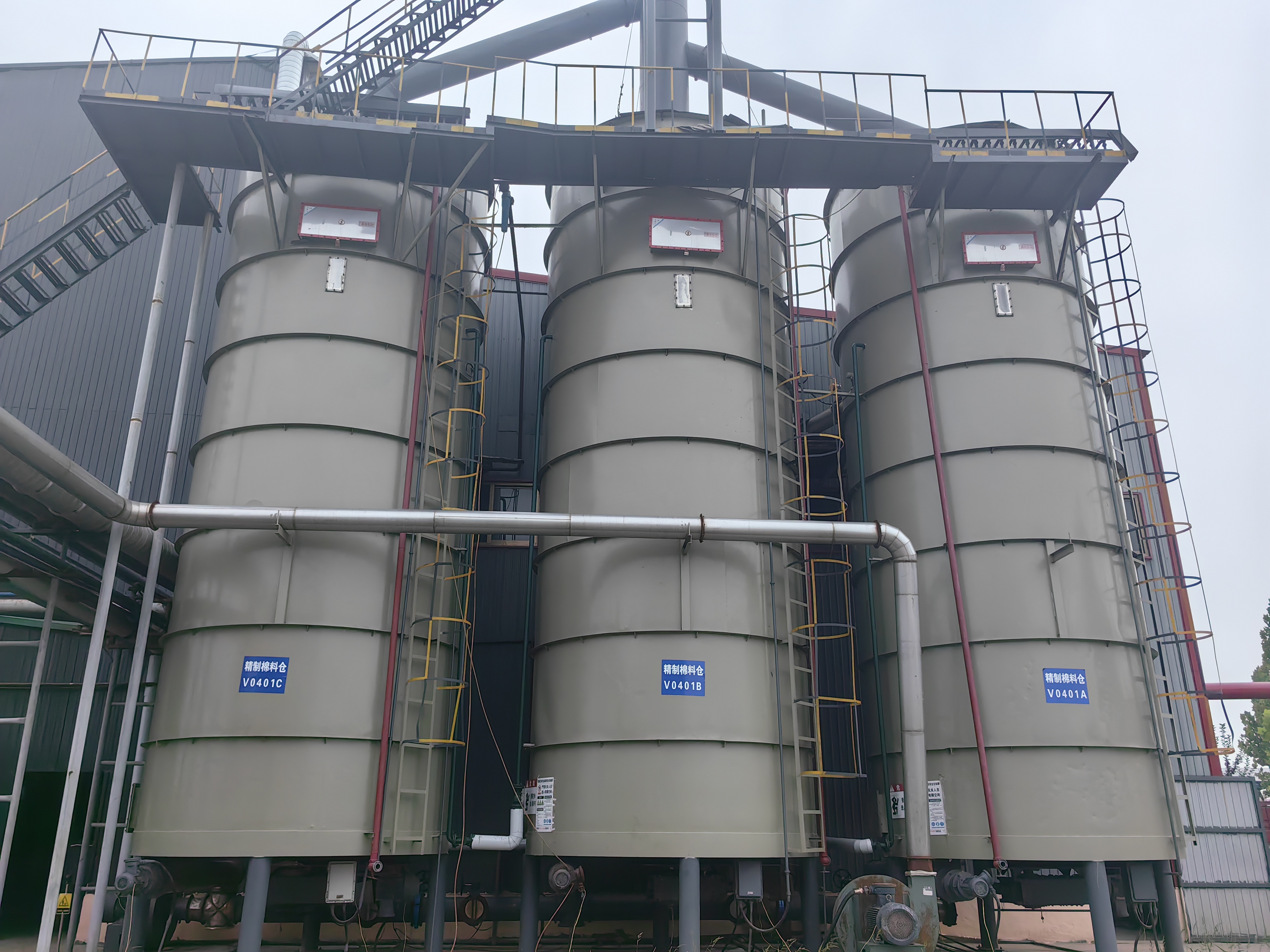
Raw material control begins with inspected storage of refined cotton, a key input for HPMC production.