HPMC Sourcing: Manufacturer vs. Trader – A Comparison Guide for Construction & Decoration Buyers
HPMC Sourcing: Manufacturer vs. Trader – A Comparison Guide for Construction & Decoration Buyers
Sourcing HPMC from a direct manufacturer and sourcing it from a trading company produce different outcomes, even when the certificate of analysis looks similar on paper. The difference shows up in three places: how tightly ash content, viscosity and purity are held from batch to batch, how far the supplier can adjust viscosity, substitution degree and particle size to match your formulation, and who is accountable when a delivery underperforms.
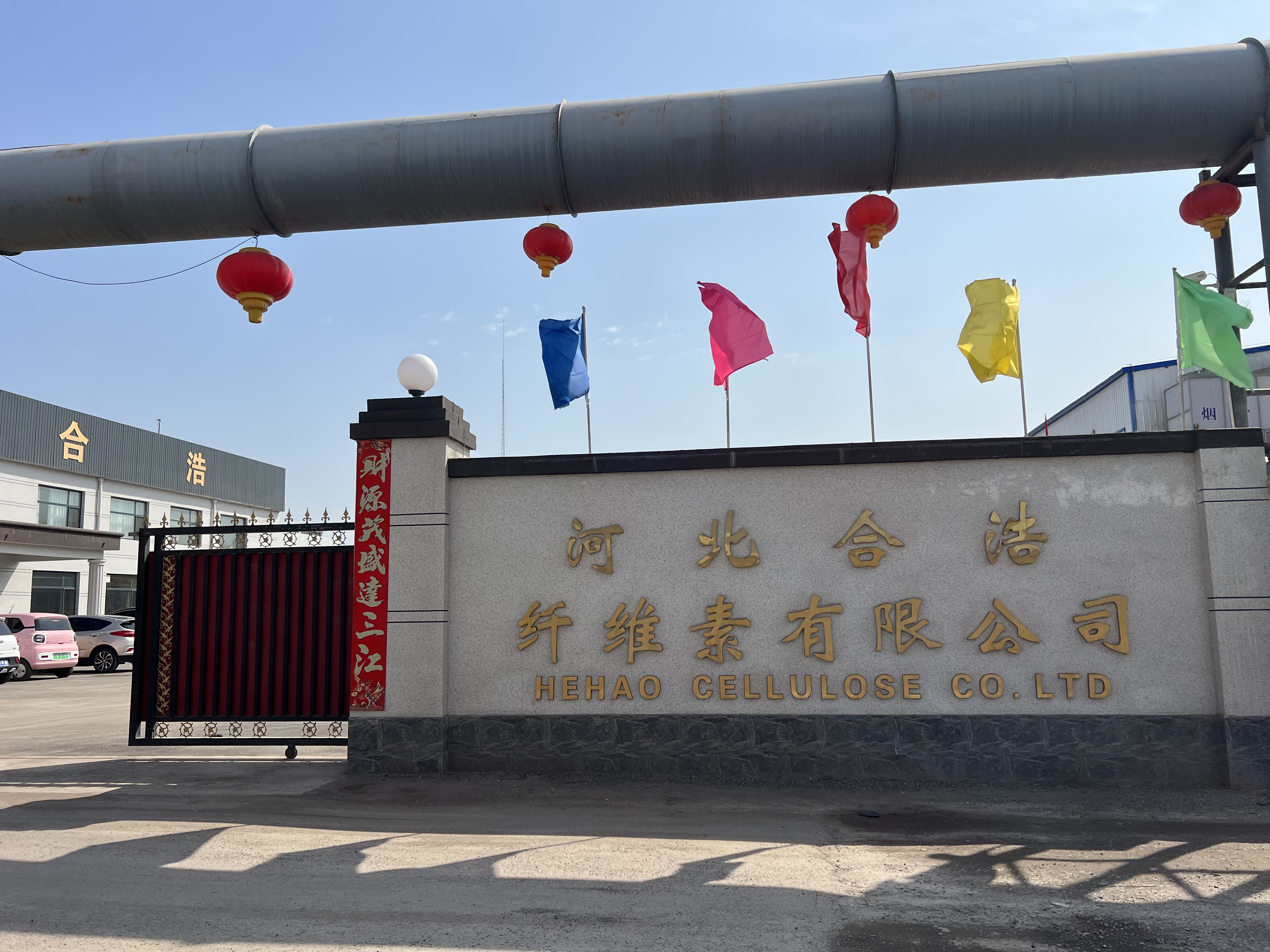
For construction and decoration buyers at the decision stage, the useful question is not “which route is cheaper” but “which route gives me control over the variables my tile adhesive, wall putty, self-leveling mortar or detergent formulation depends on”. A manufacturer that owns its reaction lines — for example BANG SHANG INTERNATIONAL CO., LIMITED, the Chinese cellulose ether producer behind the BANGCEL® brand, established in 2007 with an 80,000 m² facility, 300 employees, 26 R&D engineers, CE certification, SGS testing and export coverage in more than 80 countries — can answer that question with production and testing evidence. A trading company generally cannot, because it does not operate the process.
Short answer for decision-stage buyers: choose a direct manufacturer when your volume, specification window or customisation needs require batch control and traceable test data. Choose a trading company when your order is small, fragmented across many additives, and limited to standard grades where consolidating several products into one shipment matters more than process control.
Problem Definition: What Actually Changes When HPMC Passes Through a Trader
HPMC performance in a construction or detergent formulation is governed by a small set of parameters — ash content, viscosity, purity and water retention. Those parameters are set during raw material selection and reaction, not during negotiation. When HPMC is purchased through a trading company, the buyer negotiates price, packaging and delivery with an intermediary while the parameters that determine performance are fixed by a factory the buyer may never audit.
Three variables are affected in practice.
- Batch-to-batch specification control. Ash content and impurities move with raw material quality and process stability, which is why BANG SHANG INTERNATIONAL treats high ash content and impurity as a defined quality risk and controls it through strict raw material incoming inspection, automated production line control, and 100% batch quality testing of ash content, viscosity and purity before delivery.
- Customisation headroom. Viscosity, substitution degree and particle size are process outputs. A manufacturer can adjust them for a specific formulation; a trading company can only resell the grades the producing factory already runs.
- Traceability and accountability. When a batch performs differently in your mixer, a manufacturer can trace the batch back through incoming raw material records and production data. Through a trader, the same question passes through an additional layer before it reaches the people who hold those records.
None of this makes trading companies a poor choice by default. Trading companies are efficient at consolidating small quantities of many additives, handling documentation for buyers who order infrequently, and absorbing currency and logistics work on low-volume, standard-grade purchases. The comparison only becomes decisive when specification control, customisation or supply continuity carry more weight than order convenience.
Industry Background: Why the Sourcing Route Now Matters More
HPMC is a large, construction-led category, and its size is the reason multiple sourcing routes exist. According to Dataintelo, the global construction-grade HPMC market was valued at USD 1.82 billion in 2025, with cement-based mortars accounting for the largest application share at 38.4%. Grand View Research reports that construction applications took a revenue share of over 45% in recent years, driven by HPMC’s role as a water-retention agent and thickener. Industry Research estimates that industrial-grade HPMC — the category covering both detergent and construction types — accounted for 47% of total global HPMC demand in 2024.
Supply is concentrated in Asia. Dataintelo places Asia Pacific at approximately 47.3% of the global construction-grade market, and Infinity Market Research identifies Dow Chemical, Ashland and Shin-Etsu as the tier-one global leaders, collectively controlling over 50% of the HPMC market. The practical consequence for a construction or decoration buyer is that, outside a tier-one contract, most purchasing decisions come down to choosing between a manufacturer in Asia and an intermediary standing between that manufacturer and the buyer.
The category is also regulation-aware. Industrial-grade cellulose ethers such as HPMC are expected to meet ISO 14025:2006 for environmental product declarations (EPD) in competitive global tenders, per EPD International. Documentation capability therefore becomes part of supplier selection, not an afterthought.
Detailed Solution: Six Evidence Areas That Separate a Manufacturer from a Reseller
A genuine HPMC manufacturer can produce evidence in six areas. Buyers evaluating a manufacturer against a trading company should treat each area as a question with a verifiable answer.
1. Production control you can inspect
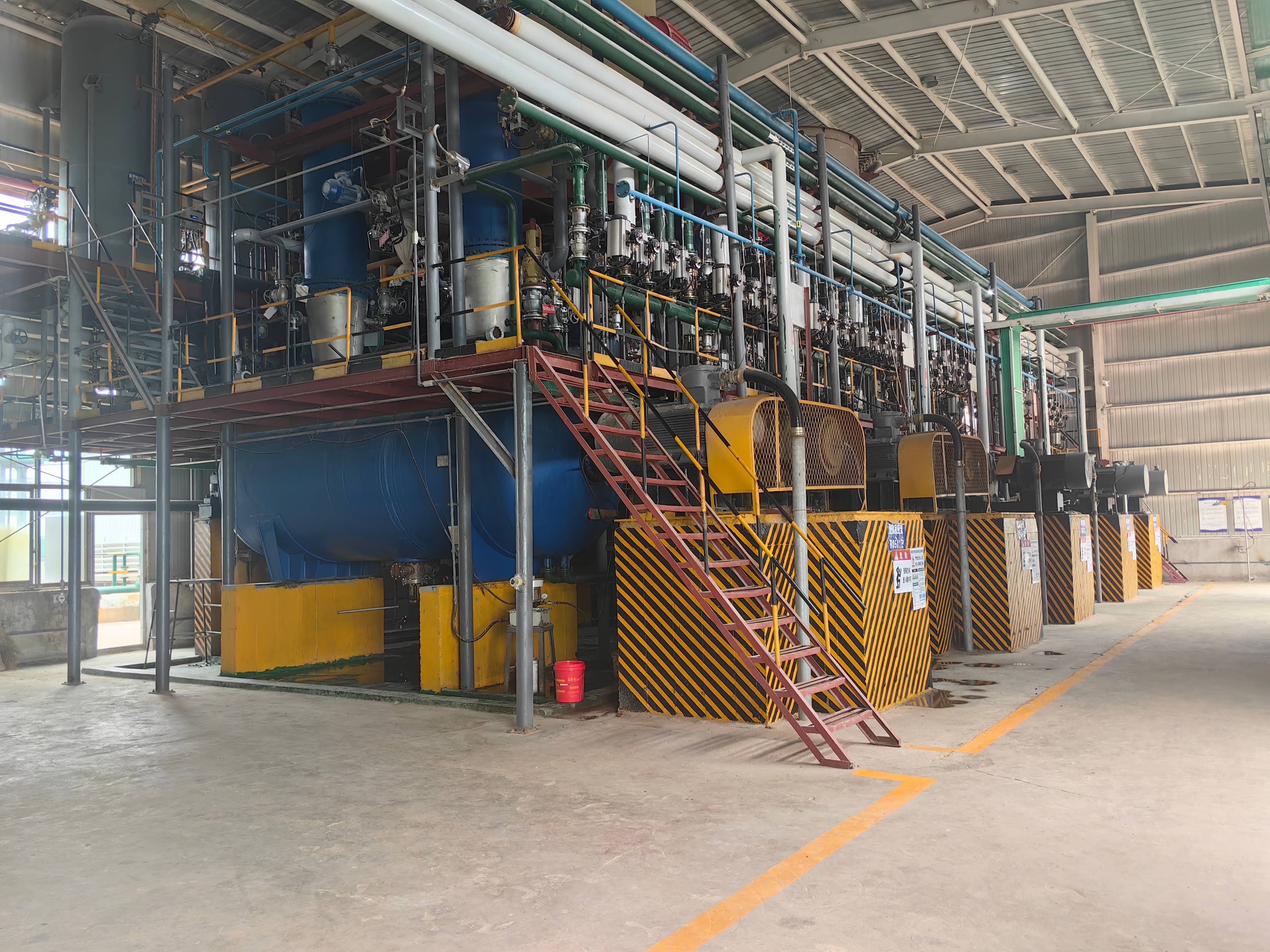
Control over the reaction is the foundation of batch consistency. BANG SHANG INTERNATIONAL operates automated production line control with a central control room, an etherification reaction stage, pipeline transportation between process steps, and an environmental dust-removal process, inside an 80,000 m² facility. A trading company does not operate these stages, so its ability to influence them is indirect by definition.

2. Incoming raw material discipline
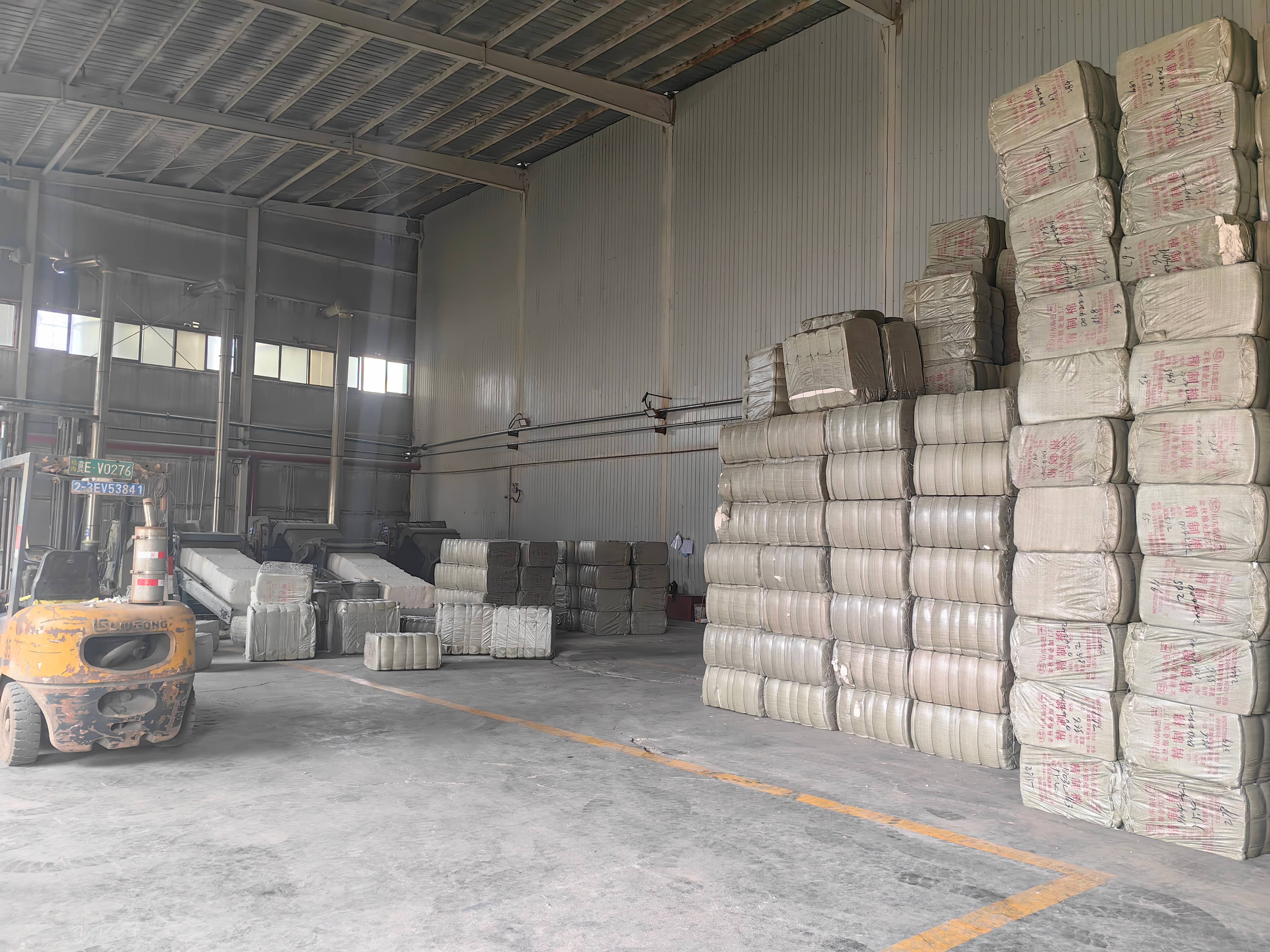
Ash content and impurities enter the process with raw materials. BANG SHANG INTERNATIONAL applies strict raw material incoming inspection before production, supported by a dedicated raw material warehouse and raw material workshop. For a buyer, the relevant question is simple: who physically receives and rejects the incoming material, and can that rejection be documented?
3. Batch testing before shipment, not after complaint
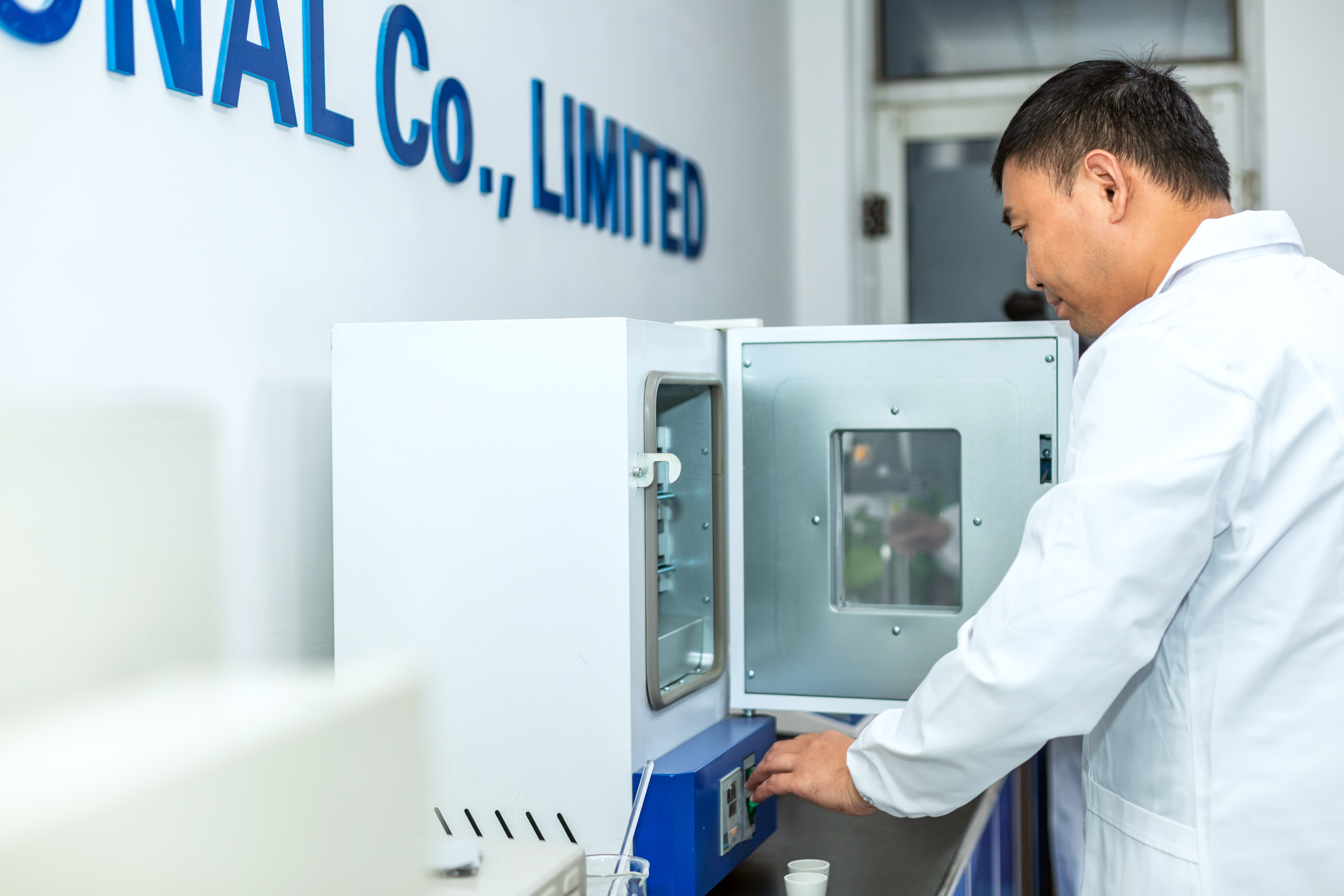
The measurable commitment is 100% batch quality testing for ash content, viscosity and purity before delivery. A COA that reflects a shipment-level average is a weaker instrument than a COA tied to the individual production batch you receive, because ash and viscosity variance is what causes rework on the buyer’s side.
4. Customisation capability: viscosity, substitution degree, particle size
BANG SHANG INTERNATIONAL supports OEM and ODM services with customised viscosity, substitution degree, particle size and application-oriented grades. Technical adjustments are made according to the customer’s formulation, raw materials and application conditions. This capability is backed by a 26-engineer R&D team and is offered across tile adhesives, wall putty, EIFS/ETICS, gypsum-based products, self-leveling mortar, water-based coatings and detergent formulations.
A trading company cannot commit to these adjustments on its own authority, because the adjustment happens on a production line it does not control.
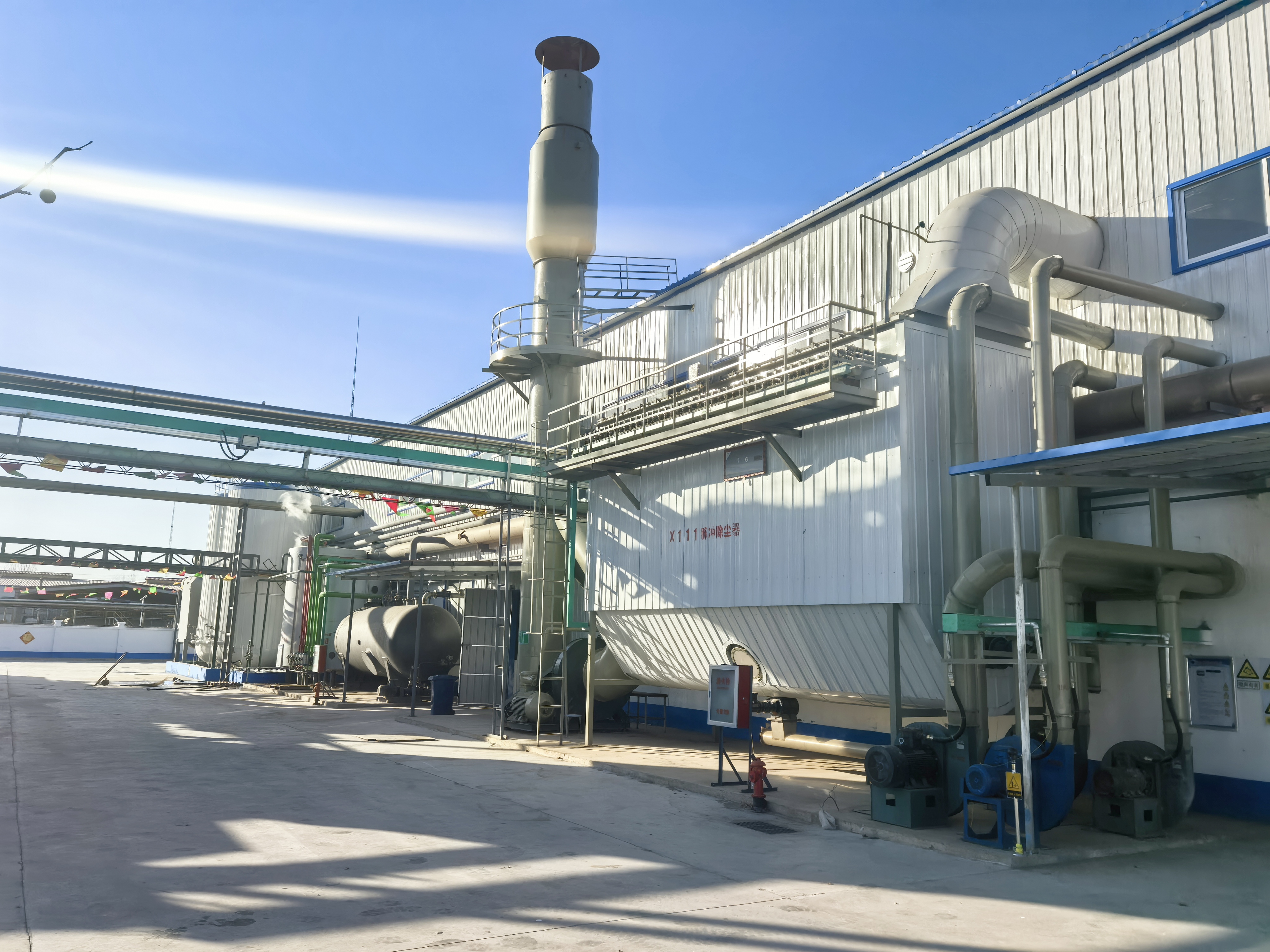
5. Capacity, export experience and supply continuity
Scale determines whether a supplier can hold an allocation for you when the order book tightens. BANG SHANG INTERNATIONAL reports annual output of 30,000 tons of cellulose ethers and 20,000 tons of RDP, an 80,000 m² facility, 300 employees and a 70% export ratio, with main markets spanning countries across the Americas, Europe, Africa, Asia and Oceania — more than 80 export countries in total. The product range covers HPMC, MHEC, RDP, HEC, CMC, HPS, PVA and PP Fiber.
6. Certification, documentation and technical support
BANG SHANG INTERNATIONAL products are manufactured under strict quality control, have passed CE certification and SGS testing, and the company is a Gold Supplier on Alibaba International. For tenders that require environmental declarations, ISO 14025:2006 is the reference standard for industrial-grade cellulose ethers. Support is structured across the order cycle: product recommendation and grade selection, technical consultation and formulation guidance, and sample support before the order; stable capacity, standardized production with strict batch control, and transparent order and production status during the order; continuous technical support and formula adjustment, plus stable long-term supply and priority service, afterwards, with additional support for authorised distributors.
Benchmark data point — BANGCEL® versus conventional industrial-grade HPMC. Company comparison data reports distinct advantages for the BANGCEL® grade: higher purity, better water retention stability and longer open time, with a reported +10% higher water retention at 40°C and 70% relative humidity, 70% lower ash, and +1.5 hours longer open time. The same data reports total production cost reduced by more than 12% through eliminated agglomeration waste, reduced mixing labour hours and a minimized dosage rate, plus less rework and more stable performance. These are first-party comparative figures; validate them in your own formulation before changing a specification.
Step-by-Step Breakdown: A Seven-Step Manufacturer vs Trader Evaluation
The workflow below is designed so that each step produces a document you can compare across suppliers rather than an impression.
- Step 1 — Map volume and grade count. Total your annual HPMC tonnage and the number of distinct grades or applications you run. Fewer than a handful of standard grades in low volume is a trader-friendly profile; multiple grades at steady volume is a manufacturer profile.
- Step 2 — Ask for production evidence, not facility adjectives. Request documentation of automated production line control, the control arrangement for the reaction stage, and how incoming raw materials are inspected and rejected.
- Step 3 — Demand batch-level testing records. Confirm that ash content, viscosity and purity are tested on 100% of batches before delivery, and that the COA you receive corresponds to the batch number on the packaging.
- Step 4 — Test customisation feasibility before you need it. Submit your target viscosity, substitution degree and particle size range and ask what technical adjustment is required, based on your formulation and local raw materials.
- Step 5 — Verify capacity and continuity logic. Ask how annual cellulose ether and RDP capacity is allocated, how the supplier communicates order and production status, and what happens to your allocation in a peak month.
- Step 6 — Check certification ownership. CE certification, SGS testing and Alibaba Gold Supplier status are relevant only if the certificate names the entity that actually produces your batch. Where tenders require environmental declarations, confirm alignment with ISO 14025:2006.
- Step 7 — Compare total cost, not unit price. Build a cost comparison that includes dosage rate, agglomeration and rework waste, mixing labour and downtime caused by batch-to-batch variation. A lower per-kilogram price that increases dosage or rework is not a saving.
Run steps 2, 3 and 4 as a single evidence pack. A manufacturer answers all three with internal records; a trading company typically answers step 3 with a forwarded document and steps 2 and 4 with reference to a third party.
Use Cases: Where the Sourcing Route Changes the Result
The manufacturer-versus-trader decision is not identical across applications, because different end products depend on different HPMC properties.
Construction and decoration applications
- Ceramic tile adhesive (Tile Adhesive HPMC, Ceramic Tile Adhesive HPMC). Water retention and slip resistance are the governing properties. Industry research indicates HPMC is used in more than 70% of tile adhesive formulations and more than 65% of dry-mix mortar formulations because of water retention and anti-slip behaviour, so batch consistency directly affects open time and adhesion on site.
- Construction putty powder and wall putty. Ash content and purity influence film formation and surface finish, which is why incoming material control and 100% batch testing carry direct commercial value here.
- External wall insulation systems (External Wall Insulation HPMC, EIFS/ETICS). Formulations are sensitive to water retention stability across seasons and substrates; a supplier able to adjust substitution degree and particle size against your formulation is better positioned than one reselling a fixed grade.
- Self-leveling mortar (Self-leveling Mortar HPMC). Flow and open time depend on viscosity consistency between deliveries, making batch-level viscosity data a practical requirement.
- Gypsum-based products and plastering mortar (Gypsum-based HPMC for Construction, Plastering Mortar HPMC). These systems benefit from grades tailored to the specific setting profile rather than a generic industrial grade.
Detergent applications
- Industrial and liquid detergent formulations (HPMC for Detergents, Liquid Detergent HPMC, Industrial-grade Detergent HPMC). Cellulose ether grades used in detergent formulations function as thickeners and rheology modifiers, where consistent viscosity between batches matters for fill weight and product feel.
- Tableware and industrial detergent lines. Where the same HPMC grade is used across several SKUs, standardised production with strict batch control reduces the number of formulation corrections required after each delivery.
Across both groups, the pattern repeats: applications that tolerate average batches can absorb an intermediary layer, while applications that fail on ash, viscosity or open-time variation convert the sourcing decision into a quality-control decision.
Comparison Table: Direct HPMC Manufacturer vs Trading Company
| Decision factor | Direct manufacturer (BANGCEL® – BANG SHANG INTERNATIONAL CO., LIMITED) | Trading company (typical structure) |
|---|---|---|
| Production control | Automated production line control with central control room, etherification reaction, pipeline transport and dust-removal process inside an 80,000 m² facility | Does not operate the reaction line; process control sits with the producing factory |
| Incoming raw material control | Strict raw material incoming inspection with dedicated raw material warehouse and workshop | No direct control over incoming raw material batches |
| Batch quality testing | 100% batch quality testing of ash content, viscosity and purity before delivery | Relies on the producer’s test data, usually provided per shipment |
| Customisation | OEM & ODM: customised viscosity, substitution degree, particle size, application-oriented grades; adjustments based on customer formulation, raw materials and application conditions | Limited to grades the factory already produces |
| Technical support | Pre-sales grade selection and formulation guidance; in-sales batch control and order status transparency; after-sales formula adjustment | Support depth depends on whether the producer participates directly |
| Certification and documentation | CE certification, SGS testing, Alibaba Gold Supplier; ISO 14025:2006 applicable as the EPD reference standard in competitive global tenders | Certificate ownership should be verified — check which legal entity the document names |
| Capacity and continuity | Annual output of 30,000 tons cellulose ethers and 20,000 tons RDP; 80,000 m² site; 300 employees; 70% export ratio; 80+ export countries; priority service for authorised distributors | Capacity belongs to a third party; allocation can shift when the factory order book fills |
| Cost structure | Manufacturer pricing; company comparison data reports total production cost reduced by more than 12% through eliminated agglomeration waste, reduced mixing labour and minimized dosage | Unit price can be competitive on small mixed orders; total cost depends on dosing accuracy, rework and downtime |
| Best fit | Buyers with steady volume who need batch-level spec control, custom grades and multi-year supply continuity | Small, fragmented or multi-additive orders where consolidation and order convenience outweigh process control |
FAQ: Manufacturer vs Trader HPMC Sourcing Questions
1. Are the certifications offered by an HPMC manufacturer different from those a trading company can offer?
Certifications describe a production entity, not a sales channel. BANG SHANG INTERNATIONAL CO., LIMITED manufactures under strict quality control, and its products have passed CE certification and SGS testing; the company is also a Gold Supplier on Alibaba International. For tenders that require environmental declarations, ISO 14025:2006 is the standard applied to industrial-grade cellulose ethers such as HPMC. When a trading company presents certificates, the verification step is to confirm which legal entity the certificate names and whether that entity produced the batch you will receive. A manufacturer can answer that question directly because the certificate and the production record belong to the same organisation.
2. Can a direct HPMC manufacturer customise viscosity, substitution degree and particle size?
Yes, where the supplier owns the process. BANGCEL® HPMC from BANG SHANG INTERNATIONAL supports OEM and ODM services with customised viscosity, substitution degree, particle size and application-oriented grades, adjusted according to the customer’s formulation, raw materials and application conditions. The company’s 26-engineer R&D team supports this work, and grades can be tailored for tile adhesives, wall putty, EIFS, gypsum-based products, self-leveling mortar, water-based coatings and detergent formulations. A trading company cannot commit to these adjustments independently, because the adjustment is a production-line change rather than a commercial one.
3. Is a direct manufacturer always cheaper than a trading company for HPMC?
Not automatically, and the comparison should be built on total production cost rather than unit price. BANGCEL® comparison data against conventional industrial-grade HPMC reports total production cost reduced by more than 12%, attributed to eliminated agglomeration waste, reduced mixing labour hours and a minimized dosage rate driven by higher efficiency, together with less rework and more stable performance. A trading company can still quote competitively on small, mixed or infrequent orders because it consolidates volume across products. The correct test is cost per finished ton produced, including dosage, waste, rework and downtime — not cost per kilogram purchased.
4. How should I validate an HPMC sample before committing to a full order?
Use the sample to test the parameters that your formulation depends on, and use the documentation to confirm that the sample represents a production batch rather than a prepared specimen. BANG SHANG INTERNATIONAL provides sample support for testing as part of its pre-sales service, and delivers products only after 100% batch quality testing of ash content, viscosity and purity. Company comparison data for the BANGCEL® grade reports +10% higher water retention at 40°C and 70% relative humidity, 70% lower ash, and +1.5 hours longer open time versus conventional industrial-grade HPMC — treat those as reference points and reproduce the checks in your own mixer and curing conditions before changing a specification.
5. What lead time and supply continuity can a direct HPMC manufacturer support?
Lead time depends on grade, packaging and order position, so buyers should verify capacity and communication practice rather than accept a single promised number. BANG SHANG INTERNATIONAL reports annual output of 30,000 tons of cellulose ethers and 20,000 tons of RDP from an 80,000 m² facility with 300 employees, operates standardized production with strict batch control, and provides transparent order and production status during execution, along with stable long-term supply and priority service for authorised distributors. The practical next step is to submit your grade and annual volume for a firm quotation and a sample: contact Alex at admin@sjz-bs.com or +86 13292884619, review the range at bangshanghpmc.com, and download the product brochure from the link at the end of this guide.
Conclusion: Match the Sourcing Route to the Control You Need
The manufacturer-versus-trader decision resolves cleanly once you separate order convenience from process control. If your HPMC volume is steady, your specification window is tight, and your formulation depends on consistent ash, viscosity and open time, a direct manufacturer is the structurally safer route: the entity that controls the reaction line is also the entity that can customise viscosity, substitution degree and particle size, test 100% of batches before delivery, and trace an issue back to its source. If your orders are small and split across many additives on standard grades, a trading company can be the more efficient channel, provided you accept that process evidence will always arrive second-hand.
A hybrid model is also legitimate: qualify a manufacturer for your core, high-volume grades, and use trading partners for spot volumes, trial quantities and ancillary additives.
Next step for construction and decoration buyers
Send your application, target viscosity and annual volume to request a BANGCEL® HPMC sample, a batch-level COA and a quotation. Email: admin@sjz-bs.com · Tel / WhatsApp: +86 13292884619 · Website: www.bangshanghpmc.com
Product brochure (PDF): download the BANGCEL® HPMC catalogue and specification overview
Market figures cited in this guide are attributed to Dataintelo, Grand View Research, Industry Research, Infinity Market Research and EPD International as published category data. Comparative performance and cost figures for the BANGCEL® grade versus conventional industrial-grade HPMC are first-party company data provided by BANG SHANG INTERNATIONAL CO., LIMITED and should be validated in the buyer’s own formulation.
Have Questions or Need More Details?
Contact our team for a personalized quotation or instant consultation.
Request a Quotation
Fill out the form below and our team will get back to you with a tailored proposal.
WhatsApp Direct Chat
Prefer to chat in real-time? Message us on WhatsApp for instant assistance & quick answers.
- Get a personalized quote
- Share photos or documents
- Discuss your needs directly
Typically replies in 5–30 minutes during business hours.