How to Select HPMC for Decorative Construction Mortars: Viscosity, Ash Content and Particle Size
Direct answer: selecting HPMC for decorative construction mortars is a four-decision process — set the viscosity grade, cap the ash content, match the particle size to your dry-mix line, and confirm the degree of substitution against your binder system. Two verification steps decide whether that choice still holds in production: batch-level testing of ash content, viscosity and purity, and strict incoming inspection of raw materials at the supplier's plant. Buyers who skip either step usually find the gap on site, in a decorative render that sags on a vertical wall, dries unevenly, or loses water retention in hot weather.
This guide is written for dry-mix mortar producers, decorative putty and plaster manufacturers, importers and procurement teams that already know they need HPMC and now have to specify it. It covers the parameters that matter, the sequence in which to fix them, and the evidence to request before a grade is approved. BANGCEL® is the HPMC and cellulose ether brand of BANG SHANG INTERNATIONAL CO.,LIMITED, a manufacturer founded in 2007 in Shijiazhuang, Hebei Province, China, producing HPMC, MHEC, RDP, HEC and CMC for construction and cleaning-product applications.
The Problem: Decorative Mortars Fail on Consistency, Not Compressive Strength
In a decorative mortar, HPMC is not a filler — it is the component that holds water in the mix long enough for the layer to hydrate, set and dry evenly. Decorative systems are usually applied thin: skim coats, coloured finishing layers, textured renders over masonry or insulation boards. There is very little material thickness available to buffer a formulation error.
When water retention drops, the failure is visible rather than structural. The substrate pulls water out of the fresh mortar at different rates, drying becomes uneven, the finish dries patchy, and adhesion at the surface becomes inconsistent. That is a commercial problem, not just a technical one: rework on a decorative facade is expensive and rarely invisible.
Ash content is the parameter that causes this most often, and it causes it silently. Ash is the inorganic residue left when the organic fraction of a cellulose ether sample is burned off. It does not thicken and it does not retain water. When ash rises, the delivered ton contains less active polymer, so the formulator must increase dosage to reach the same water retention — a cost that appears only after the first production batch. BANGCEL® HPMC is specified with ash content below 5%, which is why the parameter is treated here as a primary selection criterion rather than a footnote on a data sheet.
Particle size causes the second class of failure, and it is usually a process problem rather than a chemistry problem. A powder that is too fine dusts during silo loading and can float on the mixing water; a powder that is too coarse dissolves slowly and can leave undispersed particles that show up as defects in a thin decorative layer. Both faults are avoidable at the specification stage.
Industry Background: Where Decorative Mortars Sit in the HPMC Market
Construction is the largest use of HPMC, and decorative finishing systems sit inside that demand. Dataintelo values the global construction-grade HPMC market at USD 1.82 billion in 2025, with cement-based mortars the largest single application at 38.4% of demand. Grand View Research reported that construction applications accounted for more than 45% of HPMC revenue in recent years, driven mainly by the water-retention and thickening functions that HPMC performs in dry-mix systems. Asia Pacific holds approximately 47.3% of the global construction-grade market, according to Dataintelo.
Two procurement shifts follow from that scale. First, tender documentation increasingly expects environmental information alongside the technical data sheet: industrial-grade cellulose ethers such as HPMC are required to meet ISO 14025:2006 for environmental product declarations in competitive global tenders, according to EPD International. Second, the supplier landscape has a defined top tier — third-party market research identifies Dow, Ashland and Shin-Etsu as the Tier 1 global suppliers, together holding over 50% of the HPMC market (Infinity Market Research, 2024). For a regional buyer, the practical response is to compare specification transparency and testing evidence rather than brand familiarity alone.
For decorative mortar producers, the relevant conclusion is narrower: the market is mature enough that parameter definitions are standard, so differences between suppliers show up in measured values, batch consistency and the willingness to customize — not in the basic chemistry.
The Parameters That Decide HPMC Performance in Decorative Mortars
Viscosity: a 200–200,000 mPa·s Range and One Number That Matters
BANGCEL® HPMC is produced across a viscosity range of 200–200,000 mPa·s, with published grade families HPMC100000, HPMC150000 and HPMC200000. The grade name identifies a family, not a measured result. Before approval, request the measured viscosity for the specific batch, together with the test method, test temperature and solution concentration used to obtain it. Two shipments carrying the same family label can behave differently in a mixer if the measurement conditions are not declared.
Viscosity is also only one input to water retention. The useful question is not which viscosity is highest, but which viscosity delivers the water retention and workability your formulation needs at a dosage your cost structure can carry. For thin decorative layers, that usually means matching the grade to the substrate suction and application method rather than defaulting to the highest available figure.
Ash Content: the Parameter That Silently Changes Your Dosage
Ash content is specified below 5% for BANGCEL® HPMC. Treat that number as a control limit, not a marketing figure. Because ash represents the inactive inorganic fraction, a product sitting close to the limit contains less water-retaining polymer per delivered ton than a product measured well below it. In a decorative mortar formula, the difference is paid for in dosage.
This is why the verification method matters more than the headline specification. A single certificate from a pilot batch says little about the tonnage you will receive in six months. The relevant question at the selection stage is whether ash content, viscosity and purity are tested on every batch and whether those results are traceable to the shipment.
Particle Size: Matching Powder to Mixing and Pumping Equipment
Particle size is customizable in BANGCEL® HPMC production, and for decorative mortar producers it is worth specifying rather than accepting a default. In practice, the decision is driven by equipment: the geometry of the ribbon or paddle mixer, whether material is dosed from a silo or a bag, and whether the mortar is pumped or sprayed. Finer powders hydrate quickly but generate more dust and can clump if water addition is aggressive; coarser powders are cleaner to handle but need longer to dissolve.
Request particle size distribution data rather than a single mesh figure. A single number hides the spread that determines how the powder behaves during the first thirty seconds in the mixer, which is where most dispersion defects in decorative mortars originate.
Substitution Degree, Moisture and pH: the Supporting Specification
Three further parameters complete the specification. The degree of substitution — expressed through the methoxyl and hydroxypropyl content — influences solubility and the balance between water retention and workability. For BANGCEL® HPMC, the methoxyl group is specified at 24–30% and the hydroxyl propyl group at 4–12%. Moisture is specified below 5%, which matters for storage stability in humid climates, and pH is specified between 6 and 8, keeping the additive close to neutral in cement-based and gypsum-based decorative systems.
Degree of substitution, viscosity, particle size, ash content and water retention rate are all listed as customizable parameters, which is the practical advantage of buying from a manufacturer rather than reselling a fixed catalogue grade.
Step-by-Step: How to Select and Verify HPMC for a Decorative Mortar Formula
Step 1 — Define the mortar system and where it is applied
Write down the system before writing down a grade: decorative wall putty or skim coat, textured render, external wall insulation finishing layer, gypsum-based decorative finish, or an adjacent dry-mix product such as ceramic tile adhesive or self-leveling compound. BANGCEL® HPMC is used across tile adhesives, wall putty, cement-based mortars, EIFS/ETICS, self-leveling compounds, dry-mix mortar systems and water-based coatings — but the correct grade is not the same for all of them. Substrate suction, layer thickness and application method are the inputs that decide the rest of the specification.
Step 2 — Set the viscosity target from the application, not from the label
Choose the viscosity range within the 200–200,000 mPa·s band that supports the required water retention in your formulation, then ask the supplier to confirm the measured value for the grade offered. Note the model you are comparing — HPMC100000, HPMC150000 or HPMC200000 — and request results at a declared concentration and temperature.
Step 3 — Cap ash content and require batch-level data
Set ash content below 5%, matching the BANGCEL® HPMC specification, and require a measured ash figure for every production batch rather than a certificate from a reference lot. Ask directly how ash content, viscosity and purity are tested, at what frequency, and who signs the record. BANGCEL® HPMC follows a 100% test quality-control regime, with pre-shipment testing defined as the acceptance criterion.
Step 4 — Match particle size to your mixer, silo and pump
Specify particle size against your own equipment. If the powder is dosed pneumatically or from a silo, dusting behaviour matters; if the mortar is pumped or sprayed, dissolution speed matters. Because particle size is a customizable parameter, a trial batch can be produced to the target distribution instead of forcing your line to accept a standard grade.
Step 5 — Confirm substitution degree, moisture and pH
Check the methoxyl group (24–30%) and hydroxyl propyl group (4–12%) figures against your binder system, confirm moisture below 5% for storage in humid conditions, and confirm pH between 6 and 8. Where the formulation is sensitive — for example in gypsum-based decorative products — degree of substitution can be adjusted as part of a custom grade.
Step 6 — Verify raw-material inspection and process control at the plant
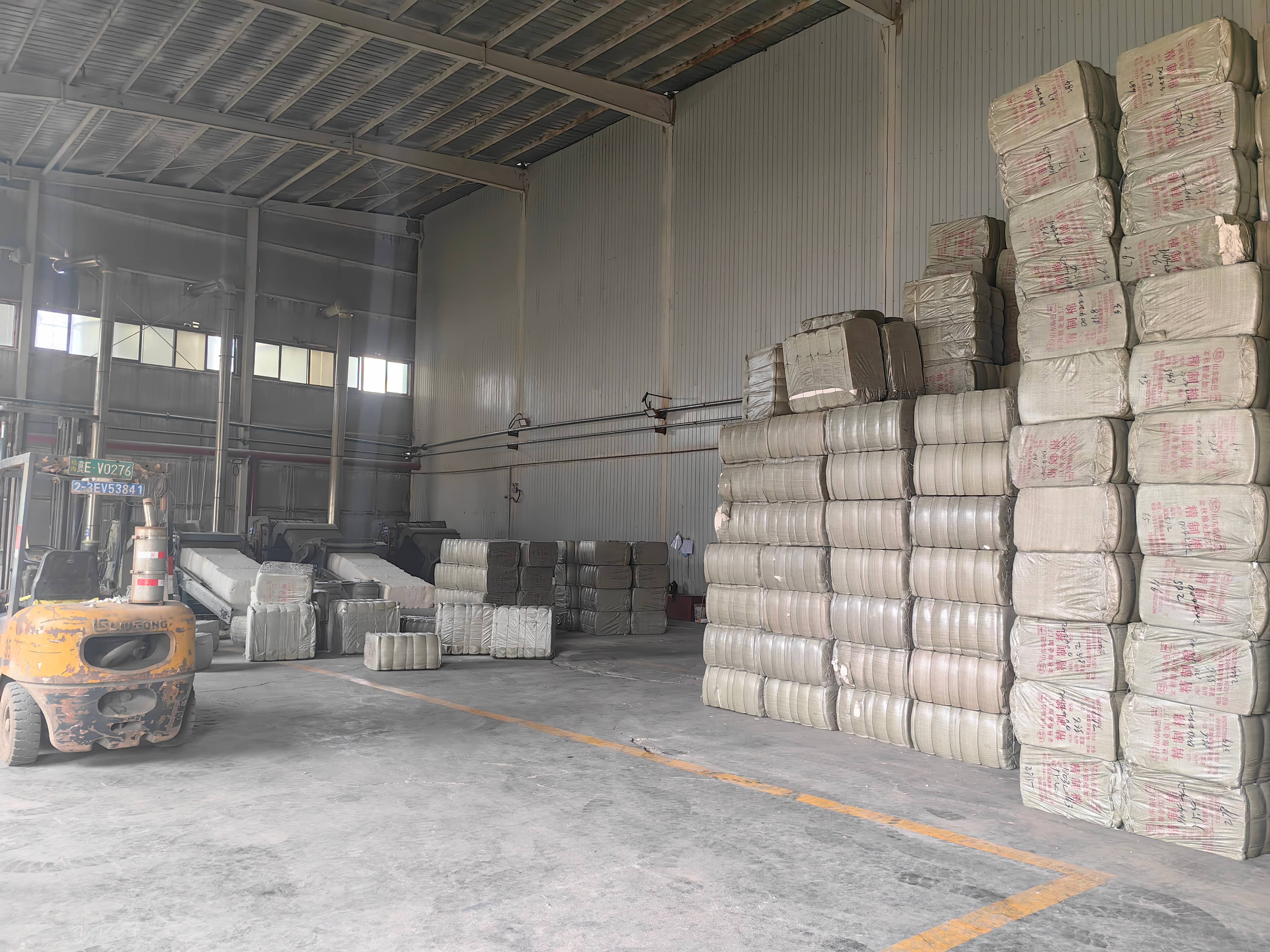
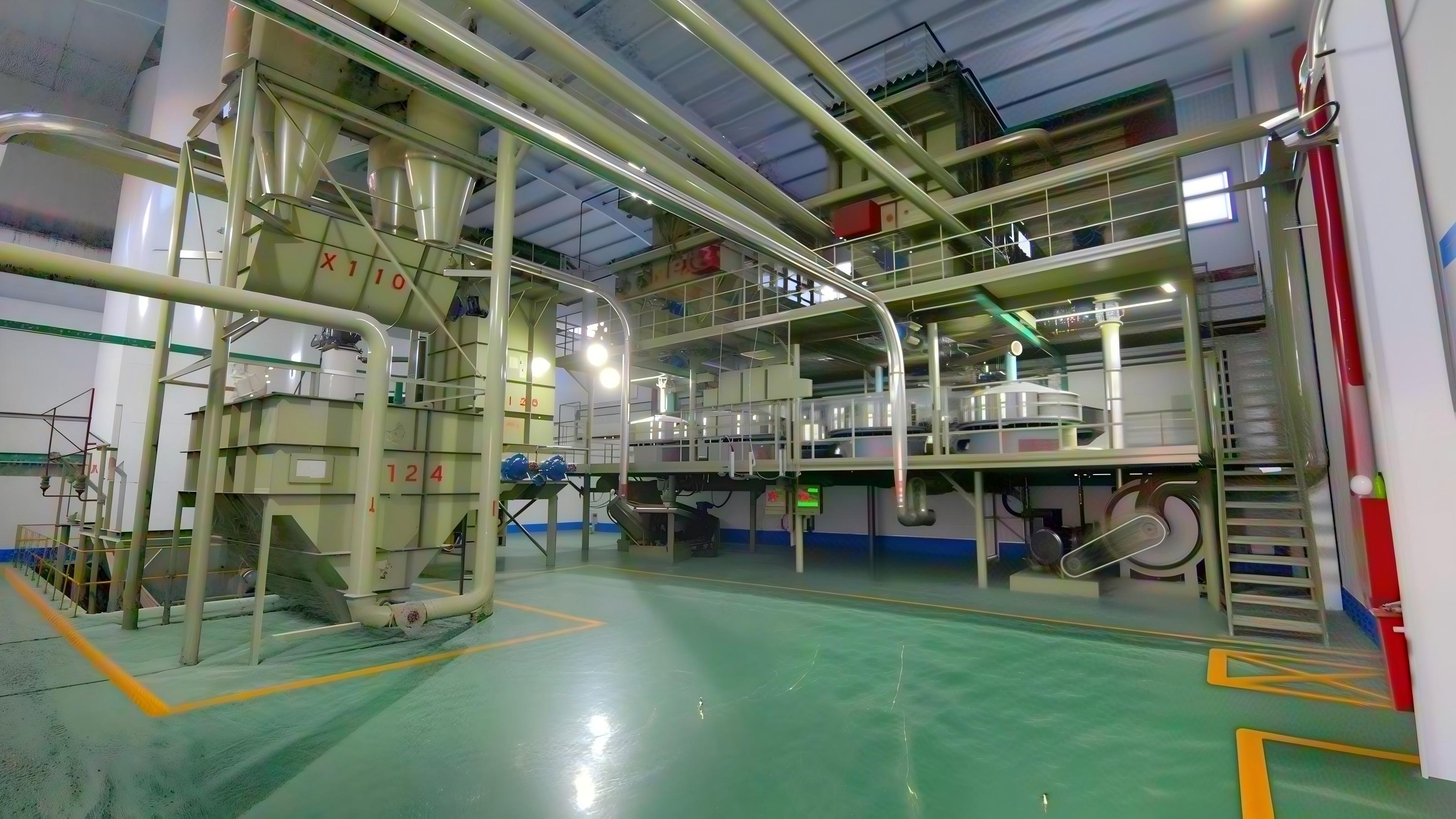
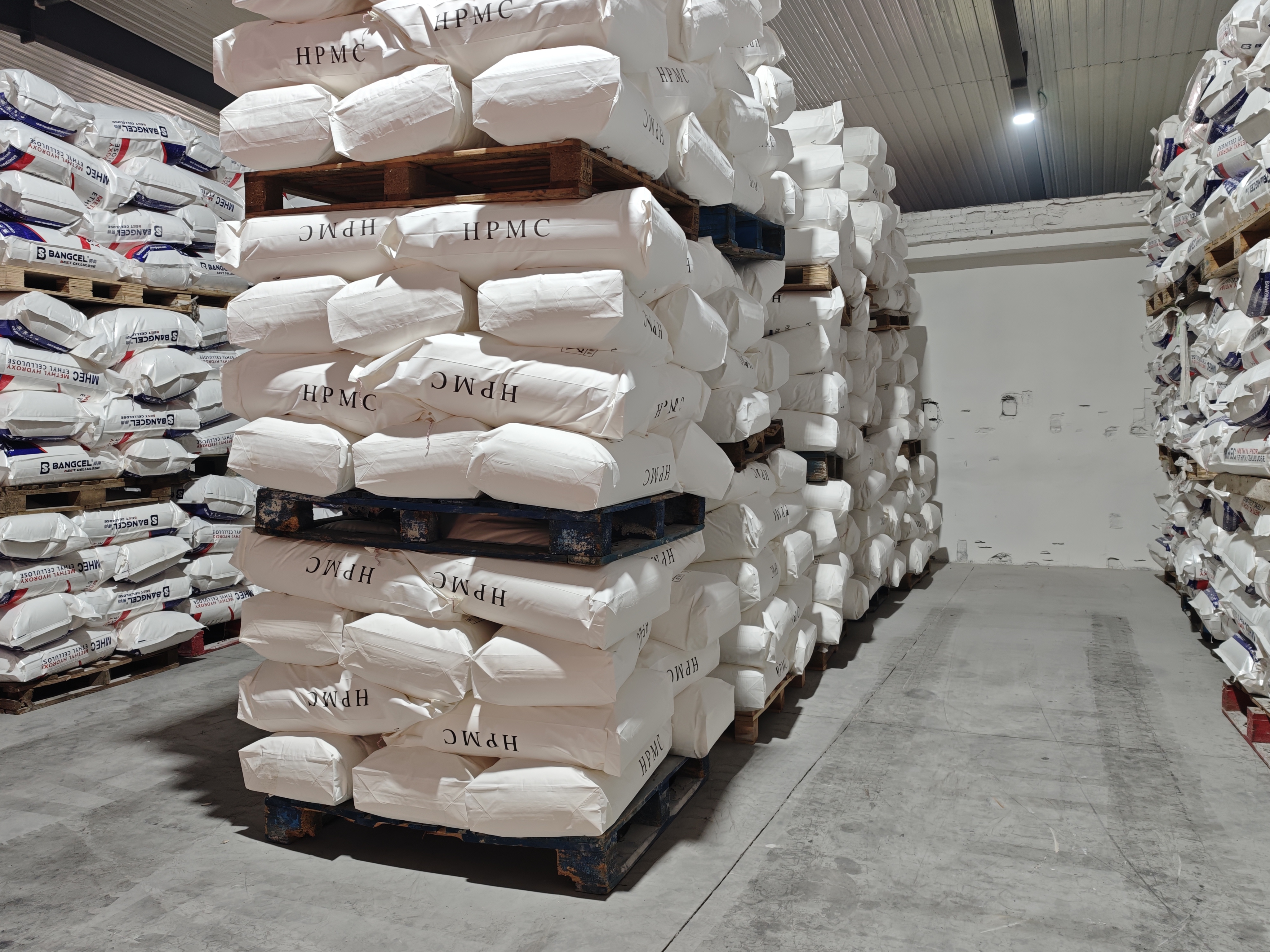
Quality in a cellulose ether is largely determined before the reactor. Ask how incoming refined cotton is inspected, how the etherification reaction is controlled, and how the drying and crushing stage monitors particle size. At the BANG SHANG INTERNATIONAL facility, the production flow covers refined cotton storage, etherification reaction, pipeline transportation, drying and crushing, finished-goods warehousing and an environmental dust-removal process, with a central control room and standardized batch control across the line.
Step 7 — Lock customization, testing and commercial terms in the order
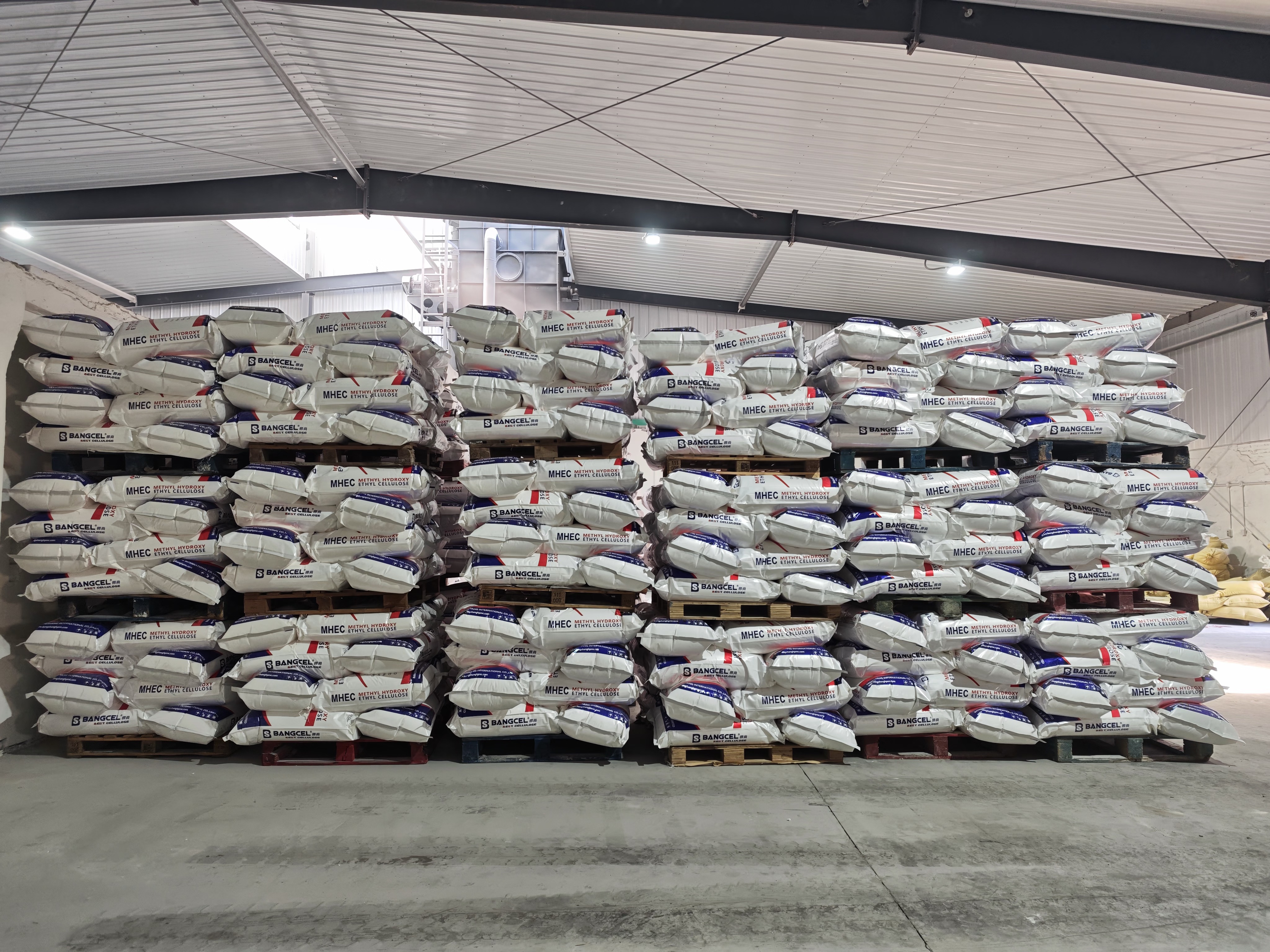
Once the technical specification is agreed, confirm what is actually customizable and on what terms. BANGCEL® HPMC supports OEM and ODM production, including small batch customization, with customization covering product parameters (viscosity, particle size, ash content, degree of substitution, water retention rate), formula or grade, packaging (logo, specification, shipping mark, label) and services such as customized testing. Production terms are a minimum order quantity of 3 tons, delivery on FOB or CIF terms, and payment of 30% TT in advance with 70% against a copy of the bill of lading.
Use Cases: Where These Selection Rules Are Applied
- Decorative wall putty and skim coats (construction putty powder). Thin application makes water retention the controlling property; ash content control protects dosage consistency across large decorative projects.
- Textured renders and decorative topcoats. Workability and open time determine whether the pattern can be finished before the surface sets.
- External wall insulation systems (EIFS/ETICS). The finishing layer sits over insulation with high suction variation, so water retention is the parameter that keeps drying uniform.
- Plastering and gypsum-based decorative finishes. Near-neutral pH (6–8) and controlled substitution degree support compatibility with gypsum binders.
- Adjacent dry-mix systems. Ceramic tile adhesive, self-leveling mortar and cement-based mortars use the same selection logic with different viscosity targets.
A reference case illustrates the logic in practice. In India, a construction chemicals manufacturer used BANGCEL® HPMC for dry mix mortar production and water-based paint over a two-year project covering 20 metric tons of supply. The reported outcome was excellent water retention, with high purity and stable viscosity cited as the product highlights. For a buyer, the transferable point is not the volume but the sequence: parameter specification first, batch testing second, long-run stability third.
Comparison Table: Verified BANGCEL® HPMC Parameters and Order Terms
Table 1 sets out the specified parameters against the selection decision each one drives. Table 2 covers the quality and commercial terms a procurement team needs to close an order.
| Parameter | Specified range (BANGCEL® HPMC) | Selection decision it drives |
|---|---|---|
| Viscosity | 200–200,000 mPa·s | Water retention level and dosage in the decorative mortar |
| Grade families | HPMC100000, HPMC150000, HPMC200000 | Starting point for grade comparison before measured values are checked |
| Ash content | Below 5% | Active polymer content per ton; dosage stability across batches |
| Methoxyl group | 24–30% | Solubility behaviour in the binder system |
| Hydroxyl propyl group | 4–12% | Balance between water retention and workability |
| Moisture | Below 5% | Storage stability in humid climates |
| pH | 6–8 | Compatibility with cement-based and gypsum-based systems |
| Particle size | Customizable | Dusting, dispersion speed and pumping behaviour on your line |
| Item | Verified term |
|---|---|
| Quality control | 100% test |
| Acceptance criteria | Pre-shipment test |
| Minimum order quantity | 3 Ton |
| Delivery terms | FOB / CIF |
| Payment terms | 30% TT in advance, 70% against copy of BL |
| Monthly capacity | 3,000 Ton |
| Typical lead time | 7–14 days |
| Customization scope | Viscosity, particle size, ash content, degree of substitution (DS/MS), water retention rate; custom formulation and grade; blending and compounding; packaging; custom testing |
| Service model | OEM / ODM, small batch customization, customized technical support, quality traceability and after-sales support |
| Export markets | Worldwide, excluding the EU |
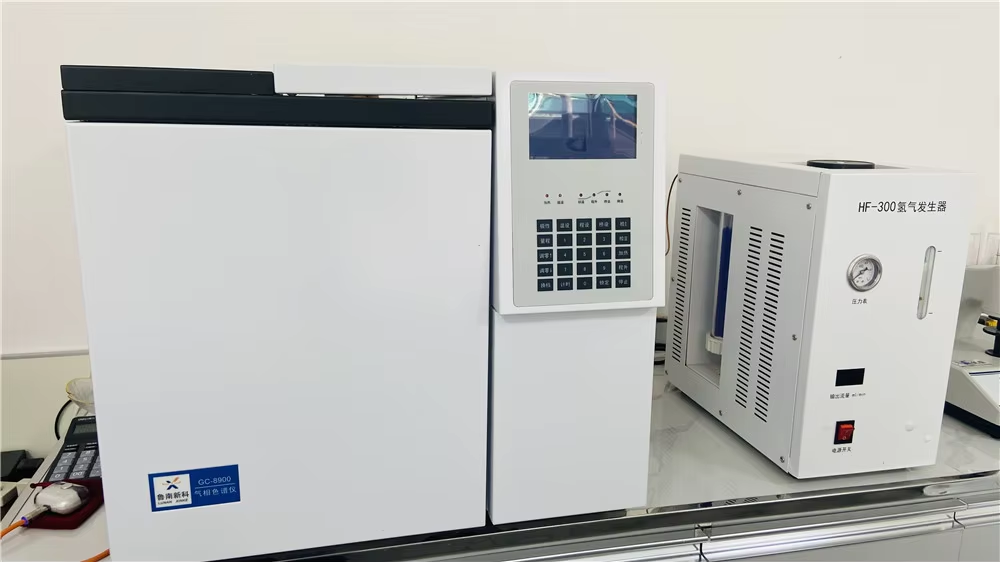
| Management systems | ISO 9001:2015 (GB/T19001-2016), certificate 86525Q1069R0M; ISO 45001:2018, certificate 86525S1067R0M; ISO 14001:2015, certificate 86525E1068R0M (global, excluding the EU) |
Frequently Asked Questions
1. Which certifications should a decorative mortar producer check on an HPMC supplier?
Check management-system certification and product-level testing evidence. BANG SHANG INTERNATIONAL holds ISO 9001:2015 (GB/T19001-2016) certificate 86525Q1069R0M issued by HQC on 2 September 2025 and valid to 1 September 2028, covering cellulose ether and RDP powder; ISO 45001:2018 certificate 86525S1067R0M, covering HPMC and cellulose ether manufacturing and related occupational health and safety management; and ISO 14001:2015 certificate 86525E1068R0M for environmental management, valid for global markets excluding the EU. The company's products have also passed CE certification and SGS testing, and pre-shipment testing is the defined acceptance criterion for orders. Where tenders require environmental declarations, industrial-grade cellulose ethers are expected to meet ISO 14025:2006 for environmental product declarations.
2. Can HPMC viscosity, substitution degree and particle size be customized for a decorative mortar formulation?
Yes. BANGCEL® HPMC is offered under an OEM and ODM model that includes small batch customization. Customization covers product parameters — viscosity, particle size, ash content, degree of substitution (DS/MS) and water retention rate — as well as custom formulation and grade, blending and compounding, packaging (logo, specification, shipping mark, label) and customized testing. Production runs through refined cotton storage, etherification reaction, pipeline transportation, drying and crushing, and finished-goods warehousing, controlled from a central control room with standardized batch control. Monthly capacity is 3,000 tons, with a typical lead time of 7–14 days for export markets worldwide excluding the EU.
3. What are the order terms, and how does grade choice affect the commercial side?
The commercial terms for BANGCEL® HPMC are a minimum order quantity of 3 tons, delivery on FOB or CIF terms, and payment of 30% TT in advance with 70% against a copy of the bill of lading. Pre-shipment testing is the acceptance criterion. On the cost side, the useful comparison is active content per delivered ton rather than price per ton alone: because ash content is specified below 5% and represents the inactive fraction, a grade with a higher ash figure typically requires a higher dosage to reach the same water retention in a decorative mortar, which changes the real cost of the formula.
4. How should a new grade be validated before a full order is placed?
Validation follows the same sequence as specification: confirm the measured viscosity at a declared concentration and temperature, check the batch ash content against the below-5% limit, verify the particle size distribution against your mixer and pump, and then run a small production trial in the actual decorative mortar formula. BANGCEL® HPMC sample support for testing is available, and customized testing is part of the customization scope, so a trial can be structured around the parameters that are most sensitive in your line rather than a generic sample.
5. What lead time and supply capacity apply to repeat orders?
Typical lead time is 7–14 days, against a monthly capacity of 3,000 tons. Repeat-order stability depends on the same batch controls that decide the first shipment: 100% testing, pre-shipment acceptance, and traceability from raw material through to the delivered lot. For buyers planning decorative mortar production across multiple projects, combining the technical specification with the commercial terms in a single approved grade sheet is the simplest way to keep water retention, ash content and particle size consistent between deliveries. To start, request a sample and a quotation through bangshanghpmc.com, or download the product brochure for the full grade list.
Conclusion
Selecting HPMC for decorative construction mortars is not a search for the highest viscosity figure or the widest specification. It is a sequence: define the mortar system, set the viscosity target inside the 200–200,000 mPa·s range, cap ash content below 5%, match particle size to your equipment, confirm the substitution degree, moisture and pH, and then verify that the supplier tests ash content, viscosity and purity on every batch from inspected raw materials. HPMC 200000 on a label tells you which family you are buying; the measured batch data tells you what will happen in your mixer.
BANGCEL® HPMC is produced by BANG SHANG INTERNATIONAL CO.,LIMITED, founded in 2007, operating an 80,000 m² facility with 300 employees and a 26-person R&D team, serving export markets worldwide excluding the EU. The parameters in this guide — viscosity, ash content below 5%, particle size, substitution degree, moisture below 5% and pH 6–8 — are the ones to write into your approved grade sheet before the next decorative mortar order is placed.
Next step: sample, quote or grade review
Send your decorative mortar formulation targets — viscosity, ash limit, particle size and binder system — and BANGCEL® can confirm the matching grade, arrange a sample for testing, or prepare a quotation against the 3-ton minimum order quantity.
Website: www.bangshanghpmc.com | Email: admin@sjz-bs.com | Tel / WhatsApp: +86 13292884619
Product brochure (PDF): Download the BANGCEL® HPMC brochure
Have Questions or Need More Details?
Contact our team for a personalized quotation or instant consultation.
Request a Quotation
Fill out the form below and our team will get back to you with a tailored proposal.
WhatsApp Direct Chat
Prefer to chat in real-time? Message us on WhatsApp for instant assistance & quick answers.
- Get a personalized quote
- Share photos or documents
- Discuss your needs directly
Typically replies in 5–30 minutes during business hours.