Long-Term RDP Supply: How to Choose a Redispersible Polymer Powder Partner That Lasts
Long-Term RDP Supply: How to Choose a Redispersible Polymer Powder Partner That Lasts
For dry-mix mortar producers and construction chemical distributors, selecting a Redispersible Polymer Powder (RDP) supplier for a multi-year project is different from placing a one-off order. The real question is not what is the price of one ton today, but whether this supplier can keep delivering consistent quality, stable volume, technical support and moisture-safe packaging over 12 months, 24 months or longer.
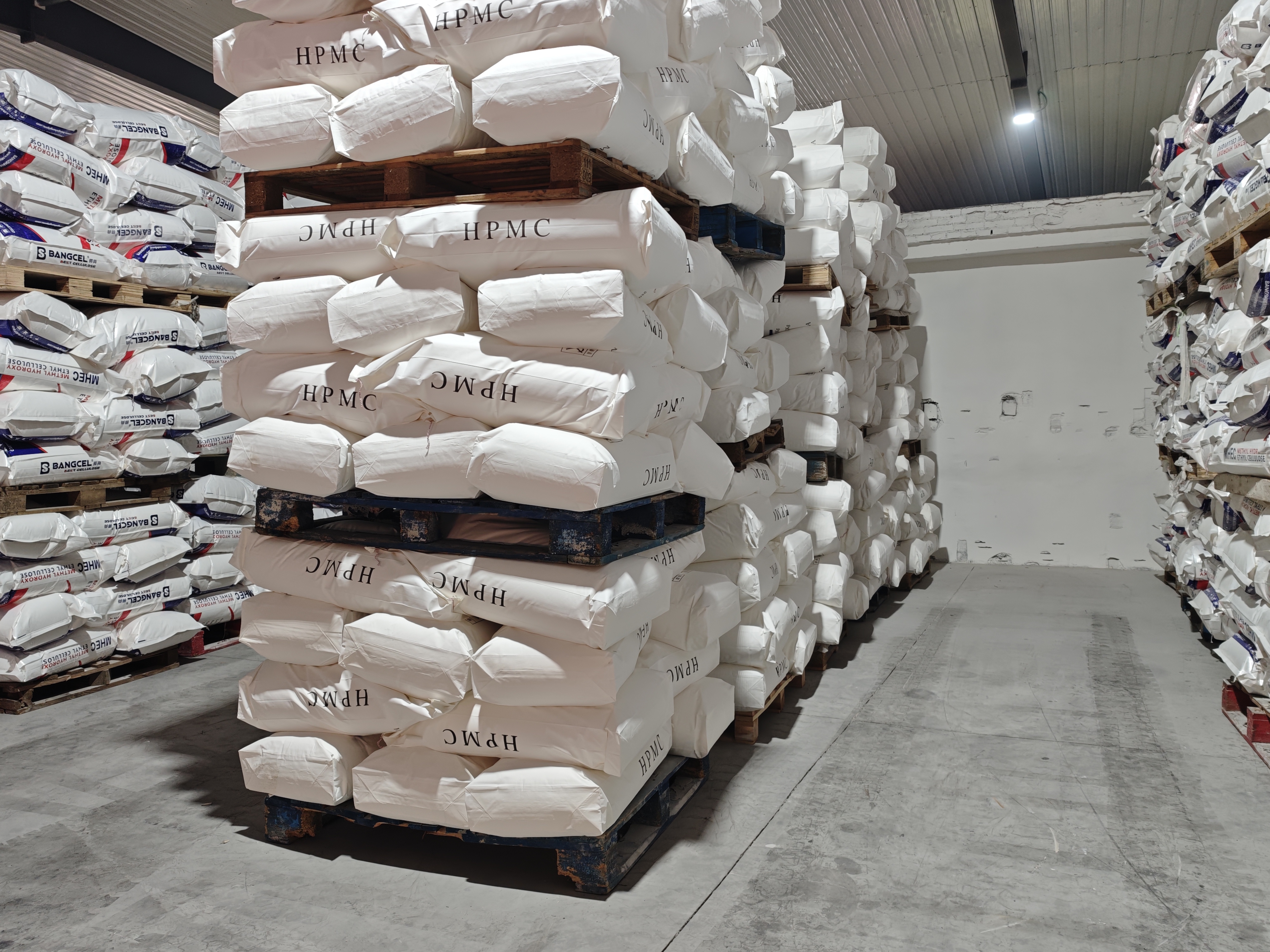
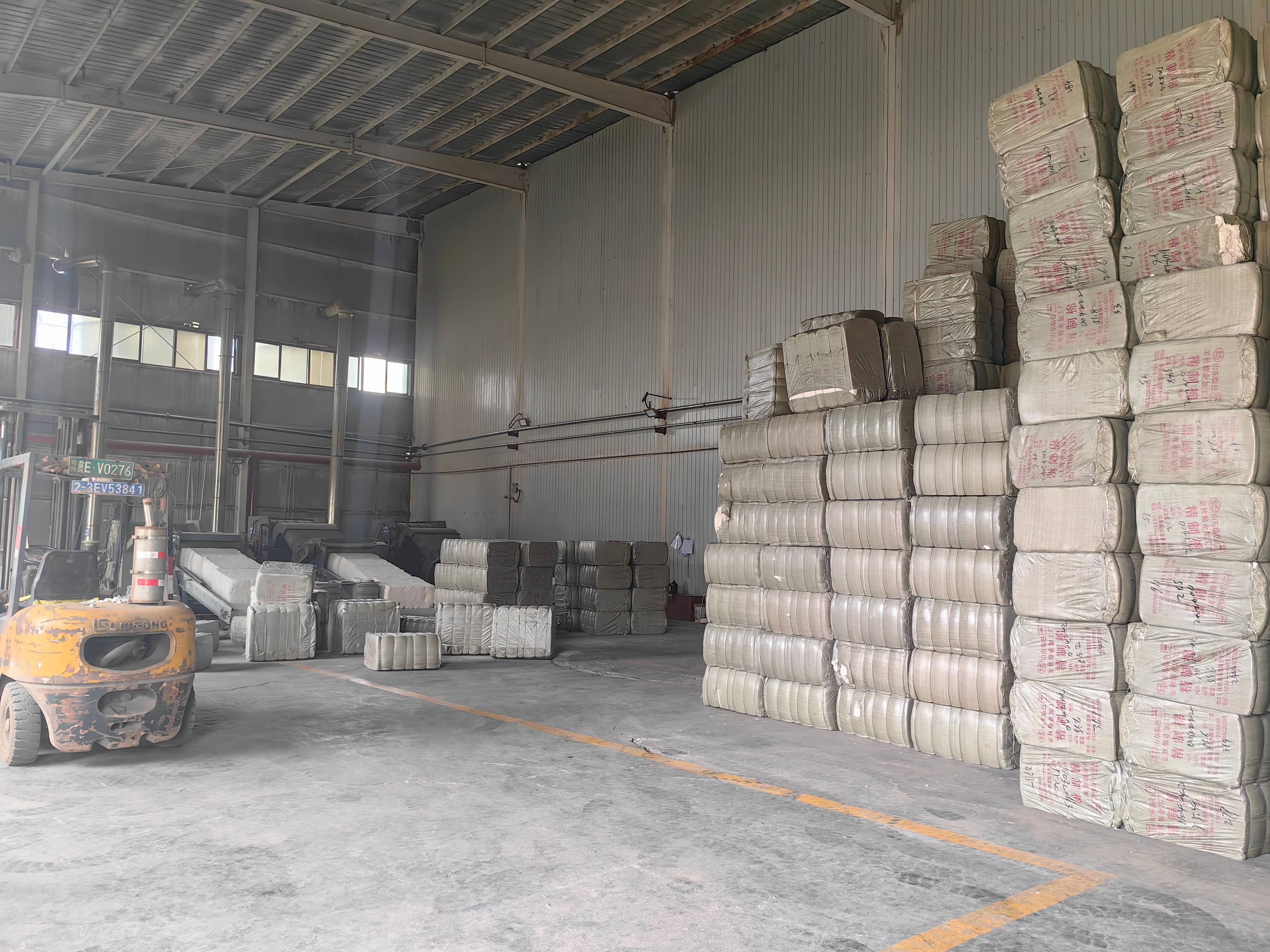
Finished goods warehousing at BANGCEL®: controlled storage supports long-term RDP supply reliability.
Why Long-Term RDP Sourcing Fails Without the Right Controls
The most common failure points in long-term RDP sourcing are not always visible in a first sample. They appear later: batch-to-batch viscosity changes, film-forming problems after storage, agglomerated powder due to humidity, shipment delays, inconsistent packaging, and inadequate response when a customer needs to adjust the formula.
One of the most common physical risks is agglomeration under high temperature and high humidity. Because RDP is a powdered polymer, moisture can compromise redispersibility. A supplier that cannot control storage conditions or packaging quality can create hidden costs for the buyer, including rework and material waste.
In a long-term partnership, therefore, buyers should examine not only the product data sheet, but also the supplier's storage, quality control, and after-sales processes.
RDP Market Context: Why Stable Partnerships Matter Now
Several market signals explain why construction chemical buyers are moving toward longer supply relationships.
- MarketsandMarkets estimates the global RDP market at USD 1.61 billion in 2024, projected to reach USD 2.35 billion by 2029.
- Grand View Research reports that Asia Pacific accounted for 38.01% of RDP revenue in 2025, largely driven by China infrastructure projects.
- VAE-based RDP is the dominant polymer type, with a 59.2% revenue share in 2025.
- Between July 2024 and June 2025, the world imported 2,012 shipments of redispersible polymer from China, with the US, Turkey and Uzbekistan among the top importers.
- RDP is used in tile adhesive formulations to help meet the tensile bonding strength requirements of EN 12004 / ISO 13007-1, which define C1 (≥0.5 MPa) and C2 (≥1.0 MPa) classes.
- Industry analysis suggests the top four RDP manufacturers hold more than 40% of the global market.
These figures should be attributed to their original sources because different research houses define the market differently. Even so, the direction is clear: RDP demand is growing, supply is concentrated, and importers continue to source from China. For buyers, this puts a premium on supplier qualification and long-term supply security.
What a Long-Term RDP Supplier Should Provide
Manufacturer Background and Production Capacity
BANGCEL® is the brand used by BANG SHANG INTERNATIONAL CO.,LIMITED, a manufacturer and global supplier of construction chemical additives founded in 2007. The company specializes in cellulose ethers and Redispersible Polymer Powder, with a factory area of 80,000 m² and a workforce of about 300 employees. Its R&D team includes 26 engineers, and the factory reports a monthly RDP production capacity of 3,000 tons.
The company's product range includes HPMC, MHEC, RDP, HEC and CMC. This combination lets dry-mix mortar producers source both RDP and cellulose ether from one supplier, simplifying procurement and formulation support.
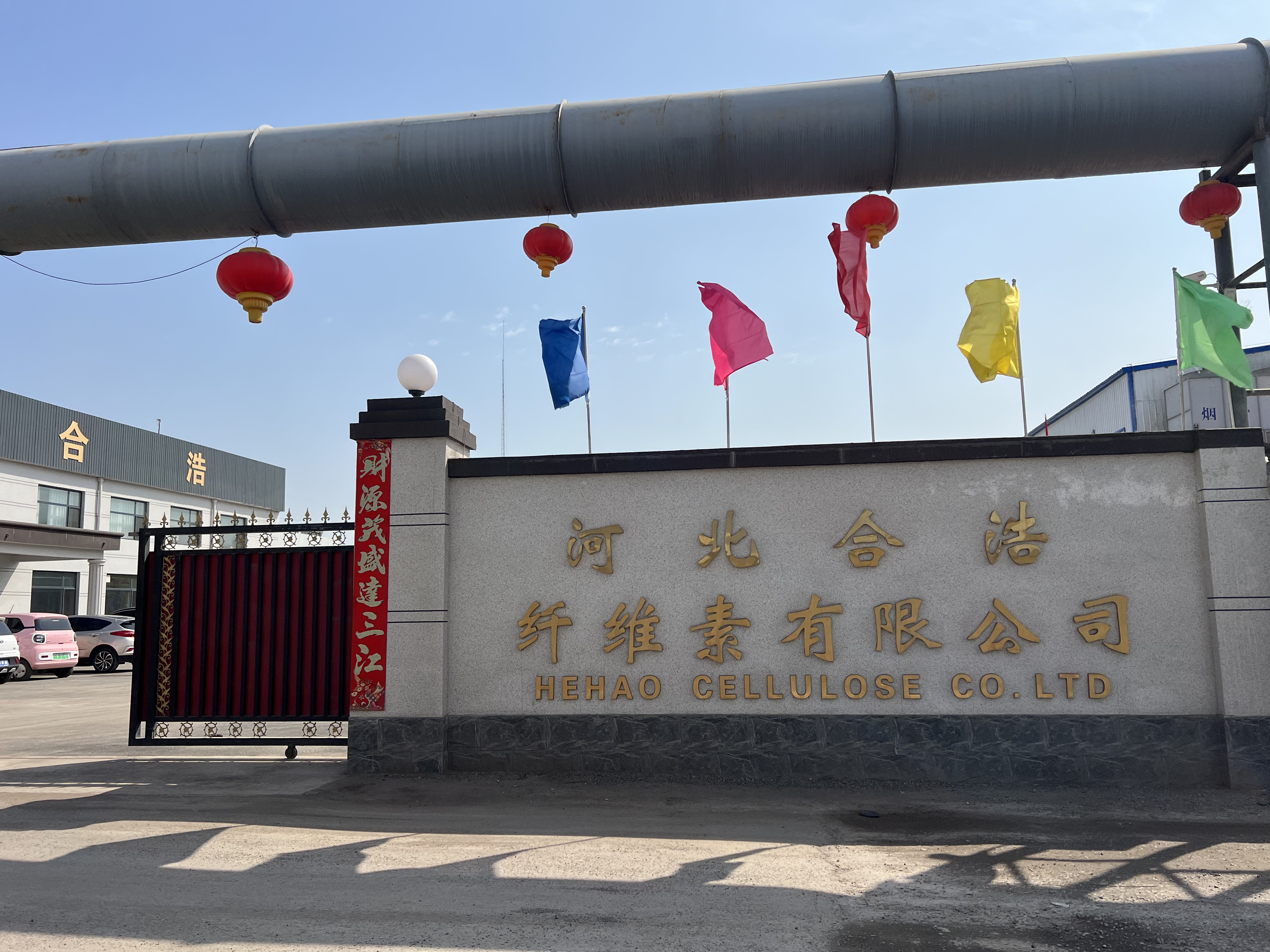
BANGCEL® factory entrance: manufacturing base in Shijiazhuang, Hebei, China.
Product Quality and Consistency
BANGCEL® offers VAE-based RDP grades including RDP5010, RDP6188 and RDP4010. The typical parameters for these RDP products are: solid content ≥99%, minimum film-forming temperature (MFFT) 0°C, glass transition temperature 10°C, pH 6-8, and ash content 11±2.
According to BANGCEL®'s internal comparative assessment, its RDP is produced with high-purity imported VAE raw material and a fully automated closed-loop spray drying process. This is positioned as an important difference from low-grade imported RDP, where raw material and process control are less transparent. The company also states that its products are manufactured under strict quality control and have passed CE certification and SGS testing.
For long-term buyers, batch consistency is supported by standardized production and strict batch control. Pre-shipment testing is included in the procurement process.
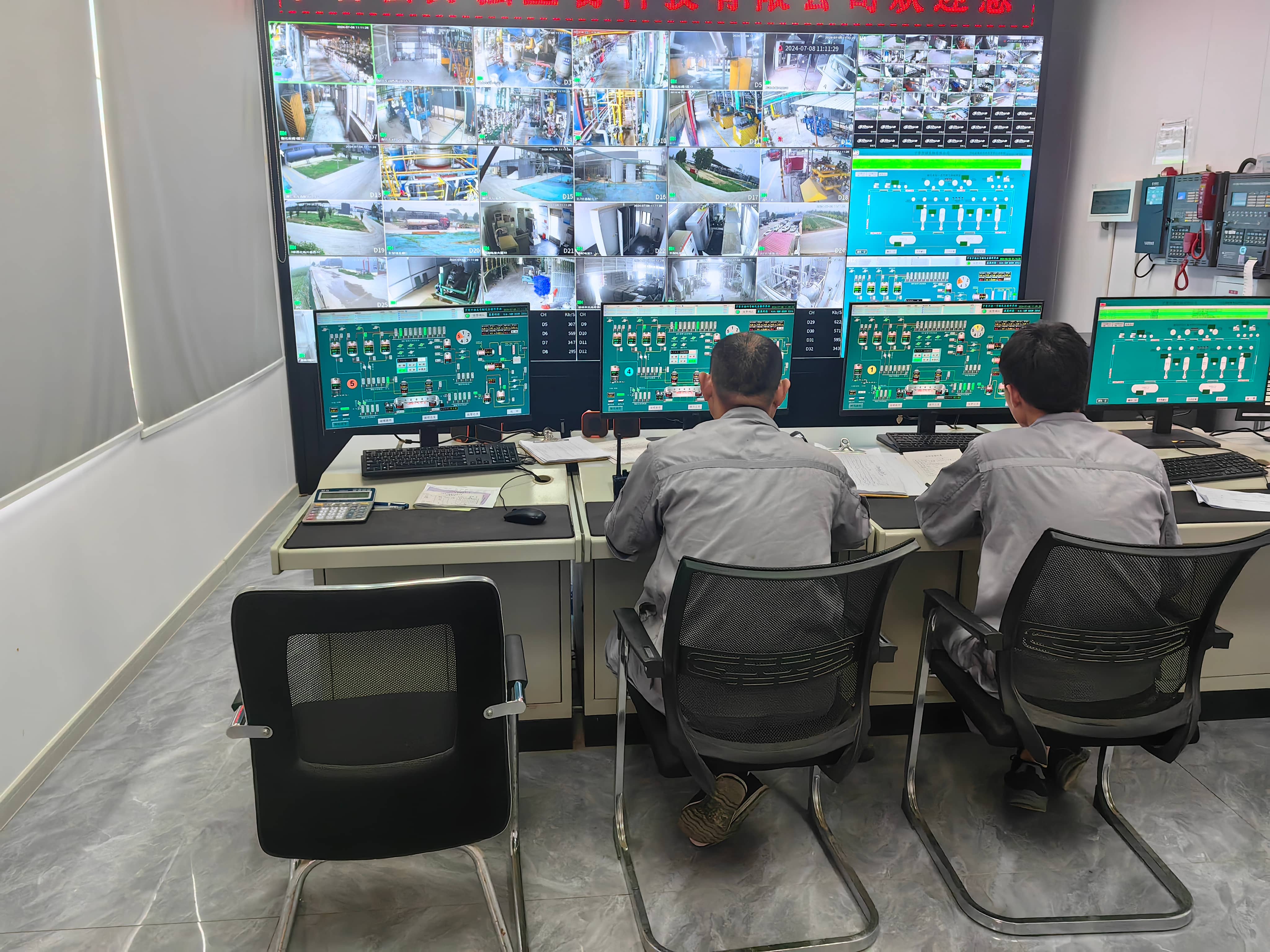
Control room: production monitoring supports batch consistency.
Moisture Protection and Storage Risk Control
Because RDP can agglomerate in high temperature and high humidity, BANGCEL® applies a three-layer moisture-proof composite packaging system. Finished goods are stored in constant temperature (15–25°C) and low humidity (<60% RH) conditions, with regular inventory quality inspection.
For distributors and manufacturers, this reduces the risk of receiving blocked or degraded powder. It also means the supplier's warehouse condition is part of the product quality system.
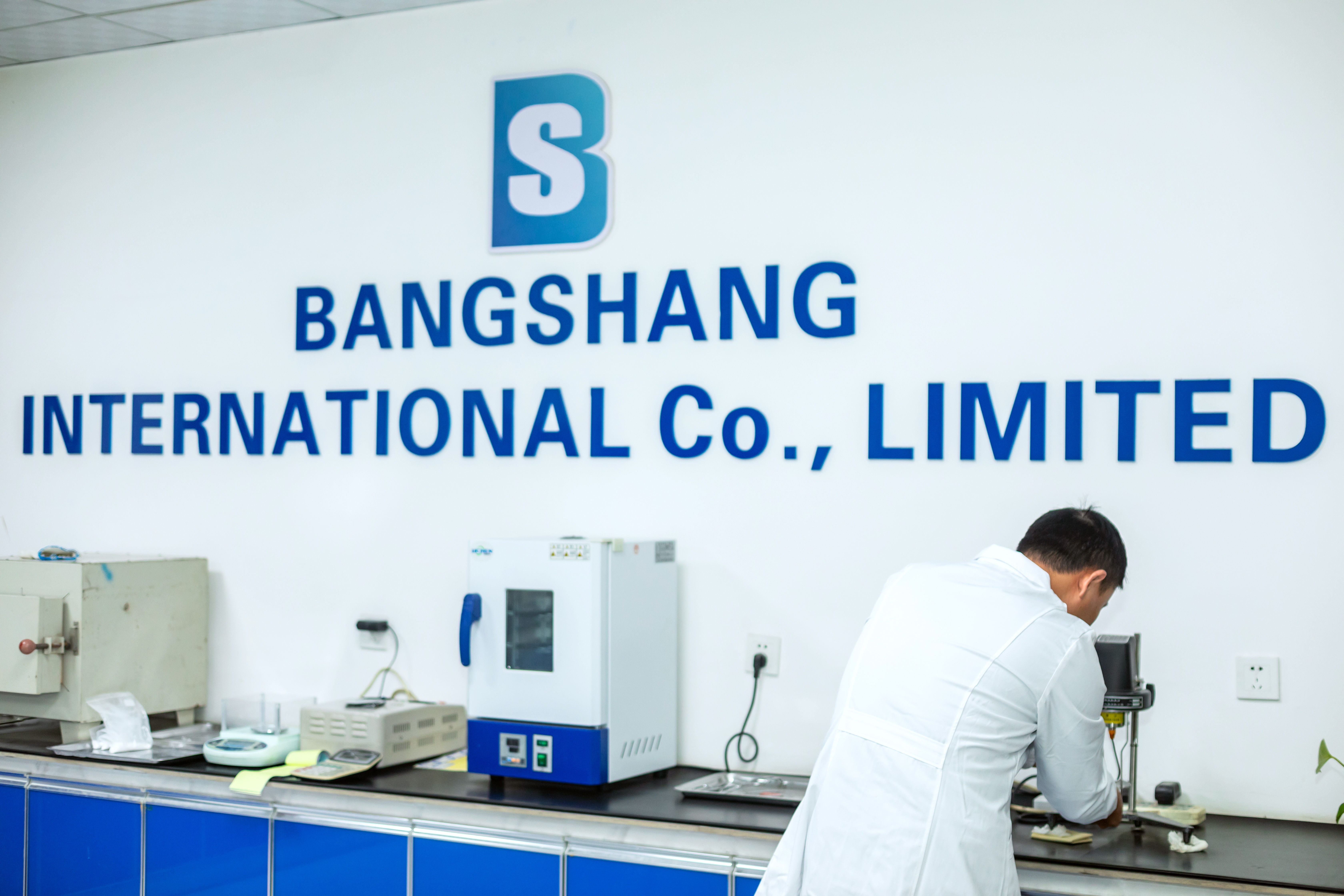
Quality inspection test: visual and performance checks support consistent RDP.
Technical Support, Customization and After-Sales
Long-term RDP supply requires more than delivery. BANGCEL® supports OEM and ODM services, with options for customized viscosity, substitution degree, particle size, and application-oriented grades. Technical adjustments can be made based on customer formulations, raw materials, and application conditions.
After-sales service includes continuous technical support and formula adjustment, stable long-term supply with priority service, and additional support for authorized distributors. The company reports zero mass quality complaints and full-process formulation technical support. In its own assessment, this results in lower maintenance requirements and no additional maintenance cost.
Procurement Terms for Repeat Orders
For buyers entering a long-term arrangement, BANGCEL®'s standard terms are: minimum order quantity (MOQ) of 3 tons; delivery under FOB or CIF; payment 30% TT in advance, 70% against copy of BL; and pre-shipment testing. The company also provides transparent order and production status, which helps buyers plan inventory.
How to Establish a Long-Term RDP Supply Partnership
- Verify supplier credentials and factory capability. Check manufacturer background, production capacity, quality marks, and whether the facility can support the volume you need. BANGCEL® lists CE certification, SGS testing, factory area, and R&D team size.
- Request samples and test formulations. BANGCEL® offers sample support for testing, plus technical consultation and formulation guidance. Use this stage to confirm the RDP grade matches your tile adhesive, wall putty, or mortar system.
- Run a trial order before the long-term contract. The trial should test batch consistency, packaging integrity, moisture barrier, and delivery reliability.
- Define commercial and logistics terms. Align MOQ, payment method, delivery INCOTERMS, and pre-shipment inspection. BANGCEL®'s terms are 30% TT in advance and 70% against BL, with FOB or CIF delivery.
- Plan storage conditions together. Keep the powder at 15–25°C and <60% RH. Confirm that the supplier's packaging is designed for your climate. BANGCEL® uses three-layer moisture-proof composite packaging.
- Establish a technical support routine. Long-term production works best when the supplier knows your formula and can recommend adjustments. BANGCEL® supports formula adjustment and technical assistance throughout the relationship.
- For distributors, confirm partnership support. Additional support for authorized distributors is part of BANGCEL®'s after-sales service. This may include priority supply and marketing assistance.
Long-Term Supply in Practice: Tile Adhesive and Wall Putty Production
In India, a global manufacturer producing tile adhesive and wall putty established a long-term supply partnership with BANGCEL®. Over a two-year period, BANGCEL® provided a stable annual supply of 1,200 metric tons of RDP.
This case illustrates the practical shape of a long-term agreement: regular volume, consistent quality, and a supplier that remains responsive as the customer continues production. For buyers, this type of arrangement reduces the risk of supply interruption and the administrative cost of switching suppliers frequently.
BANGCEL® RDP vs Low-Grade Imported RDP: Internal Comparative Assessment
The following table is based on BANGCEL®'s internal comparative assessment against low-grade imported RDP. Results can vary depending on mortar formulation and application conditions.
| Aspect | BANGCEL® RDP | Low-Grade Imported RDP |
|---|---|---|
| Raw material and process | High-purity imported VAE raw material, fully automated closed-loop spray drying | Unspecified or less controlled |
| Bonding strength | 22% higher | Baseline |
| Flexural strength | 18% higher | Baseline |
| Film-forming rate at -10°C | 100% | About 70% |
| Weather resistance test | 0 cracking | 12% cracking rate |
| Construction efficiency | 30% higher | Baseline |
| Open time | 35% longer | Baseline |
| Material waste rate | Reduced by 15% | Baseline |
| Overall construction cost | Reduced by 10%+ | Baseline |
| Quality complaints | 0 mass quality complaints | Not stated |
FAQ: Long-Term RDP Supply Questions
Does BANGCEL® RDP meet compliance requirements for construction mortar applications?
BANGCEL® products are manufactured under strict quality control and have passed CE certification and SGS testing. For tile adhesives, RDP is commonly used to help meet the tensile bonding strength classes in EN 12004 / ISO 13007-1 (C1 ≥ 0.5 MPa, C2 ≥ 1.0 MPa). Final compliance of a mortar system depends on the full formulation, substrate, and application conditions.
What production capacity can BANGCEL® support for long-term RDP contracts?
BANGCEL®'s factory has a monthly RDP production capacity of 3,000 tons. The company also provides transparent order and production status. For multi-year projects, buyers should share volume forecasts so production planning can be aligned.
What are the minimum order and payment terms for repeat RDP purchases?
The MOQ is 3 tons. Delivery is available under FOB or CIF terms. Payment terms are 30% TT in advance, 70% against copy of BL. Pre-shipment testing is included.
Can BANGCEL® provide samples and formulation support before a long-term commitment?
Yes. BANGCEL® offers sample support for testing, plus technical consultation and formulation guidance. The company supports OEM/ODM customization of viscosity, particle size, substitution degree, and application-oriented grades based on customer formulations and raw materials.
How does BANGCEL® support authorized distributors and long-term customers?
After-sales service includes continuous technical support and formula adjustment, stable long-term supply with priority service, and additional support for authorized distributors. BANGCEL® reports zero mass quality complaints and full-process formulation technical support, which means lower maintenance requirements.
Conclusion: Make Long-Term RDP Supply a Capability Decision
Choosing a Redispersible Polymer Powder supplier for the long term is a capability decision, not only a price negotiation. The right partner should demonstrate stable production capacity, controlled storage and packaging, technical flexibility, transparent order management, and after-sales support that continues after the contract is signed.
BANGCEL® combines a manufacturer's production base with distributor-oriented services: monthly RDP capacity of 3,000 tons, VAE-based product grades, CE and SGS testing, OEM/ODM flexibility, moisture-safe packaging, and an after-sales system designed for long-term supply.
Next step for procurement teams: Request samples, a quotation, or the company profile brochure to evaluate BANGCEL® for your long-term RDP supply plan.
Email: admin@sjz-bs.com | WhatsApp/Tel: +86 13292884619
Download the BANGCEL® company profile for manufacturing and product details.