RDP for High-Rise and High-Standard Construction: Matching Redispersible Polymer Powder to the Job
RDP for High-Rise and High-Standard Construction: Matching Redispersible Polymer Powder to the Job
Short answer: The right Redispersible Polymer Powder (RDP) for a project is the one that fits the mortar system, the performance target, and the production route. BANGCEL® RDP is a VAE-based construction-grade powder positioned for high-rise commercial and residential buildings, external wall insulation systems, high-end tile adhesive, wall putty, and waterproof mortar. However, project fit should always be confirmed with a formulation trial.
When a contractor, mortar producer, or building material importer evaluates RDP, the first question should not only be about price. It should be: which RDP belongs in this specific construction scenario? This guide explains how to make that decision using BANGCEL® product data, application profiles, and documented production experiences.
The Problem: RDP Selection Is Project-Specific
Construction mortar production is rarely one-dimensional. A producer making wall putty for residential interiors may not face the same technical pressure as a producer making base coat mortar for an external wall insulation system. Both may buy RDP, but their priorities can differ.
High-rise commercial and residential buildings, external wall insulation systems, high-end tile adhesive, wall putty, and waterproof mortar represent especially demanding applications. In these systems, mortar must maintain adhesion under moving substrates, resist cracking over time, handle moisture and temperature changes, and survive the logistics of real construction sites. RDP is one of the most important raw materials for achieving these properties in dry-mix mortar formulations.
The problem is that buyers often begin with a grade name instead of defining the project first. A useful selection process should invert that order: define the project, define the mortar system, define the required performance, and only then compare RDP products.
Industry Background: A Growing Market with Standard-Driven Demand
The RDP market is expanding because construction systems are becoming more technical. According to MarketsandMarkets, the global Redispersible Polymer Powder market was valued at USD 1.61 billion in 2024 and is projected to reach USD 2.35 billion by 2029. Grand View Research reports that Asia Pacific dominated the RDP market in 2025 with a 38.01% revenue share, largely driven by infrastructure projects in China.
Within the product category, vinyl acetate-ethylene (VAE) is the dominant polymer type, accounting for 59.2% of revenue share in 2025 according to Grand View Research. This matters for buyers because VAE-based RDP is common in dry-mix mortars, and BANGCEL® RDP is based on VAE chemistry.
Another signal is the volume of cross-border trade. According to Volza, between July 2024 and June 2025, the world imported 2,012 shipments of Redispersible Polymer from China. The top importing markets in that period included the US, Turkey, and Uzbekistan. For project buyers outside China, this demonstrates that China-based RDP production is an established part of the international supply chain.
Standards also raise the stakes. Tile adhesives are classified under EN 12004 and ISO 13007-1. RDP is essential for reaching the C1 and C2 tensile bonding performance levels defined in those standards: C1 requires at least 0.5 MPa, and C2 requires at least 1.0 MPa. That gives formulators and specifiers a clear reason to evaluate RDP not as a generic additive but as a performance-enabling material.
Detailed Solution: BANGCEL® RDP Product Data for Project Evaluation
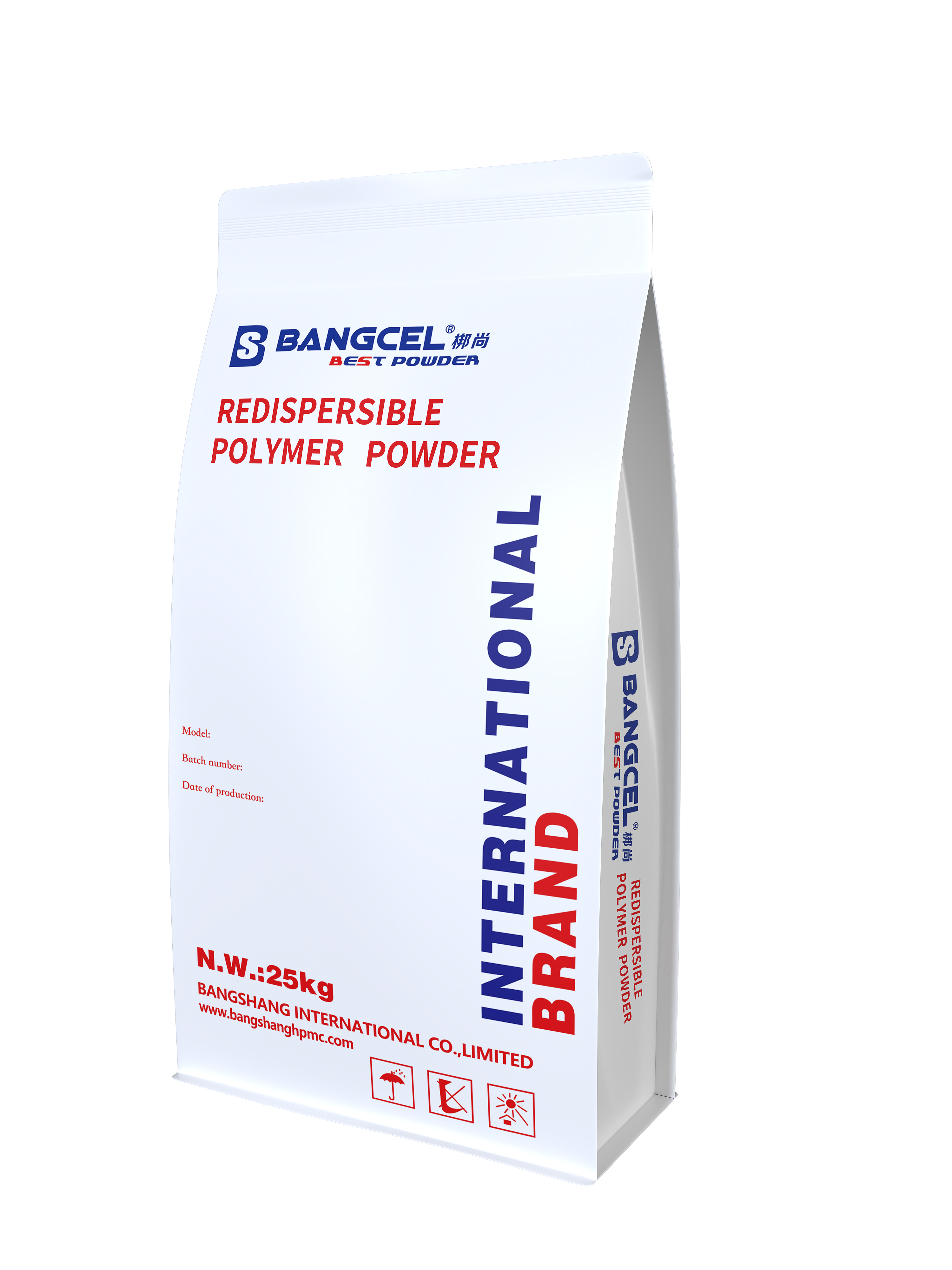
BANGCEL® RDP is marketed under the product name Redispersible Polymer Powder, available in models RDP5010, RDP6188, and RDP4010. The material is VAE-based and designed for the building materials and dry-mix mortar sector.
Product Parameters at a Glance
| Parameter | BANGCEL® RDP Value or Description |
|---|---|
| Product name | Redispersible Polymer Powder (RDP) |
| Models listed | RDP5010, RDP6188, RDP4010 |
| Material / polymer type | VAE (vinyl acetate-ethylene) |
| Solid content | ≥ 99% |
| Ash content | 11 ± 2% |
| pH | 6–8 |
| Minimum film forming temperature (MFFT) | 0°C |
| Glass transition temperature | 10°C |
| Typical use areas | Construction materials, dry-mix mortar, waterproofing materials, tile adhesive manufacturing, wall putty manufacturing |
In BANGCEL® product documentation, the RDP range is described as suitable for high-rise commercial and residential buildings, external wall insulation systems, high-end tile adhesive, wall putty, and waterproof mortar. The same application profile appears in customer-facing documents and marketing materials, which means the product is not positioned as a single-purpose commodity. It is intended to serve multiple high-standard construction systems.
For project evaluation, the functional claim in BANGCEL®'s application data is equally important: RDP is used to enhance adhesion, flexibility, crack resistance, and durability of mortars. Those four functions align with the typical risks in high-rise construction, insulation systems, tile installations, putty, and waterproofing applications.
BANGCEL® also positions this product for automated dry-mix mortar production systems. The application scenario includes all-weather construction conditions and project types such as EIFS/ETICS, tile adhesives, self-leveling compounds, wall putties, and repair mortars. Special requirements listed in the same profile include EN/ASTM/GB-compliant, low-VOC and customized formulations.
From a quality assurance standpoint, BANGCEL® states that products are manufactured under strict quality control and have passed CE certification and SGS testing. Buyers should still request current certificates and test reports for their target market, but the available production profile gives a useful starting point.
Step-by-Step: How to Evaluate RDP for a Specific Construction Project
Use the following workflow when you are at the research or evaluation stage for a project-based RDP purchase.
- Define the actual mortar system. Identify whether the RDP will go into tile adhesive, wall putty, plastering mortar, EIFS/ETICS adhesive or base coat, self-leveling mortar, waterproof mortar, or repair mortar. Start with the end-use system, not the RDP grade name.
- Translate the project into performance requirements. Write down the properties the formulation must deliver: adhesion to the target substrate, flexibility, crack resistance, and durability in the expected environment. These are the functions that BANGCEL®'s application profile associates with RDP.
- Identify applicable standards and market expectations. If the product will be used in tile adhesive, check how the formulation can meet EN 12004 / ISO 13007-1 C1 or C2 tensile bonding requirements. For other systems, align with the specific national or project standard such as EN, ASTM, or GB.
- Review the RDP specification table. Compare solid content, ash, pH, MFFT, glass transition temperature, and polymer base. A listed solid content of at least 99%, low ash variability, and clear MFFT data can be checked before deciding which grade to trial.
- Consider application environment and production equipment. Confirm whether the RDP is intended for all-weather construction and whether it can be used in an automated dry-mix mortar plant. BANGCEL®'s application scenario maps the product to both all-weather jobsite conditions and automated production systems.
- Check customization and technical support requirements. If your formulation needs a particular viscosity, particle size, ash content, degree of substitution, or water retention rate, choose a supplier that can support OEM/ODM adjustment. BANGCEL® offers parameter customization, custom formulation and grade development, blending and compounding services, and packaging customization.
- Run a small trial before committing to volume. Sample support is important at the research stage. Test the selected RDP in your own formulation, under your own production conditions, before scaling up.
Use Cases: Applying BANGCEL® RDP in High-Standard Construction Scenarios
High-Rise Commercial and Residential Buildings
BANGCEL® product documentation explicitly lists high-rise commercial and residential buildings as a suitable application for this RDP range. For high-rise projects, the practical concern is not just initial strength. It is long-term adhesion and crack resistance under structural movement, wind loading, and climate changes. This is why RDP is used in dry-mix mortars intended for demanding building envelopes.
External Wall Insulation Systems (EIFS/ETICS)
External wall insulation systems are weather-facing applications. The mortar must bond to insulation boards or substrates, tolerate temperature-driven movement, and resist cracking under repeated stress. BANGCEL®'s application profile lists EIFS/ETICS as one of the intended project types and describes the RDP function as enhancing adhesion, flexibility, crack resistance, and durability.
High-End Ceramic Tile Adhesive
Tile adhesive formulations increasingly need to satisfy C1 or C2 bonding performance under EN 12004 / ISO 13007-1. RDP is essential in this context because it influences the tensile bonding behavior of the adhesive. BANGCEL® RDP has been documented in a real production environment with a global construction mortar and adhesive manufacturer in India, where it was used for tile adhesive and wall putty production under annual steady supply of 1,200 metric tons for two years.
Wall Putty
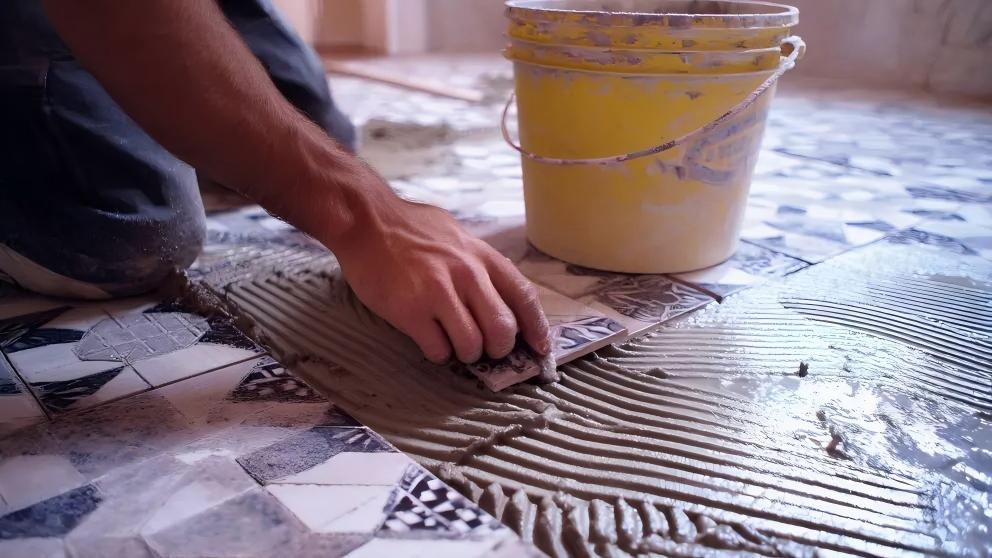
Wall putty is one of the high-volume mortar systems where RDP is used to improve substrate adhesion and cracking behavior. The same Indian case mentioned above included wall putty production. The reported result was excellent adhesion, crack resistance and weatherability, with zero quality complaints in long-term mass production.
Waterproof Mortar, Self-Leveling and Repair Mortar
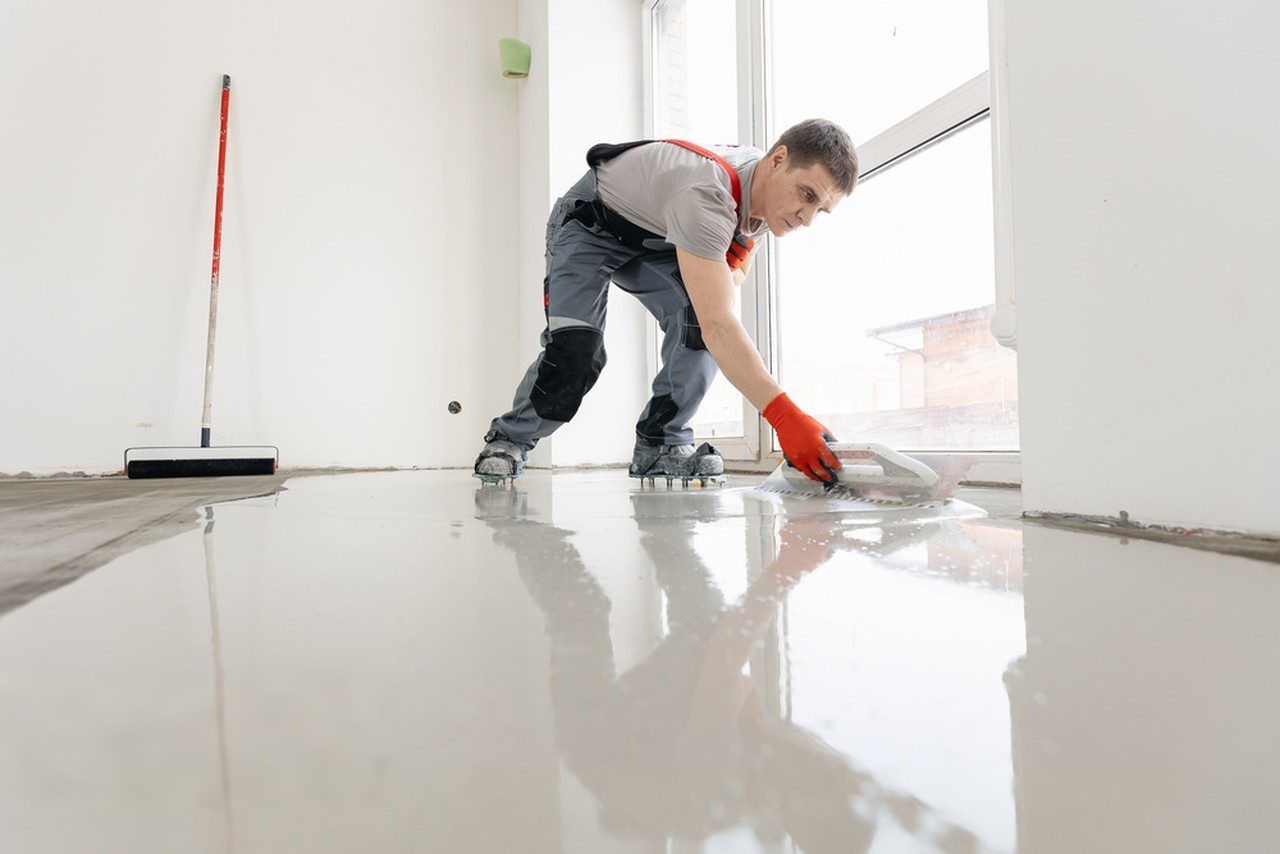
BANGCEL® product data also lists waterproof mortar, repair mortars, and self-leveling compounds as suitable areas of application. These systems face moisture, substrate movement, or continuous surface loading. RDP contributes to the polymer film integrity and mortar flexibility that these conditions require. Buyers should select the exact grade and dosage through formulation testing because system design differs between waterproofing, repair, and self-leveling formulations.
Scenario Comparison Table
The table below summarizes scenario-related selection considerations discussed in this article.
| Construction Scenario | Why RDP Is Relevant | Evidence and Reference Points |
|---|---|---|
| High-rise commercial / residential | Supports long-term adhesion and crack resistance in demanding building systems | BANGCEL® RDP documentation lists high-rise commercial and residential buildings as a suitable application |
| External wall insulation (EIFS/ETICS) | Enhances adhesion, flexibility, crack resistance and durability in weather-facing mortars | BANGCEL® application profile includes EIFS/ETICS among intended project types |
| Tile adhesive | Helps meet tensile bonding requirements under EN 12004 / ISO 13007-1 | RDP is essential for C1 (≥0.5 MPa) and C2 (≥1.0 MPa); documented steady supply case in India |
| Wall putty | Supports adhesion, crack resistance, and weatherability in putty production | Documented case reports zero quality complaints over two years of production |
| Waterproof mortar | Supports durable polymer-modified mortar systems | BANGCEL® RDP product scope includes waterproofing materials and waterproof mortar applications |
| Self-leveling / repair mortar | Adds flexibility and durability requirements for floor and repair systems | Application profile includes self-leveling compounds and repair mortars |
Frequently Asked Questions
Which BANGCEL® RDP models should mortar producers evaluate for high-standard projects?
BANGCEL® Redispersible Polymer Powder is a VAE-based construction-grade powder. The listed models are RDP5010, RDP6188, and RDP4010. The product has a solid content of at least 99%, ash of 11 ± 2%, pH of 6–8, MFFT of 0°C, and a glass transition temperature of 10°C. BANGCEL® documentation describes the product as suitable for high-rise commercial and residential buildings, external wall insulation systems, high-end tile adhesive, wall putty, and waterproof mortar.
Does BANGCEL® RDP support EN, ASTM, or GB project compliance?
BANGCEL®'s construction application profile lists EN/ASTM/GB-compliant, low-VOC, and customized formulations as special requirements for RDP. BANGCEL® also states that its products are manufactured under strict quality control and have passed CE certification and SGS testing. For a specific project, the final mortar should be verified against the applicable standard, because RDP is one ingredient in the complete formulation.
Can BANGCEL® customize RDP parameters for a specific mortar formula?
Yes. As an OEM/ODM manufacturer, BANGCEL® supports parameter customization including viscosity, particle size, ash content, degree of substitution (DS/MS), and water retention rate. The company also offers custom formulation development, custom grade development, blending and compounding services, and packaging customization. The listed monthly capacity for this capability is 3,000 tons, lead time is 7–14 days, and MOQ is 3 tons.
What documented production evidence supports BANGCEL® RDP?
In one documented case, a global construction mortar and adhesive manufacturer in India used BANGCEL® RDP in tile adhesive and wall putty formulations. The supply was 1,200 metric tons per year over two years. The reported result was excellent adhesion, crack resistance, and weatherability, with zero quality complaints in long-term mass production.
How can a buyer test BANGCEL® RDP before a full-scale purchase?
BANGCEL® provides sample support for evaluation. Buyers can request samples and technical consultation before moving to production. Contact: Alex, Email: admin@sjz-bs.com, Tel/WhatsApp: +86 13292884619. The company brochure is available for download for a detailed product and capability overview.
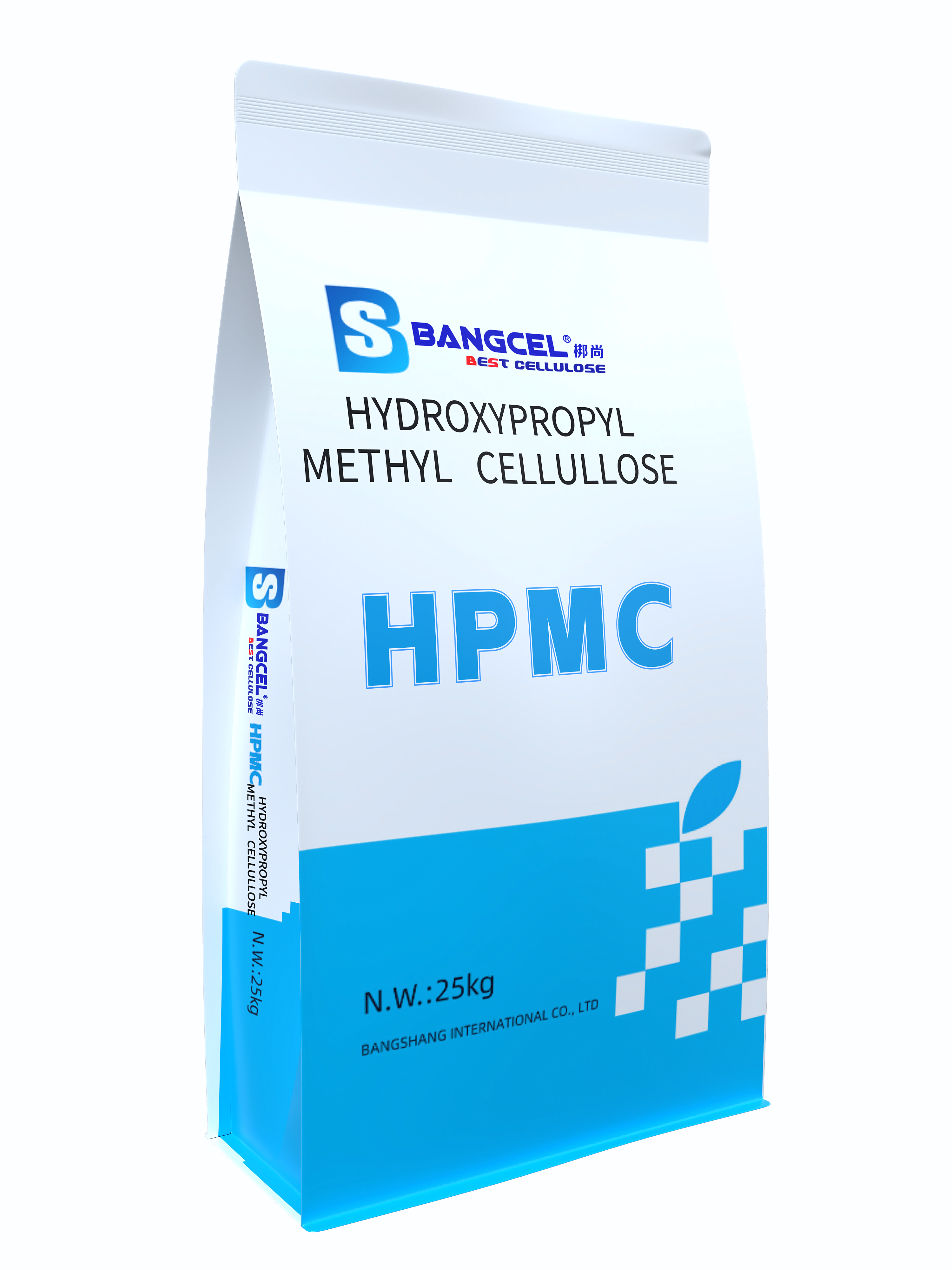
Next step: Request a BANGCEL® RDP sample or quote if you are evaluating a redispersible polymer powder for a high-rise, insulation, tile adhesive, putty, or waterproofing system. Use the grade data in this guide as your checklist and test the powder in your own formulation before scale-up.
Contact: admin@sjz-bs.com | WhatsApp
Download the company profile and product brochure: BANGCEL® Brochure
Conclusion
High-standard construction projects do not need just any redispersible polymer powder. They need a product that can be matched to the mortar system, verified against project requirements, and supported by a manufacturer that understands how RDP behaves in real production.
BANGCEL® RDP provides a useful reference for this type of evaluation. The product is VAE-based, available in multiple listed models, and accompanied by parameter data that a buyer can compare before trial. Its application documentation identifies high-rise buildings, external wall insulation, tile adhesive, wall putty, and waterproof mortar as suitable scenarios, and its documented case history supports the product in tile adhesive and wall putty production.
BANGCEL® is part of BANG SHANG INTERNATIONAL CO.,LIMITED, a manufacturer and global supplier of construction chemical additives founded in 2007. The company specializes in cellulose ethers and redispersible polymer powder and provides OEM/ODM support for industrial buyers. More information is available at www.bangshanghpmc.com.
For project owners, the correct outcome is not simply choosing a popular RDP grade. It is choosing an RDP that helps the mortar pass the project-specific performance test, survive the jobsite conditions, and perform over the life of the building.