Selecting Redispersible Polymer Powder: Viscosity, Particle Size, and Glass Transition Temperature Explained
Two redispersible polymer powder (RDP) samples can carry the same label — construction-grade, VAE-based, free-flowing white powder — and still behave differently in the same mortar recipe. One extends open time; the other can fail a water-immersion adhesion test. At the decision stage, the useful question is not which RDP is "best", but which combination of viscosity, particle size and glass transition temperature (Tg) fits a specific formulation, substrate and job site. This guide explains what each parameter controls, how the three interact, and how parameter-level customization is delivered through BANGCEL® OEM/ODM support from BANG SHANG INTERNATIONAL CO., LIMITED.
The Selection Problem: "RDP" Describes a Category, Not a Grade
Redispersible polymer powder is a spray-dried polymer that redisperses in mixing water and re-forms a continuous film inside hardening mortar. That film is what improves adhesion, flexibility and crack resistance in cement-based and gypsum-based systems. Because the powder is sold under a category name, buyers often compare offers on price per ton and appearance — the two things that are easiest to see and least informative about performance.
The mismatch usually appears later. A mortar manufacturer that switches cement or sand sources, moves a tile adhesive from C1 to C2 requirements, or extends a product from interior to exterior use may find that a previously acceptable RDP no longer delivers the same open time, adhesion or flexibility, even though the grade label has not changed.
- What the category label hides: the polymer's glass transition temperature, its particle size distribution, and the viscosity of its dispersion.
- Where a mismatch shows up: water demand at mixing, open time and anti-sag on the trowel, adhesion after water immersion, and cracking in service.
- Why it matters commercially: a grade that is marginally cheaper per ton can increase rework, waste and failure risk — the opposite of a cost reduction.
Industry Background: Why Grade-Level Specification Matters Now
The global RDP market was valued at USD 1.61 billion in 2024 and is projected to reach USD 2.35 billion by 2029 (MarketsandMarkets). Asia Pacific dominated the market in 2025 with a 38.01% revenue share, driven largely by China's infrastructure projects (Grand View Research). Vinyl acetate ethylene (VAE) remains the dominant polymer type, accounting for 59.2% of revenue share in 2025 (Grand View Research).
Supply is concentrated at the top. The four largest RDP manufacturers — a group that includes Wacker Chemie AG, Dow and BASF — hold more than 40% of global market share (Industry Analysis Report 2025–2032). At the same time, trade data shows a long tail of supply: between July 2024 and June 2025, the world imported 2,012 shipments of redispersible polymer from China, with the US, Turkey and Uzbekistan among the top importers (Volza).
Two practical conclusions follow for buyers. First, brand-name association alone is not a grade specification. Second, with so many supply options available, the ability to compare powders at parameter level is what protects formulation performance.
The regulatory backdrop reinforces the same point. Tile adhesives are classified under EN 12004 and ISO 13007-1, and RDP is essential for meeting the C1 (≥0.5 MPa) and C2 (≥1.0 MPa) tensile bonding standards (ISO/CEN). A supplier can only help a manufacturer reach those thresholds if the parameters behind the powder are known and adjustable. In China, TechSci Research estimates that RDP accounts for approximately 70% of all dry-mix mortar formulations — an indication of how deeply the additive is embedded in mainstream mortar production.
A note on market figures: published RDP market size estimates vary substantially between research houses, mainly because "redispersible polymer powder" and "redispersible latex powder" are defined differently and polymer bases are counted inconsistently. Market numbers are useful for context. Grade decisions should be made on parameters and sample testing, not on market size.
The Three Parameters That Decide Mortar Performance
Viscosity, particle size and Tg are not marketing attributes; they are the levers that translate a powder into finished-mortar behaviour. Each can be adjusted during manufacturing, and moving one usually changes at least one other property.
1. Glass Transition Temperature (Tg): Flexibility vs. Stiffness of the Polymer Film
Tg marks the temperature range in which the polymer changes from a hard, glassy state to a soft, rubbery one. In practice, it predicts whether the dried film inside the mortar behaves elastically or stiffly.
- Lower Tg generally produces a more flexible film: better crack bridging, better adhesion to moving or dimensionally unstable substrates, and more reliable film formation when application temperatures are low.
- Higher Tg generally produces a harder film: more tensile contribution and better blocking resistance in the bag, but less flexibility and greater brittleness at low service temperatures.
Tg is set by monomer composition, which is why "VAE-based RDP" alone says little about flexibility: VAE copolymers and VA/VeoVA terpolymers sit at different positions on the flexibility scale, and that choice determines whether a mortar suits an external wall insulation system or a rigid interior application.
Decision rule: match Tg to substrate movement and service temperature first, and to cost second. In documented BANGCEL® RDP comparison testing against low-grade imported RDP, the film-forming rate at −10 °C reached 100%, compared with 70% for the low-grade benchmark — a difference that shows up directly as cold-weather adhesion performance on site.
2. Particle Size: Redispersion Speed, Film Uniformity and Handling
Particle size and particle size distribution describe the spray-dried powder after drying. They influence four practical behaviours:
- Redispersion: finer particles wet and redisperse faster in mixing water, shortening the time needed for complete film formation.
- Film uniformity: an uneven distribution can leave partially dispersed particles that act as weak points in the hardened mortar.
- Dry-mix handling: coarser particles flow better and generate less dust, while very fine powders demand more attention to anti-caking and dust control.
- Storage sensitivity: finer powders present more surface area to ambient moisture, so packaging and warehouse conditions matter more.
Particle size is largely determined by spray-drying parameters — atomization and drying conditions — together with the protective colloid system. It is one of the parameters that can be specified rather than accepted as delivered.
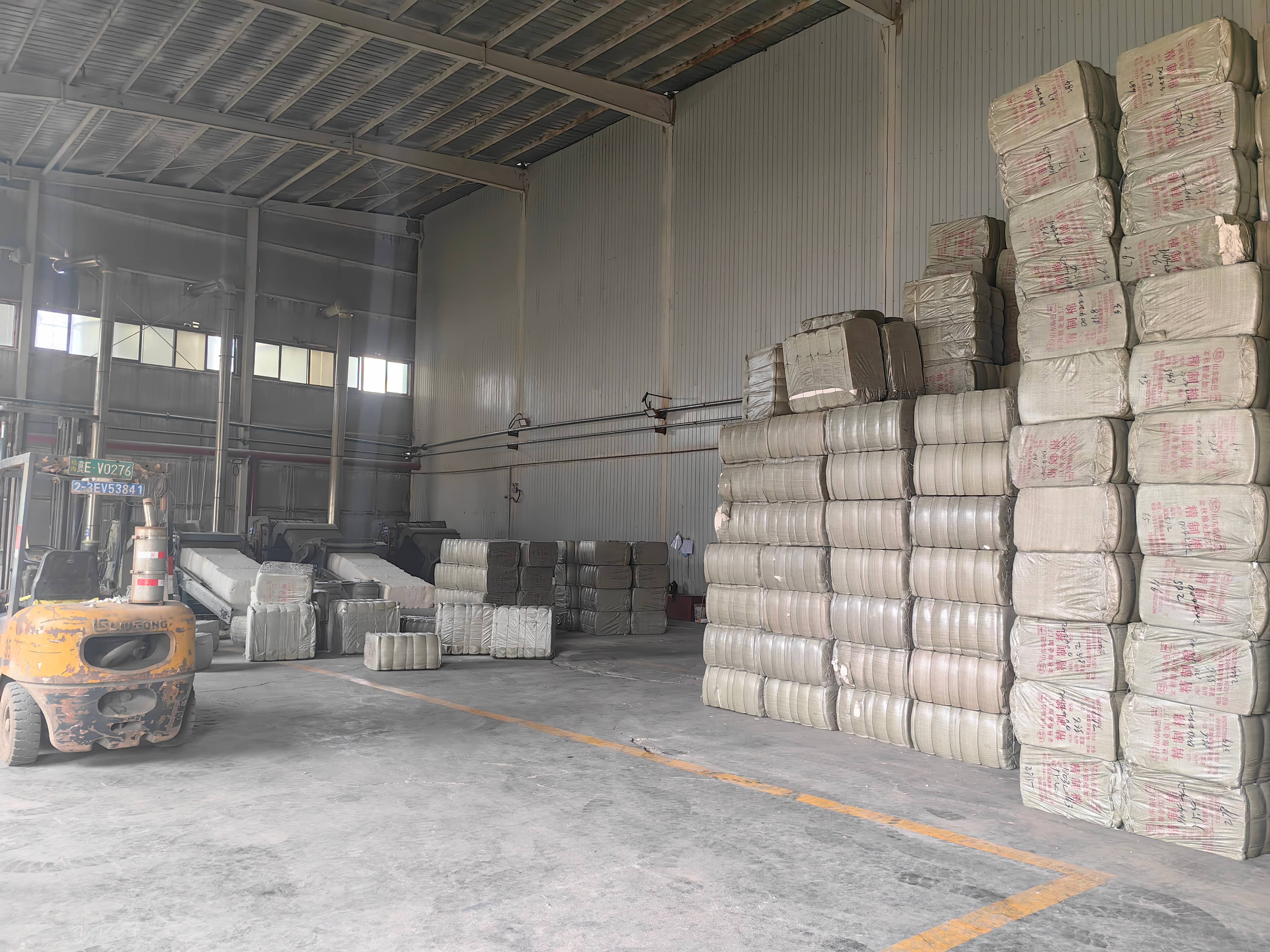
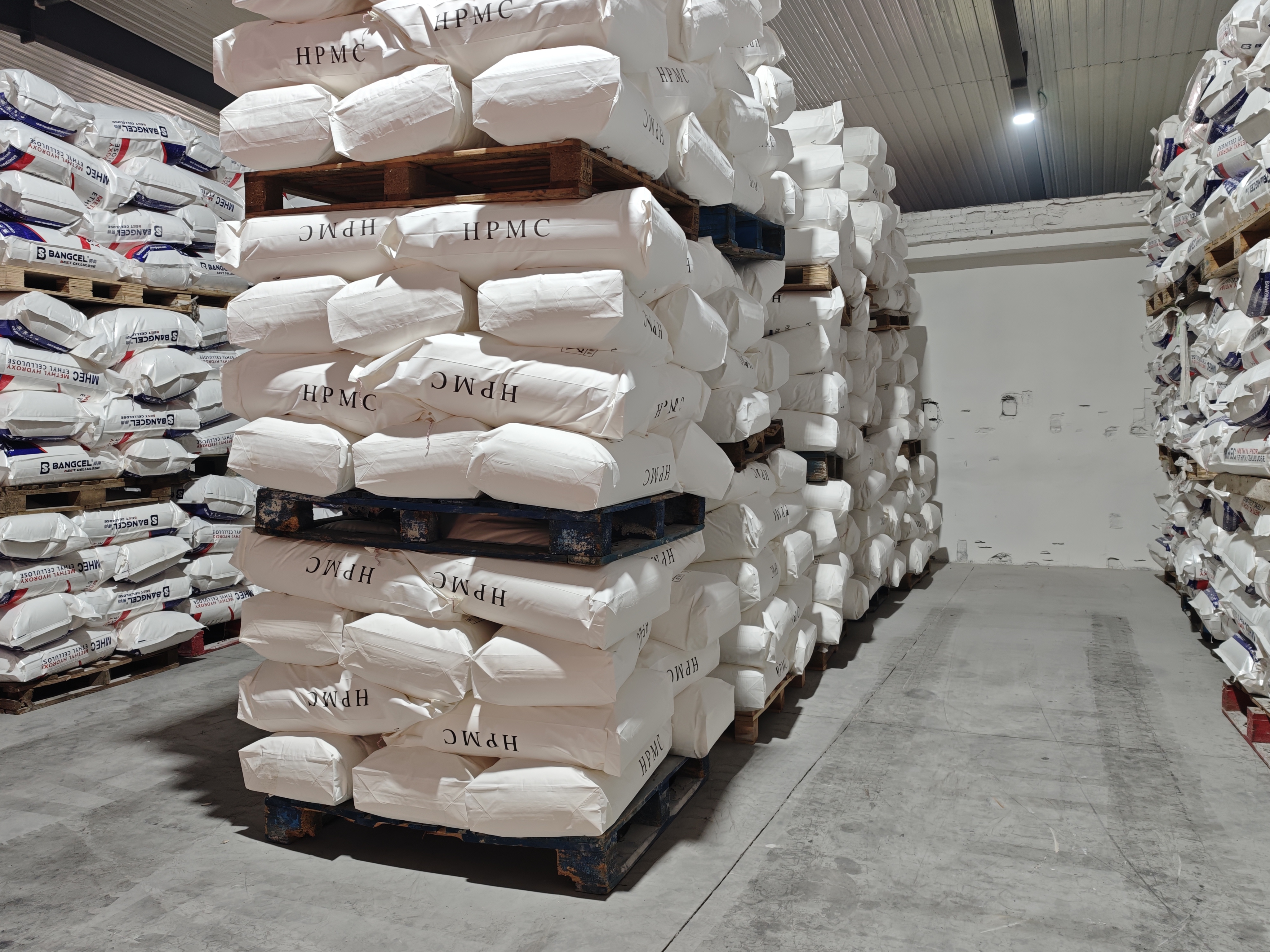
Moisture control is the practical boundary condition. BANG SHANG INTERNATIONAL CO., LIMITED applies 3-layer moisture-proof composite packaging and stores finished RDP in a constant-temperature warehouse (15–25 °C) at low humidity (below 60% RH), with regular inventory quality inspection, to limit agglomeration risk under high-temperature and high-humidity conditions.
3. Viscosity: Workability, Water Demand and Open Time
For RDP, viscosity normally refers to the viscosity of the dispersion — the powder redispersed in water, or the base emulsion before drying. It is governed mainly by molecular weight and by the protective colloid level and degree of hydrolysis.
- Higher dispersion viscosity tends to raise water demand and improve water retention, sag resistance and open time — useful for vertical applications such as ceramic tile adhesives.
- Lower dispersion viscosity favours flow, workability and higher solids loading — useful where the mortar has to level itself.
Viscosity is also the parameter most likely to interact with the cellulose ether in the formulation. Where HPMC already contributes water retention and thickening, an unnecessarily high-viscosity RDP can push water demand beyond what the mix design allows.
How the Three Parameters Interact
Optimising one parameter in isolation usually degrades another. The table below summarises the direction of effect; the optimum profile always depends on the full formulation — binder, filler, cellulose ether and fibres.
| Parameter adjustment | Typical effect on the wet mortar | Typical effect on the hardened mortar | Trade-off to watch |
|---|---|---|---|
| Lower Tg | Improved film formation at low application temperature | More flexible film, better crack bridging and adhesion on deformable substrates | Reduced blocking resistance and higher caking risk in storage |
| Higher Tg | Limited change in mixing behaviour | Harder, more tensile film | Less flexibility; poorer film formation in cold conditions |
| Finer particle size | Faster wetting and redispersion | More uniform film formation | More dust; greater anti-caking and storage sensitivity |
| Coarser particle size | Easier dry-mix flow and handling | Uniform film if fully dispersed | Slower redispersion; risk of undispersed particles |
| Higher dispersion viscosity | Higher water demand, better water retention and anti-sag | Film properties broadly comparable | Workability loss if the cellulose ether already provides retention |
| Lower dispersion viscosity | Easier flow and levelling | Film properties broadly comparable | Reduced anti-sag in vertical applications |
Directional guidance only. Tg, particle size and viscosity should be specified as a profile and confirmed by testing in the buyer's own formulation.
Step-by-Step: How to Specify RDP by Parameter
- Define the performance target first. Start from the standard and the service condition: C1 (≥0.5 MPa) or C2 (≥1.0 MPa) tensile bonding under EN 12004 / ISO 13007-1, interior or exterior exposure, wet or dry area, and the expected service temperature range.
- Translate the target into a Tg band. Deformable substrates, external insulation systems and low-temperature application point toward lower Tg; rigid substrates where blocking resistance and hardness dominate point toward higher Tg.
- Set the particle size requirement. Match redispersion speed to the mixing equipment and cycle time, then set a dust and anti-caking limit based on how the powder is handled and stored.
- Set the viscosity target against the rest of the formulation. Decide how much water retention and anti-sag the polymer must contribute after the cellulose ether contribution is counted.
- Check the interaction. A lower Tg combined with a high protective colloid level may require a re-check of anti-caking behaviour and shelf life; a high-viscosity grade may require a re-check of water demand.
- Validate with a sample in your own formulation. Test with the actual cement, sand and additives used in production, because the same RDP behaves differently across cement and sand systems.
- Lock the specification and the supply conditions. Confirm batch control, order transparency and storage requirements so the validated performance repeats in serial production.
Use Cases: Parameter Priorities by Mortar System
The same powder does not serve every system equally. The parameter that dominates selection changes with the application.
- Ceramic tile adhesive and tile adhesive RDP powder: tensile adhesion after water immersion and heat ageing is the pass/fail criterion, so Tg and dispersion viscosity are the primary levers; high-viscosity RDP grades suit vertical bonding where anti-sag and open time matter. Documented BANGCEL® RDP performance shows a 22% increase in bonding strength and an 18% increase in flexural strength compared with alternatives.
- External wall insulation mortar (EIFS/ETICS) and crack-resistant mortar RDP: flexibility dominates. A lower Tg grade with reliable low-temperature film formation is preferred, because the system must accommodate movement without cracking.
- Plastering mortar RDP and putty powder RDP: workability, trowel feel and adhesion to the substrate matter more than peak tensile strength, so medium Tg grades with viscosity tuned for trowel response are typical.
- Self-leveling mortar RDP: flow and film uniformity dominate, which points to lower dispersion viscosity and a uniform particle size distribution.
- Waterproof mortar RDP and repair mortar RDP: adhesion and crack resistance in thin layers, where Tg selection determines how much movement the repair can absorb.
- Gypsum-based RDP for construction: adhesion improvement in gypsum systems, where water demand and setting behaviour constrain how much viscosity the polymer can add.
- Construction adhesive RDP and construction interface agent RDP: bonding to prepared substrates, where redispersion speed and film uniformity are the critical parameters.
- Industrial construction RDP and construction-grade redispersible latex powder: volume production, where batch-to-batch consistency of all three parameters is decisive rather than any single peak value.
Across these applications, "construction polymer RDP" remains a category description — the selection decision still reduces to Tg, particle size and viscosity.
Comparison Table: BANGCEL® RDP vs. Low-Grade Imported RDP
Parameter choices become commercially visible at the mortar level. The comparison below reflects documented performance differences between BANGCEL® RDP and low-grade imported RDP.
| Comparison criterion | BANGCEL® RDP | Low-Grade Imported RDP |
|---|---|---|
| Raw material and process | High-purity imported VAE raw material with a fully automated closed-loop spray drying process | Benchmark product used for comparison |
| Bonding strength | +22% versus alternatives | Reference value |
| Flexural strength | +18% versus alternatives | Reference value |
| Film-forming rate at −10 °C | 100% | 70% |
| Weather resistance test | 0 cracking | 12% cracking rate |
| Mortar construction efficiency | +30% | Reference value |
| Open time | +35% | Reference value |
| Material waste rate | −15% | Reference value |
| Overall construction cost | Reduced by more than 10% through reduced rework, improved construction efficiency and lower material waste | Reference value |
| Maintenance and support | Stable product performance, 0 mass quality complaints, full-process formulation technical support, no additional maintenance cost | Reference value |
| Best-fit applications | High-rise commercial and residential buildings, external wall insulation systems, high-end tile adhesive, wall putty, waterproof mortar and other high-standard construction projects | Reference value |
Customization: Adjusting These Parameters Through BANGCEL® OEM/ODM
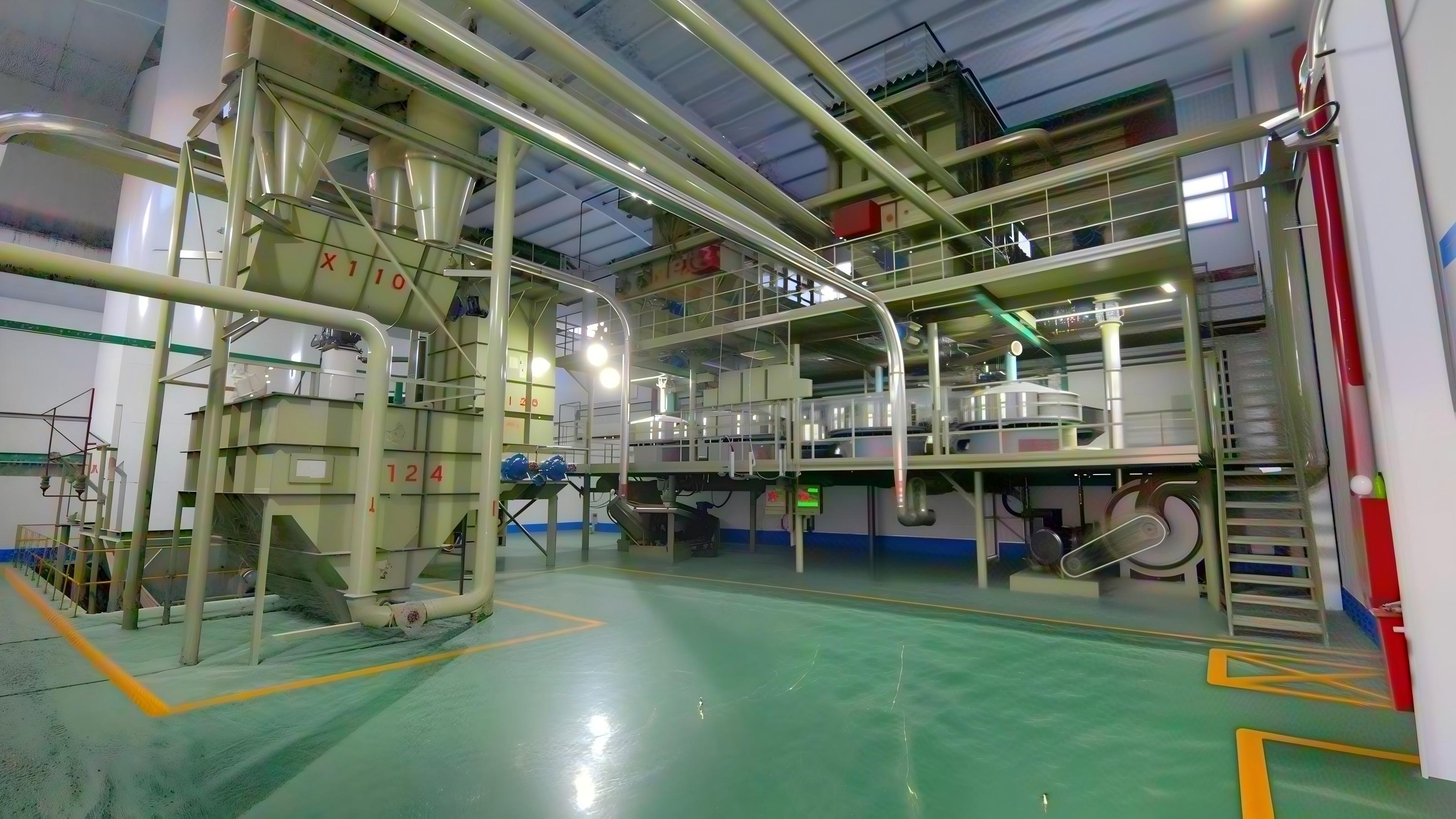
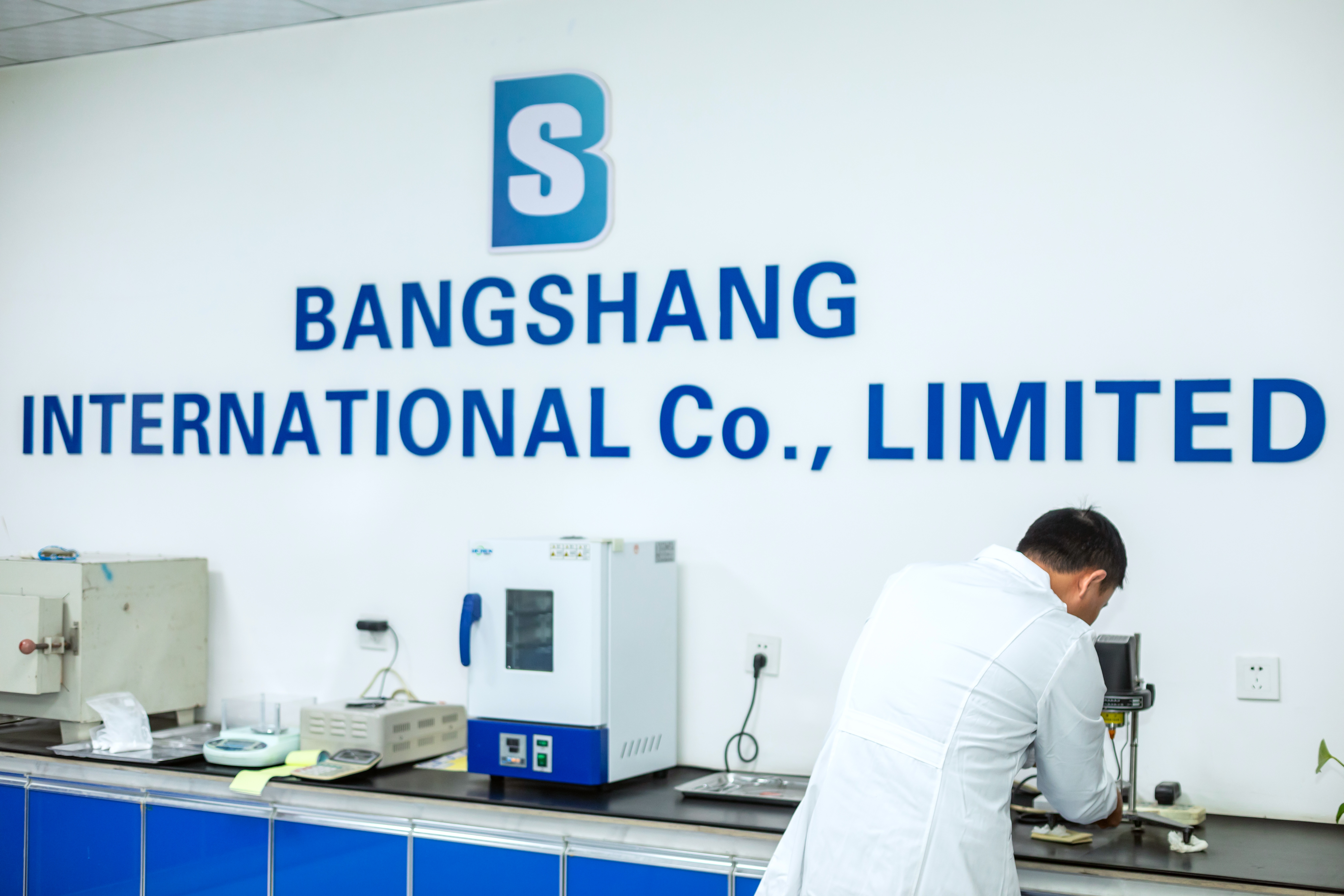
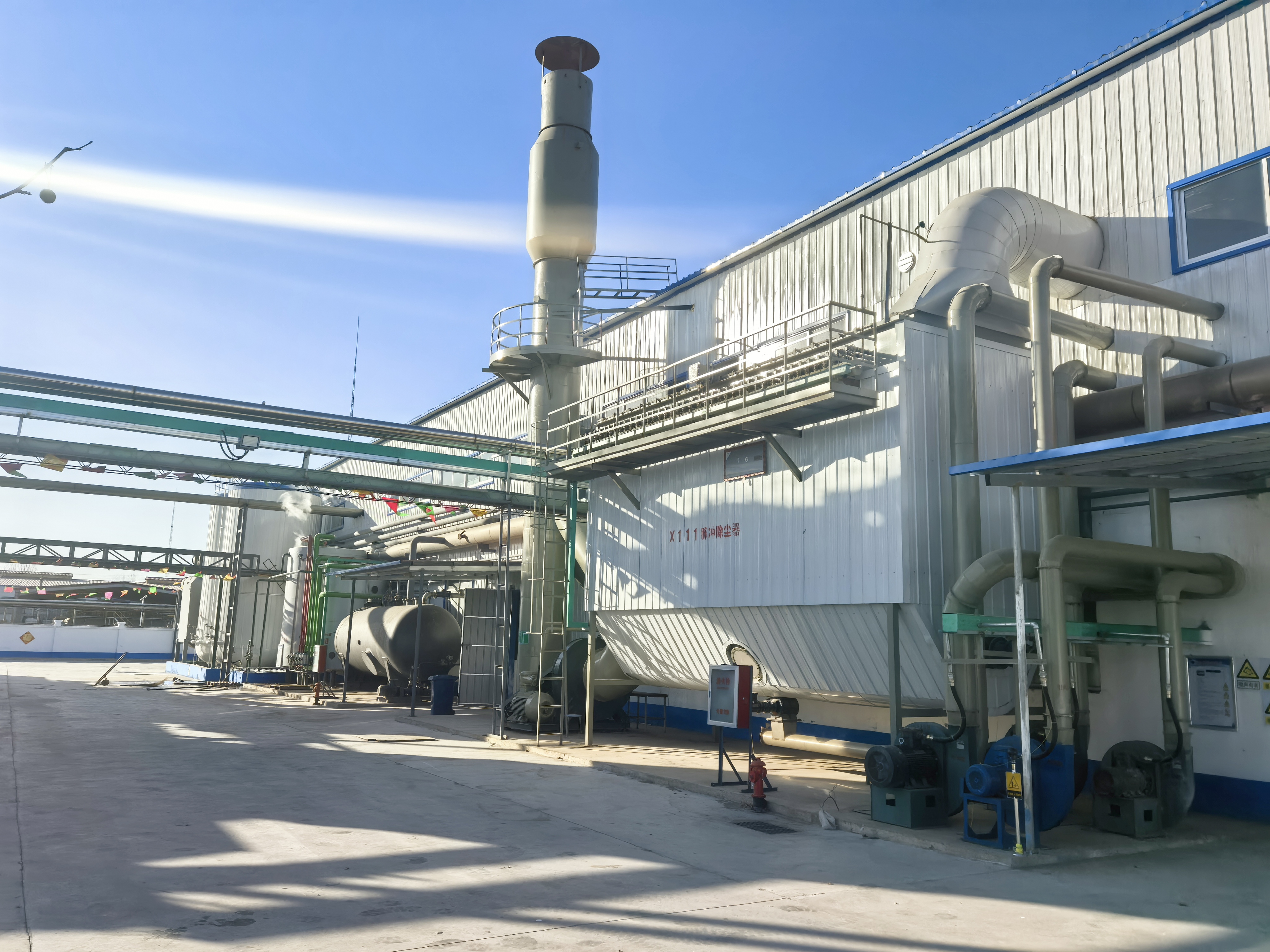
Because Tg, particle size and viscosity are set during manufacturing, the practical alternative to accepting an off-the-shelf grade is to specify the profile. BANG SHANG INTERNATIONAL CO., LIMITED — founded in 2007, operating an 80,000 m² manufacturing site with approximately 300 employees — supplies BANGCEL® RDP as an original manufacturer and supports OEM and ODM programmes with customized viscosity, substitution degree, particle size and application-oriented grades.
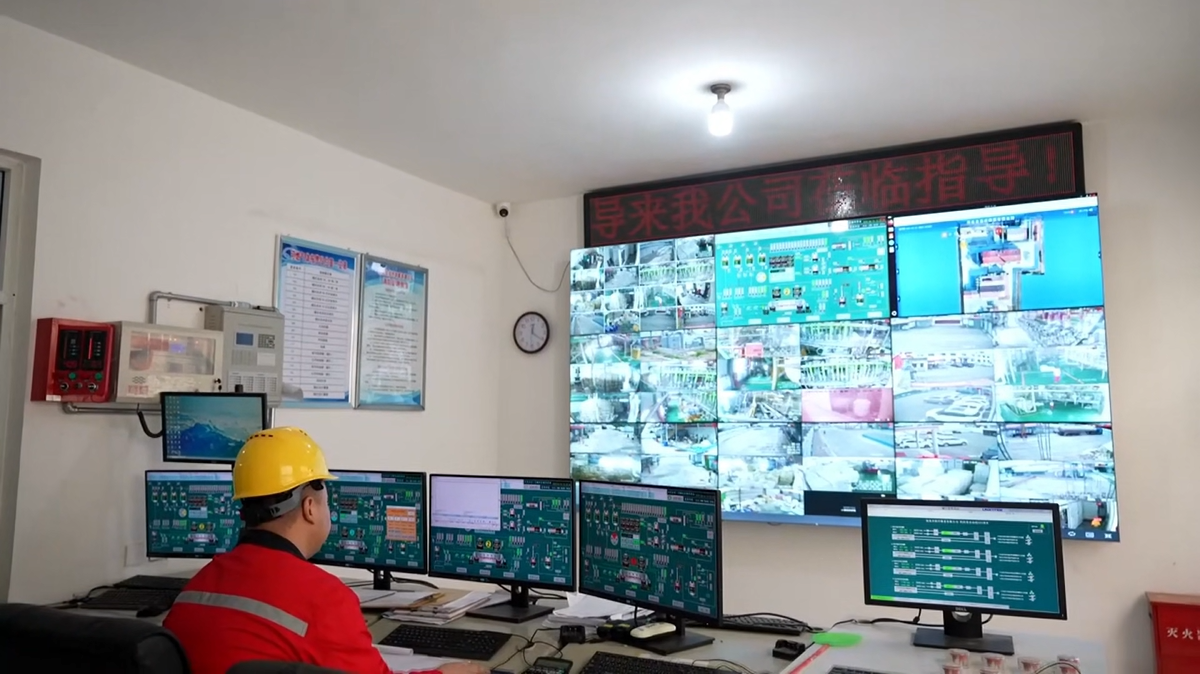
Customization is not a catalogue swap. Adjustments are made against the customer's formulation, raw materials and application conditions, which is why the process begins with technical consultation rather than a price list. The company's dedicated R&D team of 26 engineers is available for technical consultation and formula adjustments based on customer raw materials, covering systems from tile adhesives and wall putty to EIFS, gypsum-based products, self-leveling mortar and water-based coatings.
Production-side conditions support that work: stable capacity with an annual output of 30,000 tons of Cellulose Ethers and 20,000 tons of RDP, standardized production with strict batch control, and transparent order and production status. Products are manufactured under CE certification and SGS testing, and BANG SHANG INTERNATIONAL CO., LIMITED is a Gold Supplier on Alibaba International. Exports represent approximately 70% of output, serving markets that include Canada, the United States, Mexico, Russia, Brazil, Australia, Egypt, South Africa, Saudi Arabia, the United Arab Emirates, India, Singapore, Korea, Japan and Vietnam.
Pre-sales support covers product recommendation and grade selection, technical consultation and formulation guidance, and sample support for testing. After-sales support covers continuous technical support and formula adjustment, stable long-term supply with priority service, and additional support for authorized distributors.
FAQ: RDP Parameter and Sourcing Questions
1. Do RDP parameters have to be specified to meet EN 12004 and ISO 13007-1?
Yes. Tile adhesives are classified under EN 12004 and ISO 13007-1, and RDP is essential for meeting the C1 (≥0.5 MPa) and C2 (≥1.0 MPa) tensile bonding standards. Because bonding performance depends on film formation and flexibility, the Tg and particle size of the powder directly affect whether a formulation reaches the target class, while dispersion viscosity affects how easily the wet mortar can be applied and adjusted on site.
2. Can BANGCEL® adjust viscosity, particle size and Tg to a specific formulation?
Yes. BANGCEL® RDP is supplied with OEM and ODM support for customized viscosity, substitution degree, particle size and application-oriented grades. Adjustments are made based on the customer's formulation, raw materials and application conditions, and a dedicated R&D team of 26 engineers provides technical consultation and formula adjustments. The customization scope covers tile adhesives, wall putty, EIFS, gypsum-based products, self-leveling mortar, and water-based coatings.
3. How do parameter choices affect total construction cost?
They affect cost through rework, efficiency and waste rather than through powder price alone. Documented comparisons show BANGCEL® RDP delivering a 22% increase in bonding strength and an 18% increase in flexural strength over alternatives, with mortar construction efficiency up 30%, open time extended by 35%, and material waste reduced by 15%. The combined effect is a reduction in overall construction cost of more than 10%. A cheaper powder that forces rework or extra material consumption works against that outcome.
4. Can I test RDP parameters before committing to a bulk order?
Yes. Pre-sales support includes sample support for testing, together with product recommendation, grade selection and formulation guidance. Samples should be validated in the customer's own cement, sand and additive system, because the same powder can behave differently across raw material sources — testing with production materials is the only reliable way to confirm a Tg, particle size and viscosity profile.
5. What lead time and supply stability can buyers expect, and how should RDP be stored?
In-sales service is supported by a stable capacity with an annual output of 30,000 tons of Cellulose Ethers and 20,000 tons of RDP, standardized production with strict batch control, and transparent order and production status; after-sales service includes stable long-term supply, priority service and continued formula adjustment. Storage matters for performance retention: BANGCEL® RDP uses 3-layer moisture-proof composite packaging and should be kept in a constant-temperature (15–25 °C), low-humidity (below 60% RH) warehouse with regular inventory quality inspection to avoid agglomeration. To request a sample or a quotation for a specific parameter profile, contact the team at admin@sjz-bs.com or via WhatsApp at +86 13292884619.
Conclusion
RDP selection at the decision stage is a parameter decision. Tg determines how flexible or stiff the polymer film becomes, and therefore whether a mortar can accommodate movement and low-temperature application. Particle size determines how quickly and completely the powder redisperses and how uniformly the film forms. Dispersion viscosity determines water demand, workability, open time and anti-sag. Changing one moves the others, which is why the specification should be set as a profile rather than a single number.
For mortar manufacturers, the practical sequence is: define the standard and service condition, translate it into a parameter profile, and validate it with a sample in the actual formulation. Where an off-the-shelf grade does not match, OEM/ODM customization of viscosity, particle size and Tg — supported by technical consultation from a dedicated R&D team of 26 engineers — is the alternative to reformulating around someone else's specification.
BANG SHANG INTERNATIONAL CO., LIMITED manufactures BANGCEL® RDP alongside HPMC, MHEC, HEC and CMC for dry-mix mortar, coating and construction applications, and publishes further technical material on its blog at blog.bangshanghpmc.com.
Next Step: Sample, Specification or Quotation
Send your target mortar system (tile adhesive, putty, EIFS, waterproof, self-leveling or gypsum-based), your substrate and your target standard. The technical team can propose a Tg, particle size and viscosity profile, provide a sample for validation in your own formulation, and confirm production and lead time.
- Email: admin@sjz-bs.com
- WhatsApp: +86 13292884619
- Website: www.bangshanghpmc.com
- Product brochure (PDF): Download the BANG SHANG product brochure
Have Questions or Need More Details?
Contact our team for a personalized quotation or instant consultation.
Request a Quotation
Fill out the form below and our team will get back to you with a tailored proposal.
WhatsApp Direct Chat
Prefer to chat in real-time? Message us on WhatsApp for instant assistance & quick answers.
- Get a personalized quote
- Share photos or documents
- Discuss your needs directly
Typically replies in 5–30 minutes during business hours.