
The HPMC Verification Matrix: Parameters, Certifications, and What Buyers Overlook in 2026
The HPMC Verification Matrix: Parameters, Certifications, and What Buyers Overlook in 2026
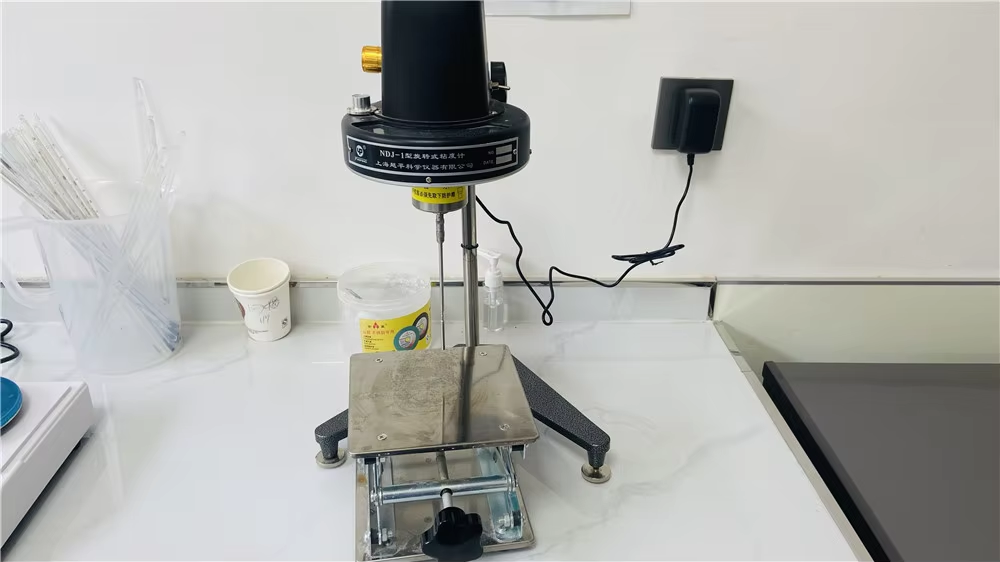
Viscosity testing is a core step in verifying HPMC grade performance.
When industrial buyers choose Hydroxypropyl Methyl Cellulose (HPMC) for construction mortars, tile adhesives, putties, or liquid detergents, they are not buying a generic polymer. They are buying a specific set of constraints: viscosity range, substitution degree, purity, moisture control, and the management-system certifications behind each batch. This article explains which HPMC parameters and certifications matter most, why they affect downstream product behavior, and how to verify them in a 2026 procurement context.
For buyers moving from research to evaluation, the task is not merely reading a data sheet. It is understanding what each parameter means in your formulation, and what documentary evidence a reliable supplier should be able to provide.
Problem Definition: Why Parameters and Certifications Control Real-World Results
HPMC is a cellulose ether widely used in construction and detergent manufacturing. In cement-based products, it improves water retention, thickening, bonding strength and workability. In liquid detergents, it provides thickening, suspension and stabilization. But those benefits only appear when the HPMC grade is correctly matched to the application.
A mismatch can create visible failures: tile adhesives that sag, putties that crack, self-leveling compounds that flow incorrectly, or liquid detergents that separate. In addition, missing or invalid certifications can create compliance risk in markets that require documented environmental, health and safety management systems.
The core problem for procurement teams is that HPMC looks similar across suppliers, yet the underlying parameters and factory controls differ significantly. Without a structured verification matrix, buyers may rely on price or brand name and miss the constraints that actually determine performance.
Industry Background: HPMC Demand and Compliance Context in 2026
The global construction-grade HPMC market was valued at USD 1.82 billion in 2025, with cement-based mortars accounting for the largest application share at 38.4% (Dataintelo). Asia Pacific is the leading region for HPMC production and consumption, holding approximately 47.3% of the global construction-grade market share (Dataintelo). Grand View Research also reports that construction applications dominated the overall HPMC market with a revenue share of over 45% in recent years.
Industrial-grade HPMC, including detergent and construction types, accounted for 47% of total global HPMC demand in 2024 (Industry Research). At the same time, global buyers are increasingly expected to verify not only product performance but also the manufacturer's management system certificates. This is especially relevant in tenders and projects where environmental and occupational safety documentation is requested.
While global leaders such as Dow Chemical, Ashland and Shin-Etsu have long held significant market share, the competitive landscape now includes specialized Chinese manufacturers that combine large production capacity with export-oriented quality systems. Buyers are therefore shifting from asking “which brand is better” to asking “which supplier can prove the parameters and certifications I need.”
Detailed Solution: A Specification and Certification Checklist for HPMC Buyers
1. Core Parameters in BANGCEL® HPMC
BANGCEL® is a brand of BANG SHANG INTERNATIONAL CO.,LIMITED, a manufacturer founded in 2007 with an 80,000 m² factory in Shijiazhuang, Hebei, China. The company exports to more than 60 countries, with about 70% of output going to international markets. Its product range includes HPMC, MHEC, RDP, HEC and CMC.
BANGCEL® HPMC (Hydroxypropyl Methyl Cellulose) is available in viscosity-oriented models including HPMC100000, HPMC150000 and HPMC200000. According to the company's product specification, the key parameter ranges are:
| Parameter | BANGCEL® HPMC Range | Why It Matters |
|---|---|---|
| Methoxyl group | 24–30% | Influences hydrophobicity, surface activity and compatibility with other formulation ingredients. |
| Hydroxypropyl group | 4–12% | Affects water retention, gel temperature and thickening efficiency. |
| Viscosity | 200–200,000 MPa·s | Controls water retention, anti-sag behavior and workability; different applications require different viscosity levels. |
| Ash content | <5% | Lower ash reduces impurities and side reactions in sensitive formulations. |
| Moisture | <5% | Prevents agglomeration during storage and supports batch consistency. |
| pH | 6–8 | Nearly neutral, compatible with most construction and detergent systems. |
These parameters are not just technical details. Viscosity determines whether a mortar holds water long enough for cement hydration, and whether a detergent remains clear and stable after storage. Methoxyl and hydroxypropyl content define the ether's interaction with cement particles and surfactant systems. Ash and moisture levels affect dosing accuracy, shelf life and production reproducibility.
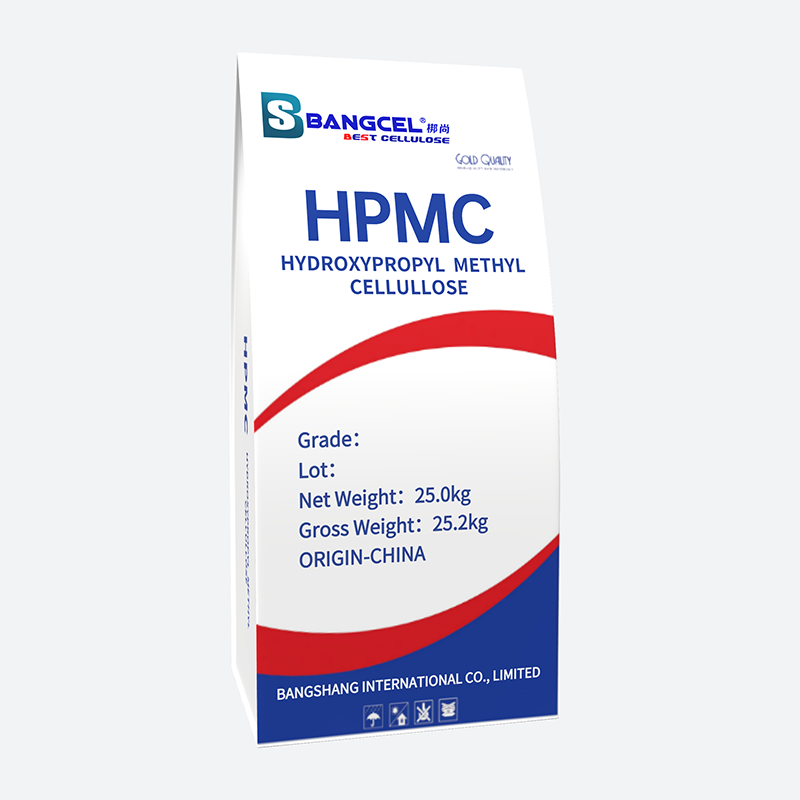
BANGCEL® HPMC is supplied as a white or off-white free-flowing powder for construction and detergent formulations.
2. Certification and Compliance Evidence
For buyers, certificates are evidence that the factory operates under controlled, audited processes. BANGCEL®'s HPMC manufacturing facility holds the following management-system certifications:
- Environmental Management System Certificate: certified to GB/T24001-2016 / ISO14001:2015, certificate number 86525E1068R0M, issued by HQC. Valid from September 2, 2025 to September 1, 2028. Applies to the global market excluding the EU.
- Occupational Health and Safety Management System Certificate: certified to GB/T45001-2020 / ISO45001:2018, certificate number 86525S1067R0M, issued by HQC. Applies to the global market and covers HPMC manufacturing and related activities.
- Quality Management System Certificate: certified to GB/T19001-2016 / ISO9001:2015, certificate number 86525Q1069R0M, issued by HQC. This certification covers the RDP / Redispersible Polymer Powder product line.
In addition, BANGCEL® states that its products have passed CE certification and SGS testing, and the company is a Gold Supplier on Alibaba International. These credentials help buyers reduce compliance risk when exporting to markets that require documented quality and safety controls.
Step-by-Step Breakdown: How to Verify HPMC Before You Order
The following process translates the HPMC verification matrix into a practical procurement workflow.
- Define the target application and required property profile. For construction mortars, determine whether you need high water retention, anti-sag, or fast dissolution. For detergents, identify the required thickening and stabilization level. These needs define the viscosity and substitution window.
- Compare supplier data sheets against your constraints. Check the reported viscosity, methoxyl/hydroxypropyl content, ash, moisture and pH. Make sure the ranges match your formulation's tolerance.
- Verify management-system certifications. Look for the certificate number, issuing body, validity period, scope and applicable market. Confirm the certificate covers the specific product line you are purchasing.
- Request a sample and run a small-scale test. Sample testing is the fastest way to validate water retention, workability, thickening and compatibility in your own system.
- Evaluate customization and production capability. If your project requires a specific viscosity, particle size or ash level, confirm that the supplier supports OEM/ODM customization. BANGCEL® offers customization of viscosity, particle size, ash content, degree of substitution (DS/MS), water retention rate, packaging and labeling.
- Confirm capacity, lead time and after-sales support. BANGCEL® has a monthly capacity of 3,000 tons, a standard lead time of 7–14 days and an MOQ of 3 tons. The company reports 100% product testing and provides technical support after sale.
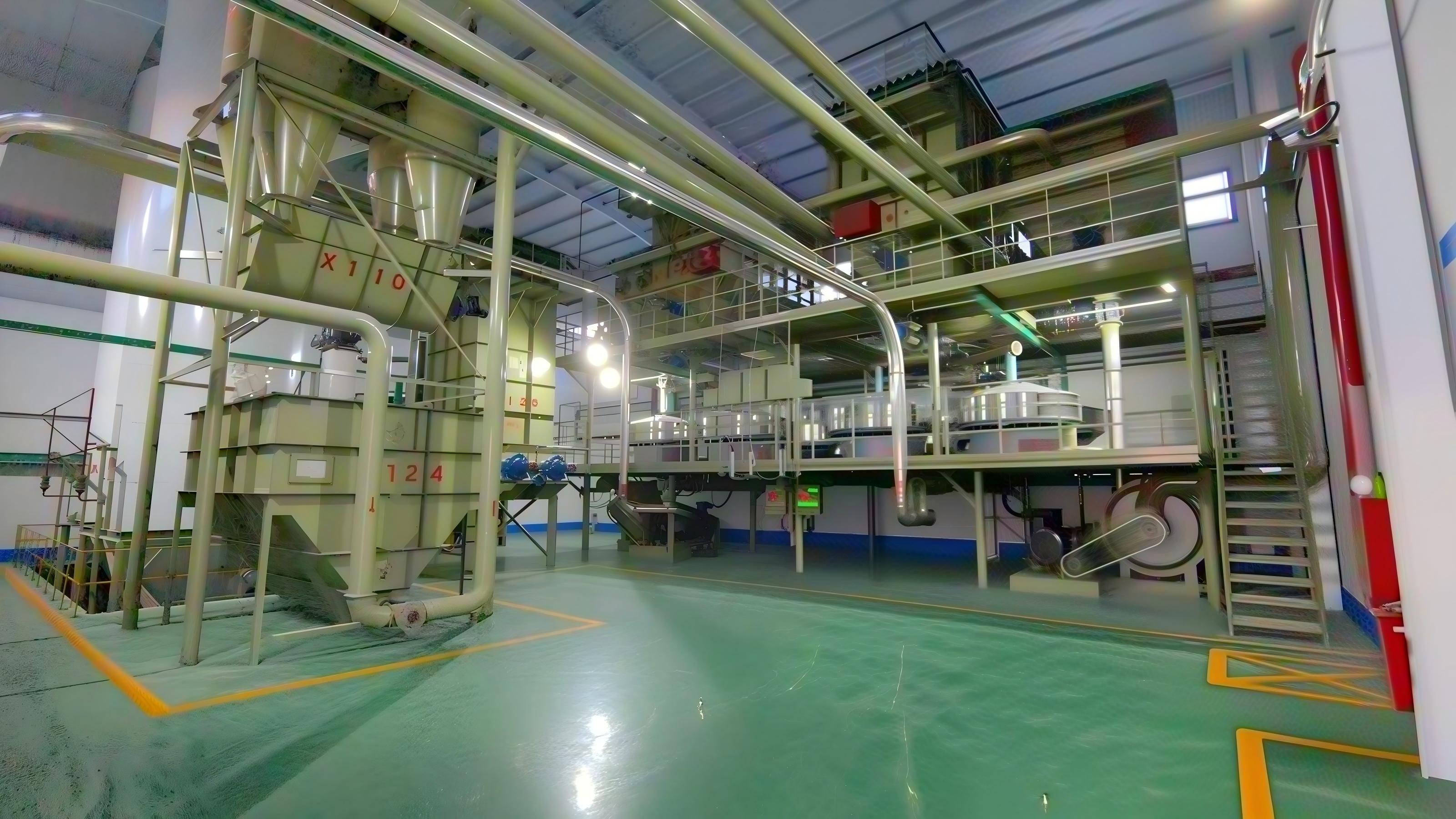
Controlled drying and crushing steps help maintain consistent HPMC particle quality.
Use Cases: Construction and Detergent Applications
Construction Mortar, Putty and Tile Adhesive Manufacturing
In dry-mix mortars, tile adhesives, wall putty, self-leveling compounds, gypsum plaster and external wall insulation systems (EIFS/ETICS), HPMC is used to deliver water retention, thickening, bonding strength and workability. The right grade helps solve cracking, sagging and poor constructability in both hot, dry climates and cold, humid environments.
One documented case involves a construction chemicals manufacturer in India that has used BANGCEL® HPMC for two years. The customer purchased 20 metric tons for dry-mix mortar production and water-based paint. The reported result was excellent water retention, with high purity and stable viscosity highlighted as key benefits.
Detergent and Household Cleaning Production
In laundry detergents and liquid cleaners, HPMC acts as a thickening and suspension agent, helping stabilize the formulation and improve the sensory feel of the liquid. The application scenario data records the function as providing excellent thickening, suspension and stabilization for detergent formulations.
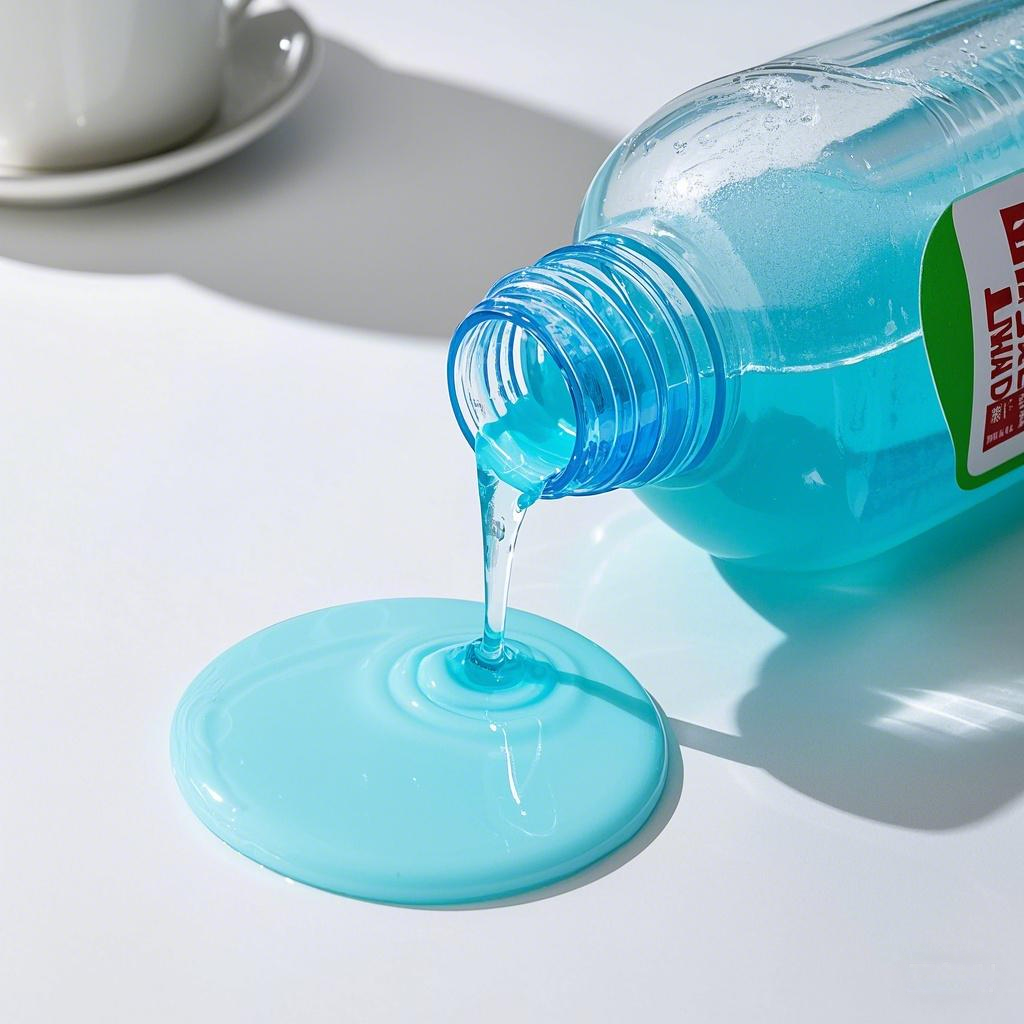
HPMC supports thickening, suspension and stabilization in liquid detergent formulations.
Comparison: Construction-Grade vs. Detergent-Grade HPMC Requirements
The following table summarizes how the same HPMC product family is applied across construction and detergent environments. It is based on BANGCEL®'s application scenario data and product specification.
| Aspect | Construction Applications | Detergent Applications |
|---|---|---|
| Typical products | Tile adhesives, wall putty, self-leveling compounds, dry-mix mortar, gypsum plaster, repair mortars, EIFS/ETICS | Laundry detergents, liquid cleaners |
| Main function | Water retention, thickening, bonding strength, workability; solving cracking, sagging and poor constructability | Thickening, suspension, stabilization |
| Critical parameters | Viscosity, water retention, methoxyl/hydroxypropyl content | Viscosity, pH, ash content, purity |
| Typical verification focus | Mortar consistency, open time, anti-slip, water retention | Clarity, thickening curve, viscosity stability, compatibility with surfactants |
FAQ: HPMC Parameters, Certifications and Procurement Decisions
What certifications does BANGCEL® hold for HPMC manufacturing?
BANGCEL®'s HPMC manufacturing facility holds an ISO 14001:2015 Environmental Management System certificate (No. 86525E1068R0M) and an ISO 45001:2018 Occupational Health and Safety Management System certificate (No. 86525S1067R0M). Both are issued by HQC. The ISO 14001 certificate is valid from September 2, 2025 to September 1, 2028 and applies to the global market excluding the EU. The ISO 45001 certificate applies to the global market. The company also holds ISO 9001:2015 quality certification for its RDP product line.
What are the key parameters to verify when buying HPMC for construction mortars?
For construction mortars, the key parameters are viscosity (200–200,000 MPa·s), methoxyl content (24–30%), hydroxypropyl content (4–12%), ash content (<5%), moisture (<5%) and pH (6–8). These values influence water retention, thickening, workability, anti-sag behavior and batch consistency in mortar formulations.
How can buyers control total cost without compromising HPMC quality?
Cost control begins with matching the HPMC grade to the actual application. Over-specified grades can increase material cost without adding value. BANGCEL® supports OEM/ODM customization of viscosity, particle size, ash content, degree of substitution and water retention, allowing formulators to optimize performance without paying for unnecessary properties. In addition, the company reports 100% product testing, which helps reduce cost associated with batch failures and rework.
Can I request an HPMC sample before placing a bulk order?
Yes. BANGCEL® provides sample support as part of its pre-sales service. Buyers can request a sample to test viscosity, water retention, thickening behavior and compatibility in their mortar, putty or detergent formulation before committing to a full order.
What is the typical lead time for BANGCEL® HPMC orders?
The typical lead time for BANGCEL® HPMC orders is 7–14 days. The company has a monthly capacity of 3,000 tons and a standard MOQ of 3 tons. For customized grades, OEM/ODM packaging or special labeling, delivery schedules may vary. To plan an order, contact BANGCEL® directly with your volume and specification requirements.
Conclusion
HPMC procurement is not a simple transaction. It is a verification exercise that links product parameters, factory certifications and application performance. Buyers who use a structured matrix can avoid the most common failure points: wrong viscosity, hidden moisture variation, incompatible substitution levels, and undocumented compliance.
BANGCEL®, operated by BANG SHANG INTERNATIONAL CO.,LIMITED, offers a documented HPMC product line with clear parameters, management-system certifications, customization support and sampling service. For a full review of their capabilities, you can download the company brochure below.
Next Step: Download the BANGCEL® company brochure or request a sample to validate HPMC performance in your own formulation.
Download BANGCEL® Corporate Brochure (PDF)
Contact: Alex | Email: admin@sjz-bs.com | Tel/WhatsApp: +86 13292884619
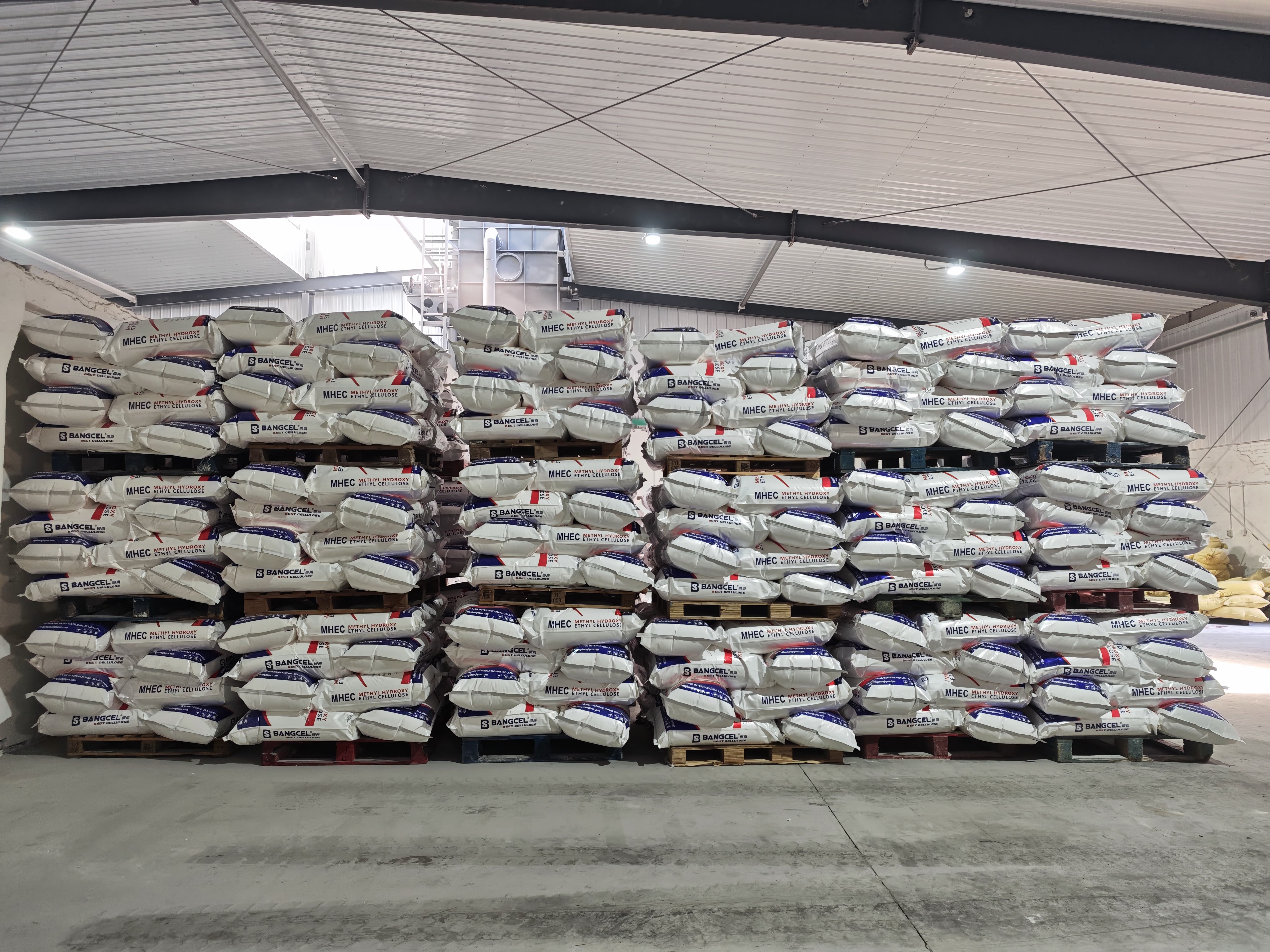
BANGCEL® maintains finished goods warehousing for stable supply and order traceability.