Top HPMC Quality Controls for Decoration Projects, Ranked by Buyer Impact
The five HPMC quality controls that most affect a decoration project, ranked by buyer impact, are: (1) raw material incoming inspection, (2) automated production line monitoring through etherification and drying, (3) 100% batch testing of ash content, viscosity and purity before delivery, (4) verification of customized viscosity, substitution degree and particle size grades, and (5) documented batch traceability with pre-shipment acceptance testing. In that order, these controls intercept the defects that otherwise surface on site as mortar rework, tile slip, shortened open time and failed batch-approval tests.
This is a ranking of quality-control steps, not a ranking of suppliers. Each control is placed by how much downstream damage it prevents, how early it catches a defect, and how measurable it is for a buyer who is auditing a supplier before or during a decoration project.
Problem Definition: Where HPMC Quality Failures Actually Start
The expensive HPMC failures in decoration projects rarely announce themselves at delivery. They appear weeks later: a ceramic tile adhesive that loses grip on a low-absorption substrate, a wall putty that skins over at the edges before the applicator finishes the pass, a self-leveling mortar that segregates in the bucket, or a delivery that simply behaves differently from the sample the buyer approved.
Two parameters drive most of those complaints. The first is ash content — the inorganic residue that remains in the polymer. The second is purity, meaning how much non-cellulose material is carried through the process. In the risk framework applied to HPMC supply, high ash content and impurity carry-over are treated as one risk category, and that risk has only two effective controls: raw material control and full-process production monitoring.
Nothing downstream can repair either one. If high-ash or contaminated raw material reaches the reactor, the batch is compromised before drying begins, and no amount of final packing inspection will restore the water retention that a tile adhesive, External Wall Insulation system or gypsum-based formulation was designed around. That is why raw material incoming inspection ranks first in this list rather than third or fourth.
The scale of the gap between a controlled grade and a conventional industrial grade is measurable, not theoretical. Comparison data recorded for BANGCEL® HPMC against conventional industrial-grade HPMC shows higher purity, better water-retention stability and longer open time, quantified as +10% water retention at 40 °C, 70% lower ash, and +1.5 hours longer open time.
Industry Background: Why Quality Control Now Decides Decoration Supply
The construction-grade HPMC market was valued at USD 1.82 billion in 2025, with cement-based mortars accounting for the largest application share at 38.4% (Dataintelo). Construction applications have represented more than 45% of total HPMC market revenue in recent years, driven by HPMC's role as a water-retention agent and thickener (Grand View Research). Asia Pacific holds approximately 47.3% of the construction-grade market across production and consumption (Dataintelo).
Market research identifies Dow Chemical, Ashland and Shin-Etsu as the Tier 1 global producers, collectively holding more than 50% of the HPMC market (Infinity Market Research). The practical consequence for decoration buyers is straightforward: a large share of global supply is produced outside the Tier 1 group, and in that part of the market, process discipline — not brand recognition — is what determines whether a 20-ton delivery behaves like the 25 kg sample.
Decoration demand has also become more technically demanding. Tile adhesives, putty powders, plastering mortars, self-leveling compounds, gypsum-based systems and EIFS/ETICS all depend on consistent water retention under site conditions that vary from humid coastal sites to hot, dry inland projects. Formulations are designed around a viscosity grade and a water-retention target. When the delivered material drifts from that target, the formulator — not the site crew — absorbs the cost, usually through rework, higher dosage or reformulation.
Detailed Solution: The Five HPMC Quality Controls, Ranked
Raw Material Incoming Inspection
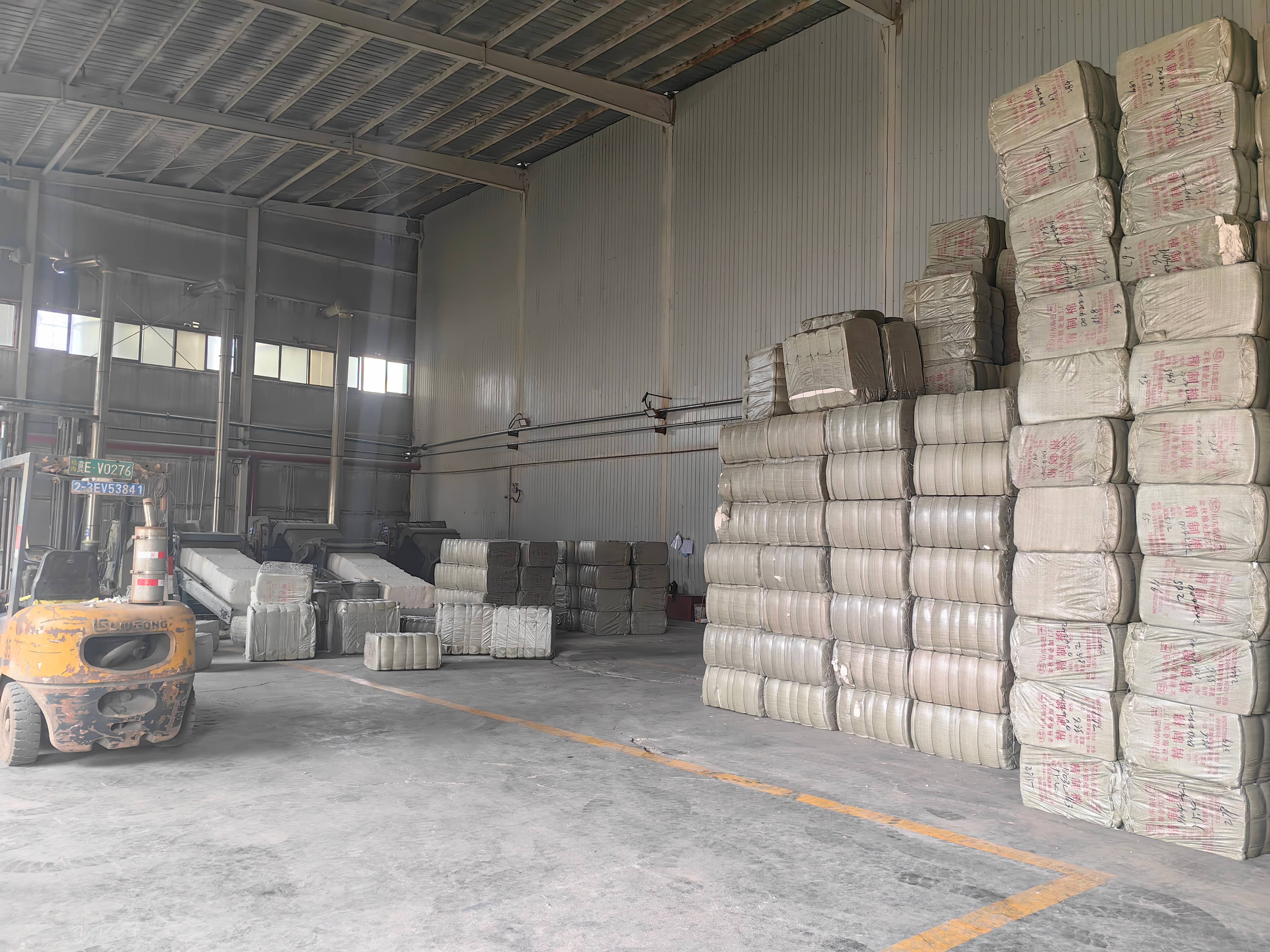
Highest buyer impact because it prevents the defect rather than detecting it. Refined cotton or other cellulose feedstock is the single largest variable in ash content and impurity. A supplier that inspects incoming material against defined acceptance limits stops contaminated or off-spec feedstock at the gate; a supplier that does not passes the problem into the reactor, where it becomes invisible until the batch is tested.
What it protects: ash content, purity, and by extension water retention and open time in tile adhesive, construction putty and plastering mortar formulations.
How a buyer verifies it: ask how incoming material is sampled, what parameters are checked, and whether rejected lots are documented. A manufacturer handling this internally will describe the inspection step specifically instead of answering generally.
Automated Production Line Monitoring
Second-highest impact because it protects batch-to-batch consistency. Viscosity and substitution degree are process outcomes, not packing outcomes. They are determined by reaction conditions, temperature control and drying behaviour, which is why full-process production monitoring sits between raw material control and final testing in the risk framework for HPMC supply.
What it protects: viscosity repeatability, water-retention stability, and the open time that determines how long an applicator can work a mortar or adhesive bed.
How a buyer verifies it: ask which stages are monitored automatically versus sampled manually, and whether process data is retained per batch. Retention matters — it is what makes a claim testable after a complaint.

100% Batch Testing Before Delivery (Ash Content, Viscosity, Purity)
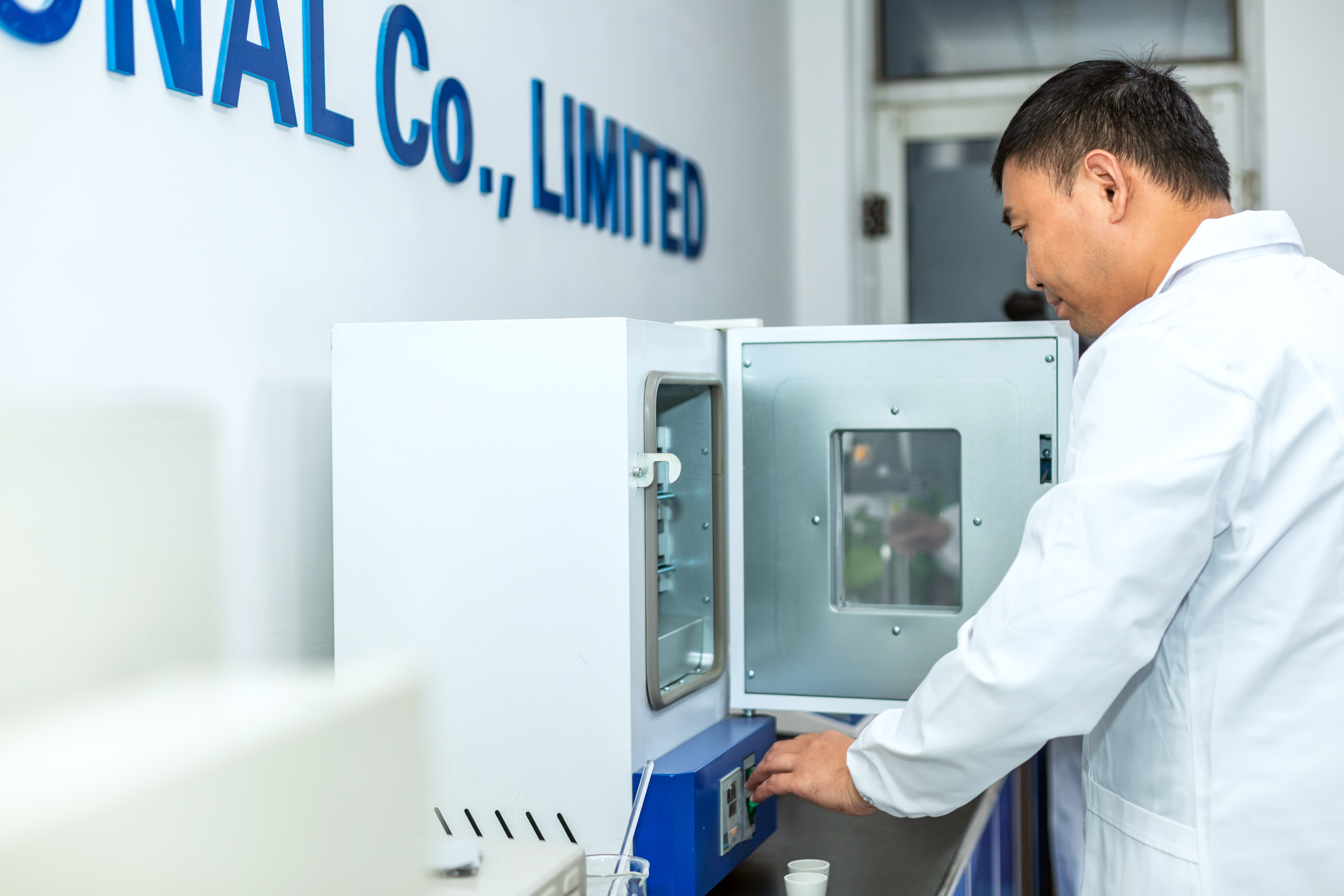
Third because it is detection rather than prevention — but it is the control buyers can audit with the least effort. A pre-shipment test on every batch, covering ash content, viscosity and purity, converts quality from a supplier promise into a document attached to the specific shipment a buyer is paying for.
What it protects: the buyer's acceptance decision. A batch that fails the specification is stopped before it becomes a container on the water, where remediation is slow and expensive.
How a buyer verifies it: require the batch test record as part of the order. Pre-shipment testing is a stated acceptance criterion for HPMC supply, which means it can be written into the purchase agreement rather than requested informally.

Customized Grade Verification (Viscosity, Substitution Degree, Particle Size)
Fourth because it only applies to buyers who order a non-standard grade — but for those buyers it is decisive. Decoration applications are not interchangeable. A tile adhesive HPMC and a self-leveling mortar HPMC can require different viscosity behaviour, and detergent applications such as liquid detergent HPMC or tableware detergent HPMC depend on different thickening and clarity requirements than construction grades.
What it protects: the link between the grade specification and the actual formulation. OEM and ODM supply with customized viscosity, substitution degree, particle size and application-oriented grades only delivers value if those customized parameters are verified against the same testing discipline as standard grades.
How a buyer verifies it: confirm that the customized parameter has its own tested specification and sample record, not just a description in the quotation.
Batch Traceability and Pre-Shipment Acceptance Testing
Fifth because it is a supporting control — but it is what makes the previous four usable in a dispute or a long-term supply relationship. Traceability connects a delivered pallet back to a production batch, and pre-shipment acceptance testing gives both sides a shared reference point before goods are released.
What it protects: continuity. In a two-year project supplying 20 metric tons of HPMC to a customer in India, the feedback recorded by the supplier centred on water retention and viscosity stability over the life of the project — the two properties that traceability and batch testing are designed to hold steady.
How a buyer verifies it: request lot coding on packaging and confirm that the pre-shipment test report references the same lot number.
Step-by-Step Breakdown: Auditing These Controls on a Live Order
The ranking above only converts into protection if the buyer applies it in sequence during procurement. This is the workflow that maps each control to a decision point.
- State the application and the performance target. Name the end product — ceramic tile adhesive HPMC, construction putty powder HPMC, plastering mortar HPMC, self-leveling mortar HPMC, external wall insulation HPMC or a detergent-grade application — plus the target viscosity and water-retention behaviour. This determines which grade and which customization parameters are relevant.
- Request the grade specification and the parameter coverage. Confirm which parameters are specified for the grade: viscosity, substitution degree, particle size, ash content, purity. A specification that omits ash and purity leaves the highest-impact risk uncontrolled.
- Ask how raw material is controlled. This is Rank 1. The answer should describe a documented incoming inspection step, not a general statement about quality.
- Ask how production is monitored. This is Rank 2. Look for automated control of the reaction and drying stages and for the retention of process records per batch.
- Confirm the pre-shipment test protocol. This is Rank 3. Pre-shipment testing is an established acceptance criterion for HPMC supply, covering ash content, viscosity and purity on each batch.
- Validate with a sample before scaling. Sample support for testing allows the buyer to run the grade through their own formulation — the only reliable way to confirm that a customized viscosity, substitution degree or particle size grade performs in a real mortar or detergent system.
- Fix commercial and logistics terms in writing. For HPMC supply, the minimum order quantity is 3 tons, delivery terms are FOB or CIF, payment terms are 30% TT in advance with 70% against a copy of the bill of lading, and typical lead time is 7–14 days against a monthly production capacity of 3,000 tons.
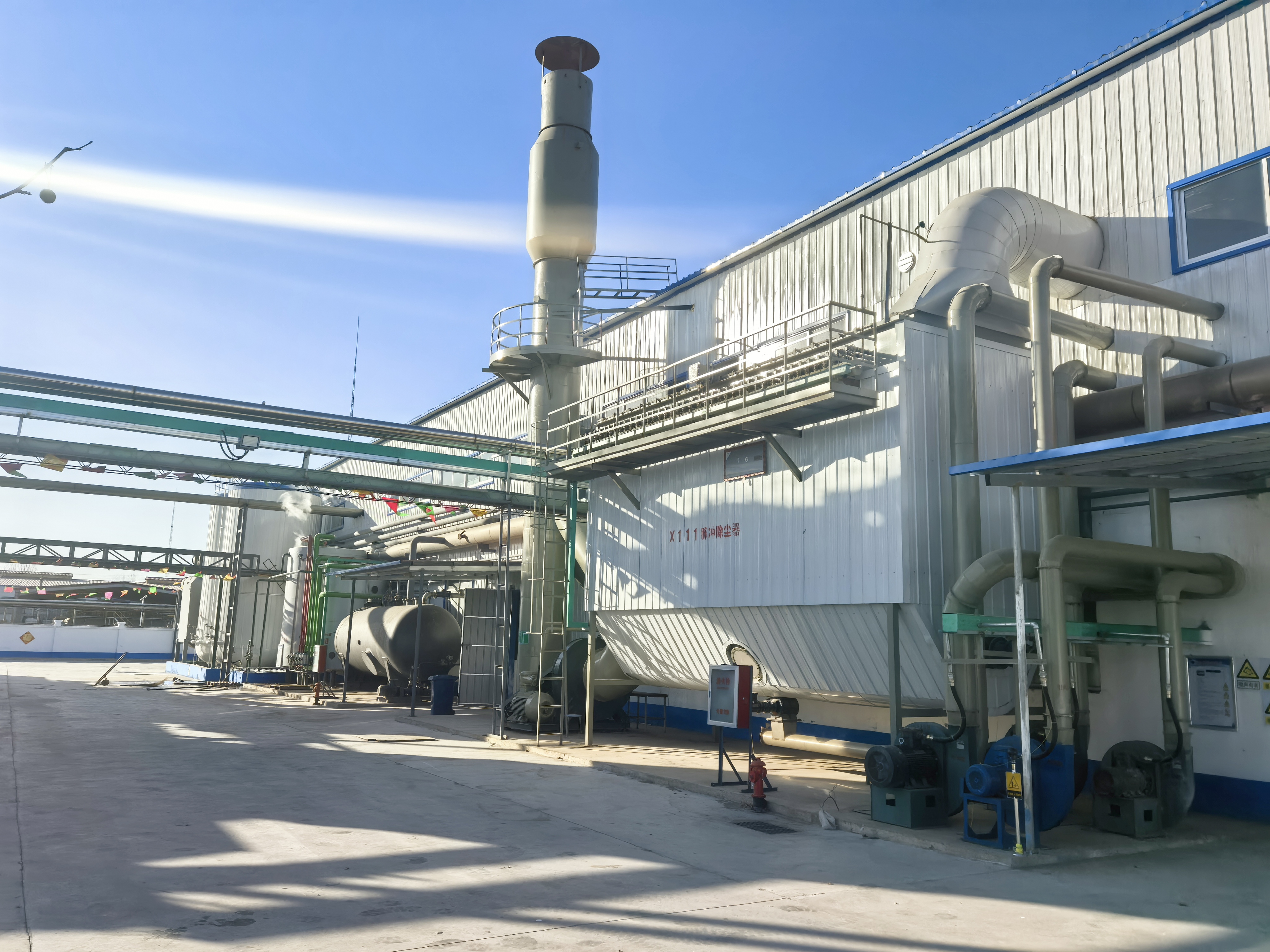
Two supplier-side facts make this workflow practical rather than theoretical. BANG SHANG INTERNATIONAL CO.,LIMITED, the manufacturer behind the BANGCEL® brand, was founded in 2007 and has over 15 years of experience in construction chemical additives, operating an 80,000 m² facility with 300 employees, 26 R&D engineers and an annual output of 35,000 tons. The company exports approximately 70% of its output, holds CE certification, has passed SGS testing, and is a Gold Supplier on Alibaba International — three credentials that are only meaningful when they are attached to the batch-level controls described above.
Use Cases: Where Each Control Changes Project Outcomes
Tile Adhesives and Ceramic Tile Adhesive Systems
Ash content and water retention decide whether a tile adhesive holds its open time on a warm substrate and whether it achieves the slip resistance the formulation was designed for. Rank 1 and Rank 3 controls apply directly: incoming material determines the ash floor, and batch testing confirms the delivered viscosity matches the approved sample.
Wall Putty, Construction Putty Powder and Plastering Mortar
Putty and plastering applications are sensitive to water retention and to how consistently the powder wets out. Viscosity drift between batches shows up as uneven application thickness and visible trowel marks. Rank 2 monitoring is the control that keeps repeat deliveries behaving like the first approved shipment.
Self-Leveling Mortar and Gypsum-Based Systems
Self-leveling compounds and gypsum-based HPMC systems are formulated within narrow water-retention windows, since flow and setting behaviour interact. A grade with unstable viscosity forces the formulator into repeated adjustment. Verified customized grades (Rank 4) and traceable batches (Rank 5) reduce that adjustment burden across a project timeline.
External Wall Insulation (EIFS/ETICS)
External Wall Insulation systems combine base coat, adhesive and finishing layers that must bond across different substrates and weather exposure. Consistency across deliveries matters more here than peak performance in any single batch, which again places weight on process monitoring rather than on final inspection alone.
Detergent and Industrial Cleaning Formulations
HPMC and cellulose ether for detergents serve a different function: thickening and rheology control in liquid detergent systems, industrial detergent formulations, tableware detergent products and detergent powders. In these applications, purity matters for clarity and stability, and customized substitution degree matters for how the thickener responds to the surfactant system. The same Rank 1 and Rank 3 controls apply — impurity carry-over is not a construction-only problem.
Comparison Table: BANGCEL® HPMC vs Conventional Industrial-Grade HPMC
The table below compares the recorded performance attributes of BANGCEL® HPMC against conventional industrial-grade HPMC. It uses supplier-recorded comparison data and is intended as a decision aid, not as an independent laboratory certification.
| Comparison Metric | BANGCEL® HPMC | Conventional Industrial-Grade HPMC |
|---|---|---|
| Purity | Higher purity | Standard industrial purity |
| Water retention stability | Better stability; +10% higher water retention at 40 °C | Baseline |
| Ash content | 70% lower ash | Baseline |
| Open time | +1.5 hours longer open time | Baseline |
| Best suited for | High-end construction, export building materials, special mortars | General-purpose industrial formulations |
| Impact on total production cost | Total production cost reduced by 12%+ through eliminated agglomeration waste, reduced mixing labour hours and minimized dosage rate | Baseline |
| Maintenance and rework | Less rework, more stable performance | Baseline |
| Production efficiency | Higher production efficiency and consistent product quality | Baseline |
FAQ: HPMC Quality Control Questions from Decoration Buyers
1. What quality documentation and acceptance criteria should an HPMC order include?
An HPMC order should specify pre-shipment testing as the acceptance criterion, so that the buyer receives batch test data covering ash content, viscosity and purity before the goods are released. Suppliers holding CE certification and passing SGS testing can attach those credentials to the order documentation. For BANGCEL® HPMC supply, the standard commercial terms are MOQ 3 tons, FOB or CIF delivery, and payment of 30% TT in advance with 70% against a copy of the bill of lading.
2. Can the quality controls be applied to a customized HPMC grade rather than a standard one?
Yes. OEM and ODM supply covers customized viscosity, substitution degree, particle size and application-oriented grades, including small batch customization. The same testing discipline is applied to the customized parameter as to a standard specification — the customized value must appear in the tested specification rather than only in the quotation. Technical adjustments are made against the customer's formulation, raw material and application conditions, supported by a 26-engineer R&D team.
3. Does stricter HPMC quality control increase the total cost of a decoration project?
Not necessarily, and in recorded comparison data the opposite effect is documented. BANGCEL® HPMC is recorded as reducing total production cost by more than 12% against conventional industrial-grade HPMC, through eliminated agglomeration waste, reduced mixing labour hours and a minimized dosage rate resulting from higher efficiency. The mechanism is that lower ash and higher water retention allow the formulator to hold performance with a lower dosage and fewer rejected mixes. Commercial entry conditions are an MOQ of 3 tons, with FOB or CIF delivery terms.
4. How can a buyer validate HPMC quality before placing a full order?
Sample support for testing is the primary validation route: the buyer runs the candidate grade through their own tile adhesive, putty, plastering mortar, self-leveling or detergent formulation and compares water retention, open time and thickening behaviour against the incumbent material. This is combined with the pre-shipment test report on the first production batch, so that the approved sample and the delivered batch can be compared on the same parameters. Buyers can request a sample and a technical consultation before committing to a first container.
5. What production capacity and lead time support consistent quality at scale?
BANGCEL® HPMC supply runs at a monthly production capacity of 3,000 tons, with a typical lead time of 7–14 days, backed by an annual output of 35,000 tons from an 80,000 m² facility. That capacity is what allows batch testing to be completed before shipment rather than skipped under delivery pressure. Buyers planning a multi-phase decoration project can request a quotation and a delivery schedule aligned to project phases through bangshanghpmc.com.
Conclusion: Rank the Controls, Then Rank the Supplier
Decoration projects fail on HPMC performance for predictable reasons, and the five controls in this ranking address them in order of impact. Raw material incoming inspection prevents high ash and impurity from entering the process at all. Automated production line monitoring holds viscosity and substitution degree steady between batches. 100% batch testing of ash content, viscosity and purity before delivery gives the buyer a documented acceptance decision. Customized grade verification protects buyers ordering non-standard viscosity, substitution degree or particle size grades. Batch traceability and pre-shipment acceptance testing hold the relationship together across a multi-delivery project.
A supplier that can describe all five controls specifically — rather than describing quality in general terms — is a supplier worth evaluating on commercial terms. BANG SHANG INTERNATIONAL CO.,LIMITED has manufactured construction chemical additives under the BANGCEL® brand since 2007, supplying HPMC, MHEC, RDP, HEC and CMC to construction and detergent applications across more than 70 export markets, with CE certification, SGS testing and Alibaba Gold Supplier status.
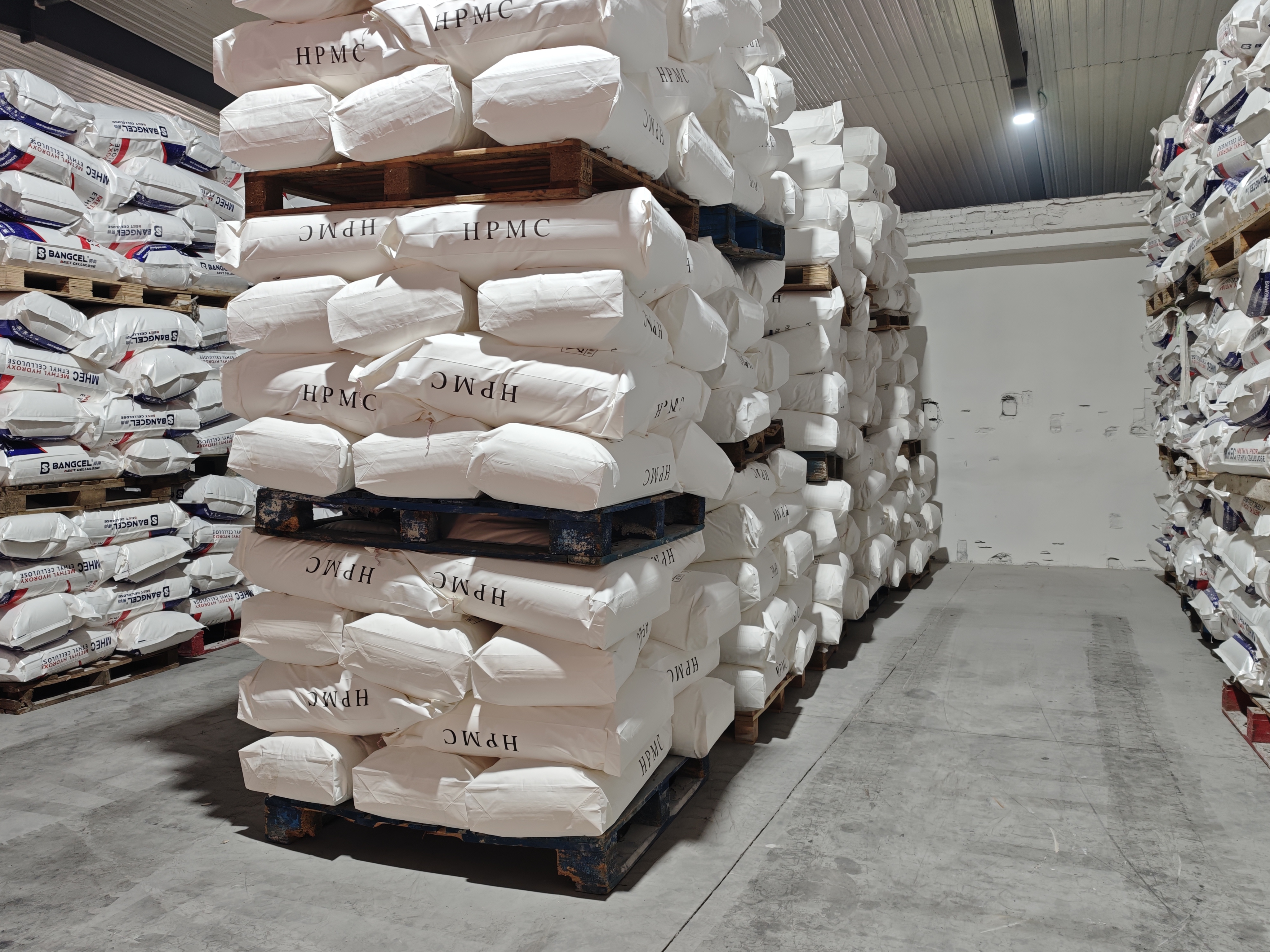
Next Step: Validate the Grade on Your Own Formulation
Send your application details — tile adhesive, wall putty, plastering mortar, self-leveling mortar, EIFS/ETICS, gypsum-based system or detergent formulation — plus your target viscosity and water-retention requirements. BANGCEL® supplies sample support for testing, technical consultation and grade selection, and customized viscosity, substitution degree and particle size grades under OEM and ODM service.
Email: admin@sjz-bs.com | Tel / WhatsApp: +86 13292884619 | Website: www.bangshanghpmc.com
Product catalogue (PDF): Download the BANGCEL® HPMC product catalogue
Note on data: market figures in this article are attributed to their published third-party sources (Dataintelo, Grand View Research, Infinity Market Research). Performance comparison figures for BANGCEL® HPMC against conventional industrial-grade HPMC are supplier-recorded comparison data supplied with the product documentation and are presented for procurement reference.
Have Questions or Need More Details?
Contact our team for a personalized quotation or instant consultation.
Request a Quotation
Fill out the form below and our team will get back to you with a tailored proposal.
WhatsApp Direct Chat
Prefer to chat in real-time? Message us on WhatsApp for instant assistance & quick answers.
- Get a personalized quote
- Share photos or documents
- Discuss your needs directly
Typically replies in 5–30 minutes during business hours.