EU PPWR Compliance Guide for Eco-Friendly Custom Packaging in 2026
Short answer: the EU Packaging and Packaging Waste Regulation (PPWR) was adopted on 19 December 2024 and entered into force on 11 February 2025, with major application beginning August 2026. It requires all packaging placed on the EU market to be recyclable by 2030 and introduces specific recycled content targets. For buyers, the practical consequence is that eco-friendly custom packaging must become provable — through material choice, certificates and production records — rather than simply described as green.

Cover: in-house paper packaging production — the layer of PPWR compliance that buyers can audit.
This guide is written for the Decision-to-Execution stage: DTC brands, importers, distributors and brand owners who already accept that recyclable packaging is required and are now choosing the supplier and the specification that will carry them through the next EU compliance cycle. It covers what PPWR changes, which documents a supplier must be able to produce, how to structure the order, and where the most common execution risks sit.
Problem Definition: PPWR Turns “Eco-Friendly” Into a Compliance File
PPWR is not a labelling guideline. It makes the packaging itself the object of compliance. Three obligations matter most to buyers placing product on the EU market:
- Recyclability by 2030. The regulation requires all packaging to be recyclable by 2030.
- Recycled content targets. Specific recycled content targets are mandated for packaging materials.
- Producer responsibility. Extended Producer Responsibility (EPR) regulations for packaging now span 63 countries as of 2025 (Mordor Intelligence), which shifts the cost of hard-to-recycle packaging back onto the brand.
That creates three buyer-side problems that a standard supplier quotation does not solve.
1. The documentation gap
An “eco-friendly” claim on a website is not evidence. A compliance-ready file needs to show which fiber was used, whether the paper is FSC certified, whether the quality system is certified, and whether the converter can state in writing that the supplied packaging aligns with PPWR. Without those documents, the recyclability claim is unverifiable at the moment when a retailer, customs authority or EPR auditor asks for it.
2. The verification gap
Compliance is assessed per SKU, not per supplier. A brand may have a compliant folding carton and a non-compliant gift box in the same order, because decoration, lamination or an inserted plastic component changed the recyclability profile. Someone has to verify the specification of every item, not the average of the account.
3. The continuity gap
Compliance is easiest at the sampling stage and hardest at the third repeat order in peak season. If the supplier outsources production or relies on scattered material procurement, the material or the process can change between batches — and a compliance file that no longer matches the shipped goods is worse than no file at all.
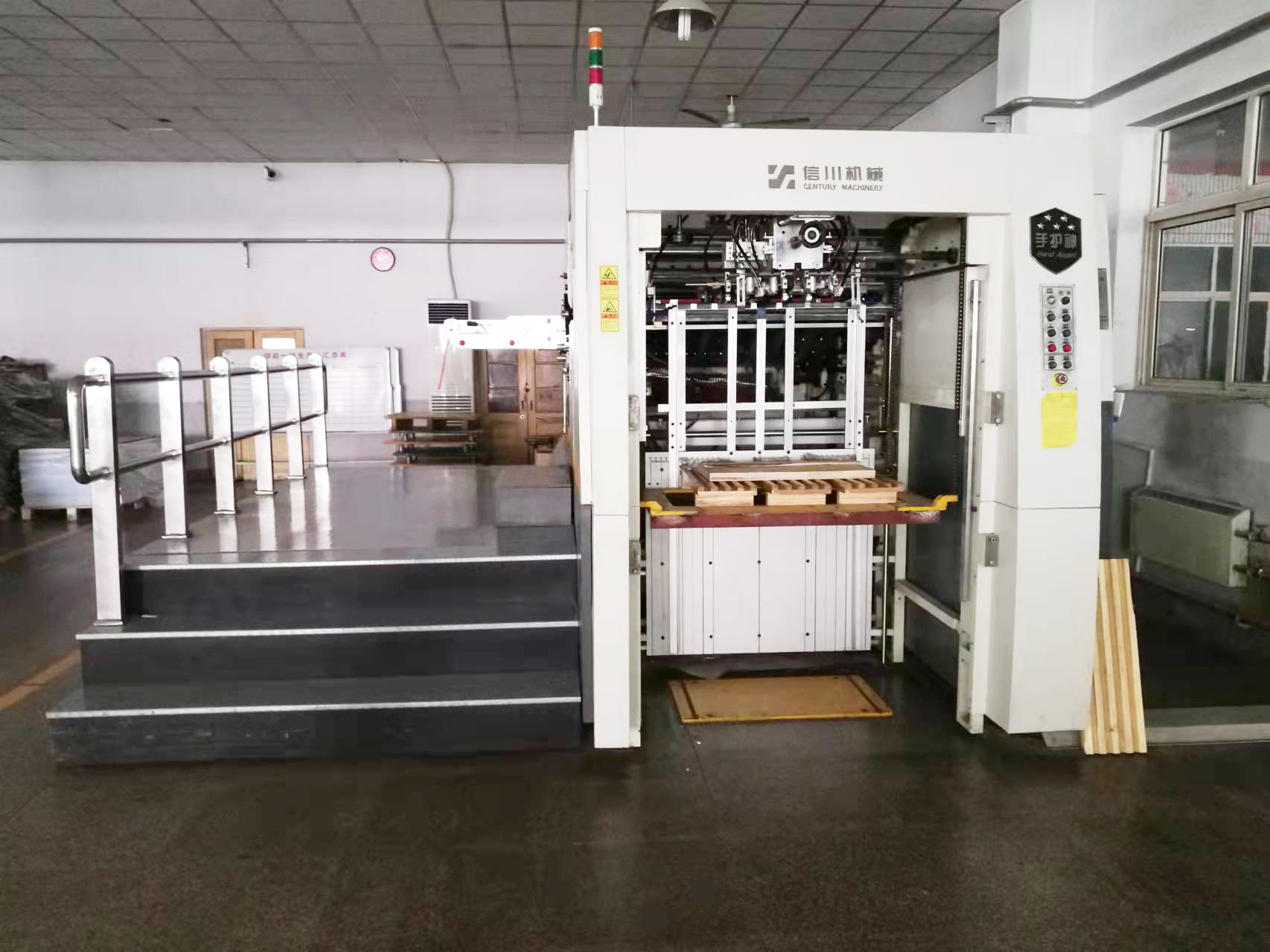
Precision die-cutting and creasing determine whether a mono-material paperboard structure folds cleanly — a structural precondition for recyclability.
Industry Background: The Regulatory Shift Is Happening Inside a Paper-Based Market
The paper transition was already underway before PPWR applied. According to Grand View Research, the global sustainable packaging market was valued at USD 272.9 billion in 2023, with Europe holding a dominant 36.2% revenue share — the highest of any region. The same source projects the market to reach USD 448.5 billion by 2030, growing at a CAGR of 7.6%, while Mordor Intelligence estimates the market will reach USD 325.94 billion by 2026.
Material choice is already concentrated in paper. Paper and paperboard materials dominated the sustainable packaging market with a 38.2% share in 2024 (Research and Markets / Golden Arrow), and the boxes and cartons segment accounted for 33.6% of the global sustainable packaging market share in 2024, driven by e-commerce growth (Precedence Research). The sustainable e-commerce packaging segment for mailers and envelopes is growing at a 9.41% CAGR through 2031 (Mordor Intelligence).
China sits at the centre of that supply chain. IMARC Group values the China eco-friendly packaging market at USD 80.25 billion in 2025, projected to reach USD 157.20 billion by 2034, with China accounting for 8.22% of the global market size in 2025. The custom packaging boxes market was estimated at USD 62.38 billion in 2024 (Market Research Future), and the U.S. imported USD 438.7 billion in goods from China in 2024 (U.S. Census Bureau), keeping China-based packaging sourcing commercially relevant for EU-bound brands that also serve other export markets.
Demand-side pressure is real as well: PDI Technologies reported that 80% of consumers in 2024 were willing to pay more for products with sustainable packaging. The commercial argument for compliant packaging is therefore not only regulatory — it is also shelf-level.
Detailed Solution: A Four-Layer PPWR Compliance Framework
QINGDAO BEJAN GIANT NEW PACKAGING TECHNOLOGY CO.,LTD (brand: BEJAN GIANT NEW PACKAGING) is a direct packaging manufacturer based in Chengyang, Qingdao, China, founded in 2014, operating a 10,000 m² facility with 200+ employees and a 6-engineer R&D team. The company produces Rigid Gift Box, Corrugated E-commerce Mailer Box and Folding Paper Carton Box, exports 80% of its output, and serves the EU, USA, UK, JP, AU, CA and KR markets. Its main site is bzpackage.com.
For PPWR work, a supplier is only as useful as the number of compliance layers it controls itself. The framework below is the sequence buyers should verify, in order.
Layer 1 — Material: certified, recyclable paper fiber
The material layer is where recyclability is either preserved or lost. BEJAN GIANT NEW PACKAGING holds FSC certification for its paper-based packaging and describes its product range as 100% recyclable green packaging. Practically, that means the fiber source is traceable and the finished structure is designed to be recycled within the paper stream rather than landfilled.
Layer 2 — Documentation: certificates plus an explicit PPWR statement
Certificates answer different questions and should not be treated as interchangeable. FSC addresses fiber sourcing, FDA documentation addresses food-contact safety, and ISO 9001 addresses quality management consistency. Separately, the supplier states that all products fully comply with the latest EU PPWR regulations. A buyer's compliance file should therefore contain four distinct items, not one generic “eco” certificate.
| Document | What it evidences | How a buyer verifies it |
|---|---|---|
| FSC certification | Paper fiber sourced through certified supply chains | Request the certificate and confirm it applies to the converting site producing your SKU |
| FDA documentation | Safety for packaging used with food and cosmetic products | Match the document to the specific substrate quoted for your item |
| ISO 9001 | Quality management system behind batch consistency | Check the scope and validity period, then confirm it covers the process claimed |
| PPWR compliance statement | Explicit supplier confirmation of alignment with the latest EU PPWR regulations | Request it in writing alongside the quotation, referencing the material and structure |
| Third-party inspection report | Independent verification before shipment | On-site third-party inspection by SGS is supported; 100% full inspection before shipment is standard |
Table 1: The four documents plus one verification step that make up a workable PPWR compliance file.
Layer 3 — Process: in-house production and full-process quality control
Compliance survives only if the process that produced the sample also produces the repeat order. BEJAN operates divided functional zones — printing workshops, automatic box-making lines, dedicated design and sampling rooms, raw material warehouses, finished goods storage and logistics areas — and completes all production processes in-house, with no outsourcing. Equipment includes Heidelberg offset presses, automatic die-cutters, laminators, folder gluers, UV coating machines and hot stamping machines, which allows complex finishes such as spot UV, embossing, reverse matte finishing and custom-shaped boxes to be produced under one roof.
Quality control runs as a full-process system, from raw material inspection to finished product testing, rather than a final spot check. For recyclable packaging, this matters in a specific way: batch-consistent color reproduction, precise die-cutting and creasing, and correct box forming are what allow a brand to reorder the same compliant structure months later without re-engineering it.
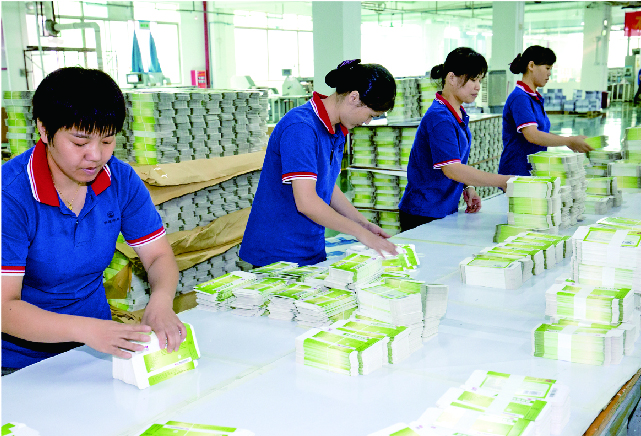
Rigid gift box assembly and inspection: the finishing stage where non-paper components must be specified deliberately to protect recyclability.
Layer 4 — Continuity: capacity, material stock and one accountable coordinator
The continuity layer is what separates a compliant sample from a compliant programme. BEJAN maintains bulk stock of paper, printing ink, laminating films and hot stamping foils, holds long-term supply agreements with upstream paper mills and ink suppliers, and can run multiple production lines in parallel, with spare units on key process equipment. Monthly capacity reaches millions of units, and orders can scale from small trial runs to large-volume mass production. A dedicated one-on-one sales coordinator tracks the full cycle from sampling through shipment and handles after-sales quality feedback, rework and adjustment arrangements.
Step-by-Step Breakdown: Executing a PPWR-Ready Packaging Order
Step 1 — Map every SKU against the recyclability requirement
List each packaging item separately: mailer box, folding carton, rigid gift box, insert, sleeve. Flag any element that is not paper-based — plastic windows, film lamination, foam inserts, plastic closures — because those are the items that will need either redesign or a documented justification.
Step 2 — Fix the structure before fixing the decoration
Specify a paper-based, mono-material structure first, then add decoration. Print technologies such as spot UV or hot stamping are production capabilities, not recyclability guarantees; the structure and substrate decide the recycling outcome, and the decoration should be selected so it does not compromise it.
Step 3 — Request the compliance document pack with the quotation
Ask for FSC, FDA and ISO 9001 documentation plus a written PPWR compliance statement — before the order is placed, not after. BEJAN also provides transparent quotation breakdowns that separate materials, craftsmanship, plate fees and shipping charges, with no hidden fees or arbitrary later surcharges.
Step 4 — Validate with samples and physical testing
BEJAN provides 3-day custom design and 7-day sampling, with physical samples ready within 48 hours. For PPWR-bound programmes, validation should include a compression resistance test, which BEJAN makes available, and on-site third-party inspection by SGS where the brand wants independent confirmation before shipment. Full inspection is performed on 100% of goods before shipment.
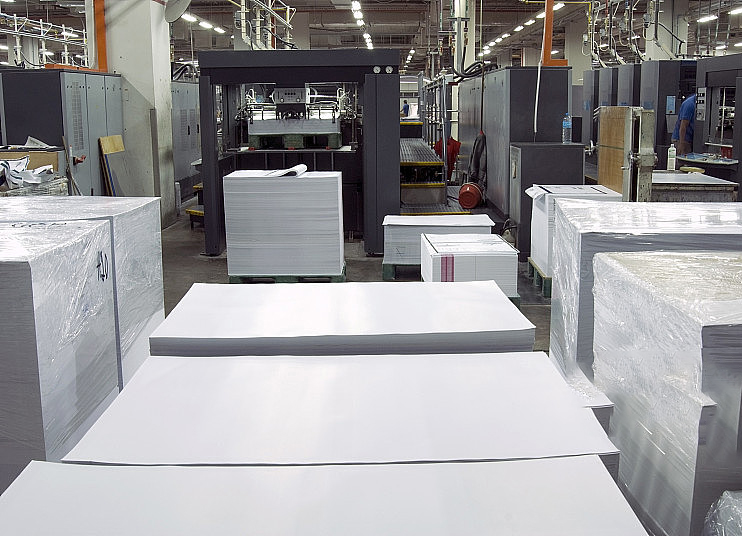
Bulk production: compliance is re-tested every time a structure is repeated, not only at the sampling stage.
Step 5 — Lock the commercial and logistics terms
Confirmed terms remove the ambiguity that causes compliance drift on repeat orders. BEJAN's standard parameters are: MOQ 500 units; delivery terms EXW Qingdao Factory or FOB Qingdao; payment terms 30/70; 100% full inspection before shipment; compression resistance testing available; third-party SGS inspection supported. Standard bulk orders are delivered in 7–10 working days, with rush orders for new launches and restocks handled in 3–5 working days through dedicated production teams, and a 14-day mass production delivery cycle for larger programmes.
Use Cases: Where PPWR-Ready Eco-Friendly Custom Packaging Is Applied
DTC e-commerce and apparel brands
The corrugated e-commerce mailer box is the workhorse format for sustainable e-commerce packaging solutions: it ships flat, forms without glue, and stays within the paper recycling stream when no plastic closure is added. For brands that want a specific surface look, kraft mailer boxes with a printed logo remain a common specification — the recyclability decision sits with the substrate and any applied film, not with the color.
Subscription and replenishment programmes
Eco-friendly subscription box packaging is judged on repeatability: the same structure must be produced identically every month. The folding paper carton box is the appropriate format here, because a consistent die-cut and crease line allows automated packing without re-engineering each cycle.
Premium and luxury gifting
Sustainable luxury gift boxes — recycled cardboard gift boxes and rigid gift boxes — are usually the hardest items to keep compliant, because premium perception often comes from added components. The workable approach is to keep the box body paper-based and control inserts separately, since rigid boxes are heavily hand-assembled and the insert is the most frequent source of non-paper material.
Cosmetics, skincare and food-adjacent packaging
For eco-friendly cosmetic packaging boxes and food-adjacent items, documentation carries more weight than appearance. FDA documentation should be reviewed together with the FSC chain, because a brand is asserting both fiber sourcing and contact safety at the same time.
Mixed export programmes
Brands exporting to multiple regions typically consolidate formats. BEJAN's production range covers cosmetics, skincare, health products, food, electronics, wine, jewellery, luxury gifts, home goods and gift sets, and the company has served 200+ global brands across startups and premium fashion and consumer brands. The same PPWR documentation logic can be applied across the programme, provided each format is specified individually.
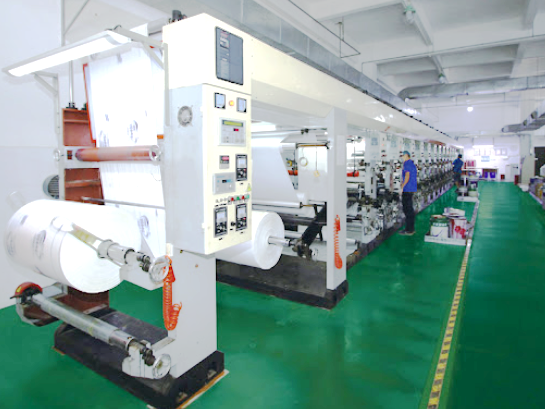
Complex finishing under one roof: embossing, spot UV and custom shaped boxes can all affect how a structure is eventually recycled.
Two claims that are often confused with PPWR compliance
- Compostability. Compostable custom boxes are assessed against composting standards, not the recyclability requirement in PPWR. A compostable claim and a recyclable claim are separate assertions and require separate evidence.
- Carbon neutrality. Carbon neutral custom packaging describes an emissions accounting position, not a packaging-design outcome. It does not substitute for recyclability documentation.
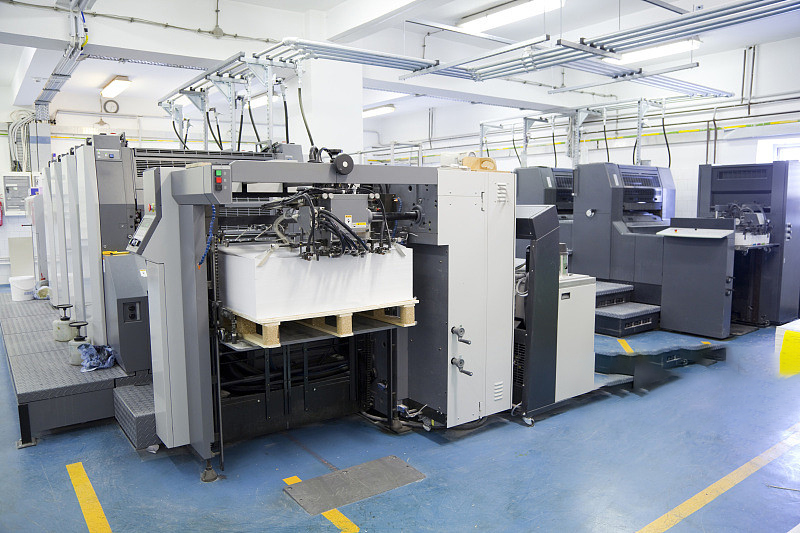
Parallel lines, spare equipment and material stock are what hold a compliance commitment together through peak season.
Comparison Table: Source Factory vs. Intermediaries & Small Workshops
For EU-bound orders, the supplier type determines whether compliance documentation matches the goods actually shipped. The table below compares the two models on the dimensions that decide that outcome.
| Compliance dimension | BEJAN GIANT NEW PACKAGING (source factory) | Intermediaries & small workshops |
|---|---|---|
| Certification & compliance documentation | Holds FDA, FSC and ISO 9001; states that all products fully comply with the latest EU PPWR regulations | Incomplete credentials; documentation gaps create supply risks such as cargo detention at customs and rectification orders |
| Production control | All processes completed in-house; Heidelberg offset presses plus automatic die-cutting, lamination, hot stamping and folder gluing lines | Production mostly outsourced to scattered manufacturers; scheduling not independently controllable |
| Quality consistency across batches | Full-process quality control from raw material inspection to finished product testing; stable color reproduction and precise die-cutting | Rough manual checks; unstable color reproduction and inaccurate die-cutting sizes; quality varies between batches |
| Lead time reliability | Physical samples in 48 hours; standard bulk 7–10 working days; rush orders 3–5 working days; 14-day mass production delivery | Outsourced scheduling; delays and stock shortages occur frequently in peak seasons |
| Material security | Bulk stock of paper, ink, laminating films and hot stamping foils; long-term supply agreements with upstream paper mills and ink suppliers | Scattered procurement; higher risk of material price surges and stock shortages, with production stoppage risk |
| Quotation transparency | Itemized breakdown separating materials, craftsmanship, plate fees and shipping; tiered discounts for small and bulk orders | Multi-layer markups; low initial prices followed by extra charges for special crafts or urgent production |
| After-sales ownership | Dedicated one-on-one sales coordinator across sampling, production and shipment; prompt follow-up on quality feedback, defects and rework | No exclusive order manager; slow after-sales response and cumbersome rework communication |
The intermediary model remains reasonable for one-off, simple, non-branded packaging with no export compliance requirements. It is not a good fit for repeat DTC supply that has to satisfy EU documentation demands.
FAQ: PPWR Compliance and Long-Term Eco-Friendly Custom Packaging Supply
What does PPWR actually require from eco-friendly custom packaging?
PPWR requires all packaging placed on the EU market to be recyclable by 2030 and mandates specific recycled content targets. The regulation was adopted on 19 December 2024 and entered into force on 11 February 2025, with major application beginning August 2026. In practice, buyers need packaging whose fiber source, material composition and structure can be documented, and they need a supplier able to confirm compliance in writing for each specification.
Which supplier certifications support EU compliance requirements?
Three certificates cover the main risks. FSC certification documents certified paper fiber sourcing; FDA documentation covers food-contact safety for packaging used with food and cosmetic products; ISO 9001 covers the quality management system that keeps batches consistent. BEJAN GIANT NEW PACKAGING holds all three, states that its products fully comply with the latest EU PPWR regulations, performs 100% full inspection before shipment, and supports on-site third-party inspection by SGS. Buyers should request the documents with the quotation so the compliance file is complete before production starts.
What drives the cost of PPWR-compliant eco-friendly custom packaging?
Cost is driven by four components, which BEJAN quotes separately: materials, craftsmanship, plate fees and shipping. Orders start at an MOQ of 500 units with 30/70 payment terms, and tiered discounts apply to both small and bulk orders. As an external benchmark, Baysource Global estimated in 2025 that premium custom packaging typically adds USD 0.30 to USD 0.75 per unit compared with generic alternatives — which is also why buyers should compare quotations on identical material and craftsmanship specifications.
How should a buyer validate recyclable packaging before committing to volume?
Validation is a four-part sequence. First, confirm the structure and substrate in writing. Second, request samples: BEJAN provides 3-day custom design, 7-day sampling and physical samples ready within 48 hours. Third, test physically — compression resistance testing is available, which matters because recyclable paper structures must still survive transit. Fourth, arrange independent verification where required: on-site third-party inspection by SGS is supported in addition to 100% pre-shipment inspection.
Can one supplier support long-term eco-friendly custom packaging for DTC sellers?
A long-term DTC supply relationship under EU compliance rules requires documented capability rather than promises. BEJAN GIANT NEW PACKAGING has operated as a direct manufacturer since 2014 with a 10,000 m² facility, 200+ employees, 80% of sales from exports and 200+ global brands served. It fulfils orders from small trial runs to mass production at a monthly capacity of millions of units, keeps bulk raw material stock under long-term upstream supply agreements, delivers standard bulk orders in 7–10 working days and mass production in 14 days, and assigns a dedicated one-on-one coordinator to each account. DTC sellers who need this level of continuity can request samples or a quotation directly from the factory.
Conclusion: Compliance Is a Sourcing Decision, Not a Label
PPWR moved recyclability from a marketing differentiator into a documented requirement with a fixed timeline: adopted December 2024, in force February 2025, major application from August 2026, and full recyclability expected by 2030. The brands that execute cleanly will be the ones whose packaging file answers four questions at once — what the fiber is, what the structure is, who produced it, and what happens if the specification has to be repeated next quarter.
A source-factory model supports that answer better than a trading chain, because certification, production control, material stock and lead-time ownership all sit in the same place. BEJAN GIANT NEW PACKAGING delivers this through FSC, FDA and ISO 9001 certification, stated full compliance with the latest EU PPWR regulations, 100% recyclable green packaging, in-house production in Qingdao, and a delivery structure built around 3-day design, 7-day sampling and 14-day mass production.
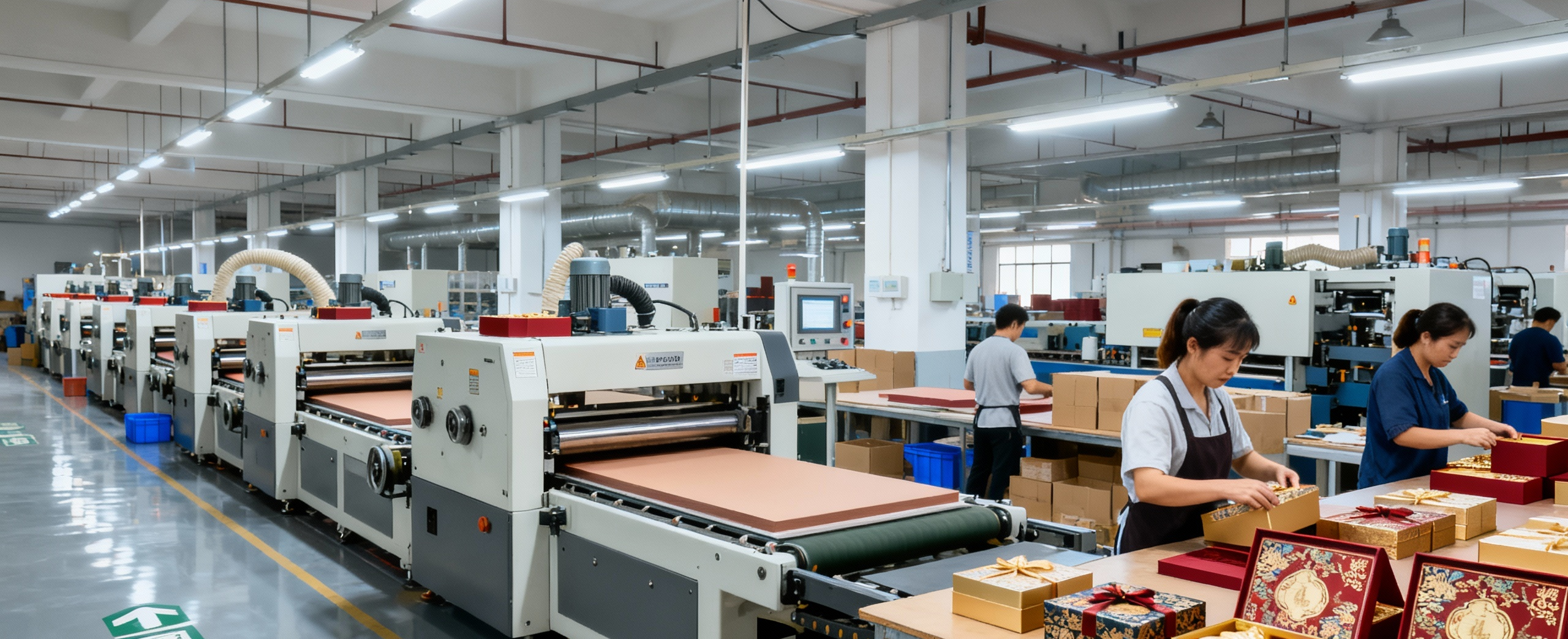
From sampling to repeat orders: the same factory, the same documented structure.
Next Step: Request a PPWR-Ready Sample or Quotation
Send your specification and target market, and BEJAN GIANT NEW PACKAGING will return a document pack (FSC, FDA, ISO 9001 and PPWR statement) alongside an itemized quotation covering materials, craftsmanship, plate fees and shipping. Sampling is 7 days; physical samples are ready in 48 hours.
Contact: rock | Email: bupack@qingdaobaina.com | Phone / WhatsApp: +86 150 6426 0757
Address: No. 96, Tianfeng North Road, Chengyang, Qingdao, China
Website: https://www.bzpackage.com/ | Chat on WhatsApp
Download the BEJAN English product brochure (PDF) for the full product range, machinery list and certification overview.
Have Questions or Need More Details?
Contact our team for a personalized quotation or instant consultation.
Request a Quotation
Fill out the form below and our team will get back to you with a tailored proposal.
WhatsApp Direct Chat
Prefer to chat in real-time? Message us on WhatsApp for instant assistance & quick answers.
- Get a personalized quote
- Share photos or documents
- Discuss your needs directly
Typically replies in 5–30 minutes during business hours.