Folding Carton, Mailer Box, Rigid Gift Box: Three Families of Eco-Friendly Custom Packaging
Eco-friendly custom packaging is a category, not a single box. Almost every retail and e-commerce programme is built from three structural families: the Folding Paper Carton Box (BP-FBB-CARTON03), the Corrugated E-commerce Mailer Box (BP-MAIL-EB01) and the Rigid Gift Box (BP-RIGID-GIFT02). Each family is produced on a different manufacturing route, carries a different cost and protection profile, and attaches its environmental credentials to a different part of the specification. This page defines all three, explains how each one is built, and shows how DTC and export brands can standardise the whole set with one long-term production partner instead of managing three.
The problem: one search term, three different boxes
Most buyers arrive at the Decision stage with a single request: a recyclable, FSC-certified, custom-printed box. That request maps to at least three different structures, each with its own tooling, its own order behaviour and its own delivery cycle. When the structure is chosen after the order is placed, the consequences show up in three predictable ways.
- A transit structure used as presentation. A corrugated mailer is engineered to survive parcel handling; it is not a gift presentation format. Premium products shipped in a transit structure lose perceived value at the moment the parcel is opened.
- A presentation structure used as transit. A rigid gift box is a non-collapsing, hand-assembled structure. Specifying it as a shipping container raises unit cost without adding protection inside a courier network.
- Three suppliers, three standards. When the carton, the mailer and the rigid box come from three different vendors, board grade, colour reproduction and certification paperwork drift apart, and the same compliance evidence has to be verified three times.
Treating the three families as one system — one fibre standard, one colour standard, one certification file, one production partner — removes all three problems at source. That system approach is what the rest of this page explains.
Industry background: why the paper families carry the category
Eco-friendly custom packaging sits inside a large and expanding market. Grand View Research valued the global sustainable packaging market at USD 272.9 billion in 2023, with Europe holding a 36.2% revenue share, and projects the market to reach USD 448.5 billion by 2030 at a 7.6% CAGR. Mordor Intelligence places the market at USD 325.94 billion by 2026 on a different inclusion basis — the estimates diverge, but the direction is consistent.
Within that market, paper does the heavy lifting. Paper and paperboard accounted for 38.2% of the sustainable packaging material mix in 2024 (Research and Markets / Golden Arrow), and the boxes and cartons segment represented 33.6% of the global sustainable packaging market in 2024, a share driven largely by e-commerce growth (Precedence Research). The mailer and envelope sub-segment is expanding faster than the category average, at a 9.41% CAGR through 2031 (Mordor Intelligence).
Regulation is the second force. The EU Packaging and Packaging Waste Regulation (PPWR) requires all packaging to be recyclable by 2030; it was adopted on 19 December 2024, entered into force on 11 February 2025, and its major application phase began in August 2026. Extended Producer Responsibility schemes for packaging now operate across 63 countries (Mordor Intelligence). For a brand selling into Europe, recyclability is a market-access condition rather than a marketing claim, and consumer expectation points the same way: a 2024 PDI Technologies survey found 80% of consumers willing to pay more for products in sustainable packaging.
Family 1 — Folding Paper Carton Box (BP-FBB-CARTON03)
What it is
A folding paper carton is a single-piece paperboard box that is printed and die-cut flat, creased along its fold lines, and delivered folded or side-glued, ready to be erected at the packing line. BP-FBB-CARTON03 is the folding carton family used as the secondary retail package — the printed box that sits on a shelf or arrives inside a parcel.
How it is built
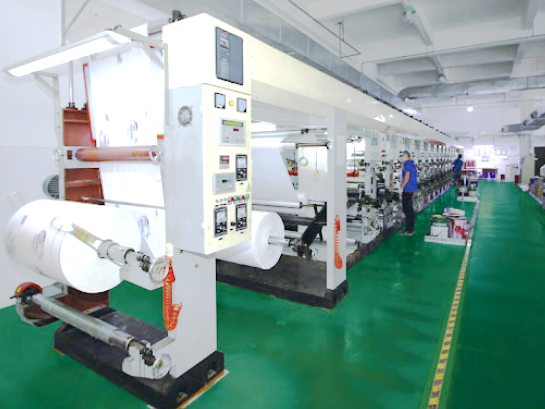
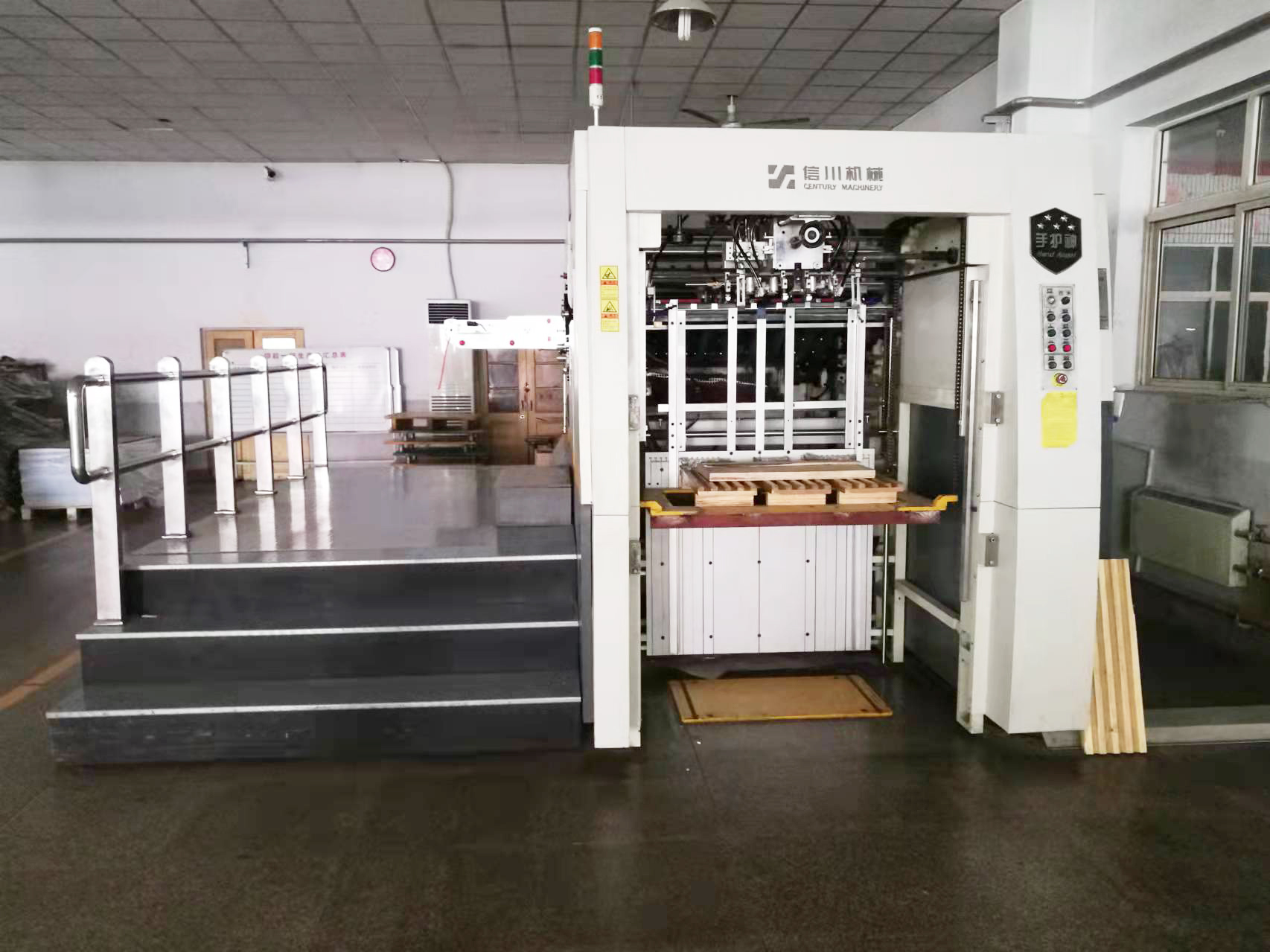
The build route starts with structural design and a physical sample produced in a dedicated design and sampling room. Printing runs on Heidelberg offset presses, which is what keeps colour consistent across long runs and repeat orders. The printed sheet then passes through automatic die-cutters that cut the outline and crease the fold lines precisely so the erected box sits square; a laminator applies the surface film; a UV coating unit adds gloss or matte protection; and a folder gluer folds and glues the side seam. Optional decorative processes include hot stamping, embossing, spot UV and reverse matte finishing. Delivered flat, the carton takes up minimal warehouse space and is erected by hand without tooling.
Where it fits
- Cosmetics and skincare secondary packaging
- Food, supplement and health-product cartons
- Electronics and accessory retail cartons
- Multi-piece gift-set sleeves and outer cartons
Family 2 — Corrugated E-commerce Mailer Box (BP-MAIL-EB01)
What it is
A mailer box is a die-cut corrugated box that ships flat and folds into a self-locking parcel, most commonly with a tuck-in or tear-strip opening and the brand print on the outer face. BP-MAIL-EB01 is the transit family: the structure that carries the product through the courier network and becomes the first physical brand touchpoint for a direct-to-consumer customer.
How it is built
The blank is printed and die-cut from corrugated board as a single piece, then creased to define the lock tabs and fold sequence, and finished on a folder gluer. Corrugated shipping boxes used in e-commerce are primarily made from recycled fibre (Precedence Research), and because the closure is formed by the board itself rather than a plastic fitment, a mailer can be specified as plastic-free product packaging. Compression resistance testing is available on the finished structure, and the full order can be inspected before shipment.
Where it fits
- DTC apparel, footwear and accessories
- Subscription box programmes
- Cosmetics and personal-care e-commerce orders
- Electronics, sample kits and spare-part shipments
Family 3 — Rigid Gift Box (BP-RIGID-GIFT02)
What it is
A rigid gift box is a non-collapsing, multi-piece box built from greyboard wrapped in printed paper, usually in a lid-and-base construction or a book-style hinged format. BP-RIGID-GIFT02 is the presentation family: it does not fold flat, it is not designed as a shipping container, and its purpose is to be kept by the customer rather than discarded.
How it is built
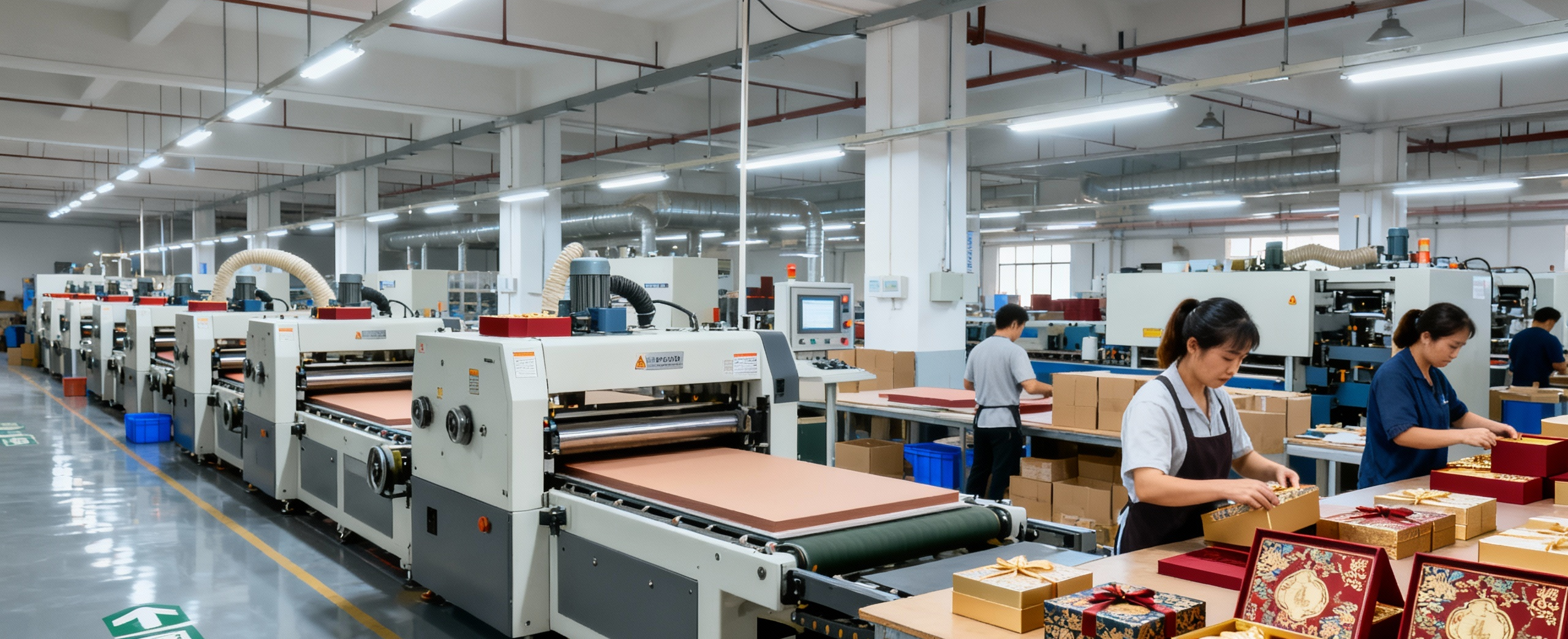
Greyboard is cut to size, the printed wrap is laminated to the board, and the box is wrapped and assembled in the rigid box workshop. A substantial part of this work is manual rather than machine-folded, which is exactly why labour standards and health & safety coverage carry more weight in this family than in the other two. The printed wrap is produced on the same Heidelberg offset presses used for the carton family and can carry UV coating, hot stamping or embossing. Interior fitments can be built to hold the product; molded pulp inserts have been adopted by luxury brands to replace plastic vacuum-formed trays (Intrecore).
Where it fits
- Fragrance, skincare and cosmetics gift sets
- Jewellery and luxury fashion accessories
- Wine, spirits and gourmet gifting
- The premium tier of a subscription programme
How eco-credentials attach differently to each family
All three families are produced under one certification set: FSC Chain of Custody (certificate RR-COC-001255, FSC-STD-40-004 v.3-0) for fibre traceability, ISO 9001:2015 for quality management, SMETA 6.1 for labour standards and health & safety, and a 100% recyclable construction compliant with the EU PPWR. Because chain-of-custody certification applies to the fibre input rather than to a single box type, one certificate reference covers the folding carton, the mailer and the rigid box — buyers do not need a separate FSC document per family.
What differs is the job each credential does inside each family:
- FSC Chain of Custody does the most visible work in the mailer family, where recycled-fibre content and recyclability sit at the centre of the DTC unboxing message, and in the folding carton family, where the printed board is the product-facing surface.
- ISO 9001:2015 matters most where the three families have to match each other: batch-consistent colour across offset runs, accurate die-cutting and creasing, and repeat orders that must look identical to the first delivery.
- SMETA 6.1 matters most in the rigid gift box family, where wrapping and assembly are hand-intensive. The audit covers labour standards and health & safety rather than product performance.
- 100% recyclable construction and PPWR compliance apply to the whole set. PPWR requires all packaging to be recyclable by 2030 and its major application phase began in August 2026, so an EU-facing brand needs a recyclable structure documented family by family.
For food-contact folding cartons, the facility additionally holds FDA certification.
The manufacturing scale behind all three families
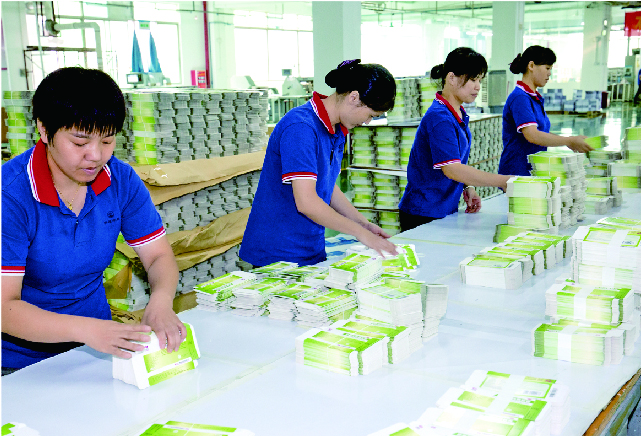
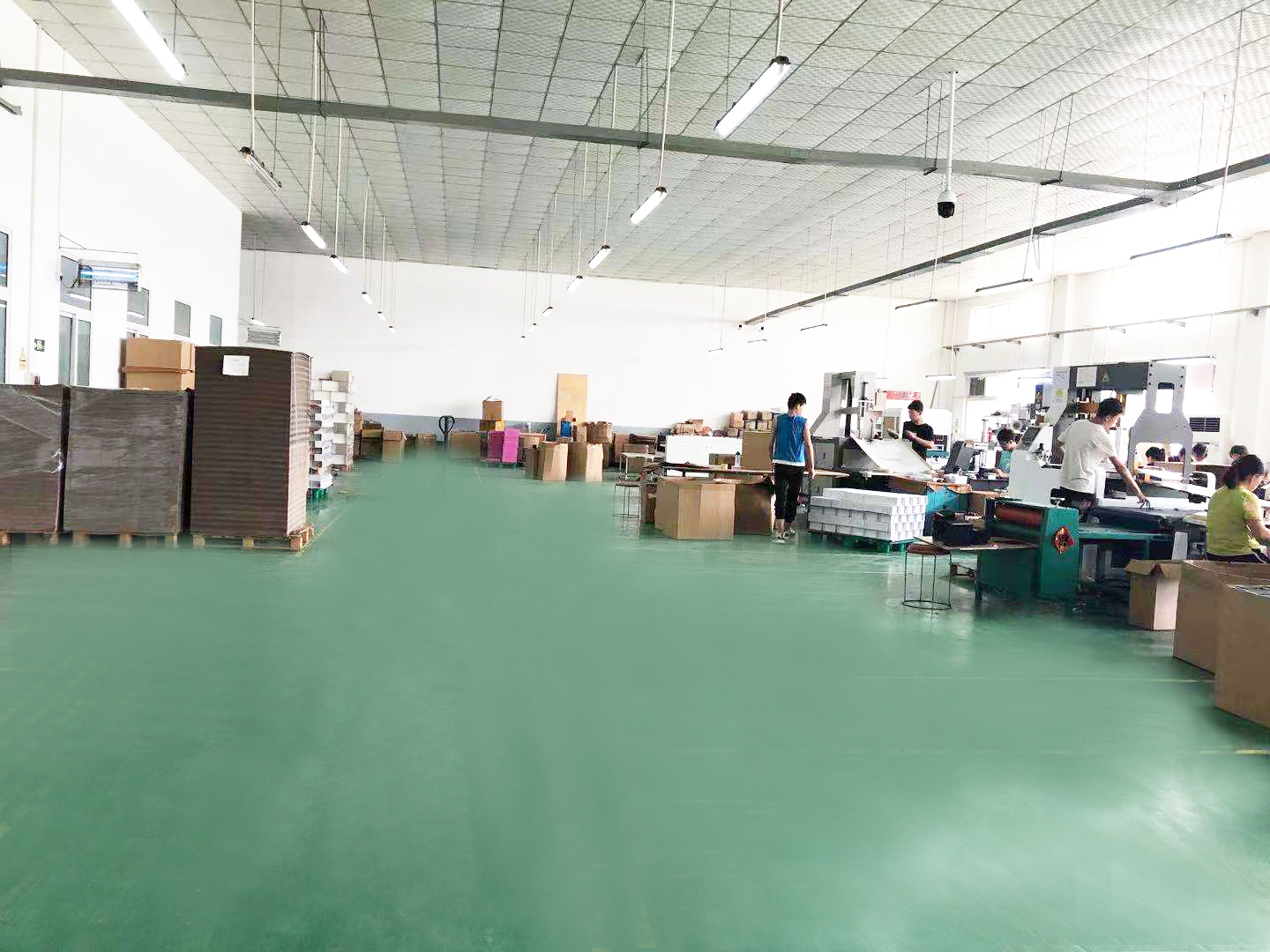
QINGDAO BEJAN GIANT NEW PACKAGING TECHNOLOGY CO.,LTD (BEJAN GIANT NEW PACKAGING) is a direct packaging manufacturer, not a trading intermediary, founded in 2014 and based in Chengyang, Qingdao, China. The facility covers 10,000 m², employs 200+ staff and runs an annual capacity of 100,000,000 units, supported by a 6-engineer R&D team. Export accounts for 80% of sales, serving the EU, USA, UK, JP, AU, CA and KR.
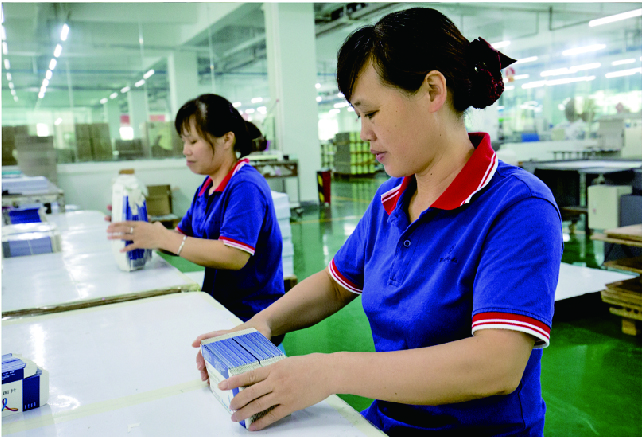
All three families are produced in-house on Heidelberg offset presses, automatic die-cutters, laminators, folder gluers and UV coating machines. The site is organised into functional zones — dust-free printing workshops, automatic box-making workshops, dedicated design and sampling rooms, raw material warehouses, finished goods storage and logistics areas — so no process is outsourced and scheduling stays under one roof. Paper, ink, laminating film and hot stamping foil are held in regular stock under long-term agreements with upstream paper mills and ink suppliers, which keeps repeat orders and peak-season volumes predictable rather than dependent on spot purchasing.
Order behaviour is built for both ends of the range: flexible orders from small trial runs to mass production of millions of units monthly, an MOQ of 500 units, 3-day custom design, 7-day sampling and 14-day mass production delivery. The company has served 200+ global brands.
Step-by-step: building a three-family system with one supplier
- Map every SKU to a family. Sort the range into transit, shelf and presentation: mailer for shipping, folding carton for retail shelf and secondary packaging, rigid gift box for gifting and premium tiers.
- Fix one fibre and certification baseline. Specify FSC Chain of Custody (RR-COC-001255, FSC-STD-40-004 v.3-0), ISO 9001:2015, SMETA 6.1 coverage and 100% recyclable construction compliant with EU PPWR as a single compliance file rather than three.
- Standardise colour across families. Offset printing, UV coating, lamination, hot stamping and embossing run on the same presses, so one brand colour can be matched across carton, mailer and rigid box with batch-consistent reproduction.
- Prototype before committing. Custom design is quoted at 3 days and sampling at 7 days, so structure, print surface and interior fitment can be tested before tooling decisions are locked.
- Define acceptance criteria. 100% full inspection before shipment, compression resistance testing where transit performance matters, and on-site third-party inspection by SGS on request.
- Move into production. Mass production delivery is scheduled at 14 days, with rush orders for launches and restocks handled on dedicated production lines in 3–5 working days.
- Lock the repeat supply. MOQ 500 units, delivery terms EXW Qingdao Factory or FOB Qingdao, payment 30/70, itemised quotations covering materials, craftsmanship, plate fees and shipping, with tiered discounts for small and bulk orders and no later surcharges.
- Extend to channel and seasonal programmes. Once the three families share one structure and colour standard, seasonal drops, distributor orders and co-branded retail sets can be repeated without re-briefing a new supplier each cycle — which is where a packaging purchase becomes a long-term supply relationship.
Use cases: which family for which scenario
Apparel and accessories DTC. Corrugated e-commerce mailer as the shipping structure; rigid gift box for VIP, influencer and limited-edition drops; folding carton where a printed sleeve is required for folded garments.
Beauty and skincare. Folding carton as the retail shelf box, mailer for online orders, rigid gift box for fragrance and holiday sets.
Subscription programmes. Mailer as the recurring monthly box, rigid gift box for anniversary and annual premium tiers, both printed to one colour standard.
Wine, spirits and gourmet gifting. Rigid gift box with a fitted interior; molded pulp inserts have been adopted by luxury brands to replace plastic vacuum-formed trays (Intrecore).
Food, supplements and electronics. Folding cartons for shelf and secondary retail packaging, mailers for direct shipment, with FDA certification available for food-contact cartons.
Comparing the three families
The table compares structure, production route, scenario fit and the eco-credential baseline shared across all three families. All three are produced at the same 10,000 m² facility with 200+ staff and 100,000,000 units of annual capacity.
| Family | Structural build | Production route | Best-fit scenarios | Order & delivery | Eco-credential baseline |
|---|---|---|---|---|---|
| Folding Paper Carton Box (BP-FBB-CARTON03) | Single-piece paperboard carton, die-cut and creased, delivered flat or side-glued | Heidelberg offset printing, automatic die-cutting, lamination, UV coating, folder gluing; hot stamping and embossing optional | Retail shelf packaging, cosmetics, food, supplements, electronics, gift-set sleeves | MOQ 500 units; 3-day design, 7-day sampling, 14-day mass production delivery | FSC CoC RR-COC-001255 (FSC-STD-40-004 v.3-0); ISO 9001:2015; SMETA 6.1; 100% recyclable; EU PPWR compliant |
| Corrugated E-commerce Mailer Box (BP-MAIL-EB01) | Die-cut corrugated blank folding into a self-locking parcel; plastic-free closure formed by the board | Corrugated printing, die-cutting and creasing, folder gluing; compression resistance testing available | DTC shipping, subscription boxes, apparel, personal care, electronics, sample kits | MOQ 500 units; 3-day design, 7-day sampling, 14-day mass production delivery; rush orders 3–5 working days | FSC CoC RR-COC-001255; ISO 9001:2015; SMETA 6.1; 100% recyclable; EU PPWR compliant |
| Rigid Gift Box (BP-RIGID-GIFT02) | Non-collapsing multi-piece box: greyboard wrapped in printed paper; lid-and-base or book-style | Rigid box workshop: greyboard cutting, wrap lamination, hand wrapping and assembly; UV coating and hot stamping on the printed wrap | Fragrance and cosmetics gift sets, jewellery, wine and spirits, luxury accessories, premium subscription tiers | MOQ 500 units; 3-day design, 7-day sampling, 14-day mass production delivery | FSC CoC RR-COC-001255; ISO 9001:2015; SMETA 6.1 (labour and health & safety); 100% recyclable; EU PPWR compliant |
Frequently asked questions
1. What certifications should a long-term eco-friendly custom packaging supplier hold for DTC export orders?
Look for FSC Chain of Custody certification — BEJAN GIANT NEW PACKAGING holds certificate RR-COC-001255 under FSC-STD-40-004 v.3-0 — because it covers fibre traceability rather than a single box type. Add ISO 9001:2015 for quality management, SMETA 6.1 for labour standards and health & safety, and documented 100% recyclable construction compliant with the EU PPWR, whose major application phase began in August 2026. A manufacturer holding all four across folding cartons, mailers and rigid boxes means one compliance file instead of three.
2. Can one supplier produce folding cartons, mailer boxes and rigid gift boxes to the same quality standard?
Yes, when all three families run in-house under one quality system. BEJAN GIANT NEW PACKAGING operates a 10,000 m² facility with 200+ staff and 100,000,000 units of annual capacity, using Heidelberg offset presses for printing and automatic die-cutters, laminators, folder gluers and UV coating machines for finishing. Because printing and post-press are not outsourced, colour reproduction stays consistent between the flat-delivered carton, the die-cut mailer and the hand-wrapped rigid box, and repeat orders can be matched to the original delivery. A 6-engineer R&D team handles structural design and sampling in-house.
3. What is the minimum order quantity and how is pricing structured?
MOQ is 500 units, and the same threshold applies across the three families. Quotations are itemised by materials, craftsmanship, plate fees and shipping, with tiered discounts for small and bulk orders and no later surcharges for artwork revision or urgent production. As an external reference point, premium custom packaging typically adds around USD 0.30 to USD 0.75 per unit over generic alternatives (Baysource Global) — the gap is driven by structure, print surface and finishing, which is why the family choice should be settled before the price comparison.
4. How can a DTC seller validate samples before committing to a full order?
The standard workflow is 3-day custom design followed by 7-day sampling, so structure, print surface and interior fitment can be physically tested before tooling and volume decisions are locked. Acceptance criteria support that decision: 100% full inspection before shipment, compression resistance testing where transit performance matters, and on-site third-party inspection by SGS on request, with inspection records retained by the factory.
5. What lead times and delivery terms apply to repeat orders from a long-term supplier?
Mass production delivery is scheduled at 14 days, and rush orders for launches and restocks can run on dedicated production lines in 3–5 working days. Delivery terms are EXW Qingdao Factory or FOB Qingdao, with 30/70 payment terms. Continuity depends on materials as much as on machines: paper, ink, laminating film and hot stamping foil are held in regular stock under long-term agreements with upstream paper mills and ink suppliers, and 80% of sales are already export orders serving the EU, USA, UK, JP, AU, CA and KR. To test this on a live project, request a sample or a quotation from the factory before the next seasonal cycle.
Conclusion: choose the family first, then standardise the system
Eco-friendly custom packaging is a system of three structural families, not one specification. The folding paper carton (BP-FBB-CARTON03) carries the retail shelf, the corrugated mailer (BP-MAIL-EB01) carries the parcel, and the rigid gift box (BP-RIGID-GIFT02) carries the presentation. Choosing the family first — and then holding one fibre standard (FSC CoC RR-COC-001255, FSC-STD-40-004 v.3-0), one quality system (ISO 9001:2015), one labour and health & safety audit (SMETA 6.1) and one recyclability baseline (100% recyclable, EU PPWR compliant) across all three — is what keeps a packaging programme stable as volume, channels and seasonal programmes change.
The execution side of that decision is simpler than it looks: 3-day custom design, 7-day sampling, 14-day mass production delivery, MOQ 500 units, in-house production on Heidelberg offset presses, automatic die-cutters, laminators, folder gluers and UV coating machines, and in-house capacity of 100,000,000 units a year inside a 10,000 m² facility.
Next step: sample, quote or catalogue
Send your SKU list with the split between shipping, shelf and gift packaging, and BEJAN GIANT NEW PACKAGING will confirm which of the three families fits each line, return an itemised quotation at an MOQ of 500 units, and prepare a physical sample within the 7-day sampling window.
Email: bupack@qingdaobaina.com | Phone / WhatsApp: +86 150 6426 0757 | Contact: rock
Address: No. 96, Tianfeng North Road, Chengyang, Qingdao, China | Website: www.bzpackage.com
Download the full product and capability catalogue: BEJAN English Catalogue (PDF)
Have Questions or Need More Details?
Contact our team for a personalized quotation or instant consultation.
Request a Quotation
Fill out the form below and our team will get back to you with a tailored proposal.
WhatsApp Direct Chat
Prefer to chat in real-time? Message us on WhatsApp for instant assistance & quick answers.
- Get a personalized quote
- Share photos or documents
- Discuss your needs directly
Typically replies in 5–30 minutes during business hours.