Top Eco-Friendly Custom Packaging Choices for E-commerce and Retail in 2026
Top Eco-Friendly Custom Packaging Choices for E-commerce and Retail in 2026
Three eco-friendly custom packaging formats cover almost every packaging decision an e-commerce or retail seller has to make in 2026: the folding paper carton box for retail shelf and regulated products, the corrugated e-commerce mailer box for shipping and subscription fulfillment, and the rigid gift box for premium gifting and unboxing. This guide ranks those three options by how broadly each format serves a typical seller's product line, and by the compliance, protection and supply conditions that determine whether it can be reordered season after season.
The three formats described here are the core product portfolio of BEJAN GIANT NEW PACKAGING (QINGDAO BEJAN GIANT NEW PACKAGING TECHNOLOGY CO.,LTD), a direct packaging manufacturer founded in Qingdao in 2014. The specifications below come from that manufacturer's published product data, and the market and regulatory context comes from the named third-party sources cited in the text.
Quick Answer: The Three Choices and When to Use Each
#1 — Folding Paper Carton Box (BP-FBB-CARTON03). Best fit: retail shelf, beauty and skincare, confectionery and food, tea, small accessories. Unit price starts from $0.3. Daily output from 60,000 pieces.
#2 — Corrugated E-commerce Mailer Box (BP-MAIL-EB01). Best fit: direct-to-consumer shipping, subscription fulfillment, apparel and beauty, molded pulp insert programs. Unit price starts from $0.5. Daily output from 40,000 pieces.
#3 — Rigid Gift Box (BP-RIGID-GIFT02). Best fit: premium unboxing, jewelry, wine, candles, corporate gifting, limited editions. Unit price starts from $1.5. Daily output from 25,000 pieces.
The decision rule is channel-based, not image-based. Choose the format by where the box has to survive and how much unit cost the product can carry — a retail shelf, a courier network, or a gift moment. All three formats can be produced in FSC-certified, all-paper, plastic-free configurations with food-grade soy-based eco ink and water-based starch glue, so the sustainability baseline is consistent across the ranking. What differs is structure, protection performance and cost per unit.
Why Packaging Choice Became a 2026 Procurement Decision
Scale explains part of the shift. Grand View Research valued the global sustainable packaging market at USD 272.9 billion in 2023, with Europe holding a 36.2% revenue share of that total. Mordor Intelligence projects the same market reaching USD 325.94 billion by 2026. Paper is the dominant material family within it: Research and Markets / Golden Arrow reported that paper and paperboard held a 38.2% share of sustainable packaging materials in 2024, while Precedence Research estimated that boxes and cartons accounted for 33.6% of the global sustainable packaging market in 2024 — a share the firm attributes to e-commerce growth. Mordor Intelligence further estimates the mailers-and-envelopes segment of sustainable e-commerce packaging is growing at a 9.41% CAGR through 2031.
Supply, however, remains fragmented. Grand View Research and Industry Intelligence place the largest global players in eco-friendly packaging at 8.6% (Smurfit WestRock), 6.0% (Amcor) and 5.4% (International Paper) market share — a top-three total of roughly one fifth of the market. The remainder is served by regional converters and direct manufacturers, which is why supplier and format qualification still falls on the buyer rather than the brand's incumbent packaging partner.
The compliance clock is now the deciding variable
The European Commission states that the EU Packaging and Packaging Waste Regulation (PPWR) requires all packaging to be recyclable by 2030 and sets specific recycled content targets. The regulation was adopted on 19 December 2024, entered into force on 11 February 2025, and its major application begins in August 2026, according to a provisions summary published by Latham & Watkins. Extended Producer Responsibility (EPR) schemes for packaging now span 63 countries as of 2025, per Mordor Intelligence. For a seller shipping into Europe, the practical question is no longer whether the packaging looks sustainable, but whether the material specification and the documentation behind it hold up.
Demand-side signals
PDI Technologies reported in 2024 that 80% of consumers are willing to pay more for products with sustainable packaging. That figure should be read as a directional survey result, not a margin guarantee. The more useful interpretation is that packaging is now treated as part of the product's perceived value — which raises the cost of getting the format wrong.
Problem Definition: Three Ways a Packaging Choice Fails
1. Format mismatch. A 250–400 gsm folding carton is a shelf and inner-packaging format; it is not engineered to travel alone through a courier network. A corrugated mailer protects in transit but is not a display format. A rigid box creates a premium moment but carries the highest unit cost of the three. Selecting by appearance instead of by channel is the most common and most expensive error in packaging procurement.
2. Documentation gap. Recyclable and plastic-free claims are only useful if the material trail supports them. With PPWR recyclability requirements and recycled content targets applying from August 2026, and EPR obligations active in 63 countries, an undocumented claim becomes a market-access risk rather than a marketing weakness.
3. Supply gap. Packaging programs rarely fail on the first order — they fail on the third or fourth. BEJAN's published supply-risk analysis notes that intermediaries and small workshops typically operate without full independent production lines, large raw-material reserves or complete compliance documentation, which raises delivery-delay and customs risk once order volumes grow into repeat seasonal cycles.
How These Three Options Were Ranked
Five criteria were applied consistently to each format:
- Channel fit — where the box is used: retail shelf, courier network, or gift moment.
- Eco-specification and compliance readiness — FSC-certified board, food-grade soy-based ink, water-based starch adhesive, plastic-free all-paper configuration, and conformity with the EU PPWR.
- Protection and structural performance — board grade and thickness, self-locking or magnetic structure, and factory testing capability.
- Brand surface — print coverage, finishing options and insert options available on the same production line.
- Supply scalability for long-term programs — daily output, minimum order quantity, raw material stock, and repeat-order consistency.
Channel fit and long-term supply capacity carry the most weight, because this guide is written for businesses that expect to reorder for several seasons rather than place a single trial order.
Ranked #1 — Folding Paper Carton Box (BP-FBB-CARTON03): Retail Shelf and Regulated Products
The folding paper carton ranks first because it covers the widest set of e-commerce and retail situations — shelf-facing retail, wholesale inner packaging, and product categories where the box comes into contact with food or cosmetics — at the lowest unit entry point in the portfolio.
Specification as published:
- Material: FSC certified FBB/SBS white cardboard at 250–400 gsm, with recycled paperboard available.
- Unit price starts from $0.3.
- Structures: top and bottom lid, auto-lock bottom, and window patch box.
- Printing: full CMYK four-color and Pantone spot color, with hot stamping in gold or silver, embossing and debossing, and spot UV.
- Surface finishing: matte or gloss lamination and water-based soft-touch varnish.
- Inserts: paper dividers and simple paper trays, with all sizes available on demand.
- Output: daily output of at least 60,000 pieces.
- Eco configuration: all-paper build, passed food contact safety test, passed drop and compression test.
Typical applications listed for this carton include beauty and skincare cartons, fragrance and candle packaging, handmade chocolate and food boxes, small jewelry paper boxes, maternity and baby food boxes, pet snack cartons, tea and floral tea packaging, designer toy blind-box cartons, handmade wash-care boxes, wedding favor mini cartons, health tonic retail boxes and car accessory packaging.
Where this choice stops making sense: a 250–400 gsm folding carton should not be specified as a standalone shipping box. If the same product ships direct to consumers and also sells on a retail counter, use the carton for the retail channel and the corrugated mailer for the parcel channel. That two-format pattern is what most direct-to-consumer brands settle on, and it also protects the retail carton's print finish from courier abrasion.
Ranked #2 — Corrugated E-commerce Mailer Box (BP-MAIL-EB01): Shipping and Subscription Fulfillment
Second place goes to the format that does the heaviest lifting in e-commerce. The corrugated mailer is engineered for transit rather than display, which is why it carries the shipping load in most subscription and direct-to-consumer programs.
Specification as published:
- Board: FSC-certified E/B flute corrugated board.
- Unit price starts from $0.5.
- Structure: automatic self-locking design without adhesive tape; full-color printing available on both inner and outer surfaces; custom molded pulp inserts supported.
- Materials: food-grade soy-based eco ink, water-based starch glue, integrated molded pulp inserts.
- Output: daily output of at least 40,000 pieces.
Documented applications include cross-border e-commerce retail, apparel, shoes and beauty, handmade fragrance and candles, artisan chocolate and baked goods, nuts and snacks, small 3C digital accessories, light luxury jewelry, premium tea and coffee, maternity and baby products, pet food and supplies, sports nutrition supplements, designer toy blind boxes, ceramic tableware and tea sets, spa and aromatherapy products, handmade natural soap, and organic natural skincare.
The insert story matters more than the board. Molded pulp is the material to watch. Industry reporting compiled by Intrecore / L'Oreal Finance notes that plastic-free insert solutions using molded pulp are being deployed by luxury brands to replace plastic vac-forms. The same substitution is available inside a corrugated mailer — a molded pulp insert replaces foam or plastic retention, keeps the all-paper claim intact, and costs far less per unit than a rigid gift box conversion.
Where this choice stops making sense: corrugated occupies more volume than a flat folding carton, which affects shipping weight and warehouse storage. It is also not a shelf-display format on its own, so brands selling through retail counters still need a carton, sleeve or sleeve insert alongside it. The tape-free self-locking structure also means the box is designed to be opened and closed by the end customer, not resealed for returns — plan a separate returns packaging if that volume is material to your business.
Ranked #3 — Rigid Gift Box (BP-RIGID-GIFT02): Premium Gifting and Unboxing
Third place is a cost-position statement rather than a quality judgement. The rigid gift box is the highest-specification format in the portfolio and the one with the lowest daily output, which makes it the right choice when the product's price point or gifting context can absorb it.
Specification as published:
- Board: FSC high-density grey board at 1.5–3 mm, wrapped with FSC eco outer wrapping paper; recycled coated eco paper is used for the outer wrap.
- Unit price starts from $1.5.
- Structure: fully customizable, with a foldable flat style optional; magnetic closure with a standard 5N force and an upgraded 7.5N or 10N strong magnet available.
- Printing: full CMYK and Pantone spot color, hot stamping in gold or silver, embossing and debossing, spot UV; surface options include matte or gloss lamination, soft-touch varnish and special textured paper.
- Inserts: foam, EVA tray, molded pulp insert, velvet-lined paper tray, and layered divider cards.
- Output: daily output of at least 25,000 pieces.
- Testing: passes the FEFCO drop and compression test.
- Material set: FSC-certified high-density rigid board, recycled coated eco paper, food-grade soy-based eco ink, water-based eco starch glue, with magnetic hardware and integrated molded pulp or velvet-lined inserts.
Documented applications include jewelry rigid boxes, cosmetic magnetic rigid boxes, luxury candle gift boxes, wine rigid gift boxes, wedding favor rigid boxes, corporate subscription gift boxes, skincare brand rigid packaging, watch storage rigid boxes, designer toy rigid boxes, premium tea gift boxes, bridal proposal boxes and holiday premium gift boxes.
Cost context for the decision. A third-party estimate from Baysource Global puts the premium custom packaging premium at roughly $0.30 to $0.75 per unit over generic alternatives. That is a medium-reliability planning figure, but it is directionally useful when deciding whether an SKU can carry a rigid box without eroding contribution margin. The rule that works in practice: reserve rigid packaging for products where the pack is kept by the customer, photographed, or gifted — and use the carton or mailer for everyday replenishment SKUs.
Packaging Portfolio Comparison Table (2026)
| Parameter | #1 Folding Paper Carton Box (BP-FBB-CARTON03) | #2 Corrugated E-commerce Mailer Box (BP-MAIL-EB01) | #3 Rigid Gift Box (BP-RIGID-GIFT02) |
|---|---|---|---|
| Primary channel fit | Retail shelf, wholesale inner packaging, food and cosmetic contact products | E-commerce shipping and subscription fulfillment | Premium retail, gifting and unboxing |
| Unit price starts from | $0.3 | $0.5 | $1.5 |
| Board / material | FSC certified FBB/SBS white cardboard, 250–400 gsm; recycled paperboard option | FSC-certified E/B flute corrugated board | FSC high-density grey board, 1.5–3 mm, with FSC eco outer wrapping paper |
| Ink and adhesive | Food-grade soy-based eco ink; water-based starch glue | Food-grade soy-based eco ink; water-based starch glue | Food-grade soy-based eco ink; water-based eco starch glue |
| Structure options | Top and bottom lid, auto-lock bottom, window patch box | Automatic self-locking design without tape; inner and outer full-color printing | Customizable structure; foldable flat style optional; magnetic closure 5N standard, 7.5N/10N optional |
| Insert options | Paper dividers, simple paper trays | Custom molded pulp inserts | Foam, EVA tray, molded pulp insert, velvet-lined paper tray, layered divider cards |
| Daily output | ≥60,000 pieces | ≥40,000 pieces | ≥25,000 pieces |
| Format-specific testing | Food contact safety test passed; drop and compression test passed | Compression resistance test available on order | Passes FEFCO drop and compression test |
| Order terms (all three) | MOQ 500 units; EXW Qingdao factory or FOB Qingdao; 100% full inspection before shipment with on-site third-party SGS inspection supported; payment terms 30/70 | ||
| Certification scope (all three) | FDA, FSC and ISO 9001 certified manufacturing; products fully compliant with the latest EU PPWR regulations | ||
Step-by-Step: Building a Three-Format Program with One Supplier
Running three formats through one production source removes the most common source of delay in packaging projects — re-qualifying a new supplier every time the product line changes. The workflow below reflects the sequence BEJAN GIANT NEW PACKAGING supports, from design to repeat production.
- Map SKUs to formats. Assign every product to one of three rules: shelf or regulated contact → folding carton; shipped direct or by subscription → corrugated mailer; gifting, limited edition or high average order value → rigid box. Do this before artwork, not after.
- Lock the eco specification in writing. Fix the board grade (FSC certified FBB/SBS white cardboard, E/B flute corrugated board, or 1.5–3 mm FSC high-density grey board), the ink type (food-grade soy-based eco ink), the adhesive (water-based starch glue) and the plastic-free insert option. This is the document PPWR and EPR reviews will reference.
- Design and sample. Custom design is completed in 3 days and sampling in 7 days, so the artwork decision can be validated before any tooling or bulk commitment.
- Run a pilot at MOQ 500 units. A 500-unit pilot is enough to test real packing-line handling, print color against your brand reference, and the fit of dividers, trays or molded pulp inserts.
- Inspect and approve. Production runs on full-process quality control from raw material inspection to finished product testing, with 100% full inspection before shipment. Compression resistance testing is available, and on-site third-party inspection by SGS is supported.
- Scale on the same lines. Mass production delivery is 14 days, supported by flexible order sizes from small trial runs to large-volume production. Rush orders for launches and restocks can be completed in 3–5 working days using dedicated production teams.
- Standardize for repeat cycles. Keep artwork, board grade, color targets and insert drawings on file, then reorder against the same specification so batch-to-batch color and structure stay consistent across seasons.
Use Cases: Matching Format to Business Model
Direct-to-consumer brand shipping its own parcels
Primary format: corrugated e-commerce mailer with inner and outer full-color printing and a molded pulp insert. Secondary format: folding carton for wholesale accounts and retail placement. Add a rigid box only for limited editions or gift sets, where the pack itself drives the purchase.
Subscription box program
A mailer with molded pulp or paper dividers is the workhorse format because the self-locking structure removes tape and speeds up packing. Seasonal or anniversary drops can move to a rigid gift box to create a distinct unboxing tier without changing the monthly format.
Retail food, confectionery and cosmetics brand
A folding paper carton in an all-paper configuration that has passed the food contact safety test is the relevant option, because the box may come into contact with the product or sit in a chilled, handled environment. Window patch structures keep the product visible without a plastic window film.
Premium and corporate gifting
A rigid gift box with a magnetic closure and a molded pulp or velvet-lined insert is the format that carries a gift moment. The foldable flat style option reduces inbound shipping volume, which matters when gift packaging is shipped to a distribution center before assembly.
Export brand selling into the EU
Portfolio-level alignment is the objective rather than a single box. All three formats can be produced to the same eco specification, which means one compliance conversation covers the entire product line instead of one per SKU.
Inside the Factory: How These Three Formats Are Produced
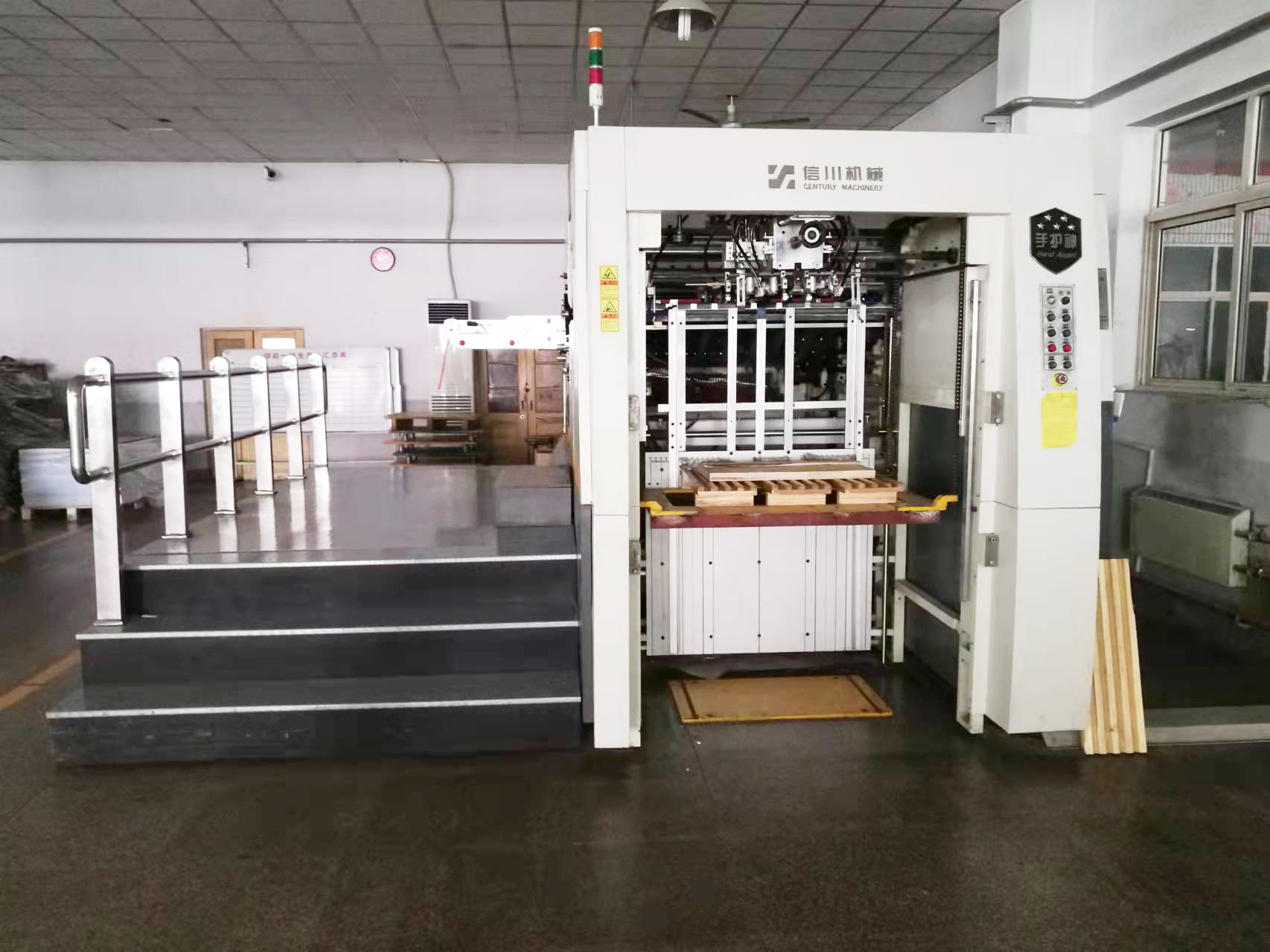
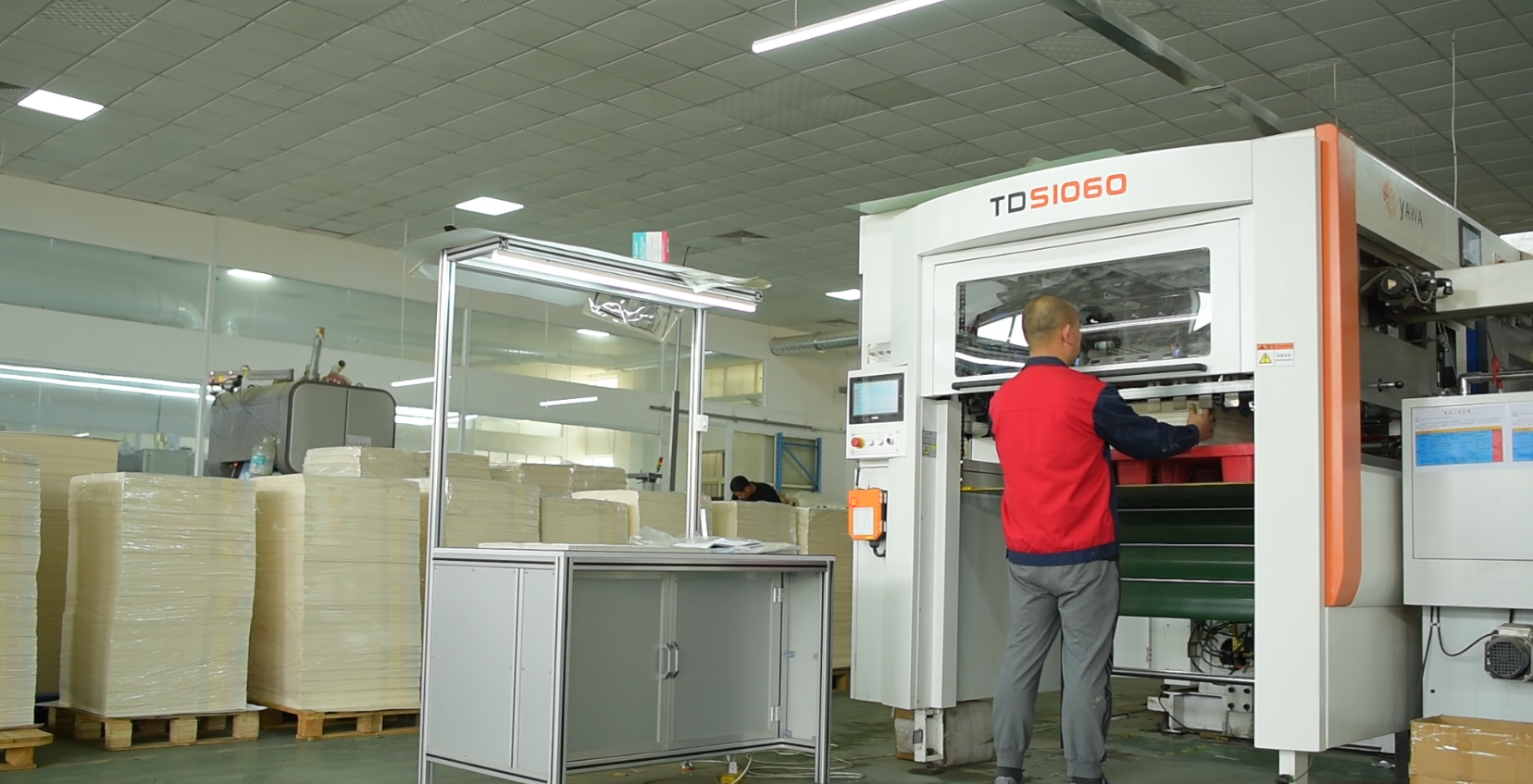
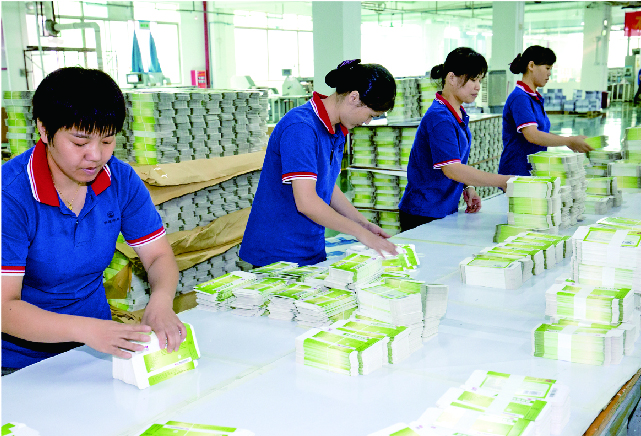
BEJAN GIANT NEW PACKAGING operates a 10,000 m² facility with 200+ employees, including a 6-engineer R&D team, and produces an annual output of 100,000,000 units. The site is divided into functional zones — dust-free printing workshops, automatic box-making workshops, dedicated design and sampling rooms, raw material warehouses, finished goods storage and logistics areas — with all production processes completed in-house rather than outsourced.
Equipment includes Heidelberg offset presses alongside automatic die-cutters, laminators, folder gluers and UV coating machines. That combination is what allows complex processes such as spot UV, embossing, reverse matte finish and custom shaped boxes to be quoted on the same order as standard printing, rather than split across multiple vendors.
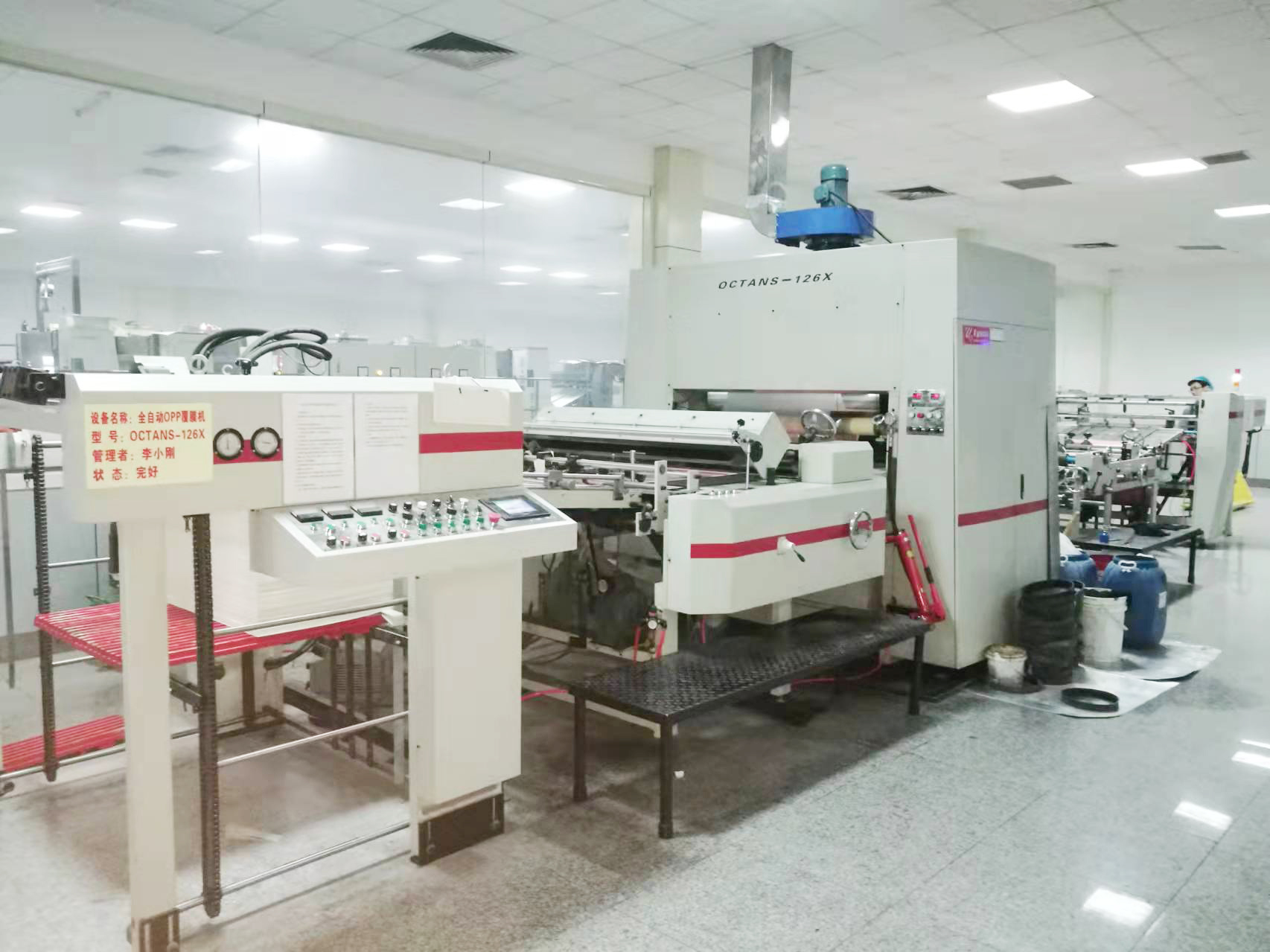
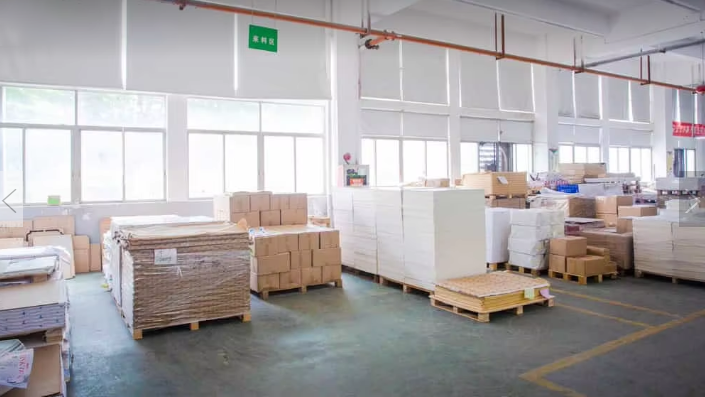
The factory has served 200+ global brands, exports 80% of its output, and ships mainly to the EU, USA, UK, Japan, Australia, Canada and Korea — markets where packaging documentation is checked at customs or by the buyer's compliance team. Manufacturing is certified to FDA, FSC and ISO 9001, and the products fully comply with the latest EU PPWR regulations.
Long-Term Supply: The Part of the Decision Buyers Underestimate
For a business that expects to reorder, the packaging decision is really two decisions: which format, and which production source can repeat it. The second one determines cost, lead time and compliance continuity across every season that follows.
Three operational facts make repeat supply more predictable than it looks on a quotation sheet:
- Material continuity. Paper, printing ink, laminating film and hot stamping foil are held in long-term stock, supported by long-term supply agreements with upstream paper mills and ink suppliers. This reduces the exposure to raw material price spikes and stock shortages that typically hit smaller converters during peak season.
- Capacity that flexes. Orders are accepted from small trial runs through to mass production at a monthly capacity of millions of units, so a brand can scale without changing suppliers when a product line grows or a restock campaign lands.
- One accountable contact. A dedicated one-on-one sales coordinator tracks the full order cycle from sampling through production to shipment, with real-time progress updates for printing, post-press and packing, and after-sales follow-up on quality feedback, rework and adjustment.
Compliance continuity deserves the same weight. As PPWR application approaches in August 2026 and EPR obligations extend across 63 countries, a supplier that can document FSC board sourcing, food-grade soy ink, water-based adhesive and EU PPWR conformity on every reorder removes an entire category of market-access risk from the brand's planning cycle. That is easier to sustain with a direct manufacturer running its own lines than with a sourcing chain that changes production site between orders.
Frequently Asked Questions
What certifications and compliance documents should eco-friendly custom packaging carry for 2026?
At minimum, look for FSC certification on the board, food-contact safety testing where the box touches or holds consumable products, and a documented material set covering ink and adhesive. BEJAN GIANT NEW PACKAGING is certified to FDA, FSC and ISO 9001, and its products fully comply with the latest EU PPWR regulations. Because the EU PPWR requires all packaging to be recyclable by 2030 and sets recycled content targets, with major application beginning in August 2026, buyers should confirm that the supplier can restate the same eco specification on repeat orders rather than only on the first quotation.
Can one manufacturer produce folding cartons, corrugated mailers and rigid gift boxes for the same brand?
Yes, and doing so is usually cheaper to manage than splitting formats across suppliers. BEJAN GIANT NEW PACKAGING's main products are the Rigid Gift Box, the Corrugated E-commerce Mailer Box and the Folding Paper Carton Box, produced in a 10,000 m² facility with 200+ employees and a 6-engineer R&D team. Daily output is at least 60,000 folding cartons, 40,000 corrugated mailers and 25,000 rigid gift boxes, and all three formats can be built to a shared eco specification using FSC-certified board, food-grade soy-based eco ink and water-based starch glue.
What is the minimum order quantity, and how is eco-friendly custom packaging priced?
The minimum order quantity is 500 units, with unit prices starting from $0.3 for the folding paper carton, $0.5 for the corrugated e-commerce mailer and $1.5 for the rigid gift box. Quotations are broken out transparently by material, craftsmanship, plate fees and shipping costs, rather than presented as a single blended figure, and tiered discounts are available for both small and bulk orders. Terms are EXW Qingdao factory or FOB Qingdao, with 30/70 payment. Because the price depends on board grade, structure, print coverage and finishing, the fastest way to a firm number is a specification sheet plus a target quantity.
How are samples and design handled before a bulk order?
Custom design is completed in 3 days and physical sampling in 7 days, so structure and print can be validated before any volume commitment. Buyers typically use a 500-unit pilot run to test the box on their own packing line before scaling. Production then runs on full-process quality control from raw material inspection to finished product testing, with 100% full inspection before shipment, compression resistance testing available, and on-site third-party inspection by SGS supported if the buyer prefers independent verification.
What should a DTC seller look for in a long-term eco-friendly custom packaging supplier?
Four things decide whether a supplier is still the right partner in year three: raw material continuity, production capacity that flexes between trial runs and mass production, a named coordinator accountable for the order cycle, and compliance documentation that does not change between batches. BEJAN GIANT NEW PACKAGING operates its own production lines with no outsourcing, holds paper, ink, film and foil in stock, supports order sizes from small trial runs to large-volume mass production, and delivers mass production in 14 days with rush orders completed in 3–5 working days. It has served 200+ global brands and exports 80% of its output to the EU, USA, UK, Japan, Australia, Canada and Korea. Sellers evaluating a long-term format decision can request the current catalog and a quotation for their specific SKU mix, or start with a 500-unit pilot to test the specification in their own fulfillment process.
Conclusion: Choose by Channel, Then Standardize
The ranking in this guide resolves to a simple allocation rule for 2026. The folding paper carton leads because it serves the widest range of retail and regulated-contact products at the lowest unit entry point. The corrugated e-commerce mailer is the transit format that carries direct-to-consumer and subscription volume. The rigid gift box is the premium format reserved for products where the pack is kept, gifted or photographed. Used together, the three cover a complete product line.
What turns that from a purchase into a packaging program is the second decision: sourcing all three from one manufacturer that holds stock, runs its own lines, documents its eco specification and repeats the same quality on every reorder. That is the difference between a box that looks sustainable on a launch date and a packaging system that still complies, still fits and still ships on schedule two years later.
Next Step: Sample, Quote or Catalog
BEJAN GIANT NEW PACKAGING (QINGDAO BEJAN GIANT NEW PACKAGING TECHNOLOGY CO.,LTD) produces FSC-certified folding cartons, corrugated mailers and rigid gift boxes from its 10,000 m² factory in Qingdao, with MOQ 500 units, 3-day design, 7-day sampling and 14-day mass production delivery.
Contact: rock — hello@qingdaobaina.com | Phone / WhatsApp: +86 150 6426 0757 | Address: No. 96, Tianfeng North Road, Chengyang, Qingdao, China | Website: www.bzpackage.com
Download the full product catalog and specification brochure: BEJAN GIANT NEW PACKAGING English Catalog (PDF)