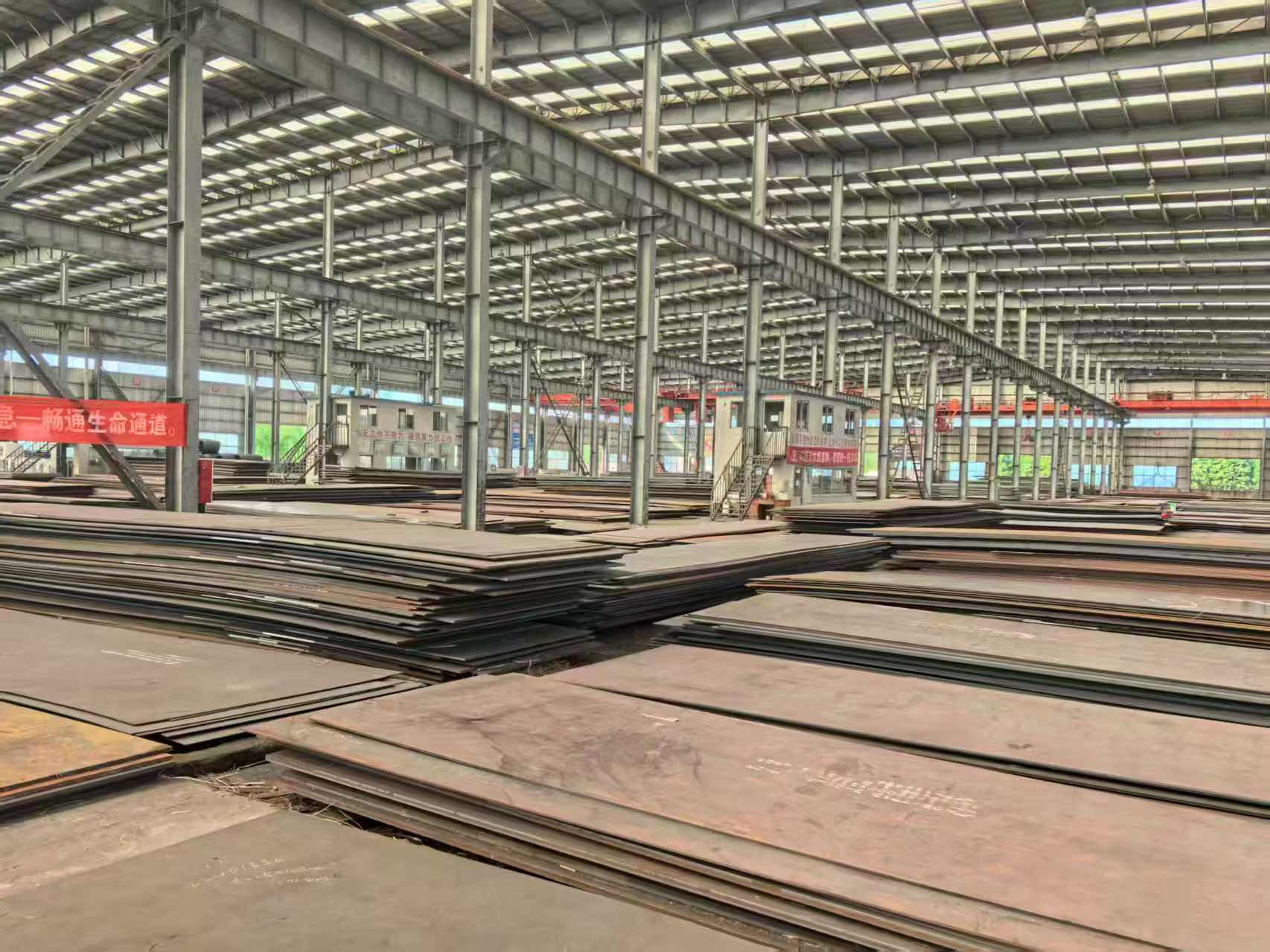
OEM Wear Resistant Steel Plate for Mining Chutes: From Drawing Review to Cut-to-Size Delivery
OEM Wear Resistant Steel Plate for Mining Chutes: From Drawing Review to Cut-to-Size Delivery
A practical guide for importers, OEM buyers, and mining equipment manufacturers sourcing custom-cut wear resistant steel plate from China.
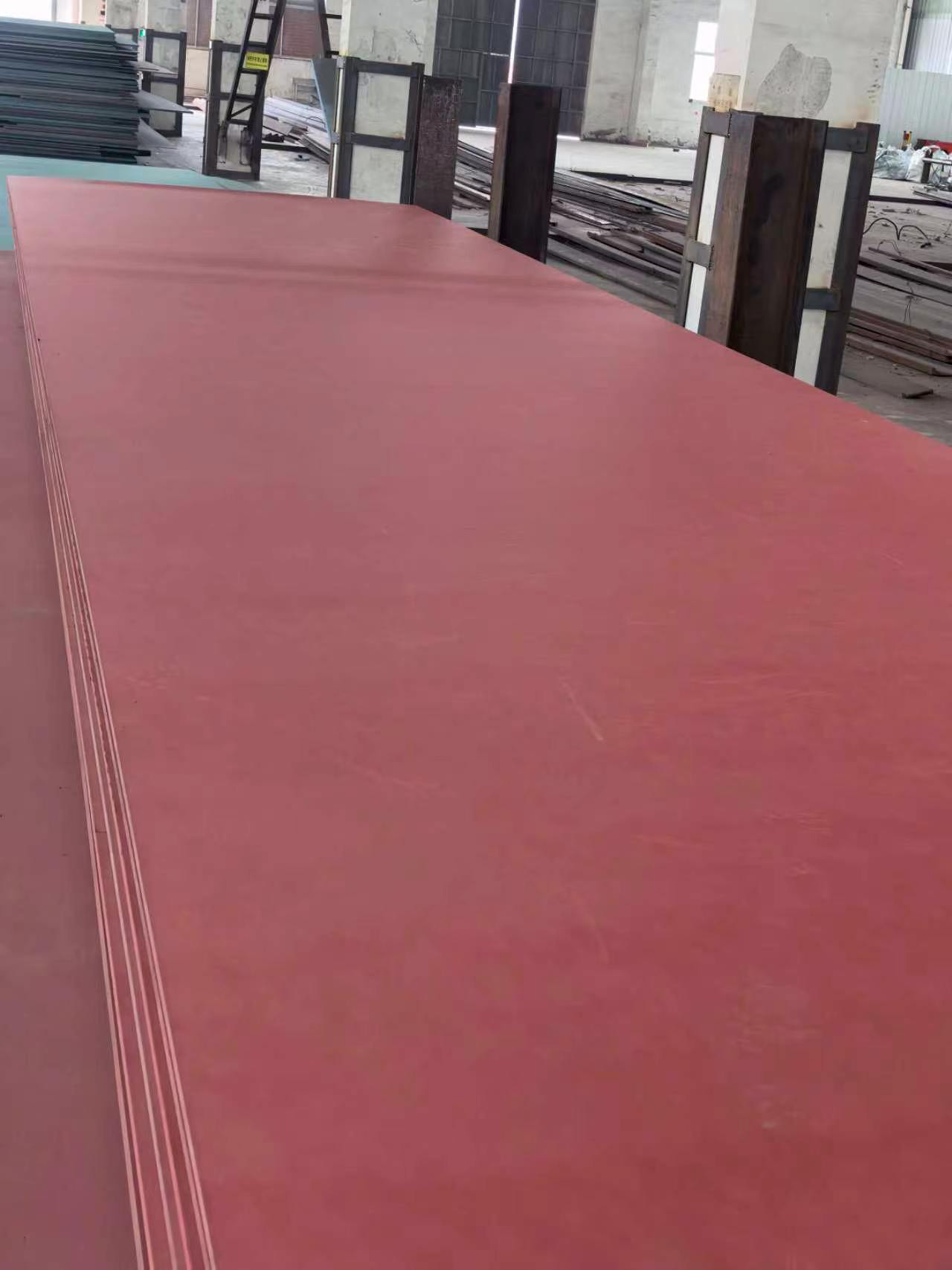
Introduction
A mining chute liner rarely fails because the wrong grade was written on the requisition. It fails earlier — in the drawing review stage, where liner geometry, wear direction, hole positions, and plate orientation are either resolved or left for the fabricator to guess. For importers and OEM buyers sourcing wear resistant steel plate from Chinese mills and stockholders, that single step decides whether a custom liner arrives ready to bolt on or ready to rework.
This guide walks through how BGT Steel Plate (Jiangyin Baoguantao Import & Export Co., Ltd.) handles OEM mining chute wear liner projects — from the initial drawing check through material selection, cutting, inspection, and cut-to-size delivery — and highlights the decision points buyers should lock down before signing a purchase order.
Problem Definition: Where Custom Mining Chute Liners Usually Go Wrong
A mining chute liner is not a commodity plate cut to random size. It is a fabricated wear component whose service life depends on three variables that must be resolved together:
- The abrasive and impact profile of the conveyed material — fine dry ore, wet sticky slurry, or coarse lump ore carrying tramp metal
- The grade and thickness assigned to each wear zone inside the chute — impact zone, sliding zone, and dead bed zone
- The fabrication accuracy of the cut pattern, bolt holes, and any bends or edge preparations
When any one of these is left open at the quotation stage, the consequences rarely show up on the purchase order. They show up on site as premature liner replacement, bolt holes that do not match the existing chute frame, or cracks radiating from a plasma-cut edge inside the heat-affected zone.
The most expensive mistake is not choosing the wrong grade. It is choosing a correct grade on a plate pattern that was never checked against the actual chute drawing.
Industry Background: How Wear Profiles Vary Inside a Mining Chute
Mining chutes, transfer points, and cement plant hoppers rarely wear uniformly. Three zones behave differently:
- Impact zone — directly under the discharge point, where gouging and repeated shock dominate.
- Sliding zone — further down the chute, where steady abrasive sliding with limited impact controls the wear rate.
- Dead bed zone — where a built-up layer of fines may protect the plate, or where fine material keeps sliding and slowly grinds the surface.
That variation is the reason a single-grade chute is almost never the right answer. A common approach in mining and metallurgy applications is to line the impact zone with a work-hardening grade such as High manganese steel plate Mn13, and the sliding zone with a quenched and tempered grade from the NM400 / NM450 / NM500 family. Cement plant hopper wear plates and power and coal chemical chutes follow the same logic, with thickness and grade tuned to the specific abrasive load.
Solution: BGT Steel Plate's OEM Capability Package for Mining Chute Liners
Jiangyin Baoguantao Import & Export Co., Ltd. — trading as BGT Steel Plate — is a Chinese wear resistant steel stockholder and exporter established in 2013. The company operates from a 5,000 m² facility in Jiangyin, Wuxi City, Jiangsu Province, employing 40 people, including a 3-engineer R&D team, and reports an annual output of 200,000 tons. Approximately 40% of that output is exported to the Middle East, Southeast Asia, South America, Africa, Central Asia, and Russia.
For mining chute and hopper wear liner projects, the OEM/ODM service package covers:
- OEM production for wear resistant steel plate orders
- ODM customization of chemical composition, mechanical properties, and logo
- Custom cutting to drawing, including plate-to-size, hole-to-pattern, and edge preparation
- Technical services including technical guidance and on-site consultation for wear resistant steel plate applications
- Quality control through original Mill Test Certificates (MTC) and third-party inspection
- Commercial terms of 1 ton MOQ, 7–10 day lead time, and a monthly capacity of 30,000 tons
Behind the OEM service, the company maintains a stocking position of over 30,000 metric tons across 12 warehouses located in Jiangsu, Shandong, and Hunan provinces. Those warehouses are supplied through distributor relationships with mills including Xingcheng, Nisco, Shougang, Xisc, Shandong Steel, Hanye, Tangsteel, Rongshen, Tisco, Baosteel, Lianyuan, and Puyang.
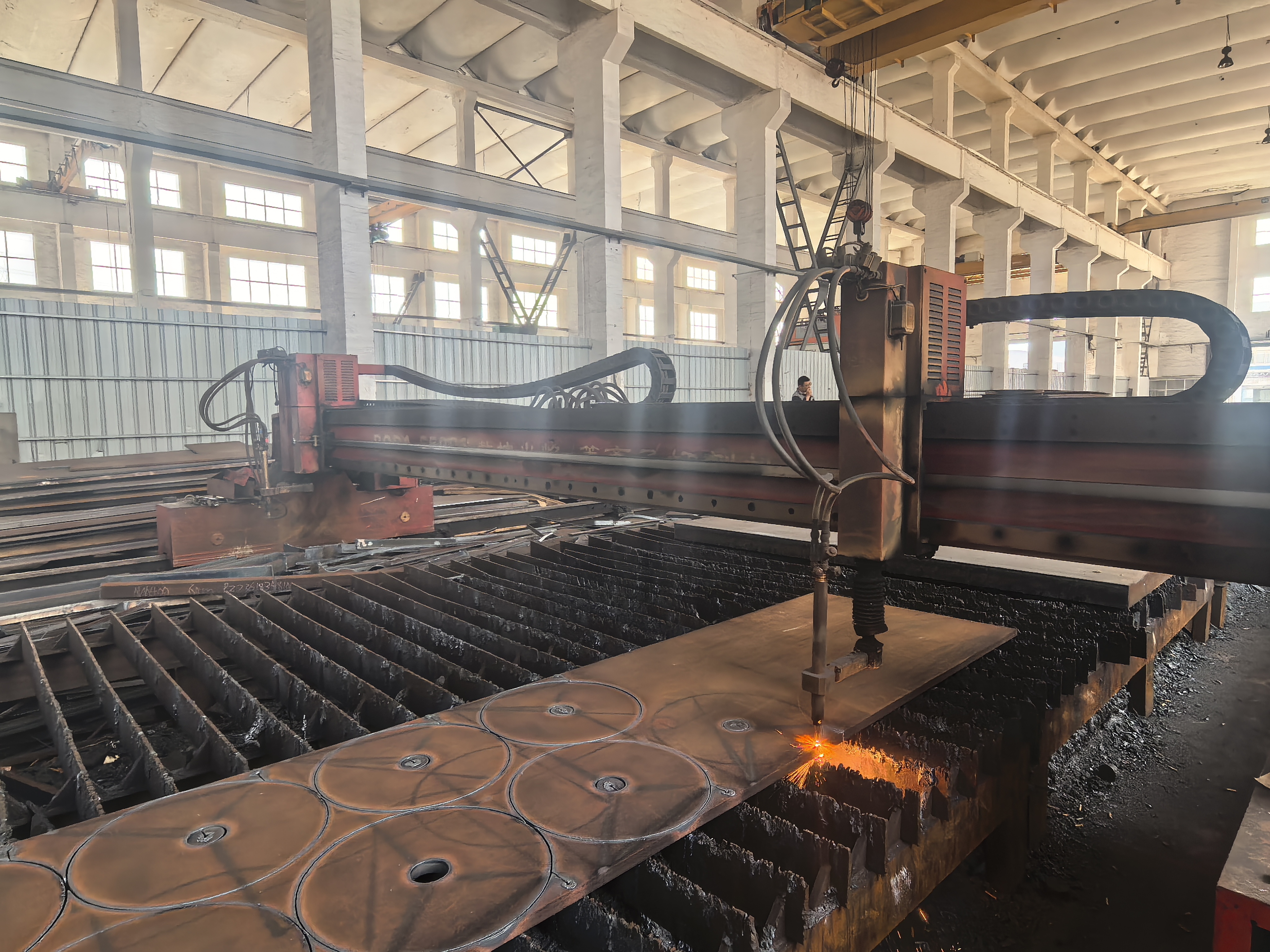
Step-by-Step Breakdown: From Drawing Review to Cut-to-Size Delivery
Step 1 — Drawing and Operating-Condition Review
The review is the entry point of the OEM process. Inputs that should be provided at this stage:
- Chute arrangement drawing (longitudinal and cross sections)
- Material specification — particle size distribution, bulk density, moisture, and abrasiveness
- Impact point location and drop height
- Liner zoning on the wear face, if already defined
- Bolt hole diagram, including hole diameter, pitch, and any countersink requirement
- Service temperature and any low-temperature impact requirement
The review flags common issues such as liner split lines that do not align with material flow direction, hole pitch that does not match the site mounting interface, and thickness/width combinations that cannot be delivered from standard stock without a mill rolling sequence.
Step 2 — Grade and Thickness Selection
Grade selection follows the wear profile identified in Step 1. For mining chutes and hoppers, the general selection logic is:
- Mild-to-moderate abrasion with moderate impact: NM400
- Moderate-to-severe abrasion with limited impact: NM450 or NM500
- Severe sliding abrasion with high replacement downtime cost: NM550
- Extreme abrasion (sand chutes, slurry pipelines, cement plant equipment): NM600
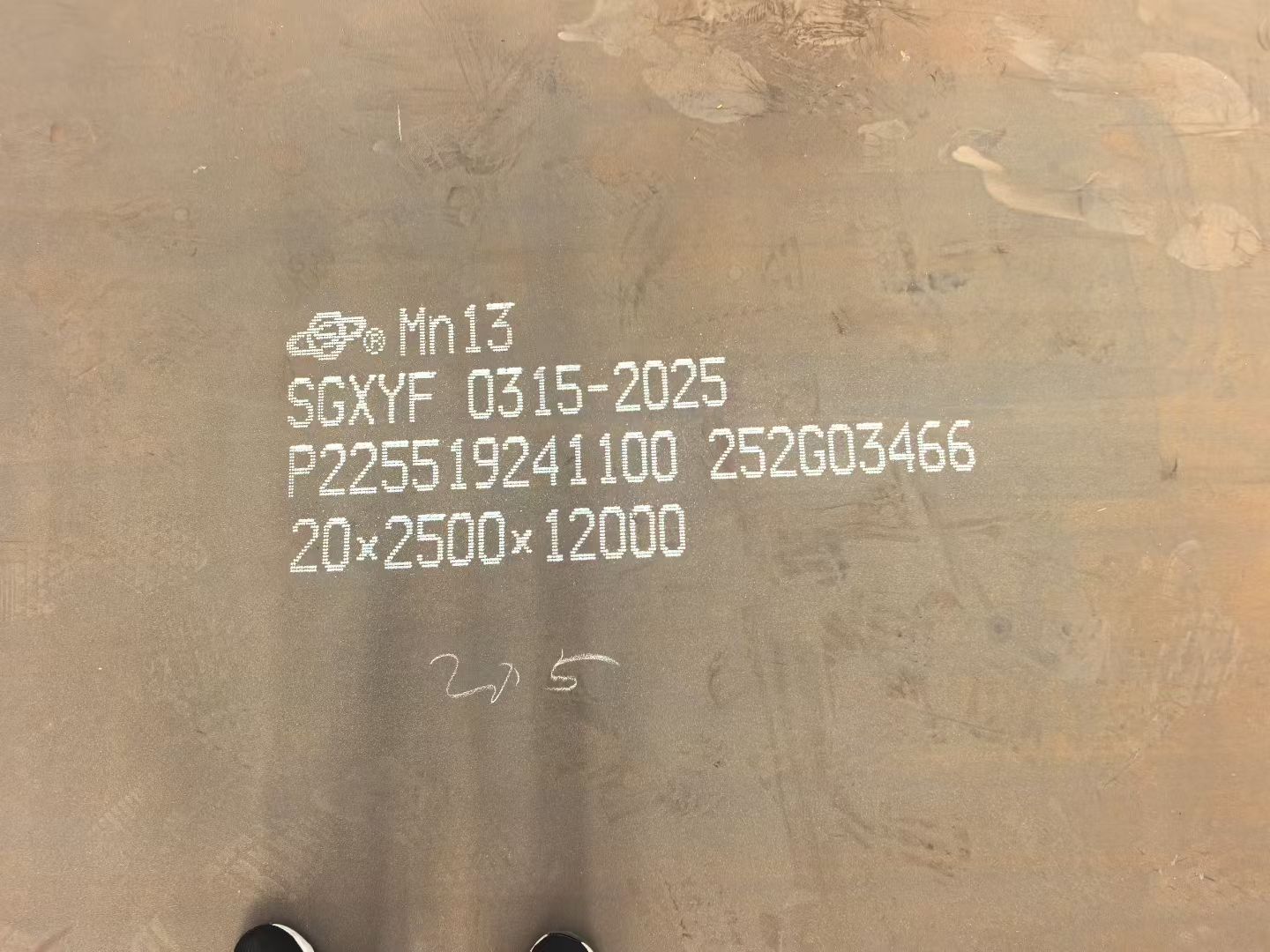
- Heavy shock and impact with work-hardening: Mn13 high manganese steel plate
Where the chute drawing specifies a hardness target rather than a grade — for example, an abrasion resistant steel plate 500 HBW specification — the quotation should confirm which NM or equivalent grade satisfies that target with the required formability.
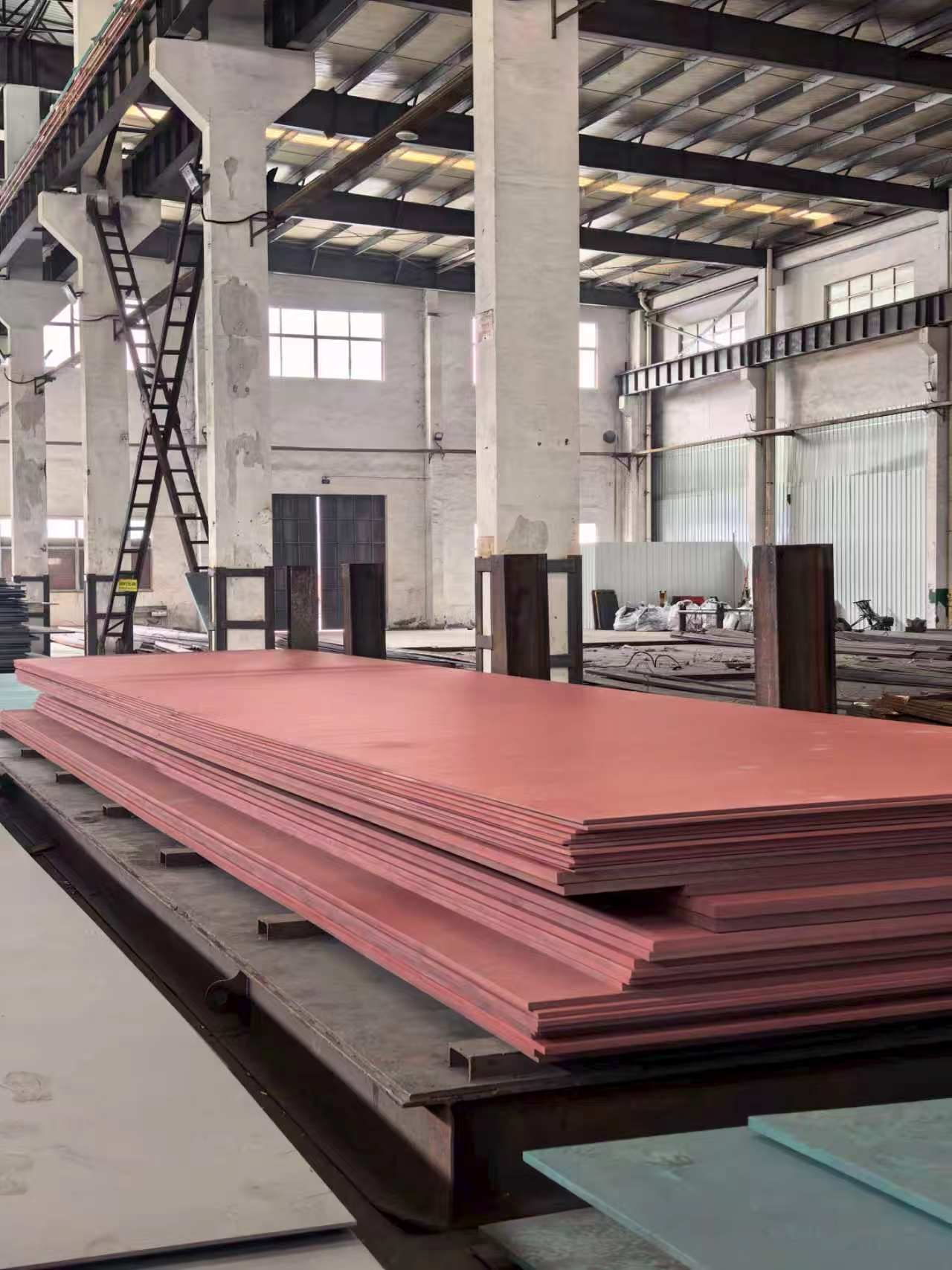
Step 3 — Cutting, Hole Making, and Edge Preparation
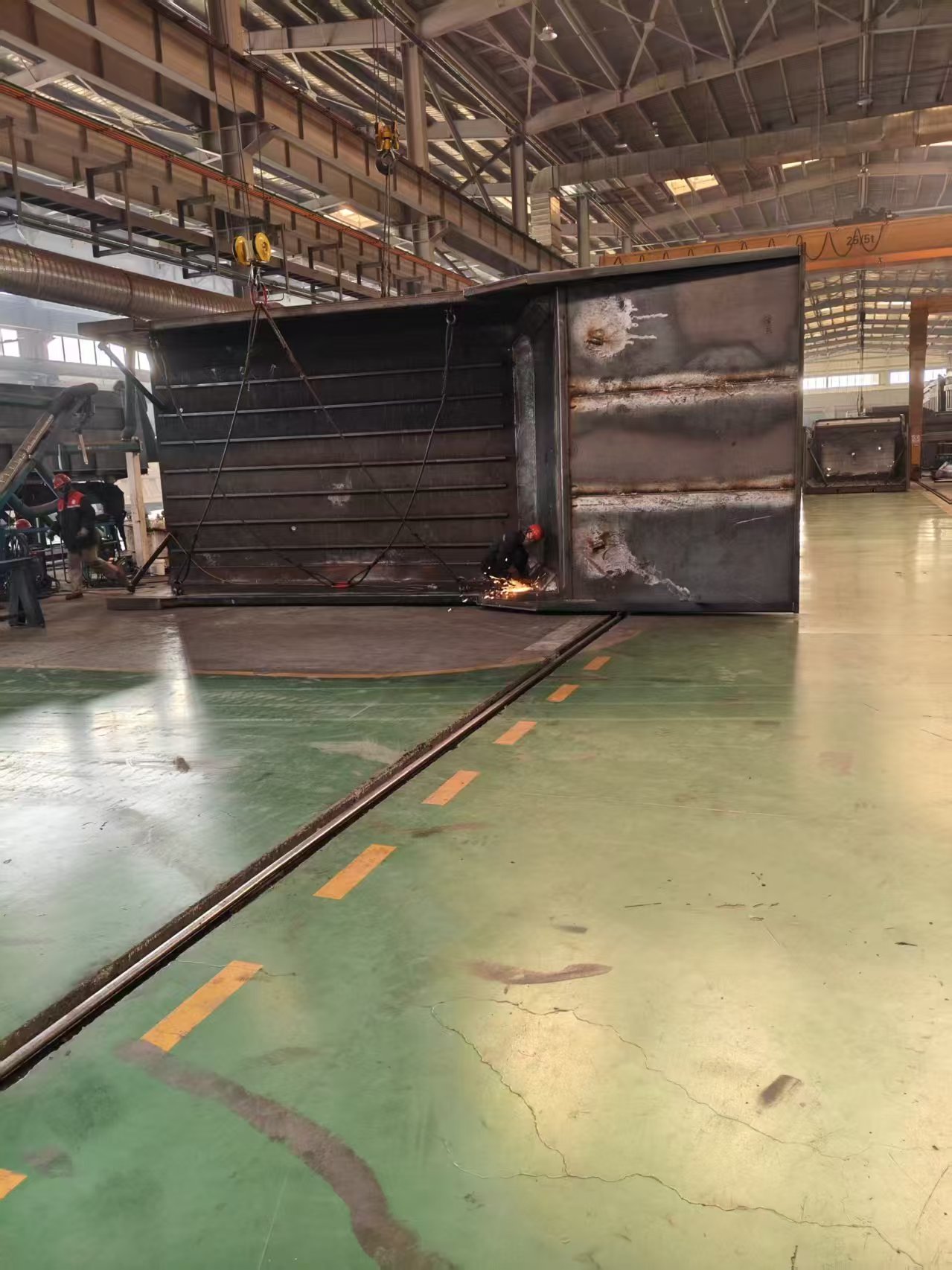
Fabrication converts the checked drawing into a liner set:
- Flame, plasma, or laser cutting depending on thickness and tolerance
- Hole-to-pattern drilling or punching per the mounting interface
- Weld prep, where liners are to be welded rather than bolted
- Edge treatment to reduce the risk of crack initiation inside the heat-affected zone
This is also where the divergence between a Hardox equivalent wear resistant steel plate and the original brand specification matters. NM400, for example, complies with Chinese national standard GB/T 24186 and is positioned as an economical alternative for buyers optimizing procurement budgets and lead times, while sharing similar fabrication characteristics for standard cutting and cold bending.
Step 4 — Inspection and Documentation
Inspection on an OEM liner order typically includes:
- Original Mill Test Certificate (MTC) from the producing mill
- Third-party inspection on request (SGS, BV, TÜV)
- Dimensional check against the approved drawing
- Hardness spot check, taken away from the cut edge and any heat-affected zone
For suppliers accepting third-party inspection, this step is also where the buyer should confirm heat number traceability on the MTC before shipment.
Step 5 — Marking, Packing, and Delivery
Each liner is marked by heat number and part number, bundled by chute section or project number, and packed for the destination port. Standard sizes ship from the 12-warehouse stock network within the 7–10 day lead time, while customized OEM cutting orders are scheduled against the production calendar.
Use Cases: Two OEM Projects in Mining and Recycling Equipment
Russia — Mining Equipment Manufacturer, 200 Tons of NM450 and NM400
A Russian mining equipment manufacturer ordered 200 tons of NM450 and NM400 wear resistant steel plates to fabricate dump truck floor and side liners. The reported result was stable wear protection with balanced toughness and wear resistance for the mining truck application. Service duration was recorded as "according to the operating conditions," reflecting that liner life depends on the material handled, the vehicle cycle, and the impact profile rather than on a single fixed figure.
Vietnam — Shredder Equipment Manufacturer, 180 Pieces of NM500
A Vietnamese shredder equipment manufacturer ordered 180 pieces of NM500 wear resistant steel plate for shredder blade fabrication. The reported result was reliable cutting performance, with the highlight noted as high wear resistance. Duration was again recorded as "according to the operating conditions."
Comparison Table: Common Grades for Mining Chute and Hopper Liners
The table below compares the grades most often specified for mining chute wear resistant steel plate, cement plant hopper wear plates, and excavator bucket wear resistant steel sheet. All figures reflect supplier-side or publicly stated grade information; they are not site-measured wear-rate data.
| Grade | Type | Key performance fact | Typical application | Buyer note |
|---|---|---|---|---|
| NM400 | Quenched & tempered martensitic | 360–440 HBW reference range per NM400 / AR400 grade tolerance | Excavator buckets, dump truck beds, general hoppers, crusher liners | Best balance of wear resistance, formability, and weldability |
| NM450 | Quenched & tempered | Roughly 12%–15% higher service life than NM400 in moderate-to-severe abrasion | Chutes, loader cutting edges, garbage compactors | Balanced upgrade when NM400 wears too fast |
| NM500 | Quenched & tempered | Higher surface hardness for high-abrasion duty | Mining chutes, scrapers, concrete mixers | Slightly poorer formability than NM400; higher material cost |
| NM550 | Quenched & tempered | Intermediate grade between NM500 and NM600 for heavy sliding abrasion | Severe wear hoppers, ore conveying pipe liners | Choose when NM500 loses material too quickly |
| NM600 | Quenched & tempered | Around 600 HBW, the highest commercial wear plate hardness in the NM series | Sand chutes, slurry pipelines, cement plant equipment, vertical mill scrapers | Cold forming and welding are difficult and require strict procedures |
| Mn13 (X12Mn12) | Austenitic high manganese | Surface hardness rises from roughly 200 HBW to over 500 HBW under impact while the substrate remains tough | Railway turnout frogs, jaw crusher plates, cone crusher mantles, shot-blasting machine liners | Not suitable for pure abrasive wear without impact |
| Q690D | High-strength structural | 690 MPa minimum yield strength with impact toughness at −20°C | Coal mining equipment, construction equipment, higher load-bearing structures | Suited to higher load demand where service temperature is no lower than −20°C |
The standard plate envelope for the wear resistant and high manganese grades above is a thickness range of 3–150 mm and a width range of 600–3,950 mm, with customized sizes accepted, and delivery accompanied by an original Mill Test Certificate (MTC).
Selection rule of thumb. Do not over-specify. If NM400 or NM450 can satisfy the wear requirement, moving up to NM500 or NM600 adds material cost and reduces formability without a proportional service-life gain. Confirm the wear zone first, then the grade.
FAQ
1. What quality documentation and inspection does BGT Steel Plate provide on mining chute wear resistant steel plate orders?
Every order is accompanied by an original Mill Test Certificate (MTC) from the producing mill, and third-party inspection is accepted. Suppliers that cooperate with third-party inspection — for example through SGS, BV, or TÜV — allow the buyer to verify hardness and heat number traceability before shipment. For buyers sourcing for mining or cement plant hopper projects, the practical check is to request the MTC, confirm the heat number, and add hardness spot-check records to the pre-shipment acceptance criteria.
2. Can BGT Steel Plate review a client drawing and manufacture custom mining chute liners, including customization of chemical composition, mechanical properties, and logo?
Yes. BGT Steel Plate (Jiangyin Baoguantao Import & Export Co., Ltd.) provides OEM and ODM production services for wear resistant steel plates. ODM services include customization of chemical composition, mechanical properties, and logo, and the OEM workflow covers drawing review, grade and thickness selection, cut-to-size and hole-to-pattern fabrication, and edge preparation. The supplier also provides technical guidance and on-site consultation for wear resistant steel plate applications.
3. What MOQ and commercial terms apply to a mining chute wear liner OEM order?
The stated MOQ is 1 ton, with FOB or CIF delivery terms and payment by T/T or L/C. Acceptance criteria are the MTC and third-party inspection where required. Because the minimum order quantity is low, buyers can validate a single chute section before scaling to a full project.
4. Should the impact zone of a mining chute use Mn13 instead of an NM-series plate?
Mn13 (X12Mn12) has an austenitic microstructure, unlike quenched and tempered NM series wear resistant steel. Its working principle is that Mn13 dynamically work-hardens under heavy impact and compressive stress; its surface hardness rises from approximately 200 HBW to over 500 HBW while the substrate remains tough and ductile. It is selected for heavy shock and impact wear such as jaw crusher plates, cone crusher mantles, railway frogs, and shot-blasting machine liners. Mn13 is not suitable for pure abrasive wear without impact, because the work-hardening property requires repeated impact loading to be effective. On cost, Mn13 delivers service-life value in impact-intensive conditions, while NM series wear steel is more economical for low-impact abrasive wear.
5. What is the lead time for an OEM cut-to-size chute liner order?
The stated lead time is 7–10 days, supported by a monthly capacity of 30,000 tons and a stock position of over 30,000 metric tons across 12 warehouses. Standard sizes ship from stock; custom cut-to-size orders are scheduled against the production calendar. To move from drawing review to a quotation, send the chute drawing, the operating conditions, and the target thickness or hardness spec — the supplier's engineering team can then return a marked-up drawing review alongside the quote.
Conclusion
For OEM mining chute liners, the drawing review is not paperwork — it is the step that determines whether the delivered plate matches the chute. It sits upstream of grade selection, thickness assignment, cut pattern, hole layout, and edge preparation, and it is the point where the largest rework costs are either avoided or created.
The workflow described above — drawing and operating-condition review, grade and thickness selection, cut-to-size fabrication, inspection with MTC and third-party support, and delivery from a 12-warehouse stock network — is the process BGT Steel Plate runs on wear resistant and high manganese plate orders. Combined with a 1 ton MOQ and a 7–10 day lead time, it gives buyers enough room to validate a single chute section before scaling the order to a full project.
Need a Quotation for OEM Mining Chute Wear Liners?
Send your chute drawing, operating conditions, and target thickness or hardness specification. BGT Steel Plate will return a drawing review summary together with a cut-to-size quotation for NM400, NM450, NM500, NM550, NM600, Mn13, and Q-series plates.
Email: sales@bgtsteel.com | WhatsApp: +86 189-1230-2159 | Download the BGT Steel Plate catalogue (PDF)