
Wear Resistant vs. High Strength Steel Plate: A Basic Category Guide for Buyers
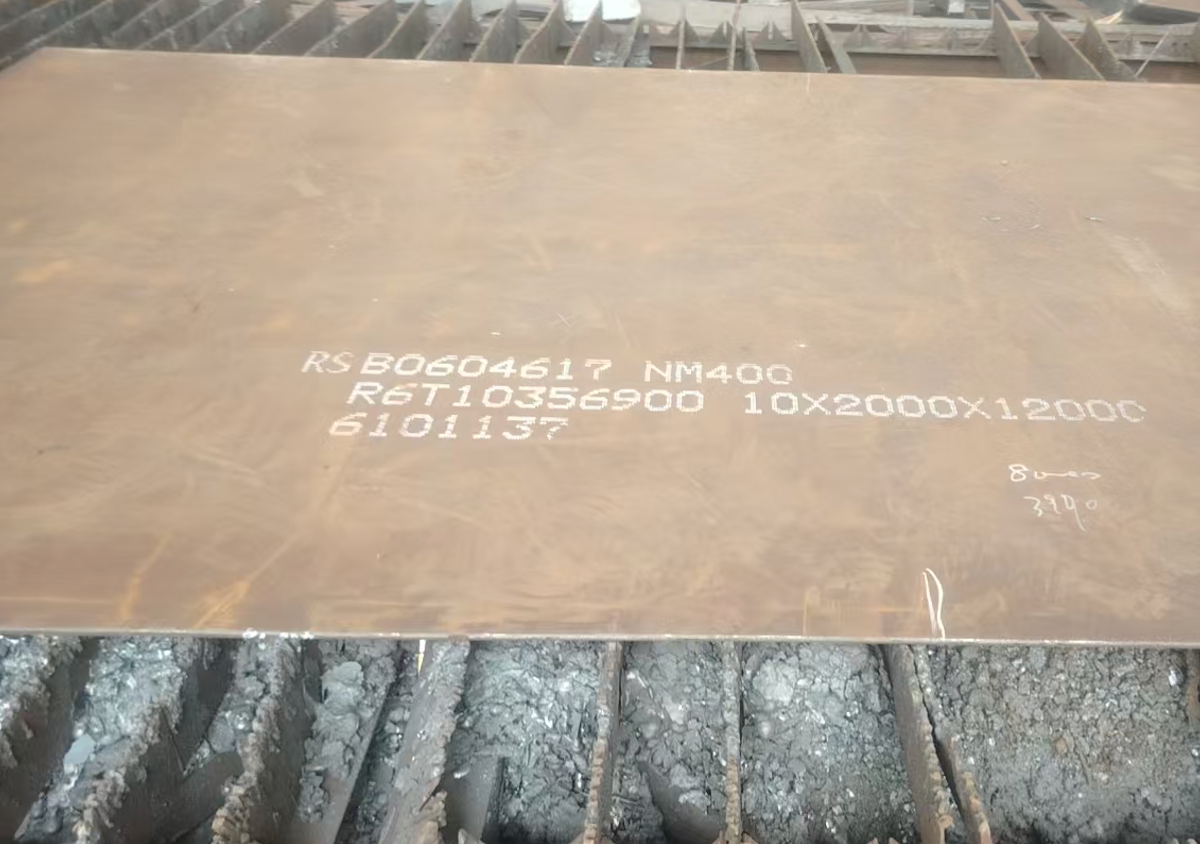
Figure 1: NM400 wear resistant steel plate. Abrasion resistance, load-bearing strength and impact work-hardening are three different material tasks, and they are covered by three different plate families.
Answer first: steel plate used in heavy equipment is not one material category. Wear resistant steel plate — NM400, NM450, NM500 and XCHD450 — is alloyed and quenched to resist sliding abrasion. High strength steel plate — Q550D, Q690D and Q960E — is specified for yield strength, so a structure carries load at a lower section weight. High manganese steel plate — Mn13 — is an austenitic grade that work-hardens under repeated impact. A mining chute, a dump truck body and a railway frog each call for a different one of these three, and some assemblies need two of them in the same fabrication.
Why "wear resistant steel plate" is an incomplete specification
The phrase describes a performance intention rather than a metallurgical family. A buyer who sends a drawing marked only "wear plate" leaves three variables open: the abrasion mechanism, the impact level, and whether the part carries structural load. Each of those variables pushes the selection toward a different grade family.
Two failure patterns follow from that ambiguity. The first is over-specification: a low-impact hopper liner ordered in a very high hardness grade that costs more per tonne and is harder to cold form and weld, when a mid-range grade would have met the wear duty. The second is under-specification, which is more expensive: a plate chosen purely for hardness installed in a load-bearing boom or in a heavy-impact crusher position, where the governing requirement was yield strength or toughness rather than surface hardness.
There is a third and more commercial risk. Because wear resistant steel plate is visually similar to ordinary structural plate, material substitution is a real procurement exposure. A low-priced "wear" plate can be ordinary carbon steel such as Q235 or Q355 that has been surface hardened or carburized; such material lacks core toughness and may fracture under impact. The production cost of genuine quenched and tempered wear plate has a clear floor, because it depends on alloy composition plus quenching and tempering.
Industry background: why the category question matters commercially
Wear plate demand is concentrated in bulk material handling. Market research places the mining sector at a 45.67% share of the wear resistant steel plate market in 2025, which explains why chute, hopper and truck-body applications dominate grade selection discussions.
On the supply side, published estimates put the global wear resistant steel plate market at USD 1.756 billion in 2024, with a projected rise to USD 3.055 billion by 2035. China's wear resistant steel market is projected at USD 0.817 billion for 2025. Buyers should read these figures as directional: published market estimates differ materially depending on whether the scope is steel plate only or all wear-resistant materials, so they are useful for understanding category scale rather than for budgeting a specific order.
Commercially, the important background fact is documentation. Cross-border plate trade is classified under HS code 722540 — flat-rolled products of other alloy steel, width 600 mm or more, not further worked than hot-rolled — and the material identity behind that code is only verifiable through the mill test certificate and independent inspection, not through the product description on the quotation.
The three plate categories, defined
1. Wear resistant steel plate: quenched and tempered grades
Wear resistant steel plates are quenched and tempered martensitic grades. Their wear resistance comes from a hard martensite matrix combined with fine carbide precipitation and through-thickness hardening, so hardness is maintained as the surface layer wears away rather than sitting only on a shallow skin.
Commercial Chinese grades NM400, NM450 and NM500 are typically specified in the 350–500 HBW band. Within that band the trade-offs are practical rather than theoretical:
- NM400 is the general-purpose grade, used for dump truck boxes, excavator buckets and hoppers, where wear resistance is balanced against formability and weldability. Its typical hardness tolerance band is 360–440 HBW.
- NM450 is the intermediate step, described in grade guidance as delivering roughly 12% to 15% higher service life than NM400 in moderate-to-severe abrasion while keeping fabrication manageable.
- NM500 is chosen where abrasion is severe and replacement downtime is expensive — mining chutes, concrete mixers, scrapers. It offers higher hardness and longer life, with higher material cost and somewhat reduced formability.
- NM550 sits above NM500, selected when NM500 wears too quickly under heavy sliding abrasion but the application does not justify an ultra-hard grade.
- NM600 is the highest-hardness commercial wear plate, around 600 HBW, used for severe abrasive duty such as sand chutes, slurry pipelines and cement plant equipment. Cold forming and welding are difficult and must follow strict technical specifications.
- XCHD450 is a 450-class wear resistant grade applied to mining machinery, garbage compactors, chutes and loader cutting edges.
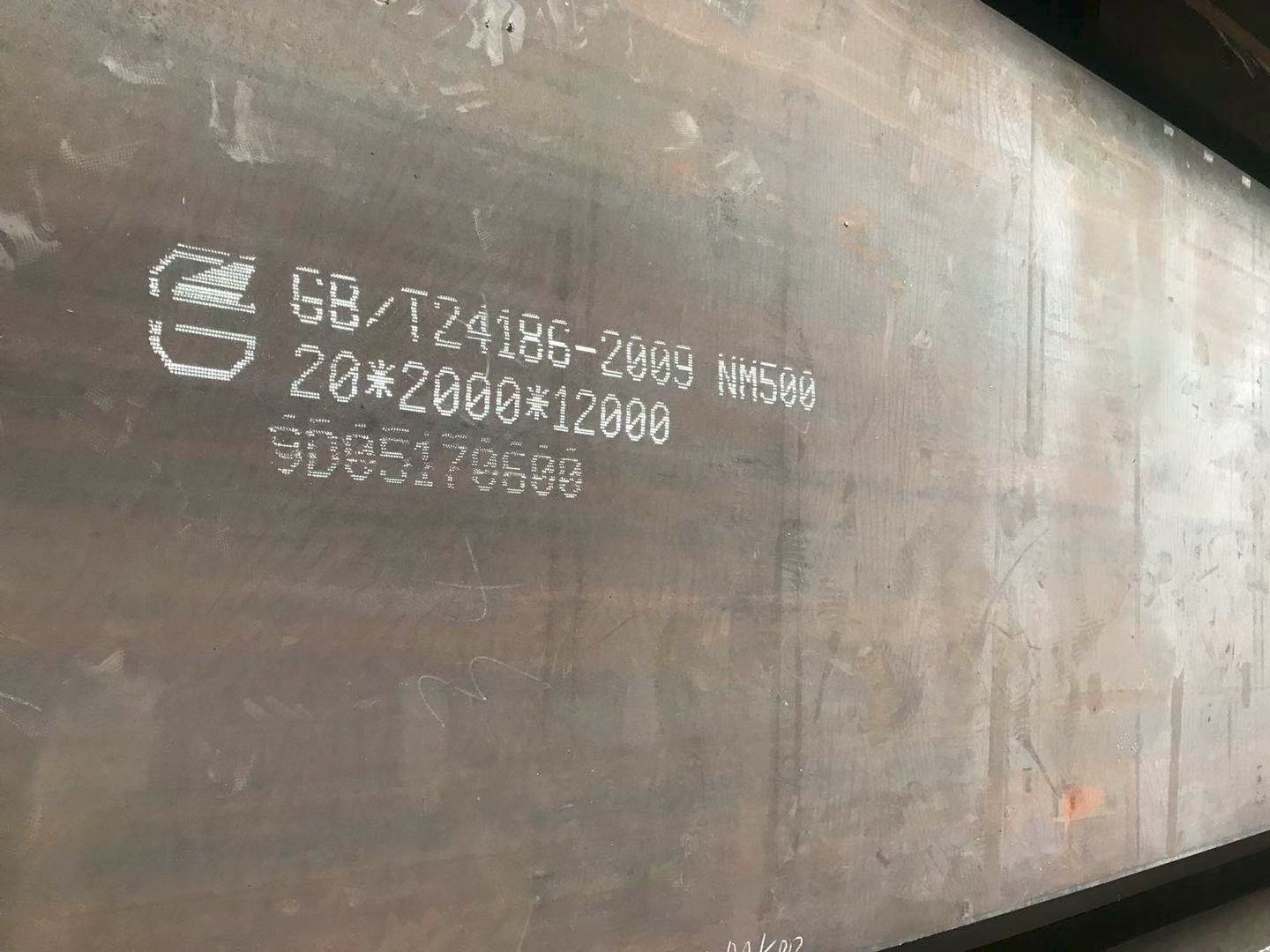
Figure 2: NM500 wear resistant steel plate in 20 mm. Grade upgrades above NM400 should be driven by measured wear life, not by hardness alone.
2. High strength steel plate: structural grades
High strength steel plates are specified by minimum yield strength, not by hardness. They are structural materials: the design intent is to carry load with a thinner or lighter section, which is why they dominate crane booms, bridge structures and heavy transport equipment.
- Q550D — minimum yield strength 550 MPa, widely applied in heavy engineering machinery, crane booms and bridge structures requiring high load capacity, including crawler crane booms.
- Q690D — minimum yield strength 690 MPa. Under GB/T 16270-2009, Q690D for thickness ≤50 mm has a minimum yield strength of 690 MPa and a tensile range of 770–940 MPa. The D suffix guarantees impact toughness at −20 °C.
- Q690E — the same strength class with impact toughness verified at −40 °C, the appropriate choice for heavy lifting equipment operated in extremely cold regions.
- Q890D and Q960E — 890 MPa and 960 MPa yield strength classes, engineered for extreme lightweight design in heavy transport trailers, hydraulic support brackets and ultra-long crane booms, with Q960E used in top-tier heavy equipment.
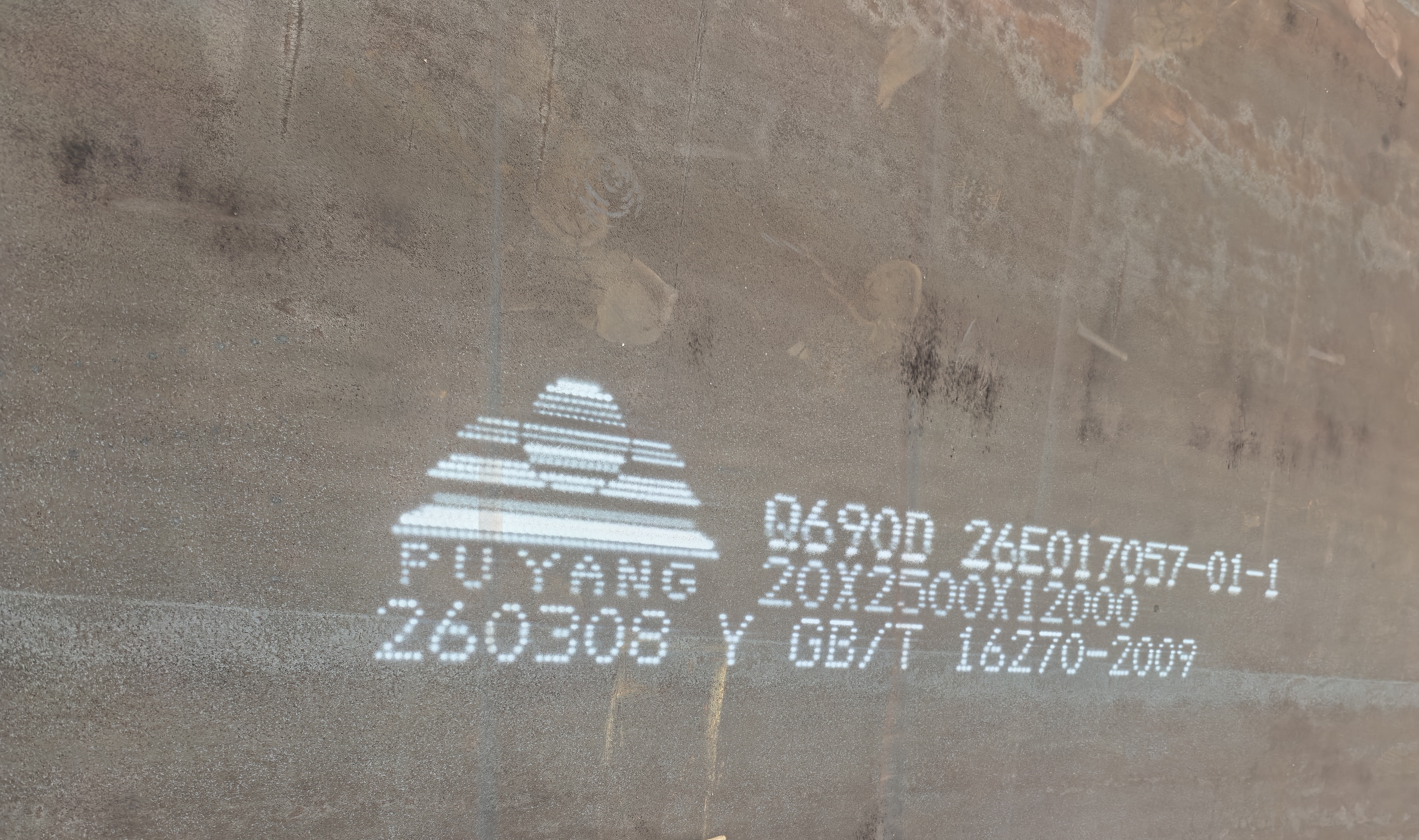
Figure 3: Q690D high strength steel plate. These grades are bought for yield strength and low-temperature toughness, not abrasion resistance.
Fabrication rules differ from wear plate. Because ultra-high-strength grades carry a risk of hydrogen-induced cracking and heat-affected-zone softening, preheating temperature, low-hydrogen welding consumables and heat input must be controlled precisely. A buyer who specifies Q890D or Q960E without a welding procedure is exposing the fabrication to a risk the plate itself cannot absorb.
3. High manganese steel plate: the work-hardening category
Mn13 (X12Mn12) is metallurgically different from both families above. It has an austenitic microstructure rather than a quenched martensitic one. Under heavy impact and compressive stress it work-hardens dynamically: surface hardness rises from approximately 200 HBW to over 500 HBW, while the substrate stays tough and ductile.
That mechanism defines both its applications and its limit. Mn13 is selected for heavy shock and impact wear — railway frogs, crusher liners, shredder components, jaw crusher plates, cone crusher mantles and shot-blasting machine liners, where heavy impact meets abrasion. It is not suitable for pure abrasive wear without impact, because the work-hardening effect requires repeated impact loading to develop. On cost, Mn13 delivers service-life value in impact-intensive conditions, while NM series wear plate is more economical for low-impact abrasive wear.
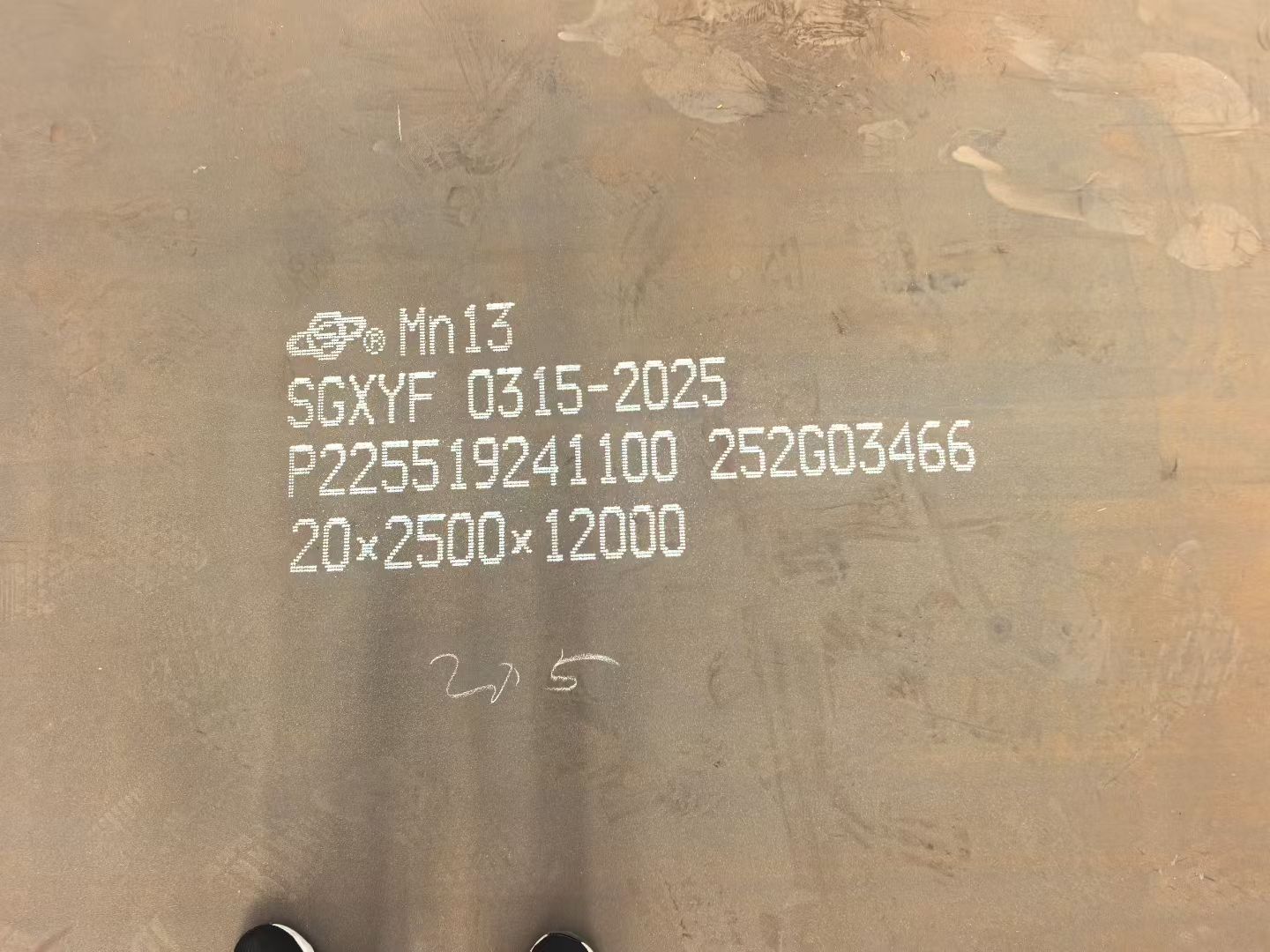
Figure 4: Mn13 high manganese steel plate, 20 mm. The grade earns its place only where impact loading is present.
Category comparison at a glance
| Category | Grades covered here | Primary function | Typical applications | Property basis |
|---|---|---|---|---|
| Wear resistant (quenched and tempered) | NM400, NM450, NM500, NM550, NM600, XCHD450 | Resists sliding and abrasive wear | Dump truck beds, excavator buckets, mining chutes, hoppers, concrete mixers, scrapers, loader cutting edges, cement plant equipment | NM400, NM450 and NM500 are typically specified between 350 and 500 HBW; NM400 tolerance commonly 360–440 HBW; NM600 around 600 HBW |
| High strength (structural) | Q550D, Q690D, Q690E, Q890D, Q960E | Carries load with lower section weight | Crane booms, bridge structures, heavy engineering machinery, port crane structures, hydraulic support brackets, heavy transport trailers | Q550D ≥550 MPa; Q690D ≥690 MPa with tensile 770–940 MPa at ≤50 mm under GB/T 16270-2009; Q890D 890 MPa; Q960E 960 MPa |
| High manganese (austenitic) | Mn13 (X12Mn12) | Work-hardens under impact | Railway frogs, jaw crusher plates, cone crusher mantles, shredder components, shot blast liners | Surface hardness rises from approximately 200 HBW to over 500 HBW under heavy impact, with a tough ductile core |
How to choose: a step-by-step breakdown
The sequence below turns a drawing into a grade and a purchase specification. It applies whether the part is a chute liner, a bucket wear strip or a structural member.
- Classify the load case, not the part name. Ask whether the dominant failure mode is sliding abrasion, structural load, or impact. A chute liner and a crane boom are both "steel plate" but sit in different categories.
- If abrasion dominates, grade by severity. Start at NM400 for general wear with formability and weldability needs. Move to NM450 when NM400 wears too fast. Move to NM500 for severe abrasion where downtime is expensive. Escalate to NM550 or NM600 only when lower grades measurably fail, since high-hardness grades restrict forming and welding.
- If impact dominates, check whether the part also abrades. Where heavy shock meets abrasion — crusher liners, railway frogs, shot blast liners — Mn13 is the candidate. Where the part only abrades and never sees impact, Mn13 will not develop its work-hardened surface, and NM series plate is the more economical answer.
- If the part carries structural load, specify by yield strength and toughness temperature. Set minimum yield strength from the design calculation, then set the impact test temperature from the service environment: D (−20 °C) for normal conditions, E (−40 °C) for extremely cold operation.
- Confirm the fabrication route before ordering. Cold forming, bending and welding capability narrows as hardness and strength rise. NM600 and Q890D/Q960E require controlled procedures; a supplier who cannot advise on preheating and consumables leaves that risk with the buyer.
- Fix dimensions and documentation in the purchase specification. Plate thickness 3–150 mm and width 600–3950 mm are the standard supply envelope, with width and length customized to the drawing. Require the original Mill Test Certificate from the named mill.
- Verify independently before shipment. Hardness and material identity should be checked by third-party inspection where the order value justifies it, with the acceptance standard written into the contract.
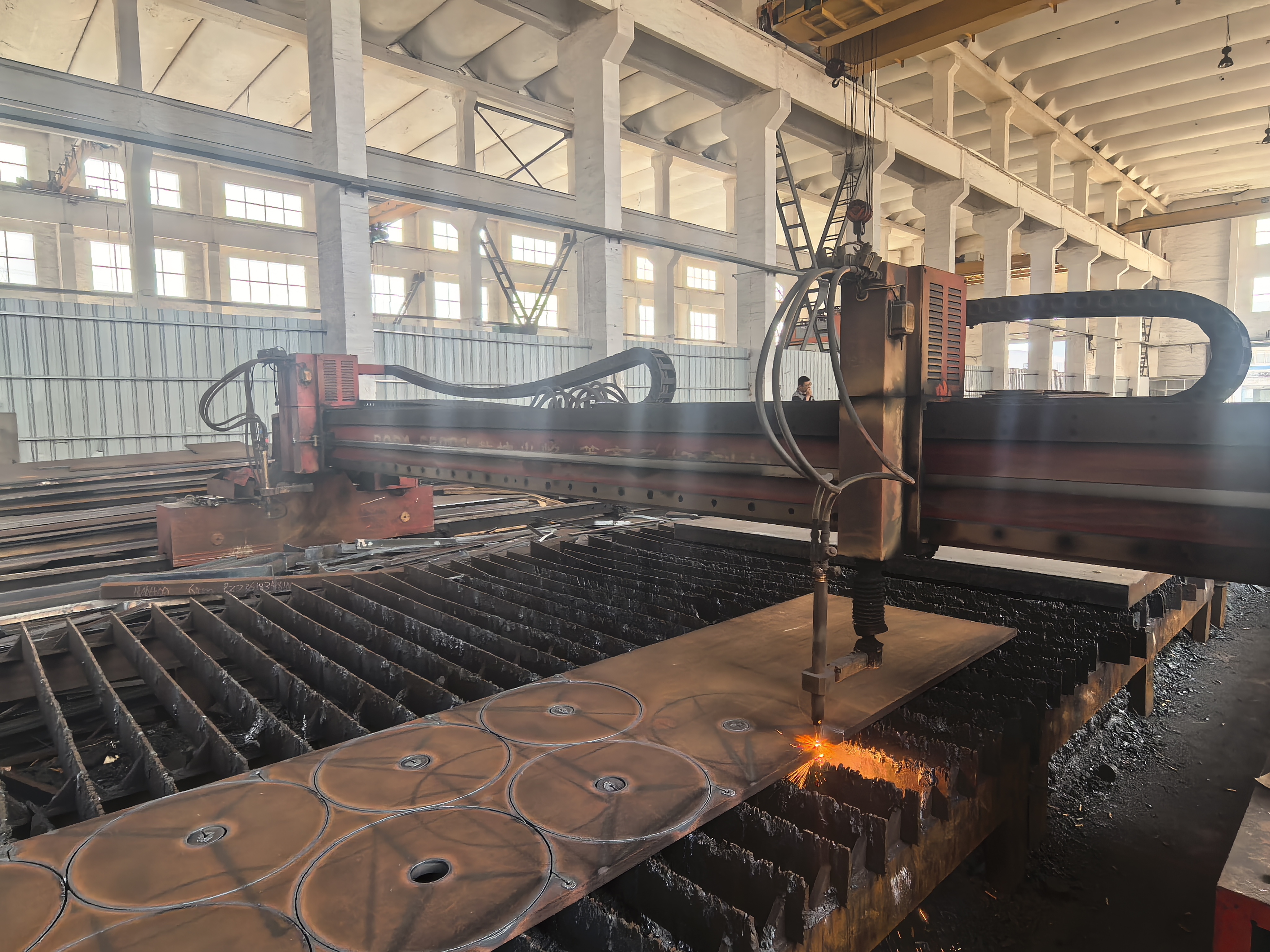
Figure 5: Cut-to-size processing. Dimensions and documentation are part of the specification, not an afterthought.
Hardness verification that actually measures the plate. Test points should sit at least 50 mm from a flame or plasma cut edge, because the heat-affected zone will read low. Grind 1.5–2.0 mm off the surface to remove decarburization, then test with HBW 10/3000 for plate in the 6–80 mm range, taking three consecutive readings at least 10 mm apart and averaging them. For NM400, the reference tolerance band is 360–440 HBW.
Use cases: which category goes where
Mining chutes and hoppers
Mining chutes are the classic severe-abrasion case. NM500 is used for mining chutes and scrapers where component replacement downtime is costly; NM550 is applied to severe-wear hoppers and ore conveying pipe liners; NM600 covers sand chutes and slurry pipelines. Where the chute also receives medium impact, NM400 or NM450 with good weldability is often the better balance.
Excavator buckets and dump truck bodies
Excavator buckets and dump truck beds sit in the general-wear band, where NM400 balances wear resistance with formability and weldability. In a 200-tonne order for a Russian mining equipment manufacturer, NM450 and NM400 were used to fabricate dump truck floor and side liners, with balanced toughness and wear resistance cited as the reason for the grade mix. That mix is a useful pattern: the floor takes the direct abrasion, while side liners benefit from a grade that accepts the forming and welding the body requires.
Crusher, shredder and shear wear parts
Where impact and abrasion act together, Mn13 enters. Jaw crusher plates, cone crusher mantles and shredder components rely on work-hardening to survive shock loading. A Vietnamese shredder equipment manufacturer ordered 180 pieces of NM500 for shredder blade fabrication, with high wear resistance cited as the selection reason — an example of the opposite case, where abrasion in the cutting application, rather than heavy impact, drives the grade choice.
Railway frogs and shot blast liners
Railway turnout frogs operate under severe impact with intermittent shock loading. Mn13 is applied specifically for work hardening, high toughness and impact resistance in that duty. Shot-blasting machine liners fall into the same family, because the abrasive stream arrives as repeated impact rather than steady sliding contact.
Cement plant hoppers and process equipment
Cement plant equipment combines abrasive material with continuous operation. NM600 is specified for severe abrasive wear in cement plant equipment, while NM400 is applied across cement industry wear parts where impact is present and fabrication is required. The practical rule is to match the grade to the specific transfer point rather than applying one grade across an entire plant.
Supply basics: what to confirm at quotation stage
Category selection is only half the purchase. The second half is whether the supplier can deliver the specified grade, size and paperwork within the required window.
| Item | Typical specification |
|---|---|
| Thickness | 3–150 mm |
| Width | 600–3950 mm, customized to drawing |
| Length | 2438 / 5800 / 6000 / 6096 / 12000 / 12200 mm, customized |
| Documentation | Original Mill Test Certificate (MTC) from the named mill |
| Mills referenced | Xingcheng, Nisco, Shandong Steel, Shougang, Xisc, Lianyuan, Puyang, Rongshen, Yongfeng |
| Inspection | MTC plus third-party inspection (SGS, TÜV or BV accepted) |
| Customization | OEM and ODM production, including chemical composition, mechanical properties and logo |
| Order terms | MOQ from 1 ton; FOB or CIF; T/T or L/C |
| Lead time and capacity | 7–10 days lead time; 30,000 tonnes monthly capacity |
BGT Steel Plate (Jiangyin Baoguantao Import & Export Co., Ltd.) is a Chinese supplier established in 2013, operating a 5,000 m² facility with 40 employees and an annual output of 200,000 tonnes. The company holds standing inventory of more than 30,000 metric tonnes across 12 warehouses in Jiangsu, Shandong and Hunan, and supplies wear resistant and high strength steel plates to markets including the Middle East, Southeast Asia, South America, Africa, Central Asia and Russia, with exports representing 40% of business. Technical services cover technical guidance and on-site consultation for wear resistant steel plate applications.
FAQ: category questions buyers ask before ordering
1. What documentation should accompany a wear resistant or high strength steel plate order?
An authentic Mill Test Certificate from a reputable mill, compliant with the applicable standard — GB/T 24186-2022 for wear resistant plate and GB/T 16270-2009 for Q690D-class structural plate — with Brinell hardness test points located 1–2 mm below the surface rather than at the immediate surface layer. Reputable suppliers accept third-party inspection by SGS, TÜV or BV, and the acceptance standard should be written into the contract. Cross-checking the heat number and chemical composition on the MTC against the delivered plate is the practical way to confirm material identity.
2. How do Chinese wear resistant steel plate OEMs handle drawing review for mining chute liners?
The review should resolve four things before production: the grade and its hardest-duty position on the liner, the plate thickness against the wear allowance, the cut sizes within the 3–150 mm thickness and 600–3950 mm width envelope with customized length, and the documentation package. OEM and ODM production services cover customization of chemical composition, mechanical properties and logo, and technical guidance plus on-site consultation support the application side. Buyers should ask for the mill name and the MTC format at quotation stage, because a drawing that specifies only "wear plate" leaves the supplier free to interpret grade and mill.
3. Is a significantly lower-priced wear resistant steel plate reliable?
Treat it as a risk signal. Wear plate priced far below the normal market range is frequently ordinary carbon steel such as Q235 or Q355 passed off as wear resistant material, plate supplied below the specified hardness, or documentation that cannot be verified. Mitigation is procedural: compare quotations against the regular market range, request traceable MTCs and cross-check heat number and chemical composition, run hardness spot checks or third-party inspection before shipment, and add material penalty clauses to the contract.
4. What is the minimum order quantity for a trial or sample run?
The minimum order quantity starts at 1 ton, which allows a buyer to validate grade, thickness, cut quality and paperwork before committing to a production volume. A trial quantity is the practical way to confirm that the delivered hardness band and the MTC match what was quoted, and to test formability or welding behavior on the actual fabrication line.
5. What lead time should be planned for a wear plate or high strength plate order?
Standard lead time is 7–10 days, supported by monthly capacity of 30,000 tonnes and standing inventory of more than 30,000 metric tonnes across 12 warehouses. Lead time should be confirmed against the specific grade and size rather than assumed, because high-hardness and ultra-high-strength grades have narrower availability than NM400. If you want to check a specific chute liner, bucket strip or structural plate against these categories, send the drawing, grade and quantity to sales@bgtsteel.com for a specification review and quotation.
Conclusion: choose the category first, then the grade
The category decision comes before the grade decision. Abrasion resistance, load-bearing strength and impact work-hardening are three separate material tasks, and NM400/NM450/NM500/XCHD450, Q550D/Q690D/Q960E and Mn13 each answer one of them. Most specification errors in this category are not grade errors at all — they are category errors that were never resolved on the drawing.
Once the category is fixed, the rest of the purchase follows a predictable order: grade within the family, thickness and cut size within the 3–150 mm and 600–3950 mm supply envelope, documentation from a named mill, and independent verification before shipment. Buyers who lock those four items at quotation stage spend far less time resolving material disputes after delivery.
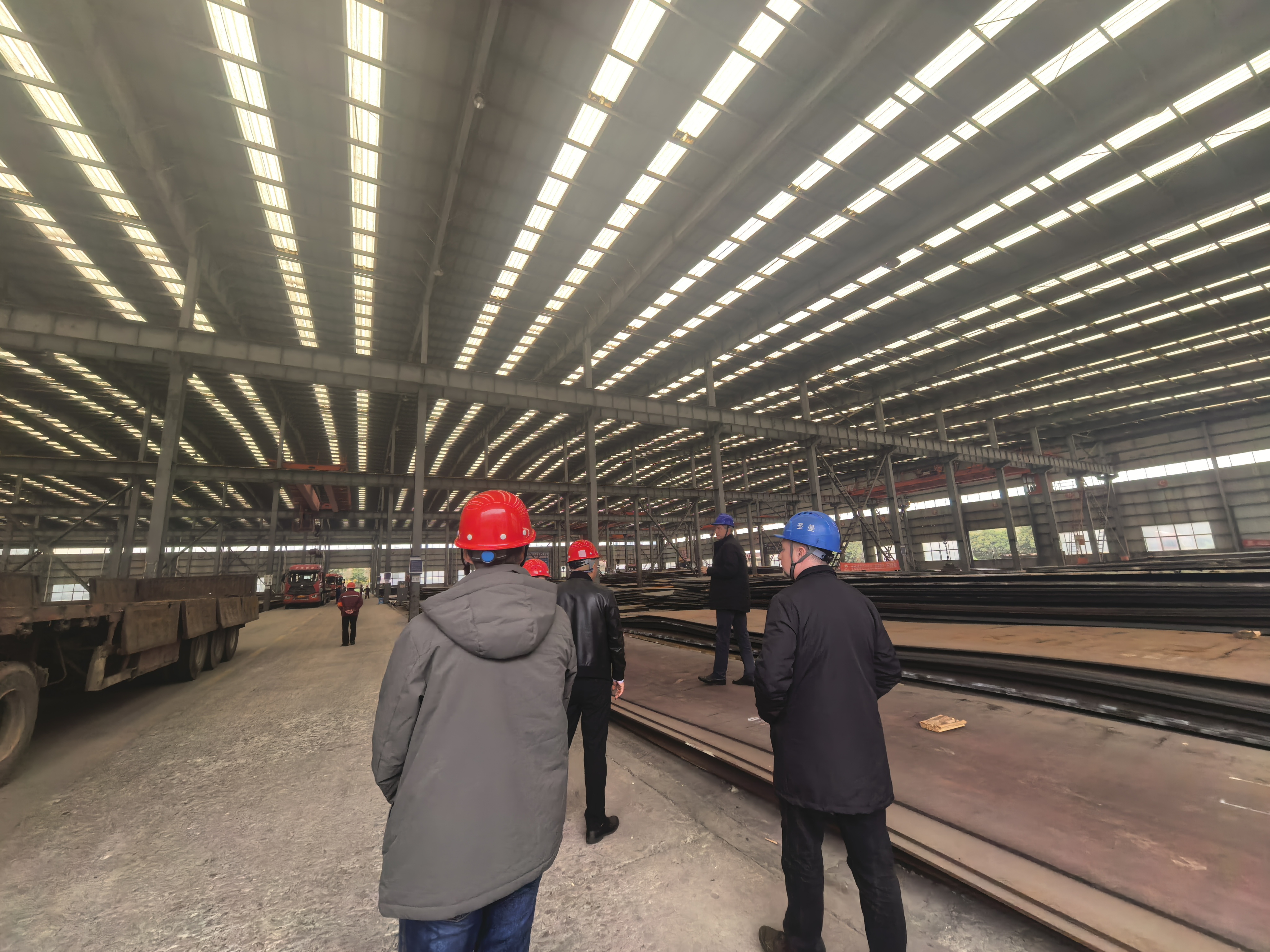
Figure 6: Standing stock held across BGT Steel Plate warehouses in Jiangsu, Shandong and Hunan.
Next step
For grade confirmation, cut-to-size dimensions or a quotation on NM400, NM450, NM500, XCHD450, Q550D, Q690D, Q960E or Mn13, contact BGT Steel Plate (Jiangyin Baoguantao Import & Export Co., Ltd.). Email: sales@bgtsteel.com | Tel / WhatsApp: +86 189-1230-2159 | Website: www.bgtsteel.com
Download the full product catalogue with grade and size data: BGT Steel Plate catalogue (PDF)
Have Questions or Need More Details?
Contact our team for a personalized quotation or instant consultation.
Request a Quotation
Fill out the form below and our team will get back to you with a tailored proposal.
WhatsApp Direct Chat
Prefer to chat in real-time? Message us on WhatsApp for instant assistance & quick answers.
- Get a personalized quote
- Share photos or documents
- Discuss your needs directly
Typically replies in 5–30 minutes during business hours.