
Industrial PSA Nitrogen Generator: How It Works, Benefits, and Selection Guide
An industrial PSA nitrogen generator is an on-site gas production unit that extracts nitrogen directly from compressed air using Pressure Swing Adsorption (PSA) technology. It is widely used in chemical, food and beverage, pharmaceutical, oil and gas, electronics, and metal cutting industries because it delivers high-purity nitrogen without relying on cylinder or liquid nitrogen deliveries.
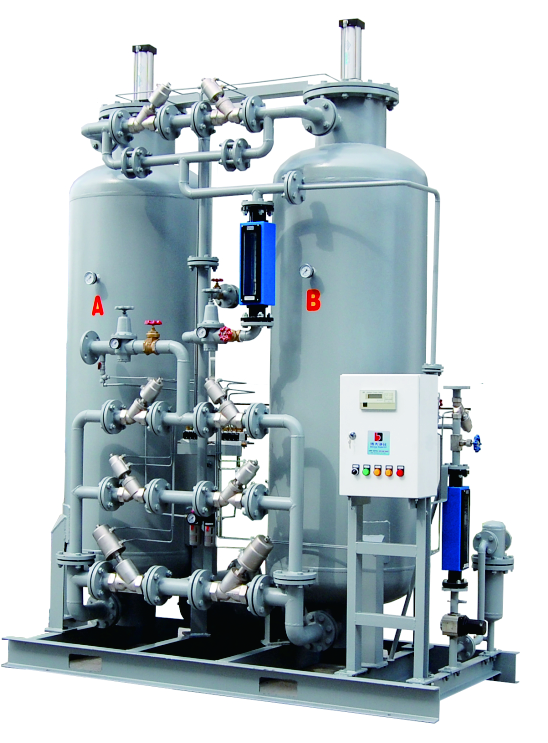
Figure 1: Industrial PSA nitrogen generator for on-site nitrogen production.
Problem Definition: The High Cost of Traditional Nitrogen Supply
Many industrial plants rely on delivered nitrogen in cylinders or liquid tanks. This approach creates recurring logistics costs, storage and safety issues, supplier dependency, and price volatility. For 24/7 operations, these overheads can account for a significant share of gas spend. An on-site PSA nitrogen generator enables a plant to produce nitrogen at the point of use, on demand, at the exact purity and flow required, eliminating the need for repeated deliveries and supplier management.
Industry Background: Why PSA Technology Is Growing
The global industrial nitrogen generator market was valued at USD 4.29 billion in 2023 and is projected to reach USD 6.47 billion by 2031, according to Verified Market Research. PSA technology accounts for approximately 48% of the global nitrogen generator market, making it the most widely adopted technology, as reported by Fortune Business Insights. The food and beverage segment held about 49.8% of the revenue share in 2023, driven by modified atmosphere packaging (MAP), according to Grand View Research. The chemical industry segment is expected to grow at the highest CAGR of roughly 6.0% through 2032, driven by increased use in blanketing and reactor purging. On-site nitrogen generation can also reduce supply costs by up to 40% compared with cylinder deliveries, citing the U.S. Department of Energy research.
Detailed Solution: What Is a PSA Nitrogen Generator?
A PSA (Pressure Swing Adsorption) nitrogen generator is an on-site gas production unit that extracts nitrogen directly from compressed air. It is equipped with two adsorption towers filled with carbon molecular sieve (CMS). Under pressure, oxygen, carbon dioxide, and water vapor are adsorbed by the CMS, while nitrogen passes through as the product gas. When the CMS becomes saturated, the system switches to the second tower, and the first tower regenerates by depressurization.
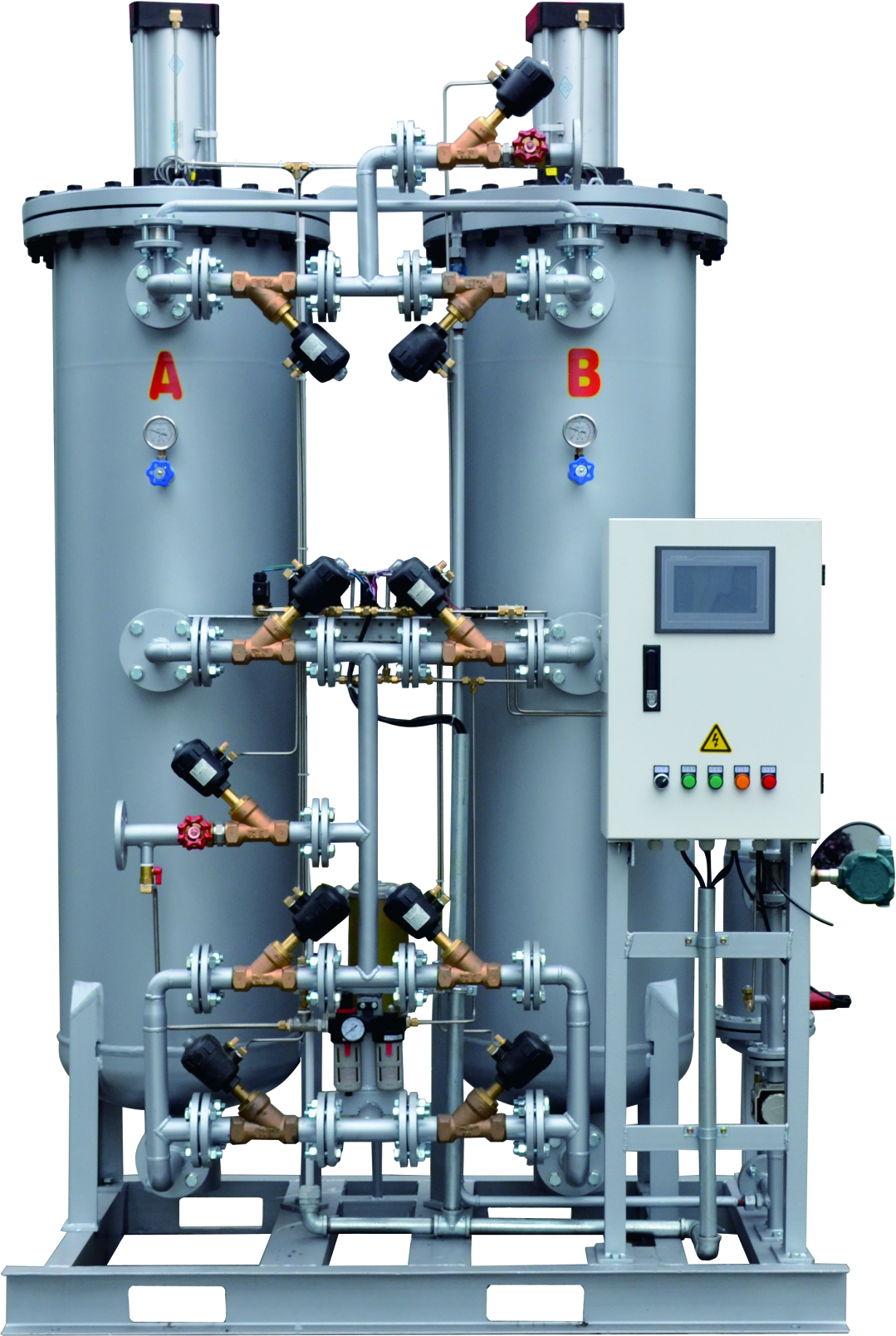
Figure 2: Twin-tower PSA nitrogen generator showing alternating adsorption and regeneration.
BODA GAS (Hangzhou Boda Purity Equipment Co., Ltd.) is a manufacturer specializing in PSA nitrogen generators, PSA oxygen generators, and compressed air purification equipment. The BXN Series PSA nitrogen generator from BODA GAS offers:
- Nitrogen flow rate: 1–3000 Nm³/h
- Nitrogen purity: 95%–99.999%
- Nitrogen pressure: 0.1–1.15 MPa (adjustable)
- Nitrogen dew point: -40°C to -70°C
- Noise level: 65–85 dB(A)
- Customization: carbon steel or SS304, ATEX, ASME, CE, ISO
The BXN Series is designed for continuous operation, with modular structure, low energy consumption, fast nitrogen production, and automatic control. Optional features include touch-screen display, dew point detection, energy-saving control, and DCS communication.
Step-by-Step Breakdown: How a PSA Nitrogen System Works
A complete PSA nitrogen generation system includes an air compressor, air receiver tank, filters, air dryer, activated carbon filter, PSA nitrogen generator, buffer tank, oxygen analyzer, and control system. The process follows these steps:
- Compressed air input: An air compressor supplies compressed air to the system.
- Pre-treatment: The air receiver tank stabilizes pressure; filters remove dust, solid particles, and liquid oil; the dryer removes moisture; an activated carbon filter captures residual oil vapor.
- Adsorption and pressurization: Clean compressed air enters the adsorption tower containing carbon molecular sieve. Oxygen, carbon dioxide, and moisture are adsorbed under pressure, while nitrogen flows to the buffer tank.
- Tower switch and nitrogen output: The system automatically switches air feed to the other tower when the sieve is saturated, ensuring continuous nitrogen supply.
- Pressure equalization: Pressure is balanced between the online and standby towers before switching, reducing energy loss and protecting the CMS.
- Regeneration (desorption): The saturated tower depressurizes and vents trapped impurities, regenerating the CMS for the next cycle.
Key System Components
A complete on-site PSA nitrogen system includes the following components, each with a specific role:
- Air compressor: Provides compressed air.
- Air receiver tank: Stores compressed air and stabilizes system pressure.
- Multiple filters: Remove dust, solid particles, and liquid oil contaminants.
- Air dryer: Cools compressed air and removes water, with automatic drainer and water separator filter.
- Activated carbon filter: Captures residual oil vapor and hydrocarbon impurities.
- Nitrogen generator unit: Separates nitrogen from oxygen using carbon molecular sieves (PSA) or hollow-fiber membranes.
- Nitrogen buffer tank: Stores produced nitrogen to handle peak flow demands.
- Oxygen analyzer/purity sensor: Continuously monitors gas purity and automatically vents out-of-specification gas.
- Control system: Governs automatic valve actions, purge cycles, and overall pressure regulation.
How to Select the Right PSA Nitrogen Generator
Selection starts with three core factors: purity, flow rate, and pressure. Additional considerations include site voltage, dew point, and application-specific requirements. According to selection guidelines from BODA GAS, nitrogen purity can be matched to the application:
- 95%–98% (Low purity): Fire protection, marine tank blanketing, oil field pipeline purging, and general-purpose tyre inflation.
- 99%–99.9% (Medium purity): Food and beverage modified atmosphere packaging, winemaking, and conventional plastic molding.
- 99.95%–99.99% (High purity): Mild-steel laser cutting, electronics manufacturing, cable production, and pharmaceutical tank blanketing.
- 99.999% and above (Ultra-high purity): Cutting special metals such as titanium alloy, high-end electronics production, and specialized laboratory applications.
Use Cases: Industries That Benefit from On-Site PSA Nitrogen
Chemical Industry
In chemical plants, nitrogen is used for reactor inert shielding, raw-material tank blanketing, pipeline purging, pressure-driven conveying, and cleaning. BODA GAS PSA nitrogen generators for chemical applications can be supplied with explosion-proof construction and ASME certification.
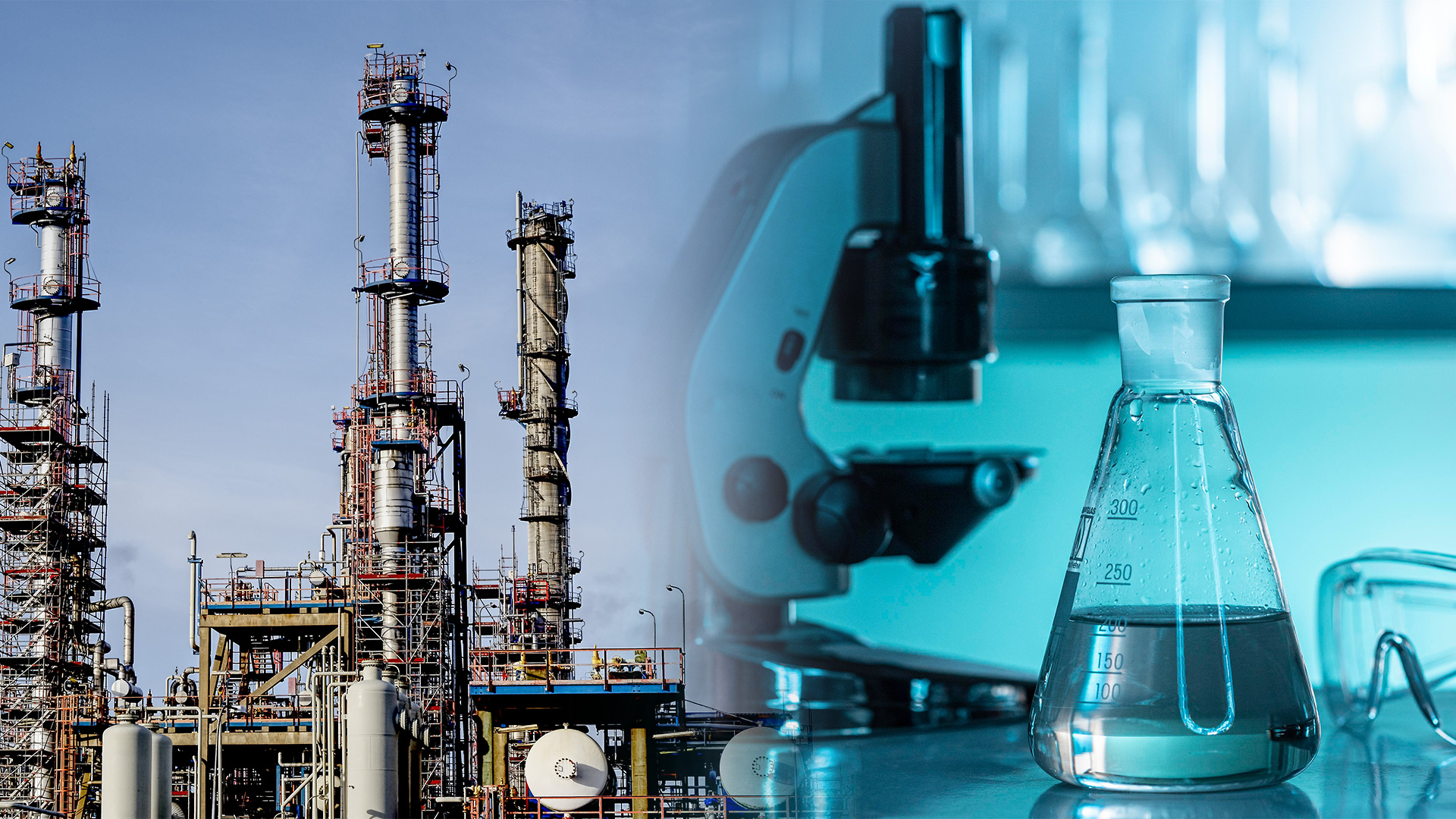
Figure 3: PSA nitrogen generator used in chemical plants for blanketing and purging.
Food and Beverage Packaging
Nitrogen helps preserve freshness by displacing oxygen inside packages. Modified atmosphere packaging (MAP) for fruits, vegetables, meat, and dairy products relies on food-grade nitrogen. For beverage production and tank blanketing, a PSA nitrogen generator can supply nitrogen with 99.0%–99.9% purity using an oil-free air compressor and stainless steel construction.
Pharmaceutical Industry
Nitrogen is used in drug production, storage, sealing, and packaging to maintain a clean and sterile environment. Medical-grade nitrogen generators from BODA GAS support purity levels of 99.99%–99.999%, with oil-free and stainless steel options.
Oil and Gas Applications
Nitrogen is used for tank blanketing, pipeline and vessel purging, well stimulation, and inert gas lifting. Explosion-proof PSA nitrogen generators for Zone 1/Zone 2 hazardous areas are available for the oil and gas sector.
Laser and Plasma Cutting
Nitrogen as an auxiliary cutting gas prevents oxidation and dross on cut surfaces. For mirror-finish stainless steel cutting, purity grades of 99.99%–99.999% are often required.
Electronics Industry
The electronics sector uses high-purity nitrogen in SMT soldering, semiconductor fabrication, lithium-ion battery production, and nitrogen-shielded welding. Systems with ultra-low dew points and O₂ levels are available for these demanding applications.
Tyre Inflation
Nitrogen-filled tires maintain stable pressure longer than air, reducing wear and improving safety. Compact PSA nitrogen generators with 95%–98% purity are used in automotive service shops.
Comparison Table: PSA vs Membrane Nitrogen Generators
| Feature | PSA Nitrogen Generator | Membrane Nitrogen Generator |
|---|---|---|
| Purity range | 95% to 99.999% | 95% to 99.9% |
| Separation principle | Carbon molecular sieve adsorbs oxygen and other gases | Hollow-fiber membrane separates gases by permeation speed |
| Best for high purity | Preferred for purity >99.9% | Typically capped at lower purity |
| Moving parts | Valves, control system, towers switch periodically | No moving parts, low maintenance |
| Energy control | Adjustable purity and flow; optional energy-saving controls | Purity selection from 95% to 99.5% helps save energy |
| Typical applications | High-purity gas for electronics, pharmaceuticals, laser cutting | Lower-purity inerting, pipeline purging, food packaging |
For applications that require nitrogen purity above 99.9%, PSA systems are generally the more suitable choice. Membrane systems are compact and quiet, making them practical for lower-purity duty.
Maintenance Requirements and Lifetime Costs
PSA nitrogen generators are low-maintenance machines, but routine care is needed to keep purity stable. Typical maintenance intervals for an on-site gas system are:
- Precision filter element replacement: every 8,000 hours.
- Air compressor service (oil, oil filter, air/oil separator): every 3,000–4,000 runtime hours.
- Air dryer desiccant replacement: generally 16,000–24,000 hours.
- Carbon molecular sieve replacement: every 6–10 years.
The long lifetime of carbon molecular sieves and the absence of reagents make PSA generators economical over the equipment lifecycle.
Why Choose BODA GAS as Your PSA Nitrogen Generator Supplier?
BODA GAS was established in 2002 and has more than 24 years of experience in PSA gas separation technology. The company operates a 30,000 m² production base in Hangzhou, China, and has an annual output capacity of 480 units. Its R&D team includes 15 engineers, and export business accounts for 30% of total sales, with major markets across the Middle East, Africa, Central Asia, Eastern Europe, Southeast Asia, and Latin America.
Hangzhou Boda Purity Equipment Co., Ltd. holds ISO 9001, ISO 13485, ISO 14001, and ISO 45001 certifications, and owns multiple invention patents and utility model patents. The company serves clients in industries such as electric power, oil and gas, chemical, medical, food, new energy, metallurgy, electronics, and environmental protection.
FAQ: Common Questions About PSA Nitrogen Generators
What certifications does BODA GAS hold?
Hangzhou Boda Purity Equipment Co., Ltd. has obtained ISO 9001, ISO 13485, ISO 14001, and ISO 45001 certifications. BODA GAS nitrogen generators can also be customized to meet ATEX, ASME, CE, and ISO standards.
What purity can a PSA nitrogen generator achieve?
A PSA nitrogen generator can produce nitrogen with purity up to 99.999% using carbon molecular sieves. The BXN Series from BODA GAS offers adjustable purity from 95% to 99.999% to match application requirements.
How can an on-site nitrogen generator reduce costs?
On-site nitrogen generation eliminates cylinder and liquid nitrogen logistics, reduces supplier dependency, and provides gas on demand. The U.S. Department of Energy cites potential cost savings of up to 40% compared with cylinder deliveries. BODA GAS reports that its PSA systems can reduce nitrogen costs by up to 95%.
Can BODA GAS design a tailor-made nitrogen solution for my working condition?
Yes. BODA GAS technical team calculates air-oxygen ratio, outlet flow, purity, and power consumption based on the customer's site altitude, voltage, and usage industry, and draws an exclusive layout and technical scheme free of charge.
How is the equipment installed after purchase?
BODA GAS skid-mounted units are plug-and-play after power-on; minimal installation is required. The company provides online technical support, operation manuals, and video guidance. Overseas resident engineers are available for on-site installation, commissioning, and maintenance.
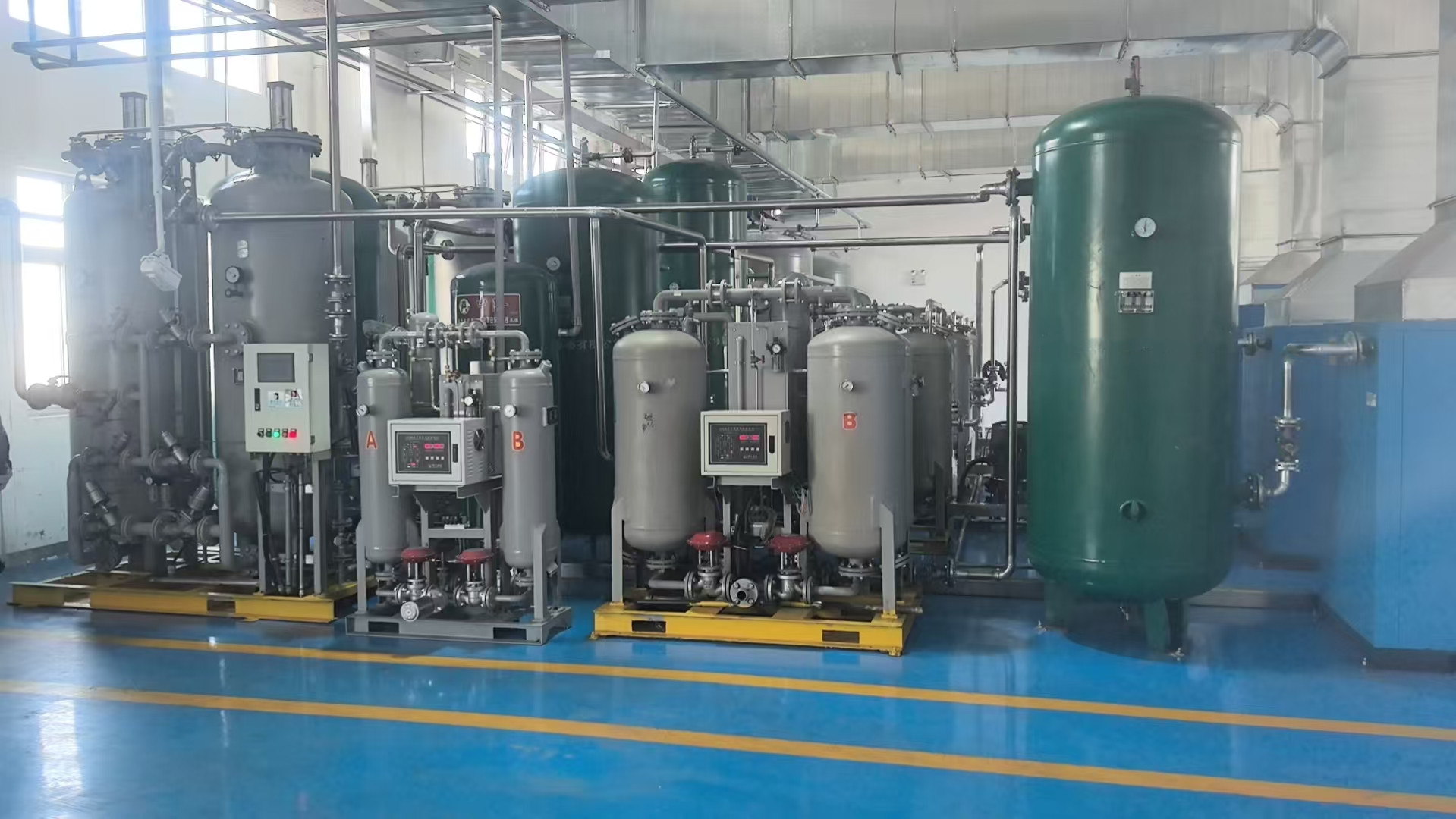
Figure 4: On-site PSA nitrogen generating equipment installed at a customer site.
Request a free technical proposal or quote
Contact Lemon Du: bodagas2002@gmail.com | WhatsApp: +86 157-5515-0162
Download the product manual: BODA GAS Technical Manual
Visit www.boda-gas.com
Conclusion
An industrial PSA nitrogen generator remains a practical way to produce high-purity nitrogen on site. It reduces logistics, improves purity control, and supports continuous operations in industries from food packaging to electronics manufacturing. BODA GAS combines more than two decades of engineering experience with ISO-certified production and a broad range of customizable configurations to supply efficient PSA nitrogen generators for global customers. To select the right system for your flow and purity needs, contact BODA GAS for a technical evaluation.