
What a PSA Nitrogen Generator Does — and What It Takes to Supply Nitrogen On Site
What a PSA Nitrogen Generator Does — and What It Takes to Supply Nitrogen On Site
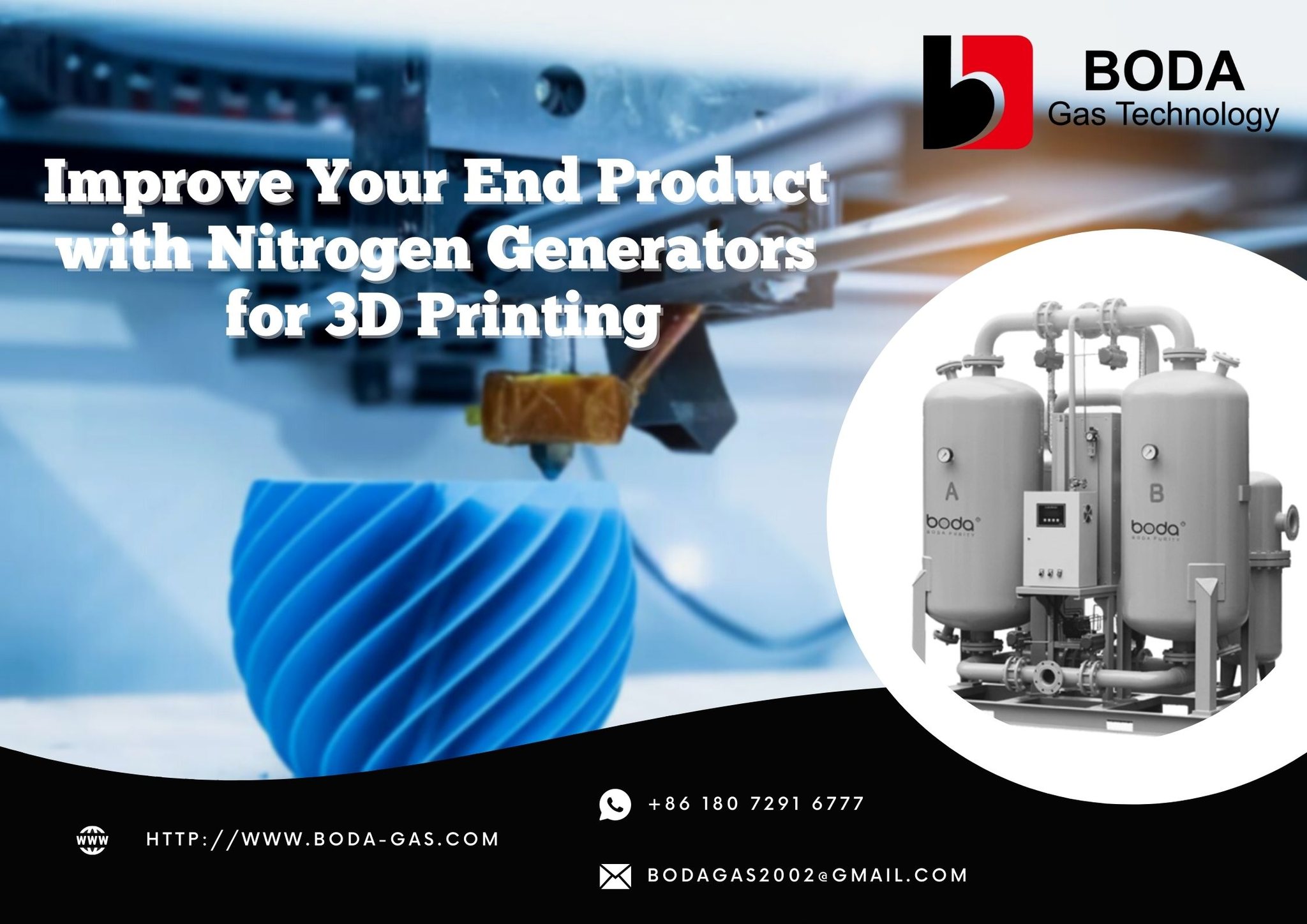
Answer first: A PSA nitrogen generator is an on-site gas production unit that separates nitrogen directly from compressed air using pressure swing adsorption. It uses carbon molecular sieve to adsorb oxygen and other impurities, allowing nitrogen to pass through as the product gas. Because the system can be installed at the point of use, it replaces delivered cylinders or liquid nitrogen with a continuous, on-demand supply.
For plant engineers, maintenance managers, and company owners, the question is no longer only whether nitrogen is useful. It is also whether generating nitrogen on site with a PSA nitrogen generator is practical for the application, the site conditions, and the long-term operating budget. This article explains how PSA nitrogen generation works, where it fits in industry, how to compare configurations, and what to verify before contacting a supplier.
The wider market context explains the growing interest. The global industrial nitrogen generator market was valued at USD 4.29 billion in 2023 and is projected to reach USD 6.47 billion by 2031, according to Verified Market Research. PSA technology accounts for approximately 48% of the global nitrogen generator market, making it the dominant technology segment, according to Fortune Business Insights.
Why industrial buyers start looking at PSA nitrogen generators
A plant that uses nitrogen for blanketing, purging, packaging, or inerting can usually choose between delivered bulk gas, cylinders, liquid nitrogen, and on-site generation. Each option works, but delivered gas has a hidden workload. Cylinder handling creates safety exposure. Delivery schedules affect production planning. Price changes are passed down by the gas supplier. Administrative work is needed for supplier contracts, inventory, and empty cylinder returns.
On-site PSA nitrogen generation removes part of that workload because the plant makes nitrogen from compressed air at its own facility. Industry analysis citing the U.S. Department of Energy notes that on-site nitrogen generation can reduce nitrogen supply costs by up to 40% compared with traditional cylinder deliveries by eliminating logistics fees. The exact saving depends on local electricity cost, nitrogen purity, flow rate, operating hours, and the current delivered-gas price, but the logic is simple: once the compressor is running, nitrogen is produced continuously without waiting for the next delivery.
This background matters during the buying stage. A PSA nitrogen generator is not a commodity accessory. It is a complete gas-production system, and its value depends on how well it is matched to the process.
What PSA nitrogen generation means in industrial practice
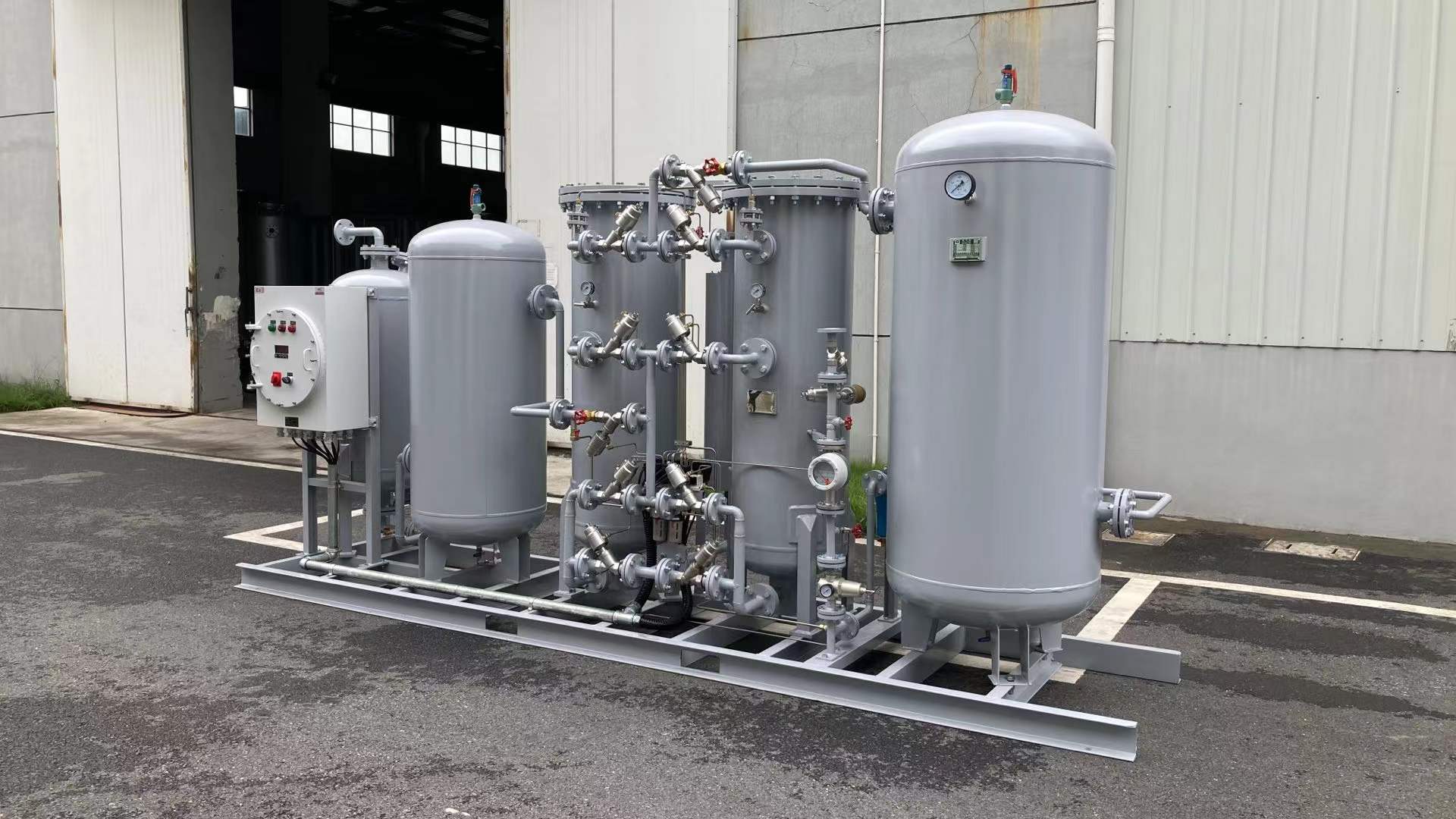
PSA stands for Pressure Swing Adsorption. The technology separates oxygen from nitrogen by exploiting the different adsorption rates of gas molecules on carbon molecular sieve. Under pressure, oxygen molecules enter the micropores of the sieve more quickly than nitrogen molecules. In a BODA GAS BXN Series PSA nitrogen generator, pretreated compressed air flows into one of two adsorption towers filled with carbon molecular sieve. The sieve retains oxygen, carbon dioxide, and moisture, while nitrogen remains in the gas phase and flows out as product gas.
No single tower can adsorb continuously. When the working tower approaches saturation, the control system switches the incoming air to the standby tower. The saturated tower is depressurized so that the adsorbed components desorb and are discharged. The two towers alternate between adsorption and regeneration. This is why a PSA nitrogen generator can run continuously without stopping to replace the separation medium.
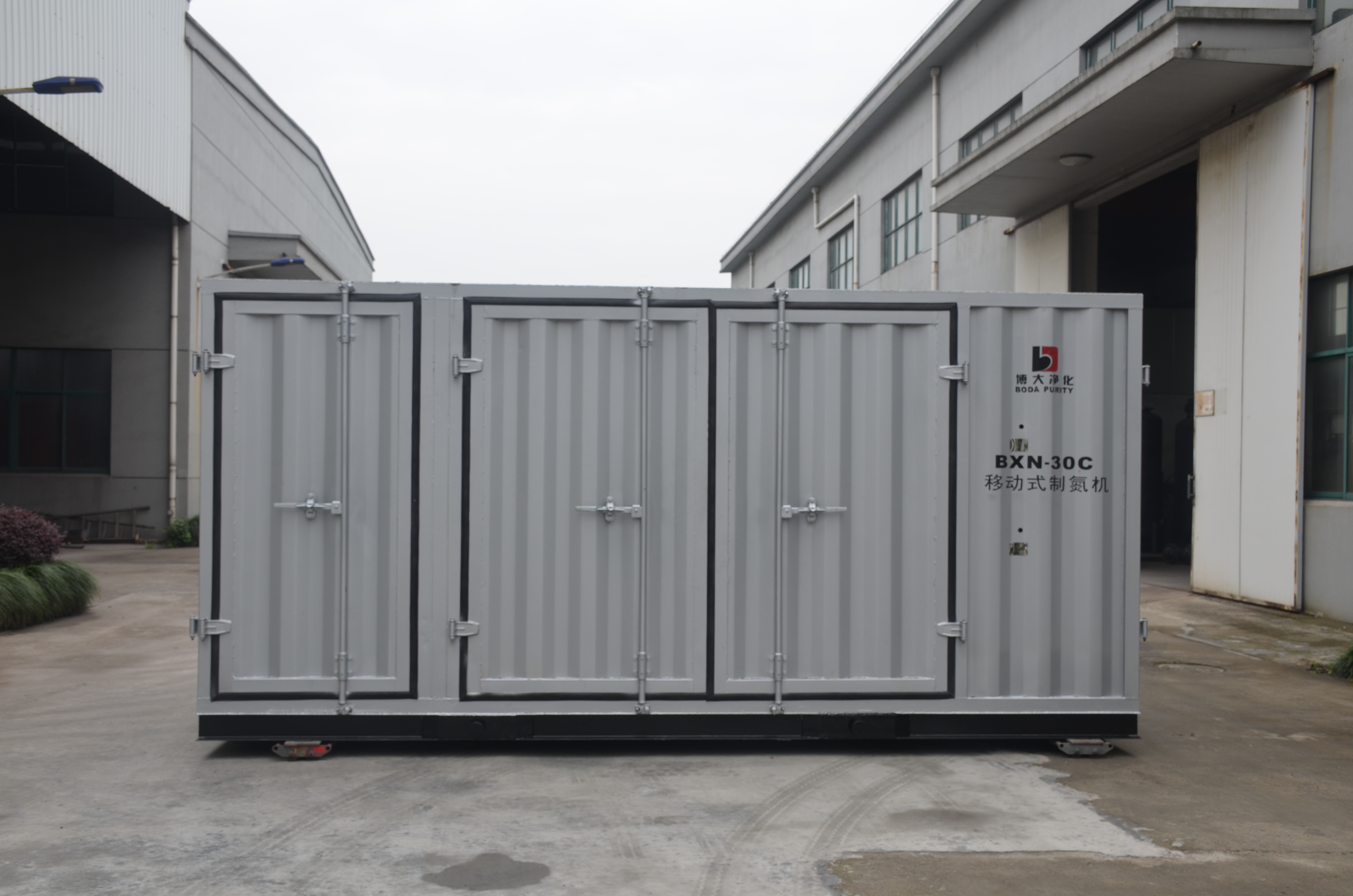
In the BODA GAS product range, the BXN Series PSA nitrogen generator covers the majority of industrial needs. According to the product specification, it can produce nitrogen with a flow rate from 1 to 3000 Nm³/h, purity from 95% to 99.999%, outlet pressure from 0.1 to 1.15 MPa, and dew point from -40°C to -70°C. The same generator family is available as an industrial PSA nitrogen generator, a skid-mounted PSA nitrogen generation package, a movable containerized PSA nitrogen generator, an ASME standard nitrogen generator, or a stainless steel nitrogen generator.
PSA vs. membrane nitrogen generation: two technologies, two edges
Industrial buyers often discover that nitrogen can also be produced with membrane separation. A membrane nitrogen generator uses bundles of hollow fibers to separate gases by permeation speed. It is compact, quiet, and has no moving parts in the separation core, which makes it attractive for moderate-purity requirements.
However, PSA systems are usually preferred when high purity is required. Atlas Copco, a supplier of both technologies, states that PSA systems are favored over membrane systems for high-purity requirements above 99.9%, because membrane purity is typically capped at lower levels. This matches the specification of the BODA GAS BMN Series membrane nitrogen generator, which is designed for nitrogen purity from 95% to 99.9%, while the BXN Series PSA generator reaches 99.999%.
| Technology | Typical purity | Output range in BODA GAS catalog | Best-fit role |
|---|---|---|---|
| PSA nitrogen generator | 95% to 99.999% | 1 to 3000 Nm³/h | Continuous industrial nitrogen supply, including food, pharmaceutical, chemical, electronics, and oil and gas applications |
| Membrane nitrogen generator | 95% to 99.9% | 5 to 3000 Nm³/h | Compact installations and purity requirements up to 99.5%, with low maintenance and quiet operation |
Specifications are taken from the BODA GAS BMN Series and BXN Series product data. PSA technology selection guidance is consistent with published industry comparison from Atlas Copco.
What is included in a complete PSA nitrogen station?
A PSA nitrogen generator is only the separation core. To get clean, dry compressed air into the carbon molecular sieve, the complete system needs a set of pretreatment components. In a standard BODA GAS nitrogen station, the main equipment chain is:
- Air compressor to supply the required compressed air volume and pressure.
- Air receiver tank to stabilise pressure and reserve air volume.
- Filtration and drying equipment to remove liquid water, oil, dust, and water vapour before air enters the PSA towers.
- Activated carbon filter, in high-purity systems, to remove residual oil vapour and hydrocarbon impurities.
- PSA nitrogen generator with carbon molecular sieve towers and automatic valve control.
- Nitrogen buffer tank to smooth pressure and flow fluctuations and support peak consumption.
- Oxygen analyzer and control system to monitor purity and automatically vent out-of-specification gas.
The pretreatment components are not optional accessories. Oil and moisture are the main enemies of carbon molecular sieve. BODA GAS supplies several equipment families that protect the sieve: the FYS Series high efficiency oil-water separator, the FAL Series precision filter, dryers such as the FAD refrigeration dryer and ADL desiccant dryer, and the FLT Series activated carbon filter. Each component has a specific role in keeping the nitrogen generator stable over years of operation.
How to choose the right purity for an on-site PSA nitrogen generator
Purity is the first specification a buyer must define. Using a higher purity than necessary increases energy consumption and equipment size. The following ranges are common reference points in industrial nitrogen generation:
- 95% to 98%: fire protection, marine tank blanketing, oil field pipeline purging, and general tyre inflation.
- 99% to 99.9%: food and beverage modified atmosphere packaging, winemaking, and conventional plastic molding.
- 99.95% to 99.99%: mild-steel laser cutting, electronics manufacturing, cable production, and pharmaceutical tank blanketing.
- 99.999% and above: special metal cutting, high-end electronics, and specialised laboratory applications.
The right purity also depends on the industry standard and the final product. For food-grade nitrogen, for example, EIGA guidelines require at least one continuously online residual oxygen analyzer in the nitrogen stream. For pharmaceutical use, oil-free and stainless steel construction are commonly specified. A qualified supplier should be able to explain the trade-offs rather than simply quoting the highest possible purity.
Step-by-step: from buyer requirement to PSA nitrogen system
Step 1: Determine the nitrogen purity
Start with the process, not with the machine. Ask what level of oxygen residue the product or equipment can tolerate. For high-purity PSA nitrogen generators, purity can be set within the generator range. The lower the required purity, the lower the air consumption per Nm³ of nitrogen produced.
Step 2: Define the average and peak flow rate
The system capacity is normally expressed in Nm³/h at the required purity. BODA GAS BXN Series supports 1 to 3000 Nm³/h in standard products. A nitrogen buffer tank helps the system respond to peak consumption without oversized adsorption towers.
Step 3: Confirm pressure and dew point
PSA nitrogen generators are not always selected only for purity. The application’s working pressure and required dew point also affect the air dryer and buffer tank design. In BODA GAS standard specification, nitrogen pressure is adjustable from 0.1 to 1.15 MPa, and nitrogen dew point can be as low as -40°C to -70°C, depending on the system configuration.
Step 4: Choose the physical configuration
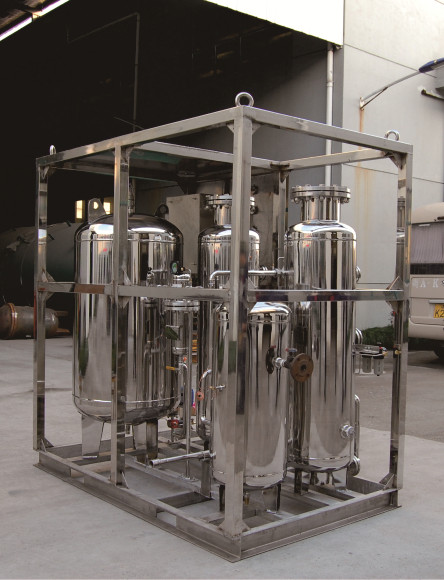
For an existing plant with a dedicated equipment room, an industrial PSA nitrogen generator can be installed and connected to the plant air system. For a new line or a site with limited civil work, a skid-mounted PSA nitrogen generation package is easier to set down and connect. For remote oil and gas sites, temporary projects, or environments where indoor space is not available, a movable containerized PSA nitrogen generator provides a self-contained solution.
Containerized PSA nitrogen generator demand is also receiving more attention in remote projects. According to Reliable Research IQ, the containerized PSA nitrogen generator market is expected to grow at a CAGR of 7.6% from 2025 to 2032, driven by demand in remote oil and gas sites.
Step 5: Plan the compressed air pretreatment
Clean, dry air is the fuel of a PSA nitrogen generator. The buyer should confirm whether the supplier can deliver a complete package or expects the plant to provide an existing compressed air system. In a BODA GAS BXN system, the standard equipment chain includes an oil-injected or oil-free air compressor, receiver tank, dryer, multiple filters, and activated carbon filter before the generator, plus a nitrogen buffer tank after it.
Step 6: Verify supplier quality and service scope
Because the technology is mature, supplier quality is often the difference between a stable system and a recurring maintenance burden. Useful checks include factory size, years in the industry, number of engineers, ISO certification status, component brands, factory test procedures, and after-sales support.
Hangzhou Boda Purity Equipment Co., Ltd. was founded in 2002 and has over 24 years of industry experience. The company is headquartered in Hangzhou, Zhejiang Province, China, and operates a production base covering more than 30,000 square metres. Its R&D team includes 15 engineers, and annual production capacity is 480 units. BODA GAS is the brand name used for its gas-generation equipment. The company has obtained ISO 9001, ISO 13485, ISO 14001, and ISO 45001 system certifications, holds multiple invention patents and dozens of utility model patents, and states that all equipment must pass qualification testing before factory release.
Typical use cases for industrial PSA nitrogen generators
Chemical industry
The BXN Series PSA nitrogen generator is intended for the chemical industry. Nitrogen is used for reactor inert shielding, raw-material tank blanketing, pipeline purging, pressure conveying, and oxidation prevention. Chemical plants commonly require 99.0% to 99.99% nitrogen purity. When the site contains flammable gas or hazardous areas, explosion-proof construction and ASME pressure vessel compliance are often specified. Industry analysis from Maximize Market Research expects the chemical industry segment to grow at the highest CAGR of 6.0% among applications because of blanketing and reactor purging demand.
Food and beverage packaging
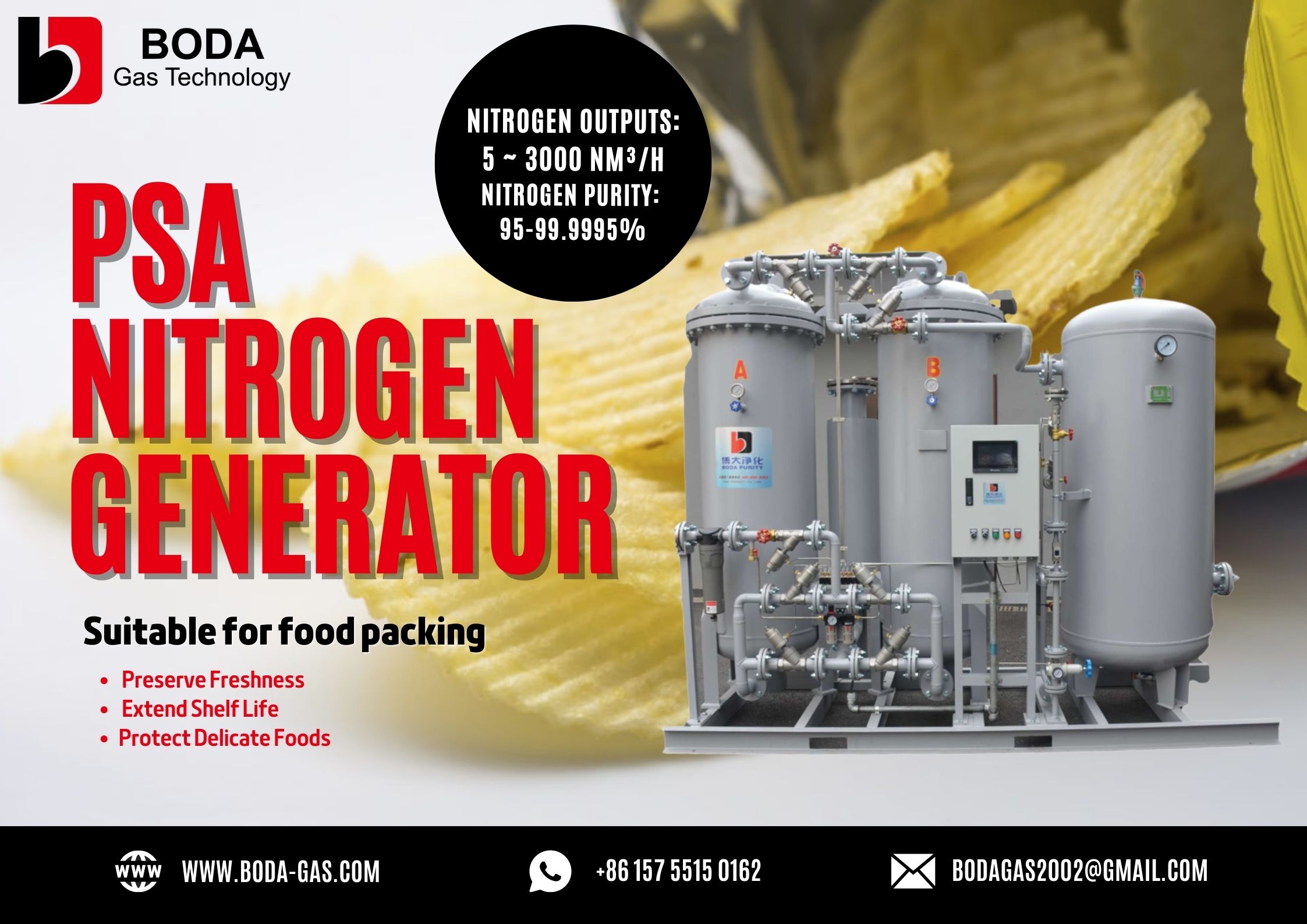
Food and beverage packaging is one of the most visible applications for PSA nitrogen generators. In modified atmosphere packaging, nitrogen displaces oxygen around the product, slowing oxidation and the reproduction of spoilage microorganisms. The required purity for food applications is commonly 99.0% to 99.9%, using oil-free compressed air and food-grade nitrogen treatment. According to Grand View Research, the food and beverage segment dominated the nitrogen generator market in 2023 with approximately 49.8% of revenue share, largely due to MAP applications.
Pharmaceutical industry
Pharmaceutical plants use nitrogen to maintain a clean environment and control oxygen concentration during drug production, storage, sealing, and packaging workflows. Required purity is typically 99.99% to 99.999%. The BODA GAS BXN Series can be built with stainless steel construction for pharmaceutical use. Compared with cylinder or liquid nitrogen supply, a properly sized on-site generator offers lower operating cost and stable purity.
Oil and gas industry
In oil and gas, nitrogen is used for tank blanketing, pipeline and vessel purging, inerting, well stimulation, pressure holding, and corrosion protection. Purity levels commonly range from 95% to 99.9%. Offshore and remote-site applications often require explosion-proof PSA nitrogen generators for Zone 1 or Zone 2 hazardous areas. The containerized configuration is especially practical when nitrogen must be moved to different well sites.
Electronics, laser cutting, and other industries
PSA nitrogen generators are also used in electronics manufacturing for SMT soldering and component anti-oxidation, in laser cutting as an auxiliary cutting gas, and in tyre inflation. For electronics applications requiring 99.99% purity or higher, the generator must be paired with dryers and filters capable of reaching the required dew point and oxygen level.
What does “good quality PSA nitrogen generator” mean in practice?
Because buyers search for good quality PSA nitrogen generators as well as for the technology itself, it is worth defining the phrase. For a PSA nitrogen generator, good quality is not about decorative features. It is about long-term stable compliance with purity, flow capacity, and outlet pressure; use of brand-name valves and components; protection of the carbon molecular sieve; proper spray-paint coating; and a factory test before shipment.
BODA GAS describes its own quality measures in realistic terms: modular structure, branded key components, automatic diagnostics, automatic venting for off-spec gas, and optional touch-screen display, dew point detection, energy-saving control, and DCS communication. A buyer should ask the manufacturer to explain how each of these protections is implemented in the quoted system.
Maintenance expectations for an on-site PSA nitrogen generator
Maintenance is a frequent concern for first-time buyers. BODA GAS technical documentation gives a useful baseline for routine service. Precision filter elements are commonly replaced every 8000 operating hours. Air compressor service, including oil, oil filter, and air/oil separator changes, is normally required every 3000 to 4000 runtime hours. Air dryer desiccant may need replacement after about 16000 to 24000 hours. Carbon molecular sieve itself is expected to last 6 to 10 years in normal service, depending on inlet air quality and operating conditions. These intervals explain why the design of air pretreatment is more important than simply choosing a large adsorption tower.
Practical supplier evaluation for PSA nitrogen generator buyers
If you are exploring Chinese PSA nitrogen generator suppliers, the goal is to verify whether the company can design, manufacture, test, deliver, and support the system. The following comparison table summarises common configurations available from BODA GAS and how buyers use them.
| Configuration | Typical characteristics | Typical buyer situation |
|---|---|---|
| Industrial PSA Nitrogen Generator | Floor-standing system with modular towers; can be matched to an existing building | Factory or plant with a permanent nitrogen demand and space for a generator room |
| Skid-Mounted PSA Nitrogen Generation Package | Factory-assembled and pre-piped package; simpler on-site installation | Medium-size plants that want faster commissioning and compact layout |
| Movable Containerized PSA Nitrogen Generator | Self-contained package inside a container; easier lifting, transport, and relocation | Remote oil and gas sites, temporary projects, or phased capacity |
| ASME or Stainless Steel nitrogen generator | Engineered to a required code or material specification | Chemical, pharmaceutical, food, and export projects with explicit compliance requirements |
Frequently Asked Questions
PSA Nitrogen Generator suppliers Chinese: what should a buyer check first?
A China-based PSA nitrogen generator supplier should be able to prove its manufacturing capability with concrete evidence. Key checks include the year the company was founded, whether it operates its own factory, the factory area, R&D team size, annual output, quality certifications, and component brands. Hangzhou Boda Purity Equipment Co., Ltd. was established in 2002, operates a standardized production base larger than 30,000 square metres, has 15 R&D engineers, and an annual production capacity of 480 units. The company manufactures under the BODA GAS brand and holds ISO 9001, ISO 13485, ISO 14001, and ISO 45001 certifications.
What is usually included in a complete PSA nitrogen generator system?
A complete system normally includes an air compressor, air receiver tank, filtration and drying equipment, an activated carbon filter when high purity is required, the PSA nitrogen generator itself, a nitrogen buffer tank, and an oxygen analyzer or purity control system. The purpose of the buffer tank is to smooth pressure and flow fluctuations that occur when the two adsorption towers switch, so the nitrogen quality stays stable during peak consumption.
How do I choose between PSA and membrane nitrogen technology?
Choose PSA when you need high purity above 99.9%, or when your nitrogen demand is large enough to justify a complete adsorption system. Choose membrane when the required purity is up to 99.5% and floor space, weight, or mechanical simplicity is the highest priority. Membrane systems are quiet and have no moving parts in the separation core, but PSA systems can produce purity up to 99.999% in the BODA GAS BXN Series.
Why does a PSA nitrogen generator need so much air pretreatment?
The carbon molecular sieve inside a PSA nitrogen generator can be damaged by oil and moisture. Water and oil reduce the adsorption performance of the sieve and can shorten its service life. That is why BODA GAS uses oil-water separators, precision filters, dryers, and activated carbon filters upstream of the generator. The cost of protecting the sieve is far lower than the cost of replacing or refilling carbon molecular sieve early.
Can the supplier customize a PSA nitrogen system for a specific working condition?
Yes. A qualified manufacturer should calculate the required air consumption, nitrogen flow, purity, pressure, and power consumption based on site altitude, voltage, industry, and application. BODA GAS states that its technical team can calculate these parameters and draw an exclusive layout and technical scheme for free. To get a practical proposal, send your flow rate, purity, discharge pressure, voltage, and application details. You can contact BODA GAS directly by email at bodagas2002@gmail.com or request the product manual from the link at the end of this article.
Conclusion
A PSA nitrogen generator is a practical answer for any industrial user that wants a stable, on-site nitrogen supply instead of managing cylinders or liquid nitrogen deliveries. The technology is mature, PSA is the most common nitrogen generation method in the market, and the equipment is available in configurations ranging from industrial generators to skid-mounted packages and movable containerized systems.
The correct purchase decision begins with process requirements: purity, flow, pressure, dew point, site classification, and operating pattern. It continues with supplier verification: factory ownership, engineering capability, certification, component quality, and after-sales service. The BODA GAS BXN Series PSA nitrogen generator is designed for industrial applications including chemicals, food and beverage, pharmaceuticals, electronics, oil and gas, laser cutting, and tyre inflation. For a more complete technical reference, BODA GAS offers a product manual that can be downloaded directly.
Need a practical answer for your nitrogen requirement?
Contact BODA GAS for a proposal based on your flow rate, purity, pressure, and site conditions.
Email: bodagas2002@gmail.com
WhatsApp / Tel: +86 157-5515-0162