Eyewash Station Evaluation: Key Specs, Certifications, and Buying Criteria
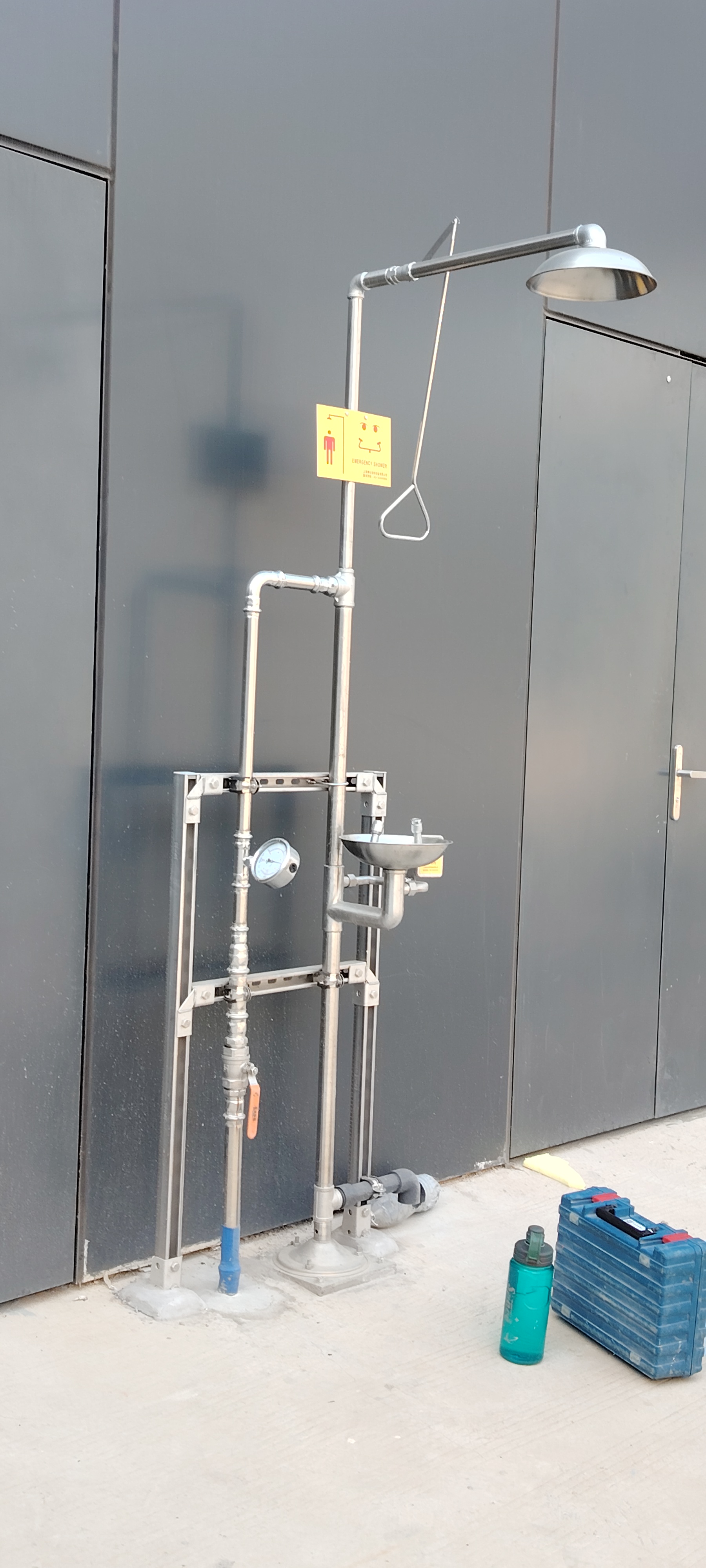
Combination emergency shower and eyewash units are common choices for industrial facilities that require whole-body decontamination.
Choosing an eyewash station for an industrial or laboratory site involves more than selecting a product from a catalog. Buyers need to confirm that the unit meets applicable safety standards, delivers the required flushing performance, and is built from materials that can withstand the working environment. This guide is written for procurement and EHS teams in the research and evaluation phase, explaining the specifications and certifications that matter, how to compare offers, and what to request from a supplier before purchase.
Why eyewash station evaluation is more than a price exercise
Many buyers struggle when comparing emergency eyewash stations because specifications are presented differently across suppliers. Some suppliers highlight only flow rates; others emphasize certifications; few explain which features are essential for a specific installation. The result is either over-specification, unnecessary cost, or non-compliant equipment. Without a shared checklist, comparing a wall mounted eyewash with a combination shower and eyewash station becomes difficult.
The problem is not a lack of products. It is a lack of clear evaluation criteria. This article provides a structured way to assess eyewash station models using standards, materials, performance data, environmental ratings, and supplier capability.
Industry background: a growing safety equipment category
Global demand for emergency safety equipment is growing. According to Spherical Insights, the global emergency shower and eyewash station market was valued at approximately USD 417.3 million in 2024, with North America as the largest regional market at about USD 145.1 million. Transparency Market Research projects the market will reach USD 713.4 million by 2035, growing at a CAGR of 4.7% from 2025. Dataintelo data referenced in 2025 suggests that portable eyewash stations account for about 38.2% of the market due to demand from remote and non-plumbed sites, while industrial applications represent around 35.7% of global revenue.
These figures help explain why buyers are being asked to standardize equipment across multiple plant sites. A consistent specification reduces audit risk and simplifies maintenance. It also makes it easier to compare suppliers on the same criteria.
Detailed solution: six specification groups every buyer should review
1. Standards and certifications
Start with standards. In North America, the governing benchmark is ANSI/ISEA Z358.1-2014, which requires an eyewash station to deliver 0.4 GPM (1.5 L/min) of flushing fluid for at least 15 minutes. In Europe, CE marking and the EN 15154 series apply. BOHUA's portable shower and eyewash model BH34-0628 carries ANSI Z358.1-2014 certification number CHSH25071073147, issued by Global Testing Services Co., Ltd., and the product family is also CE certified under number CLSH25071073148. The company also holds ISO quality and occupational health and safety management system certifications, including ISO 9001:2008, ISO 14001:2004, OHSAS 18001:2007, and China Classification Society (CCS) certification.
When evaluating a potential supplier, ask for the certificate number and the scope of each certification. A certificate that is not linked to a specific product model is not enough.
2. Materials and corrosion resistance
Material selection affects the lifespan and safety of an emergency eyewash station. Most BOHUA emergency eyewash stations use 304 stainless steel as the primary structure. Models designed for aggressive chemical environments are available in 316 stainless steel, for example the compound emergency shower and eyewash BH30-1316. Many wall-mounted and vertical units combine 304 stainless steel with ABS covers for improved visibility and impact resistance. Sprinkler heads typically include a PP + 304 filter, and fixed soft rubber anti-dust covers keep the outlet clean.
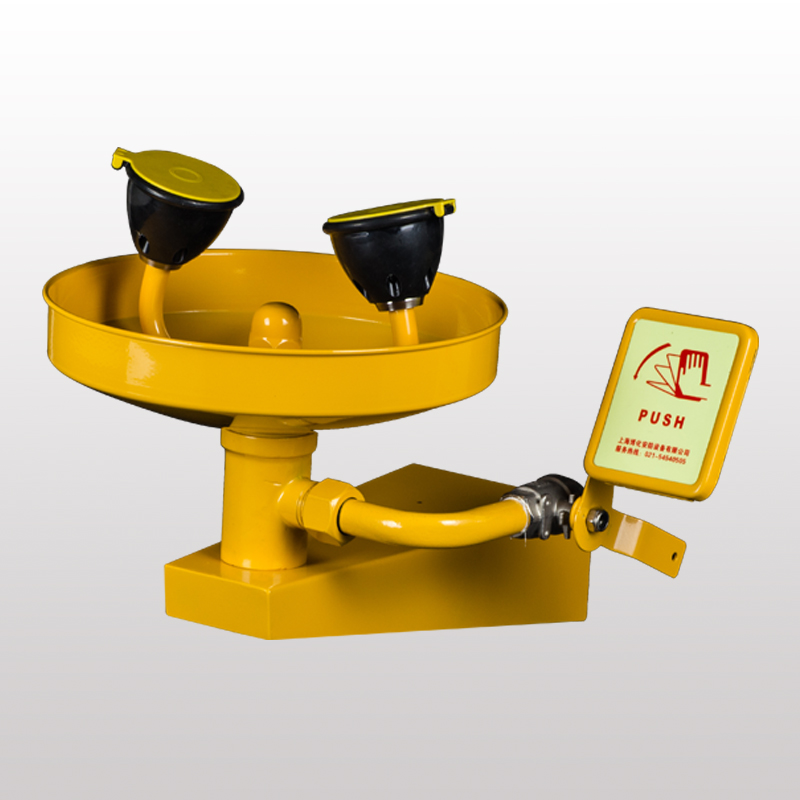
Wall mounted eyewash stations are a compact option for laboratories and corridors.
3. Flow rate, water pressure, and activation
Performance data should be read together. Across BOHUA's plumbed series, the eyewash flow rate is at least 1.5 L/min, while combination shower and eyewash units deliver 120–180 L/min for the overhead shower. Standard water pressure is in the 0.25–0.4 MPa range, and activation is designed to occur within 1 second. The discharge pattern also matters: many BOHUA combination units produce a water discharge range of 508 mm in diameter at a distance of 1524 mm from the surface.
Buyers should specify these parameters before comparing products. A unit that starts slowly or has an unstable spray pattern can compromise the effectiveness of emergency flushing.
4. Mounting and installation type
Wall-mounted units such as the BH33-1010 and BH33-1011 are suited to laboratories and corridors where floor space is limited. Vertical models such as the BH32-1010 are floor-mounted and can be placed near plant entrances. Combination shower and eyewash units such as the BH30-2010 are floor-mounted and address both eye and whole-body contamination. Portable models BH34-0628 and BH34-0665F have integrated tanks of 28 L and 65 L respectively, making them viable for sites without plumbing.
5. Environmental protection and hazardous area ratings
Cold-climate facilities need more than standard stainless steel. BOHUA offers anti-freeze and anti-scald units such as the BH30-1008, and electric heat tracing units such as the BH30-1062. Electric heat tracing models can be specified for voltage 220V or 380V, with explosion-proof ratings up to EXD II BT4/BT6/CT4/CT6 and protection levels of IP54, IP56, or IP65. These details are critical for outdoor installations, hazardous areas, and locations where water lines may freeze.
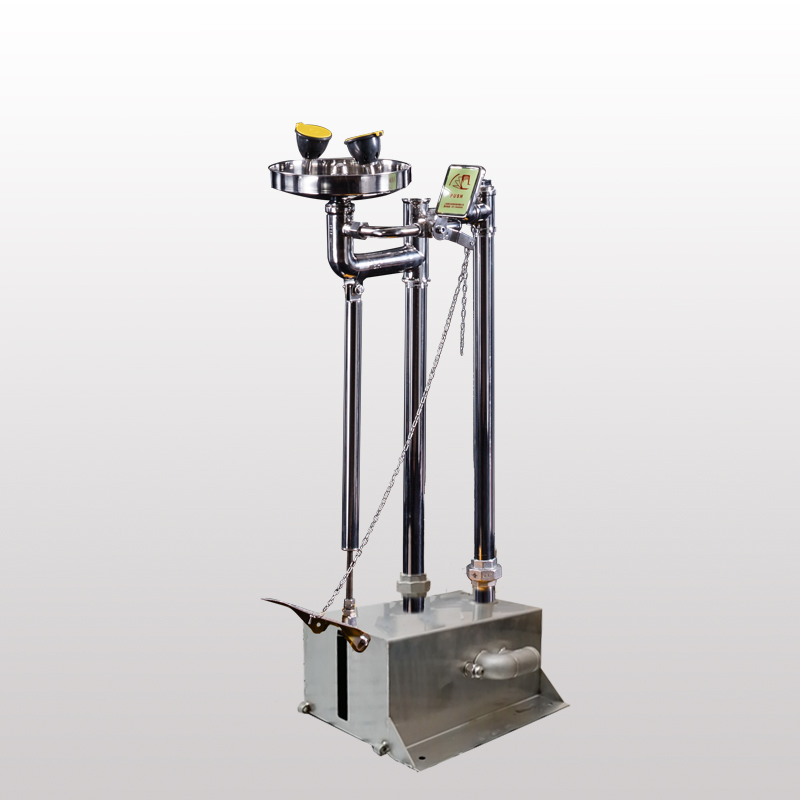
Anti-freeze and electric heat tracing eyewash stations help facilities remain compliant in cold climates.
6. Supplier capability and manufacturing depth
For buyers planning long-term supply or OEM/ODM programs, supplier capability is as important as product specs. Shanghai Bohua Safety Device Co., Ltd. has operated since 2006, with a 4,000 m² factory, 50 employees, and an annual output of approximately 20,000 units. The R&D team of 5 supports product development and customization. For OEM/ODM orders, BOHUA offers a monthly capacity of about 1,000 units, a lead time of approximately 30 days, and a MOQ of 5 units. All products are 100% tested before shipment, and remote after-sales support is available.
Step-by-step breakdown: how to evaluate an eyewash station offer
- Map the hazard and location. Determine whether the risk is eye-only or full-body, and whether the site has reliable water supply and drainage.
- Identify applicable standards. Use ANSI/ISEA Z358.1-2014 for North America and CE / EN 15154 for Europe, and check local regulations for your market.
- Set minimum performance requirements. Define flow rate, activation time, flushing duration, and acceptable water pressure before contacting suppliers.
- Select materials and mounting type. Choose materials that resist the chemicals present. Choose wall, floor, portable, or combination based on site layout and available space.
- Verify supplier evidence. Ask for certificate numbers, test reports, and a statement of compliance for the exact model you are considering.
- Request documentation and samples. A sample test can validate activation, spray pattern, material quality, and build quality before bulk purchase.
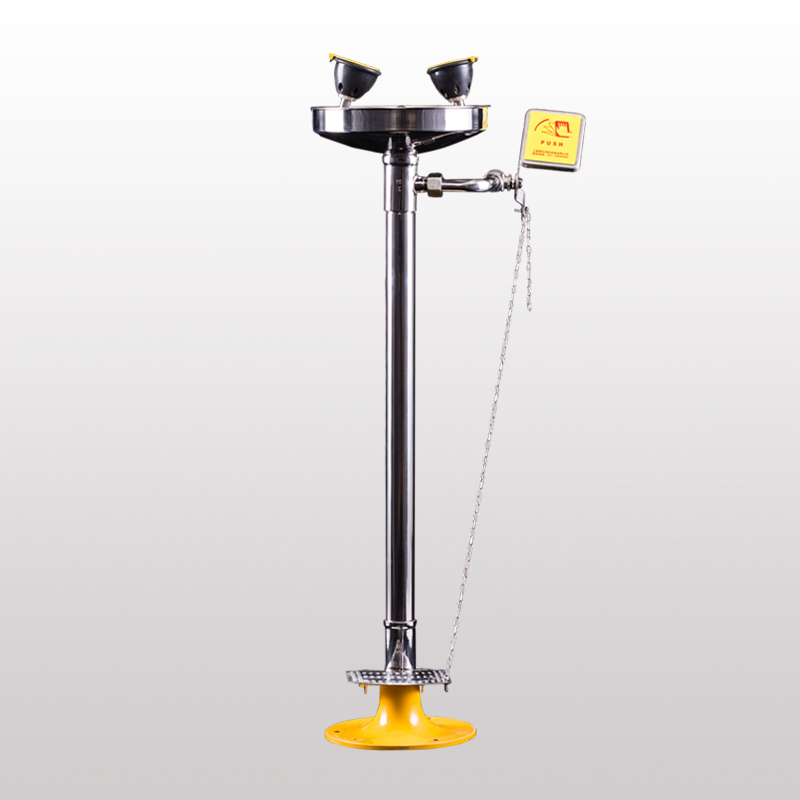
Vertical eyewash stations are common in industrial plant corridors and entrances.
Use cases: where each type of eyewash station fits
Laboratory and indoor workstations
In a chemistry laboratory, staff may need immediate eye irrigation near the bench. BOHUA wall-mounted eyewash models BH33-1011 and desktop models BH35-1009 provide a compact option with activation within 1 second. These units are suitable for research labs, universities, and pharmaceutical quality-control areas.
Chemical and petrochemical facilities
Where caustic or corrosive chemicals are handled, a combination shower and eyewash station is recommended. The BH30-2010, made of 304 stainless steel, covers both eyes and the full body. For high-corrosion environments, the BH30-1316 offers 316 stainless steel construction. These units are typically installed in chemical plants, petrochemical facilities, battery manufacturing plants, and food processing areas.
Cold climate and outdoor installations
Facilities that operate outdoors in winter need freeze protection. BOHUA BH30-1008 is an anti-freeze and anti-scald unit, while electric heat tracing models like BH30-1062 keep water lines warm. One ODM client in a cold region purchased 15 electric heat tracing units over a 5-year period to maintain year-round compliant emergency response and worker safety.
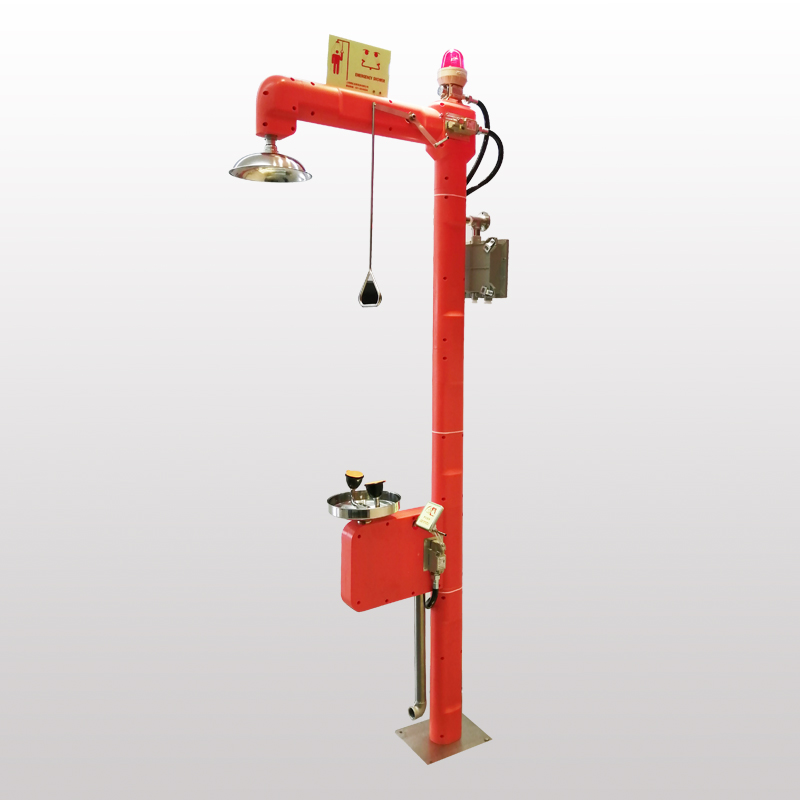
Electric heat tracing systems help prevent freezing in emergency shower and eyewash units.
Remote and temporary sites
Construction sites, temporary labs, or areas without water lines require a self-contained portable emergency shower and eyewash. BOHUA BH34-0628 with a 28L tank and BH34-0665F with a 65L tank can be moved to the work area and operated without a permanent plumbing connection. These units are also used in agriculture, pesticide handling, and mining operations.
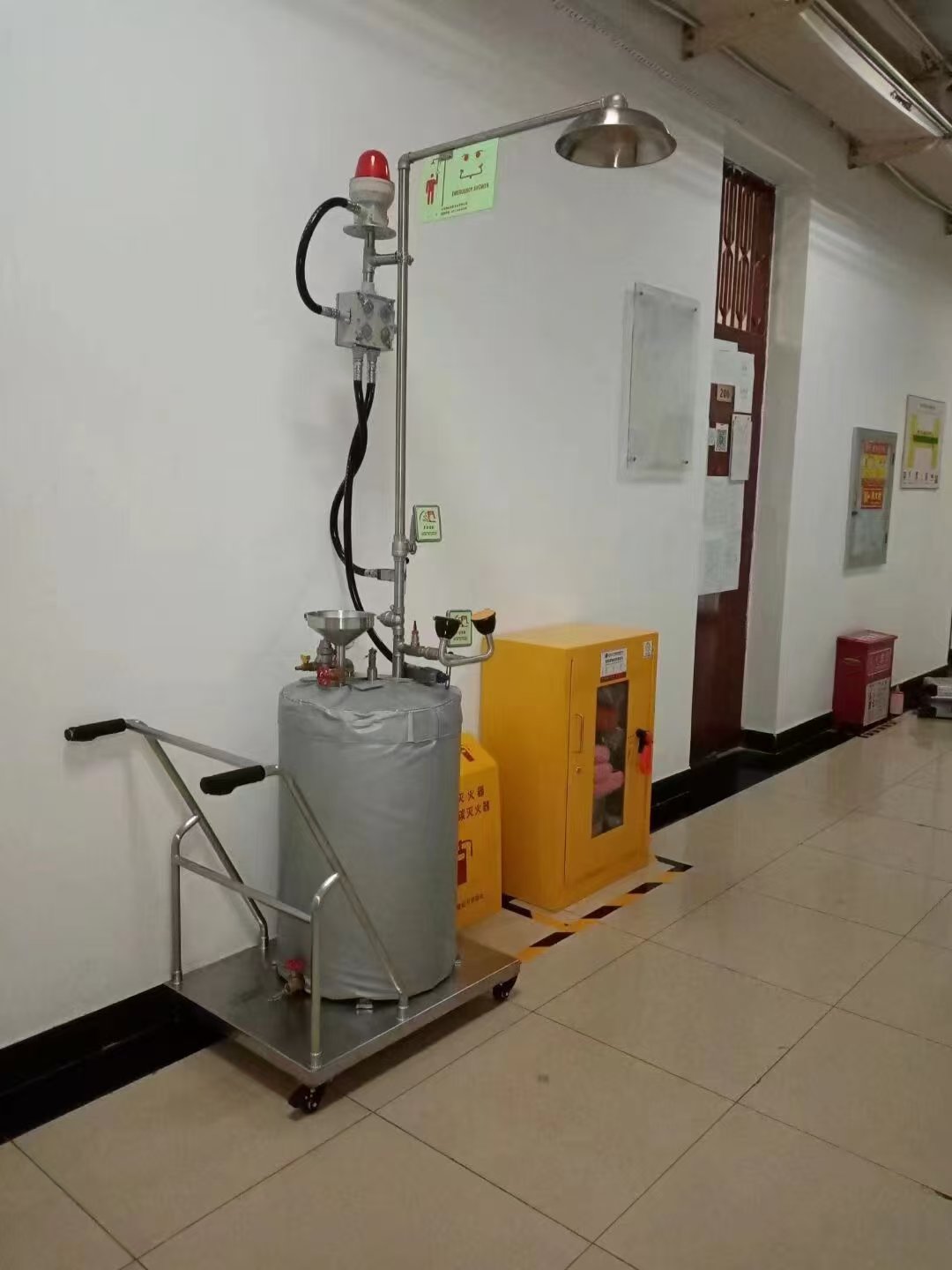
Portable emergency shower and eyewash stations support sites without fixed plumbing.
Comparison table: common BOHUA eyewash station types
| Type | Example models | Mounting | Material | Eyewash flow | Shower flow | Activation | Best for |
|---|---|---|---|---|---|---|---|
| Wall mounted eyewash | BH33-1010, BH33-1011 | Wall | 304 SS / 304 SS + ABS | ≥1.5 L/min | — | Within 1 second | Laboratories, corridors, compact areas |
| Vertical eyewash | BH32-1010 | Floor | 304 SS | ≥1.5 L/min (compliant) | — | Within 1 second | Plant entrances, hallways |
| Combination shower and eyewash | BH30-2010, BH30-1010, BH30-1316 | Floor | 304 SS or 316 SS | ≥1.5 L/min | 120–180 L/min | Within 1 second | Chemical plants, whole-body splash risk |
| Portable shower and eyewash | BH34-0628, BH34-0665F | Floor, tank-based | 304 SS | ≥1.5 L/min | 120–180 L/min | Within 1 second | Remote sites, no plumbing, temporary work zones |
| Anti-freeze / heat tracing | BH30-1008, BH30-1062 | Floor | 304 SS / 304 SS + ABS | ≥1.5 L/min | 120–180 L/min | Within 1 second | Cold climates, outdoor installations |
Note: Shower flow rates of 120–180 L/min and eyewash flow rates of ≥1.5 L/min are based on BOHUA product specifications for plumbed combination and portable units. For vertical and wall-mounted eyewash models, the standard requirement of ≥1.5 L/min is the applicable compliance benchmark.
FAQ
Conclusion
Eyewash station selection should be treated as a compliance decision. The lowest-cost product is not necessarily the lowest-cost solution if it fails an audit or cannot deliver effective flushing in an emergency. By focusing on standards, performance data, materials, environmental fit, and supplier verification, buyers can reduce risk and make consistent purchasing decisions across multiple sites.
If you are evaluating BOHUA eyewash stations, the next step is simple: request a data sheet, ask for certificate copies, or contact the sales team for a quote or sample.
Email: sales@shanghai-bohua.com | Tel / WhatsApp: +86 18917119171
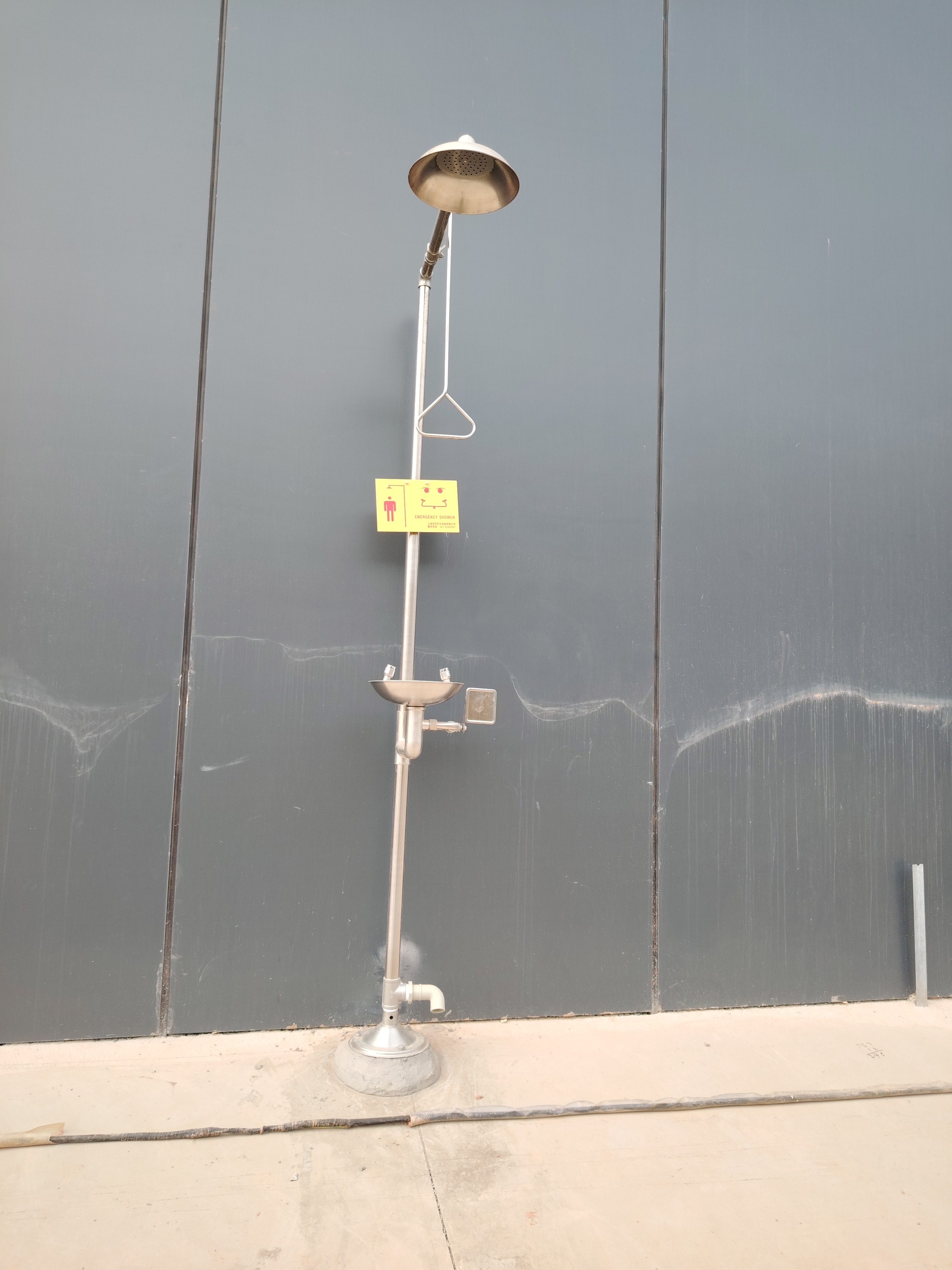
Contact BOHUA for product specifications, certificate packages, and sample support.
Have Questions or Need More Details?
Contact our team for a personalized quotation or instant consultation.
Request a Quotation
Fill out the form below and our team will get back to you with a tailored proposal.
WhatsApp Direct Chat
Prefer to chat in real-time? Message us on WhatsApp for instant assistance & quick answers.
- Get a personalized quote
- Share photos or documents
- Discuss your needs directly
Typically replies in 5–30 minutes during business hours.