Capsule House Model Fit: M3 vs Apple Capsule MINI vs M8 vs MS-XO8 F
Which Capsule House Model Fits Your Project? M3 vs Apple Capsule MINI vs M8 vs MS-XO8 F
The M3, Apple Capsule MINI, M8 and MS-XO8 F are built on one structural platform but serve four different revenue units: a 6.9 m² single-occupancy pod, two 27.39 m² units for one to four guests, and a 57.6 m² catering cabin. The right choice is usually decided by site access, power supply, foundation load and the compliance class of the destination market — not by appearance or by price per unit.
All four models are produced by BOITO-MINGSU, the capsule house brand of Guangdong Mingsu Sojourn Technology Co., Ltd., a member of the BOITO Group that develops and exports prefabricated modular hospitality buildings from Yangjiang, Guangdong, China, for resorts, glamping operators, scenic-area developers and overseas project clients. The comparison below uses the manufacturer’s published model specifications, its ISO 14001:2015 certificate details, and its stated production and delivery terms. Where a value is not published, this article says so instead of estimating it.
Why Capsule House Model Selection Fails at the Specification Stage
Model mismatches rarely come from design taste. They surface after the purchase order, when the unit reaches a site that cannot accept it. Four constraints account for most of these failures, and each one maps to a published number on the four models.
- Footprint and site access. A 16 m unit and a 3 m unit require different access roads, lifting plans and staging areas. MS-XO8 F measures 16 m × 3.6 m × 3.2 m; M3 measures 3 m × 2.3 m × 2.5 m.
- Installed power. Published power consumption runs from 6 kW on M3 to 10 kW on MS-XO8 F. On a remote site fed by a generator or a limited grid connection, that range changes the electrical design, not just the utility bill.
- Weight and foundation. Total weight is approximately 2 t for M3, 6.5 t for Apple Capsule MINI, 7 t for M8 and 13 t for MS-XO8 F. Foundation and lifting design follow from these figures.
- Regulatory class. In the EU, capsule houses fall under the Construction Products Regulation and must bear the CE marking for legal installation. In the USA, units are treated as RVs, ADUs or state-certified modular construction, each requiring a different foundation type.
A buyer who fixes these four constraints first will usually eliminate two of the four models before comparing interiors, finishes or furniture packages. That order of work is the difference between a specification that survives site works and one that is renegotiated on delivery.
Industry Background: Model-Level Decisions Have Replaced Category-Level Decisions
Capsule and pod accommodation has moved from novelty format to standard resort inventory. Grand View Research values the glamping market at USD 7.9 billion by 2033 with a 9.5% CAGR, and identifies cabins and pods as the largest accommodation segment, holding a 43.0% share in 2025. As the category matures, the buyer question shifts from whether to use capsule units to which unit, at what size, for which guest profile.
Delivery speed explains part of that shift. Fortune Business Insights reports that modular housing projects can reduce construction timelines by 30%–50% compared with traditional on-site building, and China’s exports of prefabricated buildings under HS 9406 reached USD 3.24 billion in 2024 according to OEC. Faster delivery makes the model decision more consequential, because dimensions, power draw and weight are locked before site works begin rather than adjusted during construction.
The Shared Construction Platform Behind All Four Models
Differences between the four models are dimensional, not structural. All four use the same frame, envelope and sanitary specification, so a buyer comparing them is comparing scale and intended use rather than build quality.
- Main frame. An anti-seismic steel structure system developed by a professional structural design team, using hot-dip galvanized square pipe in 150×100×3, 100×100×3, 100×50×2.5 and 50×50×2 national-standard sections. The manufacturer states the frame has passed strict structural safety certification.
- Glazing and doors. A fully enclosed broken-bridge form embedded with double-layer tempered hollow Low-E glass, plus aluminum alloy flat doors. The build balances light transmittance with heat control, cooling and heating cost, and the comfort of internal sunlight projection.
- Insulation and cladding. Polyurethane foam insulation with a thermal resistance of 3.2 m²K/W, fixed to the main frame with high-strength composite materials; exterior cladding in fluorocarbon-painted customized aluminum plate for strength, pressure resistance, oxidation resistance and surface texture.
- Bathroom. Arrow sanitary appliances — basin, faucet, shower, toilet, sink and bathroom mirror.
Because the envelope specification is common, the published data does not differentiate the models on insulation or glazing performance. The practical differences are floor area, guest capacity, installed power and transport weight, which is why the comparison table later in this article focuses on those four columns.
Model by Model: What Each Capsule House Is Built For
M3 (Breeze Single Capsule): 6.9 m², One Guest, 6 kW
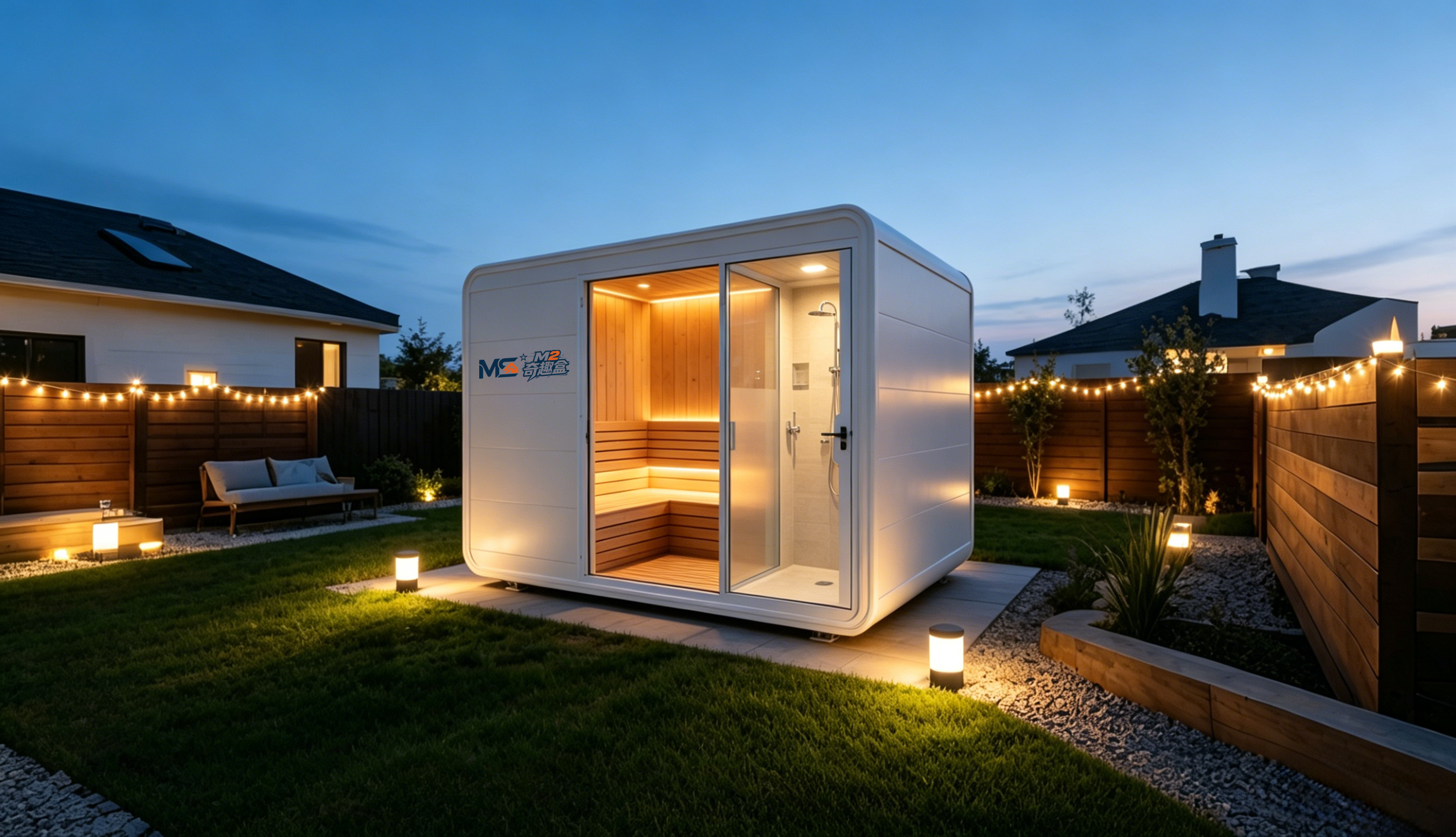
M3 is the smallest unit in the range: 3 m × 2.3 m × 2.5 m, 6.9 m² of covered area, one guest, 6 kW power consumption and approximately 2 t total weight. It is listed for the hospitality industry and for outdoor adventure and glamping scenarios.
The case for M3 is placement. At roughly 2 t and 3 m long, it fits plots where an 8.3 m or 16 m unit cannot be delivered or lifted, and it can be repeated across a slope, a forest clearing or a scenic edge without a heavy foundation programme. The limitation is revenue density: one guest per unit means more units, more doors and more housekeeping stops per key, so the model works best where land is tight or where a single-occupancy product is the point.
Buyers should treat M3 as a single-occupancy product — a scenic micro-suite, a solo retreat unit or an overflow room — rather than as a compressed family room.
Apple Capsule MINI: 27.39 m², One to Four Guests, 7 kW
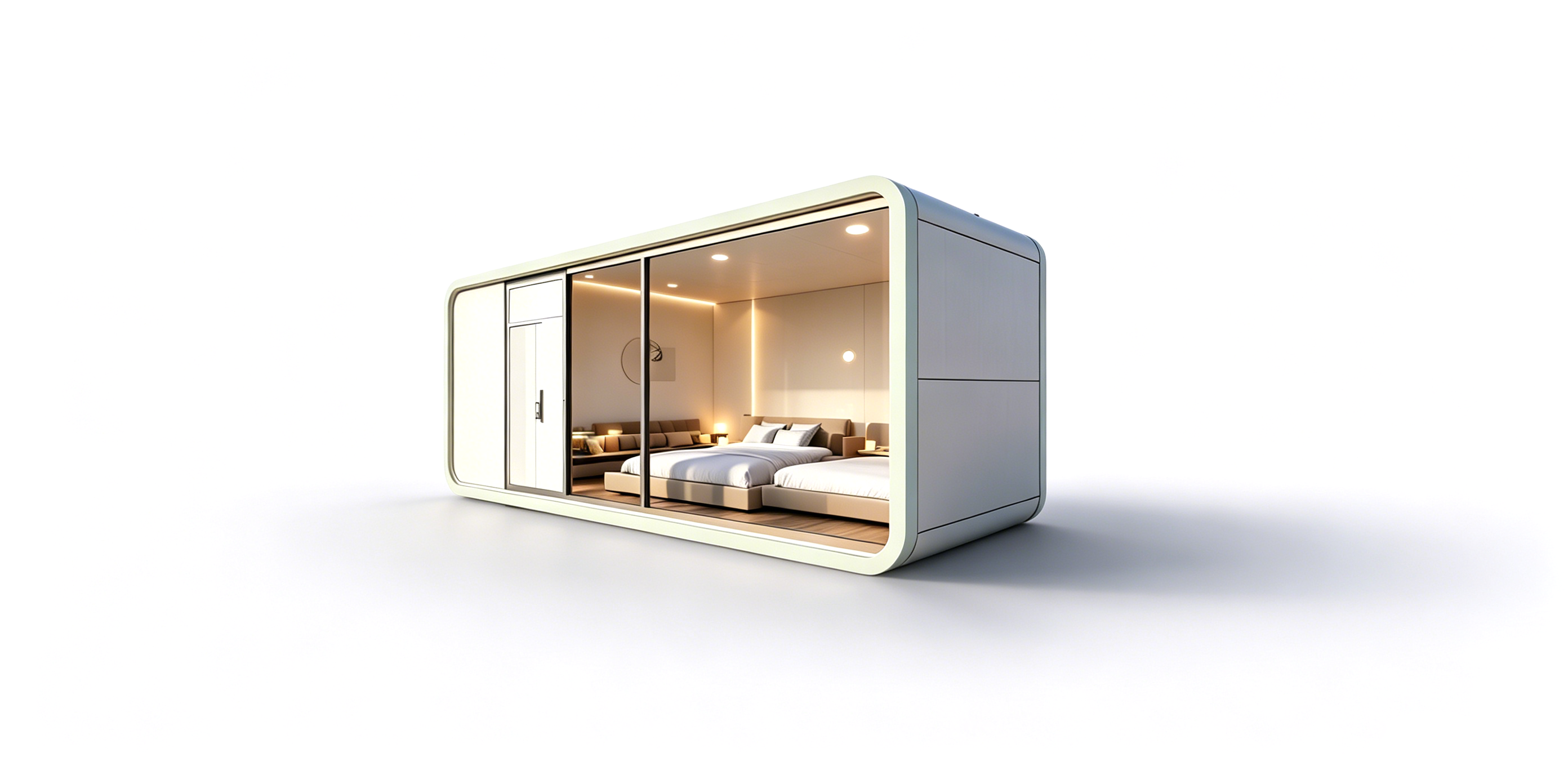
Apple Capsule MINI measures 8.3 m × 3.3 m × 3.2 m and covers 27.39 m² for one to four guests, with 7 kW power consumption and approximately 6.5 t total weight. It is listed for hospitality use and is covered by the manufacturer’s ISO 14001:2015 environmental management certification.
Apple Capsule MINI and M8 share identical external dimensions and floor area, so the choice between them is not about size. The published differences are installed power — 7 kW against 8 kW — and total weight, approximately 6.5 t against approximately 7 t. On a project where the unit is a standard guest room and the electrical supply is sized tightly, that one kilowatt is visible at the generator or the main distribution board, and the 0.5 t difference feeds into lifting and foundation design.
M8 (Sleep Pod, Adventure): 27.39 m² for Glamping and Outdoor Hospitality
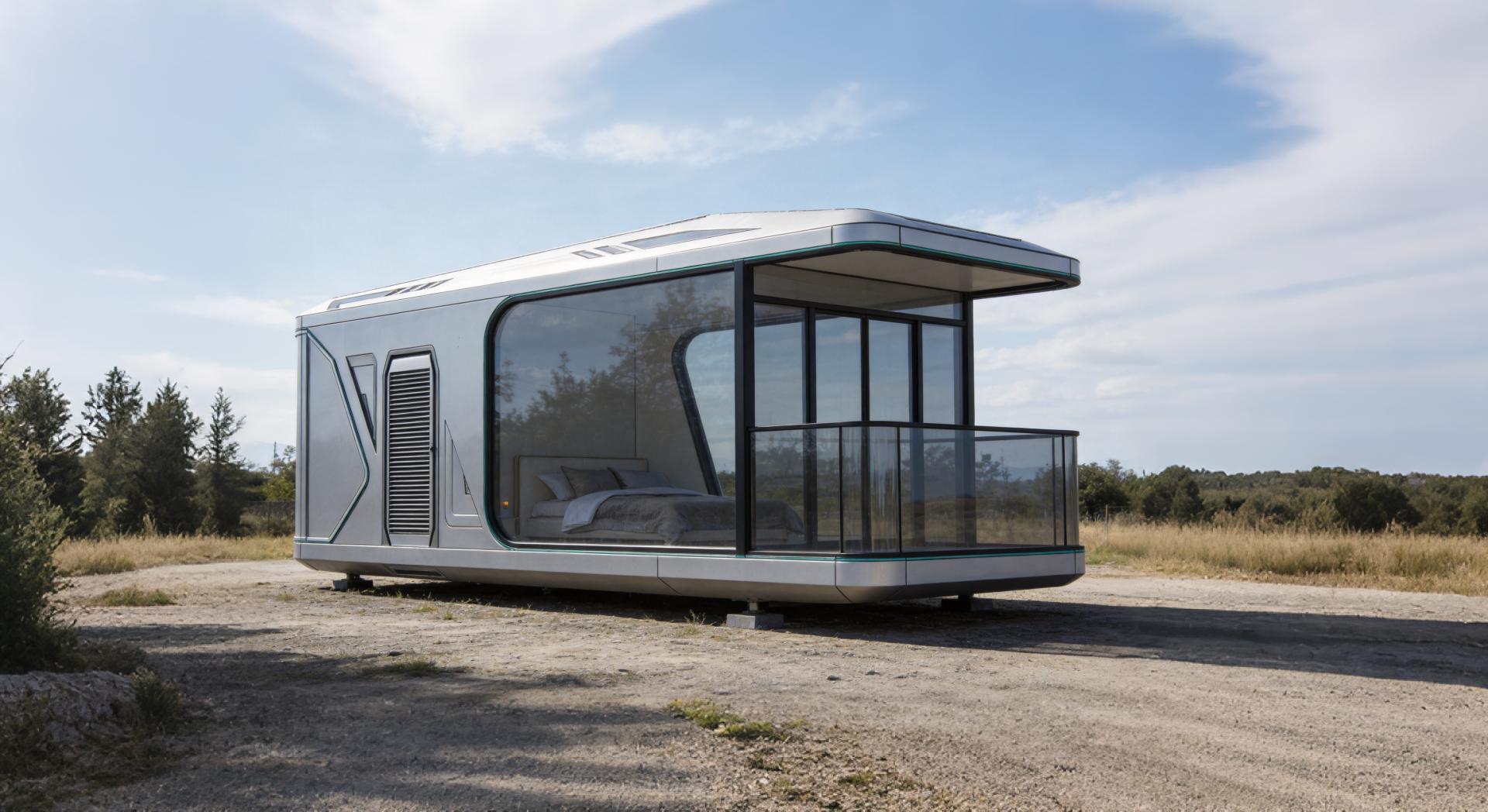
M8 uses the same 8.3 m × 3.3 m × 3.2 m envelope as Apple Capsule MINI, covers 27.39 m² for one to four guests, and is listed at 8 kW with approximately 7 t total weight. It is designed for outdoor use with weather-resistant materials: fluorocarbon-coated aluminum exterior panels, a fully enclosed broken-bridge system with double-layer tempered hollow Low-E glass, and an insulation system intended to control heat and maintain comfortable internal temperatures. The manufacturer lists a bathroom with Arrow sanitary appliances and states the unit has passed strict structural safety certification.
The 8 kW figure is 1 kW above Apple Capsule MINI. Whether that headroom is needed depends on the climate load calculation for the site, which the buyer should run rather than assume; the published specification gives the input, not the conclusion.
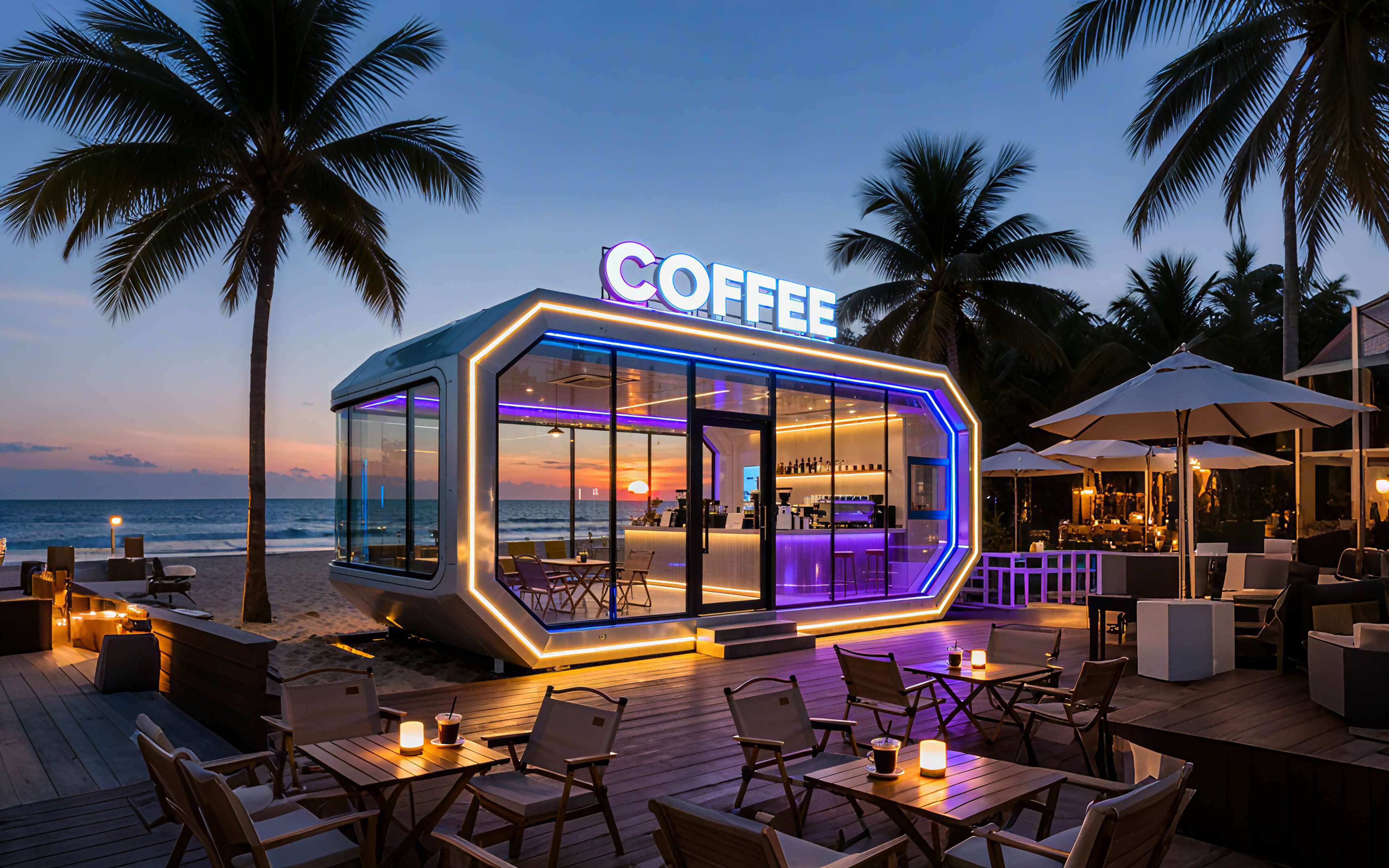
MS-XO8 F (Cafe Capsule): 57.6 m² for Catering Service
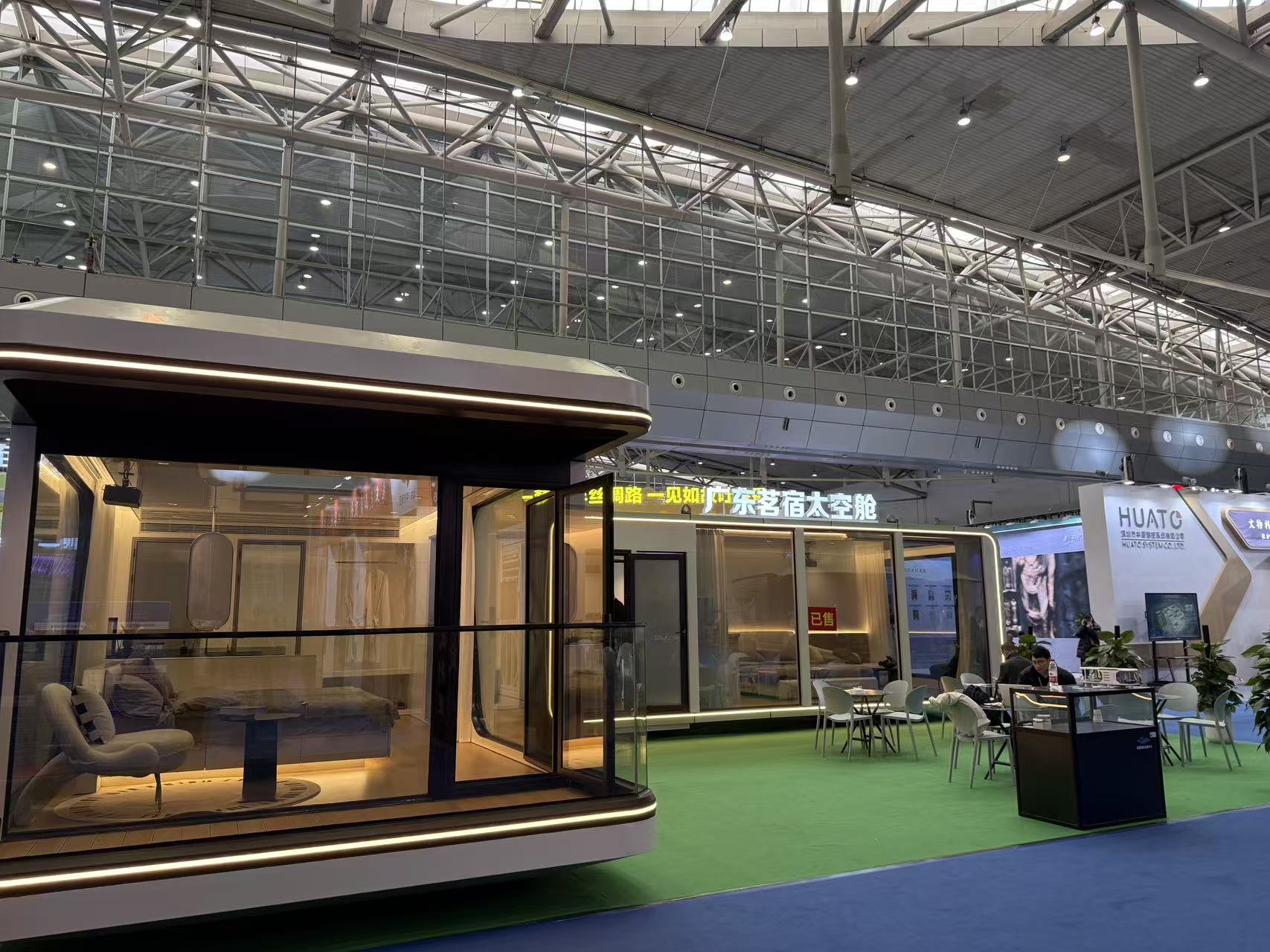
MS-XO8 F is a different product class. At 16 m × 3.6 m × 3.2 m it covers 57.6 m², carries 10 kW and weighs approximately 13 t — roughly twice the weight of Apple Capsule MINI and more than six times the weight of M3. Its listed application is catering service, not accommodation.
That single line in the specification changes the site requirements and the business case. A 16 m unit needs a delivery route, a turning radius and a foundation that a 3 m pod does not, and it earns from covers rather than room nights. For projects that combine accommodation with a food and beverage anchor, MS-XO8 F is normally specified alongside the smaller units rather than instead of them.
The range also includes M10, an exotic-style capsule house of 10 m × 3.6 m × 3.2 m covering 27.36 m². It sits outside this four-model comparison but shares the same platform and the same certification coverage.
Certification and Compliance Constraints That Can Eliminate a Model
For a regulated market, documentation can remove a model from the shortlist faster than any specification sheet. Three documents decide most of these cases.
- ISO 14001:2015. The manufacturer’s environmental management certificate is registered under GB/T 24001-2016 / ISO 14001:2015, certificate number ISC-E-2025-5371-R, issued by Beijing International Standard United Certification Co., Ltd., valid from 24 November 2025 to 23 November 2028, and applicable to the EU market. It covers the Commercial cabins product (MS-XO8 F), Apple Capsule MINI, M3, M10 and M8. The certified scope is environmental management activities for the sites involved in manufacturing metal structures (mobile homes), excluding qualification and license requirements — an environmental management certificate, not a product conformity mark.
- EU market. Capsule houses fall under the Construction Products Regulation and must bear the CE marking for legal installation. The marking and the associated declaration must be confirmed for the specific model and intended use, and the model number on the declaration should match the model number on the order.
- US market. Units are classified as RVs, ADUs or state-certified modular construction, and each classification carries different foundation requirements. The classification should be agreed with the local authority before the model is fixed, because it can determine whether a unit is installable at all on the plot.
Not published in the specification data
Unit prices, warranty periods and model-specific CE declarations are not part of the published model comparison. Buyers should request them in writing for the confirmed model and market rather than infer them from this table set.
Step-by-Step: Matching a Model to a Project
- Define the revenue unit. A room night, a glamping pitch and a food and beverage cover are different products commercially, even when the construction is identical. One guest per unit (M3) and four guests per unit (Apple Capsule MINI, M8) produce different revenue per door and different operating labour per key.
- Fix the site constraints. Record access route width, turning space, lifting position and staging area, then compare them with the 3 m, 8.3 m and 16 m lengths. A model that cannot reach the plot is not a candidate, whatever its specification.
- Size the power supply. Budget 6 kW for M3, 7 kW for Apple Capsule MINI, 8 kW for M8 and 10 kW for MS-XO8 F, then check the site connection or generator capacity against those figures, including distribution losses and any shared site loads.
- Check foundation and lifting loads. Approximately 2 t, 6.5 t, 7 t and 13 t. These figures determine the crane or telehandler class, the point-load design and, on soft or sloped ground, whether a model is practical at all.
- Verify the compliance class for the destination market. CE marking under the Construction Products Regulation for the EU; RV, ADU or state-certified modular construction for the USA. Confirm the route before production, not after arrival.
- Agree purchasing terms and acceptance criteria. MOQ 10 units, lead time 30–45 days, 100% test before shipment, ODM customization for voltage and logo, and remote after-sales support. Write these into the contract together with the model, dimensions, power configuration and certification copies.
Use Cases: Hospitality, Glamping and Catering
Capsule hotel rooms and resort keys
For a capsule hotel room or a resort key, Apple Capsule MINI is the four-guest option at 7 kW and M3 the single-occupancy option at 6 kW. A site that mixes both can cluster family units on the 27.39 m² models and place the 6.9 m² units on constrained or premium-view plots where a larger footprint would not fit and would not be justified by the room rate.
Outdoor glamping and adventure sites
M8 is positioned as a sleep pod for adventure use: same 27.39 m² envelope as Apple Capsule MINI, weather-resistant exterior cladding, Low-E glazing and 8 kW installed. On a glamping site the four-guest pod is often the standard unit, with the smaller M3 used for solo travellers or guides and a larger unit anchoring the public area.
Catering and café service
MS-XO8 F serves the food and beverage side of the same developments: 57.6 m², 10 kW, approximately 13 t, listed for catering service. It is the unit that converts a room-only site into a longer-dwell destination, and it is also the unit that most affects transport and foundation planning, because nothing about its 16 m length is flexible.
A Malaysia-based tourism resort operator ordered 10 units for camping resort use under an ODM arrangement, with a 20-year relationship recorded and stable operation as the reported result; low noise is noted as a project highlight. The related models in that case are M8 and M10 — a pattern typical of glamping sites, where the four-guest pod is the standard unit and larger or special-format units anchor the public areas.
Comparison Table: M3, Apple Capsule MINI, M8 and MS-XO8 F
| Model | Type and intended use | L × W × H | Floor area | Guests | Power | Total weight | Best-fit project | Main constraint |
|---|---|---|---|---|---|---|---|---|
| M3 | Breeze Single Capsule; hospitality, outdoor adventure and glamping | 3 m × 2.3 m × 2.5 m | 6.9 m² | 1 | 6 kW | ≈2 t | Single-occupancy micro-suites on constrained or premium-view plots | One guest per unit; lowest revenue per key |
| Apple Capsule MINI | Apple Capsule; hospitality | 8.3 m × 3.3 m × 3.2 m | 27.39 m² | 1–4 | 7 kW | ≈6.5 t | Standard resort and capsule hotel rooms | Lowest installed power of the two 27.39 m² models — verify against climate load |
| M8 | Sleep Pod (Adventure); hospitality and outdoor glamping | 8.3 m × 3.3 m × 3.2 m | 27.39 m² | 1–4 | 8 kW | ≈7 t | Glamping clusters and adventure-oriented sites | 0.5 t heavier than Apple Capsule MINI |
| MS-XO8 F | Cafe Capsule / commercial cabin; catering service | 16 m × 3.6 m × 3.2 m | 57.6 m² | 1–4 | 10 kW | ≈13 t | Café, bar and food and beverage anchor units | Longest and heaviest unit; access and foundation planning required |
Purchasing Terms: What Is Stated and What Must Be Confirmed
The four models share a commercial framework. The company was founded in 2003 and operates a 10,000 m² factory with a 25-engineer R&D team; its main markets are listed as Southeast Asia, the EU and the USA, and its stated export markets are the EU and the Middle East.
| Purchasing item | Published term |
|---|---|
| Minimum order quantity | 10 units |
| Lead time | 30–45 days |
| Monthly capacity | 30 to 50 units |
| Production mode | ODM |
| Customization scope | Voltage and logo |
| Quality control | 100% test |
| After-sales support | Remote support |
| Environmental certification | ISO 14001:2015 (GB/T 24001-2016), certificate ISC-E-2025-5371-R, EU market, valid to 23 November 2028 |
Acceptance Criteria Before the Units Ship
Acceptance should be written as a checklist attached to the purchase order, not as a conversation at handover. The following points are all traceable to published specifications or stated production terms.
- Model and dimensions. Confirm the model designation (M3, Apple Capsule MINI, M8 or MS-XO8 F) and the dimensional string on the order against the specification: 3 × 2.3 × 2.5 m, 8.3 × 3.3 × 3.2 m, or 16 × 3.6 × 3.2 m.
- Power and voltage. Confirm the consumption figure for the selected model (6, 7, 8 or 10 kW) and the customized voltage, since voltage is within the stated ODM scope.
- Weight and lifting. Confirm the unit weight so that the crane or telehandler class on site is correct: approximately 2 t, 6.5 t, 7 t or 13 t.
- Envelope and fittings. Verify the delivered specification includes double-layer tempered hollow Low-E glass in a broken-bridge system, polyurethane insulation at 3.2 m²K/W, fluorocarbon-painted aluminum cladding and Arrow sanitary appliances.
- Test record. Require the 100% test record for each unit and confirm its format before production begins, so that it can be checked against the acceptance list.
- Certification copies. ISO 14001:2015 certificate ISC-E-2025-5371-R covering the ordered model, plus the model-specific CE declaration where the EU market applies.
Frequently Asked Questions
Which capsule house models are CE compliant for Europe?
CE marking is a regulatory requirement rather than a manufacturer attribute: under the EU Construction Products Regulation, capsule houses must bear the CE marking for legal installation, and conformity is declared per product and intended use. The published documentation from BOITO-MINGSU includes an ISO 14001:2015 environmental management certificate, number ISC-E-2025-5371-R, issued by Beijing International Standard United Certification Co., Ltd. and applicable to the EU market, covering MS-XO8 F, Apple Capsule MINI, M3, M10 and M8. That certificate covers environmental management, not product conformity, so buyers should also request the model-specific CE declaration and check that the model number and intended use on it match the order.
Which model requires the largest power supply?
MS-XO8 F requires 10 kW, followed by M8 at 8 kW, Apple Capsule MINI at 7 kW and M3 at 6 kW. These are published consumption figures; the site connection, generator capacity and distribution design should be checked against them, especially on remote or off-grid sites.
What drives the cost difference between the four models?
Floor area, steel and glazing quantity, installed power and transport weight. M3 covers 6.9 m² at approximately 2 t, while MS-XO8 F covers 57.6 m² at approximately 13 t with 10 kW installed. Unit prices are not part of the published specification data, so buyers should request a quotation for the confirmed model, quantity and voltage configuration, and compare delivered cost rather than unit price, because a 16 m unit and a 3 m unit carry different freight and lifting costs.
Can a buyer validate a unit before committing to a full order?
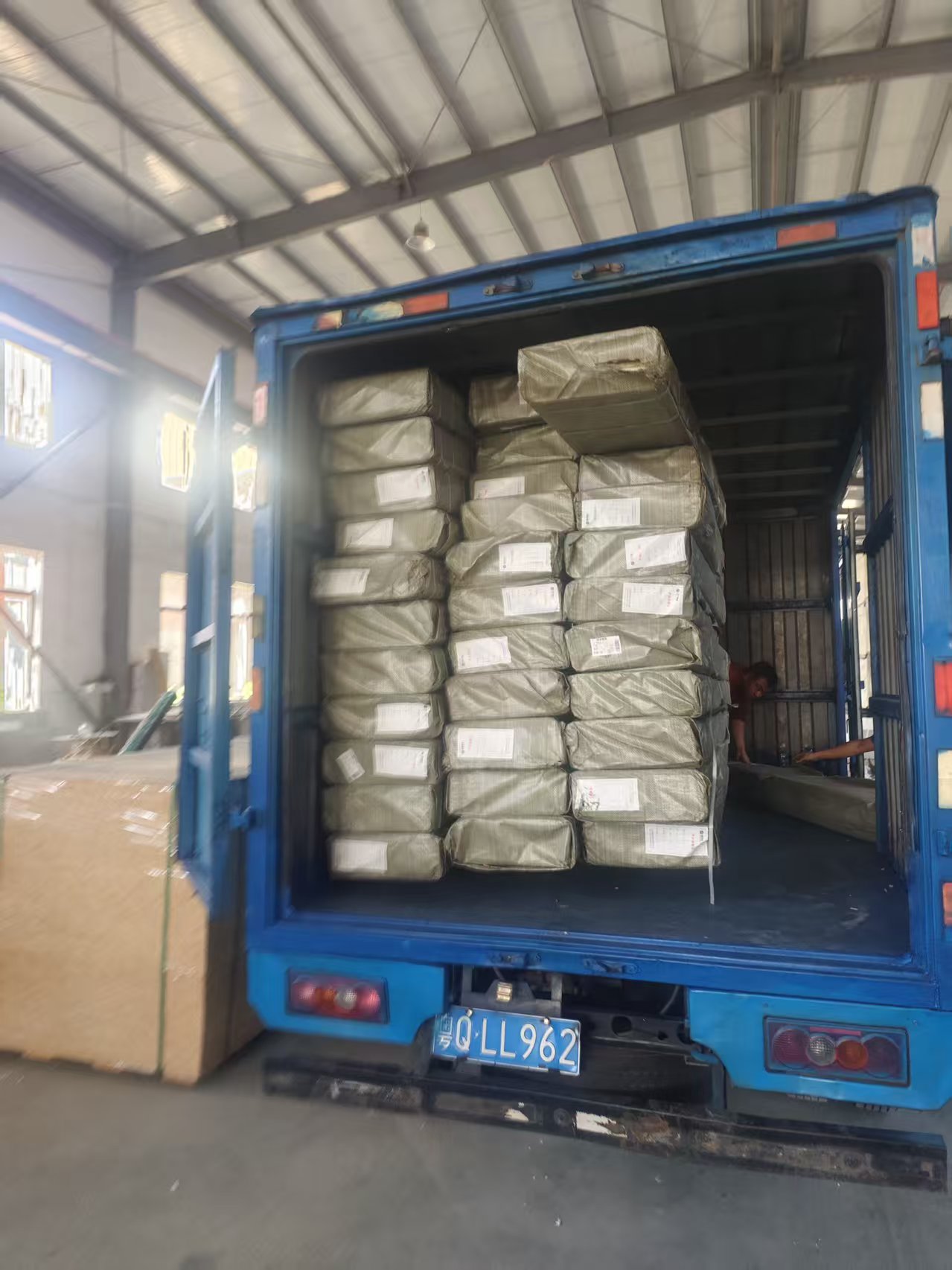
The published production terms are an MOQ of 10 units, a lead time of 30–45 days and 100% test before shipment, with ODM customization covering voltage and logo. Pre-production samples, factory inspection and third-party inspection are commercial arrangements that should be written into the supply contract together with the acceptance criteria: model, dimensions, power configuration, voltage, sanitary fittings and certification copies.
What lead time should be planned for, and how does it fit a resort schedule?
The published lead time is 30–45 days with a monthly capacity of 30–50 units. A project larger than one month of capacity should be split into batches tied to foundation and utility readiness on site rather than to a single shipment date. After-sales support is provided remotely. To match a model to a specific plot, send the site plan, guest count and destination market to BOITO-MINGSU through www.boitohouse.com for a model-fit quotation and the current catalog.
Conclusion: Choose the Constraint, Then the Model
M3 is the single-occupancy unit for constrained or premium-view plots at 6.9 m², 6 kW and approximately 2 t. Apple Capsule MINI is the four-guest hospitality default for capsule hotel rooms and resort keys at 27.39 m² and 7 kW. M8 carries the same 27.39 m² envelope with 8 kW and an adventure positioning for glamping sites. MS-XO8 F is not an alternative to the other three but an addition: 57.6 m² of catering space at 10 kW and approximately 13 t.
Because frame, glazing, insulation and sanitary specification are common to all four, the decision should be made on site access, power, foundation load and compliance class — and then confirmed in writing against the published numbers before production begins.
Next Step: Model-Fit Quotation for Your Site
Share your site plan, target guest count and destination market with BOITO-MINGSU and receive a model recommendation with the matching specification sheet, certification copies and current quotation terms.
Download the 2026 catalog (PDF): BOITO-MINGSU Capsule House Catalog 2026
Contact: YUMI · Email info@gdmingsu.com · Tel +86-19075309888 · WhatsApp +86 190 7530 9888 · Wanxiang Industrial, Yangdong, Yangjiang, Guangdong, China · www.boitohouse.com
Have Questions or Need More Details?
Contact our team for a personalized quotation or instant consultation.
Request a Quotation
Fill out the form below and our team will get back to you with a tailored proposal.
WhatsApp Direct Chat
Prefer to chat in real-time? Message us on WhatsApp for instant assistance & quick answers.
- Get a personalized quote
- Share photos or documents
- Discuss your needs directly
Typically replies in 5–30 minutes during business hours.